I found my first international buyer on Alibaba in 2015. It was a small roaster from Florida. He sent me a message that said, "Do you really own the farm, or are you just a trading company?" I sent him a photo of me standing in our Baoshan coffee terraces, holding that day's newspaper. He placed a trial order of two pallets the next week. That buyer still sources from me today. The platform works. But it works differently than most people think. For every legitimate supplier like me, there are a dozen middlemen who have never touched a coffee cherry. The skill is not in using Alibaba. It's in filtering Alibaba.
Using Alibaba effectively for coffee bean sourcing requires treating the platform as a discovery and vetting tool, not a purchasing destination. The most successful buyers use Alibaba to identify potential suppliers, then move the relationship off-platform into direct communication, sample evaluation, and in-person or video verification. The platform's value is in its scale and its buyer protection infrastructure. Its risk is in the anonymity it provides to suppliers who misrepresent their connection to the coffee.
I've been a Gold Supplier on Alibaba for years. I've seen how buyers succeed and how they fail on the platform. Here's what I've learned from both sides of the screen.
What Are the Red Flags of a Fake Coffee Supplier on Alibaba?
The biggest mistake buyers make on Alibaba is assuming that a good-looking storefront means a good supplier. Alibaba is a platform, not a verifier. Anyone can open an account, upload stock photos of coffee farms, and claim to be a producer. The platform does some basic verification—business licenses, Gold Supplier status—but it doesn't verify whether the supplier actually owns the farm in their profile picture. That's the buyer's job.
The red flags of a fake coffee supplier include stock photography instead of original images, vague answers to specific questions about harvest dates and processing methods, an inability to provide a live video tour of the farm or mill, prices significantly below the known cost of production, and a reluctance to send a pre-shipment sample drawn from the exact lot being offered. Legitimate suppliers are proud of their farms and eager to prove their connection to the coffee.
How Can You Spot a Trading Company Posing as a Farm?
Trading companies are not inherently bad. Some are excellent, providing valuable aggregation and logistics services. The problem is when a trading company claims to be a farm to command a higher price or to project an authenticity they don't possess. The deception is the issue, not the business model.
The simplest test is to ask for a live video call. Not a recorded video. A live call, on a platform like WhatsApp or Zoom, where the supplier walks you through their facility in real time. A farm owner can do this immediately. They walk outside, show you the trees, show you the drying beds, show you the warehouse with their lot codes visible. A trading company makes excuses. "The farm is too remote for a good signal." "The farm manager is not available today." "Let me send you some videos instead."
I've taken these calls from the middle of our Baoshan fields, holding my phone up to the coffee trees. The buyer can ask me to walk to a specific area. They can ask to see the processing station. They can ask to see the current lot drying on the beds. This is not a burden. It's a demonstration of authenticity. A supplier who cannot or will not do this is not the farmer they claim to be.
Why Is an Unrealistically Low Price a Warning Sign?
Coffee has a cost of production. In Yunnan, the cost to grow, harvest, process, and prepare a pound of specialty-grade Arabica for export is a known range. If a supplier on Alibaba is offering "Premium Yunnan Arabica, 85+ points" at a price 30% below that range, one of two things is true. Either the supplier is losing money on every sale—unlikely—or the coffee is not what they claim it is.
Low prices can mean old crop being sold as new crop. They can mean lower-grade beans being sold as specialty. They can mean a trading company buying cheap, ungraded coffee and applying a premium-sounding description. In the worst cases, they can mean an outright scam—a supplier who collects deposits and never ships.
I know my production costs. A buyer should have a general sense of the market range for the coffee they're sourcing. If an Alibaba price looks too good to be true, it is. The cost of a bad purchase is not just the money lost. It's the time, the trust of your own customers, and the opportunity cost of not buying from a legitimate supplier. Pay the market price. Vet the supplier thoroughly. The combination of a fair price and a verified supplier is the real value on Alibaba.
How Should You Structure Your Initial Inquiry to Filter Serious Suppliers?
The first message you send to a supplier on Alibaba is a filter. It separates the professionals from the amateurs. A generic inquiry—"What's your best price for Arabica?"—gets a generic response. A detailed, specific inquiry gets a detailed response from a serious supplier and silence or deflection from a non-serious one. The quality of your question determines the quality of the answers you receive.
An effective initial inquiry on Alibaba is specific, professional, and designed to test the supplier's knowledge and authenticity. It should include your company introduction, your annual volume, your quality specifications, and a set of direct questions about the supplier's farm, processing methods, certifications, and sampling process. It should signal that you are a serious, knowledgeable buyer who will not be easily fooled. The responses you receive will tell you everything you need to know about which suppliers are worth your time.

What Specific Questions Should You Ask in Your First Message?
A good first message is not a casual chat. It's a structured set of questions that the supplier must answer with specific information. Vague answers disqualify the supplier. Detailed, prompt answers advance them to the next stage.
Here are the questions I recommend including. Can you send me a copy of your business license and any export licenses? What is the exact location of your farm, and can you provide GPS coordinates? What varietals do you grow, and what are the harvest months for each? What processing methods do you offer, and can you describe your fermentation and drying protocols? What certifications do you hold, and can you send copies of current certificates? Can you provide a pre-shipment sample from the exact lot you are offering, with the lot code clearly marked? What is your standard FOB price for a full container load of your specialty grade?
These questions serve two purposes. They gather information. And they test the supplier. A legitimate supplier answers them directly and quickly. A fake supplier stalls, deflects, or provides answers that are too vague to be useful. The questions are the filter. Let the filter do its work.
How Can You Use Trade Assurance to Protect Your First Transaction?
Trade Assurance is Alibaba's buyer protection program. It holds the supplier accountable for shipping quality and on-time delivery as specified in the contract. If the goods don't match the contract, the buyer can file a dispute and potentially recover their payment. For a first transaction with a new supplier, Trade Assurance is a valuable safety net.
I encourage my new buyers to use Trade Assurance for their first order. It gives them confidence. It also signals that I, as a supplier, am willing to be held accountable to the platform's standards. A supplier who refuses Trade Assurance—who insists on direct payment only—is a higher risk. They may have legitimate reasons, but those reasons should be explained clearly and convincingly. "We prefer direct payment because the Alibaba process is slow" is not a sufficient explanation.
Trade Assurance is not a guarantee against all problems. The dispute process takes time and requires documentation. But it creates a powerful incentive for the supplier to deliver what they promised. For a buyer testing a new relationship, that incentive is valuable. Use it for the first order. If the supplier performs well, you can discuss more efficient payment terms for future orders.
What Steps Should You Take After the First Alibaba Contact?
Alibaba is a starting point, not an endpoint. The platform connects you to a supplier. Everything that matters happens after that connection—off the platform, in the realm of samples, video calls, reference checks, and contract negotiations. The buyers who stay on Alibaba, treating it like Amazon for green coffee, get burned. The buyers who use Alibaba as a discovery tool and then conduct their own due diligence build reliable supply chains.
After the first Alibaba contact, the serious sourcing work begins. Request physical samples and cup them blind against your standards. Schedule a live video tour of the farm and processing facility. Ask for references from current buyers in your region. Negotiate a trial contract with clear quality specifications and a pre-shipment sample approval clause. The Alibaba platform facilitated the introduction. Your own due diligence validates or rejects the relationship.
How Do You Move From a Sample Order to a Full Container?
The sample order is a test. It tests the coffee quality, the supplier's logistics competence, and the overall professionalism of the operation. But a successful sample order does not automatically justify a full container. There are intermediate steps.
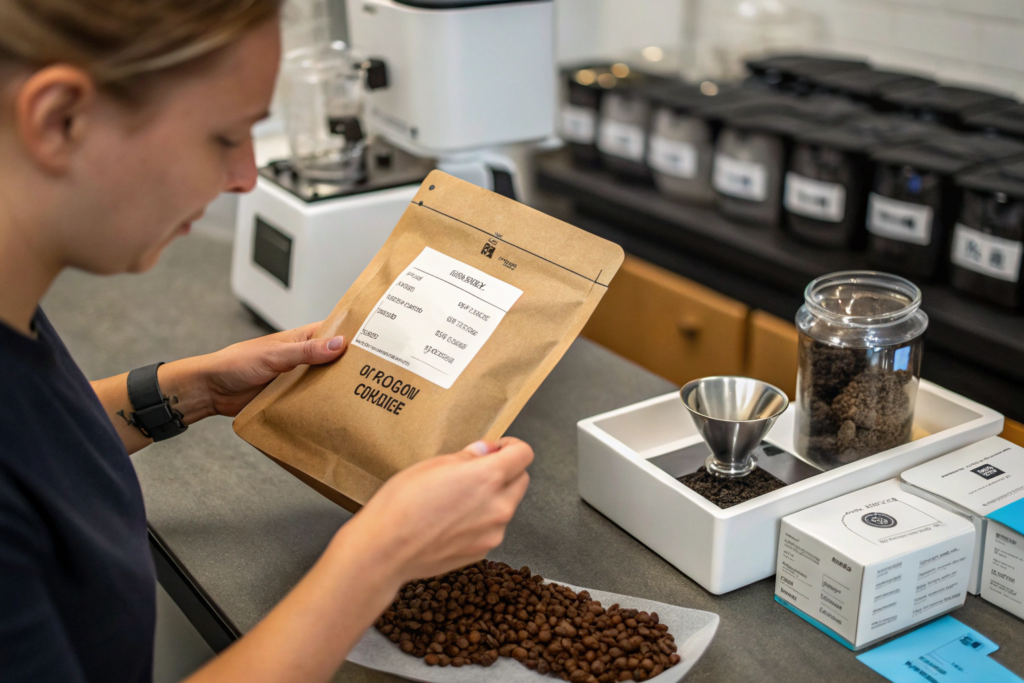
I recommend a staged approach. Start with a sample order—a few kilos for cupping. If the coffee is excellent, place a pallet order—10 to 20 bags. The pallet order tests the supplier's export documentation, their communication during the shipping process, and the consistency between the pre-shipment sample and the coffee that arrives. If the pallet order is successful, then discuss a container.
During this staged process, evaluate the supplier on more than just the coffee. Did the paperwork match the shipment exactly? Were there any customs issues? Did the supplier communicate proactively about the vessel schedule? Did they provide the shipping documents promptly? These operational details matter as much as the cupping score. A supplier who delivers great coffee but terrible logistics is not a reliable long-term partner.
When Should You Visit the Supplier's Facility in Person?
A visit is the ultimate verification. Nothing replaces walking the farm, seeing the processing station, meeting the team, and cupping the coffee on site. But visits are expensive and time-consuming. They should be reserved for suppliers who have already passed the earlier stages of vetting.
I recommend visiting a supplier when the sample quality and the initial small-volume transactions have been consistently positive, and you are seriously considering a multi-year volume commitment. The visit validates everything you've seen remotely and builds the personal relationship that sustains the partnership through challenges.
For a supplier in Yunnan, a visit is also an opportunity to see the broader coffee landscape. You can visit multiple farms, cup many lots, and make sourcing decisions with a depth of understanding that remote communication cannot provide. At BeanofCoffee, I welcome visits. I want my buyers to see the terraces, to meet the picking team, to cup in our lab. A buyer who has visited the farm is a buyer who understands the product at a level that no Alibaba listing can convey. That shared understanding is the foundation of a real partnership.
How Do You Use Alibaba to Compare Multiple Suppliers Objectively?
Alibaba's search function is powerful but overwhelming. A search for "Yunnan Arabica" returns hundreds of results. Most buyers look at the first page, click a few listings, and make a decision based on price and the attractiveness of the storefront. This is not a comparison. This is a lottery.
Using Alibaba to compare suppliers objectively requires building a structured comparison framework before you start clicking. Define your criteria—price range, certifications, minimum order quantity, supplier type, verification level—and use Alibaba's filters to narrow the field. For the shortlisted suppliers, create a comparison matrix that tracks their responses to your standardized questions, their sample quality, their communication speed and clarity, and their willingness to provide verification. The matrix makes an overwhelming decision manageable and evidence-based.
What Criteria Should Your Supplier Comparison Matrix Include?
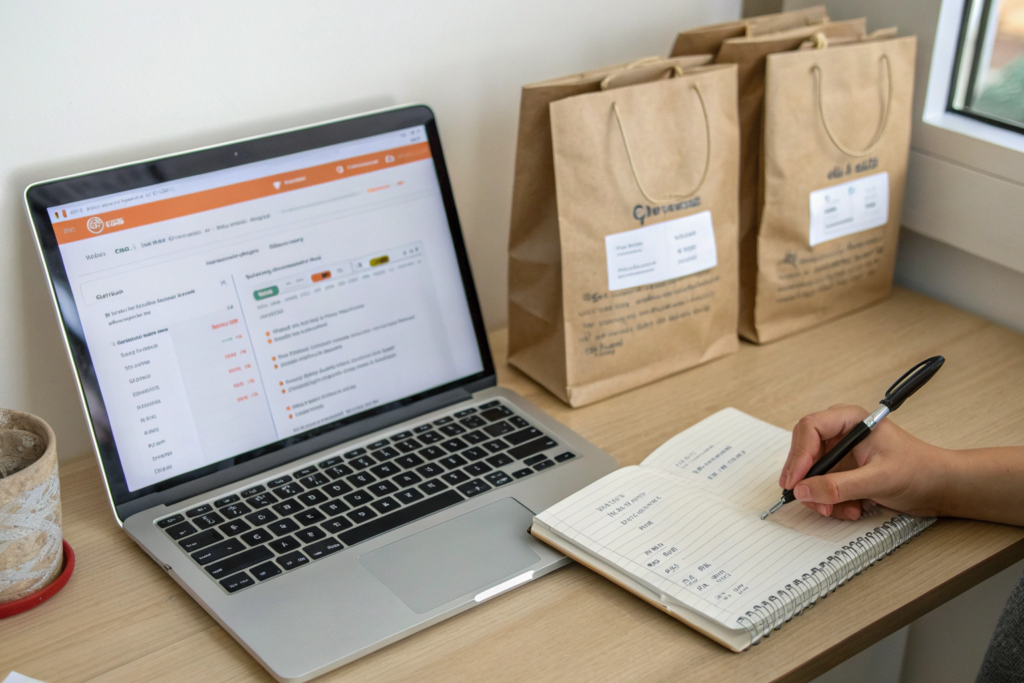
A comparison matrix is a simple table. The rows are the shortlisted suppliers. The columns are the criteria you've defined as important. Filling in the matrix forces you to evaluate each supplier on the same dimensions, rather than being swayed by the one with the best photos or the lowest price.
The criteria I recommend include: verified business license, farm ownership confirmed by video, cupping score of the sample, moisture and water activity of the sample, certifications held and current, FOB price per pound for a full container, minimum order quantity, communication responsiveness, Trade Assurance acceptance, and references provided and verified.
Some criteria are binary—the supplier either has a verified business license or they don't. Some are scored—the cupping score, the communication responsiveness. The matrix doesn't make the decision for you. But it makes the trade-offs visible. A supplier with an 85-point sample and a 48-hour response time versus one with an 84-point sample and a 4-hour response time—the matrix shows you the choice clearly. You decide based on your priorities.
How Do You Test Supplier Responsiveness and Communication?
Responsiveness is a quality indicator that costs nothing to test and reveals a lot. A supplier who takes three days to answer a simple question will take three weeks to resolve a shipping problem. A supplier who answers within hours, with clear, detailed information, is likely to be equally responsive when issues arise.
I recommend sending each shortlisted supplier a follow-up question after the initial inquiry. Something specific: "Can you confirm the water activity reading for the lot you're offering?" or "What is the vessel cutoff date for a shipment in early March?" Measure the response time and the quality of the answer. A fast, vague answer is less valuable than a slightly slower, precise answer. But a very slow answer—more than two business days—is a red flag regardless of the content.
Communication style matters too. Is the supplier's English clear enough to discuss complex logistics and quality specifications without misunderstanding? Do they answer the question you asked, or do they answer a different question that's easier for them? Do they volunteer information, or do they provide the minimum required? These patterns, observed over a few exchanges, predict the communication quality you'll experience during a real transaction.
Conclusion
Alibaba is a tool. Like any tool, its value depends on the skill of the person using it. Used carelessly, it leads to low prices, fake suppliers, and lost deposits. Used deliberately, with a structured vetting process, it opens a door to genuine producers who would otherwise be invisible to international buyers. The key is to treat Alibaba as a starting point for discovery, not a destination for purchasing. Move quickly from the platform to direct communication. Test every claim. Demand video evidence and physical samples. Start small, verify thoroughly, and build relationships that outgrow the platform entirely.
At BeanofCoffee, I've been on Alibaba long enough to understand both its strengths and its flaws. I keep my profile updated with real photos from our Baoshan farm, our certifications, and our cupping data. I answer detailed inquiries with detailed responses, and I'm always ready for a live video walkthrough of the farm. If you're searching on Alibaba for a Yunnan coffee supplier and want to shortlist us for your comparison matrix, reach out to Cathy Cai at cathy@beanofcoffee.com. She'll respond quickly, send samples with full documentation, and give you everything you need to make an evidence-based decision. Alibaba is where the search begins. The partnership is where the value is.