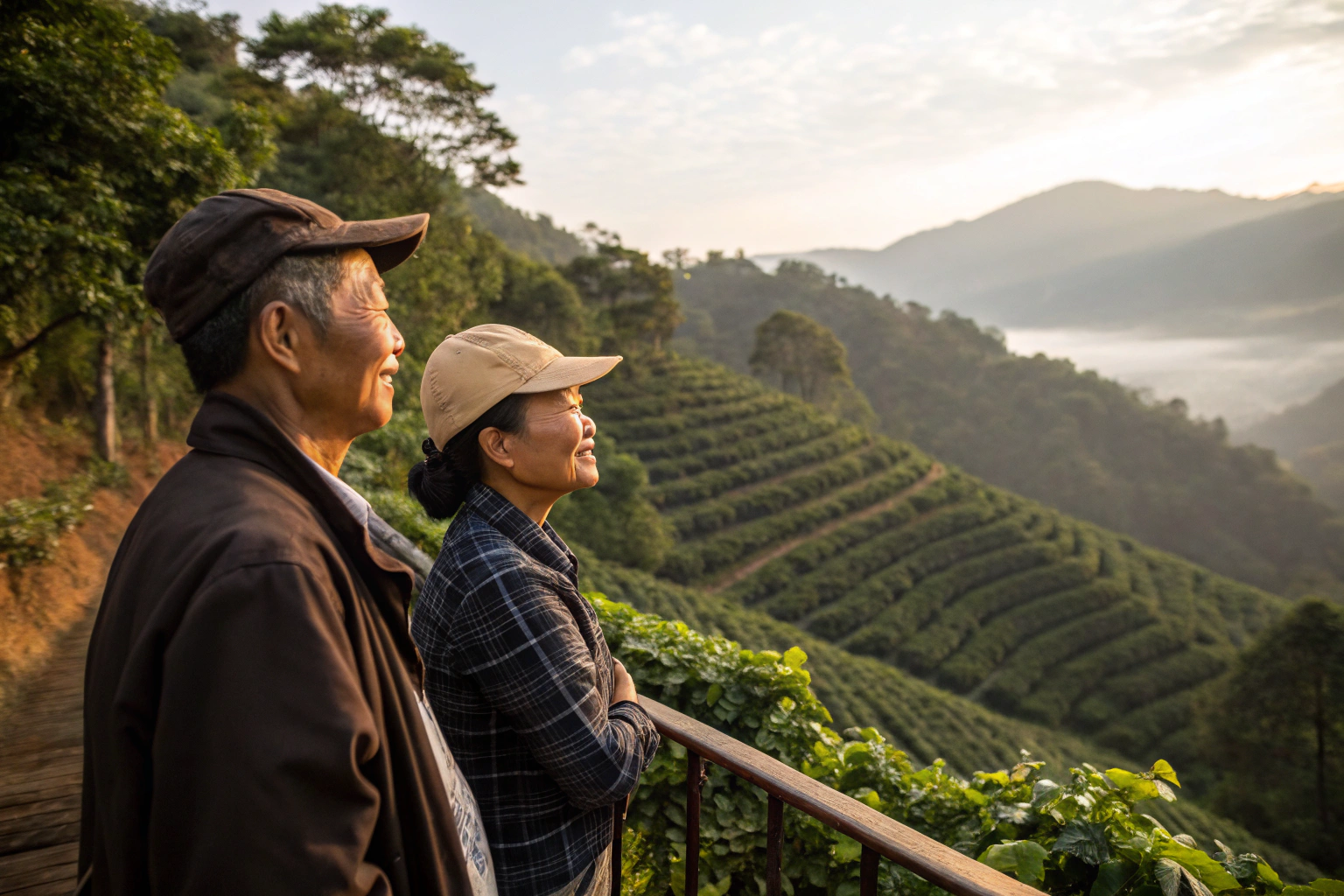
I received two inquiries in the same week last year. The first was from a buyer who had sourced from Vietnam for a decade and wanted to try China because the price was right. He asked for my lowest FOB quote and a container ready in four weeks. The second was from a roaster who had been cupping our samples for two seasons, had visited Baoshan once, and wanted to discuss a three-year volume commitment. The first buyer placed an order, paid, and I haven't heard from him since. The second buyer and I talk every month. His business is growing. My farm is investing in the processing improvements he needs. That's the difference. One transaction versus one partnership.
A long-term view in Chinese coffee sourcing consistently outperforms transactional, price-driven buying because it unlocks access to better quality, more reliable logistics, shared investment in processing improvements, and pricing stability that short-term spot buying cannot achieve. The Chinese coffee sector, particularly in Yunnan, is developing rapidly. The buyers who commit to relationships now are the ones who will have preferred access to the best lots, the most reliable shipping windows, and the most transparent supply chains as the origin matures.
I've been on the producing side of this equation for over a decade at BeanofCoffee. I've watched transactional buyers come and go. I've watched patient buyers build businesses on the back of relationships they started when Yunnan was barely on the specialty map. Here's why the long view wins, and how to apply it.
What Are the Hidden Costs of Transactional Coffee Sourcing?
Transactional sourcing looks cheaper on paper. You shop the spot market, you negotiate hard, you buy the lowest price that meets your minimum quality spec. Then you do it again next quarter. And the quarter after that. On paper, you're always getting the market price. In reality, you're paying costs that don't appear on any invoice.
The hidden costs of transactional sourcing include the time and administrative burden of constantly vetting new suppliers, the quality inconsistency that comes from buying lots with no production history, the logistics risk of working with untested shipping partners, and the opportunity cost of never building the supplier trust that yields preferential treatment during tight markets. Transactional buyers save cents on the pound and lose dollars on the inefficiencies.
How Much Does Constant Supplier Vetting Actually Cost?
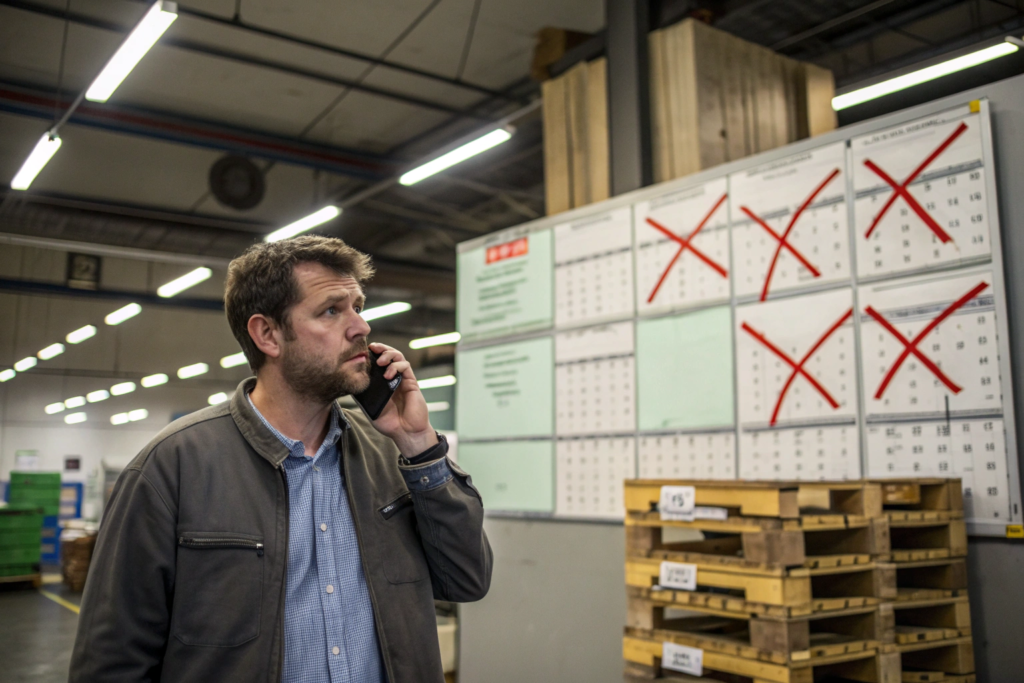
Vetting a new supplier is not free. It takes time—a buyer's time, a cupper's time, a logistics coordinator's time. Samples must be requested, roasted, cupped, scored. Contracts must be negotiated from scratch. Payment terms must be established. The first shipment must be monitored more closely than a repeat order from a known partner.
I estimate that a serious vetting process for a new origin or a new supplier costs a roaster between $2,000 and $5,000 in staff time, sample shipping, and the inevitable inefficiencies of a first transaction. If a transactional buyer vets three new suppliers a year to chase the best spot price, they're spending $6,000 to $15,000 just on supplier search. That's before a single bag of coffee is purchased.
A long-term partner avoids these costs. The vetting is done once. The contract framework is established. The quality baseline is known. Subsequent transactions are efficient—an email, a confirmation, a shipment. The per-transaction cost drops dramatically over time. The long-term buyer's administrative overhead is a fraction of the transactional buyer's. This is not a theory. It's visible in the time my repeat buyers spend on a purchase versus my first-time buyers.
Why Does Spot Buying Lead to Inconsistent Roastery Output?
A roaster's customers expect consistency. The espresso blend they loved last month should taste the same this month. The single-origin they put on the shelf should deliver the same flavor notes the label promises. Spot buying makes this consistency nearly impossible.
When a roaster buys a spot lot from an unfamiliar supplier, they don't know how that coffee will behave in production. They don't know the ideal roast profile. They don't know how it will age. They don't know if the next lot from that supplier, bought three months later, will cup the same. They learn these things through trial and error, and their customers are the unwilling participants in the experiment.
A long-term supplier relationship solves this. I know what my repeat buyers need. I know that the Melbourne roaster wants a washed Arabica with a clean apple acidity for his signature blend. I reserve lots that match that profile for him, season after season. If the new harvest cups slightly differently, I tell him before he orders. "This year's lot is a little softer on the acidity, a little more brown sugar. Still clean. Adjust your roast development by 15 seconds." That conversation only happens because we have a history. The transactional buyer gets no such warning. They find out when the coffee arrives.
How Do Long-Term Relationships Improve Quality Over Time?
Quality is not a fixed attribute that a farm either has or doesn't have. It's a trajectory. A farm that receives consistent, specific feedback from a committed buyer improves its quality year over year. A farm that sells to a different buyer every season doesn't know what to improve for. The feedback loop is broken.
Long-term relationships improve coffee quality through iterative feedback, shared investment, and aligned incentives. A buyer who commits to a multi-season partnership can communicate specific quality targets, visit the farm to verify practices, and justify the producer's investment in processing upgrades. The producer, knowing the market is secure, can focus on quality rather than volume. Both parties benefit from the improvement curve that only time and trust can generate.
What Is Co-Investment in Processing, and Why Does It Matter?
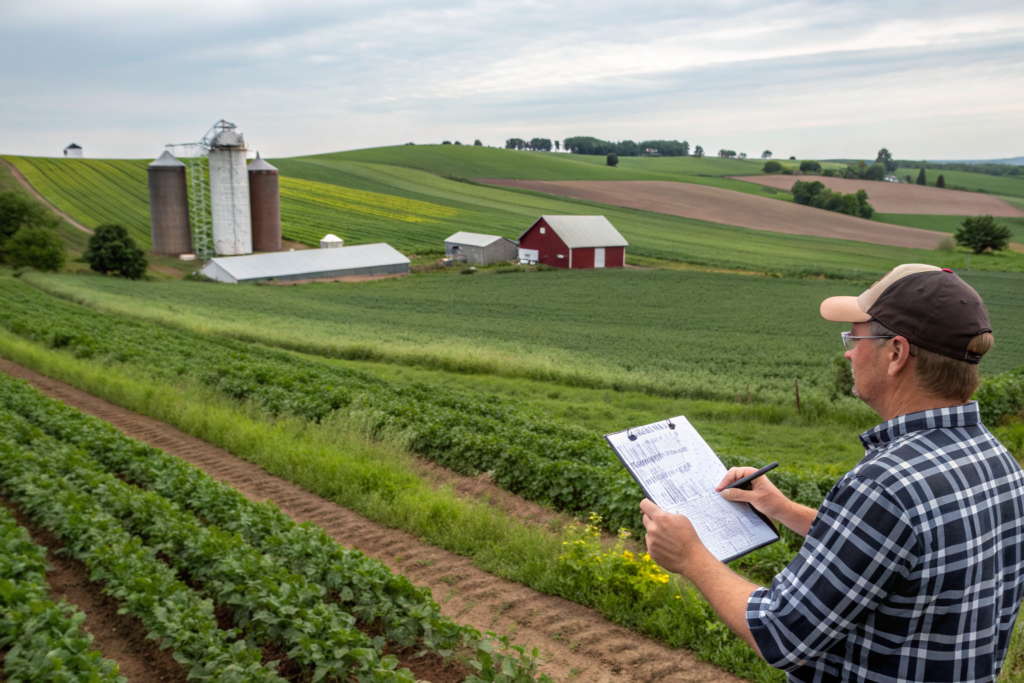
Co-investment sounds corporate, but it's actually very simple. It means the buyer and the producer share the cost of an improvement that will benefit both. The buyer might contribute to the cost of new drying beds. In return, the producer guarantees a certain volume of the improved-quality coffee at a pre-agreed price for a set number of seasons.
I've done this with several long-term partners. One European roaster contributed to the cost of upgrading our fermentation tanks to a temperature-controlled system. The improvement allowed us to produce cleaner, more consistent washed lots year-round. The roaster got access to those lots at a preferential differential. I got a processing asset that improved all our coffee, not just theirs. The transaction paid for itself within two seasons for both parties.
A transactional buyer cannot do this. The payback period on a processing investment is too long for a one-time purchase. The trust isn't there. The producer can't be sure the buyer will return next year, so the risk of investing is too high. Co-investment is a long-term strategy exclusively. It's one of the highest-return activities in specialty coffee, and it's only available to buyers who commit.
How Does Consistent Feedback Shape a Producer's Processing Decisions?
A farmer who sells to a different buyer every year gets contradictory feedback. One buyer says the fermentation is too long. Another says it's too short. One buyer loves the natural process. Another wants washed only. The farmer can't optimize for everyone, so they optimize for no one.
Consistent feedback from a committed buyer provides a clear target. If I know that my main buyer for a specific lot wants a washed process with an 18-hour fermentation and a final moisture of 11%, I build my workflow around that specification. I train my team on it. I invest in equipment that delivers it. Over multiple seasons, the lot becomes more consistent, more precise, more aligned with the buyer's needs.
This consistency is a competitive advantage for the roaster. Their blend doesn't change season to season. Their customers trust the product. The quality is not a surprise every time a container arrives—it's an expectation, and it's met. This reliability is valuable in the market. It builds the roaster's brand. And it only happens because a producer and a buyer worked together long enough to understand each other.
How Does a Long-Term View Unlock Better Pricing and Payment Terms?
Price is the first thing transactional buyers ask about. It's the last thing long-term partners worry about. Not because price doesn't matter—it absolutely matters. But because a long-term relationship changes the pricing conversation from a zero-sum negotiation to a joint problem-solving exercise. The question shifts from "how low can I push this price?" to "what price lets both of us thrive and continue this partnership?"
A long-term view unlocks better pricing and payment terms because it reduces the risk premium that producers must build into transactional contracts. A committed buyer with a reliable payment history can negotiate lower differentials, more favorable payment schedules, and volume discounts that a spot buyer cannot access. The producer, confident in the relationship's continuity, can accept lower margins per pound in exchange for guaranteed volume and reduced marketing costs.

Why Do Committed Buyers Get First Access to the Best Lots?
Every harvest, our best lots—the 85+, 86+ coffees—are limited. There are only so many bags of the truly exceptional stuff. When those lots are ready, I don't send out a mass email to every buyer in my database. I call my long-term partners first. They get the samples before anyone else. They get the right of first refusal.
This is not favoritism. It's rational business. My long-term partners have demonstrated their commitment. They've paid on time, every time. They've given constructive feedback that improved our processing. They've visited the farm. They've built their brand around our coffee. Offering them the best lots is how I reciprocate their loyalty and protect the partnership.
The transactional buyer, the one who appears only when the spot price is attractive, gets whatever is left. Sometimes that's good coffee. Sometimes it's not. But it's never the best coffee. The best coffee goes to the buyers who have earned it through years of consistent partnership. This is not unique to me. Every specialty producer I know operates the same way. Commitment is rewarded with access.
How Can Multi-Year Agreements Stabilize Your Cost of Goods?
The C market is volatile. Currency markets are volatile. Freight rates are volatile. A buyer operating on six-month spot contracts is fully exposed to all of this volatility. Their cost of goods can swing 15%, 20%, 25% year over year. That's impossible to plan around.
A multi-year agreement with a defined pricing mechanism stabilizes this volatility. The mechanism can take many forms—a fixed differential over the C market with an annual review, a price collar, a cost-plus model based on farm production costs. The specific mechanism matters less than the existence of an agreed-upon framework that removes the need for a full renegotiation every season.
For the roaster, this stability is a budgeting superpower. They can set wholesale prices for the year with confidence. They can invest in marketing and sales knowing their margin structure is secure. They can stop spending their mental energy on price anxiety and spend it on growing their business. The long-term agreement pays for itself not just in the price per pound, but in the reduction of uncertainty. Uncertainty is a cost most businesses don't measure, but it's one of the largest costs in transactional sourcing.
What Does a Successful Multi-Year Partnership Look Like in Practice?
Abstract principles are useful, but they need to be grounded in real practice. A successful long-term partnership is not a theoretical construct. It's a set of habits, rhythms, and mutual expectations that build trust incrementally. I've had partnerships that span five, seven, ten years. They all share certain characteristics.
A successful multi-year partnership is built on regular communication, mutual transparency about challenges, joint planning for upcoming seasons, and a shared commitment to continuous improvement. It involves annual farm visits or virtual tours, pre-harvest planning calls, post-harvest quality reviews, and a genuine personal relationship that can absorb the inevitable tensions of business without fracturing. The partnership becomes an asset that neither party wants to lose.

How Often Should You Communicate With Your Supplier?
The transactional buyer communicates twice: once to request a quote, once to confirm a shipment. The long-term partner communicates continuously, but not intrusively. There's a rhythm to it.
I have a standing monthly call with my core buyers. It's usually 30 minutes. We discuss what's happening on the farm—weather, crop development, any issues. We discuss what's happening in their market—demand trends, customer feedback, upcoming promotions. It's not a negotiation. It's an update. The frequency keeps small issues from becoming big problems.
During the harvest and shipping season, communication is more frequent. A weekly email with lot status updates. A quick message if a vessel is delayed. A photo of the drying beds when the weather is perfect. These small touches build a shared reality. The buyer is not waiting anxiously for a shipment update. They already know what's happening.
What Happens When Something Goes Wrong?
Something will go wrong. A container will be delayed. A lot will cup slightly below expectation. A payment will get held up by a bank error. The test of a partnership is not the absence of problems. It's the response to them.
In a transactional relationship, a problem becomes a dispute. Who's at fault? Who pays? The email chain grows long and tense. The relationship ends after the claim is resolved, if not before. In a long-term partnership, a problem becomes a conversation. "Here's what happened. Here's what I'm doing to fix it. Here's how I'll prevent it next time." The partners work the problem together because they both want the relationship to survive.
I once had a container of premium Arabica arrive in Melbourne with a moisture issue. The beans weren't ruined, but they weren't right. My buyer called me, and we talked it through. I accepted the return, paid the freight, and replaced the container from our reserve stock. It cost me money. It preserved the partnership. Three years later, that buyer has more than doubled his volume with me. The short-term cost of making it right was a fraction of the long-term value of retaining his trust.
Conclusion
The transactional approach to Chinese coffee sourcing is seductive because it feels efficient. Buy low, move on, repeat. But it's a false efficiency. The hidden costs—the constant vetting, the quality inconsistency, the logistics risk, the price volatility—accumulate quietly and erode margins over time. The long-term approach feels slower at the start. It requires patience, communication, and the willingness to invest in a relationship before it pays dividends. But once it matures, it delivers better coffee, more reliable supply, more stable pricing, and a partnership that can withstand the shocks that break transactional supply chains.
At BeanofCoffee, I'm building a business designed for long-term partnerships. Our 10,000 acres in Baoshan are not a spot market play. They're the foundation of a supply base that can support roasters for decades. If you're thinking about Chinese coffee not as a one-time purchase but as a strategic component of your sourcing portfolio, let's start a conversation. Reach out to Cathy Cai at cathy@beanofcoffee.com. She can set up a call, send samples, and talk through what a multi-year partnership could look like. The Chinese coffee sector is growing fast. The relationships you build now will determine your access for years to come.