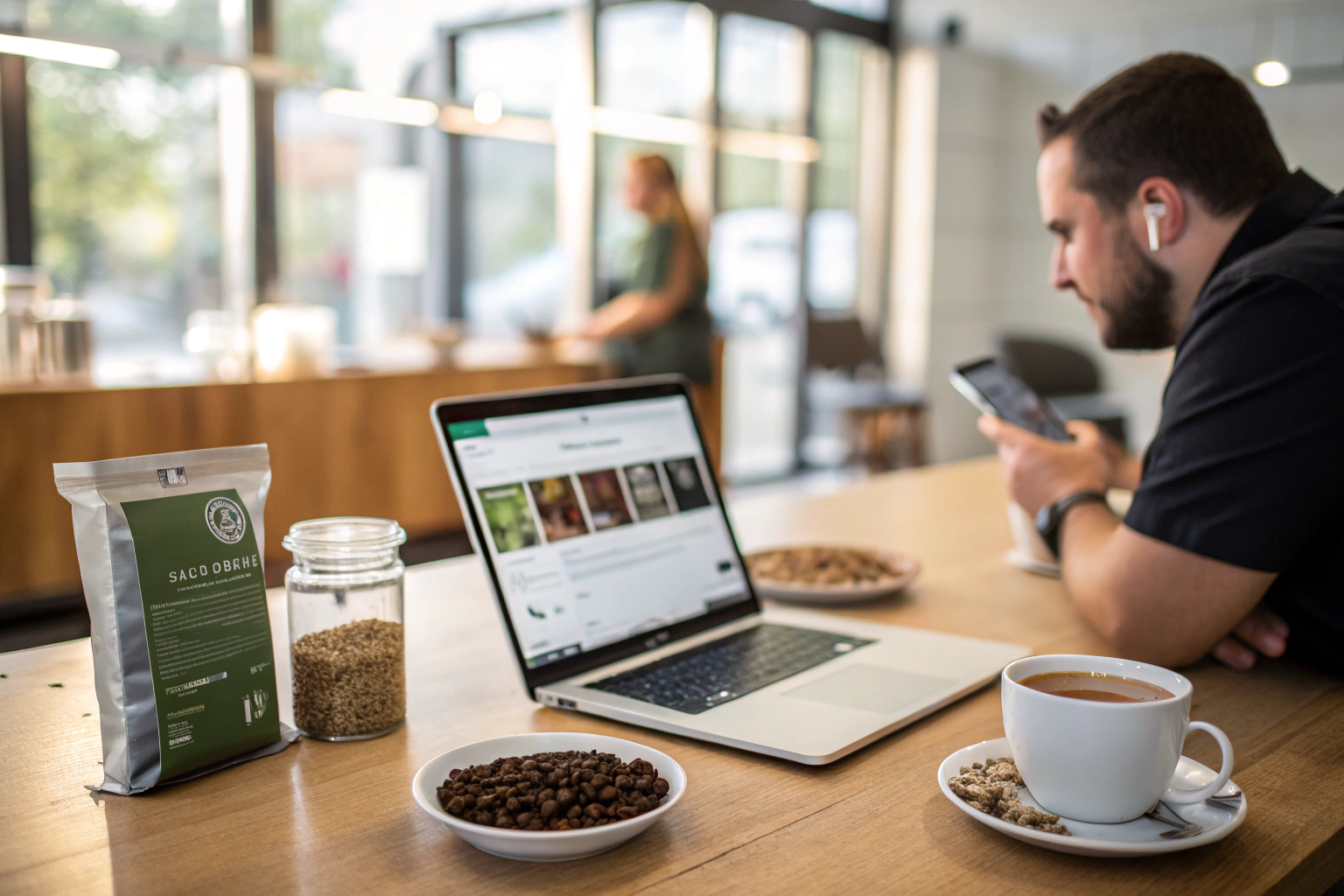
Most coffee sellers waste hours on Facebook groups posting price lists and getting zero replies. I did that too. You join a group called "Green Coffee Buyers and Sellers" and drop a link to your Alibaba page. Then nothing. A week later you do it again. It feels like work, but it is not. It is noise. Facebook groups can work, but only if you use them like a human, not a billboard.
You use Facebook groups for coffee business networking by solving problems, sharing real farm data, and starting one-on-one conversations with buyers who ask specific questions. The goal is not to sell from the first post. The goal is to become a familiar name. I run BeanofCoffee in Yunnan, China. I have found real buyers in Facebook groups. Not by shouting. By helping.
Let me show you the exact path I use. It starts with finding the right rooms. Then you post the right things. Then you talk to the right people. Then you move them out of the group into a private chat and finally to a sample order. It is slow, but it works. And it is free.
How to Find the Right Coffee Buyers on Facebook Groups?
You cannot network in a group full of sellers. That is the first mistake. You join a group with 30,000 members and everyone is posting "we sell coffee from X." The buyers are not there. They left because it became a spam feed. So you must find groups where buyers ask questions, not where sellers advertise. That changes everything.
The best Facebook groups for coffee business networking are private buyer communities, importer forums, and specialty coffee trade groups that moderate spam. Groups like "Specialty Coffee Buyers Network" or country-specific "Coffee Importers USA" often have active buyers. They are harder to join because they ask for your business details. That is a good sign. It means the group owner protects the members from spam. A public group with no moderation is usually a waste of time.
Dive deeper: I use a simple test before joining any group. I read the last 20 posts. If most posts are links to offers, I skip. If most posts are questions about quality, shipping, or sourcing, I join. That tells me buyers are present and engaged. Another trick is to search Facebook for the word "green coffee" plus "import" or "roastery." You will find smaller, active groups. Do not ignore groups for coffee roasters. Roasters are buyers too, and they often influence larger chains.
| Facebook Group Type | Typical Members | Value for a Chinese Exporter |
|---|---|---|
| Public coffee trading groups | Mostly sellers, brokers | Low, high spam |
| Private buyer-verified groups | Importers, roasters, chain buyers | High, real demand |
| Local roaster collectives | Small to mid roasters | Medium, frequent sample requests |
| Logistics and trade groups | Freight forwarders, importers | Medium, useful for shipping advice |
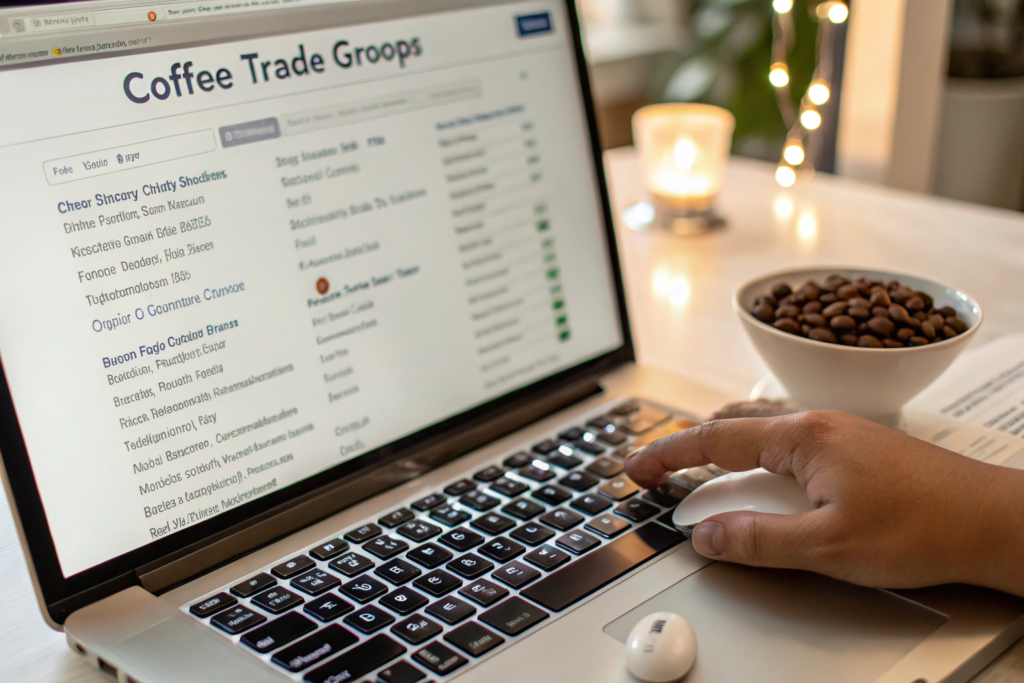
Which Facebook Groups Are Best for Green Coffee Importers?
You want groups where importers complain about problems. That sounds odd, but it is true. When an importer posts, "Has anyone imported coffee from China recently? Need feedback," that is your opening. Groups run by trade associations or specialty coffee organizations often have those discussions. The Specialty Coffee Association has a member community and sometimes promotes regional groups. The International Coffee Organization publishes trade data that you can share in those groups to add value. I found my first US buyer in a private group that only accepted verified coffee companies. It took me three days to get approved. That was fine. The quality of the room was worth the wait.
How Do You Spot Serious Buyers in Coffee Facebook Groups?
Serious buyers do not post "need cheap coffee." They ask about moisture, cupping scores, or container size. They use words like "landed cost" or "FOB Shanghai." They have a company name in their profile or a link to a roastery. A serious buyer is not hiding. You can often check their activity history. If they have commented on other posts with useful questions, they are real. Tools like Tridge show active coffee buyers by region, but inside Facebook, you read behavior. The World Coffee Research catalog is also useful because a buyer who asks about variety and altitude is a buyer who knows coffee. Those are the ones you want to talk to.
What Content Works Best in Coffee Trade Facebook Groups?
You post a photo of your coffee bags. One like. Maybe your mom liked it. That is the reality. Generic photos do nothing. Videos from the farm, cupping clips, and short stories about a buyer problem you solved work much better. People scroll Facebook to feel something, not to read a product sheet. So you must give them a reason to stop.
The content that works best in coffee trade Facebook groups is short, specific, and useful. A 30-second video of a cherry being squeezed to check ripeness beats ten bag photos. A post that says "Here is our moisture log from last week, ask me anything" gets comments. A story about a container that almost failed and how you caught it gets private messages. Buyers want to see that you understand their stress. So show your process, not just your product.
Dive deeper: I keep a simple rule. Every post must answer one of three buyer questions: What does your coffee taste like? How do you control quality? How do you handle shipping problems? If a post does not answer one of those, I do not post it. That keeps my content focused. And I never post more than twice a week. Too many posts and you become background noise. Here is a table of post types and the buyer reaction I have seen.
| Content Type | Example | Typical Buyer Response |
|---|---|---|
| Farm video | Picking cherries at 1,500m | Comments, questions about altitude |
| Cupping clip | Q grader slurping and scoring | Requests for samples |
| Problem-solving story | How we fixed a moisture issue | Direct messages, trust building |
| Shipping update | Panama Canal delay and reroute | Questions about reliability |
Why Do Short Videos from Coffee Farms Get More Engagement?
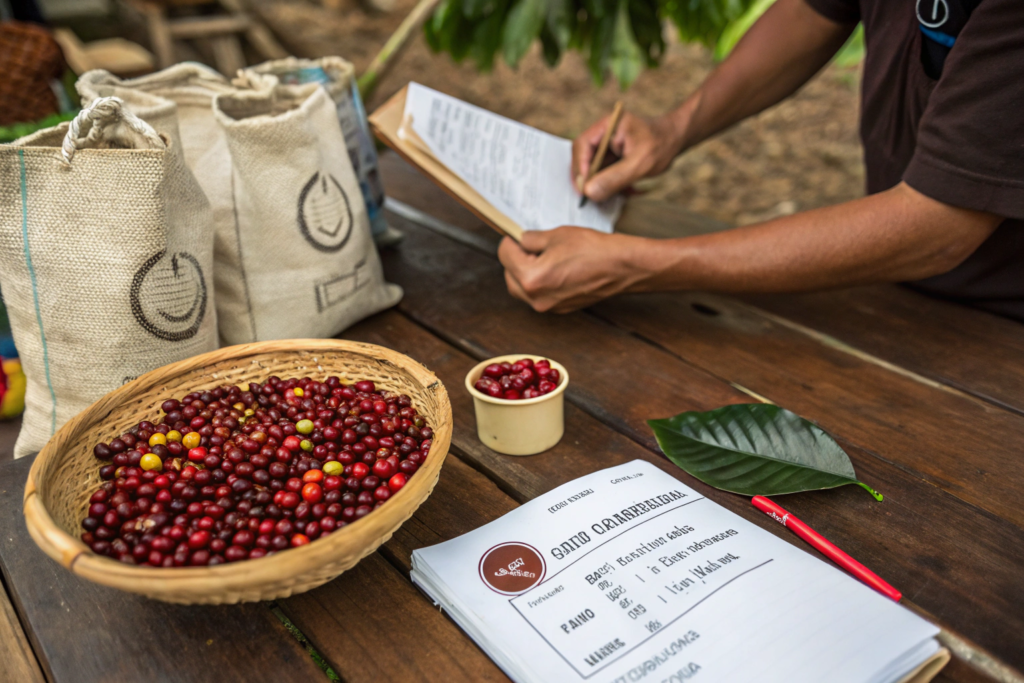
A video shows what a photo cannot: movement, sound, and real time. When a buyer sees me walking through a drying bed and hears the dry wind, they feel the place. That builds trust faster than a spec sheet. The Perfect Daily Grind has reported that origin videos are one of the most shared types of coffee content. Sprudge often features short farm videos from emerging origins. I keep my videos under 45 seconds. I show one thing: a picking basket, a moisture meter, a container being stuffed. No music. No text overlay. Just raw footage with my voice explaining what is happening. Buyers respond because it feels honest.
How Can You Use Cupping Photos to Attract Professional Buyers?
Cupping photos are powerful if they show real data. Do not just post a pretty cup. Post a photo of the cupping form next to the coffee. Show the score, the moisture, the defect count. A buyer who sees an 84 on a printed form trusts that more than your words. The Coffee Review regularly publishes cupping scores for coffees from different origins, including China. Daily Coffee News covers how roasters use cupping data in sourcing decisions. I take a photo of the filled cupping form and place a small bag of the exact lot beside it. That tells buyers, "This is not a stock photo. This is the coffee you can buy." It does not need to be beautiful. It needs to be real.
How to Network with US Coffee Importers via Facebook?
US importers do not answer cold messages from strangers. They get too many. But if you have spoken in a group, liked their comment, or answered their question, they will open your message. That is the whole secret. Facebook groups give you a soft introduction. Use it. Do not jump straight to the sale. Start with a small, relevant reply. Then wait. Then message only when there is a reason.
The best way to network with US importers on Facebook is to be helpful in the group first, then send a short direct message that references something they said. For example, "You asked about coffee from Yunnan last week. I farm there. Here is a two-minute video." That is not pushy. It is useful. At BeanofCoffee, I have used this exact approach with buyers who later ordered full containers. It works because you are not interrupting them. You are continuing a conversation they already started.
Dive deeper: The mistake most exporters make is asking for a sale in the first message. Do not do that. Ask a question instead. "What cup profile are you looking for this season?" That shows you care about their problem. It also gives them a reason to reply. Here is a simple table of message openers and how US buyers usually react.
| First Message Opener | Buyer Reaction |
|---|---|
| "Hi, I sell coffee from China. Interested?" | Ignore, delete |
| "You mentioned you need a clean washed Arabica. I have one at 84 points." | Maybe reply |
| "I saw your comment about Panama delays. We rerouted our last container to LA. Want the details?" | High reply rate |

What Is the Right Way to Start a Conversation with a US Coffee Buyer?
Start by referencing something they said in the group. Do not introduce yourself first. "You asked about Chinese Arabica in the Specialty Coffee Buyers group. I can answer that." That is the opener. The Trade.gov country commercial guide for China explains how US buyers evaluate Chinese suppliers. The USDA Foreign Agricultural Service has country reports that show Chinese coffee production growth. You can share a link to one of those reports if the buyer wants data. But keep the first message under four sentences. No attachments. No price list. Just a clear, helpful note. If they reply, you have a conversation.
How Do You Follow Up Without Being Pushy in Facebook Groups?
Follow up once, maybe twice, and only if you have new information. If a buyer said "I will look at your sample in two weeks," wait two weeks. Then send a short message: "Just checking if you had a chance to cup the sample. If not, no rush." That is respectful. If they do not reply, do not send another message. They saw it. Pushing harder will get you blocked. The Harvard Business Review supply chain topic has good advice on maintaining supplier-buyer relationships without being annoying. Supply Chain Dive also covers how procurement teams prefer to be contacted. The key is to be useful, not urgent. A buyer who wants your coffee will come back. A buyer who does not will never be convinced by more messages.
How to Turn Facebook Group Chats into Real Coffee Orders?
A chat is not an order. I have had dozens of friendly conversations in Facebook groups that ended with "sounds interesting" and then nothing. That is normal. Most people are not ready to buy. But a few are. Your job is to identify those few quickly and move them to a sample. The sample is the bridge between a chat and a container.
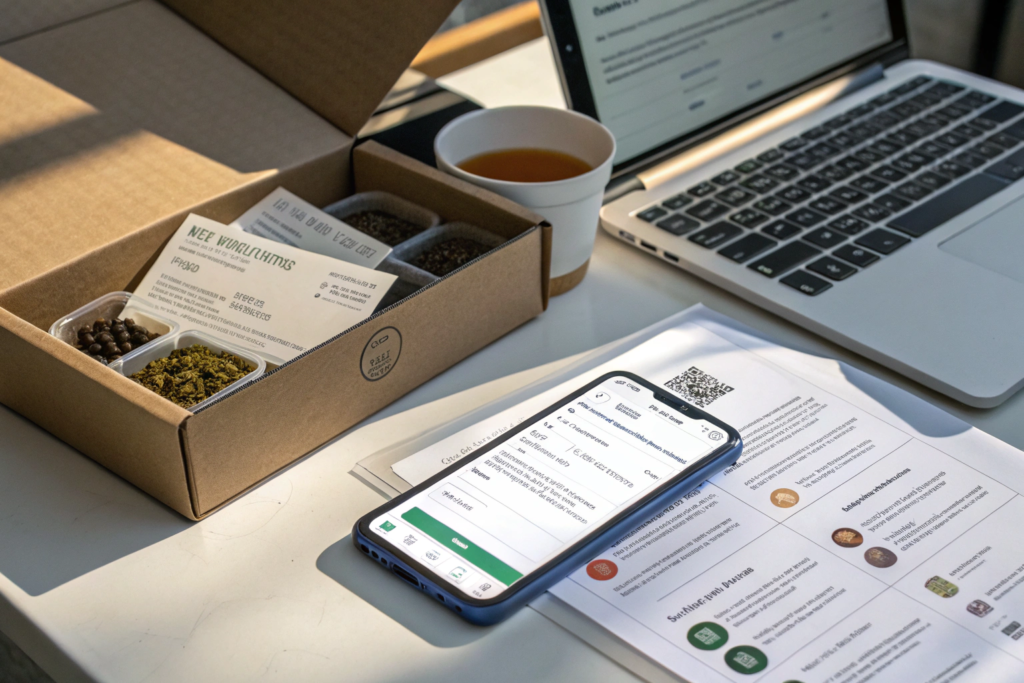
You turn Facebook group chats into real coffee orders by asking one simple question at the right time: "Would you like me to send a sample?" That question filters the serious buyers from the curious ones. A serious buyer will say yes and give you a shipping address. A curious one will say "maybe later." Then you know where to spend your energy. The sample is a small cost. A 500-gram bag sent by DHL costs maybe $30. That is a cheap way to prove your coffee.
Dive deeper: Before you offer a sample, you must have two things ready: a clear cupping report and a landed cost estimate. Buyers do not want to cup a mystery. They want to know the score and the price range before they spend time. So prepare your sample kit before you start networking. Here is a table of what I include in every sample shipment.
| Sample Kit Item | Why It Matters |
|---|---|
| 250g green beans, exact lot | Buyer cups what they will buy |
| Cupping report from a Q grader | Proof of quality |
| Moisture reading | Shows storage care |
| Farm GPS and altitude | Traceability |
| One-page offer with FOB price range | Moves conversation to numbers |
What Should Your First Direct Message Include After a Group Interaction?
Your first message should include your name, your farm, and one specific reference to the group conversation. Then ask a question. "You asked about washed Arabica at 84 points. I have a Baoshan lot that fits. Would a sample help?" That is it. The International Trade Centre has guides on how to approach international buyers in agricultural trade. The International Chamber of Commerce also publishes model contracts and negotiation tips. Do not send a long biography. Do not attach a PDF. The message should be shorter than this paragraph. If the buyer wants more, they will ask.
How Do You Move from Facebook Chat to a Sample Request?
After a few messages, if the buyer seems interested, ask directly: "Can I send you a 250g sample of this lot? I will include the cupping report and moisture data." Make it easy to say yes. If they say yes, get their exact shipping address and phone number. Then send the sample within 48 hours and send them the tracking number. The Freightos platform has data on express shipping times from China to the US that can help you set expectations. The CBI coffee market information notes that European buyers often request samples before any formal negotiation. The sample is not a sale. It is the next step. But it separates the real conversation from the polite one. And that is how a Facebook group comment becomes a container order from Yunnan.
Conclusion
Facebook groups are not a place to post your price list. They are a place to show your work, answer real questions, and start small conversations with buyers who already care about coffee. The process is slow. It takes patience and discipline. But it works. I have used it to connect with importers in the US, roasters in Australia, and distributors in Europe. Each order started with a simple reply in a group.
If you want to skip the noise and talk directly to a Chinese coffee exporter who understands this game, contact us at BeanofCoffee. We farm over 10,000 acres in Baoshan, Yunnan, and we export Catimor, Arabica, and Robusta. We will send samples, cupping reports, and honest answers. Reach out to Cathy Cai at cathy@beanofcoffee.com. Tell her what you are looking for. She will reply within one business day with a clear next step. No spam. Just coffee talk.