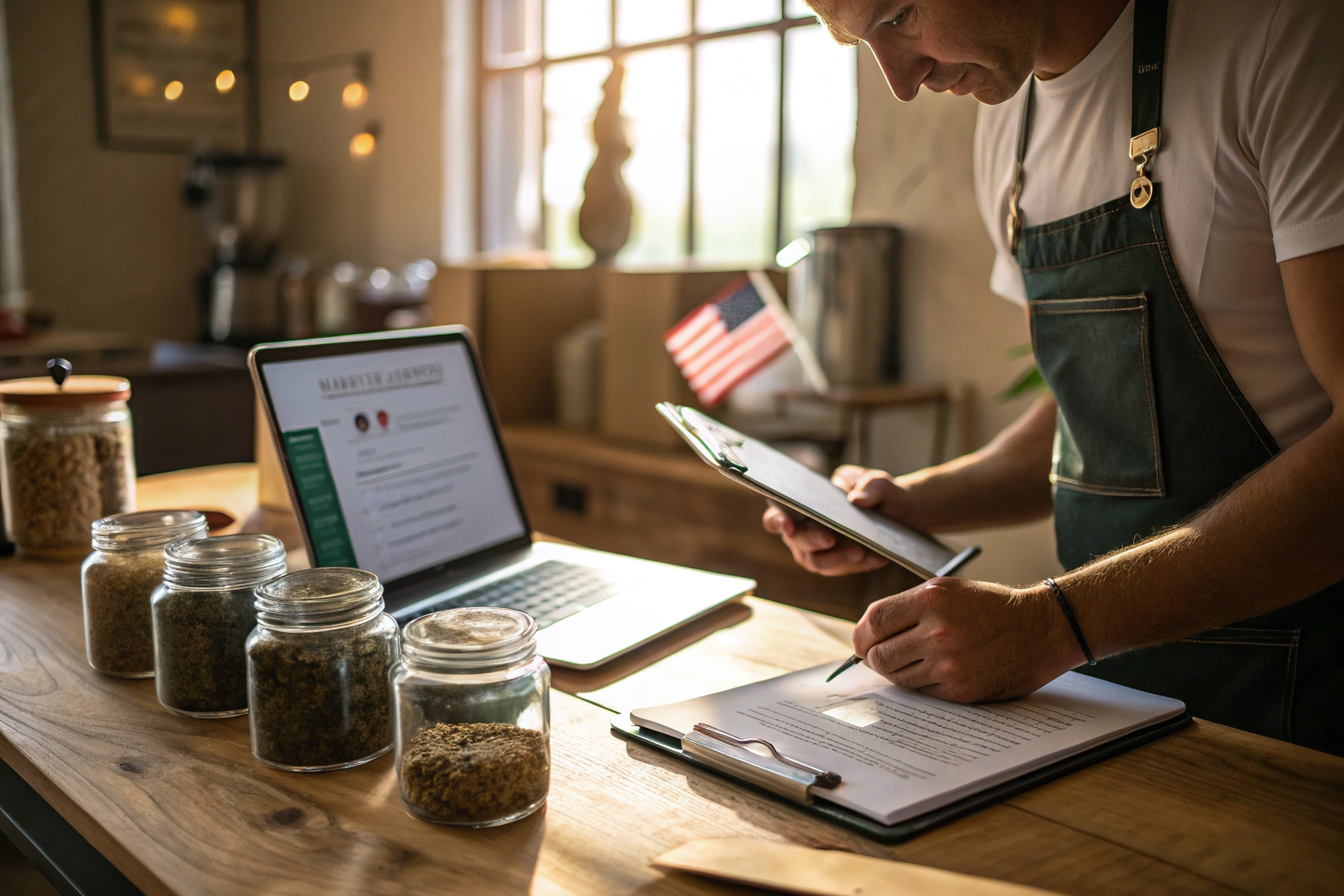
A roaster in Michigan called me last spring with a strange problem. He was paying zero duty on green coffee from Mexico, but his roasted retail bags were getting flagged at customs. He thought USMCA covered everything. It does not. That confusion cost him two weeks and a lot of phone calls. He is not alone. I hear the same mistake from buyers every month.
Here is the short answer. Green coffee beans are generally duty-free when imported into the United States, no matter where they come from. USMCA, which replaced NAFTA, mainly matters for roasted coffee, packaged products, and rules of origin paperwork between the US, Mexico, and Canada. It does not cover China. So if you buy Yunnan Arabica from BeanofCoffee, USMCA does not apply to your shipment. But the duty rate is still usually zero for green beans.
That sounds simple. It gets messy fast. Tariff schedules change. Trade policy shifts. And a roaster who guesses wrong can lose money at the port. I am not a customs lawyer. I am a coffee exporter in Baoshan, Yunnan. But I have shipped enough containers to know which questions buyers should ask before they sign a purchase order. This article walks through the duty rules, the USMCA origin tests, the real costs roasters pay, and how to stay compliant without hiring a full-time trade analyst.
Are Green Coffee Beans Duty-Free Into the US?
Most roasters already know this, but it is worth repeating because the internet is full of bad information. The US Harmonized Tariff Schedule treats unroasted coffee as a zero-duty product for most origins. That means you do not pay an import duty on green beans. You still pay customs fees, brokerage fees, and freight. But the tariff line is usually 0 percent.
Green coffee beans are generally duty-free into the United States under HS heading 0901, Free of duty for most origins. That includes coffee from China, Brazil, Colombia, Ethiopia, and Vietnam. USMCA does not change that because there was no duty to remove. The real value of USMCA for coffee is in roasted and processed products, and in the rules that determine whether a product counts as North American.
Dive deeper and you see why this confuses people. USMCA is a trade agreement, not a tariff schedule. It sets rules for preferential treatment. If a product already has a zero duty rate, there is no preference to claim. So a roaster importing green Yunnan coffee does not need a USMCA certificate. They need a commercial invoice, a packing list, a bill of lading, and sometimes a phytosanitary certificate. That is it.
Here is a simple table I use when buyers ask me about duty.
| Product Type | HS Code Range | Typical US Duty | USMCA Relevance |
|---|---|---|---|
| Green coffee, not roasted | 0901.11 | Free | Minimal, already free |
| Roasted coffee, not decaf | 0901.21 | Free for many origins | Matters for origin claims |
| Decaffeinated coffee | 0901.12, 0901.22 | Free | Depends on processing |
| Coffee extracts, essences | 2101.11 | Varies | USMCA origin rules apply |
| Packaged retail coffee | 0901.21 or 2101 | Varies | Labeling and origin rules |

What Is the Current Duty Rate for Green Coffee Imports?
The current duty rate for green coffee imports into the US is generally 0 percent under HS 0901.11. You can verify this on the US International Trade Commission HTS database and through US Customs and Border Protection. These are the two sources I trust. Do not rely on a blog post from 2018. Tariff lines get updated. The HTS is revised regularly, and a good customs broker will check the current version before every shipment. One hidden detail: the duty rate can differ if the coffee is decaffeinated or if it is a blend with other ingredients. Pure green coffee is simple. Once you add flavoring or packaging, the code may change.
How Does USMCA Change Coffee Import Rules?
USMCA does not lower the duty on green coffee because the duty was already zero. It does change the rules for roasted and processed coffee that moves between the US, Mexico, and Canada. Under the agreement, a product can qualify for preferential treatment if it meets specific rules of origin, usually a tariff shift or a regional value content test. The Office of the United States Trade Representative publishes the full text and summaries. The Trade.gov USMCA page has practical guides for importers. For a roaster, the takeaway is this: if you roast Mexican green coffee in Michigan and sell it in Canada, USMCA may help. If you import green coffee from China and roast it in Ohio, USMCA is not part of the conversation.
How Does USMCA Rules of Origin Affect Roasted Coffee?
This is where roasters get tripped up. They hear "duty-free" and assume everything is covered. Then they ship roasted coffee to Canada and get a surprise. The duty may be zero, but the origin declaration still matters. If you claim USMCA preference and cannot prove it, you can lose the benefit and face penalties. That is not a small problem.
USMCA rules of origin affect roasted coffee by requiring a tariff shift or regional value content before the product can be labeled as originating in North America. In simple terms, the green beans must undergo enough processing in the US, Mexico, or Canada to become a new product. Roasting usually satisfies that shift. But you must document it. The World Customs Organization explains how tariff shift rules work in free trade agreements. The Federal Register publishes the implementing regulations for USMCA. If you roast in the US, you likely qualify. If you just repackage imported roasted coffee, you probably do not.
Dive deeper: The origin test is not about where the beans grew. It is about where they were transformed. A US roaster who buys green Mexican coffee and roasts it in Portland can claim USMCA origin for the roasted product. A US roaster who buys roasted coffee from Italy and repackages it in Ohio cannot. That distinction matters for labeling, for tariff preference, and for government procurement contracts. Here is a table of common scenarios.
| Scenario | Green Bean Origin | Processing Location | USMCA Eligible? |
|---|---|---|---|
| Roast Mexican green in Texas | Mexico | US | Likely yes |
| Roast Chinese green in Texas | China | US | Yes, but not via USMCA preference |
| Repackage Italian roasted coffee | Italy | US | No, insufficient transformation |
| Roast Canadian green in Ontario | Canada | Canada | Likely yes |
| Blend Chinese and Mexican green, roast in US | Mixed | US | Depends on value content |
What Makes a Coffee Product USMCA-Eligible?
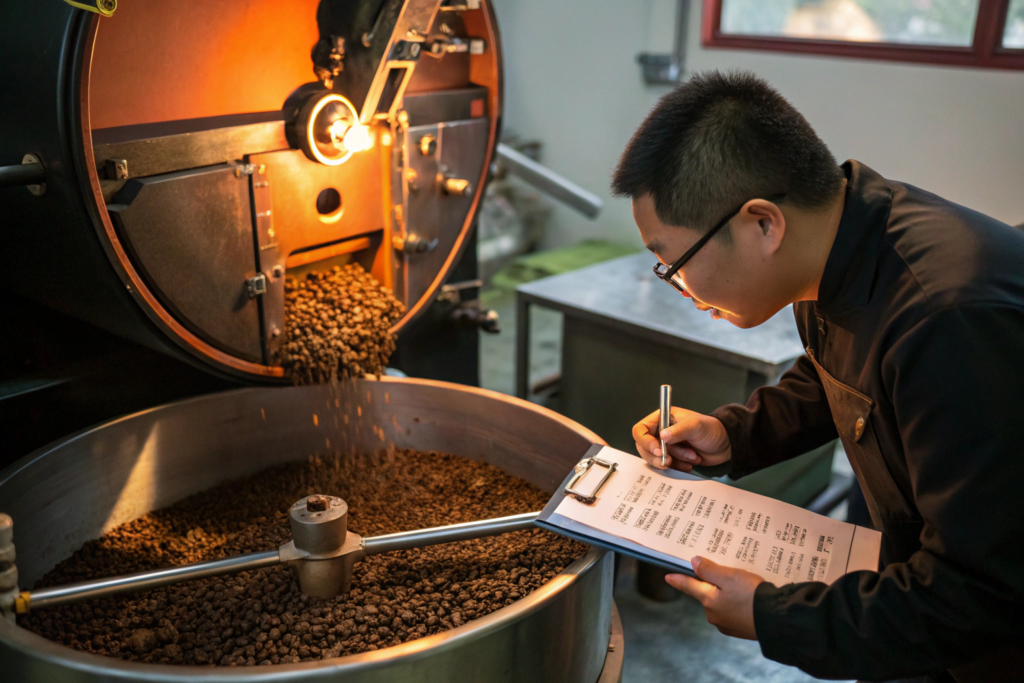
A coffee product is USMCA-eligible if it meets the specific rule of origin for its HS heading. For roasted coffee under 0901.21, the rule is usually a change from another chapter or heading, plus any additional requirements in the agreement text. The USDA Foreign Agricultural Service publishes trade reports that explain how origin rules apply to agricultural goods. The International Trade Centre has market access maps that show tariff treatment by country. I always tell buyers to ask their customs broker one question: "Does my product meet the tariff shift rule?" If the answer is unclear, get a written ruling before you ship. A ruling costs less than a penalty.
Can Chinese Green Coffee Qualify Through Mexico Roasting?
This is a question I hear more often now. Some buyers wonder if they can import Chinese green coffee into Mexico, roast it there, and then ship it to the US duty-free under USMCA. The theory is that roasting in Mexico creates a North American product. That is possible in principle, but the details matter. The Trade.gov country guides explain how rules of origin work for processed agricultural goods. The CBP trade page has information on preferential treatment claims. The catch is that the roasting operation must be substantial and documented. A small repacking job will not qualify. Also, you must prove the green coffee entered Mexico legally and that the roasting process meets the tariff shift. This is a real strategy for some companies, but it requires legal advice. Do not try it with a handshake and a hope.
What Tariffs Do US Roasters Actually Pay on Coffee?
Duty is only one line on the invoice. The bigger costs are freight, brokerage, customs fees, and the risk of an exam. I have seen buyers focus on the tariff rate and ignore everything else. That is like watching the price of flour and forgetting the cost of the oven. The total landed cost is what matters.
US roasters typically pay zero duty on green coffee but do pay customs user fees, harbor maintenance fees, merchandise processing fees, and brokerage charges. For a 40-foot container of green coffee, those fees can total $800 to $1,500 on the US side. Add inland trucking and you can easily reach $2,500 before the coffee reaches your roastery. The US Food and Drug Administration also requires prior notice for food imports, which adds a compliance step. The USDA Agricultural Marketing Service provides grading and inspection services that some buyers request. None of these are duties. But they are real costs.
Dive deeper: The tariff picture for Chinese goods has changed in recent years. Some products face additional tariffs under Section 301 or other trade actions. Green coffee has generally remained duty-free, but you should verify the current status before every shipment. The HTS code and the country of origin determine the rate. A good customs broker will run a binding ruling search. If you are unsure, ask for a written classification. That document can save you thousands if customs disagrees later.
Are There Tariffs on Chinese Green Coffee in 2026?
As of now, green coffee from China is generally duty-free under HS 0901.11. But trade policy is not static. Additional tariffs on Chinese goods have been proposed and applied in different sectors over the past several years. The USTR publishes notices on Section 301 tariffs and exclusions. The Federal Register is where the official changes appear first. I check both before quoting a new buyer. My advice is simple: do not assume. Verify the HS code and the current tariff treatment with your broker. If a new tariff appears, the landed cost changes. That is a risk both buyer and seller should discuss in the contract, not after the container arrives.
How Do Roasters Calculate True Landed Cost After Duties?
True landed cost includes the FOB price, ocean freight, insurance, customs fees, brokerage, inland trucking, and any applicable duty. It also includes the cost of delays, which can be demurrage or detention. The Freightos platform tracks spot rates for major trade lanes. Supply Chain Dive regularly covers demurrage and port congestion issues. I always tell buyers to budget a 5 percent buffer on top of the quoted landed cost. That buffer covers exams, storage, and small surprises. A roaster who calculates landed cost down to the penny will eventually get burned by a fee they did not expect. A roaster who budgets a buffer sleeps better and makes better decisions.
How Can Roasters Stay Compliant and Competitive?
Compliance is not glamorous. Nobody opens a roastery because they love paperwork. But a roaster who understands trade rules has an advantage. They can source from more origins, negotiate better prices, and avoid costly mistakes. I have seen buyers save thousands of dollars just by asking the right question before the container sails.
Roasters stay compliant and competitive by verifying HS codes, keeping origin documents, using a licensed customs broker, and reviewing tariff changes quarterly. That is the whole system. It is not complicated, but it requires discipline. At BeanofCoffee, we prepare a document packet for every shipment. It includes the commercial invoice, packing list, bill of lading, phytosanitary certificate, and a lot traceability sheet. We do not wait for the buyer to ask. We send it proactively.
Dive deeper: The biggest risk is not a tariff. It is a documentation error. A wrong HS code, a missing certificate, or a mismatch between the invoice and the bill of lading can trigger an exam. That exam costs time and money. The International Chamber of Commerce publishes guidance on trade documentation. The Specialty Coffee Association also has resources on green coffee contracts and quality documentation. I have seen a container held for five days because the invoice said "coffee beans" and the bill of lading said "green coffee, unroasted." That tiny difference mattered. So check every document twice.

What Documentation Proves USMCA Origin?
To claim USMCA preference, you need a certification of origin. Under USMCA, the certification can be completed by the importer, exporter, or producer. It does not have to be a government form. But it must include specific data elements, like the HS code, the origin criteria, and the producer's information. The Trade.gov USMCA page explains these requirements. The CBP trade page has additional guidance on certification and record keeping. For coffee, the most common claim is a tariff shift based on roasting. If you roast in the US, keep your batch logs. If you buy roasted coffee from Canada, get a certification from your supplier. Do not assume the paperwork is optional. If you claim preference and cannot support it, you can lose the benefit and pay penalties.
How Can Coffee Buyers Diversify Origin Risk?
Diversification is the best insurance against tariff changes and freight disruptions. If you rely on one origin, one port, and one shipping route, a single policy change can break your supply. The International Coffee Organization publishes production and trade data by origin. The CBI coffee market information shows which origins are growing in specialty supply. The Tridge platform tracks price and availability across many countries. I always suggest that buyers keep at least two origins qualified at all times. That way, if a tariff appears or a canal closes, you can shift volume without reformulating your blend. For a roaster, that flexibility is worth more than a small price advantage from a single supplier. And it makes you a better negotiator, because you always have another option.
Conclusion
The duty-free rules under USMCA are simpler than most roasters expect, and more limited than many hope. Green coffee is generally duty-free no matter the origin. USMCA matters most for roasted and processed products, and for proving that those products were transformed in North America. If you buy green coffee from China, USMCA does not apply to your shipment. But the duty is still usually zero. The real costs are freight, fees, and documentation errors. So verify your HS code, keep your records, and use a customs broker you trust.
If you want a supplier who sends clean documents with every container, talk to us at BeanofCoffee. We export Catimor, Arabica, and Robusta from our own 10,000 acres in Baoshan, Yunnan. We ship to North America, Europe, and Australia. We prepare the full document packet before the vessel sails, and we answer questions about HS codes and landed cost without making you chase us. Contact Cathy Cai at cathy@beanofcoffee.com. Tell her your volume and your port. She will reply within one business day with a clear quote and a document list. No guesswork. Just coffee and clean paperwork.