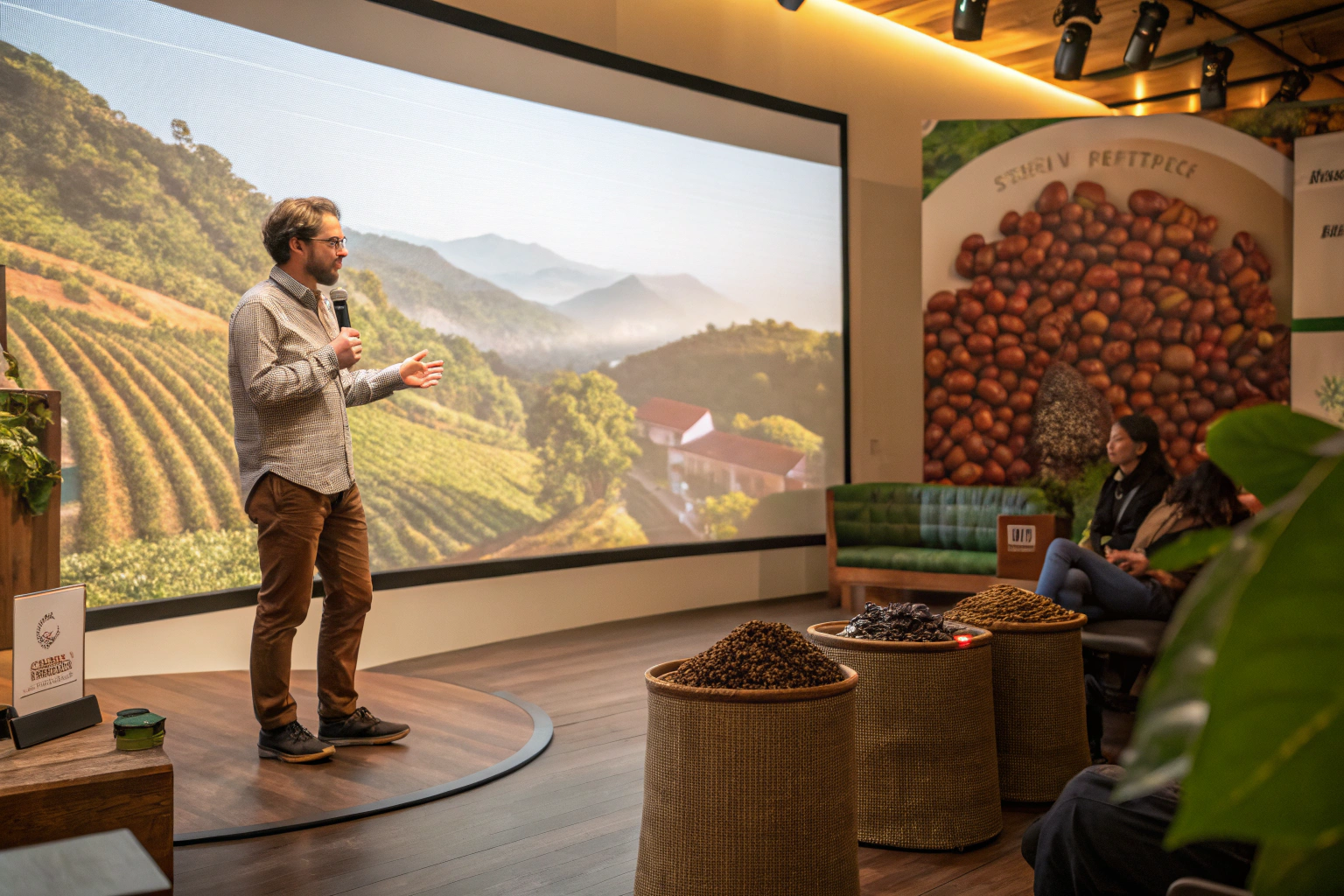
A buyer from London told me something I'll never forget. "Your coffee is good," he said. "But so is everyone's. Why should I buy from you instead of Colombia or Ethiopia?" He was right. Quality alone isn't enough. Story is what makes coffee memorable.
Storytelling transforms Chinese coffee from a commodity into an experience. The narrative of Yunnan's mountains, the farmers' generations of knowledge, the unique terroir, the journey from remote villages to international cups—these stories create emotional connections that price alone cannot. At BeanofCoffee, we've learned that our story is as valuable as our beans.
Let me walk you through how we tell our story—and how you can tell it to your customers. Because Chinese coffee has a story worth telling. It's different from Colombian or Ethiopian stories. That difference is your advantage.
Why Does Chinese Coffee Need a Different Story?
For decades, coffee meant Colombia, Ethiopia, Kenya. Their stories are well-known. Ancient traditions. Generations of knowledge. Romantic imagery. Chinese coffee has none of that history. But we have something else: a new story, a different story, a story of innovation and adaptation.
Chinese coffee's story isn't about tradition—it's about transformation. It's the story of farmers learning coffee cultivation in a land that never grew it before. It's about adapting varieties to new terroirs. It's about building an industry from nothing. That's compelling in a different way.
What makes Chinese coffee unique historically?
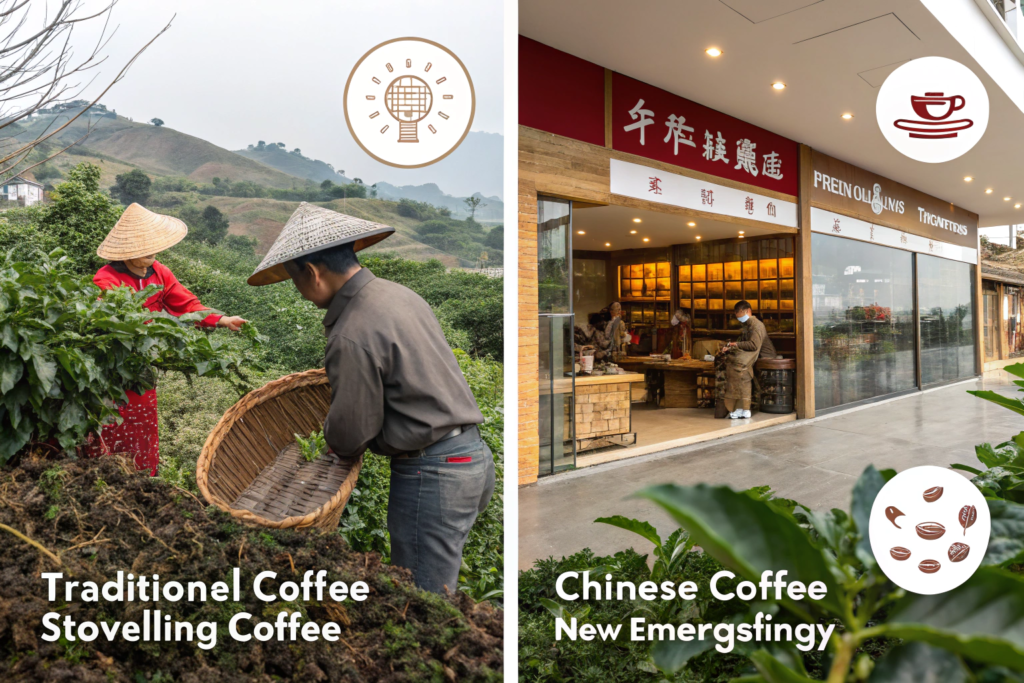
Coffee came to China late—really late. The first commercial plantings in Yunnan were only decades ago. There are no ancient traditions, no generational coffee families.
But that newness is itself interesting. Chinese coffee represents possibility. It shows that great coffee can emerge anywhere with dedication and skill. Buyers curious about the future of coffee are curious about China. Check Chinese coffee history for the fascinating story of coffee's arrival in Yunnan.
How does Yunnan's terroir create a unique story?
Yunnan is unlike other coffee regions. High mountains. Ethnic minority cultures. Tea traditions alongside coffee. Rice paddies and coffee farms coexisting. The landscape itself tells a story.
When buyers visit, they're amazed by how different it looks. Not the rolling hills of Colombia or the highlands of Ethiopia. Something new. Something surprising. That surprise becomes part of the story. Working with Shanghai Fumao helps share these visual stories through buyer visits and media.
What Elements Make a Compelling Coffee Story?
Great coffee stories have common elements. Place. People. Process. Passion. Chinese coffee has all of these—just expressed differently. The key is finding the authentic stories, not inventing fake ones.
Compelling coffee stories include: the farmer's personal journey, the unique characteristics of the land, the specific processing methods, the challenges overcome, and the connection to the final cup. Authenticity matters more than drama. Real stories resonate. Fake ones get exposed.
Who are the people behind Chinese coffee?
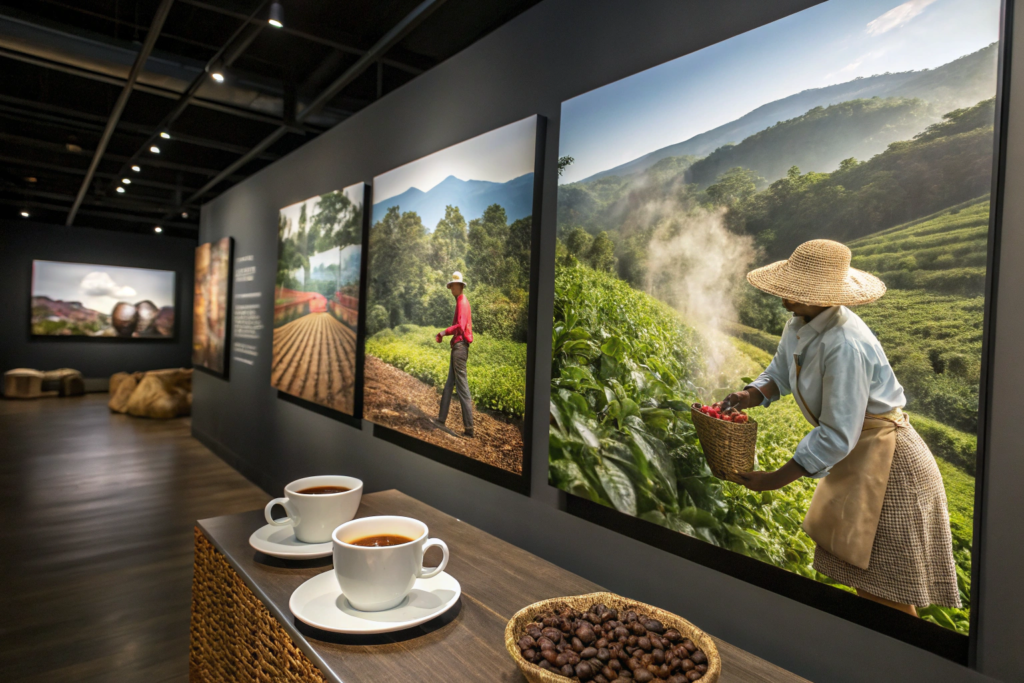
Our farmers aren't generational coffee growers. They're former tea farmers, rice farmers, entrepreneurs who saw opportunity. They learned from scratch. They experimented. They succeeded through persistence.
That persistence is inspiring. Buyers connect with farmers who chose coffee, who built something new, who took risks. The human element transcends culture. Visit Yunnan coffee farmer profiles for stories of the people behind the beans.
What challenges make the story interesting?
Frost. Drought. Learning curves. Market skepticism. Building infrastructure from nothing. These challenges create narrative tension. Overcoming them creates satisfaction.
When you tell customers about the frost that nearly destroyed a harvest, then show them the coffee that survived, they appreciate it more. Struggle adds value. Working with partners like Shanghai Fumao helps document these challenges and share them.
How Do You Tell the Story Without Romanticizing?
Romanticizing backfires. Customers can smell fake. They've heard too many "small family farm" stories that turned out to be marketing fiction. Chinese coffee doesn't need fake romance. It needs honest representation.
Tell the real story—both struggles and successes. Show the hard work, the uncertainties, the imperfections. Authenticity builds trust. Customers appreciate honesty more than perfection. A real story with some rough edges is more believable than a polished fiction.
What real details resonate with buyers?
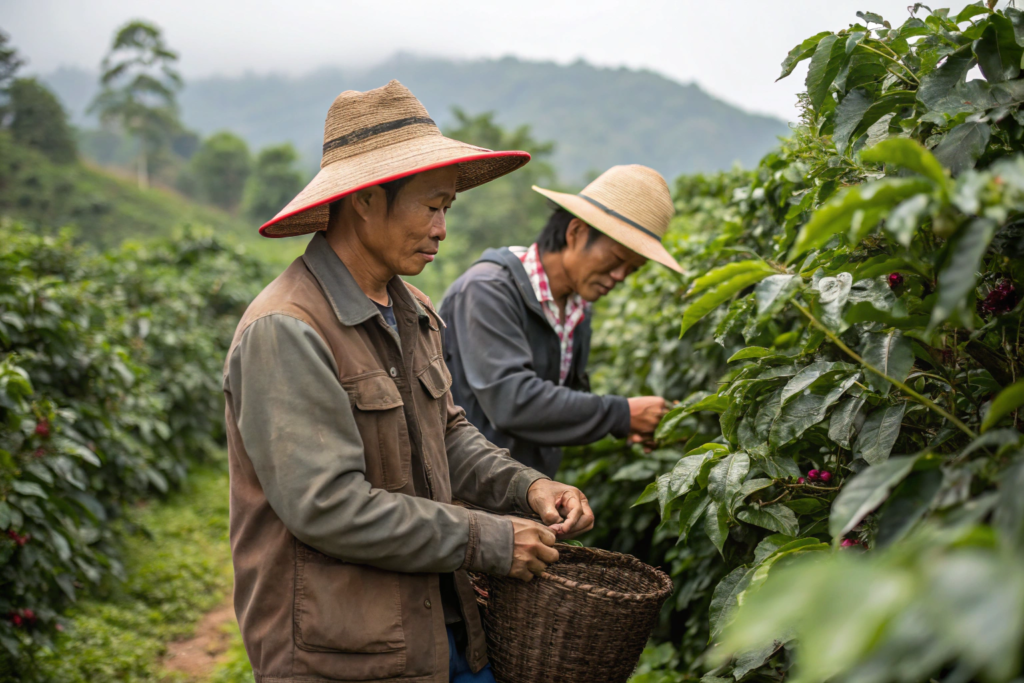
The early mornings picking cherry. The back pain from carrying baskets. The anxiety before harvest. The joy when quality improves. The frustration when machines break. These real moments connect.
We share photos of muddy boots, not just beautiful landscapes. We talk about problems, not just successes. Buyers appreciate that honesty. They know farming isn't easy. Pretending it is insults their intelligence. Check authentic coffee marketing for examples of brands doing this well.
How do you avoid cultural stereotypes?
Don't exoticize Chinese farmers. Don't present them as mysterious or ancient. They're modern people doing modern work. Some use smartphones. Some drive trucks. Some listen to pop music.
Show them as they are—skilled professionals, not cultural artifacts. Respect their work without making them exotic. Working with Shanghai Fumao ensures cultural sensitivity in all storytelling.
What Channels Work Best for Coffee Storytelling?
Story needs telling. Multiple times. Multiple ways. Different channels reach different audiences. Consistent story, varied presentation.
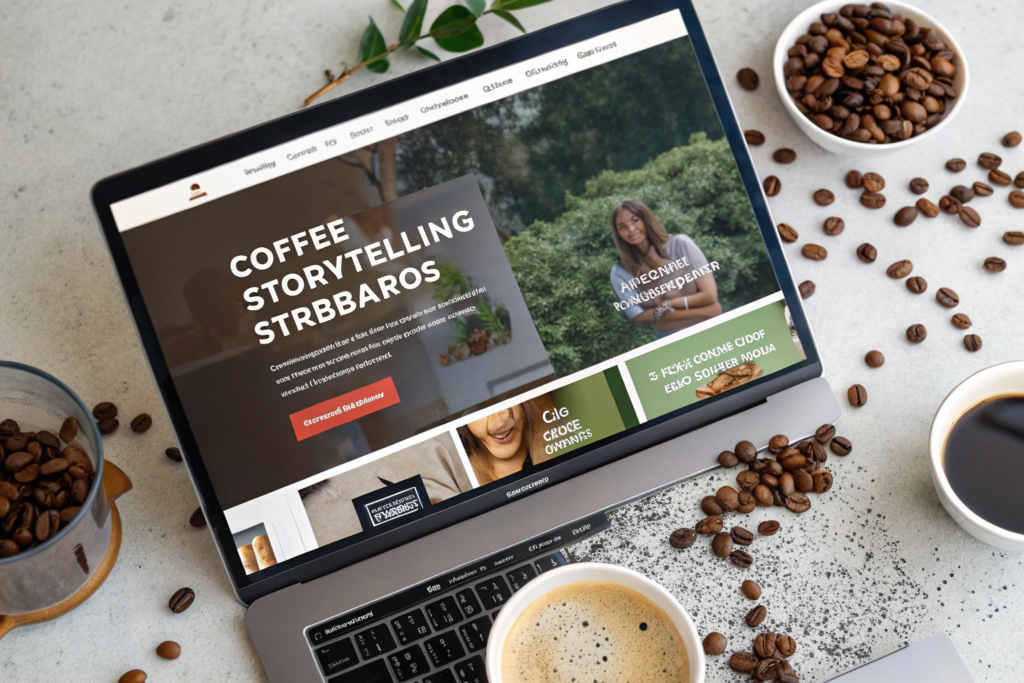
Effective storytelling channels for coffee: packaging (first touchpoint), website (deep dive), social media (regular updates), video (emotional connection), trade shows (personal interaction), and direct communication (relationship building). Each channel serves different purposes but should tell the same story.
How do you tell story on packaging?
Packaging has limited space. Use it for the most powerful elements: origin, farmer, unique characteristic. A sentence, not a paragraph. A photo, not an essay.
QR codes link to deeper stories online. Let packaging intrigue, then digital content satisfy. Visit coffee packaging design inspiration for examples of storytelling through design.
What video content works for coffee stories?
Short documentaries. Two to three minutes. Focus on one farmer, one process, one harvest. Personal, emotional, visual.
We produce videos showing our farms, our people, our methods. Buyers share them with their customers. The story spreads. Review coffee video marketing examples for inspiration.
How Do You Train Sales Teams to Tell the Story?
Great story means nothing if salespeople can't tell it. They need to know the story, believe the story, and deliver it naturally. Training turns story into sales.
Train sales teams on the real stories behind the coffee. Not just bullet points—real details. Farmer names. Specific challenges. Personal connections. When salespeople know the real story, they tell it authentically. Customers feel the difference.

What should salespeople know about the farmers?
Names. Faces. Personal histories. Why they farm coffee. What they're proud of. What they struggle with.
We connect our buyers directly with farmers when possible. Video calls. Messages. Even visits. That personal connection transforms transactions into relationships. Working with Shanghai Fumao facilitates these connections.
How do you handle questions about Chinese coffee skepticism?
Some buyers doubt Chinese coffee quality. That's reality. Address it directly. Don't hide from it.
Acknowledge the skepticism. Then provide evidence: cupping scores, customer testimonials, quality certifications, personal tasting. Let the coffee speak, but let the story explain how it got there. Visit overcoming origin skepticism for strategies used by other emerging origins.
Conclusion
Chinese coffee has a powerful story. Not the same as traditional origins—but powerful in its own way. Story of new beginnings. Of learning and adaptation. Of building something from nothing. Of farmers choosing coffee against all odds.
This story resonates with buyers tired of the same old narratives. It appeals to adventurous customers seeking something different. It creates emotional connection that price alone cannot match.
At Shanghai Fumao, we've learned to tell our story authentically. We share our real struggles and real successes. We connect buyers with real farmers. We let the coffee speak, but we give it context through story.
If you want to tell the story of Chinese coffee to your customers, we can help. Contact our export manager, Cathy Cai. She'll share our farmer stories, our farm photos, our processing videos—everything you need to tell the real story. Email her at cathy@beanofcoffee.com. Tell her what kind of story your customers connect with. She'll respond within 24 hours with stories that will make your Chinese coffee unforgettable.