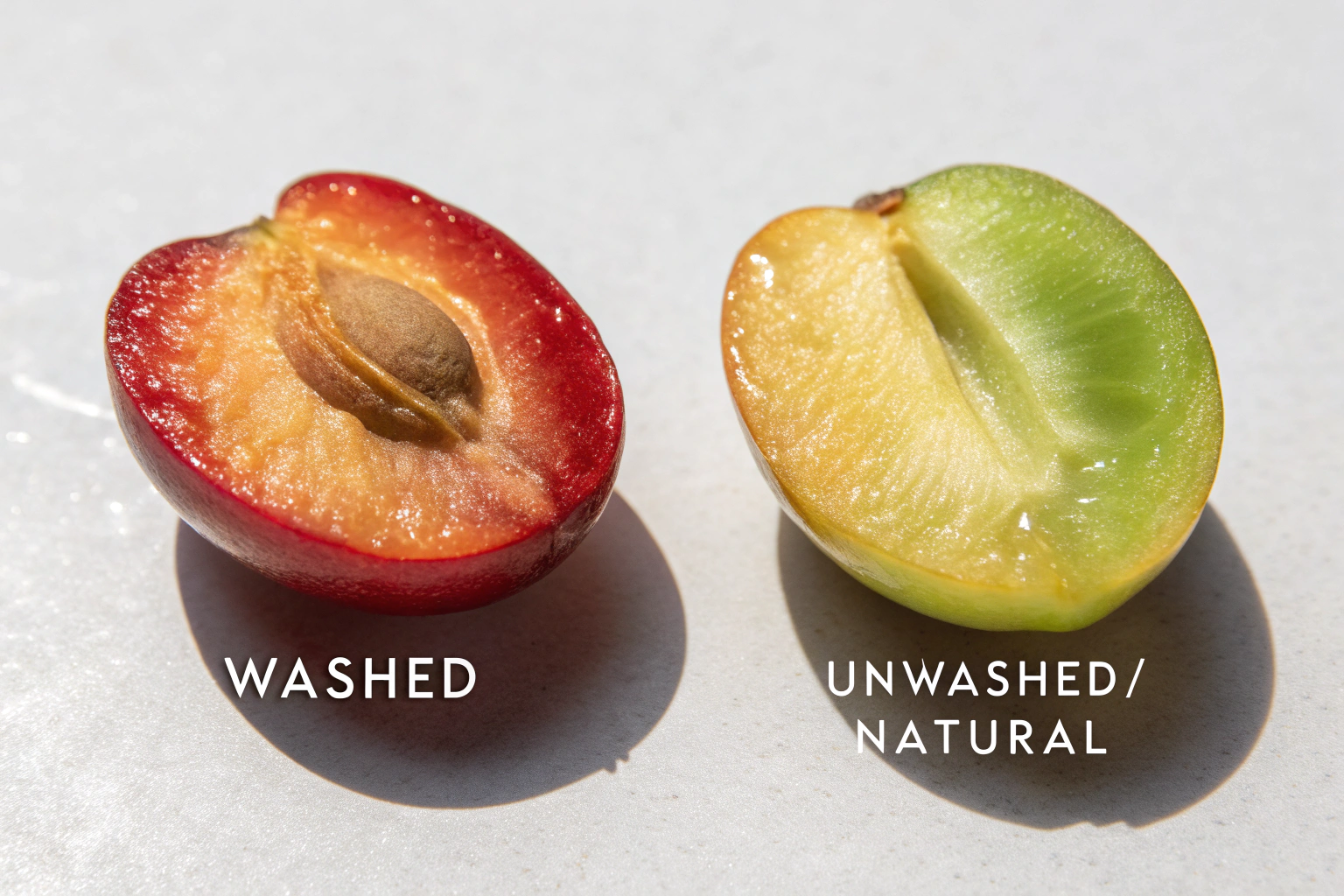
You've likely built your foundation on the clean, consistent, and bright flavors of washed coffees. They are reliable, easy to roast, and represent the classic "specialty coffee" profile. But then you encounter an "unwashed" or "natural" processed Arabica. It might look a bit messy, with varied colors, and its aroma is intensely fruity, almost like wine. You roast it, and it behaves differently. You cup it, and it explodes with notes of blueberry, strawberry, and a syrupy sweetness you've never experienced before. The pain point for many is a sense of unfamiliarity and risk. Unwashed coffees can be inconsistent, and if processed poorly, they can have unpleasant fermented flavors. You're intrigued by the potential reward, but you're wary of the risk.
Honestly, the single greatest advantage of buying unwashed (natural) Arabica is its potential for extraordinary sweetness and intense, fruit-forward flavor profiles. By drying the coffee bean inside the intact cherry, the sugars and flavor compounds from the fruit pulp are absorbed by the bean over a period of weeks. This process creates a cup profile that is typically heavier in body, lower in acidity, and bursting with notes of ripe berries, tropical fruits, and a wine-like complexity that is impossible to achieve with a washed coffee.
From my perspective as a producer at Shanghai Fumao, the unwashed method is a high-risk, high-reward art form. It requires meticulous attention to detail, but when done right, it produces some of the most memorable and exciting coffees in the world. It's a celebration of the fruit, not just the seed. Let's explore the unique advantages this ancient method offers.
How Does the Unwashed Process Create Such Intense Flavor?
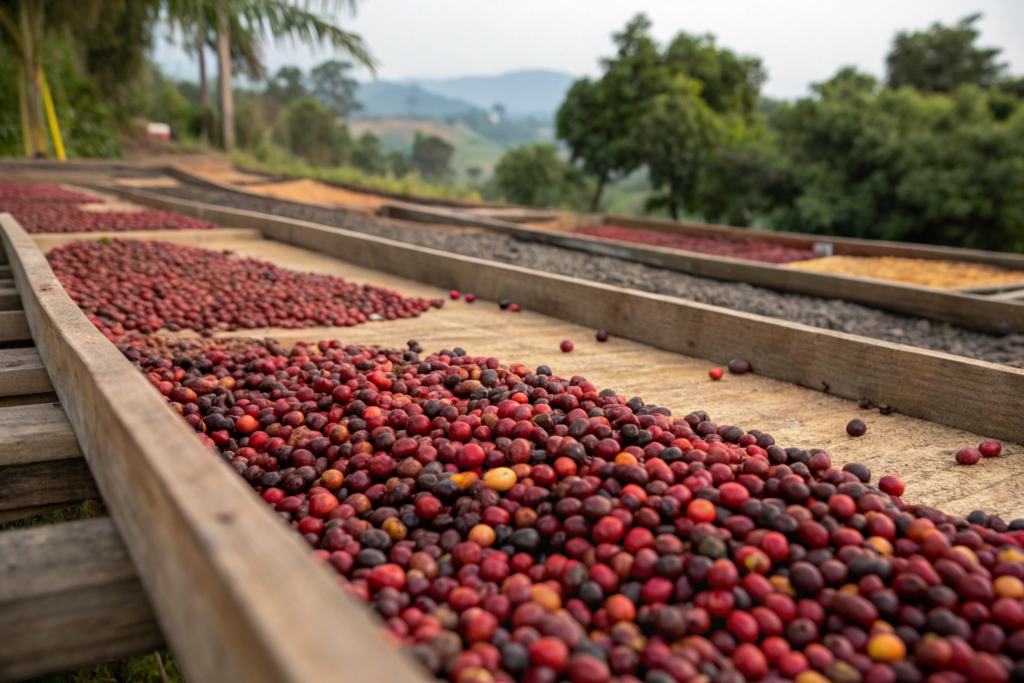
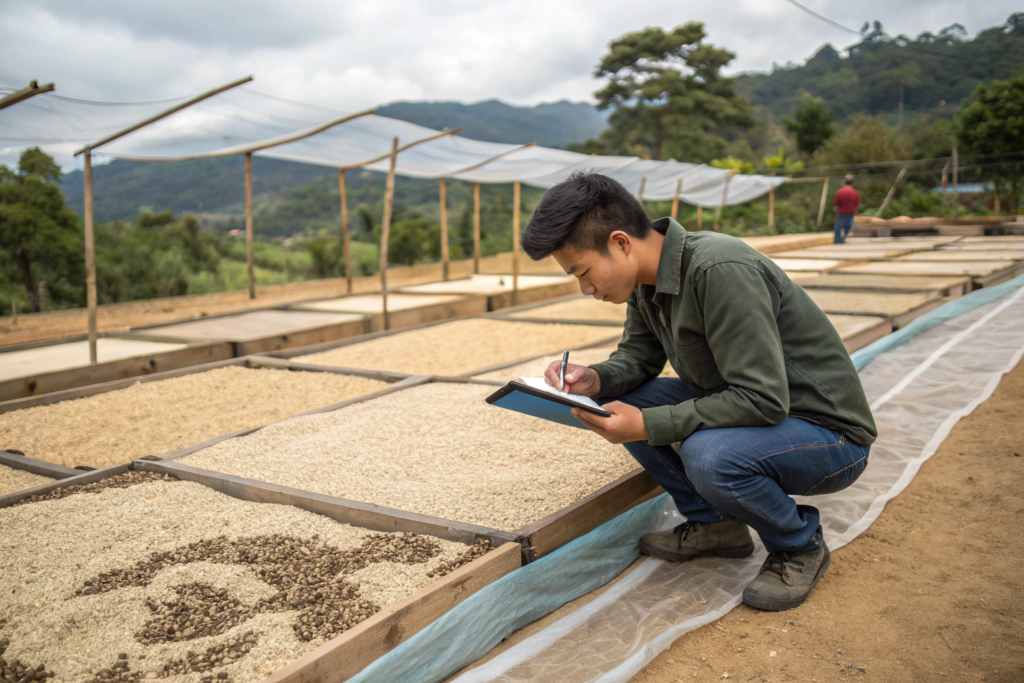
The fundamental difference between washed and unwashed coffee lies in what happens immediately after picking. In the washed process, the fruit pulp is scrubbed off within hours. In the unwashed process, the entire, intact coffee cherry is laid out to dry in the sun, just as it was picked.
The unwashed process is essentially a long, slow infusion. For two to four weeks, the coffee bean sits inside the cherry, slowly absorbing the fermenting sugars, acids, and aromatic compounds from the surrounding fruit pulp (the mucilage). This "marination" process is what imbues the final bean with its characteristic heavy sweetness and powerful fruit notes.
It's the difference between a simple steamed vegetable and one that has been slow-roasted with herbs and spices. The environment it's cooked in becomes part of the flavor.
What kind of flavors can you expect?
While every origin is different, unwashed Arabicas are famous for their bold, unmistakable fruit flavors.
- From Ethiopia: This is the classic home of natural processing. You can expect powerful notes of blueberry, strawberry, and floral jasmine.
- From Brazil: Brazilian naturals are often less about bright fruit and more about deep, nutty, chocolatey sweetness with notes of raisin and cherry.
- From Central America: Increasingly popular, these can offer flavors of tropical fruit, like mango and pineapple, with a distinct wine-like or boozy complexity.
The intensity of these flavors is something a washed coffee simply cannot replicate.
How does it affect the coffee's body and acidity?
The absorption of sugars and other soluble compounds from the fruit gives unwashed coffees a noticeably heavier, more syrupy body and a rounder mouthfeel. At the same time, the fermentation process tends to mellow out the bean's intrinsic acidity. The result is a cup that feels fuller, sweeter, and less sharp than its washed counterpart. This makes it a fantastic choice for customers who prefer a less acidic coffee but still want a complex and interesting flavor experience.
What Are the Advantages in Terms of Sustainability?
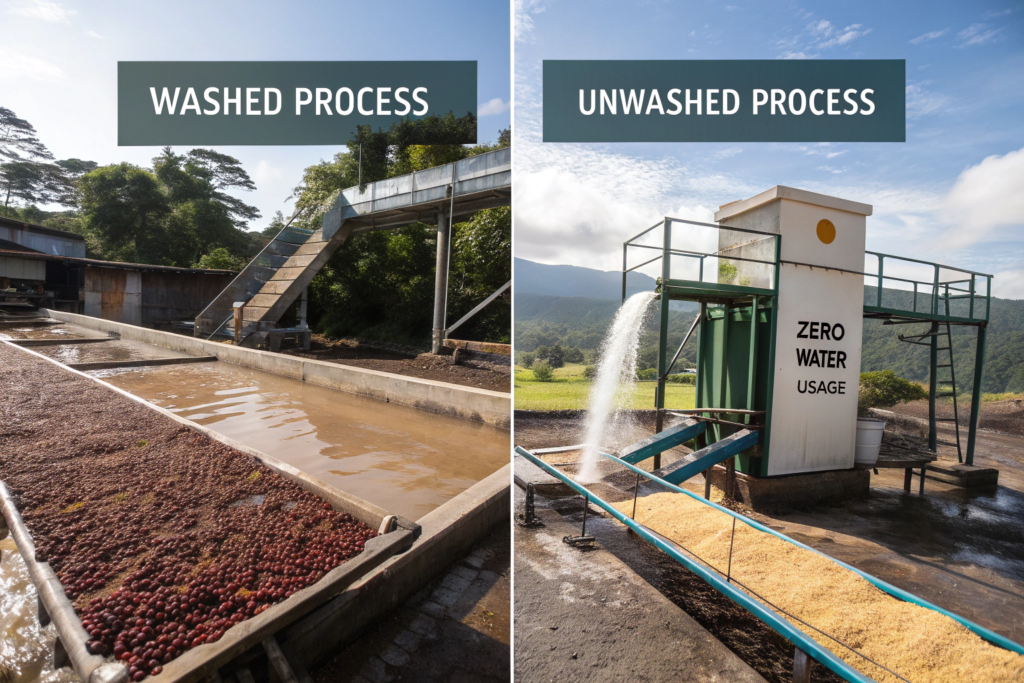
Beyond the flavor, one of the most significant advantages of the unwashed process is its dramatically lower environmental impact, particularly concerning water usage. This is becoming an increasingly important factor for both producers and consumers in a world facing growing water scarcity.
The unwashed process is also known as the "dry process" for a reason: it uses virtually no water. This stands in stark contrast to the fully washed method, which can use vast quantities of fresh water to wash and transport the coffee, creating a significant amount of contaminated wastewater that must be treated.
For producers in arid regions or those looking to minimize their ecological footprint, the unwashed method is a far more sustainable choice.
How much water does the washed process use?
The traditional washed process can be incredibly water-intensive. It can take up to 10-20 liters of water to produce a single kilogram of green coffee. In many coffee-growing regions, fresh water is a precious resource, and the wastewater from coffee mills (known as "honey water" or aguas mieles) is rich in organic matter. If this wastewater is discharged directly into rivers without treatment, it can deoxygenate the water and cause significant harm to aquatic ecosystems.
How does the unwashed process benefit smallholder farmers?
For a smallholder farmer with limited access to capital, the unwashed process is far more accessible. Building a washing station with pulping machines, fermentation tanks, and water channels requires a significant financial investment. The unwashed method, at its most basic, requires only a patio or raised beds for drying. This lower barrier to entry empowers smaller farmers to process their own coffee and potentially capture more of the value chain. This is a key aspect of sustainable development in rural coffee communities.
What Are the Roasting and Blending Advantages?
For a roaster, unwashed coffees present both a unique challenge and a powerful tool. Their different physical and chemical makeup means they behave differently in the roaster, and their intense flavor profile makes them a "secret weapon" in creating signature blends.
Because of their high sugar content, unwashed coffees tend to caramelize faster and more intensely during roasting. A roaster must apply heat carefully to develop the fruit flavors without scorching the bean. In blending, a small percentage of a high-quality unwashed coffee can add a dramatic layer of fruit complexity and sweetness to an otherwise simple blend.
How should you approach roasting an unwashed coffee?
- Lower Charge Temperature: Unwashed beans are often less dense than washed beans from the same region. It's common to start the roast at a slightly lower temperature to avoid scorching the exterior of the bean early on.
- Watch the Development Time: Because of the high sugar content, these beans can progress very quickly from the first crack to being overly dark. Roasters often pay extremely close attention to the "development time" (the time after the first crack begins), keeping it relatively short to preserve the delicate fruit notes and prevent a "roasty" or baked flavor from dominating.
- Focus on Aroma: The smell coming from the roaster's tryer is a key indicator. A skilled roaster is looking for that moment when the aromas shift from bready to intensely fruity—that's the sweet spot.
How can unwashed coffee elevate an espresso blend?
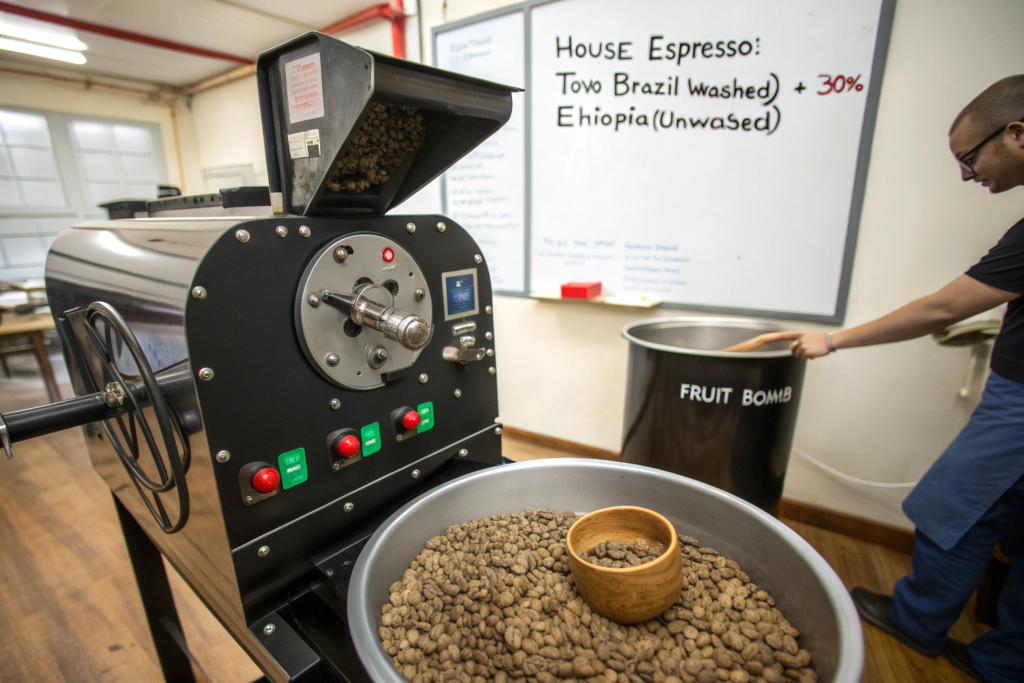
Many classic espresso blends are built on a base of chocolatey, nutty washed coffees. While this creates a solid, comforting flavor, it can sometimes be a bit boring. Adding just 10-20% of a fruity, unwashed Ethiopian coffee to the blend can be transformational. It can introduce a bright, jammy, blueberry or cherry note on top of the chocolate base, creating a much more complex and memorable "chocolate-covered berry" flavor profile. It's a common technique used by top-tier roasters to make their espresso stand out.
How Does Buying Unwashed Coffee Support Producer Innovation?
When you, as a buyer, choose to purchase a high-quality unwashed coffee, you are doing more than just buying a product with a unique flavor. You are sending a powerful economic signal back to the producer.
By paying a premium for well-processed unwashed coffees, buyers create a financial incentive for producers to invest the immense time, labor, and risk required to produce them. This support encourages innovation and experimentation at the farm level, leading to the development of new and exciting flavor profiles that push the entire industry forward.
Why is producing a great unwashed coffee so difficult?
The unwashed process is fraught with risk. If the cherries are not picked at peak ripeness, are not sorted meticulously to remove defects, or are not turned constantly and dried evenly on the beds, the risk of mold, over-fermentation, and unpleasant "funky" flavors is very high. It requires far more manual labor and attention over a longer period than the washed process. A producer will only take on this risk if they know there is a market of discerning buyers, like those who work with us at BeanofCoffee.com, who will reward their effort.
How does this drive experimentation?
The success of the natural process has inspired producers to experiment with other methods that use the coffee's fruit, such as the "honey" or "pulped natural" process. It has also led to more advanced techniques like anaerobic fermentation, where the coffee is fermented in a sealed, oxygen-free environment to create even more intense and unusual flavors. When buyers show they are willing to pay for unique, process-driven flavor profiles, it gives producers the creative license to innovate.
Conclusion
The advantages of buying unwashed Arabica are clear and compelling. For the consumer, it offers a world of intense, sweet, and fruit-forward flavors that are simply unattainable through other methods. For the planet, it represents a more sustainable, water-conscious way of processing coffee. And for the roaster, it is both a rewarding challenge and a powerful tool for creating unique and memorable blends. By choosing to embrace high-quality unwashed coffees, you are not only diversifying your menu and exciting your customers; you are also supporting producer innovation and encouraging more environmentally friendly practices at the origin. It's a choice where everyone—from the farmer to the final coffee drinker—wins.
We are proud to be applying meticulous care to the unwashed coffees we produce on our farms in Yunnan, creating unique lots with exciting flavor profiles. If you are ready to explore the wild, sweet, and wonderful world of unwashed Arabica, we invite you to start with us. Contact our coffee specialist at cathy@beanofcoffee.com.