
I remember my first export shipment. I thought I could handle it myself. How hard could it be? Find a shipping line. Book space. Fill out paperwork. Send the container. I was so wrong.
The container sat at the port for two weeks. The documentation was wrong. The shipping line changed our booking. The buyer was furious. I lost money and nearly lost a customer. That is when I learned. Freight forwarders are not an expense. They are an investment. You can read more about freight forwarding on Freightos or check logistics guides on International Trade Administration.
Let me walk you through the real advantages. Not the sales pitch. What I have learned from years of shipping coffee to North America, Europe, and Australia.
How Does a Freight Forwarder Simplify International Shipping?
International shipping is complicated. Insanely complicated. Different countries have different rules. Different ports have different requirements. Different shipping lines have different schedules.
A good freight forwarder handles all of that. They know which lines have space. They know which routes are reliable. They know the documentation for every country. You tell them where the coffee needs to go. They figure out how to get it there.
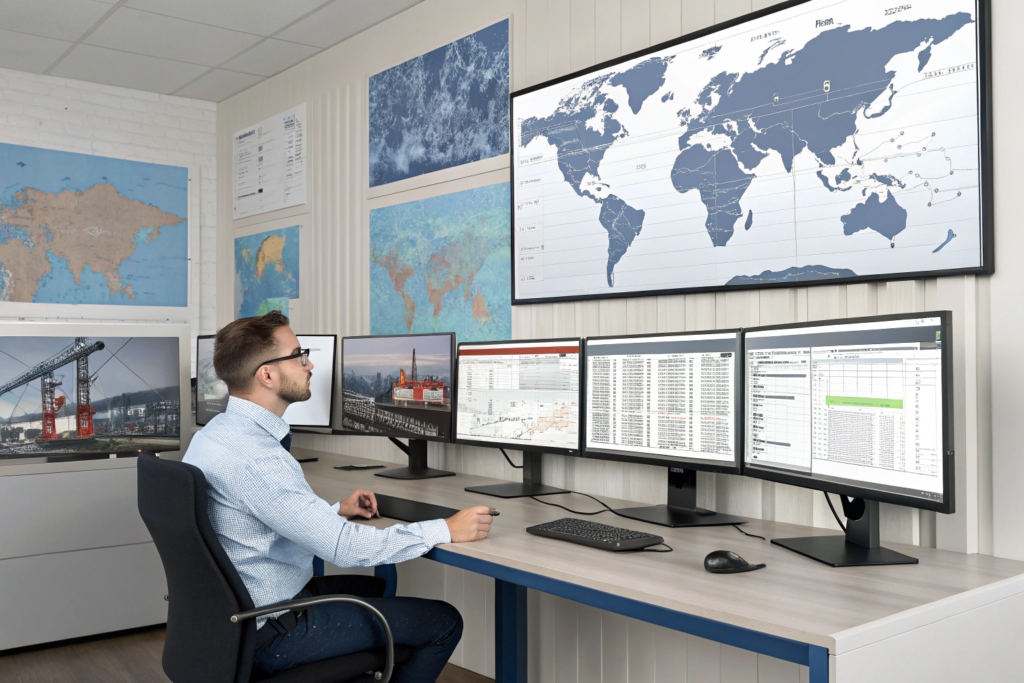
What specific tasks does a freight forwarder handle?
Everything. Booking space on vessels. Arranging trucking to the port. Preparing export documentation. Handling customs clearance. Tracking the container. Communicating with the buyer's agent. If something goes wrong, they fix it.
When we ship to a new market, we rely on our forwarder completely. They tell us what documents are needed. They check our labels. They make sure everything is correct. Without them, we would make mistakes constantly. Our partners at Shanghai Fumao coordinate with our forwarders to ensure everything runs smoothly.
Can you ship internationally without a freight forwarder?
You can. Some companies do it. But it is risky. You need to understand customs regulations in every country. You need relationships with shipping lines. You need to know the paperwork.
For occasional shipments, maybe you can manage. For regular business? A forwarder pays for themselves. They save you time. They save you mistakes. They save you money in the long run.
What Cost Advantages Do Freight Forwarders Offer?
People think forwarders add cost. They charge fees, right? But here is the truth. They usually save you money.
Forwarders ship thousands of containers every year. They have contracts with shipping lines. They get better rates than you can get on your own. Their rate might be lower than what the shipping line quotes you directly. Even after their fee, you come out ahead.

How do forwarders get better shipping rates?
Volume. Simple as that. A forwarder books space for hundreds of customers. They have negotiating power. They get discounts.
When you book directly with a shipping line, you are one small customer. You pay the published rate. When you book through a forwarder, you get their contract rate. It is usually lower. Sometimes much lower.
Are there hidden fees with freight forwarders?
Good forwarders are transparent. They give you a quote that includes everything. Ocean freight. Trucking. Documentation fees. Port charges. Insurance if you want it.
We ask for an all-in quote. Then we compare. If something changes, they tell us immediately. No surprises. That is how it should work.
How Do Freight Forwarders Handle Complex Documentation?
Coffee export requires paperwork. Lots of it. Bill of lading. Commercial invoice. Packing list. Certificate of origin. Phytosanitary certificate. Insurance certificate. The list goes on. One mistake on any document can delay your shipment. Or get it rejected. Or cost you fines.
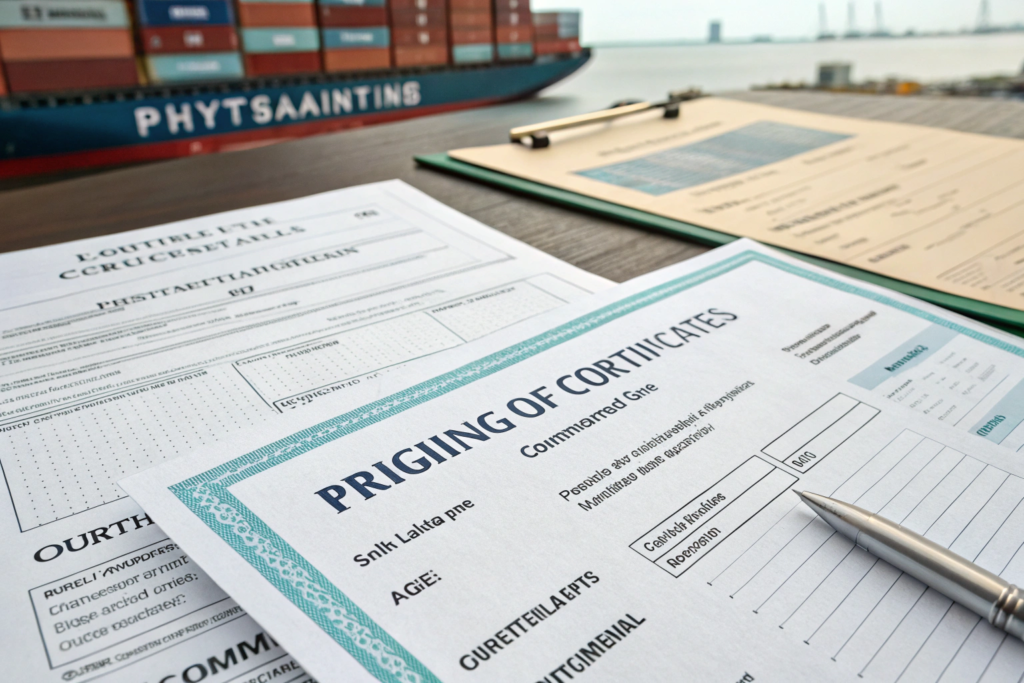
What documents does a forwarder prepare?
They prepare or check everything. The bill of lading is the most important. It is the contract with the shipping line. It proves ownership of the goods. If it is wrong, you have big problems.
They also handle certificates of origin. These prove where the coffee came from. Important for tariffs. Important for trade agreements. They check that everything matches. Your invoice, your packing list, your certificate. If the weights do not match, customs will notice.
What happens if documents are incorrect?
Delays. Fines. Rejection. Worst case, your container sits at the destination port while you fix the paperwork. That costs storage fees. It costs demurrage. It costs your customer's trust.
We had a shipment to Canada delayed because the certificate of origin had a typo. One letter wrong. It took three days to fix. Three days of storage charges. Three days of angry emails. Now we have our forwarder double-check everything. Our partners at Shanghai Fumao also review before documents go out.
How Do Freight Forwarders Manage Shipping Timelines?
Timing is everything in coffee. Your buyer needs beans on a schedule. If you are late, they run out. If you are early, they might not have warehouse space.
Forwarders help you hit your window. They know which lines are reliable. They know which ports have congestion. They advise you on when to ship.
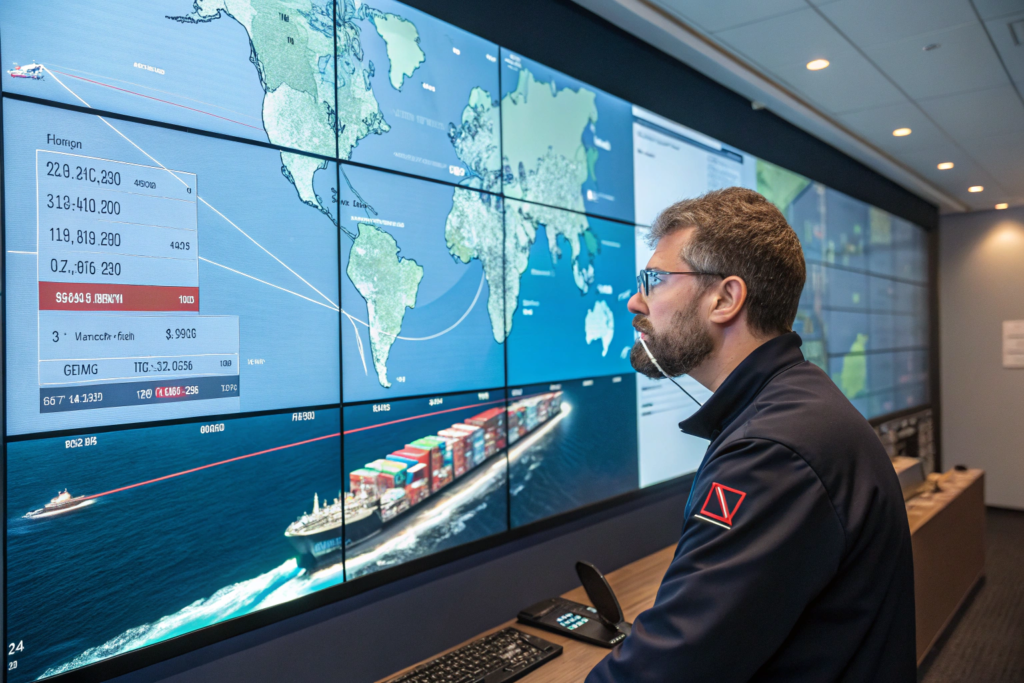
How do forwarders choose the best shipping line?
Experience. They have worked with most lines. They know which ones are on time. Which ones lose containers. Which ones have good customer service.
They also know which lines have space. During peak seasons, space is tight. A good forwarder gets you on the ship. Without them, you might wait weeks.
What happens when a ship is delayed?
Delays happen. Weather. Port strikes. Congestion. A good forwarder tells you immediately. They do not wait for you to ask.
They also help you manage the impact. They communicate with the buyer. They adjust documentation if needed. They help you plan for the delay. Bad news is better than no news.
How Do Freight Forwarders Handle Customs Clearance?
Customs is the scariest part of shipping. Every country has different rules. Different inspectors. Different interpretations.
Forwarders work with customs brokers at destination. They know the local rules. They know what inspectors look for. They help your coffee clear smoothly.
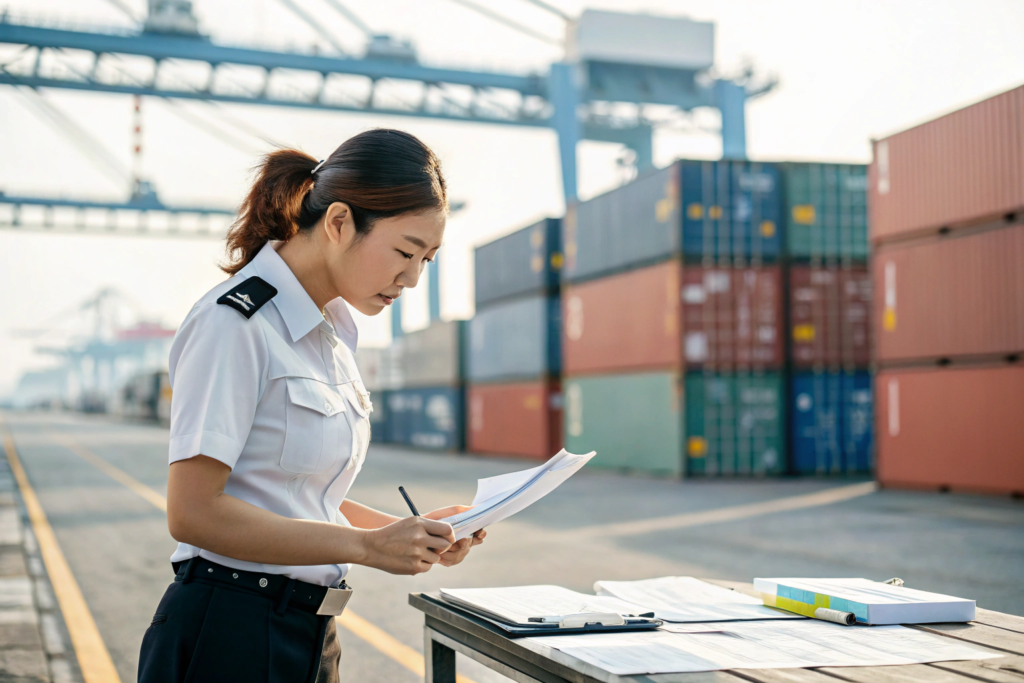
What is the difference between a forwarder and a customs broker?
Sometimes the same company. Sometimes different. A forwarder handles the transport. A broker handles the customs clearance.
Many forwarders have broker partners. They coordinate. Your forwarder in China works with their broker in the U.S. The broker clears the coffee. Then the forwarder arranges delivery to your warehouse. One team. One process.
How do you avoid customs delays?
Preparation. Your forwarder tells you exactly what documents are needed. They check everything before the ship arrives. They make sure your coffee is properly classified. They ensure your labels are correct.
If there is a problem, they handle it. They talk to customs. They provide additional information. They do whatever it takes to get your coffee released. That is their job.
Conclusion
Using a freight forwarder is not optional for serious coffee exporters. They save you money. They handle paperwork. They manage timelines. They clear customs. They solve problems.
At Shanghai Fumao , we have worked with the same forwarders for years. They know our coffee. They know our buyers. They know our standards. They are part of our team.
If you are shipping coffee, or planning to, find a good forwarder. Ask questions. Check references. Build a relationship. It will make your life easier and your business better.
And if you need coffee to ship, we are here to help. Contact our export manager, Cathy Cai, at cathy@beanofcoffee.com. She can connect you with our logistics team and help you plan your next order.