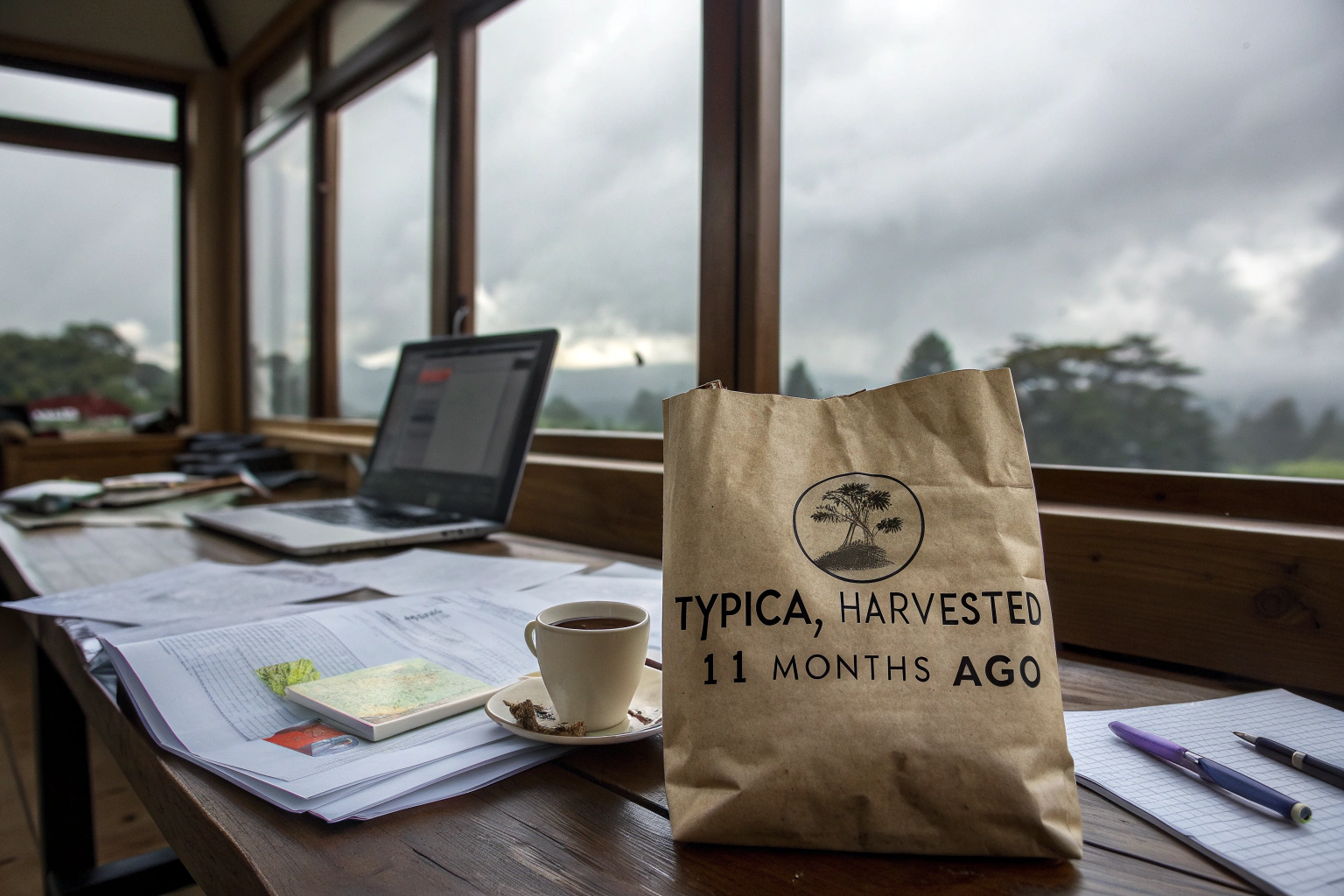
Early in my exporting career, I made a stupid mistake. A buyer from the UK emailed me in August. He wanted a container of our best Typica. I said yes. I scraped together what I had left in the warehouse. It was the tail end of the previous harvest, eleven months old. It shipped. He cupped it. He called me and said, "It tastes flat. Like cardboard. What happened?" I knew exactly what happened. The coffee was old. It had faded. I sold him a shadow of what it should have been. I lost that buyer. He never ordered again. That's when I learned: when you buy coffee is just as important as what coffee you buy.
Buying coffee during the peak harvest, which in Baoshan runs from November to February, delivers three unbeatable advantages: the lowest possible green coffee defect count, the highest concentration of volatile aromatic compounds, and the most competitive FOB pricing of the year. The beans are fresh, vibrant, and fully traceable to a specific picking pass. You are not buying storage. You are buying the raw, living energy of the seed at its absolute biological peak.
Peak harvest isn't just a romantic farm concept. It's a logistical and financial strategy. When you align your purchasing calendar with the picking calendar, you stop being a scavenger of old crop leftovers and start being a partner in the freshest, cleanest lots the farm produces. Let me show you how this timing game changes everything about the coffee you import.
Why Are Defect Rates Lower During Peak Harvest?
Defects in green coffee come from two places: the field and the storage. In the off-season, you're fighting both. The last cherries left on the tree are usually the runts—the ones that didn't ripen properly. Or they're the ones that fell on the ground and got picked up later. And if the coffee has been sitting in a warehouse for six months, you're adding storage defects: fading, moisture loss, insect damage. Peak harvest eliminates the first problem entirely.
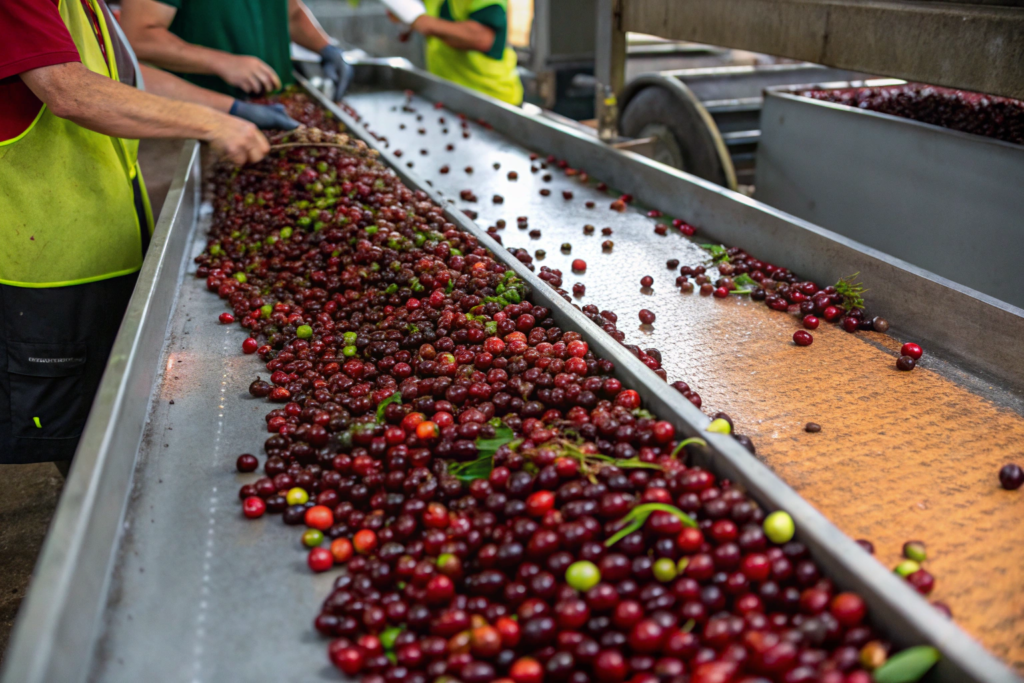
Defect rates drop dramatically during the peak harvest because the sheer volume of uniformly ripe cherries allows for more efficient and ruthless sorting. During the main crop, the wet mill is running at full capacity. The floatation tanks separate the floaters from the sinkers perfectly. The hand-sorting tables have enough volume to justify strict quality control. Farmers are incentivized to deliver only the best because the buying station is busy and can afford to reject a bad basket.
What Defects Disappear During the Main Crop?
Let's talk specific defects. Quakers are under-ripe beans that roast pale and taste like peanuts. They come from green cherries mixed into the lot. During the peak harvest, when 95% of the cherries on the tree are deep red, the pickers can be very selective. They don't feel the pressure to strip everything to fill the basket. So, the number of green cherries drops to near zero.
Insect damage, like the coffee berry borer, also follows a seasonal pattern. The borer population explodes late in the season, on the over-ripe, forgotten cherries. Early and mid-harvest picking captures the cherries before the borers have fully multiplied. The beans are clean. No tiny drill holes. No musty flavor from borer fermentation.
Then there are the "stinker" beans, the ones that fermented inside the cherry because they sat in a pile too long. During peak harvest, the processing flow is fast. Cherries picked in the morning are pulped by noon. They don't sit in bags, sweating and rotting. The throughput speed reduces fermentation defects to a statistical blip. A clean cup starts with a fast turn from tree to tank.
How Does the Wet Mill's Efficiency Improve Selection?
A wet mill is designed for a certain throughput. In the off-season, a farmer might bring 200 kilos of cherries. The mill runs the pulper, but the volume is low. The machines don't calibrate perfectly. The density sorting in the channels is less effective with a thin stream.
During the peak, the mill runs 12 hours a day, processing tons. The water channels are full. The mechanical siphons create a perfect vortex. The heavy, ripe beans sink. The light, hollow, defective beans float. This hydraulic separation works best with volume. You get a cleaner separation between prime and reject.
Also, the mill manager has a full team on shift. The sorting tables are staffed with experienced eyes. A small, wrinkled cherry that might slip through in a slow week is caught because four people are watching the belt. The Specialty Coffee Association grading protocols require zero primary defects for specialty status. Achieving that is exponentially easier when the mill is in its peak rhythm.
How Does Fresh Crop Coffee Elevate Flavor Complexity?
Flavor is chemistry. It's not magic. The compounds that make coffee taste like jasmine, or blueberry, or caramel are volatile organic molecules. They are fragile. They degrade over time. Oxygen steals them. Heat accelerates the theft. When you buy past-crop coffee, you are buying a canvas that has already been partially erased.
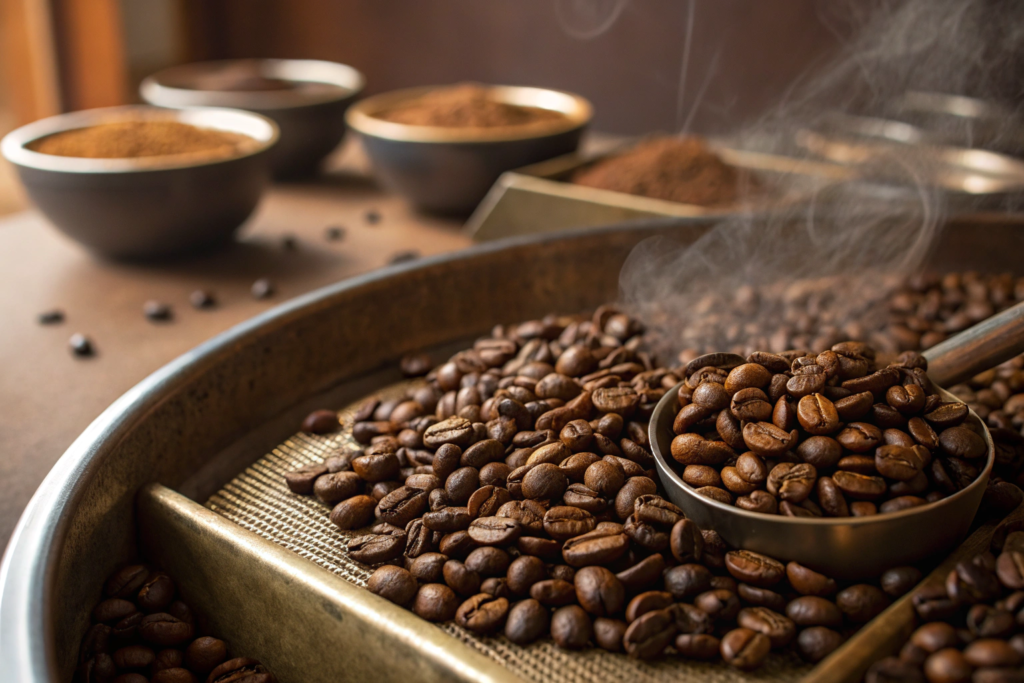
Fresh crop coffee, purchased during the harvest season, has an intact and dynamic chemical profile. The concentration of free amino acids and reducing sugars—the building blocks of the Maillard reaction during roasting—is at its maximum. This means the roaster has a broader palette to work with. The acidity is brighter and more complex, the sweetness is more pronounced, and the aftertaste lingers longer. You simply cannot fake freshness. An old coffee will always taste muted, woody, or papery, regardless of how skillfully it is roasted.
What Happens to Sugars and Acids Over Time?
Green coffee is a living seed. It respires. It consumes its own stored energy to stay alive. The primary fuel for that respiration is sucrose, the sugar.
A fresh Arabica from Baoshan might have a sucrose content of 7% to 9%. That sugar is what caramelizes during roasting. It creates the sweet, toasty notes. If the coffee sits in a warehouse for ten months, the seed slowly burns through that sugar. Respiration continues. By the time you roast it, the sucrose might have dropped by 1% or 2%. That doesn't sound like much. But in a cupping, it's the difference between a sweet, rounded body and a thin, hollow one.
Acids also change. Citric and malic acids, which give bright, fruity notes, oxidize. They transform into less pleasant compounds. The bright lemon note becomes a flat, generic "old coffee" taste. I've cupped the same lot fresh and then again twelve months later. The fresh lot was 85 points. The aged lot? 81 points. Same farm. Same trees. Same processing. Just time. The World Coffee Research lexicon notes "freshness" as a key attribute tied directly to the harvest-to-roast timeline.
Why Do Roasters Prefer "New Crop" on the Label?
Consumers are getting smarter. They've learned to look for "New Crop" on a bag of specialty coffee. It's a badge of quality.
For a roaster, being able to honestly label a coffee as "Fresh Crop" or "2025 Harvest" is a marketing asset. It signals transparency. It tells the customer, "This coffee is alive. It was picked six months ago, not two years ago."
Roasters also notice the physical difference. Fresh crop beans roast more evenly. They have a more predictable cracking point. Aged beans have dried out internally. The cell structure is brittle. They shatter differently in the roaster. Heat transfer is less efficient. Getting a consistent roast profile on old crop is harder. When a roaster buys a pallet of our fresh harvest Catimor in February, they know the roasting curve will be repeatable bag after bag. That consistency is worth more than a small discount on old crop.
What Are the Pricing Advantages of Peak Season Buying?
Everyone wants a deal. But a low price on old coffee is not a deal. It's a liquidation sale. The real financial advantage comes from buying when the market is most fluid and the supply is most abundant. That's the peak harvest window.
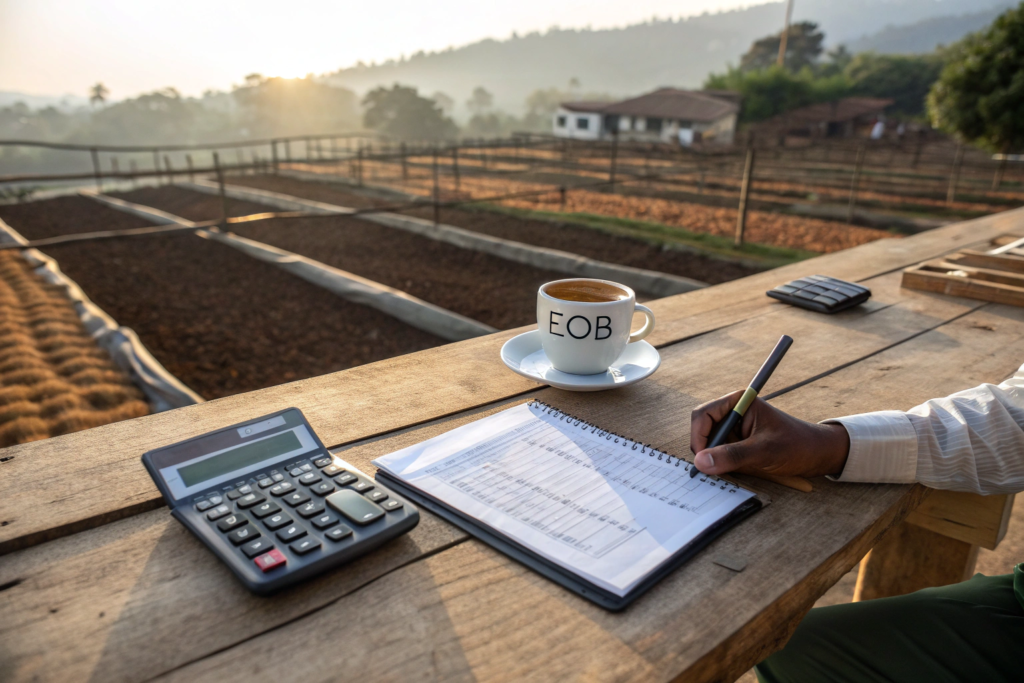
The pricing advantage of peak season buying is driven by simple supply and demand. During the November to February window, the supply of fresh parchment is at its maximum. Exporters and mills are under pressure to move volume to free up working capital for the next round of cherry purchases. This creates a buyer's market for green coffee. FOB prices often soften during this period, and the exporter is more willing to negotiate on freight, sample fees, and payment terms to close a deal quickly.
Why Do Exporters Offer Better Terms During Harvest?
Cash flow. A coffee exporter is not a bank. We pay farmers in cash for their cherries. We pay the mill. We pay the pickers. Our capital is tied up in the new inventory sitting in the warehouse.
We need to turn that inventory into revenue. If a buyer comes to me in January with a confirmed order for a full container, I'm motivated. I know the coffee is fresh. I know the quality is peak. And I know I have a lot of it. So, I'm not going to be stubborn on the price.
In January, I might accept a $0.10 per kilo lower margin just to keep the cash moving. The farmer has been paid. The mill has been paid. I need to pay myself now. A smart buyer understands this rhythm. They don't ask for a discount in July when stocks are low and the exporter knows they're holding the last bag of a sought-after lot. They buy in January and negotiate hard when leverage is on their side.
Is It Cheaper to Ship During the Harvest Window?
Sometimes, yes. Freight rates are seasonal. The peak shipping season for general consumer goods from China is August to October, ahead of the Christmas retail rush. By November and December, container demand from the electronics and toy sectors drops off.
This means shipping lines have more availability. Spot rates can dip. A coffee buyer shipping in February might pay $500 less for a container than a buyer shipping in September. It's not guaranteed, but it's a historical pattern.
Also, because we are processing and milling in dry, cool weather, there's less urgency to rush the drying. We can let the parchment rest. We can schedule the container stuffing without panic. There are no monsoons washing out the roads. Inland logistics from Baoshan to the port are smoother and cheaper. All these micro-savings add up. The ICO market reports often show a slight dip in global Arabica prices during the peak Brazilian and Colombian harvests, which can indirectly pressure Asian exporters to stay competitive.
How Does Peak Harvest Ensure Better Traceability and Selection?
For specialty coffee, traceability is not a buzzword. It's the foundation of the value proposition. A roaster wants to tell a story. And a story without dates, without specifics, is just marketing fluff. Traceability is easiest when the coffee is moving, not when it's sitting in a dark warehouse blending into anonymity.
Peak harvest guarantees better traceability because the lots are defined by the picking date, the altitude block, and the processing batch. You are buying a distinct, temporal slice of the farm's production, not a blended accumulation of warehouse leftovers. This allows the buyer to cup and approve a specific, sealed reference sample. Later, when the container arrives, the buyer can verify the lot against that reference. A pre-shipment sample from a blended, past-crop lot is vague. A sample from Day 15 of the peak harvest is precise.

How Do Micro-Lots Emerge During the Harvest?
The peak harvest creates the conditions for micro-lot separation. A micro-lot is a small, exceptional batch kept separate from the main crop.
During the peak flow, we can afford to separate. The pickers on Hill 4 might bring in a particularly beautiful load of Bourbon cherries. They're perfectly ripe. The brix reading is high. Instead of dumping it into the big day lot, we process it separately. We give it an extended fermentation. We dry it on a dedicated section of the raised beds. It becomes a "Hill 4 Bourbon Natural."
You can't do this in the off-season. The volume isn't there. The flow is too slow. A micro-lot requires the confidence to say, "This batch is special enough to stand alone." That confidence only comes when you've seen ten tons of cherries that day and this one ton stands out. The peak harvest provides the statistical variety needed to find the outliers.
Why Is Harvest Date a Crucial Data Point?
Coffee is a fruit. It has a shelf life. Knowing the exact harvest date allows the roaster to manage that shelf life.
If I sell you a container and the bag tag says "Harvest: January 2026," you know exactly how fresh it is. You can plan your roasting schedule accordingly. You know that the flavor will peak within the first six to nine months. You can put "Harvested January 2026" on your retail bag.
If the tag just says "Crop 2025/26," it could be November. It could be March. That's a three-month window. The ambiguity hides quality variation. During peak harvest, we label every pallet with the month and the day range. This practice aligns with the Green Coffee Association contract recommendations for specialty lots, where harvest date is considered a critical quality specification.
Conclusion
Buying coffee during the peak harvest is not just about getting a lower price. It's about capturing the best the farm has to offer. The lowest defects. The most vibrant flavor. The clearest traceability. The most flexible logistics. It's a strategy that turns a commodity purchase into a partnership with the land and the season.
If you time your procurement right, you stop buying storage. You stop paying for the slow degradation of quality. You start buying energy. Fresh, dynamic, full of potential. That's what I want to sell you. Not beans that have been sitting in the back of the warehouse since last April.
Our harvest in Baoshan runs from November through February. That's the window. Right now, the cherries are ripening on the trees. The mills are being cleaned and calibrated. We're getting ready.
If you want to lock in fresh crop from the upcoming harvest, now is the time to start the conversation. We can arrange pre-shipment samples, agree on a pricing structure, and book your container slot before the season gets busy.
Reach out to Cathy Cai to get on the harvest mailing list. She'll send you updates on the picking progress, cupping notes from the first lots, and the FOB offer sheet as soon as it's ready.
Email: cathy@beanofcoffee.com. Let's time your next container with the peak of the mountain.