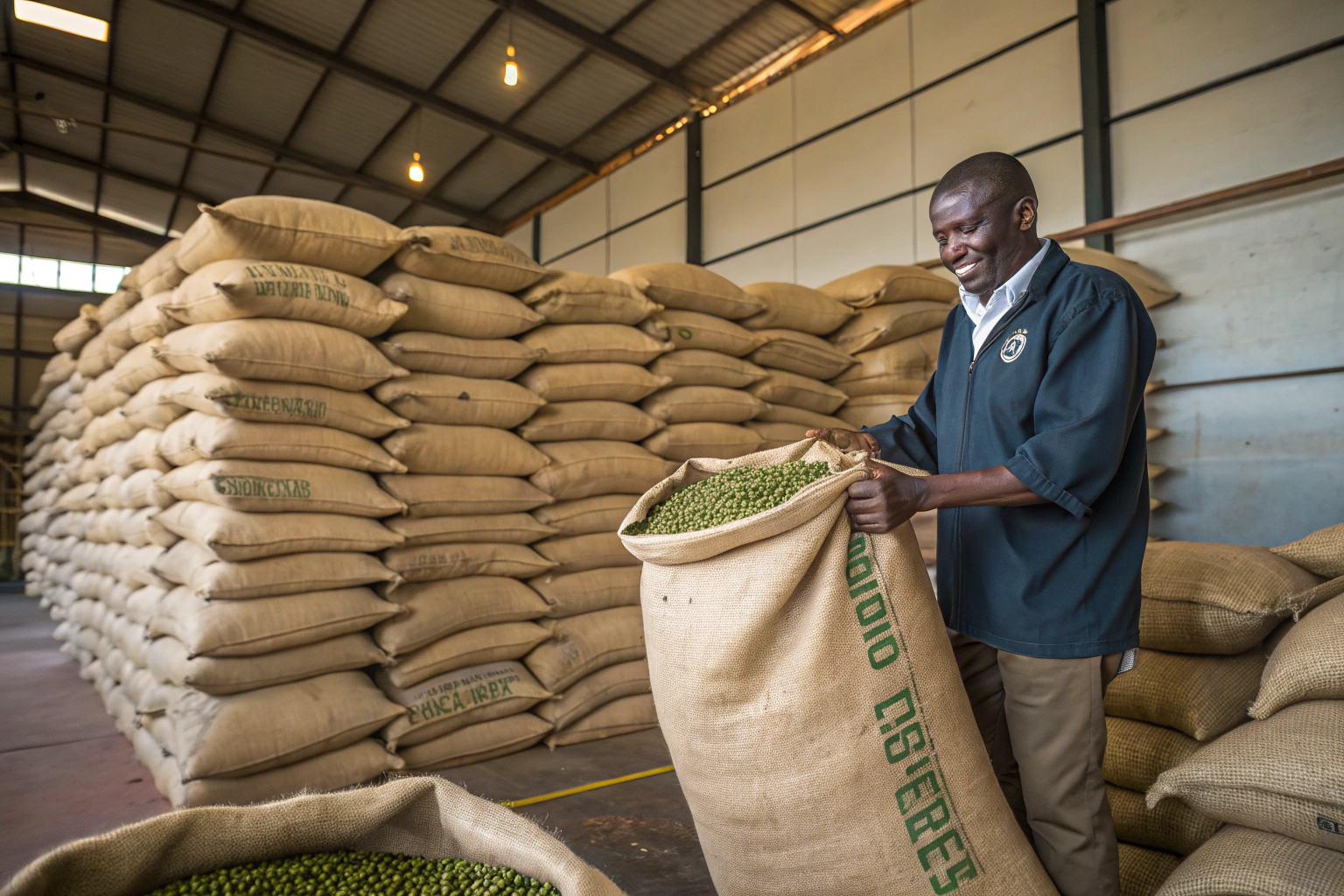
I have been in this business long enough to remember when burlap was the only option. Plastic came later. Vacuum sealing came later still. But you know what? After all these years, burlap is still here. Still used. Still trusted. There is a reason for that.
When I first started exporting from Yunnan, I asked our older farmers why they insisted on burlap. They laughed. They said, "Coffee breathes. Burlap lets it breathe." Simple wisdom. And honestly? They were right. You can read more about coffee packaging materials on Specialty Coffee Association or check historical articles on Coffee Review.
Let me walk you through the real benefits. Not just tradition. The practical reasons why burlap bags are still a smart choice for coffee storage and shipping.
How Do Burlap Bags Help Coffee Breathe During Storage?
Coffee is alive. Even after harvesting and processing, green coffee continues to change. It releases CO2. It absorbs and releases moisture. It needs to breathe.
Burlap is perfect for this. The natural fibers create a breathable barrier. Air moves through slowly. Moisture equalizes. Gases escape. The coffee stays stable. If you seal coffee in plastic, moisture can get trapped. Mold can grow. Off-flavors can develop. Burlap prevents that.
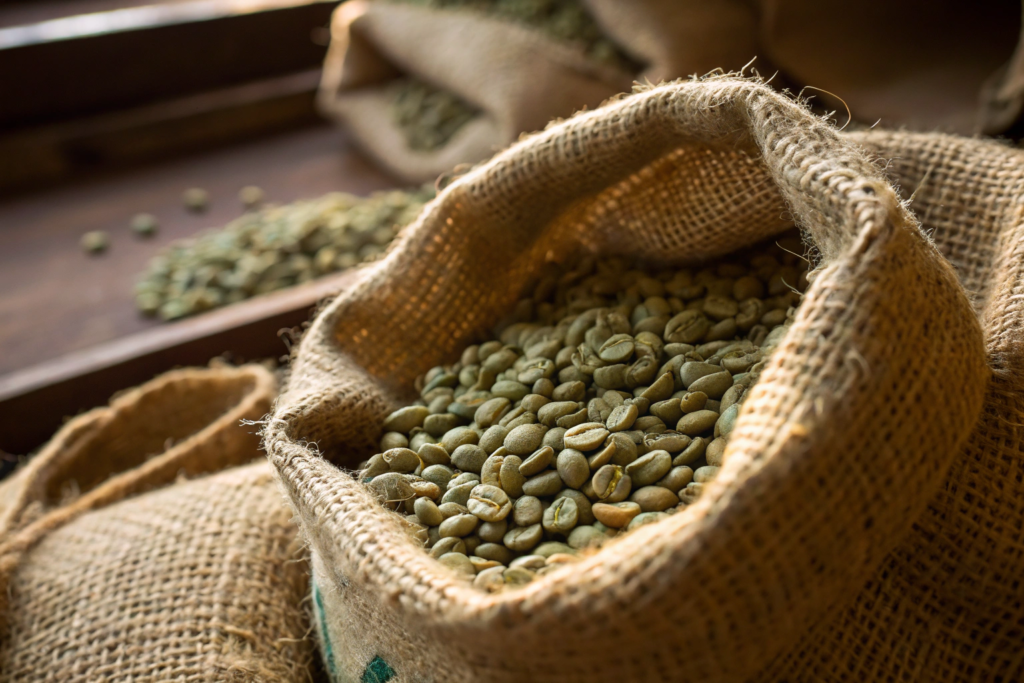
Why is airflow important for green coffee?
Green coffee needs to stay dry. But it also needs to release the CO2 it produces naturally. If CO2 builds up, it can create anaerobic conditions. That changes the flavor. Not always in a good way.
Burlap lets the coffee breathe naturally. The beans stay in equilibrium with the surrounding air. That is why coffee stored in burlap for months can still taste fresh. It is not suffocating. Our partners at Shanghai Fumao have seen this difference in warehouses around the world.
Does burlap protect against moisture?
Burlap breathes, so it does not block moisture completely. That is both a benefit and a risk. In a dry warehouse, burlap is perfect. Moisture escapes. In a humid warehouse, burlap lets moisture in. So storage conditions matter.
The key is a good warehouse. Cool. Dry. Consistent. If you have that, burlap works beautifully. If your warehouse is humid, you might need additional protection. But for most professional storage, burlap is the standard.
What Are the Cost Advantages of Burlap Bags?
Let us talk money. Because cost matters in this business. Burlap is cheap. Much cheaper than GrainPro liners. Much cheaper than vacuum-sealed bags. Much cheaper than branded retail packaging. For bulk green coffee, burlap is the most economical option. That is why it has been used for centuries.
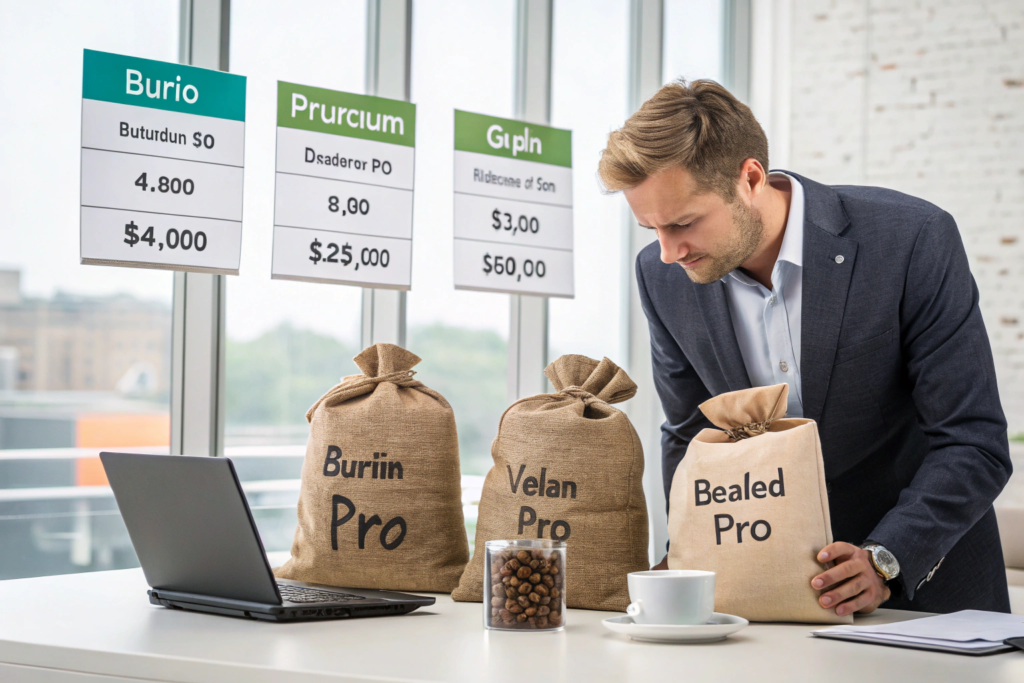
How much cheaper is burlap compared to other options?
A typical burlap bag costs $2 to $3. A GrainPro liner inside a burlap bag adds another $5 to $7. A full vacuum-sealed bag for roasted coffee can cost $10 or more.
For a container of 300 bags, that difference adds up fast. Burlap alone might cost $900. Burlap with GrainPro might cost $3,000. That is real money. If you do not need the extra protection, why pay for it?
Are there hidden costs with burlap?
Yes and no. Burlap bags are reusable. If you handle them carefully, you can use them multiple times. That lowers the cost per use. But burlap does shed fibers. Some buyers worry about jute fibers getting into the coffee. That is a valid concern.
We manage this by using high-quality burlap. Tight weave. Clean. And we inspect bags before filling. No loose fibers. No debris. It takes a little extra work, but it is worth it.
How Do Burlap Bags Handle During Shipping and Transport?
Shipping is rough. Containers get tossed around. Bags get stacked. They get moved by hand and by machine. Burlap handles this well.
The natural fibers are strong. They stretch a little. They grip each other when stacked. That prevents sliding. And if a bag tears, it is usually a small tear. Easy to repair. Not a total loss.
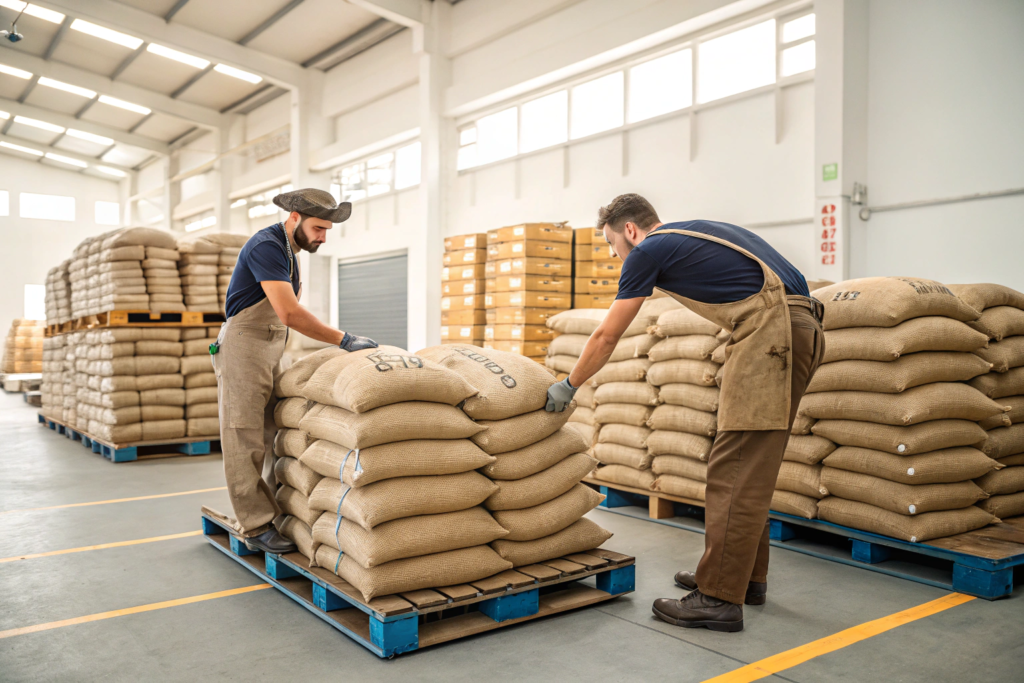
Are burlap bags strong enough for container shipping?
Yes. Absolutely. Burlap has been used for international shipping for centuries. A standard 60kg or 69kg burlap bag can handle the weight. It can handle stacking. It can handling shifting during transit.
But you have to stack them properly. Interlock the bags. Build stable pallets. Use good quality bags. Cheap burlap with loose weave will fail. Good burlap with tight weave will hold. We only use export-grade burlap for our shipments.
How do burlap bags compare to synthetic options?
Synthetic bags like polypropylene are stronger. They resist moisture better. But they do not breathe. They can trap heat and moisture. That is bad for coffee.
GrainPro liners inside burlap give you the best of both. The liner protects against moisture and pests. The burlap protects the liner and allows handling. That is the premium solution. But for many buyers, good burlap alone is enough.
How Does Burlap Affect Coffee Quality During Long-Term Storage?
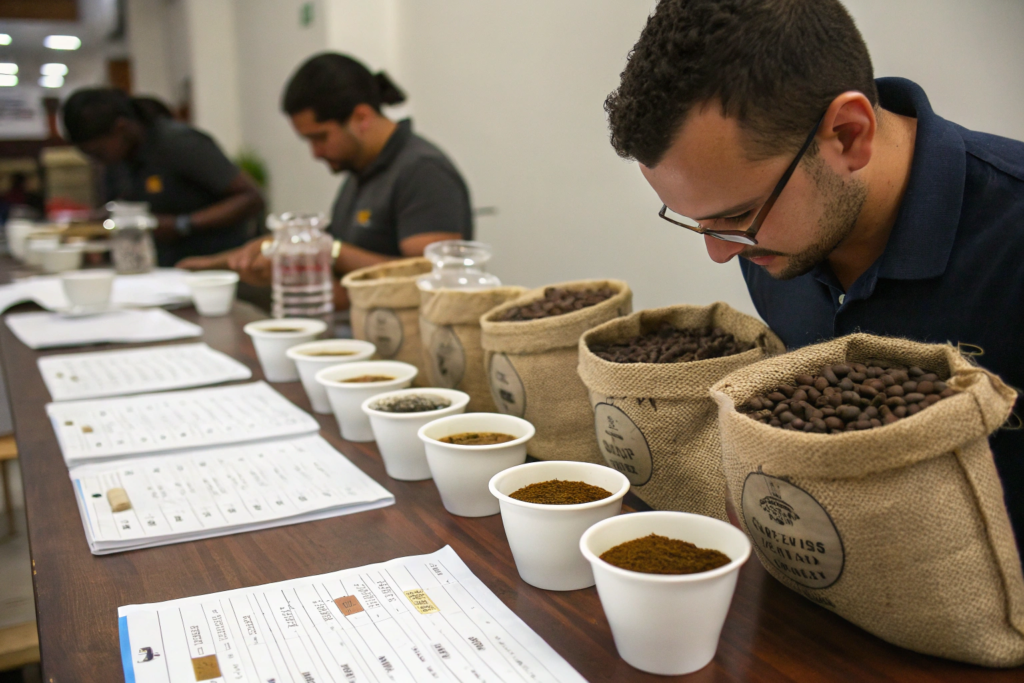
For medium-term storage, 6 to 12 months, burlap is excellent. The coffee breathes. It stays stable. It does not develop off-flavors. For longer storage, you might want more protection. But for normal trade cycles, burlap works.
How long can coffee stay in burlap without losing quality?
In good conditions, 12 months is fine. We have cupped Yunnan Arabica stored in burlap for 18 months. Still good. Still clean. Not exactly the same as fresh crop, but perfectly acceptable.
If you need to store longer, consider GrainPro liners. They add an extra barrier. They extend life. But they also cost more. It is a trade-off.
Does burlap protect against pests?
Burlap alone? Not really. Pests can get through the weave. They can hide in the fibers. That is a risk.
That is why many buyers use burlap with a GrainPro liner. The liner keeps pests out. The burlap protects the liner. It is the standard for specialty coffee exports. We use this system for most of our shipments. Our partners at Shanghai Fumao help us source quality liners and ensure proper packing.
What Are the Traditional and Cultural Benefits of Burlap?
This might sound soft. But it matters. Coffee has history. Tradition. Culture. Burlap is part of that.
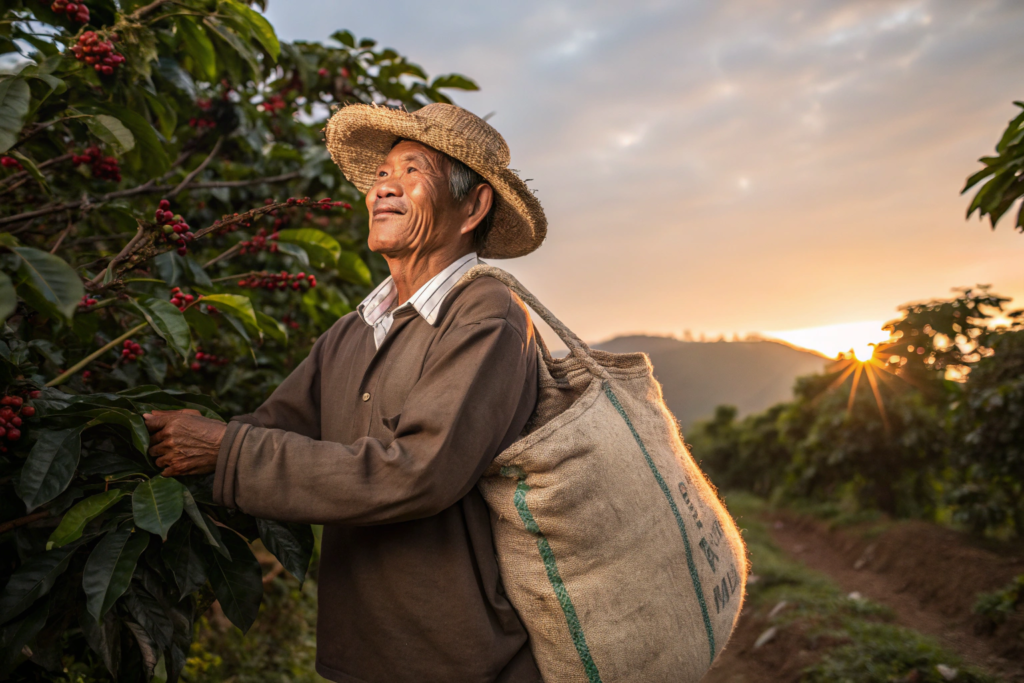
When buyers see burlap, they think of traditional coffee trade. They think of origin. They think of authenticity. That connection has value. It is not just packaging. It is storytelling.
Does burlap add marketing value to your coffee?
Yes. Absolutely. Burlap bags photograph well. They look good on social media. They tell a story of tradition and craftsmanship.
We have buyers who specifically request burlap for this reason. They use the bags in their cafes. They display them. They tell customers, "This came from Yunnan in a traditional burlap bag." That story sells coffee.
Are there regions where burlap is expected?
In many traditional markets, yes. Japan. Korea. Parts of Europe. Buyers expect burlap. If you ship in plastic, they wonder why. They wonder if you are cutting corners.
We listen to our buyers. If they want burlap, we use burlap. If they want liners, we add liners. If they want vacuum sealing, we do that too. But burlap is always an option. Always respected.
Conclusion
Burlap bags have been used for coffee for centuries. There is a reason. They breathe. They are strong. They are cheap. They are sustainable. They look right.
Are they perfect for every situation? No. For long-term storage, add a liner. For humid climates, be careful. But for normal trade, for traditional markets, for buyers who care about story and sustainability, burlap is hard to beat.
At Shanghai Fumao, we use burlap for most of our green coffee exports. We pair it with GrainPro liners when needed. We inspect every bag. We make sure the coffee arrives in perfect condition. And we listen to our buyers. If you have a preference, tell us. We will make it work.
If you want to learn more about our packaging options, or if you want to try coffee shipped in traditional burlap, reach out to us. Contact our export manager, Cathy Cai, at cathy@beanofcoffee.com. She can walk you through our options and help you choose what is right for your business.