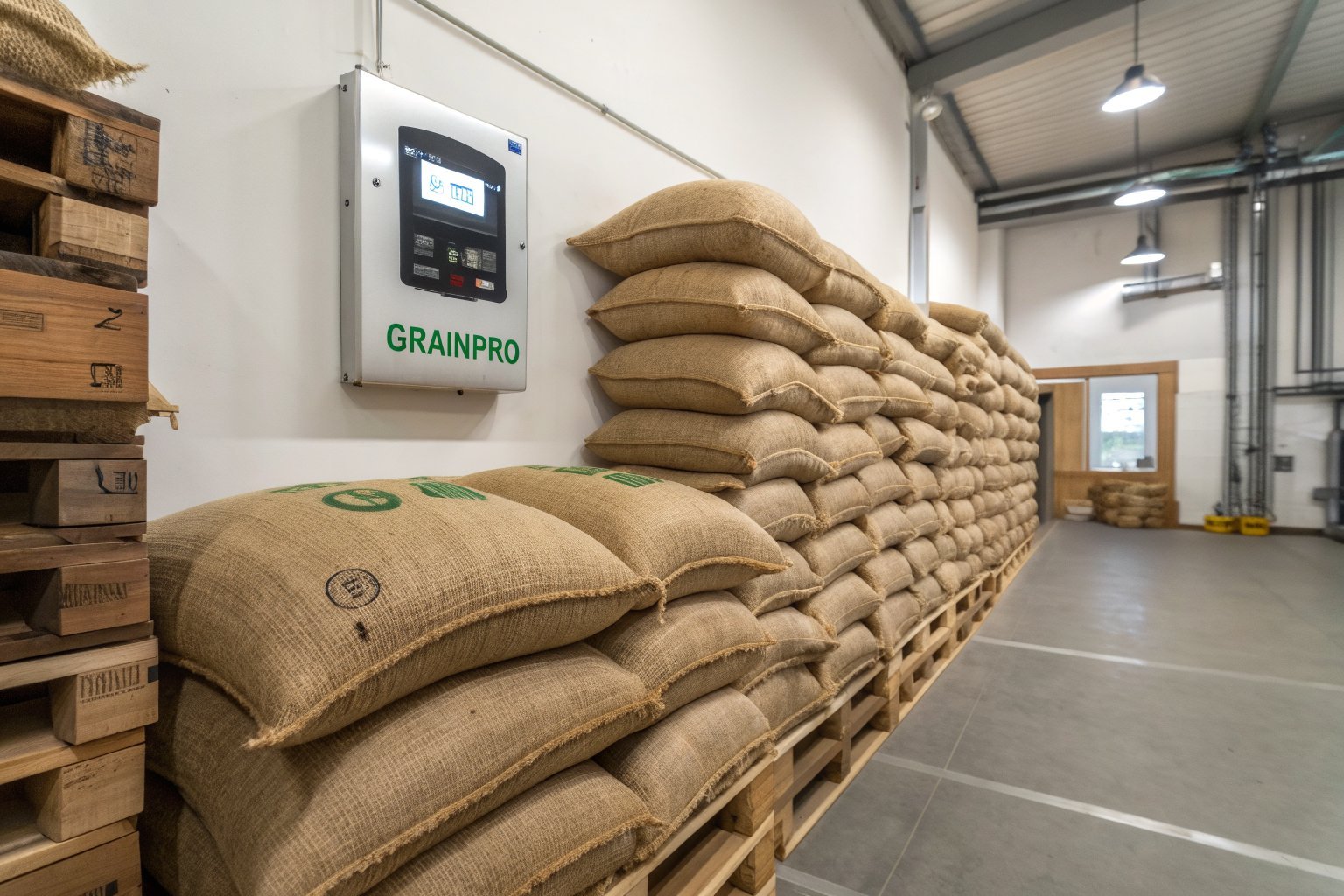
Two months ago, Elena from Seattle called me in a panic. "I just opened a bag from my last shipment and the beans smell like hay instead of green coffee," she said. "I've been storing them in my garage. What went wrong?" Elena had invested $8,000 in her first full pallet of Yunnan Arabica. She stored the bags in an uninsulated garage through a humid Seattle summer. By the time she opened the third bag, the moisture content had climbed from 10.2 percent to 13.8 percent. The beans were degrading fast. Proper green coffee storage is one of the most overlooked aspects of running a successful roastery. Green coffee beans are living agricultural products. They continue to absorb and release moisture based on their environment. They're vulnerable to pests, mold, and flavor degradation if stored incorrectly. The difference between a well-managed storage system and a neglected one can mean thousands of dollars in spoiled inventory every year. Let me walk you through exactly what conditions your green coffee needs to stay fresh and valuable.
What Temperature and Humidity Levels Keep Green Coffee Stable?
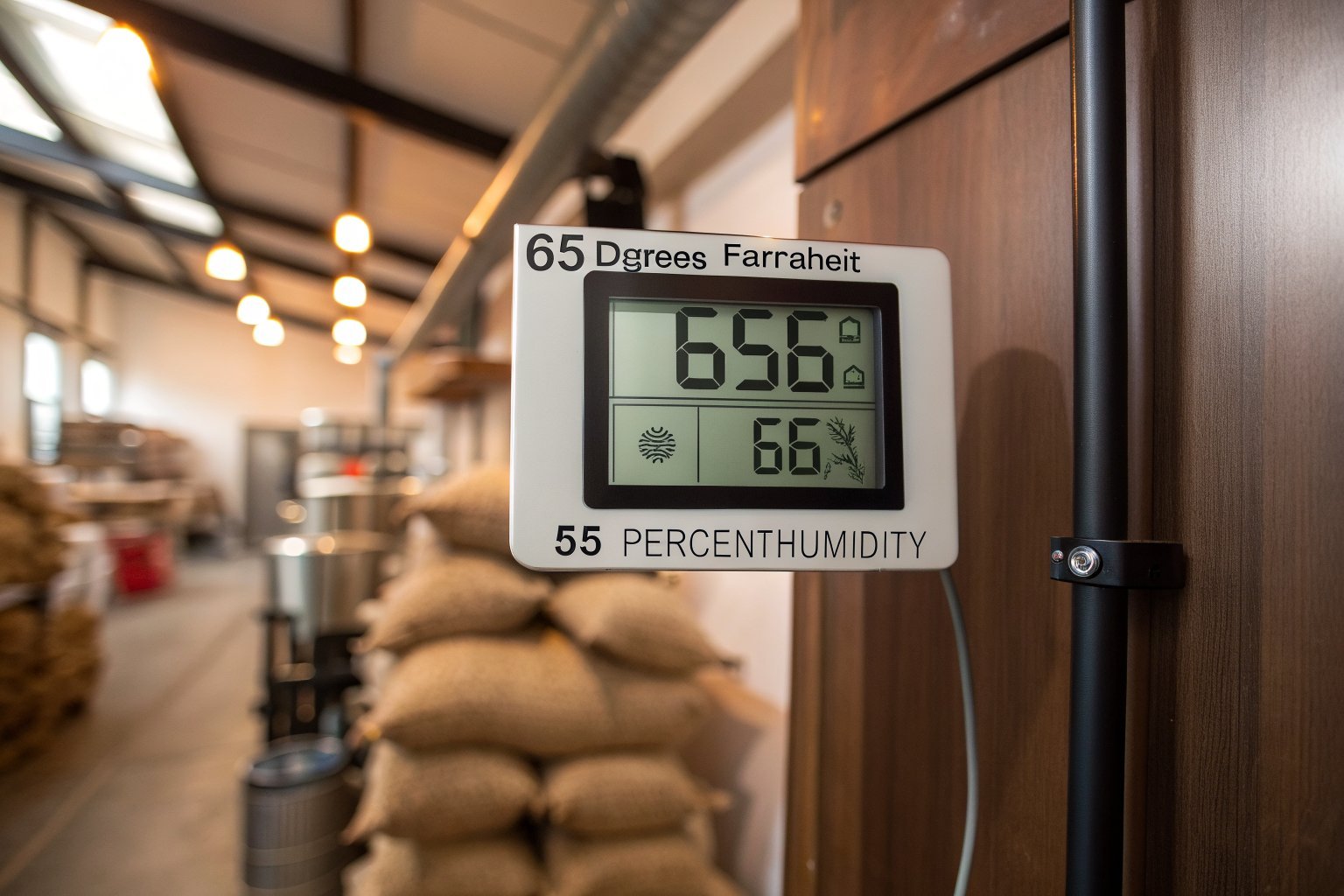
Green coffee is hygroscopic. It actively absorbs moisture from the air around it. This means your storage environment directly controls the quality of your inventory. The ideal temperature range for long-term green coffee storage is 60 to 75 degrees Fahrenheit, or 15 to 24 degrees Celsius. The ideal relative humidity range is 50 to 60 percent. Staying within these ranges keeps the bean moisture content stable at the preferred 10 to 12 percent level. When Elena stored her beans in an uninsulated garage, the summer temperatures hit 90 degrees during the day and the humidity stayed above 70 percent. Those conditions accelerated moisture absorption and enzymatic activity inside the beans. The hay-like smell she noticed was the coffee's volatile aromatic compounds breaking down. Within three months at those conditions, a specialty grade coffee can drop to commercial grade quality or lower. The loss in value is roughly 30 to 50 percent of the purchase price.
How Do Temperature Fluctuations Damage Green Coffee Quality Over Time?
Consistent temperature is more important than hitting a perfect number. A storage room that swings between 55 degrees at night and 85 degrees during the day creates condensation cycles inside the coffee bags. Warm air holds more moisture than cold air. When the temperature drops at night, that excess moisture condenses on the cooler bean surfaces. Over days and weeks, this repeated condensation raises the moisture content of the beans near the bag surfaces. The damage is cumulative. After one month of daily temperature swings of 20 degrees or more, the outer 10 percent of beans in each bag can gain 1 to 2 percent moisture. These beans become susceptible to mold growth and flavor degradation. After three months, the effect penetrates deeper into the bag. After six months, the entire batch can show signs of quality loss. A stable environment at 68 degrees with minor daily variation of plus or minus 3 degrees is vastly better than a room that averages 65 degrees but swings wildly. For detailed storage temperature research, World Coffee Research's post-harvest handling guide has extensive data on temperature's effect on green bean chemistry.
What Is the Maximum Safe Storage Duration for Green Coffee Under Ideal Conditions?
Under ideal conditions of stable temperature and controlled humidity, green coffee can maintain its quality for 12 to 18 months. Some dense, properly processed washed Arabica can last up to 24 months without significant quality degradation. After 24 months, even the best stored coffee will show some flavor loss — typically reduced acidity, flatter aroma, and a slight papery or woody note. The key phrase is "under ideal conditions." Most roasteries don't maintain perfect conditions. Realistic expectations are 6 to 9 months for peak quality and 12 months for acceptable quality. If you're rotating your inventory properly — first in, first out — you should never need to store green coffee longer than 6 months anyway. The exception is for microlots or experimental coffees that you want to hold for special releases. For those, invest in climate-controlled storage or consider freezing. Shanghai Fumao provides detailed storage duration guidance with every shipment, including the optimal consumption window based on the specific processing method.
What Packaging Materials Best Protect Green Coffee During Storage?
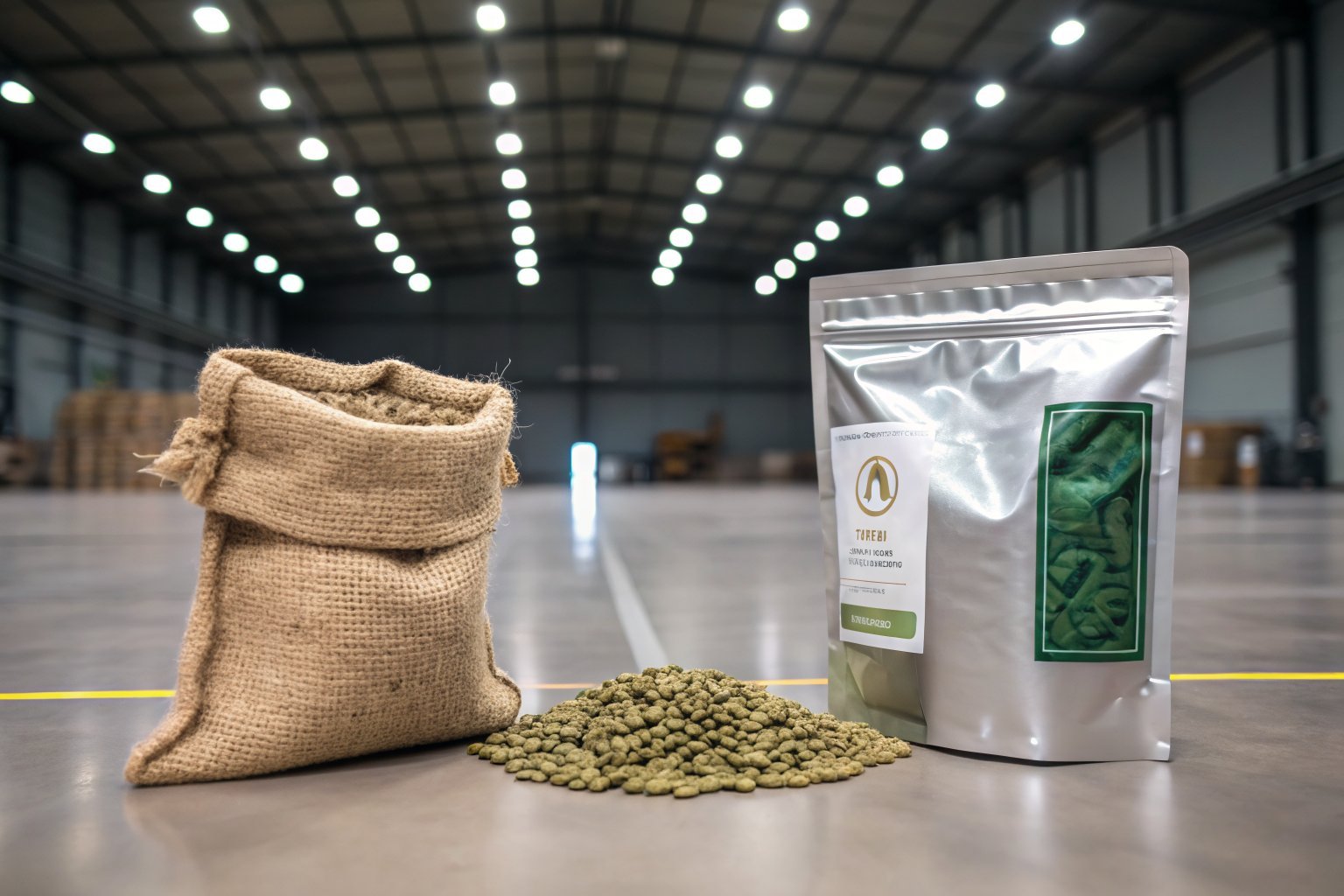
The packaging your coffee arrives in is your first line of defense against quality degradation. Standard burlap or jute bags offer minimal protection. They breathe, which is good for gas exchange but bad for moisture and pest protection. GrainPro or Ecotact hermetic bags offer significantly better protection by creating a barrier against moisture and pests. Many experienced roasters double-bag their long-term storage inventory. The choice of packaging depends on your storage duration and conditions. For coffee you plan to use within 30 days of receipt, standard burlap bags in a stable environment are acceptable. For coffee stored longer than 30 days, GrainPro or similar hermetic liners are strongly recommended. For coffee stored longer than 6 months, hermetic bags or vacuum-sealed packaging in climate-controlled storage is essential.
Should You Transfer Green Coffee From Bags to Bulk Bins for Storage?
Transferring coffee from sealed bags to open bulk bins is almost always a bad idea unless the bin is climate-controlled and airtight. The moment you open a GrainPro bag and dump the contents into an open bin, the beans are exposed to ambient air. They'll start absorbing moisture or drying out depending on your storage environment. They can also pick up odors from other products stored nearby. If you must use bulk bins, invest in food-grade polyethylene or stainless steel bins with airtight lids. Place a food-safe humidity indicator strip inside. Keep the bin in your climate-controlled storage area. And only transfer what you'll roast within two weeks. For anything longer, keep the coffee in its original hermetic packaging until you're ready to use it. For more on bulk storage best practices, SCA's green coffee storage guidelines cover the pros and cons of different storage container types.
How Do GrainPro and Ecotact Hermetic Bags Extend Coffee Shelf Life?
Hermetic bags work by creating a sealed environment that limits oxygen exchange and prevents moisture migration. When green coffee is sealed in a GrainPro bag, the beans consume residual oxygen through natural respiration, gradually creating a modified atmosphere that slows further degradation. The bags also block 100 percent of moisture vapor transmission, keeping the internal moisture content stable regardless of external conditions. The practical benefit is significant. Coffee stored in burlap bags in average conditions might lose quality noticeably after 3 to 4 months. The same coffee stored in GrainPro bags can maintain quality for 12 to 18 months. The cost difference is about $2 to $4 per bag for the hermetic liner. On a $300 to $400 bag of specialty coffee, that's less than 1 percent of the value for months of additional shelf life. Shanghai Fumao offers GrainPro-lined bags as a standard option for all export shipments at a minimal surcharge. For technical details on hermetic storage, GrainPro's coffee storage research has extensive test data on shelf life extension.
What Are the Signs of Green Coffee Degradation in Storage?
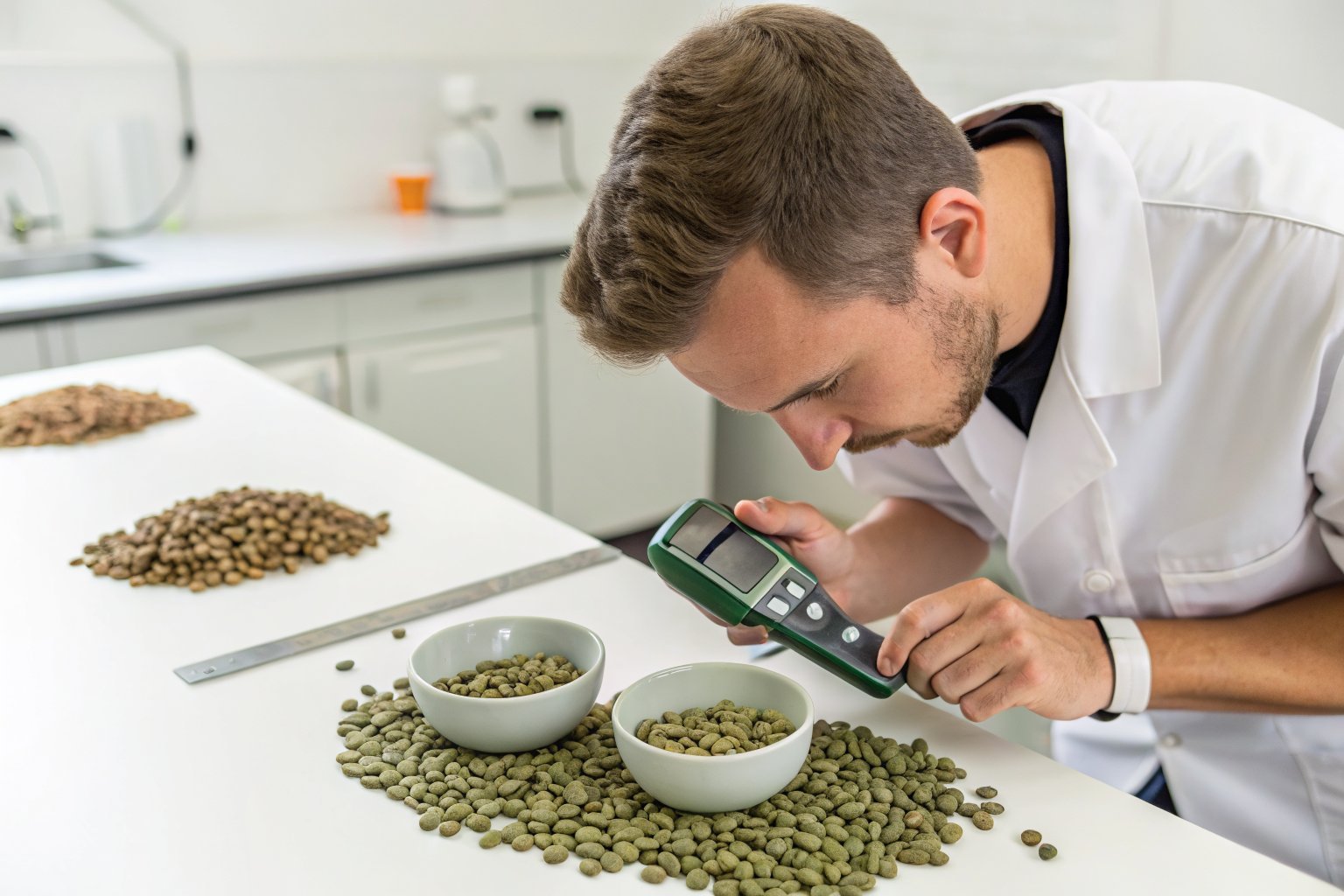
Knowing what to look for can save you from roasting bad coffee. Green coffee that has degraded in storage shows specific signs before you ever put it in the roaster. Visual inspection, smell, and moisture testing are your three diagnostic tools. A quick check before roasting can prevent you from wasting time and energy on a bad batch. The first sign is visual. Fresh green coffee has a blue-green or gray-green color depending on the processing method. Aged or degraded beans turn yellow, brown, or develop dark spots. The second sign is smell. Fresh green coffee smells like grass, hay, or fresh vegetables depending on the origin. Degraded coffee smells like old hay, cardboard, musty basements, or in severe cases, mold. The third sign is moisture. If your moisture meter reads above 12.5 percent, the beans are at risk. Above 13 percent, mold growth is likely.
How Do You Set Up a Proper Inventory Rotation System for Green Coffee?
The foundation of good storage management is first-in-first-out inventory rotation. Every bag you receive should be labeled with the receipt date, origin, processing method, and moisture content on arrival. Store older inventory closer to the door or in an easily accessible location. Newer inventory goes behind or below existing stock. This simple system prevents bags from sitting forgotten in a corner for months. Digital inventory tracking takes rotation to the next level. Use a spreadsheet or inventory management software to track every bag by batch number, receipt date, and expected consumption date. Set alerts when bags approach their recommended storage window. Some roasteries use color-coded labels — green for use within 30 days, yellow for use within 60 days, red for use within 90 days or freeze. For more on inventory systems for coffee, Cropster's green coffee inventory management guide covers digital tools that integrate with roast logging.
When Should You Consider Freezing Green Coffee for Long-Term Storage?
Freezing green coffee is a legitimate preservation method, but it requires proper technique. The beans must be frozen quickly and stored in airtight, moisture-proof packaging. Vacuum-sealed bags are ideal. The freezing temperature should be 0 degrees Fahrenheit or minus 18 degrees Celsius. Frozen beans can maintain quality for 3 to 5 years or longer with minimal flavor degradation. The critical rule is to freeze only once. Never thaw and refreeze green coffee. The freeze-thaw cycle damages the bean structure and accelerates degradation. When you need to roast frozen beans, remove only the quantity you need for that roasting session. Allow the beans to come to room temperature in their sealed package to prevent condensation. Roast within 24 hours of thawing for best results. For scientific research on coffee freezing, University of California Davis Coffee Center's storage studies has published data on freezing effects on green bean chemistry.
How Do You Design a Green Coffee Storage Room in Your Roastery?
Designing a proper storage room starts with understanding your volume. A typical micro roastery using 2,000 to 5,000 pounds annually needs about 100 to 200 square feet of storage space. A medium roastery using 10,000 to 30,000 pounds annually needs 300 to 600 square feet. The space should be interior — no exterior walls that absorb outside temperature. It should have no windows if possible, to eliminate solar heat gain. The ideal storage room has continuous insulation on all walls and ceiling. A small HVAC system dedicated to the storage room provides the most consistent temperature control. A dehumidifier is essential in humid climates. Install a remote monitoring system that alerts you if temperature or humidity goes outside your set parameters. The investment for a properly designed small storage room is roughly $3,000 to $8,000 depending on existing infrastructure. The savings from reduced spoilage typically pay for the room within 12 to 18 months.
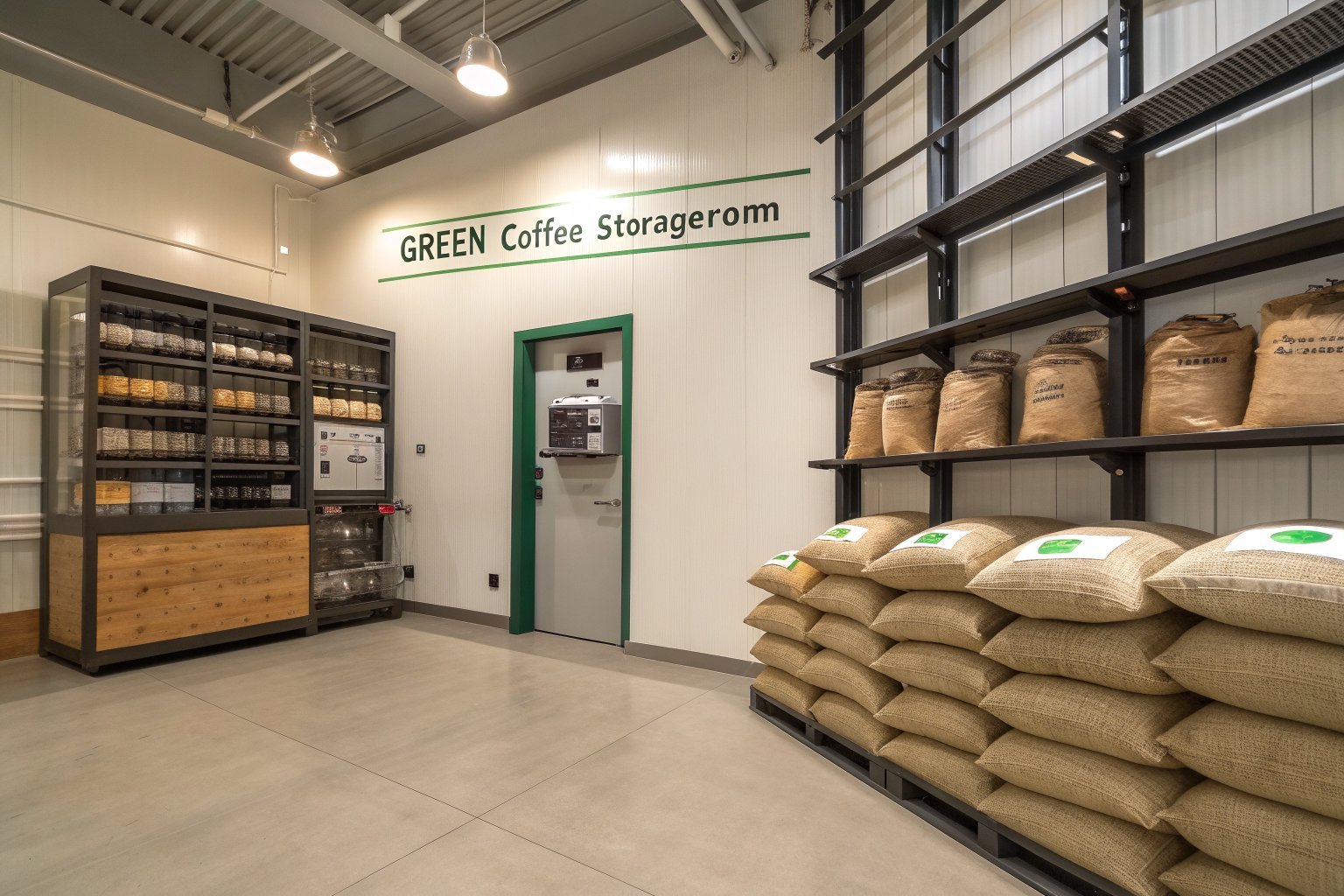
What Monitoring Equipment Should You Install in Your Coffee Storage Area?
At minimum, you need a digital thermo-hygrometer that displays current temperature and humidity and records highs and lows. Place it at bean level, not at ceiling level where temperatures can be 5 to 10 degrees different. For more serious operations, install a wireless monitoring system with sensors at multiple locations in the storage area. These systems send alerts to your phone if conditions go out of range. A moisture meter is essential for spot-checking bags when they arrive and periodically during storage. Penetrative moisture meters that insert probes into the bag are more accurate than surface meters. Calibrate your moisture meter monthly using a reference standard. A 0.5 percent error in moisture reading can lead to incorrect storage decisions. Shanghai Fumao provides moisture certificates with every shipment that can serve as your baseline for ongoing monitoring. For monitoring technology recommendations, Coffee Tech's storage monitoring guide covers sensor placement and data logging best practices.
How Do You Manage Pest Control in a Green Coffee Storage Environment?
Pest management starts with prevention. Inspect every incoming bag before it enters your storage area. Look for signs of insects, rodent droppings, or unusual damage to the packaging. Quarantine any suspect bags in a separate area until you've confirmed they're clean. Once pests enter your storage room, they're difficult to eradicate. Use food-grade pheromone traps for coffee berry borer and other common pests. Place them at regular intervals throughout the storage area and check them weekly. Keep the storage room clean. No food debris, no standing water, no cardboard boxes that could harbor pests. Seal all cracks and crevices in walls and floors. Consider an integrated pest management program with a professional service specializing in food storage facilities. For pest management standards, International Coffee Organization's pest control guidelines provide industry-recommended protocols for green coffee storage.
Conclusion
Proper green coffee storage is not complicated, but it requires attention to three key factors — temperature, humidity, and packaging. Keep your storage room between 60 and 75 degrees Fahrenheit and 50 to 60 percent humidity. Use hermetic packaging for coffee stored longer than 30 days. Monitor conditions continuously and rotate your inventory systematically. That's really all it takes to protect your investment. At Shanghai Fumao, we take storage seriously from the moment our beans leave Yunnan. Every container is lined with GrainPro, monitored during transit, and shipped with full moisture documentation. We want our beans to arrive in perfect condition and stay that way in your warehouse. If you have questions about green coffee storage or need advice on setting up your storage room, reach out to us. Contact Cathy Cai at cathy@beanofcoffee.com or visit our website. We're happy to share what we've learned from storing thousands of tons of green coffee.