
Three months ago, Michael from Denver called me with a problem that keeps many roasters up at night. "I've been buying spot coffee for five years," he said. "But my costs are all over the place. Last month I paid $6.20 per pound for a Yunnan washed that I bought for $4.80 six months before. My profit margins are getting crushed." Michael runs a 30,000 pound per year roasting operation. His customers expect stable pricing. But his coffee costs were swinging 30 percent between orders. Spot buying means purchasing green coffee for immediate delivery at the current market price. Forward contracting means agreeing on a price and volume today for delivery months in the future. The difference between these two approaches can determine whether your roastery has predictable profit margins or constant financial uncertainty. Let me walk you through exactly how to make the switch from spot buying to forward contracts without getting burned.
Why Should You Stop Buying Coffee on the Spot Market?
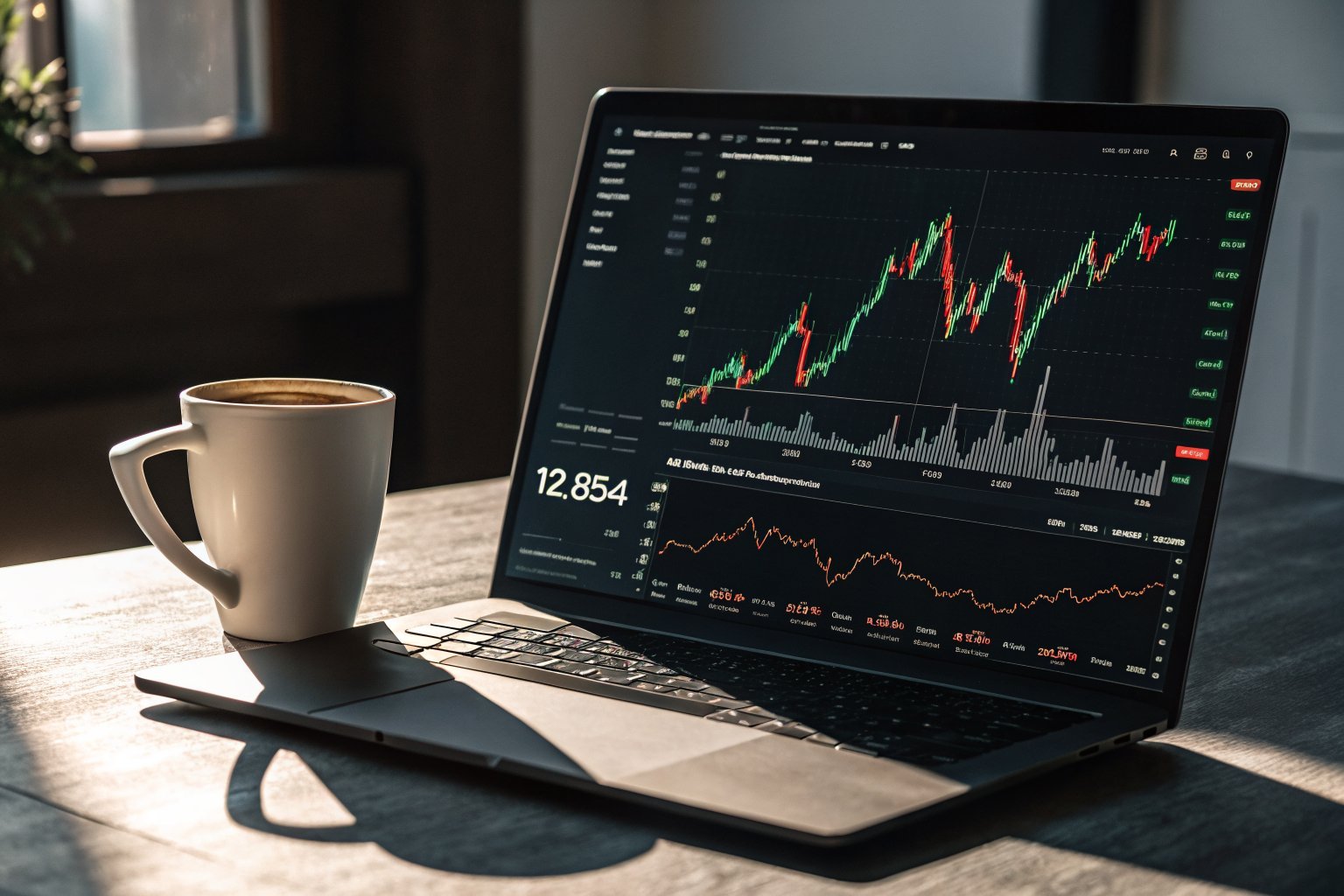
The spot coffee market is brutally unpredictable. Green coffee prices can swing 15 to 25 percent within a single year based on weather events, currency fluctuations, and global supply-demand shifts. In 2024, Arabica coffee futures moved from $1.80 per pound to over $2.60 per pound within six months. A roaster buying spot during that peak paid 44 percent more than someone who had contracted forward at the bottom. The impact on your business is direct and painful. When your coffee cost jumps 30 percent between quarters, you have three options — absorb the loss and reduce your margin, raise prices and risk losing customers, or switch to cheaper beans and compromise quality. None of those are good choices. Forward contracts solve this problem by locking in your cost so you can plan your pricing, marketing, and profit margins with confidence.
What Hidden Costs Are You Paying With Spot Purchases That Most Roasters Ignore?
The visible cost of spot coffee is the price per pound. The hidden costs are much larger. Every time you buy spot, you spend time searching for available lots, requesting samples, cupping multiple options, and negotiating terms with different suppliers. That time adds up. A roaster buying 12 spot lots per year might spend 40 to 60 hours annually just on procurement. At your hourly rate, that's $2,000 to $4,000 in labor you could redirect to growing your business. Spot buying also creates inventory uncertainty. You never know exactly when the next shipment will arrive or whether the quality will match the sample. This uncertainty forces you to keep higher safety stock levels, which ties up capital in inventory. A roaster with a forward contract can plan inventory to arrive just in time for production, reducing warehouse costs and working capital requirements. Shanghai Fumao helps buyers forecast their volume needs with seasonal production calendars so they can plan forward purchases with confidence. For a deeper look at procurement costs, Roast Magazine's supply chain analysis breaks down the true cost of spot buying versus contracting.
How Does Spot Market Volatility Affect Your Customer Relationships?
Your customers expect price stability. If you raise your wholesale prices every time coffee futures spike, your customers notice. They start shopping around. They question your pricing integrity. Some roasters lose 10 to 15 percent of their wholesale accounts during volatile price periods because they couldn't maintain stable pricing. Forward contracts let you offer your customers a fixed price for six or twelve months. That stability builds trust. Your customers can plan their own menu pricing without worrying about sudden increases from you. Some of our most successful roaster clients use forward contracts to lock in prices, then offer their wholesale customers annual contracts with guaranteed pricing. This creates a stable value chain from origin to end consumer. For strategies on customer pricing during volatile markets, Perfect Daily Grind's pricing strategy guide covers how roasters communicate price changes to wholesale clients.
What Is a Coffee Forward Contract and How Does It Work?
A forward contract is a simple agreement between a buyer and a seller. You agree to purchase a specific volume of coffee at a specific price, with delivery scheduled for a future date. Unlike futures contracts traded on exchanges, forward contracts are private agreements between two parties. The terms are flexible and negotiated directly. Typical forward contract terms include the coffee origin and grade, volume in kilograms or pounds, price per pound FOB or CIF, delivery window, payment terms, and quality specifications. Most forward contracts in the coffee industry are for delivery within 3 to 12 months from signing. Some extend to 18 months for large buyers who want maximum price certainty.

What Terms Should You Negotiate in Your First Forward Contract?
Start with the coffee specification. Be specific about origin, processing method, screen size, moisture content, and defect count. Don't just write "Yunnan Arabica." Write "Yunnan Baoshan Washed Arabica, Screen 18+, Moisture 10-11%, Max 5 secondary defects per 350g, SCA cupping score 84+." The more specific your specification, the less room for disagreement later. Price terms matter equally. Specify whether the price is FOB or CIF. FOB means you pay shipping from the origin port. CIF means shipping is included to your destination port. For your first contract, FOB is often simpler. You arrange your own shipping and insurance, giving you more control. Payment terms are typically 30 to 50 percent deposit with the balance due before shipment or against shipping documents. A letter of credit adds security for both parties. Shanghai Fumao offers flexible payment terms for forward contracts including 50 percent deposit with balance on bill of lading. For a complete guide to contract terms, International Coffee Organization's contract templates provide standardized clauses used in international coffee trade.
How Do You Set a Fair Price in a Forward Contract?
Setting the right price is the hardest part of forward contracting. You want to lock in a price that's competitive today but also protects you if the market drops. The simplest approach is to agree on a price based on the current spot market plus a small premium for the supplier's commitment. The premium typically ranges from 5 to 15 cents per pound depending on market conditions and relationship length. Another approach is to reference the C futures market. Some contracts use a formula like "ICE C futures price at contract signing plus a differential of plus 40 cents per pound." This gives you a market-based price that adjusts if futures move significantly before the contract is finalized. For long-term contracts over 12 months, consider including a price adjustment clause that allows renegotiation if futures move more than 20 percent from the contract price. Coffee Quality Institute's price risk management guide has detailed strategies for pricing forward contracts in volatile markets.
How Do You Determine the Right Volume for Your First Forward Contract?
The biggest mistake new forward buyers make is contracting too much volume too quickly. Your first forward contract should cover no more than 25 to 30 percent of your annual volume. This limits your risk while you learn the process. If the coffee performs well and the relationship works, you can increase the percentage in subsequent contracts. Calculate your volume needs based on your historical usage plus projected growth. If you used 20,000 pounds last year and expect 15 percent growth, your forward contract for 6,000 to 7,500 pounds is a reasonable first commitment. Spread the delivery across two or three shipments over the contract period so you're not receiving everything at once.

Should You Start With a Single Origin Forward Contract or a Blended Lot?
For your first forward contract, choose a single origin that you already know and trust. If you've been buying Yunnan washed Arabica on the spot market and your customers love it, contract that same coffee forward. You know the flavor profile. You know how it roasts. You know how your customers respond to it. The only variable is whether the forward price works for your business. Avoid contracting for experimental or limited availability microlots in your first forward deal. Stick with a core coffee that represents at least 20 percent of your annual volume. This ensures the contract has enough volume to justify the overhead of negotiations and logistics while keeping your risk contained to a product you know well. For volume calculation tools, Cropster's inventory planning guide helps roasters model different contract scenarios.
How Do You Match Forward Contract Delivery Schedules With Your Roasting Production?
Timing is everything in forward contracting. You want the coffee to arrive when you need it, not when it happens to be harvested. Work backward from your production schedule. If your peak roasting season is September through November for holiday orders, you need your forward contract coffee delivered by August at the latest. Account for shipping time. Transit from Asia to North America takes 35 to 45 days depending on port pairs. Build in a buffer of 15 to 30 days for potential delays. Port congestion, customs inspections, and weather events can push delivery back. A contract with a delivery window of "September 1 to October 15" gives you flexibility. If the coffee arrives early, you can store it. If it arrives late, you still have it before your peak production. Communicate your ideal delivery window clearly during contract negotiations so the supplier can plan their processing and shipping schedule accordingly.
What Are the Risks of Forward Contracts and How Do You Mitigate Them?
Forward contracts carry risks that spot buying doesn't. The biggest risk is quality. The coffee you receive in 6 months might not match the sample you cupped today. Weather conditions during the harvest, processing variations, or storage issues during the wait period can all affect the final product. Mitigate this by including a quality arbitration clause in your contract that allows for price adjustment or rejection if the delivered coffee falls below specified parameters. Currency risk is another concern. If you're buying in US dollars but your revenue is in Canadian or Australian dollars, exchange rate movements can wipe out your contract savings. Some forward contracts include a currency adjustment clause. Alternatively, you can hedge currency exposure through forward currency contracts with your bank. The cost of hedging is typically 1 to 3 percent of the contract value, which is often worth the protection.

What Happens If the Market Price Drops Below Your Forward Contract Price?
This is the scenario that scares most first-time forward buyers. You contract coffee at $5.50 per pound. Six months later, the spot price drops to $4.80. You're paying 70 cents above market. It stings. But here's the perspective you need — you're not trying to time the market perfectly. You're buying predictability. The spot buyer who scores the $4.80 deal today might pay $6.20 on their next purchase when the market swings back up. If you're genuinely concerned about market drops, negotiate a price adjustment clause. Some suppliers offer a "price participation" arrangement where the contract price adjusts if futures move more than 15 percent in either direction. The adjustment is typically 50 percent of the difference, shared between buyer and seller. This protects both parties from extreme market moves. For more on risk mitigation strategies, World Coffee Research's price risk management resources offer practical approaches for smaller roasters.
How Do You Build a Relationship With a Supplier Before Signing a Forward Contract?
Never sign a forward contract with a supplier you haven't done spot business with first. Buy at least two or three spot lots from a supplier before committing to a forward contract. This gives you time to evaluate their quality consistency, communication reliability, and shipping accuracy. A supplier that delivers quality spot lots consistently will likely deliver quality forward lots too. During the evaluation period, observe how they handle problems. Did a shipment arrive with a minor quality issue? How did they respond? Did they make it right quickly or did they argue? The way a supplier handles problems during spot transactions predicts how they'll handle forward contract issues when more money is at stake. Shanghai Fumao believes in building relationships through small initial orders before moving to forward contracts. For supplier evaluation frameworks, the Specialty Coffee Association's supplier code of conduct provides standards for evaluating trading partners.
Conclusion
Transitioning from spot buying to forward contracts is one of the most impactful changes a roaster can make to stabilize their business. It requires more planning, stronger supplier relationships, and a willingness to commit to volume. But the payoff is predictable costs, better customer relationships, and less financial stress from market volatility. At Shanghai Fumao, we work with roasters of all sizes to create forward contract programs that fit their needs. Whether you're buying 5,000 pounds or 50,000 pounds annually, we can structure a contract that gives you price certainty without overcommitting your business. If you're ready to explore forward contracts for your roastery, reach out to us. Contact Cathy Cai at cathy@beanofcoffee.com or visit our website to discuss your volume needs and ideal delivery schedule. Let's build a more predictable supply chain together.