
Last month, I got a call from James, a roaster in Denver who had just lost $12,000 on a container of beans from a Vietnamese supplier he'd never met. The beans arrived three weeks late, moisture content was 14.5% instead of the agreed 11.5%, and the supplier stopped answering his emails. "I thought I found a good deal," he said. "Turns out I found a headache." A vendor ships you coffee when you pay. A partner makes sure you get the right coffee at the right time, communicates when things go wrong, and helps your business grow. Let me walk you through the real differences between a coffee vendor and a genuine supply partner.
Do You Know What Separates a Coffee Partner from a Vendor?
Here's a simple test. Call your supplier right now and ask a question about your last shipment that wasn't part of the original order — something like "Can you change the packaging on my next container?" or "Can you push the shipment by two weeks?" If they say no without asking why, or if they take three days to respond, you're dealing with a vendor. A real partner asks "What changed? Let me see what I can do." At Shanghai Fumao, we have buyers who call us at 10 PM China time with urgent questions, and we answer. That doesn't happen by accident — it happens because we treat every buyer relationship as a long-term partnership, not a transaction. The difference shows up in the little things: speed of response, willingness to accommodate changes, and honesty when there's bad news.
How Can You Tell If a Supplier Is Invested in Your Success or Just Your Order?
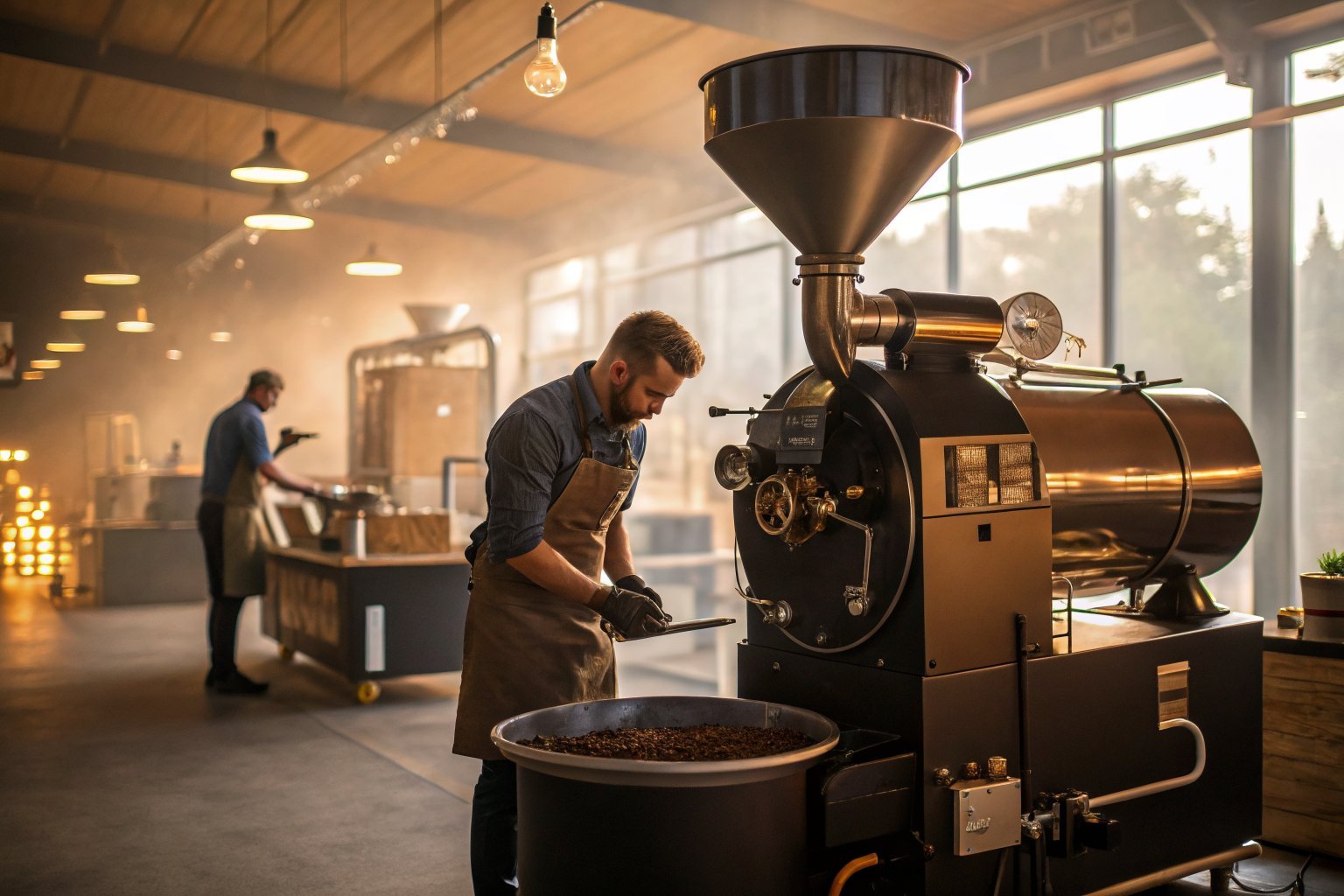
A vendor wants your order today. A partner wants your business next year. You can spot the difference by asking about quality improvement. When you report a quality issue — say the bean size was inconsistent on the last batch — does the supplier apologize and move on, or do they investigate and show you what they changed to prevent it from happening again? Real partners maintain detailed traceability records and can tell you exactly which lot, which farm, and which processing date your coffee came from. They share cupping scores transparently. The SCA has published guidelines on supplier relationship evaluation, and you can learn more about partnership-based sourcing at Perfect Daily Grind.
What Level of Transparency Should You Expect From a True Coffee Partner?
Complete transparency is non-negotiable. A real partner shares their cost breakdown — FOB price, freight, insurance, certification costs — so you understand exactly what you're paying for. They share their quality control reports without you asking. They send you photos and videos of your coffee being loaded. They introduce you to the farmers who grew your beans. At Shanghai Fumao, we provide every buyer with a digital traceability report that tracks their coffee from harvest to container. That's what partnership looks like. Read about transparency standards at World Coffee Research and check supplier evaluation frameworks at Coffee Quality Institute.
Why Does a True Coffee Partner Help You Grow Your Business?
Honestly, the best suppliers don't just sell coffee — they help you sell more coffee. A vendor ships beans and sends an invoice. A partner shares market intelligence, introduces you to potential buyers, and helps you develop new products. When we see a trend emerging — say, growing demand for anaerobic processed coffee in Europe — we tell our buyers before they hear it from competitors. We share our market research and our observations from trade shows. That information is worth more than any price discount.

How Can a Coffee Supplier Help You Expand Into New Markets?
Your supplier has relationships and market knowledge you don't. A true partner uses those connections to help you grow. For example, if you're a US roaster looking to sell into the Canadian market, your Chinese supplier might already have Canadian buyers who can provide references. They also understand certification requirements for different markets. A good partner proactively advises you on certification strategy. The International Coffee Organization publishes detailed market access requirements, and the National Coffee Association offers guidance on market expansion strategies.
What Market Intelligence Should a Coffee Partner Share With You?
Your supplier sits at the intersection of global supply chain data. They know which origins had good harvests and which didn't. They know which processing methods are trending. A true partner shares this intelligence regularly — through monthly market updates and quarterly business reviews. They tell you when to lock in forward contracts and when to wait. At Shanghai Fumao, we send our buyers a monthly market brief covering Yunnan harvest updates, shipping lane conditions, and pricing forecasts. Explore more about market intelligence at Coffee Network and follow price trends at ICE Futures.
How Do You Distinguish Between a Vendor and a Partner During Negotiations?
Here's the thing I've learned after years in this business: the negotiation itself tells you everything. A vendor fights you on every term and gives nothing without getting something. A partner wants a deal that works for both sides. When we negotiate with a buyer, we don't try to maximize every dollar on the first container. We offer fair pricing and flexible terms because we know the relationship will pay off over years. If a supplier won't offer reasonable payment terms or pressures you to commit without samples — those are red flags.

What Payment Terms Signal a True Partnership?
Standard vendor terms are rigid: 50% deposit upfront, balance before shipping. A partner offers flexibility: 30% deposit, 70% on bill of lading, or even net-30 after arrival for established relationships. They offer volume-based pricing that gets better as your business grows. The International Chamber of Commerce publishes standard trade terms, and the SCA offers guidance on equitable contract terms in coffee trade.
How Does a Partner Handle Quality Disputes Differently?
Quality disputes happen. The difference is how they're handled. A vendor fights every claim and blames the shipping line. A partner investigates immediately, acknowledges when they're at fault, and makes it right — even if it costs them money. At Shanghai Fumao, we have a written quality guarantee that covers moisture content, bean size, and cupping score. If the coffee doesn't match the approved sample, we find a fair resolution. Read about dispute resolution at Coffee Trade Federation and quality standards at Coffee Quality Institute.
What Operational Differences Separate a Coffee Vendor From a True Partner?
The operational details reveal everything. A vendor has one price list and one way of doing things. A partner offers customization, flexibility, and logistics support. They help you navigate customs, arrange third-party inspections, and optimize shipping routes. They don't just sell you coffee and disappear.
What Logistics Support Should a Coffee Partner Provide?
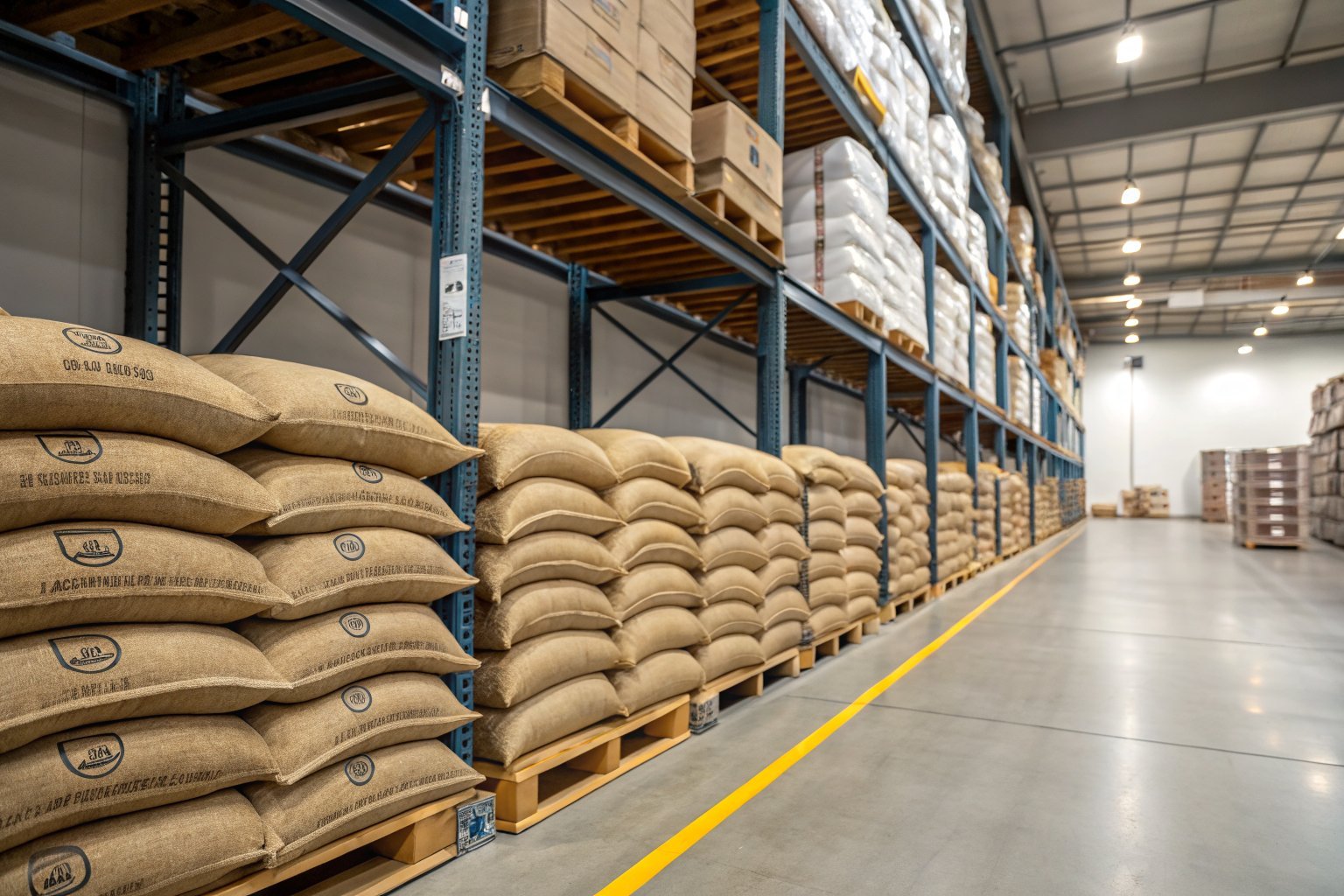
A true partner handles more than just shipping. They arrange container bookings, manage documentation including phytosanitary certificates and certificates of origin, coordinate with freight forwarders, and monitor the shipment until it arrives. They offer flexible shipping terms — FOB, CIF, or DDP — based on your preference. At Shanghai Fumao, we handle all export documentation for our buyers and provide real-time shipment tracking. Learn about shipping logistics at Freightos and documentation requirements at US Customs.
How Does a Partner Help You Manage Supply Chain Risk?
Supply chain risk is the biggest hidden cost in coffee importing. A partner actively manages it. They maintain buffer inventory so they can cover unexpected orders. They have relationships with multiple farms so a single crop failure doesn't disrupt your supply. They carry insurance and have contingency plans for shipping disruptions. At Shanghai Fumao, we maintain year-round inventory and work with multiple farming communities across Yunnan so our buyers never face supply gaps. Read about supply chain risk management at World Coffee Research and check SCA Sustainability for best practices.
Conclusion
The difference between a coffee vendor and a true partner comes down to one thing: long-term commitment. A vendor sells you coffee today. A partner invests in your success for years to come. They answer your calls, share market intelligence, offer flexible terms, handle logistics, and stand behind their quality. At Shanghai Fumao, we've built our entire business around being a true partner for coffee buyers worldwide. We don't just export Yunnan's finest Arabica — we help our partners grow their businesses. Contact Cathy Cai at cathy@beanofcoffee.com to start a real partnership. Visit Shanghai Fumao to learn more about how we work with buyers around the world.