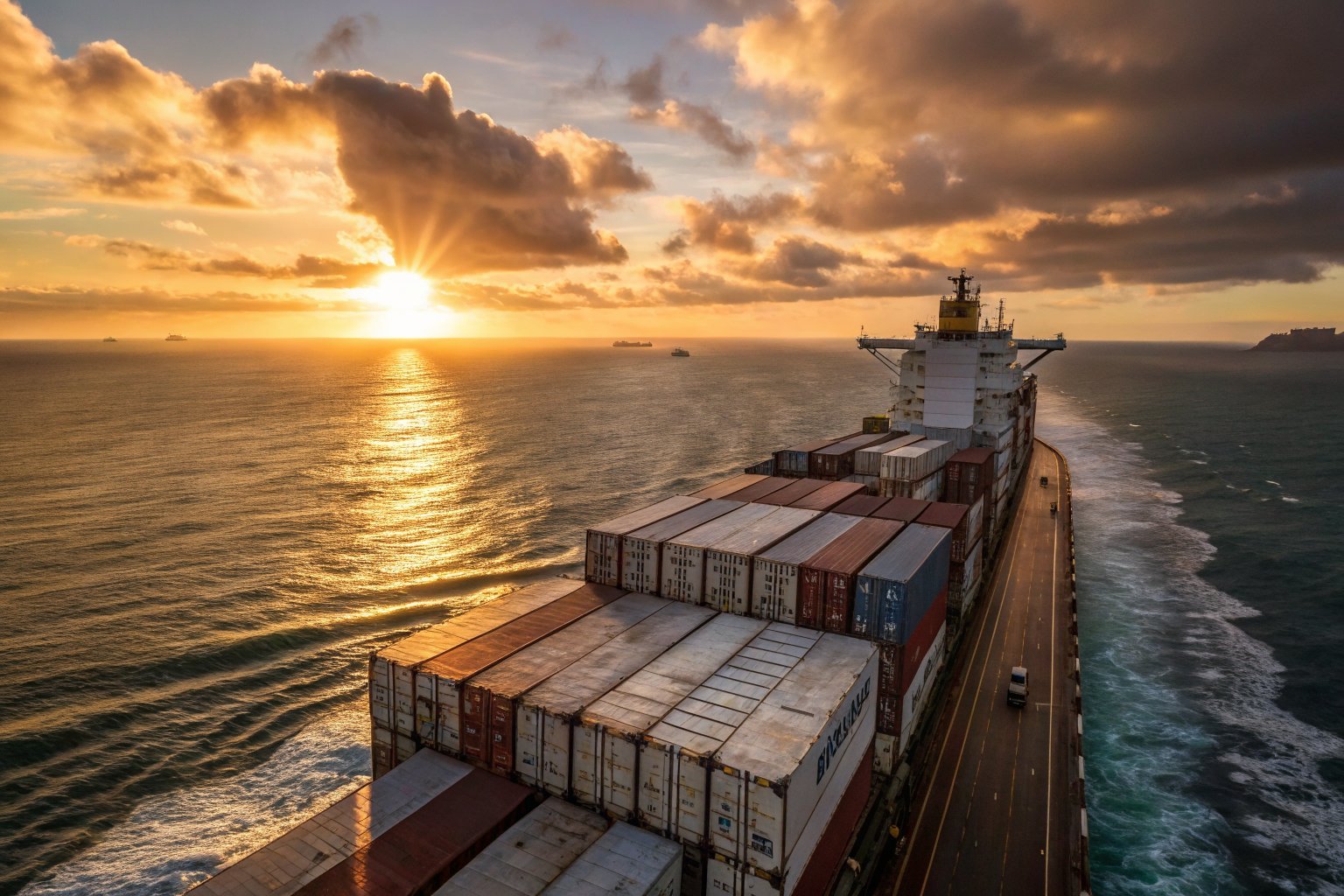
Last month, Tom from Seattle called me frustrated. His container of Colombian beans arrived with water damage, and his freight forwarder quoted him a $4,800 insurance premium that covered maybe $3,200 of actual loss. He paid twice what he should have. "I didn't even know I could negotiate insurance rates," he told me. Shipping insurance protects your cargo during transit, but most coffee buyers pay a standard rate of 0.5% to 1.5% of declared value without ever shopping around. That's money you can keep. Let me walk you through the exact strategies I use at Beanofcoffee to cut shipping insurance costs on every container we send from Yunnan to buyers in North America and Europe.
Are You Paying the Standard Insurance Rate Without Realizing It?
Here's the thing most coffee importers miss. When your freight forwarder sends you that quote for shipping, the insurance line item is almost always their default rate. For ocean freight, that's usually 0.3% to 0.6% of the cargo's declared value per shipment. But those rates are negotiable, especially if you ship regularly or consolidate multiple containers. The standard rate includes a markup that covers the forwarder's administrative costs and their profit margin, and that markup can be as high as 100% of the base premium. Think about it: if your forwarder charges 0.5% on a $50,000 container, that's $250. The actual wholesale rate from the insurer might be $125.

How Can You Compare Insurance Rates Before Booking a Shipment?
Start by asking at least three different freight forwarders for their insurance rate cards. Then call two specialized marine insurance brokers directly — companies like RKH Specialty or Integro have dedicated cargo desks. I've seen rates vary by 40% to 60% between providers for the exact same coffee container route. One buyer I work with saved $1,800 per container just by switching from his forwarder's in-house insurance to an external broker. The key is getting quotes that use Institute Cargo Clauses (A) — that's the broadest coverage and the industry standard for specialty coffee. Read more at the International Chamber of Commerce and compare broker options through Cargo Insurance.
What Should You Look For in a Coffee Cargo Insurance Policy?
For coffee beans specifically, pay attention to three things. First, moisture damage coverage — standard policies sometimes exclude sweat damage or condensation inside containers, which is exactly what ruins green coffee during temperature changes on long sea voyages. Second, survey requirements — some insurers require you to inspect the cargo within 24 hours of arrival, or they deny the claim. Third, deductible amounts. Aim for zero or low deductible policies when possible. The SCA has good resources on cargo handling standards, and you can check policy wordings against TT Club guidelines for containerized cargo.
Why Do Insurance Costs Vary Between Different Shipping Routes?
Honestly, the route your coffee takes from origin to destination makes a huge difference in what you pay for insurance. A container from Yunnan, China to Los Angeles costs less to insure than the same container going to a smaller port like Savannah or Houston. Larger, more established routes have lower claims rates — better port infrastructure, fewer transshipments, less handling. I've seen insurance on the Asia-to-West Coast route run 0.25% to 0.4% of declared value, while the same policy for Asia-to-East Coast can jump to 0.5% to 0.8%.
How Does Transshipment Affect Your Coffee Insurance Premium?
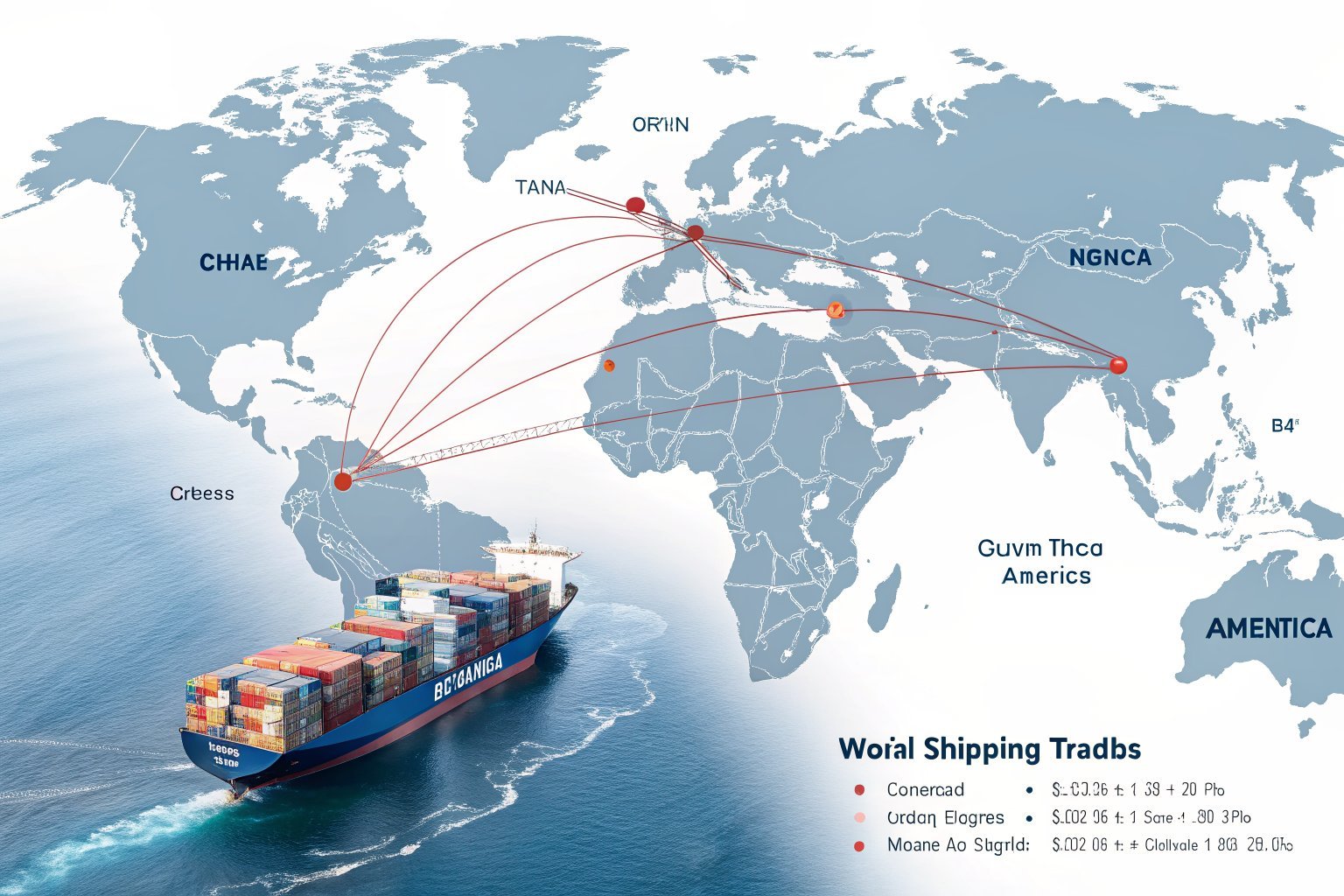
Every time your coffee container gets transferred from one vessel to another, the risk of damage increases. A direct sailing from Shanghai to Los Angeles carries a lower premium than a route that goes Shanghai to Busan to Long Beach. In my experience, a single transshipment adds roughly 10% to 15% to your insurance premium. Two transshipments mean a 25% to 30% increase. Request direct sailings when possible. Check Maersk for direct route listings and compare transit options on SeaRates.
Why Does Container Type Matter for Coffee Insurance Pricing?
A standard dry van container offers basic protection, but if you're shipping high-value specialty grade coffee, consider upgrading to a ventilated container or one with a data logger for temperature monitoring. Some insurers offer discounted premiums if you use GPS tracking. At Shanghai Fumao, we always recommend our buyers ask for container specification sheets before booking. Learn more about container types from Container xChange or check World Shipping Council.
Are You Bundling Insurance With Your Freight Forwarder Without Question?
I get it. It's convenient. Your freight forwarder quotes you door-to-door including insurance, and you just say yes. But convenience has a price. Forwarders typically add a 50% to 100% markup on wholesale insurance rates. At Shanghai Fumao, we've negotiated flat-rate insurance agreements with three different insurers, and we pass those savings directly to our buyers. If you're importing regularly, ask your forwarder for a book rate — a discounted annual rate based on your projected shipping volume. Even better, get your own open cargo policy directly from a marine insurer.

How Can You Negotiate a Better Insurance Rate With Your Forwarder?
Be transparent. Tell your forwarder you're reviewing your total logistics costs and you've received competitive insurance quotes from other sources. Ask them to match or come within 10% of those rates. Most forwarders would rather cut their insurance margin than lose your entire shipping account. One buyer in Vancouver told his forwarder he was considering switching — the forwarder dropped his rate from 0.55% to 0.28% in a single phone call. Explore rate negotiation tips at Freightos and understand forwarder margins from Logistics Manager.
What Is an Open Cargo Policy and Does It Save Money for Coffee Importers?
An open cargo policy covers all your shipments automatically for a set period. Instead of insuring each container individually, you declare shipments as they happen. The rates are typically 20% to 40% lower than single-shipment policies. For coffee importers moving 10 to 50 containers per year, an open policy is almost always better financially. One Australian importer saved $12,000 in his first year. Check Marsh for open cargo policy options and read comparisons on Insurance Business Magazine.
How Can You Reduce Your Insurance Premium by Improving Cargo Handling?
Insurers love low-risk clients. When you demonstrate that your coffee cargo is properly packaged, correctly documented, and shipped with reliable carriers, insurers reward you with lower rates. At Shanghai Fumao, we use GrainPro bags inside the containers for all our green coffee shipments. This simple step reduces moisture risk dramatically.
What Packaging Practices Reduce Coffee Insurance Claims?
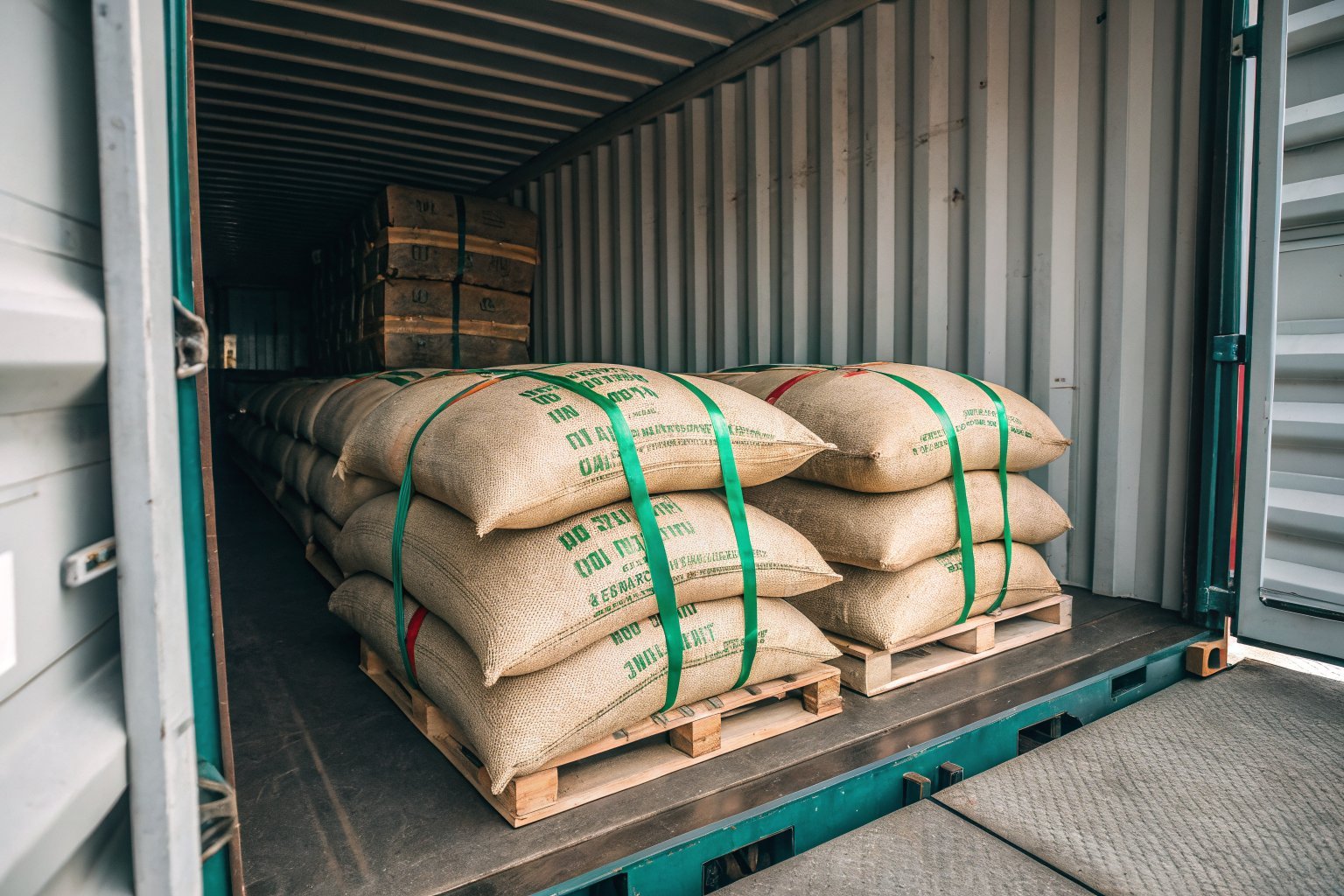
Green coffee beans in GrainPro or Ecotact bags with proper vacuum sealing are significantly less likely to suffer moisture damage. Some insurers offer 5% to 15% reductions for certified packaging standards. Clearly labeling containers with handling instructions reduces mishandling risk. Use palletized loading with shrink wrap rather than loose floor loading. Learn about best practices at Coffee Quality Institute and check USDA Agricultural Shipping guidelines.
Does Pre-Shipment Inspection Lower Your Coffee Insurance Cost?
Yes. When you have a certified third-party inspector examine your coffee before loading, the insurer has documented proof that the cargo was in good condition at origin. Many insurers offer a 5% to 10% premium discount if you commit to regular inspections. The inspection costs around $200 to $500 per container. If you're shipping $60,000 worth of coffee, the savings on insurance over a year easily exceed that cost. Look into inspection services at SGS and Bureau Veritas.
Conclusion
Shipping insurance doesn't have to be a hidden cost that eats into your coffee margin. Most importers overpay simply because they never question the first rate they're quoted. By comparing multiple quotes, negotiating with forwarders, considering an open cargo policy, and improving your cargo handling practices, you can cut your insurance costs by 30% to 50%. At Shanghai Fumao, we help our buyers navigate every part of the shipping process. Contact Cathy Cai at cathy@beanofcoffee.com to discuss how we can help you import Yunnan's finest coffee beans. Visit Shanghai Fumao to learn more about our complete export solutions.