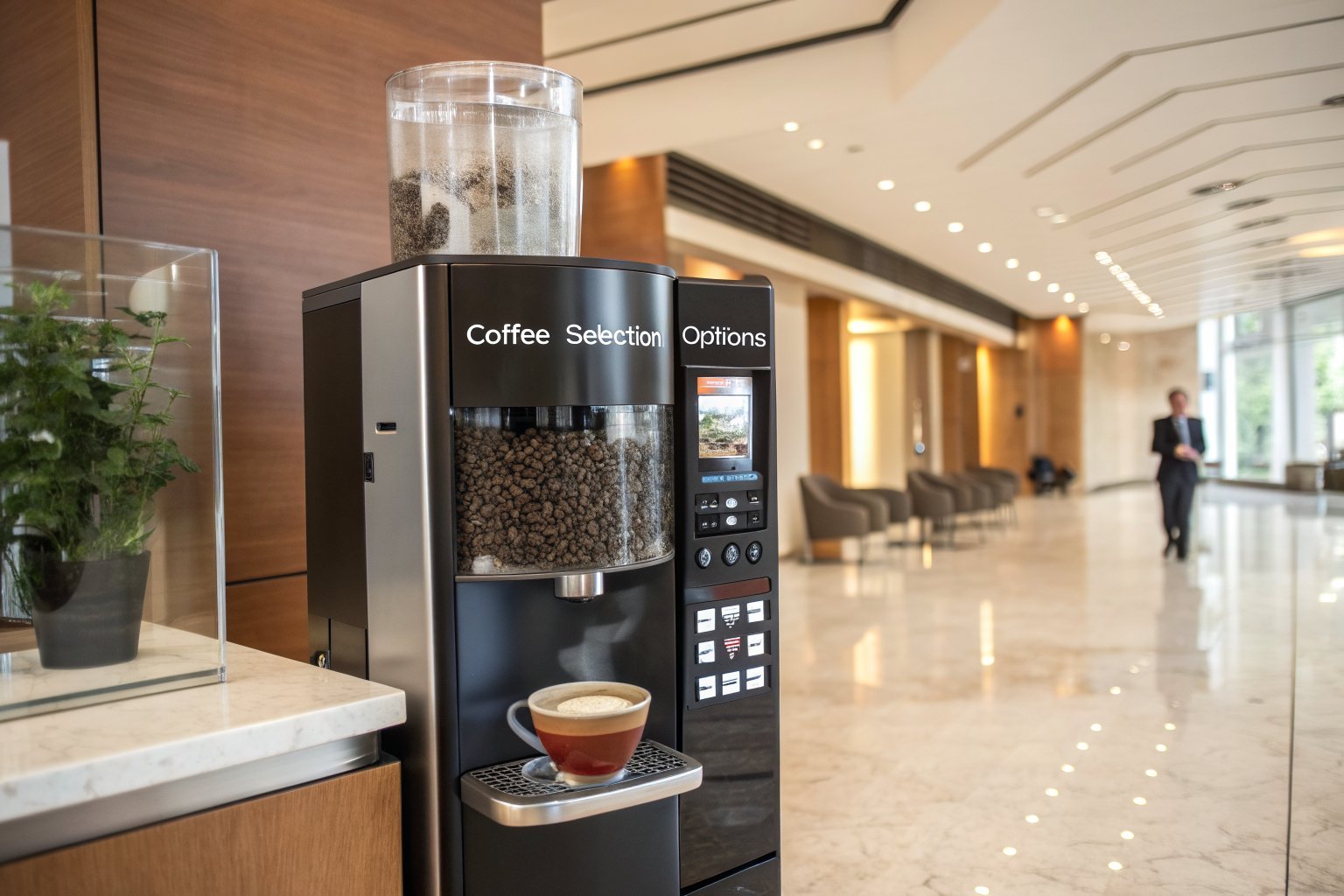
Last week, James from Toronto called me with a question that caught my attention. "I run a chain of twenty vending machine locations in office buildings," he said. "People are starting to expect better coffee from machines. Can you supply beans that work in commercial vending but actually taste good?" James had been using commodity grade Robusta for years. His customers were complaining. He knew he needed to upgrade but didn't know where to start. The coffee vending industry is going through a quiet revolution. High-end bean-to-cup machines that grind fresh coffee for every cup are replacing old instant-powder machines in offices, hotels, and public spaces across North America and Europe. This shift is creating new demand for wholesale coffee beans that can perform consistently in automated equipment while delivering cafe-quality flavor. Let me walk you through what's changing and how suppliers like us are adapting.
Why Is the Coffee Vending Market Growing Faster Than Retail Coffee?
The numbers tell a clear story. The global coffee vending machine market was valued at roughly $8 billion in 2024 and is projected to grow at around 7 percent annually through 2030. That's faster than the retail coffee market which grows at about 4 percent. The difference comes from workplace coffee culture shifting away from instant coffee toward fresh-brewed options that rival what employees can get at a cafe. Office coffee services account for about 40 percent of all vending machine coffee consumption in North America. Companies are investing in better break room experiences to attract and retain talent. A $3,000 bean-to-cup machine that produces latte-quality coffee costs less than one month of a barista's salary. And it serves hundreds of employees daily for years. For wholesale bean suppliers, this means a growing market that needs a specific product — beans ground for vending consistency, packaged for prolonged shelf life, and priced competitively for volume orders.
What Types of Vending Machines Are Driving the Demand for Better Beans?
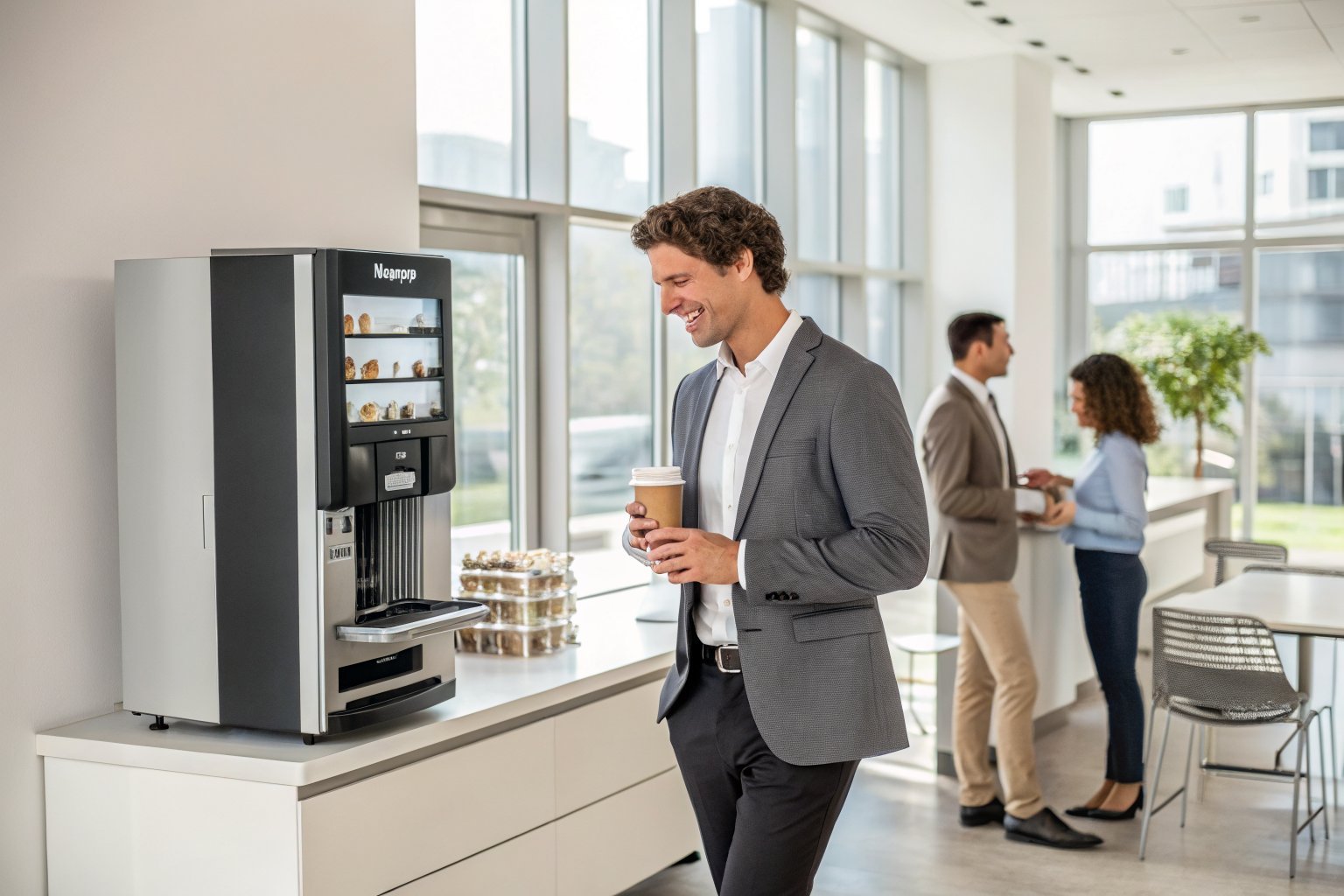
Three categories of machines dominate the current market. Traditional instant vending machines that use powdered coffee are declining rapidly, down roughly 8 percent annually. Fresh brew machines that brew a single cup from a measured coffee portion are growing at 5 percent annually. Bean-to-cup machines that grind fresh beans for each serving are growing at 12 percent annually and now represent about 35 percent of new machine installations. The bean-to-cup segment is the most demanding for coffee quality. These machines use a burr grinder, a brewing unit, and a milk frother to produce espresso-based drinks automatically. The beans need to be consistent in size and density so the grinder produces uniform particles. The roast level needs to be stable across the entire batch so the brew time stays consistent. And the beans need to be fresh enough to produce crema but stable enough to perform well in a machine that might sit idle for hours between uses. For a deeper look at machine specifications, National Automatic Merchandising Association's equipment guide covers technical requirements for different machine types.
How Are Coffee Roasters Adapting Their Products for Vending Applications?
Roasters who serve the vending channel have developed specific product profiles that differ from retail coffee. Vending blends typically use a darker roast than specialty retail — around Full City to Vienna roast level compared to City to City Plus for retail. The darker roast produces more soluble solids, which means better extraction in machines that use shorter brew cycles. It also provides a more uniform flavor profile across different roast batches. Blend composition matters too. A typical vending blend might use 60 percent washed Arabica from Brazil or Yunnan for body and sweetness, 30 percent washed Robusta from Vietnam or India for crema and caffeine kick, and 10 percent natural process Arabica for flavor complexity. This combination produces a cup that works well with milk-based drinks while still tasting respectable as black coffee. Shanghai Fumao supplies custom vending blends to several North American office coffee distributors. For technical details on vending blend formulation, Roast Magazine's commercial blend guide covers roast profiles and bean selection for automated equipment.
What Are the Technical Requirements for Wholesale Beans in Vending Machines?
Vending machines are less forgiving than manual brewing. A barista can adjust grind size, water temperature, and brew time on the fly to compensate for bean variations. A vending machine follows a fixed program. If the beans change between batches, the machine produces inconsistent results. That's why vending operators need beans that meet strict technical specifications every single shipment. The most critical parameters are bean density, moisture content, and roast uniformity. Bean density affects how the grinder performs. A batch with mixed density grinds unevenly, producing both fines and boulders that lead to uneven extraction. Moisture content needs to stay between 9.5 and 10.5 percent. Higher moisture causes clumping in the grinder. Lower moisture makes beans brittle and increases fines. Roast uniformity needs to be within a 30-second development time window across the entire batch. Wider variation produces unpredictable brew times.
What Grind Consistency and Particle Distribution Do Vending Machines Need?
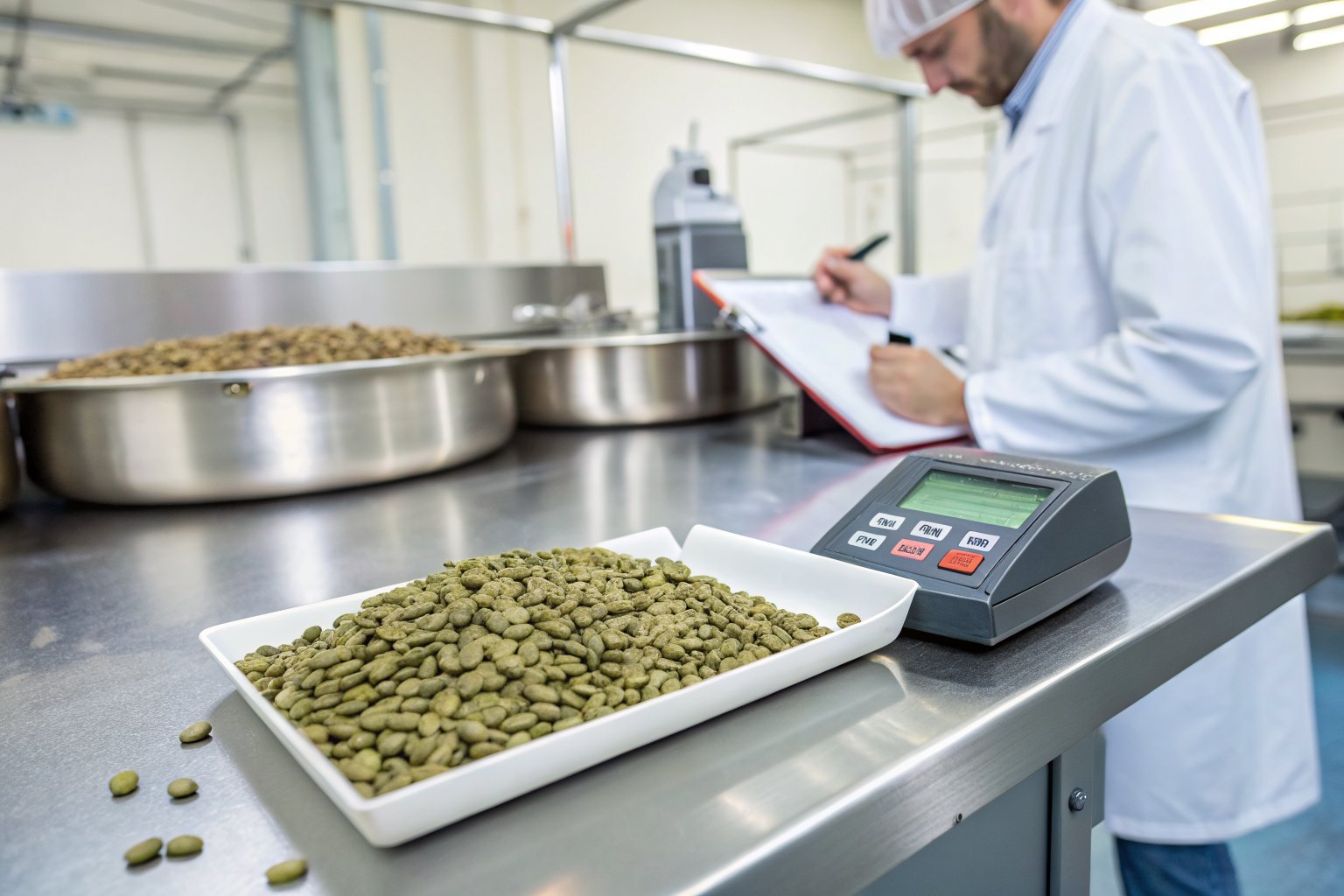
Vending machine grinders are calibrated to a specific particle size distribution. If the grind is too coarse, water flows through too fast and the coffee is weak. Too fine and the machine chokes or produces bitter over-extraction. Most bean-to-cup machines require a medium-fine grind with 70 to 80 percent of particles between 300 and 600 microns. Achieving this consistently requires beans that are uniform in density and hardness. The issue many roasters face is that natural variations between harvests change how beans fracture in the grinder. A batch from a wet season harvest might be softer and produce more fines at the same grinder setting. A dry season batch might be harder and produce coarser particles. Vending operators need their supplier to blend and roast for consistency, not just flavor. Blending across harvests and maintaining strict roast profiles is essential. For more on grind analysis in commercial applications, Coffee Brewing Research Center's particle analysis standards provide detailed specifications for vending-grade grinds.
How Does Bean Freshness Affect Performance in Automated Machines?
Freshness is a different equation for vending beans compared to retail. Retail coffee is best consumed within two to four weeks of roasting. Vending beans typically sit in a machine's hopper for one to three weeks depending on volume. The beans need to maintain acceptable flavor throughout that exposure to air at room temperature. This means vending-specific packaging needs to balance freshness preservation with practical dispensing. Nitrogen-flushed bulk packaging is becoming standard for vending beans. The beans are packed in 2.5 to 5 kilogram bags with a one-way valve, flushed with nitrogen to remove oxygen, and sealed immediately after roasting. This extends the peak freshness window to about 12 to 16 weeks. Once opened and loaded into the machine hopper, the beans should be consumed within 14 days for optimal flavor. Shanghai Fumao provides vending-grade beans in nitrogen-flushed bulk packs designed specifically for commercial machine operators. For packaging technical specifications, Packaging World's coffee packaging innovations covers the latest developments in bulk coffee preservation.
How Do You Choose the Right Wholesale Bean Supplier for Vending Operations?
Choosing a supplier for vending beans requires a different evaluation than choosing one for retail roasting. Vending operators need volume, consistency, and technical support. The supplier needs to understand vending machine mechanics, not just coffee flavor profiles. They should be able to troubleshoot extraction issues and adjust blend formulas based on machine feedback. Price sensitivity is higher in vending than in specialty retail. A typical vending operator's cost of goods sold for coffee beans ranges from 15 to 25 cents per cup. Specialty retail roasters work with 30 to 50 cents per cup. That difference means vending operators need competitive pricing without sacrificing quality. The sweet spot is sourcing from origins that offer good flavor at attractive price points, and Yunnan Arabica is increasingly competitive in this space.
What Volume Commitments Should You Expect From a Vending Bean Supplier?
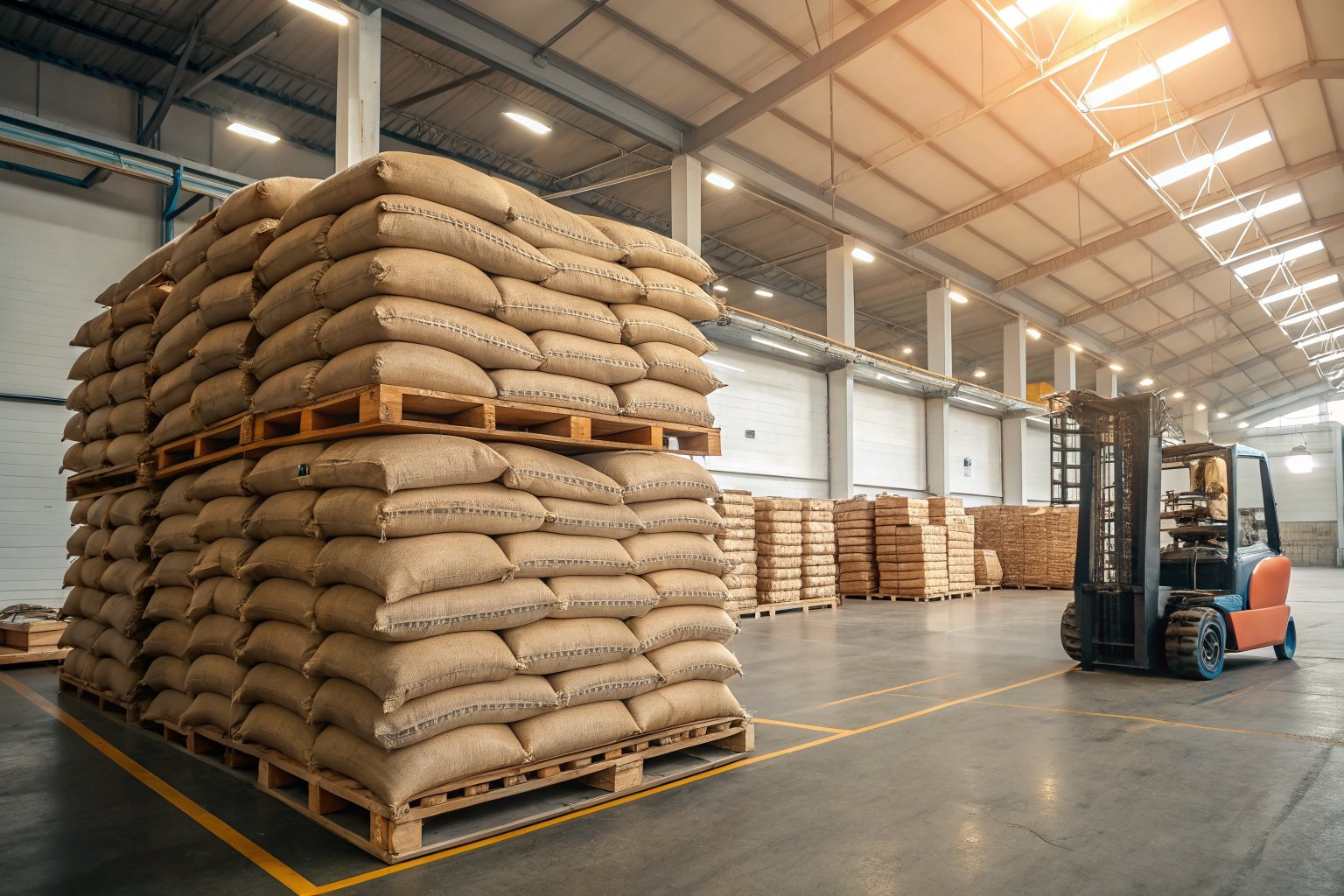
Vending bean suppliers typically require minimum order quantities based on bag size. For bulk 5-kilogram nitrogen-flushed bags, the minimum is usually 500 kilograms per SKU for initial orders. For 30-kilogram bulk sacks used in high-volume machines, minimums start at one pallet, approximately 720 kilograms. These minimums exist because vending-grade coffee requires specific packaging, grind specifications, and quality testing that differs from standard wholesale operations. Some suppliers offer trial quantities of 50 to 100 kilograms for new customers to test the product before committing to full volume. Take advantage of these trials. Run the coffee through your machines for two weeks. Measure cup quality at the start and end of each bag. Track machine performance metrics like brew time consistency and grinder clogs. Only commit to volume once the coffee has proven itself in your specific equipment. For more on supplier evaluation criteria, Coffee Quality Institute's buyer checklist includes vending-specific requirements.
How Important Is Supplier Location and Logistics for Vending Beans?
Logistics are more critical for vending operators than for most retail roasters. Vending machines need regular restocking. If a shipment is delayed, machines run empty and revenue is lost. Your supplier's location and shipping reliability directly impact your operations. Suppliers closer to your market can offer shorter lead times and lower freight costs. The logistics advantage of sourcing from established exporters in Asia is that they have consolidated shipping programs with regular container departures. Shanghai Fumao ships to major North American ports including Los Angeles, Vancouver, and New York on a weekly consolidation schedule. Transit time from Yunnan processing facility to your warehouse is typically 35 to 45 days door-to-door. Planning your orders around this lead time ensures consistent supply. For logistics planning resources, World Coffee Research's supply chain optimization guide covers transportation considerations for bulk green coffee procurement.
How Will Technology Change Coffee Vending in the Next Five Years?
The vending industry is on the cusp of significant technological change. Smart vending machines with IoT connectivity are already entering the market. These machines track inventory levels in real time, alert operators when beans need replenishment, and collect data on which beverages sell best at different locations. Some machines can even adjust grind settings and brew parameters remotely based on customer feedback. The implications for wholesale bean suppliers are significant. Smart machines will collect data on how different bean varieties perform under real operating conditions. Suppliers who can analyze this data and optimize their products accordingly will have a competitive advantage. We're already seeing requests for beans with specific performance characteristics optimized for high-altitude locations, high-humidity environments, and high-volume office installations.
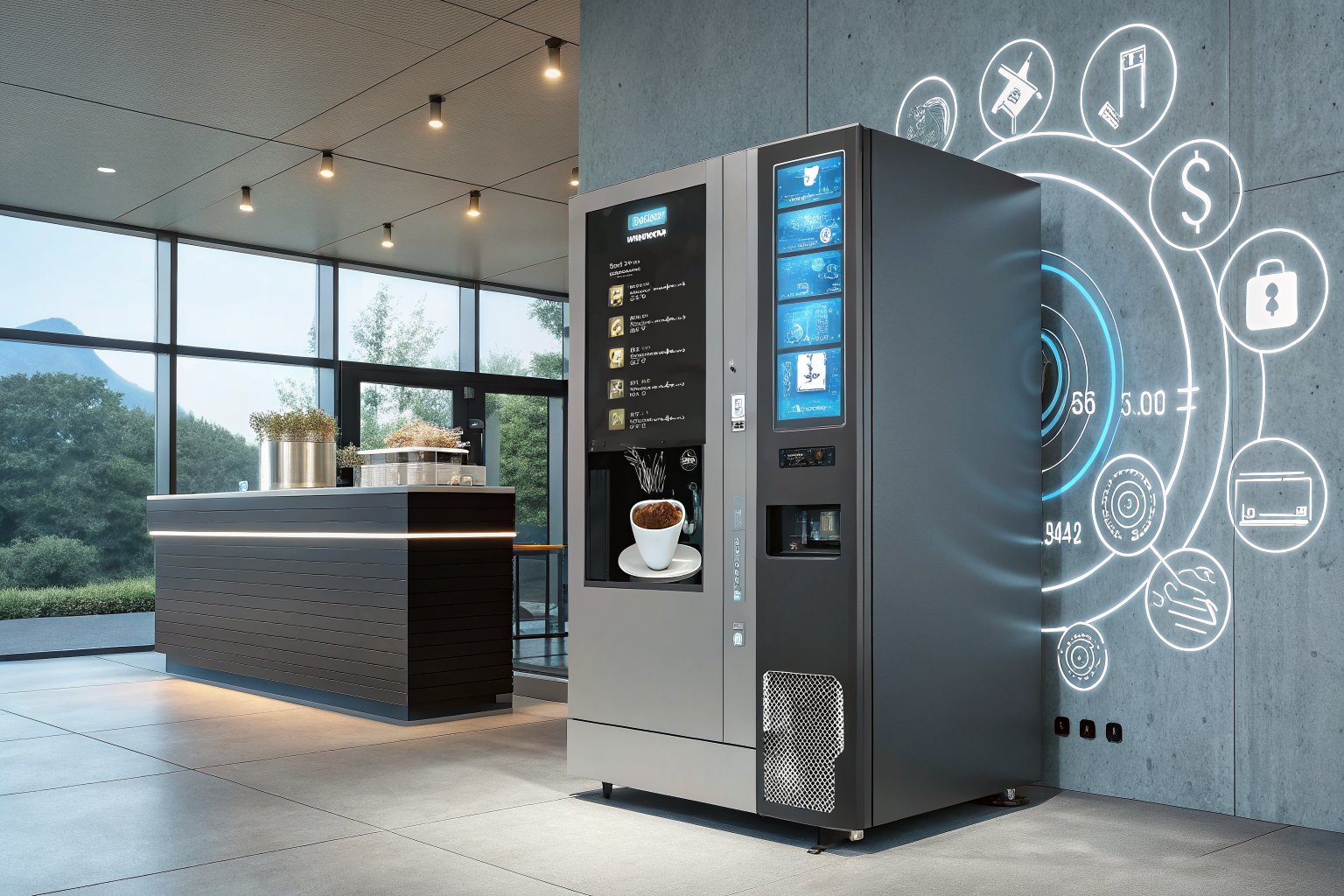
Will Artificial Intelligence Change How Vending Machines Handle Coffee?
AI is already being integrated into premium vending machines. Machine learning algorithms analyze usage patterns to predict demand at different times of day. Some machines use computer vision to monitor cup quality and alert operators when the grind needs adjustment. AI-driven predictive maintenance can detect potential mechanical issues before they cause downtime. The next frontier is AI-assisted blend optimization. Imagine a system where the machine logs every cup's extraction time, water temperature, and flow rate, then sends that data to the supplier. The supplier adjusts the roast profile or blend ratio based on real machine performance data, not just cupping scores. This feedback loop will create closer partnerships between operators and suppliers. For technology trends in coffee vending, Automatic Merchandiser's technology forecast covers the latest smart vending developments and predictions.
How Do Sustainability Trends Affect the Vending Coffee Market?
Sustainability is becoming a requirement in corporate coffee service, not just a nice-to-have. Large companies with office coffee programs are increasingly requiring sustainability certifications for their vending beans. Rainforest Alliance, Fair Trade, and Organic certifications are common requirements in RFPs for office coffee service contracts. Suppliers who can provide certified beans at competitive prices will capture more of this growing market. The carbon footprint of vending coffee is also getting attention. Single-use cup waste, machine energy consumption, and transportation emissions are all being scrutinized. Biodegradable cups, energy-efficient machines, and direct-sourced beans with shorter supply chains are all trends that favor suppliers who invest in sustainability. Shanghai Fumao is working toward Rainforest Alliance certification for our Yunnan processing facility. For more on coffee sustainability standards, Sustainable Coffee Challenge's certification guide compares the major certification programs available.
Conclusion
The future of coffee vending is bright, and it runs on better beans. As bean-to-cup machines replace older technology and smart machines collect data to optimize performance, the demand for consistent, high-quality wholesale coffee will keep growing. Operators who partner with reliable suppliers who understand both coffee quality and vending mechanics will have a clear advantage. At Shanghai Fumao, we're investing in vending-specific production capabilities including nitrogen-flushed bulk packaging, custom blend development, and consistent quality control for high-volume orders. We understand that vending operators need beans that perform reliably in machines, not just taste good in a cupping room. If you're looking for a wholesale coffee partner for your vending operation, reach out to us. Contact Cathy Cai at cathy@beanofcoffee.com or visit our website to discuss your specific requirements. Let's brew something better together.