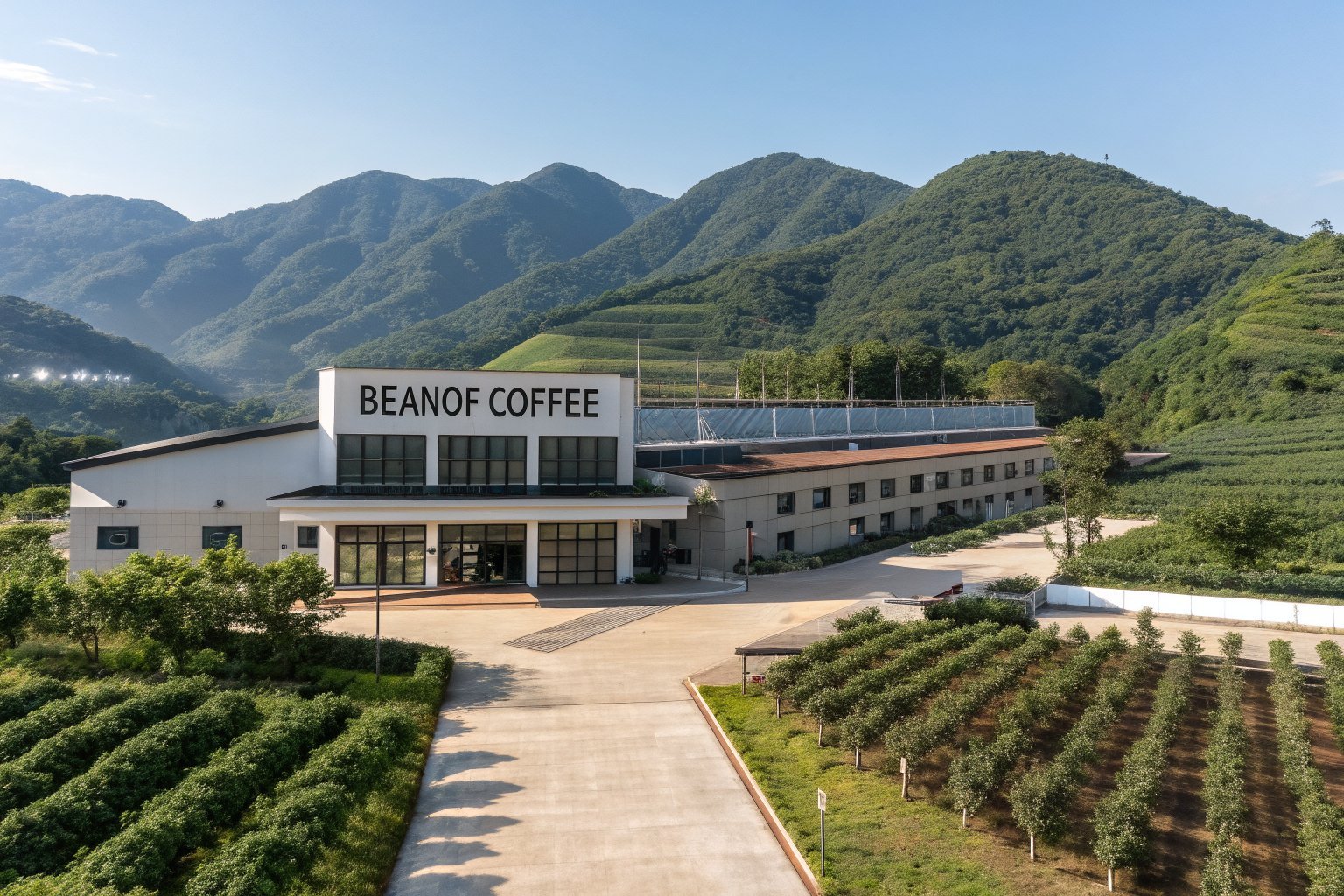
Last month, David from Austin sent me a message I get a lot. "I've been buying Yunnan green beans from a trader for two years," he said. "But I have no idea what your facility actually looks like. Should I just fly out and see it myself?" David runs a mid-size roasting operation in Texas, importing about five containers of green coffee per year. He'd never visited any of his origin suppliers. And honestly, he was nervous about making the trip. A factory visit is when a coffee buyer travels to their supplier's processing facility to inspect the production line, quality control systems, and storage conditions in person. It's the single most effective way to verify whether a supplier can deliver on their promises before you commit to large orders. Let me walk you through exactly why visiting the factory matters and what you'll gain from the experience.
What Can You Actually See During a Factory Tour That You Can't Verify Remotely?
Here's the honest truth. A video call or a PDF certificate can tell you a factory exists. But it can't tell you whether the equipment is actually maintained, whether the staff follows hygiene protocols when nobody is watching, or whether the green bean storage area has proper humidity control. I've had buyers visit our facility and spot details they never would have caught from a thousand photos. When Ron, one of our regular buyers from Chicago, visited our Yunnan facility last year, he walked straight to the drying patio. He wanted to see how we spread the coffee cherries, how thick the layers were, and how often we turned them. Those small details determine whether a natural process coffee develops fruity notes or starts fermenting into something funky. A three-hour visit told him more than three months of email exchanges.
What Quality Control Checkpoints Should You Inspect During Your Visit?
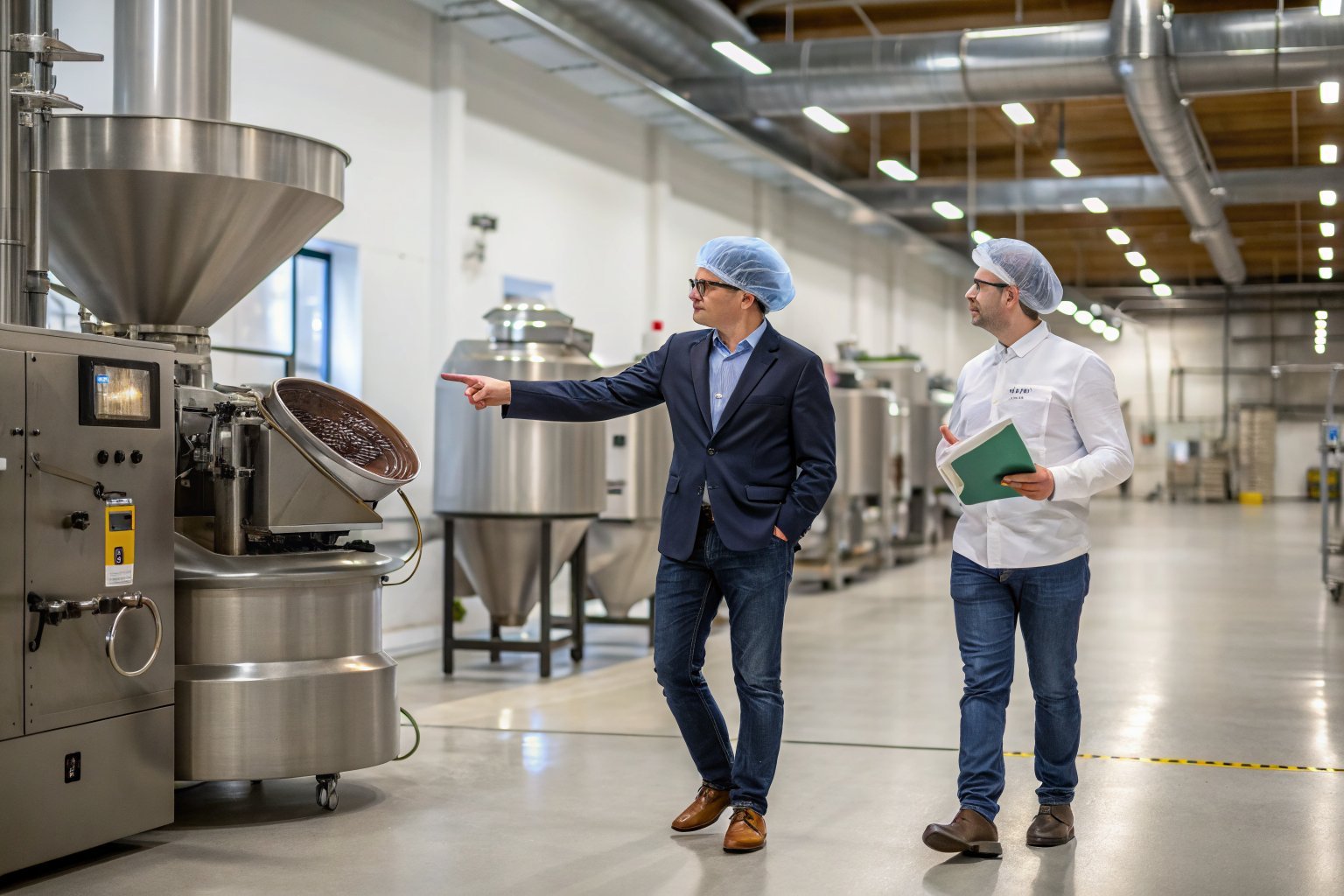
The first thing I recommend every buyer checks is the incoming cherry reception area. Look at how they grade cherries at the delivery point. Are they using a floatation tank to separate under-ripe cherries? Do they have a trained person doing manual sorting before the cherries go into the depulper? Walk over to the fermentation tanks and smell them. A clean, wine-like fermentation smell is good. A sour, vinegar-like smell means something is wrong in the process. Next, go to the drying area. Whether they use raised beds, patios, or mechanical dryers, the key question is consistency. Are the cherries spread evenly? Is the thickness less than two centimeters for patio drying? Do they have moisture meters at the drying station to test every batch before moving to the next stage? Shanghai Fumao maintains a strict drying log where every batch is tracked by date, thickness, turning frequency, and final moisture content. Ask to see those logs. If a supplier hesitates to show you, that's a red flag. For more on what to look for during quality inspections, SCA's green coffee processing guide covers all the critical checkpoints.
How Do You Verify the Facility Meets International Food Safety Standards?
Certifications on paper are easy to fake. Seeing the actual conditions with your own eyes is not. Walk into the dry mill area and check for pest control measures. Are there insect traps placed at regular intervals along the walls? Is there a logbook showing when they were last inspected? Look at the floor drains. Standing water near processing areas is a breeding ground for bacteria and mold. A facility that keeps its drains clean and dry is a facility that takes food safety seriously. Check the worker facilities too. Are there clean bathrooms and hand washing stations? Do workers wear hairnets, gloves, and clean uniforms? These details tell you whether the management culture prioritizes quality. I've seen factories with fancy European equipment that produce mediocre coffee because nobody maintains the machines properly. Shanghai Fumao runs a full HACCP-compliant facility where every production stage has documented standard operating procedures. For an industry benchmark, the FDA's food safety guidelines for coffee processing provide a good baseline for what you should expect.
What's the Real Cost of Sourcing Coffee Without Visiting the Factory?
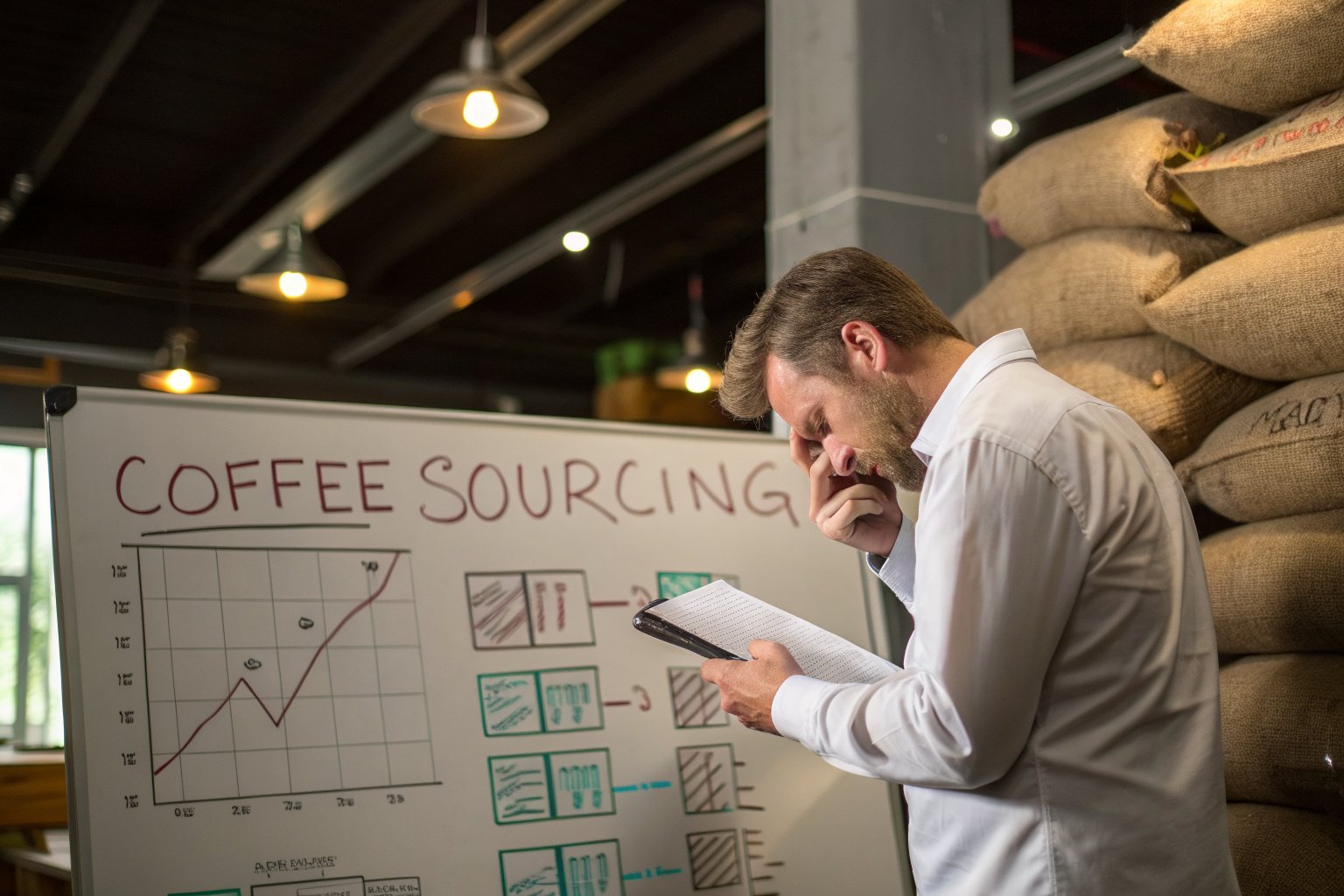
Sourcing coffee without a factory visit carries hidden costs that most buyers don't calculate upfront. The price you think you're saving by skipping the trip often gets eaten up by quality problems, shipping delays, and miscommunication. I've seen buyers save $500 on a plane ticket then lose $5,000 on a rejected container because the supplier's processing standards didn't match expectations. Here's a real example. A roaster from Melbourne placed an order for washed Yunnan Arabica with a supplier he'd found on Alibaba. The samples were excellent. Clean cup, bright acidity, nice body. He ordered a full container without visiting. When the container arrived, the beans had higher moisture content than specified. They started degrading during the sea transit. He lost about 30 percent of the batch to mold. A pre-shipment visit would have caught that the supplier's moisture meter was uncalibrated and nobody on staff knew how to use it properly.
How Much Money Can a Factory Visit Save You on Your First Container?
Let's do the math on a typical first order. A 20-foot container of Yunnan Arabica green beans costs around $25,000 to $30,000 FOB including packaging and inland transport. A round-trip flight from North America to China costs roughly $1,500 to $2,500 depending on your departure city. A three-day visit with hotel, meals, and local transport runs another $800 to $1,200. Your total investment is approximately $3,000 to $3,700. Now consider the potential losses from an uninspected order. If the beans arrive with a moisture content of 13.5 percent instead of the specified 11 percent, you're looking at 2 to 3 percent weight loss during storage plus accelerated flavor degradation. On a $25,000 order, that's $500 to $750 in direct loss. If the defect count exceeds your specification and you need to sort the beans, that's another $1,000 to $2,000 in labor. If the beans fail cupping and you can't sell them under your brand, you lose the entire $25,000 minus whatever you can recover through discount channels. For a detailed breakdown of inspection ROI, Coffee Quality Institute's buyer education resources cover supplier verification best practices.
What Negotiation Leverage Does a Factory Visit Give You?
When you've walked through the facility, shaken hands with the production manager, and seen the coffee processing with your own eyes, you negotiate from a position of knowledge. You know whether the supplier has excess capacity and needs orders to fill their drying beds. You know if they're upgrading equipment and need cash flow to fund the investment. You can see whether their warehouse is full or empty. That information is pure gold during price negotiations. A buyer who visits also builds a personal relationship with the decision makers. When there's a quality issue with a shipment, you're not dealing with a stranger over email. You're dealing with Mr. Chen who you shared lunch with at the factory cafeteria. That relationship changes how problems get resolved. I've seen buyers who visited get priority processing during peak harvest season while non-visiting buyers waited weeks. Shanghai Fumao gives visiting buyers first access to our micro-lot selections and experimental processing batches. For more on negotiation strategies in origin sourcing, Allegra Strategies' coffee supply chain report has excellent data on how visit frequency correlates with pricing outcomes.
How Do You Plan a Productive Factory Visit to China?
A factory visit is only valuable if you plan it properly. Show up without a clear agenda and you'll get a polished tour that shows you only what the supplier wants you to see. You need a checklist, specific questions prepared, and a willingness to walk into areas the tour guide might not naturally take you. The best visits follow a structure that covers every stage from cherry reception to container loading. I recommend a three-day visit schedule. Day one is the arrival and general facility overview. Day two is the deep dive into processing, quality control, and storage. Day three is cupping the current crop together and discussing contract terms. That gives you enough time to see the operation in normal working conditions, not a staged performance.

What Specific Questions Should You Ask During the Tour?
Don't ask generic questions like "do you have quality control?" Ask specific process questions. How many defects per 300 grams do you allow before a batch gets re-sorted? What's your protocol when a lot fails cupping? How do you handle a rejected customer shipment? These questions tell you whether the supplier has real operating procedures or just talks about quality in general terms. Ask about their traceability system. Can they trace a specific bag of beans back to the farm block and harvest date? Do they separate lots from different farmers or blend everything together? A supplier that maintains lot separation can offer you consistent flavor profiles year after year. A supplier that blends everything is rolling the dice on quality every time. For more on traceability, the International Coffee Organization's traceability framework is a good reference point for what leading suppliers implement.
How Do You Arrange Factory Visits With Multiple Suppliers on One Trip?
Visiting multiple suppliers in one China trip is highly efficient if you plan the geography correctly. Most coffee processing is concentrated in Yunnan province, specifically around Baoshan, Pu'er, and Dehong. These cities are within a few hours drive of each other. You can visit two to three factories in a single week if you arrange the schedule properly. Contact each supplier at least four weeks in advance and confirm they can accommodate a visit during the processing season. Request that they prepare current crop samples for cupping during your visit. Ask for directions to their facility in advance and verify the location on a map. Some factories are in remote mountain areas that need local transport arrangements. Yunnan Coffee Exchange's trade visit guide has practical information on arranging multi-supplier itineraries in the region.
What Happens After You Visit the Factory and Return Home?
The real value of a factory visit is what happens after you return. You need to convert what you saw into actionable decisions about your supply chain. Immediately after the visit, write a detailed trip report while everything is fresh in your mind. Document which suppliers passed your inspection, which ones raised concerns, and what follow-up actions you need to take. Schedule a follow-up call with each supplier within one week of returning. Confirm the quality specifications you discussed in person. Request photos of your specific lot being prepared before container loading. Establish a communication cadence for ongoing orders. The momentum from a visit fades quickly if you don't capitalize on it within the first month.
How Do You Maintain the Relationship After the Factory Visit?
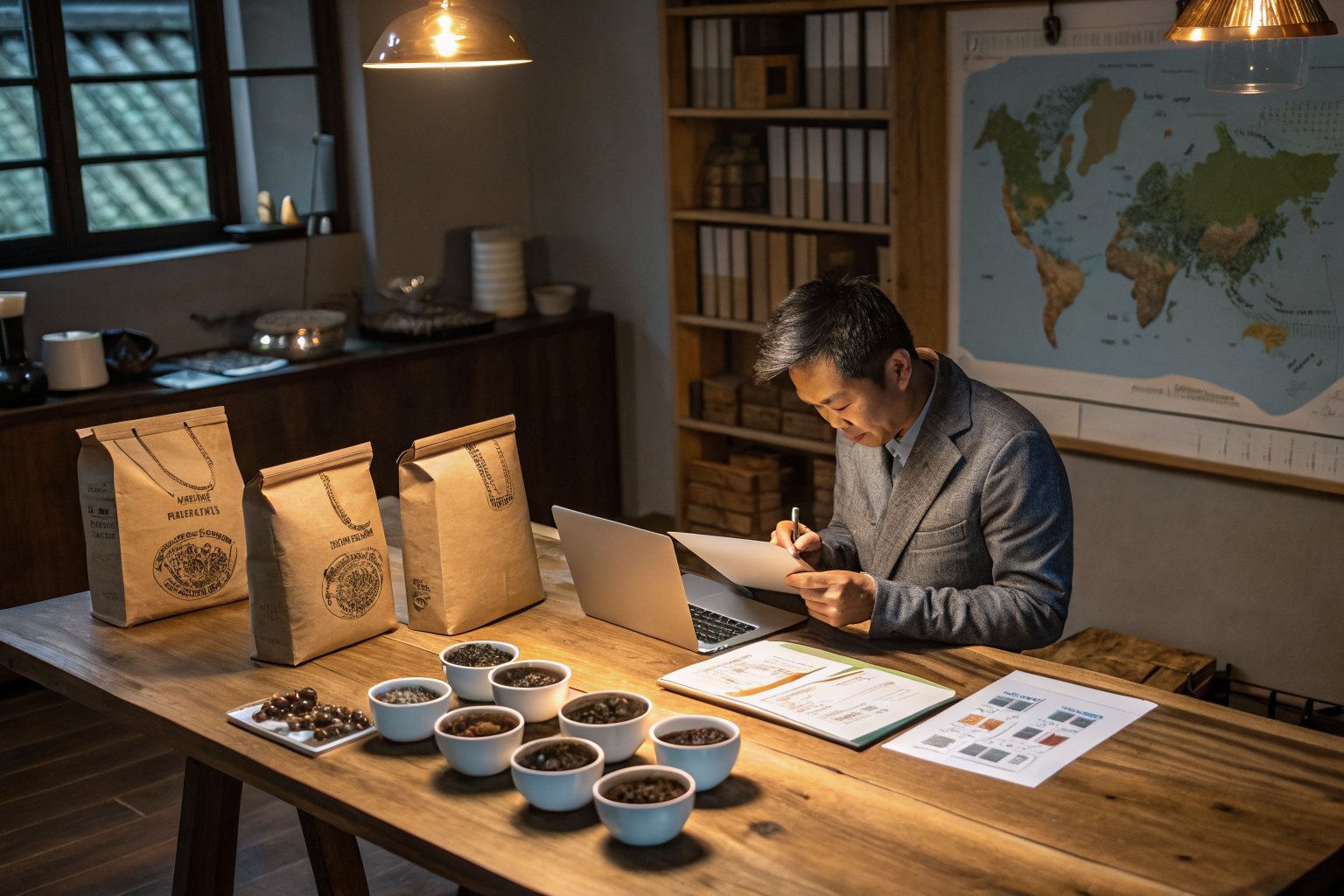
The biggest mistake buyers make is visiting once and then going back to email-only communication. Send photos you took during the visit to the factory manager. Tag them in a LinkedIn post praising their facility. Order a small test lot within 30 days of returning to start the working relationship. These small gestures show the supplier that you're serious about building a long-term partnership. Follow up on any promises you made during the visit. If you said you'd send them your quality specification sheet, send it within a week. If you mentioned you'd introduce them to another buyer, make that introduction. Suppliers remember visitors who follow through. And they remember the ones who don't. For more on post-visit relationship management, Roast Magazine's origin trip best practices has excellent advice from experienced importers.
What Documentation Should You Collect During the Visit for Future Reference?
Take photos of everything. The processing equipment with model numbers visible. The storage area with temperature and humidity gauges. The cupping lab setup. The worker facilities. The packaging area. These photos become valuable reference material when you're discussing orders months later. "Remember that dryer model you showed me? Can you confirm it's the one processing my current order?" Collect physical samples of the parchment, green beans, and roasted beans from the lots you inspected. Label them clearly with the date, lot number, and source. Store them in a sample library for comparison against future shipments. If a future order doesn't match the quality you experienced during the visit, you have evidence to support a claim. For more on documentation standards, Specialty Coffee Association's supply chain documentation guide covers what records buyers should maintain.
Conclusion
Visiting a coffee factory in China is not just a nice-to-have experience. It's a critical due diligence step that protects your investment and builds the foundation for a successful long-term partnership. A three-day visit costs a few thousand dollars. A bad container of coffee can cost you ten times that. The math is simple. At Shanghai Fumao, we welcome buyers to our Yunnan facility throughout the harvest season. We believe that transparency is the best business policy. You'll see exactly how we process our beans, how we control quality, and how we prepare shipments for export to North America and Europe. If you're ready to schedule a visit or just want to discuss your sourcing needs, reach out to us. Contact Cathy Cai at cathy@beanofcoffee.com or visit our website to arrange a factory tour during the next harvest season. Seeing is believing.