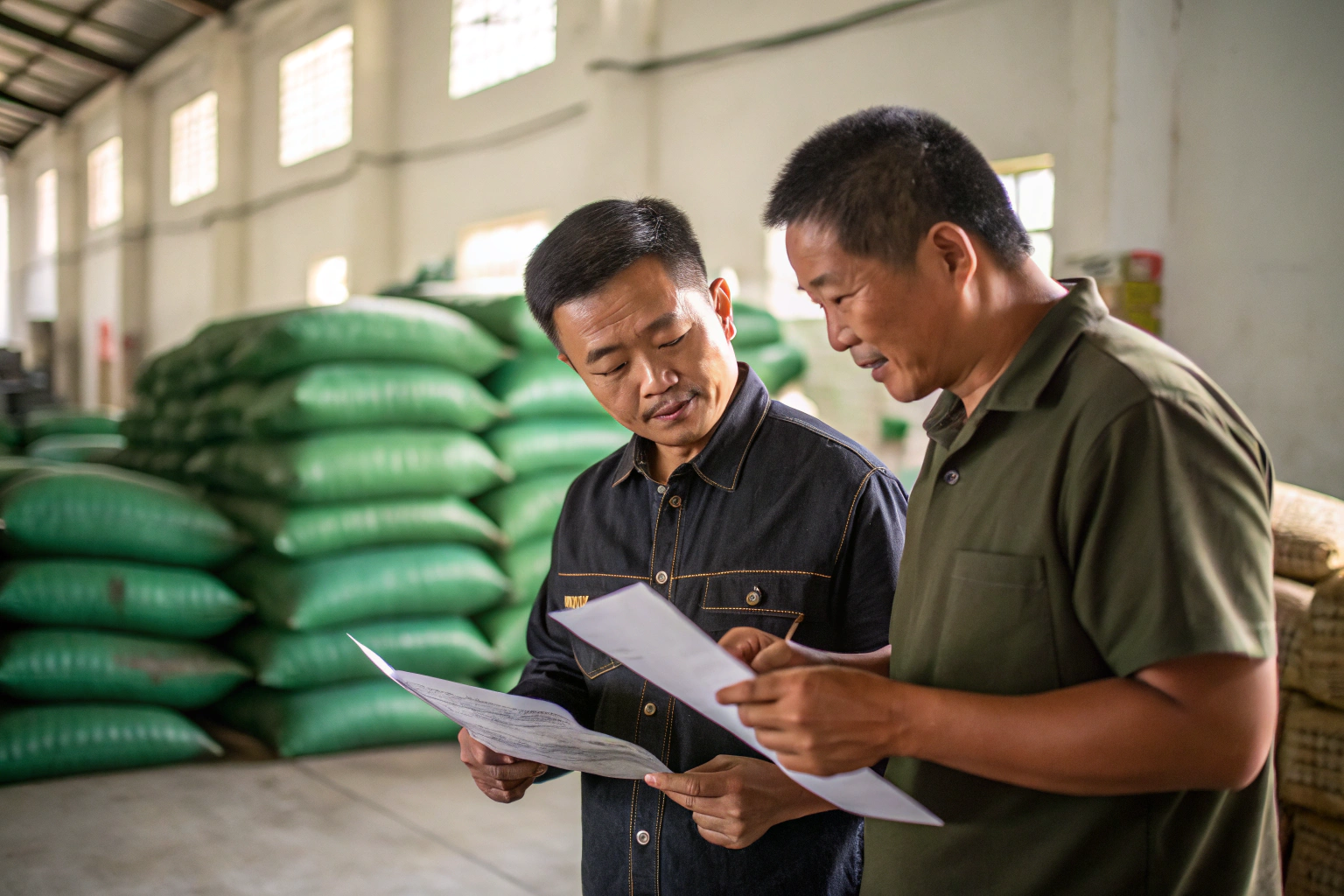
I run BeanofCoffee, a coffee exporter in Yunnan, China. We own more than 10,000 acres in Baoshan City. We sell Catimor, Arabica, and Robusta. We ship to North America, Europe, and Australia. Every year, I talk to farmers and exporters who leave money on the table. They do not claim the tax rebate. They do not use export insurance. They do not apply for trade fair support. Then they say exports are too expensive. That is a hard way to run a business. China offers several incentives for agricultural exports. Some are national. Some are local. Some are easy to claim. Some take paperwork. But they are real. If you export coffee or other farm goods, you should know them.
China’s main export incentives for agricultural goods include export VAT rebates, export credit insurance, preferential export loans, trade promotion subsidies, certification support, logistics support, free trade agreement tariff cuts, RCEP benefits, and cross-border e-commerce pilot policies. The exact benefit depends on the product, the buyer’s country, the exporter’s registration, and the local government. Raw agricultural products and processed agricultural products are treated differently. Coffee can qualify for some incentives if the export is documented correctly. So the first step is to check your product code, your tax status, and your local rules. Then apply. Do not assume you are not eligible.
So, what does this mean for you? It means you should not treat incentives as a bonus. Treat them as part of your margin. A VAT rebate can add several percent back to your cash flow. Export insurance can let you sell to new buyers with less risk. A trade fair subsidy can put your coffee in front of buyers you could not reach alone. At BeanofCoffee, we check these programs every season. We do not get everything. But we check. That habit pays. Let me break down the main incentives step by step.
What Tax Rebates Help Agricultural Exporters?
Tax is the first place to look. Export VAT rebates are common in China. They are designed to make Chinese goods more competitive abroad. The idea is simple. If you pay VAT on inputs, the government may refund part of it when you export. That lowers your cost. For agricultural goods, the rules are more complex. Some raw products are exempt. Some processed products qualify. Coffee is a good example. Green coffee, roasted coffee, and packaged coffee may fall under different rules. So you must check the product code. Then check the rebate rate. Then keep clean invoices. Clean paperwork is the key. Without it, the rebate can be delayed or denied.
Export VAT rebates help agricultural exporters by refunding part of the VAT paid on domestic inputs. For coffee, the rebate depends on whether the product is raw green coffee, roasted coffee, or packaged retail coffee. Raw agricultural products may be exempt or have a lower rate. Processed products may qualify for a higher rebate. The exporter must be registered, keep valid invoices, and file the rebate claim on time. The local tax authority and customs are the official sources. So check with them before you ship. A small paperwork error can delay a large refund.
Another way to look at this is to compare it to a discount you earn after the sale. You pay the cost first. Then you claim the refund. If you do not claim it, you lose it. So build the claim into your process. Do not treat it as an afterthought.
How Does China's Export VAT Rebate Work?
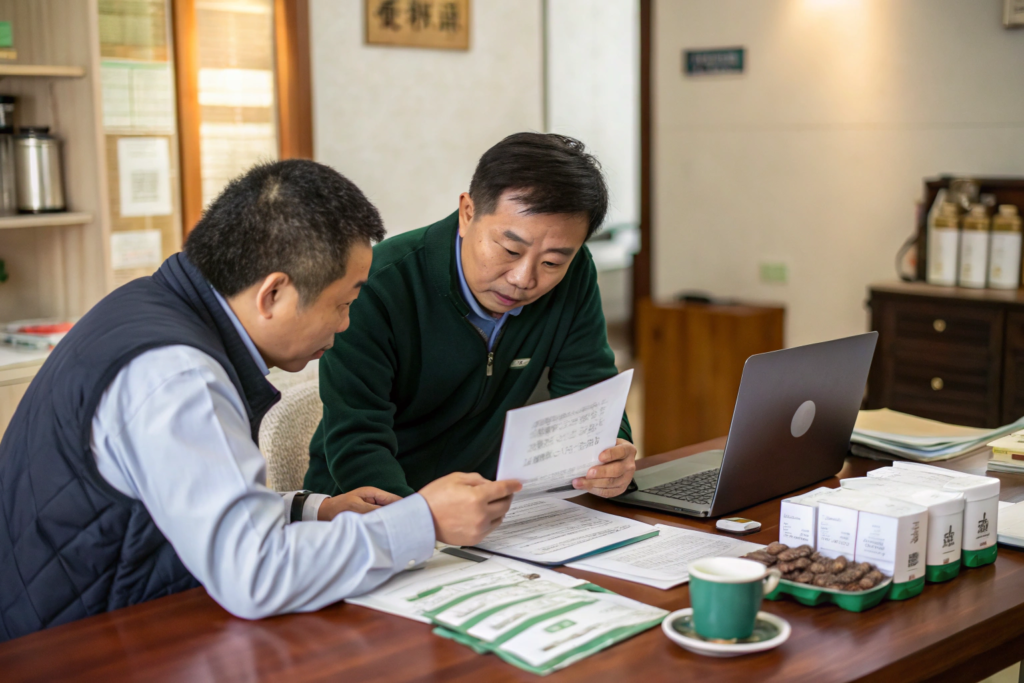
The export VAT rebate works through a claim process. You export the goods. You collect the customs declaration. You collect the supplier invoices. You file the rebate claim with the tax authority. The authority checks the documents. Then it refunds the eligible amount. The State Taxation Administration explains the tax rules. China Customs explains the export declaration process. I use both when we prepare our files. The key is to match the invoice, the customs declaration, and the bank receipt. If one number is wrong, the claim may be held. So check every number. Then file on time. A late claim is a lost claim.
I also tell exporters to keep a digital copy of every document. A folder for each shipment. A folder for each tax year. That makes the audit easy. It also makes the next claim faster. Good records save time. Time saves money. So build the habit. Then keep it.
Can Coffee Exports Qualify for Tax Refunds?
Coffee exports can qualify if the product and the paperwork meet the rules. Green coffee may be treated as an agricultural product. Roasted and packaged coffee may be treated as a processed food. Each has its own VAT rate and rebate rate. The Ministry of Commerce shares trade policy information. The Chinese Government publishes official notices and policy updates. I use these when I check our own eligibility. The answer is not the same for every exporter. It depends on your registration, your invoices, and your product code. So do not copy another exporter’s answer. Check your own case. Then claim what you are owed.
For coffee, the rebate can be meaningful. It can add a few percent to your margin. That is real money over a year. So do not skip it. Ask your tax advisor. Ask your broker. Then build the claim into your price. That is how you stay competitive.
What Credit and Insurance Support Is Available?
Cash flow is a constant problem in export. You buy green coffee. You pay for milling. You pay for trucking. You pay for the container. Then you wait for the buyer to pay. That gap can be weeks or months. If you do not have cash, you cannot grow. Export credit and insurance help close that gap. They also reduce the risk of a buyer who does not pay. For agricultural goods, these tools are especially useful. Coffee is a seasonal crop. The money goes out fast. The money comes back slow. So credit and insurance matter. They are not just for big companies. Small exporters can use them too.
Credit and insurance support for agricultural exports includes export credit insurance, preferential export loans, buyer credit, and working capital loans. Sinosure provides export credit insurance that protects against buyer default and political risk. The China Exim Bank and commercial banks provide export loans. The People’s Bank of China sets policy that supports small and micro exporters. These tools can help coffee exporters sell to new markets with less risk. They can also help fund the harvest and shipping period. The key is to apply early and keep clean records. A loan or policy takes time to approve.
So, what should you do? Talk to your bank. Talk to Sinosure. Ask what programs fit your size. Then prepare your documents. A clean file speeds approval. A messy file slows it down. So treat the application like an export shipment. Check every paper. Then submit. That is how you get support.

How Does Sinosure Help Agricultural Exports?
Sinosure helps by insuring export receivables. If a buyer does not pay, Sinosure may cover part of the loss. That reduces your risk. It also makes your bank more willing to lend. The Sinosure website explains its products and services. The China Exim Bank supports export and import with policy loans. I use these when we plan larger shipments. For coffee, this matters when you sell to a new buyer in a new country. You do not know the buyer well. You do not know the market. Insurance gives you confidence. Confidence lets you say yes. That can win a contract.
I also tell exporters to check the buyer’s country risk. Some countries have more political or currency risk. Sinosure can cover some of that. So ask. Then decide. Do not reject a good buyer just because you are afraid. Insure the risk. Then move forward.
Are Export Loans Available for Small Coffee Exporters?
Yes, export loans are available for small exporters. They may come from policy banks, commercial banks, or local programs. The People’s Bank of China shares monetary policy and small business support information. The CCPIT provides trade promotion and business services. I use these when I advise small exporters. A loan can fund the harvest. It can fund the container. It can fund the wait for payment. But a loan is not free. You must repay it. So borrow what you can repay. Then use it to grow. Do not use it to cover a loss. That is a trap. Use it for a clear opportunity. That is the safe way.
For coffee, timing matters. The harvest is seasonal. The buyer pays later. A working capital loan can bridge that gap. It can let you buy more cherries. It can let you ship earlier. Both can increase your profit. So ask your bank. Then plan. Then apply.
What Grants and Trade Promotion Programs Exist?
Grants and trade promotion programs are the third pillar. They help you reach new markets. They help you attend trade shows. They help you build a website. They help you get certifications. They help you run export marketing. Some programs are national. Some are provincial. Some are city-level. Yunnan has its own programs for coffee and agriculture. So you must check your local commerce bureau. You must check your agriculture bureau. You must check your trade promotion council. The money is there. But you must apply. No one will call you. You must find the program. Then fill the form. Then wait. Then use the support.
Grants and trade promotion programs for agricultural exports include trade fair subsidies, export base support, certification cost sharing, website and marketing support, cold chain and logistics support, and export training. Local governments in Yunnan often support coffee exports because coffee is a key agricultural product. The support may cover part of a booth fee, part of a certification cost, or part of a logistics cost. The amount varies by year and by district. So check with the Yunnan government and the Ministry of Agriculture. Then apply early. Funds are often limited.
So, what should you do? Make a list of your export costs. Then match each cost to a possible program. A trade show booth. A certification. A website translation. A cold chain upgrade. Then ask your local bureau. Then apply. That is how you turn a cost into a shared cost. That is how you grow faster.
How Do Local Governments Subsidize Coffee Exports?
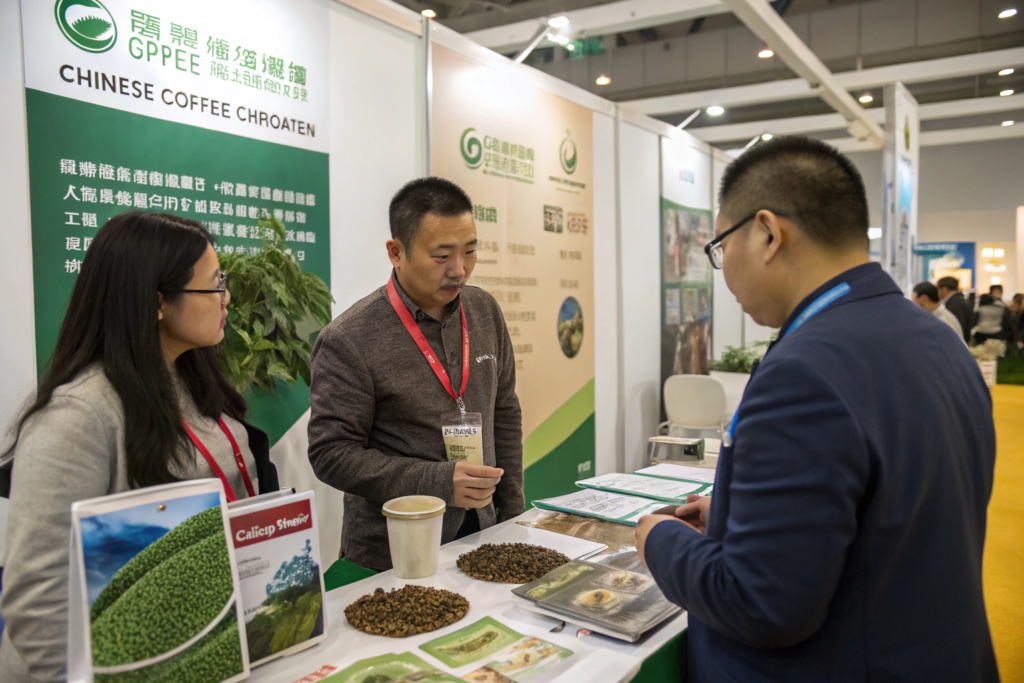
Local governments subsidize coffee exports in several ways. They may reimburse part of the trade show cost. They may support certification. They may support equipment. They may support logistics. The Yunnan Provincial Government publishes local policies and news. The Ministry of Agriculture and Rural Affairs shares agricultural policy and support programs. I use these when we plan our own applications. Yunnan is a coffee-producing province. The local government wants to grow exports. So it offers support. But the rules change. The budget changes. So check every year. Then apply when the window opens. Do not wait. The window can close fast.
I also tell exporters to work with their local coffee association. An association can share information. It can also apply for group support. A group booth at a trade show may cost less than a solo booth. A group certification may cost less than a solo certification. So work together. Then share the benefit. That is how small exporters compete.
Can Trade Fair Costs Be Reimbursed?
Trade fair costs can sometimes be reimbursed. The support may cover part of the booth fee, the travel, or the sample shipping. The Canton Fair is a major trade event with official information. The China International Import Expo also shares exhibitor and trade details. I use these when we plan our show schedule. A trade fair is expensive. A booth, a flight, a hotel, and samples add up. A subsidy can make it possible. But you must apply before the show. You must keep receipts. You must follow the rules. Then you can claim. So plan early. Then apply. Then go. That is how you use the program.
For coffee, trade shows matter. Buyers taste the coffee. They meet the team. They ask questions. A good show can win a contract. So do not skip shows. Find the subsidy. Then attend. That is how you grow.
How Do Free Trade Agreements Reduce Export Costs?
Free trade agreements are the fourth pillar. They reduce tariffs. They also reduce paperwork. They make it easier to sell to partner countries. China has many FTAs. RCEP is one of the biggest. It covers ASEAN, Japan, Korea, Australia, and New Zealand. For coffee exporters, these agreements can lower the buyer’s import duty. That makes your coffee cheaper for the buyer. It can also make your coffee more attractive than coffee from a country without an FTA. So FTAs are not just policy. They are a sales tool. Use them.
Free trade agreements reduce export costs by cutting tariffs, simplifying customs procedures, and allowing cumulative rules of origin. RCEP is especially important for Chinese coffee exporters because it covers many major markets in Asia and the Pacific. Under RCEP, tariffs may drop over time. Customs clearance may become faster. Documents may become simpler. For coffee, the benefit depends on the destination country and the product form. Green coffee, roasted coffee, and packaged coffee may have different tariff lines. So check the specific FTA and the specific tariff schedule. Then use the right certificate of origin. That certificate is the key to the lower rate.
So, what should you do? Ask your buyer for the tariff code. Ask your broker about the FTA rate. Then prepare the certificate of origin. Without the certificate, the buyer pays the higher rate. With it, the buyer saves. That saving can help you win the order. So use the FTA. Then tell the buyer. That is how you add value.
How Does RCEP Help Chinese Coffee Exporters?
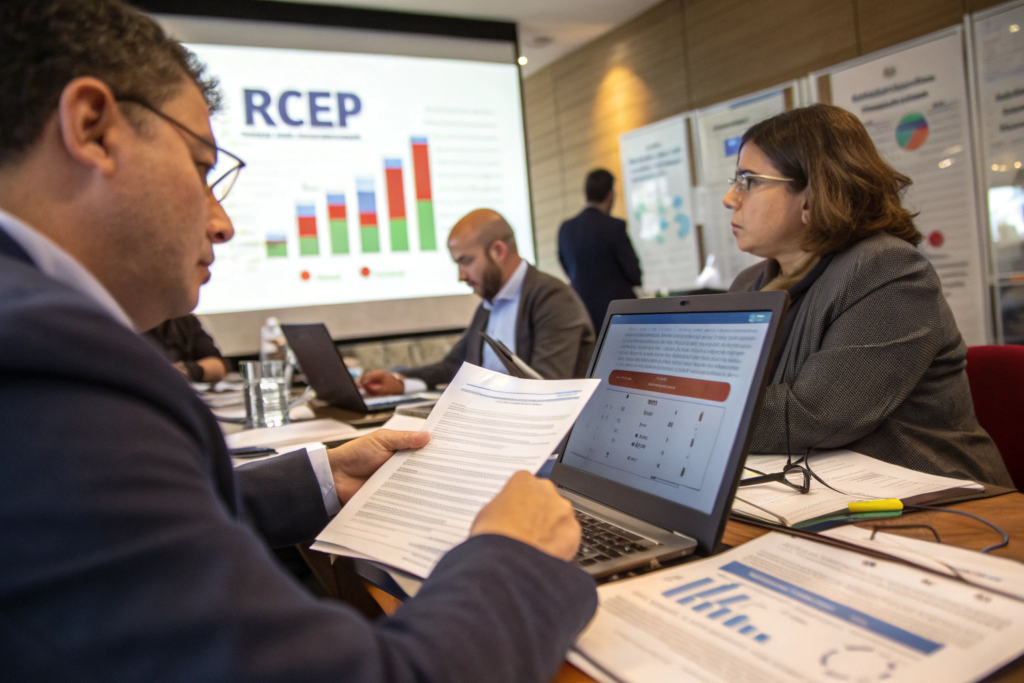
RCEP helps by cutting tariffs and improving trade rules across a large region. It also supports cumulation. That means inputs from member countries may count toward origin. The RCEP Secretariat shares official agreement information. The China FTA Network explains China’s free trade agreements and rules of origin. I use these when I check our export routes. For coffee, RCEP can help with sales to Japan, Korea, Australia, and ASEAN. Those are growing coffee markets. A lower tariff can make Yunnan coffee more competitive. So check the rate. Then check the certificate. Then ship. That is how you use RCEP.
I also tell exporters to train their team on rules of origin. A wrong certificate can lose the benefit. A right certificate can win the deal. So train. Then check. Then use it.
What About Cross-Border E-Commerce Zones?
Cross-border e-commerce zones help small exporters sell directly to overseas buyers. They offer customs facilitation, tax policies, and logistics support. The General Administration of Customs shares customs and cross-border e-commerce rules. The National Development and Reform Commission shares economic policy and development plans. I use these when we explore new sales channels. For coffee, cross-border e-commerce can work for roasted coffee, drip bags, and gift sets. It is harder for bulk green coffee. But it can help a brand build direct sales. So consider it. Then test it. Then grow it.
A small roaster can use a cross-border e-commerce zone to reach customers in other countries. The zone can handle customs and returns. That reduces the burden. It also speeds delivery. So if you sell packaged coffee, look at this option. Then talk to your local zone. Then plan. That is how you reach new buyers.
Conclusion
China offers real export incentives for agricultural goods. They include VAT rebates, export credit insurance, export loans, trade promotion grants, certification support, logistics support, free trade agreements, RCEP benefits, and cross-border e-commerce policies. Coffee can qualify for some of these. But you must check your product, your paperwork, and your local rules. You must apply. You must keep clean records. You must follow up. The money is not automatic. But it is there. If you treat incentives as part of your margin, you can lower your cost, reduce your risk, and reach more buyers. That is how you compete in a tough market. So check the programs. Then claim what you are owed. Then grow.
At BeanofCoffee, we check export incentives every season. We own more than 10,000 acres in Baoshan City, Yunnan. We export Catimor, Arabica, and Robusta. We work with large buyers, brand owners, distributors, and trading companies. We can share export documents, tax information, and shipping plans. If you want to understand how these incentives affect your coffee order, please contact Cathy Cai at cathy@beanofcoffee.com. She will help you with samples, pricing, specifications, and export paperwork. You can also visit BeanofCoffee to learn more. Let us build a smarter export plan together.