You've found them. A new supplier from China. Their offer is compelling. The price is significantly lower than your current source. The photos of the farm look beautiful. The samples they sent were... surprisingly good. You're tempted. The potential margin improvement is significant. But a voice in the back of your head—the voice of experience—is whispering: "It feels too easy. What am I missing?" You're asking the right question: What are the real, specific risks of taking a chance on an unproven Chinese coffee supplier? And how do I separate the legitimate new opportunity from the costly mistake?
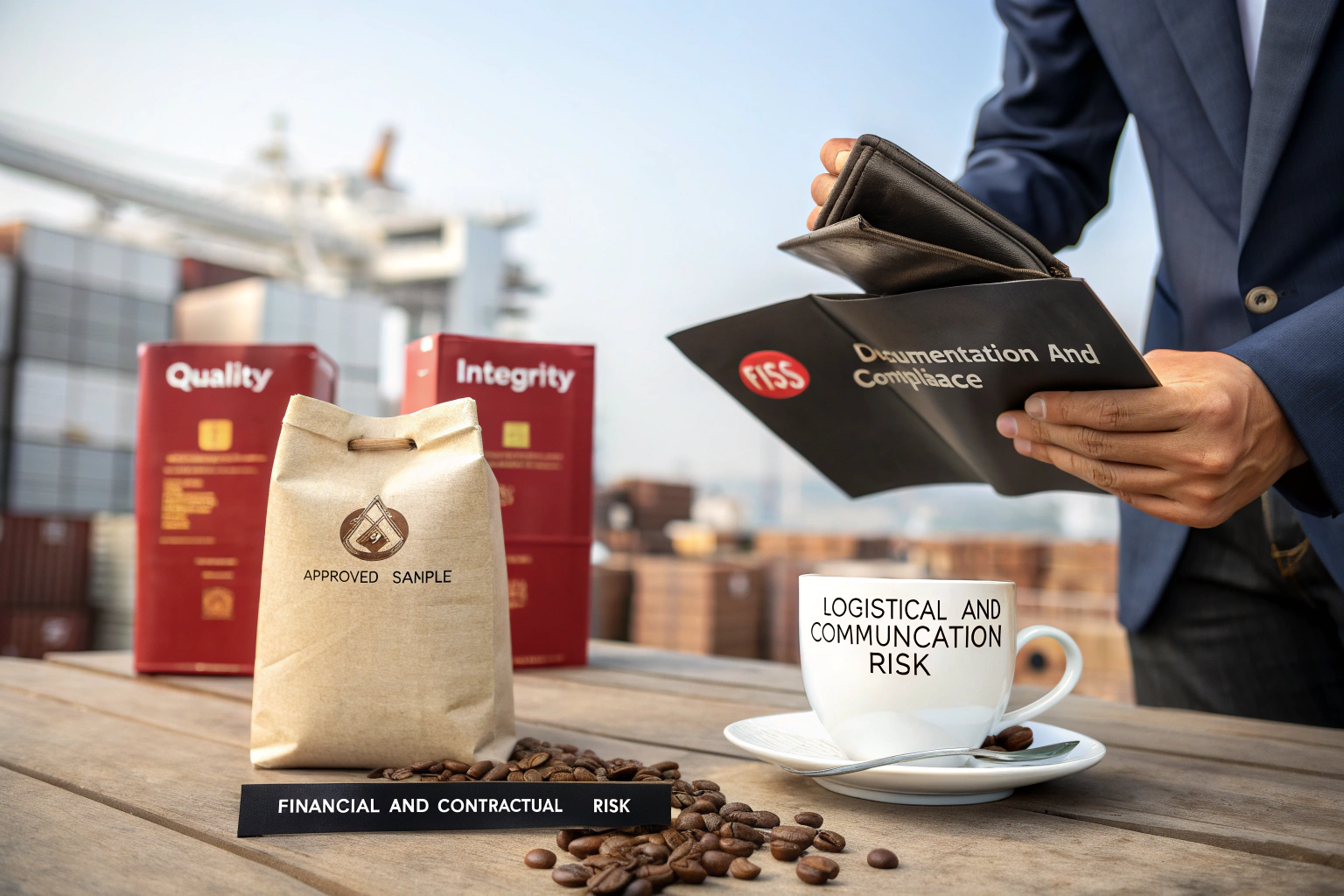
The risks of buying from a new, unvetted Chinese coffee supplier fall into four primary categories: (1) Quality Integrity Risk: The classic bait-and-switch, where the arrival coffee fails to match the approved sample. (2) Documentation and Compliance Risk: Receiving fraudulent, expired, or missing certifications (Organic, EUDR), leading to customs holds, fines, and legal liability. (3) Financial and Contractual Risk: Loss of deposit or full payment with little recourse if the supplier defaults, delays shipment, or disappears. (4) Logistical and Communication Risk: Unclear responsibilities, poor communication, and a lack of export experience leading to costly shipping delays and demurrage charges.
I've built my business at Shanghai Fumao on being the alternative to these risks—the transparent, reliable, vertically integrated partner. I know the landscape. Let me give you an unflinching look at the specific pitfalls and, more importantly, the concrete steps you can take to protect your business.
What Is the "Bait and Switch" Risk with Unknown Chinese Suppliers?
This is the nightmare scenario that haunts every coffee buyer. You approve a stunning sample. You wire the deposit. Six weeks later, a container lands. You pull a trier sample, roast it, and cup it. It's flat. It's woody. It's nothing like the coffee you approved. You've been "baited and switched."
The bait-and-switch occurs when a supplier provides a high-quality, carefully curated sample for approval, but ships a lower-grade, less expensive coffee in the container. This can happen through simple commingling of lots, or through outright fraud. The risk is highest with suppliers who do not control their own production and sourcing—traders and middlemen who buy coffee from anonymous sources. They have less control over the integrity of the lot and a greater incentive to maximize profit on a one-time transaction.
How Can I Prove the Container Coffee Matches the Approved Sample?
You need a system of verification that creates an unbroken chain of evidence from the approved sample to the container.
The Two-Sample Defense:
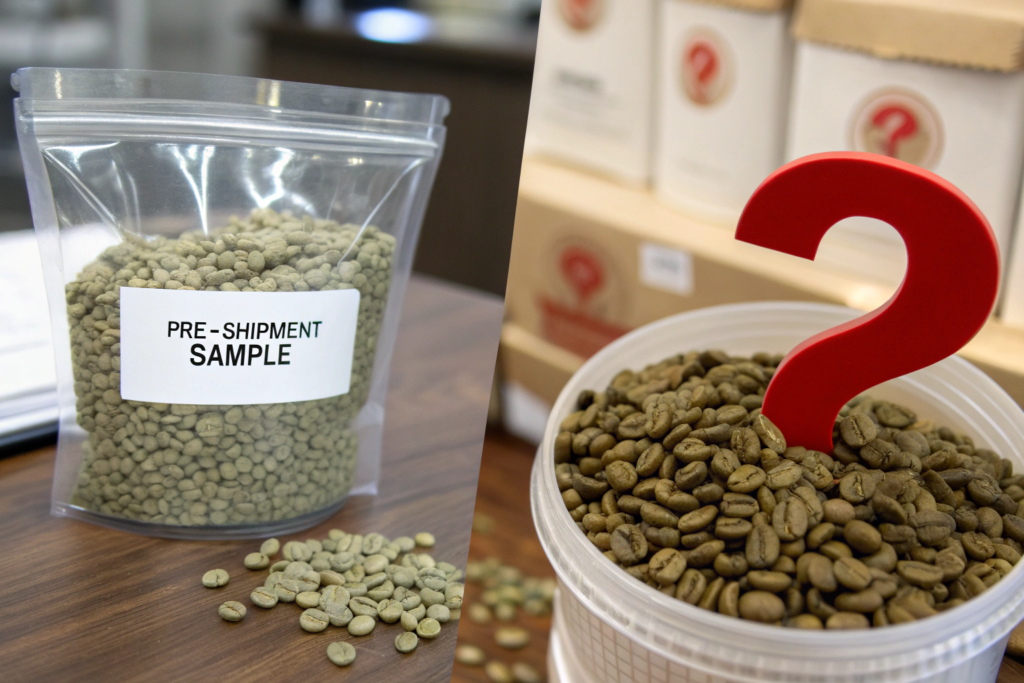
- The Approved Sample: When you approve the pre-shipment sample, demand that it is a signed and sealed sample. The supplier should vacuum-seal a 500g portion of the exact homogenized lot that will fill your container. Both you and the supplier should sign across the seal or the bag should have a unique, tamper-evident holographic seal. Retain this sample in your possession.
- The Arrival Sample: When the container arrives, personally supervise or hire a third-party surveyor (like SGS) to draw a composite trier sample from multiple bags in the stack before the container is unloaded from the chassis.
You then send both the sealed Approved Sample and the newly drawn Arrival Sample to an independent, third-party lab for a blind comparison. This is the gold standard for contractual enforcement. At Shanghai Fumao, we welcome and encourage this level of scrutiny. We have nothing to hide.
Why Is a Third-Party "Stuffing Survey" Worth the Investment?
For a first-time transaction with a new supplier, a relatively small investment can provide immense peace of mind and legal protection.
A stuffing survey is performed by an independent inspection company (like SGS, Bureau Veritas, or Control Union). For a fee (typically $500-$1,000), a surveyor will go to the supplier's warehouse in China at the time the container is being loaded. They will:
- Verify the lot number against the contract.
- Draw their own representative sample and seal it.
- Witness the container being loaded and sealed with a unique, tamper-evident bolt seal.
- Provide a detailed report with photos.
This independent third-party witness is your strongest defense against bait-and-switch. It proves that the coffee loaded into the container is the coffee you contracted for. If a supplier resists or refuses a stuffing survey, that is a major red flag.
How Can I Verify the Authenticity of Certifications from a New Supplier?
In the global coffee trade, certifications like Organic and Rainforest Alliance are valuable currency. They command premium prices. And unfortunately, they are frequently faked. A fraudulent certificate is not just a financial loss; it's a legal and reputational landmine.
The risk of fraudulent certifications from a new Chinese supplier is significant. Common scams include presenting a certificate that has expired, altering a legitimate certificate (Photoshopping the company name), or using a certificate from a non-accredited or entirely fictitious "certification body." The only reliable defense is to never trust the PDF. You must independently verify the certification status through the official, public-facing database of the certification scheme.
How Do I Use the Public Databases to Verify USDA Organic or Rainforest Alliance Claims?
This is a non-negotiable, 5-minute check that can save you from a costly mistake.
-
For USDA Organic Claims:
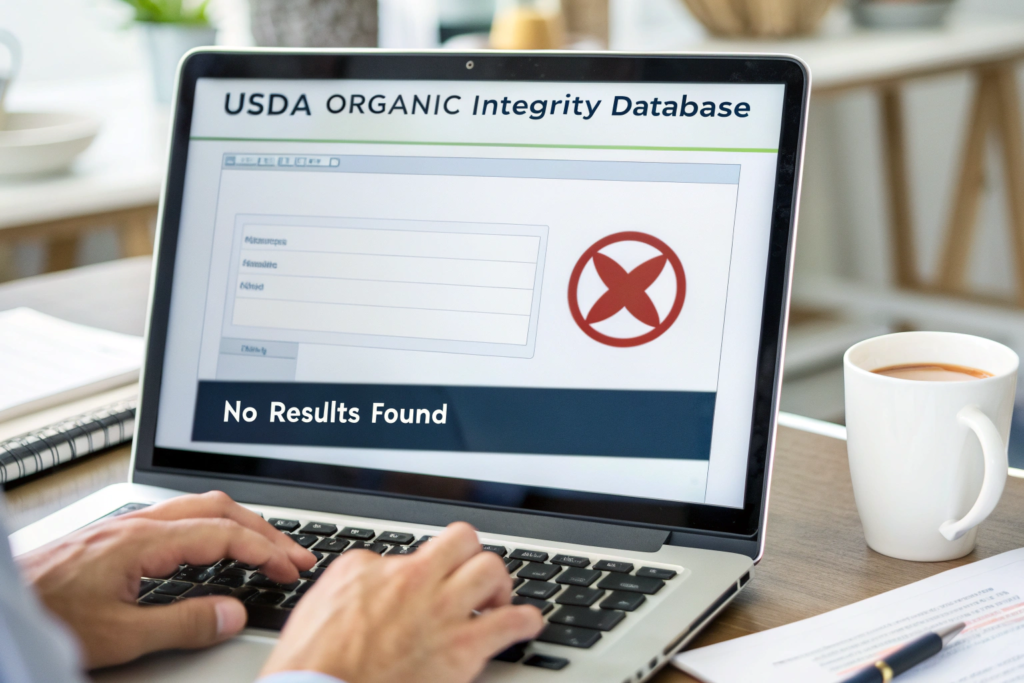
- Go to the official USDA Organic Integrity Database .
- Click "Search for a Certified Operation."
- Enter the exact company name from the certificate.
- Select "China" from the Country dropdown.
- Click Search.
If the supplier is certified, their listing will appear with a "Certified" status and the scope will include "Coffee." If they do not appear, they are not certified, regardless of what the PDF says.
-
For Rainforest Alliance Claims:
- Go to the Rainforest Alliance "Check a Certified Product" page.
- Enter the License ID or Certificate Code from the supplier's document.
- The result will show the company's current certification status.
This verification is your absolute right as a buyer. A legitimate supplier will provide the necessary information and encourage you to verify. At Shanghai Fumao, we provide our certificate numbers and direct links to our public listings. We want to be verified.
What Are the Red Flags of a Fake or Expired Certificate?
Fraudsters rely on buyers not checking the details. Here are the tell-tale signs to look for on the document itself:
- Expired Dates: The "Valid To" date is in the past. Certifications require annual renewal.
- Vague Scope: The "Scope" or "Certified Products" section does not specifically list "Green Coffee" or "Coffee."
- Unknown or Unaccredited Certifier: The "Certification Body" is a generic-sounding name you've never heard of, and a quick Google search reveals they are not accredited by the USDA or Rainforest Alliance.
- Mismatched Company Names: The legal company name on the certificate doesn't exactly match the name on the invoice or contract.
- Spelling and Formatting Errors: Legitimate certificates are professionally produced documents.
If you see any of these red flags, or if the supplier is evasive when you ask for the certificate number for verification, walk away.
What Are the Financial and Contractual Risks with a New Supplier?
You're wiring a significant sum of money to a company in a foreign country with a different legal system. The financial and contractual risks are real and must be addressed proactively.
The primary financial risks are: (1) Loss of Deposit: The supplier takes your 30% deposit and ceases communication. (2) Non-Performance: The supplier fails to ship the coffee on time (or at all), disrupting your production and cash flow. (3) Contract Disputes: A disagreement over quality or terms arises, and you have limited practical recourse in a foreign legal jurisdiction. (4) Currency Fluctuation Risk: If not specified, the exchange rate between USD and RMB can move against you.

How Can I Structure Payment Terms to Minimize My Risk?
Never pay 100% upfront. The standard 30/70 T/T structure exists for a reason, but for a new supplier, you should push for even more buyer protection.
Risk-Mitigating Payment Strategies for a First Order:
- Use Alibaba Trade Assurance (for smaller trial orders): This provides escrow protection. Alibaba holds your funds until you confirm receipt of the goods. This is the safest option for a first transaction.
- Use a Letter of Credit (L/C) (for larger orders): An irrevocable L/C from your bank guarantees payment only upon presentation of compliant shipping documents. This protects you from non-shipment and gives you leverage if the documents are incorrect.
- Negotiate a Lower Deposit: Instead of 30%, propose a 10-20% deposit, with the balance against a scanned Bill of Lading. This reduces your upfront cash exposure.
If a new supplier demands 100% upfront T/T and refuses any form of secure payment, consider it a deal-breaker. At Shanghai Fumao, we are flexible and work with new clients to establish secure payment terms that build trust on both sides.
What Should a Solid International Coffee Contract Include?
A simple email exchange is not a contract. A proforma invoice is not a contract. You need a formal, written agreement that clearly defines the terms of the deal.
Essential Clauses for a Coffee Contract with a New Supplier:
- Product Specification: Detailed description of the coffee (origin, grade, screen size, crop year, maximum defect count).
- Quantity and Price: Clearly stated FOB or CIF price per unit, total quantity, and total contract value.
- Quality Benchmark: Reference to the jointly approved, signed, and sealed Pre-Shipment Sample as the final arbiter of quality.
- Shipment and Delivery: Specified shipment window, port of loading, and port of discharge.
- Payment Terms: Detailed breakdown of deposit, balance, and the specific documents required for payment.
- Force Majeure: A clause outlining the responsibilities of both parties in the event of unforeseen, uncontrollable events (e.g., natural disasters, port closures).
- Dispute Resolution: Specifies the process for handling disagreements. Arbitration in a neutral location (e.g., Singapore, London) under a recognized body (e.g., International Chamber of Commerce) is the industry standard. This is far more practical than litigating in a foreign court.
Having a lawyer review your standard coffee contract is a wise investment. It provides a clear framework and protects your interests.
What Are the Common Logistical Pitfalls with Inexperienced Chinese Exporters?
You can have a great contract and a verified certification, but if the supplier doesn't know how to actually export coffee efficiently, your shipment can get stuck in a costly limbo.
Inexperienced exporters often stumble on the practical logistics of international coffee shipping. Common pitfalls include: (1) Incorrect Documentation: Errors in the Bill of Lading, commercial invoice, or packing list that cause customs holds at origin or destination. (2) Poor Container Loading: Improper stuffing and fumigation leading to moisture damage or pest issues during transit. (3) Unfamiliarity with Destination Requirements: Failing to provide the specific data needed for U.S. Customs (ISF filing) or EU import (EUDR statement). (4) Inefficient Port Logistics: Inability to secure timely trucking and vessel space, leading to rolled bookings and delays.
How Do Documentation Errors Cause Customs Holds and Demurrage?
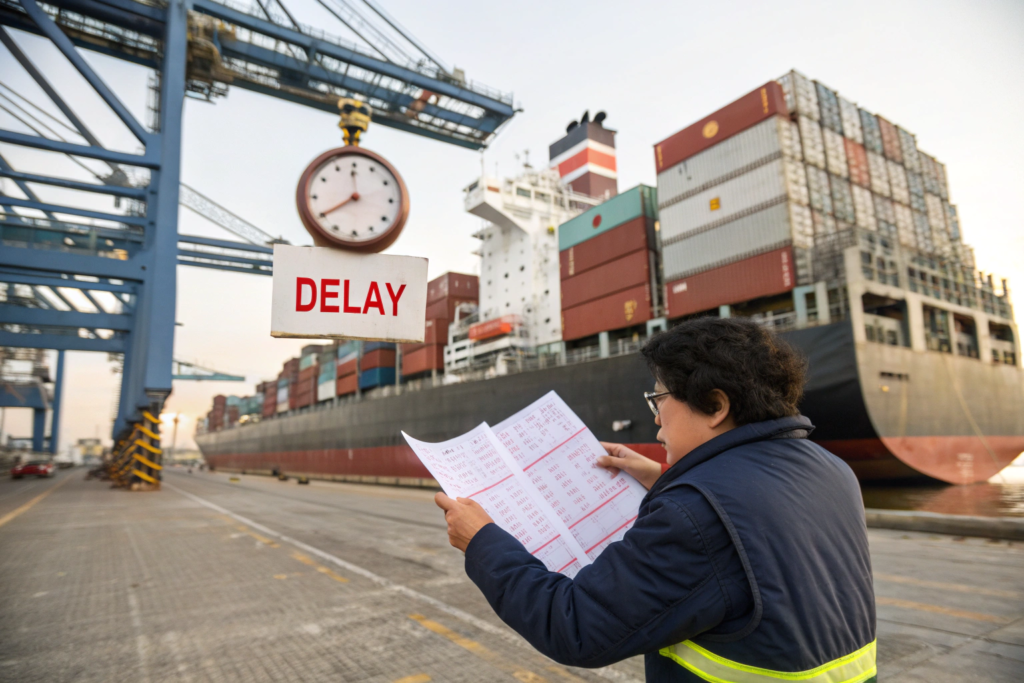
A single typo on a Bill of Lading—a misspelled consignee name, an incorrect container number, a wrong weight—can stop your container dead in its tracks.
When the vessel arrives at the destination port, U.S. Customs and Border Protection (CBP) or the EU customs authority reviews the electronic manifest. If the information doesn't perfectly match the Importer Security Filing (ISF) or the Customs Entry, the container is placed on "HOLD." It cannot be picked up. While it sits on the terminal waiting for the documentation error to be resolved, you are accruing demurrage and detention charges (storage fees) that can quickly add up to thousands of dollars. An experienced exporter has meticulous documentation control. They double and triple-check every detail. They know what customs officials look for. At Shanghai Fumao, our documentation team is a core part of our value proposition.
What Is the "ISF Filing" and Why Must My Supplier Provide Accurate Data for It?
The Importer Security Filing (ISF) , also known as "10+2," is a U.S. Customs and Border Protection regulation. It requires the importer (that's you, or your customs broker) to electronically submit specific data about the shipment at least 24 hours before the vessel departs from the foreign port.
This data includes:
- Seller name and address (the supplier).
- Buyer name and address (you).
- Manufacturer (or supplier) name and address.
- Ship-to party.
- Country of origin.
- Harmonized Tariff Schedule (HTS) code.
- Container stuffing location.
Your supplier must provide you with this information accurately and on time. If the ISF is not filed, or is filed with incorrect data, CBP issues significant penalties and can prevent the container from being loaded on the vessel at origin or unloaded at destination. An inexperienced supplier may not even be aware of this requirement. A professional exporter will provide a complete "ISF Data Sheet" well in advance of the sailing date. It's a sign of a competent, reliable partner.
Conclusion
Buying from a new Chinese coffee supplier is not inherently more risky than buying from a new supplier anywhere in the world. The risks are universal: quality integrity, documentation fraud, financial security, and logistical competence. The key is to approach the new relationship with a structured, verification-based process, not with blind trust.
You must be a skeptical investigator. Verify certifications through public databases. Protect yourself with secure payment terms and a solid contract. Demand proof of export experience and logistical competence. And always, always use a third-party survey or a signed and sealed sample to lock in the quality benchmark.
A supplier who welcomes this scrutiny, who is transparent about their operations, and who can provide verifiable proof of their claims is a supplier worth building a relationship with. At Shanghai Fumao, we've built our reputation on being that kind of partner.
If you're considering a new sourcing relationship and want to experience a transparent, professional, and risk-mitigated process, I invite you to put us to the test. My email is cathy@beanofcoffee.com.