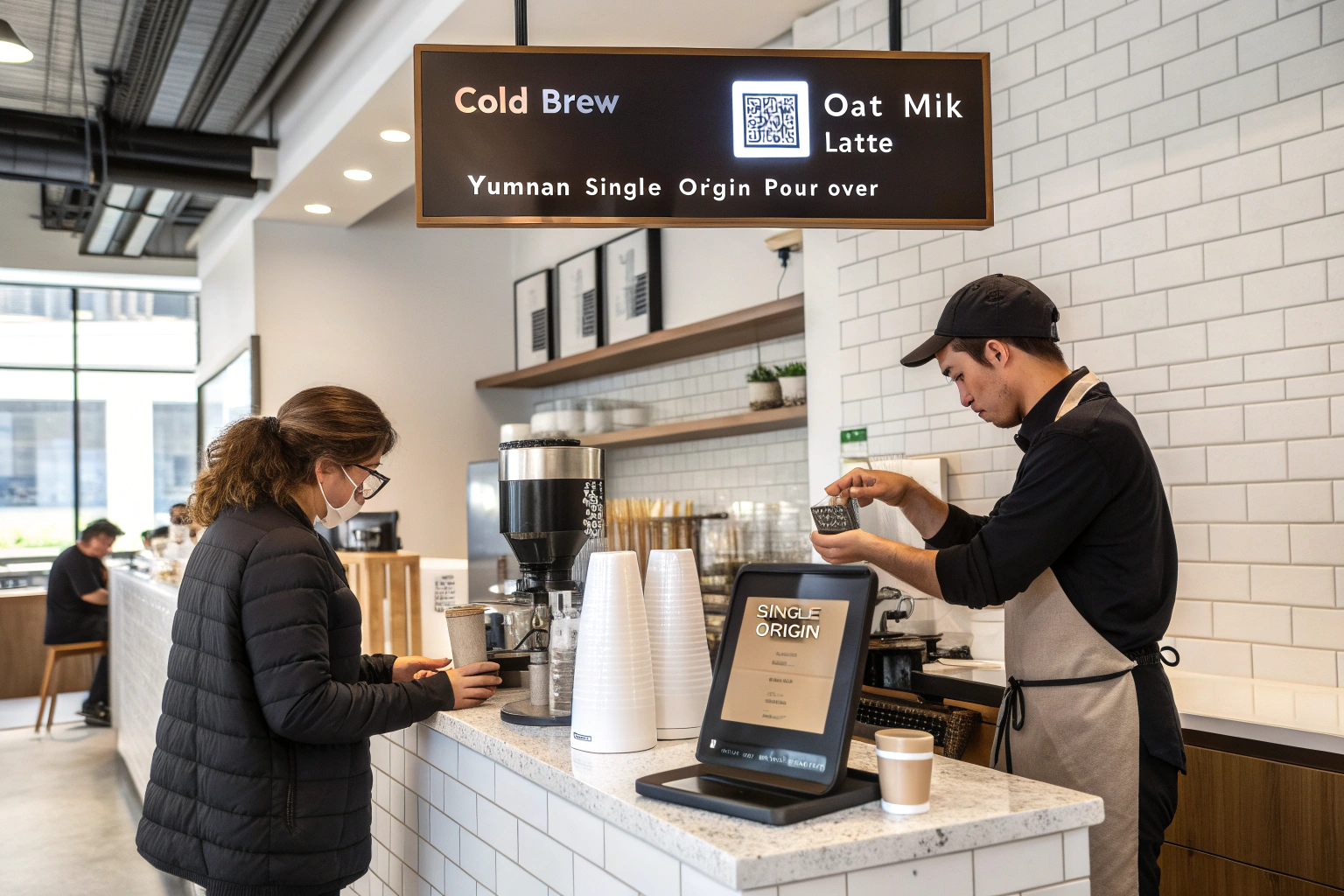
I walked the floor at a specialty coffee expo in Chicago earlier this year. Three things caught my attention immediately. Every other booth was pouring cold brew samples. The words "single origin" appeared on almost every bag on display. And the number of roasters asking me about our farm's carbon footprint and labor practices surprised even me. Five years ago, those conversations were niche. Now they are the mainstream. The North American coffee drinker has changed. The roaster who does not see the change is already behind.
The top coffee trends in North America right now are the dominance of cold brew and ready-to-drink formats driving year-round demand, a shift toward premium single-origin offerings as consumers seek traceable and authentic experiences, the integration of health and wellness into coffee choices through functional ingredients, a deepening commitment to sustainability and ethical sourcing as a purchasing criterion, and the accelerated adoption of digital tools for both e-commerce sales and supply chain transparency.
These trends are not passing fads. They represent a structural shift in what North American consumers expect from their coffee. The roaster who understands these currents can position their product lineup, marketing, and sourcing strategy to ride them. The roaster who ignores them will find their shelf space shrinking.
Why Is Cold Brew Dominating the North American Coffee Market?
Cold brew stopped being a seasonal summer treat several years ago. It is now a year-round staple. The ready-to-drink cold brew segment, canned and bottled coffee sold in supermarkets and convenience stores, has exploded. The numbers tell the story. The North American RTD coffee market has been growing at double-digit rates annually.
Cold brew dominates the North American market because it delivers a smooth, low-acid coffee experience that appeals to younger consumers who may not like traditional hot coffee, it fits the grab-and-go convenience lifestyle, and the RTD format has expanded coffee consumption occasions beyond the morning routine into the afternoon and evening.
The consumer profile has shifted. Cold brew drinkers are younger, more diverse, and less attached to traditional coffee rituals. They grew up with energy drinks and flavored beverages. Cold brew is their entry point into coffee. The low acidity is gentler on the stomach. The smooth, chocolatey flavor profile needs less sugar and cream to be palatable. The convenience of grabbing a can from the fridge fits a busy, mobile lifestyle.
How Is the RTD Cold Brew Segment Changing Coffee Retail?
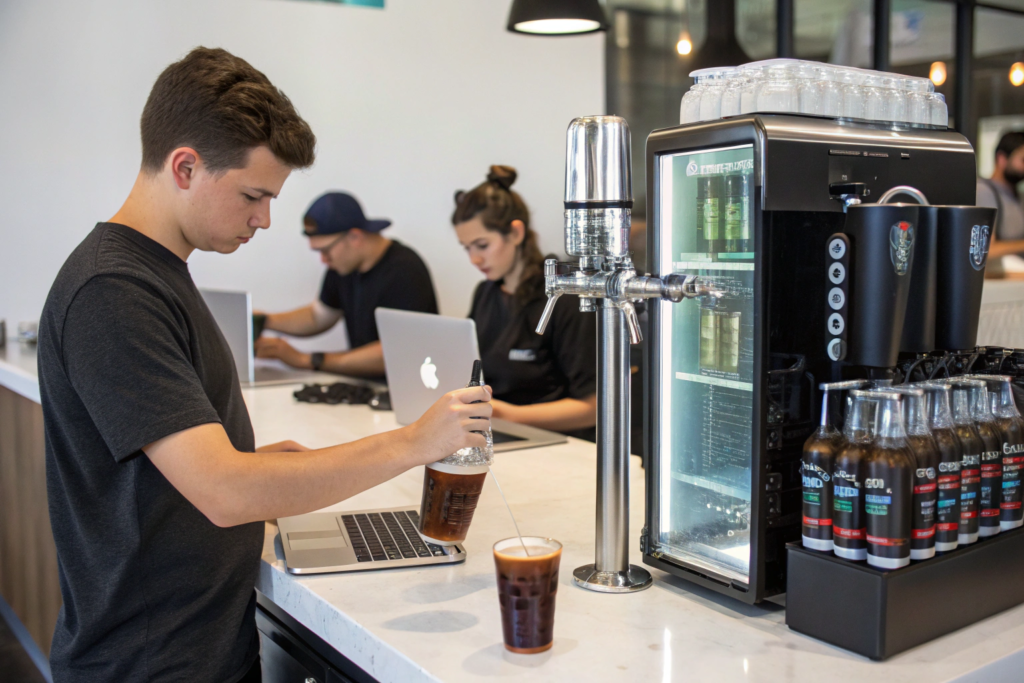
Retail is where the RTD cold brew revolution is most visible. Walk into any North American supermarket or convenience store. The coffee aisle used to be ground coffee and whole beans. Now there is a refrigerated section with rows of canned lattes, nitro cold brews, and plant-based coffee drinks.
This is not just a new product category. It is new distribution and new competition. RTD cold brew competes with soda, energy drinks, and bottled water, not just with other coffee. The brands winning in this space are not always traditional coffee roasters. They are beverage startups and major soft drink companies who understand the logistics of cold chain distribution and the marketing of lifestyle beverages. For a small roaster, entering the RTD market is capital-intensive. But offering cold brew concentrate in kegs to local offices and cafes, or bottling small batches for the local farmer's market, can capture some of the same demand.
What Does the Cold Brew Trend Mean for Green Coffee Sourcing?
Cold brew has implications for the beans. The cold brewing process extracts flavor differently than hot brewing. It is more forgiving of certain defects but also more demanding of body and sweetness. A coffee that tastes bright and acidic as a hot pour-over may taste thin and sour as a cold brew.
Roasters developing cold brew products are often looking for coffees with heavy body, low acidity, and strong chocolate and nut notes. Natural processed Arabica fits this profile well. A natural Yunnan Catimor, with its syrupy body and dark fruit sweetness, can be an excellent cold brew base. The cold brew trend is expanding demand for coffee profiles that were traditionally considered less desirable for the specialty hot coffee market. This creates an opportunity for origins and processing methods that deliver the heavy, sweet, clean cups that cold brew highlights.
How Is the Single-Origin Movement Reshaping Consumer Preferences?
The coffee consumer has become a coffee explorer. They do not just want "good coffee." They want coffee from a specific place, with a specific story. The single-origin movement has moved from the fringe to the center of specialty coffee culture.
The single-origin movement is reshaping consumer preferences by educating drinkers about terroir, varietal, and processing method as flavor differentiators. Consumers increasingly expect their coffee to have a traceable origin story, and they are willing to pay a premium for a cup or a bag that tells them exactly where the coffee came from and who grew it.
This is a fundamental shift from the blend-dominated era. A generation ago, the roaster's skill was expressed in the blend. The blend was the signature. Today, the roaster's skill is expressed in sourcing and presenting exceptional single lots. The blend is still important for espresso and consistency. But the single-origin offering is what builds brand excitement and justifies premium pricing.
Are Consumers Willing to Pay More for Traceable Single-Origin Coffee?
Yes, and the data supports it. Multiple consumer surveys in North America show a significant percentage of specialty coffee drinkers willing to pay a higher price for coffee with verified origin and ethical sourcing claims. The premium is not hypothetical. It shows up in retail pricing.
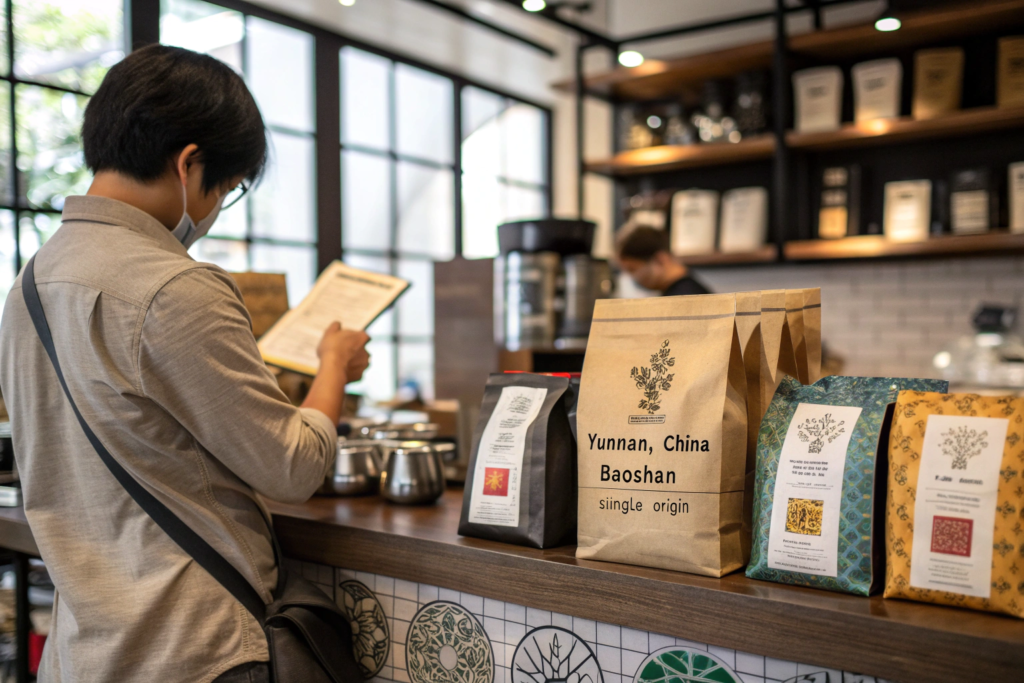
A bag of single-origin specialty coffee from a named farm retails for $16 to $22 in most North American markets. A generic blend from a large commercial roaster retails for $8 to $12. The single-origin bag is not twice as good in the cup. It is twice as good in the story. The consumer is paying for the experience of connection, the sense of discovery, the alignment with their values. For the roaster, the margin on the $18 single-origin bag is often healthier than the margin on the $10 blend.
How Should Roasters Position Single-Origin Offerings on a Menu?
The menu is a communication tool. A single-origin coffee should not be listed simply as "Single Origin - $5." That tells the customer nothing and does not justify the premium.
The menu should name the origin with specificity. Not "Colombia," but "Huila, Colombia - Finca El Progreso." It should include one or two flavor descriptors that are accurate and evocative. It should, if possible, include a small detail about the farm or the farmer that humanizes the coffee. A Yunnan single origin could be listed as "Baoshan, Yunnan, China - Yang Family Farm - Dark Chocolate and Dried Cherry." The specificity builds trust. The story builds desire.
What Role Do Health and Wellness Play in Coffee Choices Now?
Coffee and health were once seen as opposites. Coffee was the vice. Health was the virtue. That has flipped. Coffee is increasingly positioned as part of a healthy lifestyle, and new products are blurring the line between coffee and wellness supplement.
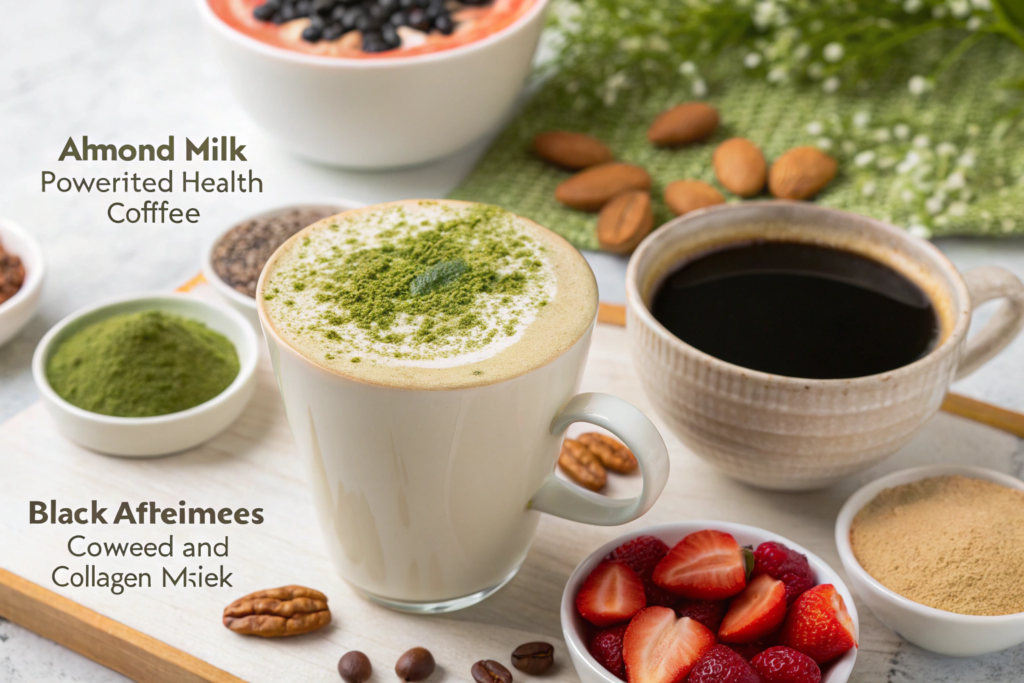
Health and wellness trends are influencing coffee choices through the growth of plant-based milk alternatives, the addition of functional ingredients like collagen and adaptogens to coffee beverages, and a consumer focus on the natural health benefits of black coffee, including its antioxidant content and metabolic effects.
The oat milk latte is the symbol of this shift. Oat milk has overtaken soy and almond as the default plant-based milk in specialty cafes. Its creamy texture and neutral flavor complement coffee without dominating it. The consumer choosing oat milk is often making a health, environmental, or dietary choice. The cafe that does not offer a plant-based milk option is excluding a large and growing segment.
Are Functional Coffees a Passing Fad or a Lasting Category?
Functional coffee, coffee infused with additional ingredients like mushroom extracts, collagen peptides, or MCT oil, sounds like a gimmick. But the sales numbers suggest staying power. The functional beverage market is growing rapidly, and coffee is a natural delivery vehicle.
The consumer who adds collagen to their morning coffee is not necessarily a specialty coffee purist. They may be a wellness-focused consumer who happens to drink coffee. This is a new audience that traditional coffee marketing never reached. For a roaster, creating a functional coffee line is a product development challenge. The flavors must work together. The health claims must be legal and substantiated. But the opportunity to reach a new customer segment is real.
How Does the "Clean Label" Trend Apply to Coffee?
Clean label is the consumer demand for products with recognizable, natural ingredients and minimal processing. In coffee, clean label means no artificial flavors, no preservatives, no mystery additives. The ingredient list on a bag of specialty coffee is one word: coffee.
This trend benefits specialty coffee directly. A bag of single-origin, washed Arabica is about as clean label as a product can be. The consumer who reads ingredient lists and avoids anything chemical-sounding is a natural specialty coffee customer. Roasters should lean into this. The back of the bag should tell the processing story. "Washed and sun-dried on raised beds." That sentence is a clean label claim. It communicates natural, traditional, and pure.
Why Is Sustainability Moving from Niche to Mainstream in Coffee?
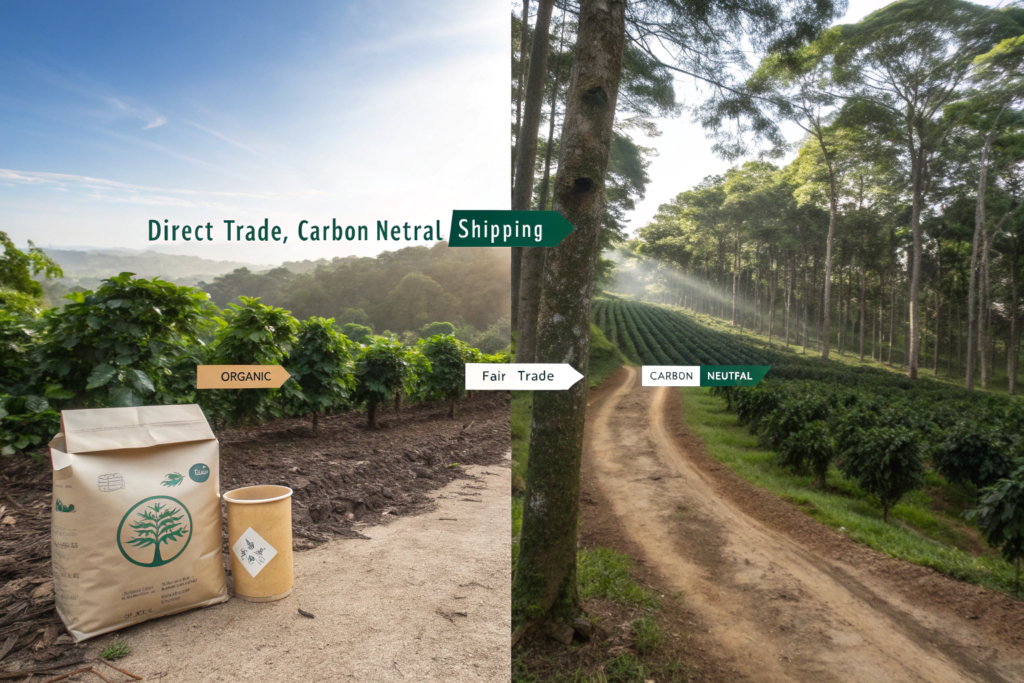
Sustainability in coffee used to mean a Fair Trade logo on the bag. That was the beginning and end of the conversation for many consumers. That is no longer enough. The sustainability conversation has deepened and broadened. It now encompasses carbon footprint, packaging waste, water usage, farmer livelihoods, and deforestation.
Sustainability is moving from niche to mainstream in North American coffee because consumers increasingly make purchasing decisions based on a company's environmental and social impact. Roasters are responding with carbon-neutral pledges, compostable or recyclable packaging, direct trade sourcing models that ensure higher farmer incomes, and transparent reporting on their supply chain sustainability metrics.
The consumer driver is real. Younger consumers, in particular, report that a brand's sustainability practices influence their purchase decisions. But the business driver is also real. Regulations like the EU Deforestation Regulation are forcing transparency. Investors and retail partners are demanding sustainability data. The roaster who treats sustainability as a marketing add-on is being left behind. The roaster who integrates sustainability into their sourcing and operations is building a durable competitive advantage.
What Sustainable Packaging Options Are Available to Roasters?
Coffee bag packaging has long been a sustainability challenge. Traditional foil-lined bags are not recyclable in most municipal systems. The material layers are fused together and cannot be separated.
New options are emerging. Compostable bags made from plant-based materials that break down in industrial composting facilities. Recyclable bags made from single-material polyethylene that can be processed in the plastic recycling stream. Reusable container programs where customers return empty tins for refill. Each option has trade-offs in cost, shelf life protection, and end-of-life processing infrastructure. The roaster should choose the option that aligns with their local waste management reality and communicate clearly to consumers about how to properly dispose of the package.
How Should Roasters Communicate Their Sourcing Ethics to Consumers?
Consumers are skeptical of vague claims. "Ethically sourced" on a bag without specifics is almost meaningless. It is a signal that the roaster wants credit for ethics without providing evidence.
The effective approach is specificity. Name the farm. Name the farmer. State the price paid relative to the commodity market price. Show a photo of the farm. Provide a QR code that links to a video of the harvest. Transparency is the new marketing. A roaster who shows their work earns trust. A roaster who hides behind slogans invites cynicism.
Conclusion
The North American coffee market is in a period of rapid evolution. Cold brew and RTD formats are expanding the definition of coffee and the occasions when it is consumed. The single-origin movement is educating consumers and raising expectations for traceability and story. Health and wellness are driving new product innovation and ingredient choices. Sustainability is becoming a baseline expectation, not a differentiator.
For a roaster, these trends point in a clear direction. Source distinctive, traceable coffees. Offer them both as hot single-origin brews and as cold brew options. Tell the story of where the coffee came from and who grew it. Consider functional and plant-based offerings. Invest in sustainable packaging and transparent sourcing communication. The roaster who executes on these trends is not chasing fads. They are meeting the consumer where the consumer is already going.
If you are a roaster building a single-origin program or developing a cold brew line, our Yunnan Arabica may be a strong fit. The heavy body, low acidity, and dark chocolate notes of our Baoshan high-altitude Catimor perform exceptionally well in cold brew applications. The full traceability, GPS coordinates, and farmer story support a compelling single-origin retail bag. Contact Cathy Cai at cathy@beanofcoffee.com to request samples and discuss how our coffee can support your product lineup in this evolving market.