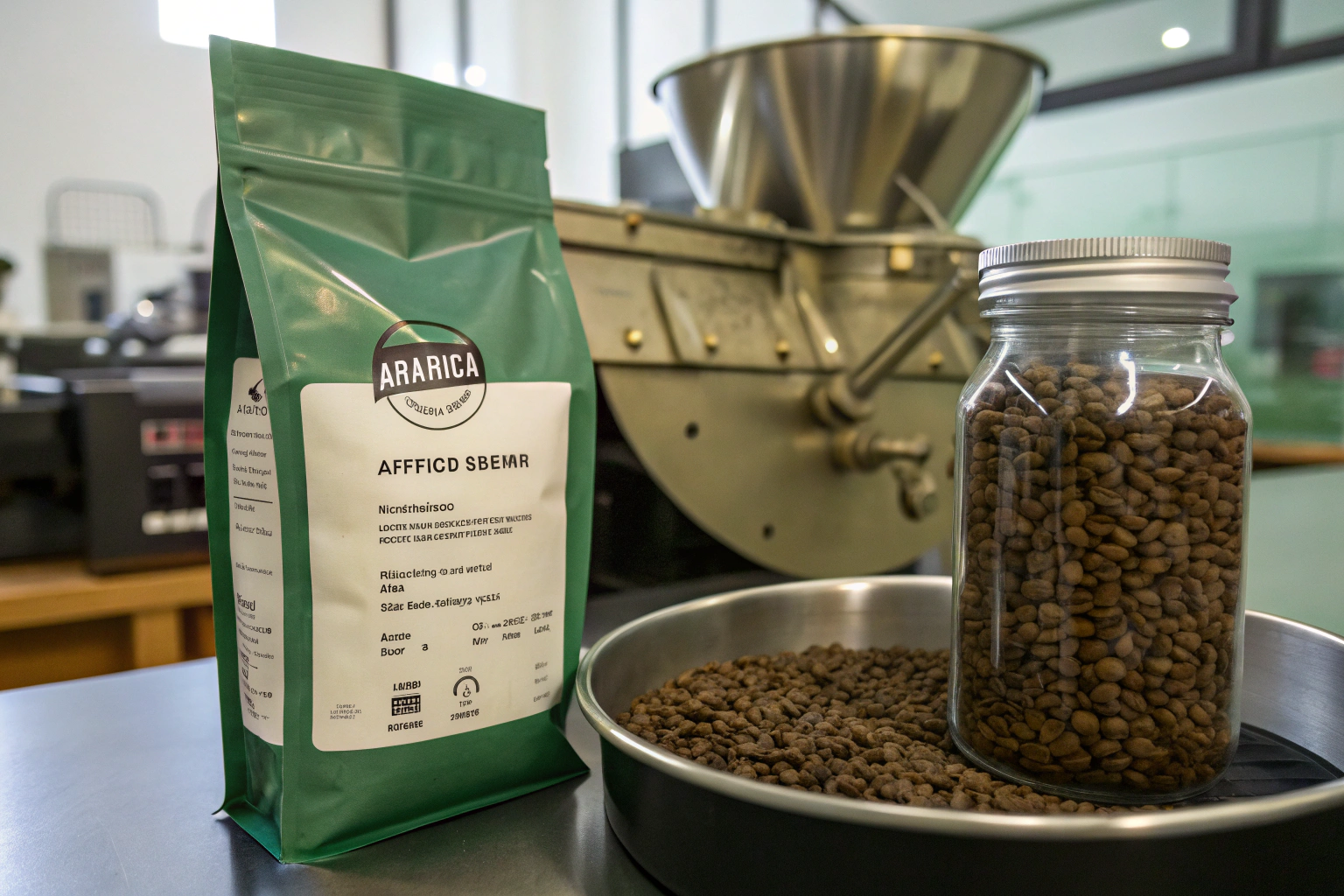
Honestly, I still remember walking through one of our washing stations in Baoshan a few years back. A buyer from Europe stopped, cupped a fresh Catimor lot, and looked confused. He said, “This tastes like a high-end Arabica, but the price tag feels wrong.” That confusion? It’s the same thing I hear from Ron, a confident business owner I talked to last month. He was sick of inefficient pricing and slow sailing schedules from other suppliers. He needed good coffee, fast, and at a price that wouldn't kill his margins with the new tariff costs. The pain is real—you find a supplier, the sample is great, but then the container is late, or the quality drops in the second shipment. That inconsistency makes you look bad to your own customers.
Arabica coffee is popular because it offers a smooth, sweet flavor with complex acidity, making it the global standard for specialty and premium commercial coffee. As a roaster or distributor, you need it not just for the taste, but because your customers demand that name on the bag. It sells.
So, what does that mean for you, the buyer? It means you can’t just find any Arabica. You need a supply chain that fixes the pain points. A source that handles the quality control, the certifications, and the logistics without the drama. That’s exactly why I started focusing our entire 10,000-acre operation in Yunnan on bridging this gap. We’re not just farmers; we’re exporters who understand that a “good price” means nothing if the coffee sits at the dock for three weeks. Let’s get into the nitty-gritty. You know?
How Much Does Wholesale Arabica Coffee Cost Per Pound?
Let’s be direct. No one likes the back-and-forth haggle when a container quote lands in your inbox. You want a number, and you want it now. The problem is, most suppliers bury the real cost under vague “FOB terms” or sudden surcharges. One time, Ron—a guy I deal with in the US—told me he lost a weekend just trying to reverse-engineer a price sheet from another Asian supplier. It was a mess of hidden fees. He just wanted to know his landed cost so he could price his roasted bags correctly.
The wholesale price for export-grade Arabica green beans typically ranges from $1.80 to $3.50 per pound FOB, depending on the screen size, cup score, and certifications. At BeanofCoffee, our Yunnan Catimor—a high-quality Arabica variety—often lands on the lower end of that spectrum while competing in the cup with beans that cost much more.
Why the big range? Well, think about specialty grade versus commercial grade. A washed Arabica with an 85+ score will naturally cost more than a natural process bulk lot. But here’s a detail most people miss: origin matters tremendously for the price baseline. While Colombian or Ethiopian Arabica might spike due to logistics or internal market pressures, sourcing directly from a massive, self-owned farm like BeanofCoffee changes the game. We don’t buy from middlemen. We own the trees. That cuts out a layer of cost that usually bites into your budget. So, when you ask us for a quote, you’re getting the farm price plus logistics, period.
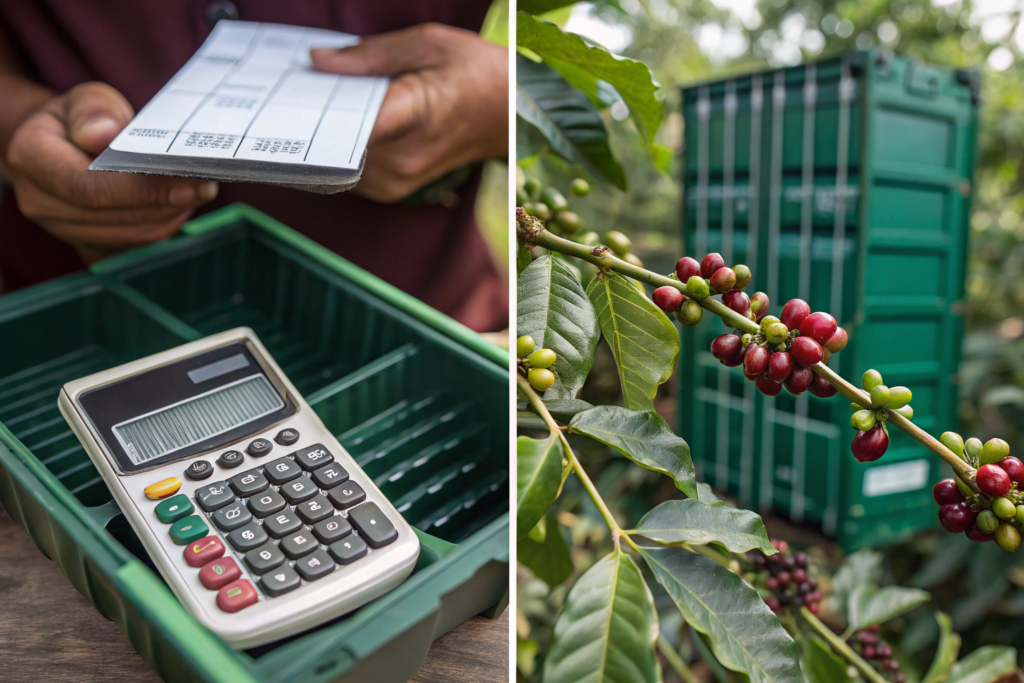
How Do Processing Methods Impact Green Bean Pricing?
Processing cost is a big, quiet factor. It’s something I always point out to new roasters. A fully washed coffee uses a lot of water and labor. It demands expensive eco-friendly wastewater treatment, which we heavily invest in here in Yunnan. A natural process, on the other hand, risks over-fermentation if the climate isn't perfect, leading to a lower yield of exportable beans. When you see a price jump, you’re often paying for the precision of the processing, not just the transport.
Take our Catimor. We do a double-pick on the drying beds to ensure no defects slip through. This manual sorting adds cost but drastically improves the cup score. You’re not just buying a bean; you’re paying for the clean-up work. Look at this rough breakdown:
| Processing Style | Labor Intensity | Cup Profile Risk | Relative FOB Cost |
|---|---|---|---|
| Washed | High | Very Stable | Baseline to High |
| Natural | Medium | Variable (Ferment risk) | Medium to High |
| Honey | Medium-High | Complex stability | High |
As you can see, the cheapest option isn't always the safest. A high-risk natural might have a lower asking price, but if the lot has ferment defects, it will cost you more in lost customers. Reliability is where an exporter certified by SCA standards really helps.
What Is the Real Impact of Tariffs and Logistics on Landed Cost?
This is the pain point Ron was screaming about. You get a great FOB price—say $2.20 a pound—and then you factor in ocean freight, US port fees, and the current tariff climate. The final price can suddenly leap by 40% or more. It’s scary. I get it. We look at the sailing schedules every single day to find the fastest route from Shanghai or Shenzhen to the West Coast.
Another way to look at this is the speed of money. If a container sits at sea for an extra 10 days because of a slow liner, you’re losing two weeks of potential roasting time. That’s lost cash flow. We mitigate this by prioritizing bookings on vessels with a proven on-time record, even if the slot costs us a bit more. For clients worried about US customs clearance, we work with logistics partners who specialize in FDA prior notice filings. This ensures your green coffee shipment doesn't get stuck in a bureaucratic loop. It’s all about predictability. You need to know the exact Monday your pallets will hit the roastery floor.
How to Find Reliable Arabica Coffee Bean Exporters from China?
Honestly, typing “China coffee supplier” into Google is like opening a firehose. You get thousands of hits, but most are just trading companies with a nice website and no actual link to the soil. The trap here is buying from a middleman who has never set foot on a drying patio. I’ve heard horror stories—green beans arriving with stones and corn kernels mixed in because the “exporter” never checked the warehouse. That’s a nightmare for your grinder, and your reputation.
The most reliable exporters from China are those who own their own plantations, hold direct export licenses, and show transparent traceability. A supplier like BeanofCoffee, based in Yunnan’s prime Baoshan region, offers vertical integration—from our farm management to the sealed container, we control every step.
Look, traceability isn’t just a marketing word. It’s your insurance policy. If a bag tastes off, you want to trace it back to a specific lot, a specific day of harvest. That’s impossible if you’re buying from a generic warehouse in Kunming. When you ask a supplier for a sample, ask for the GPS coordinates of the farm too. Why? Because a supplier who can’t (or won’t) tell you exactly where the coffee grew is likely hiding poor agricultural practices. At BeanofCoffee, our lot numbers are tied to the specific terrace on our plantation. Simple as that.
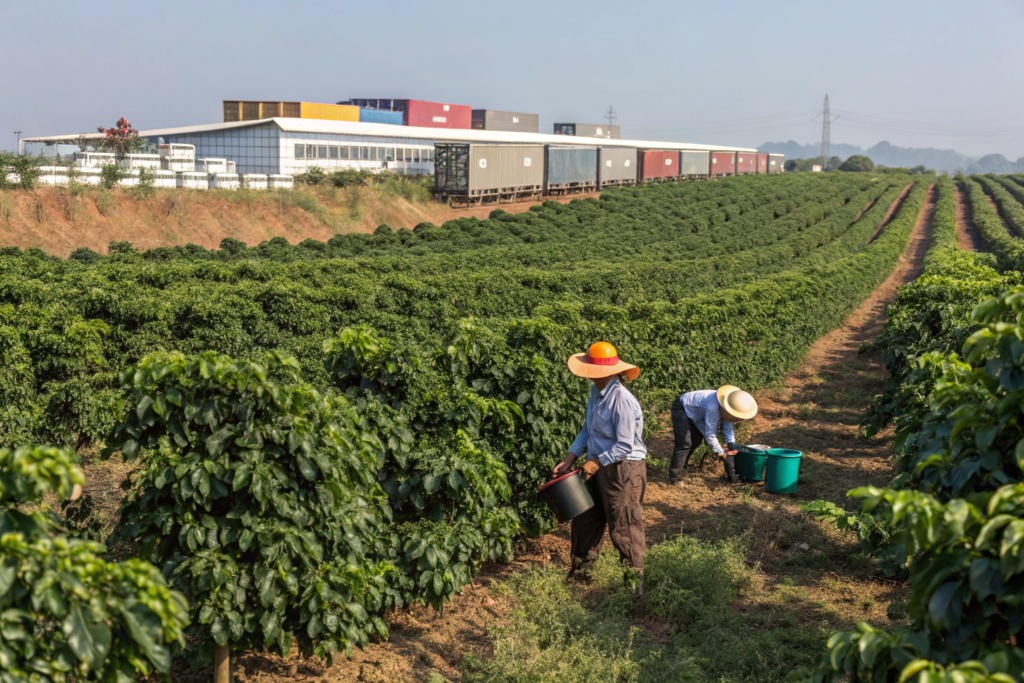
Why Is Direct Farm Ownership Critical for Quality Control?
Let’s dig into this. A trader buys coffee based on a small sample. A farm owner lives the coffee. I wake up at 6 AM and my first thought is the weather forecast for Baoshan. If it rains unexpectedly during harvest, a trader might not know about it. I know about it instantly, and I adjust the drying schedule. That’s the difference. You can’t delegate care to a middleman.
You see, the safety standard is all about "control points." It’s a long list: soil testing, fertilizer application, harvest timing. Brix meters to check the cherry’s sugar content before picking even starts. If you skip these, you’re gambling. For a buyer concerned about security of supply, a farm owner can guarantee volume. A trader relies on hundreds of smallholders, and the quality is all over the map. If you need a container of uniform, 86-point coffee every single month, you can’t stitch that together from 50 small gardens. You need a concentrated, professionally managed estate. This is why we focus on the Coffea arabica species and its best hybrid, Catimor, to give you both disease resistance and cup quality.
What Certifications Should an Arabica Exporter Have?
Certifications are the gatekeepers, especially for the EU and North American markets. But be careful—some mills just buy a certificate without changing practices. That’s fraud, and it hurts everyone. Here are the non-negotiables I’d tell any friend to look for:
- Quality Certifications: A valid ISO 22000 or FSSC 22000 tells you the food safety system is solid. It means no cross-contamination risk.
- Ethical Certifications: Rainforest Alliance or Fair Trade. These audit the labor practices and environmental stewardship. We maintain strict protocols to meet these, ensuring no forced labor and proper PPE for all workers.
- Organic Certification: If you claim organic, the certifier must be recognized by your target market (like NOP for the US or EU Organic). We have dedicated organic blocks where no pesticides touch the trees.
You also need to understand the physical analysis. A Grade 1 specification demands zero primary defects and no more than 5 full defects in a 350-gram sample. If a supplier’s certificate is valid but the pre-shipment sample shows quakers or insect damage, the paper is meaningless. Always request a pre-shipment sample, and have it tested against the Coffee Quality Institute (CQI) grading norms. That’s your final lock before the money goes through.
What Is the Difference Between Arabica and Robusta Coffee Beans?
Walking a buyer through the Arabica vs. Robusta split is my daily bread. Yet, I’m always surprised how many people only know the marketing cliché: Arabica is good, Robusta is bad. That’s too simplistic. A clean, triple-picked Robusta actually has its place, especially for a high-end espresso blend needing a heavy body and thick crema. But there are biological truths here that dictate how you, a buyer, will process these beans.
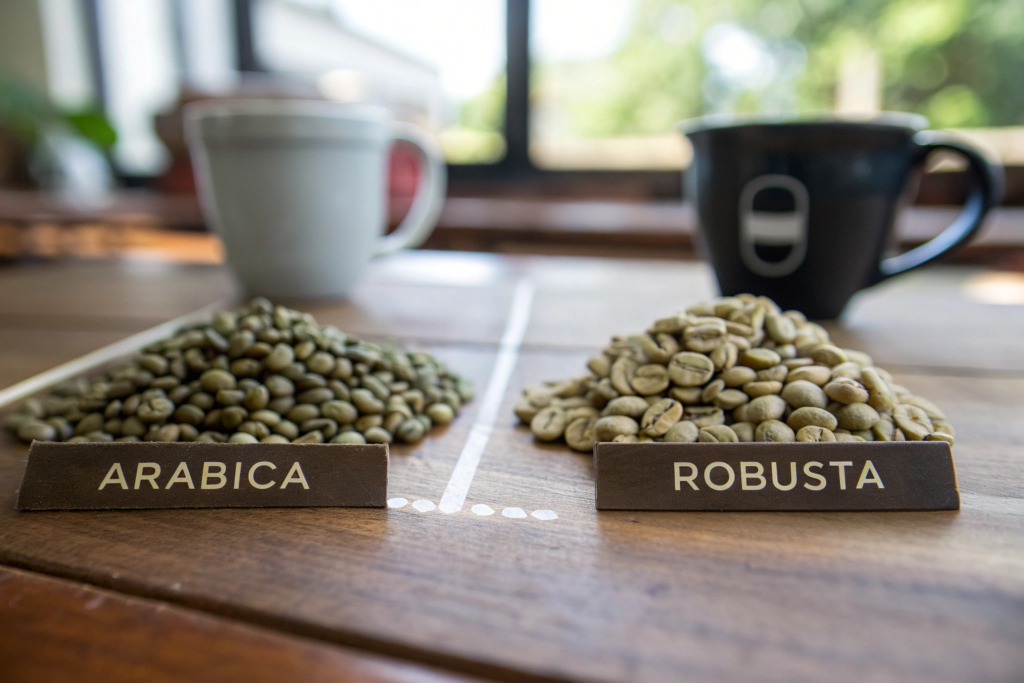
Arabica beans are physically distinct: they are larger, oval-shaped with a curved crease, and possess twice the sugar content of Robusta. This makes them sweeter and more acidic, whereas Robusta is rounder, smaller, and has a straight crease, yielding a bitter, earthy cup with roughly double the caffeine.
So, what does this mean for your blend? It means Arabica gives you the melody—the fruit, the sweetness. Robusta gives you the drum beat—the punch and the wake-up call. Here’s the kicker: Robusta is easier to grow at low altitudes. Arabica is a princess. It demands high elevation, cool nights, and low humidity. Our Baoshan plantation sits at roughly 1,200 meters ASL. You can’t grow good Arabica on the flatlands. If someone offers you cheap Arabica from a swampy area, walk away. It’s likely stale, baggy, and dead in the cup. That’s why BeanofCoffee specializes in high-grown Arabica, leaving the commercial-grade Robusta to the lowland partners we vet.
Why Does Arabica Offer a Superior Flavor Profile for Roasters?
The flavor gap isn't magic; it's chemistry. Arabica has around 60% more lipids (fats) than Robusta. Those fats are essential solvents; they carry the volatile aromatic compounds that you smell when grinding. When you roast Arabica, the longer, slower Maillard reaction creates layers of chocolate, caramel, and fruit acidity. Robusta roasts differently. It’s denser, harder, and tends to burn on the outside before the inside develops. It often just tastes like burnt toast and peanuts.
I roast sample batches every week in our lab. When I get a Catimor sample that hits a Brix of 18-22 at harvest, I know the fermentation is going to be spectacular. You’ll get notes of red apple or brown sugar. If it drops below 15 Brix, it’s going to be hollow. Large buyers often ask us: how do you guarantee the flavor consistency? We don’t just pick and ship. We float the cherries to remove the under-ripes (floaters). It’s a cheap trick that drastically lifts the cup quality, making the difference between a commercial grade and a premium label. The high lipid content in high-quality Arabica is really the secret that top-tier roasters look for to carry the roast character.
How Does Caffeine Content Affect Your Buying Decision?
Caffeine is nature’s insecticide. Robusta produces a lot more of it to survive pests. Arabica, more delicate, produces less. For you, the importer, this isn't just a consumer health stat—it’s a logistics stat. High caffeine acts as a preservative during shipping. Robusta stays "fresh" longer, while green Arabica starts to fade faster if stored in poor conditions.
This is why I stress the importance of GrainPro bags and a controlled supply chain for our Arabica exports. If you’re shipping Robusta from China, you can probably get away with cheaper jute bags and a slow boat. But Arabica? The water activity must be kept stable between 0.53 and 0.59. Otherwise, the embryo dies, and the beans fade to that woody, papery taste. If you’re buying for a high-turnover espresso blend, adding a clean Robusta can boost the energy kick. But if you’re selling a single-origin specialty bag, your customer expects zero bitterness from caffeine overload. They want the clean lift, not the jitters. That distinction directly maps to the caffeine differences in coffee beans.
How to Import Arabica Coffee Beans from China to the USA Step by Step?
The first time you import a container, the paperwork feels like a monster. It’s not just buying beans; it’s dealing with the FDA, US Customs, and the steamship line. I remember a client who tried to DIY the clearance process to save a few hundred bucks. His coffee sat in a bonded warehouse for three weeks racking up storage fees that ate his entire profit margin. Don’t do that.
Importing Arabica coffee from China requires a clean sequence: a proforma invoice, an FDA prior notice, a bill of lading, a phytosanitary certificate, and a customs bond for entry. Once the vessel sails from a Chinese port, your customs broker files the ISF (10+2) within 24 hours of departure.
There’s no cutting corners here. First, we, as the exporter, send you a packing list and the certificate of origin. This is crucial because coffee from China might still be a novel concept to some logistics brokers. You need to establish that we are a legitimate agricultural zone in Yunnan, free from the pest risks that might trigger a USDA hold. The real hack here is the FDA’s requirement. Because our coffee is processed in a facility with a valid DUNS number and food safety registration, the prior notice goes through smoothly. Always ask your supplier for their FDA Food Facility Registration number before you book. If they don’t have one, run.
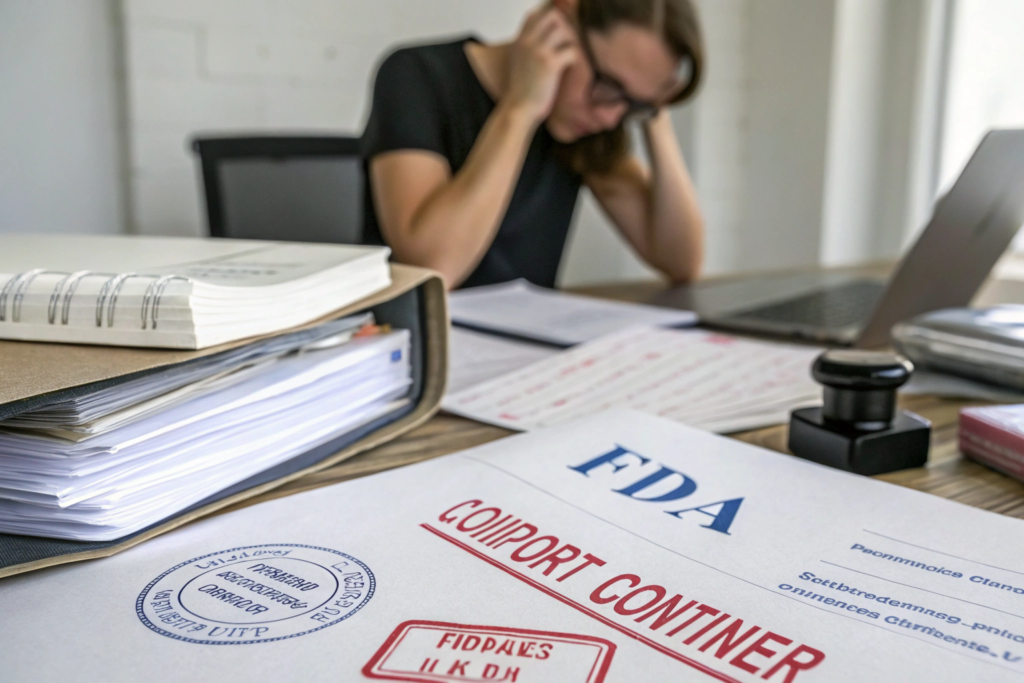
What Are the Mandatory FDA and Customs Documents?
This is the stuff that gives business owners a headache. But if you break it down, it’s simple. The US Customs and Border Protection (CBP) wants to know what’s coming, who sent it, and that it’s not contaminated. Your freight forwarder needs three core things from the exporter on the day the ship departs:
- Original Bill of Lading (OBL): This is the proof of ownership. Typically, we release this as a Telex release to speed things up so the paper doesn’t get lost in the mail.
- Phytosanitary Certificate: Issued by Chinese quarantine authorities. It basically promises the green beans aren’t carrying the coffee berry borer or leaf rust.
- Fumigation Certificate: Mandatory for solid wood packaging (like pallets). We avoid the hassle by using plastic pallets specifically for US shipments. It saves you a holding fee.
I always tell my clients to vet their US-based broker carefully. You want a broker who knows that green coffee falls under HS Code 0901.11. That’s the zero-duty or low-duty code for unroasted, non-decaf coffee. If they misclassify it, you pay wrong tariffs. Just check the updated USDA import regulations to ensure no sudden rule changes. Your broker files the CBP entry summary (Form 7501) while the beans are on the water, so when they dock at Long Beach or Newark, the release is almost instant.
How Do Payment Terms Secure the Transaction?
Money is trust. But we’re dealing across the ocean, so we need a system. I’m comfortable with T/T (Telegraphic Transfer)—usually a 30/70 split. You pay 30% upfront when we start processing the order, so we allocate the specific micro-lot to you. You pay the 70% when we send you the scanned copy of the bill of lading proving the container is on the ship.
For new clients who are a bit nervous about wiring money to China (I understand, I’d be careful too), we offer a Letter of Credit (L/C) at sight. However, banks charge high fees. There’s also a growing trend of using Alibaba Trade Assurance. I like this one for first-time trials. Alibaba acts as the middleman. The money is held in escrow, and it’s only released to us when you confirm the shipment date is met. This answers Ron’s biggest fear: paying and then waiting in silence. The platform forces us to hit the sailing schedule. If you want an easier settlement process, check out the options for international trade payment methods. It keeps things smooth and safe.
Conclusion
Arabica coffee’s popularity isn’t just a trend. It’s built on the complex sugars, the delicate acidity, and the aroma that Robusta simply can’t match. From understanding the real cost per pound—factoring in tariffs and processing—to locking down a reliable exporter who actually owns the farm, the key is control. You can’t let an opaque supply chain ruin your roastery’s reputation. You need a source that delivers consistent screen sizes, clean phytosanitary paperwork, and a sharp sailing schedule.
For a partner who treats a container load of 86-point Yunnan Catimor with the same precision as a micro-lot, we need to talk. At BeanofCoffee, we don’t just fill bags; we help you build a blend profile your American customers will crave, all at a price that fights inflation. Let’s cut out the inefficiency.
If you want to move forward with a safe, reliable shipment from our 10,000-acre farm direct to your US port, reach out to my export director, Cathy Cai. She handles the heavy lifting on the logistics so you just roast and sell. Email her at: cathy@beanofcoffee.com.