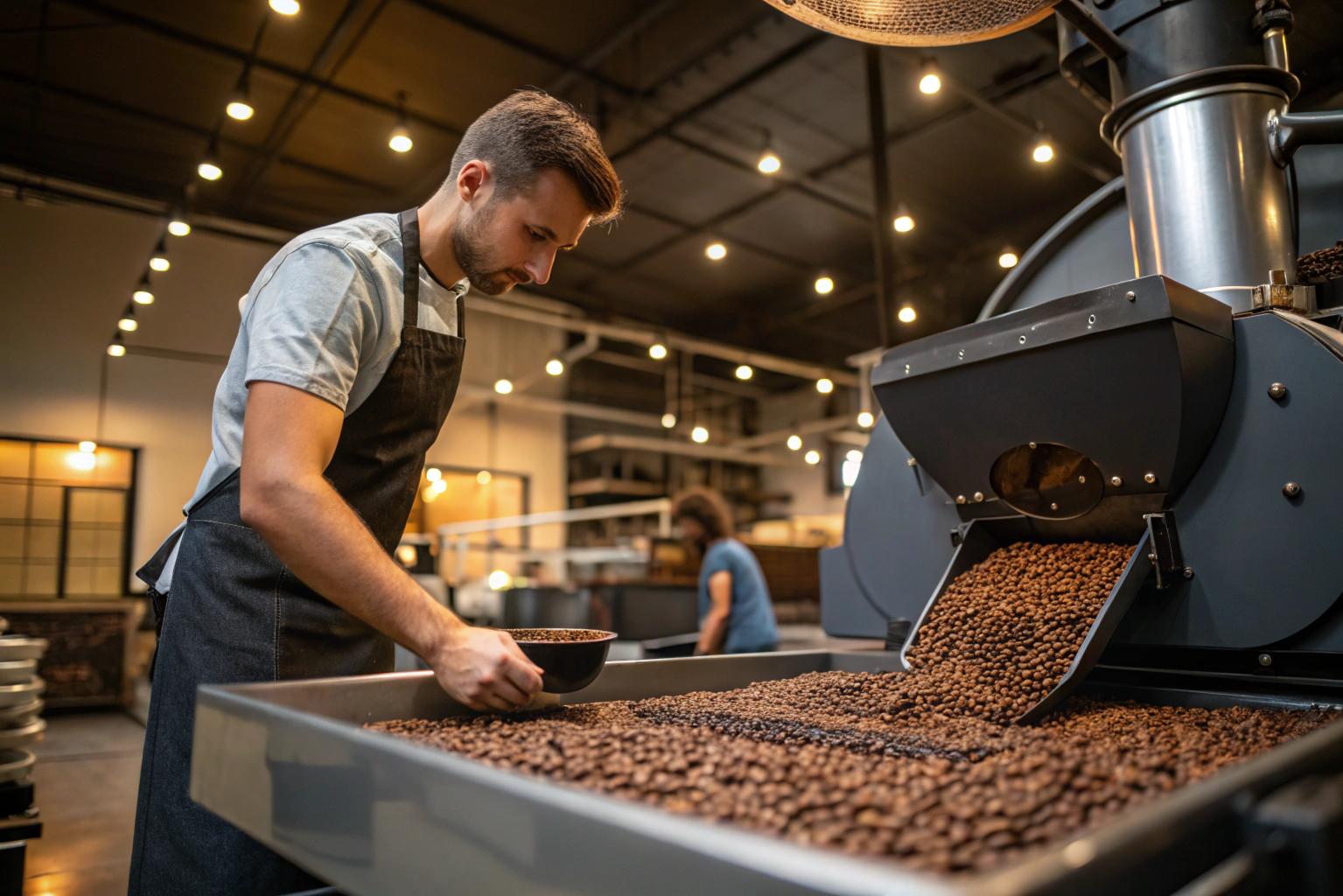
I get this question all the time. A new roastery owner calls me. Or a buyer from a big brand. They ask, “What bean should I buy?” And I know what they are really asking. They want to know which variety will sell. Which one will keep their customers coming back. And which one will give them the margin they need to grow. I’ve been growing coffee in Yunnan for years. We manage over 10,000 acres. I see the trends. I see what works for roasters in the U.S., Europe, and Australia. The answer is never one-size-fits-all. It depends on your market, your equipment, and your story.
The best coffee variety for a roasting business is not just about flavor. It’s about consistency, availability, and cost structure. For most roasting businesses, the smartest choice is a high-quality Arabica like our Yunnan Typica or Catimor. These varieties give you a clean cup profile. They are approachable. They work well for both single-origin marketing and blending. But here is the real key. The “best” variety is the one you can source reliably. If you pick a rare, micro-lot variety, you might get great flavor. But you will struggle to scale. You will face price spikes. You will lose consistency. At BeanofCoffee, we focus on Arabica varieties that we grow at scale. This means we can guarantee the same profile in every bag. That is what builds a roasting business.
But let’s break this down. I don’t want to just tell you “Arabica is good.” You already know that. Let’s look at the specific varieties we grow. Let’s talk about what they offer in terms of roast profile, price point, and supply stability. And let’s think about what a roastery owner—someone like Ron—actually needs to make a decision.
What Makes Arabica the Top Choice for Specialty Roasters?
Walk into any specialty coffee shop in North America. Look at the bags on the shelf. Most of them say “100% Arabica.” There is a reason for this. It’s not just marketing. Arabica has a flavor profile that roasters love to work with.
Arabica beans have more complex sugars and lipids. This means they develop a wider range of flavors during roasting. You can get bright acidity, fruit notes, chocolate undertones. It gives a roaster room to play. For a roasting business, this versatility is gold. You can use the same base Arabica for a light roast espresso blend and a medium roast filter coffee. Our Yunnan Arabica, grown in Baoshan, has a balanced profile. It has a clean finish. It doesn’t have the harsh, rubbery notes you sometimes get with lower-grade beans. That clean profile makes it forgiving for new roasters and reliable for experienced ones. It’s why so many of our clients use it as their core offering.
Another way to look at this is through the lens of customer expectation. Your customers—the cafes, the retail buyers—they expect Arabica. It has become the standard. If you try to sell a Robusta-heavy blend as a specialty product, you have to do a lot of education. That is possible. But it’s harder. With Arabica, the story is already familiar. You can build on it. You can talk about the terroir of Yunnan. You can highlight the altitude (1,200 to 1,600 meters) where we grow our beans. That story adds value. It justifies a higher price point. So, what does this mean? It means Arabica gives you a foundation. It gives you consistency in supply. And it gives you a story that sells.
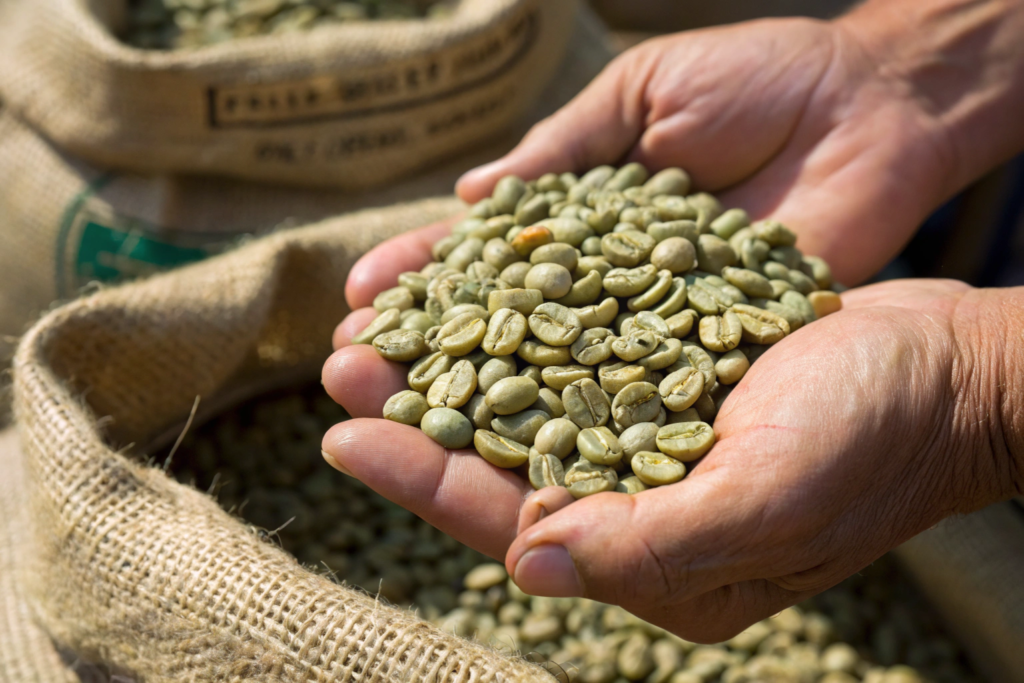
How Does Yunnan Arabica Compare to Ethiopian or Colombian?
This is a fair question. People know the big names. Ethiopia is the birthplace of coffee. Colombia has a huge marketing machine. So, where does Yunnan fit? Yunnan is newer to the specialty scene. But that is actually an advantage. The soil is volcanic. The climate is consistent. Our farms are at high altitude. This creates a bean with good density and sweetness. In a blind cupping, our Yunnan Arabica often shows notes of milk chocolate, soft stone fruit, and a clean body. It is less floral than an Ethiopian Yirgacheffe. It is less nutty than a Colombian. It sits in a middle ground. It is smooth and balanced. For a roaster, this means it blends beautifully. It doesn’t overpower other beans. It adds body and sweetness without introducing wild, unpredictable flavors. And because we control the post-harvest processing, we can maintain that profile year after year. You don’t get the vintage variation that you sometimes see with other origins.
What Roast Profiles Work Best for Yunnan Arabica?
We experiment with this on our own sample roaster. I can tell you what we find. For a light roast, our Arabica shows a bright, clean acidity. You get hints of green apple and a lingering sweetness. It works great for pour-over methods. For a medium roast, the chocolate notes come forward. The body becomes heavier. The acidity balances out. This is the profile most of our roasting clients choose. It is safe. It is crowd-pleasing. It works for espresso and filter. For a dark roast, the bean holds up well. It doesn’t get ashy. You get a deep, caramelized sugar taste. But honestly, most specialty roasters don’t go that dark. They want to preserve the origin character. So, what does this mean for you? It means you have flexibility. You can use the same bean for different products. You can build a full product line around a single, reliable supply. One client of ours in Australia does exactly that. They use our Yunnan Arabica for their core blend. Then they offer a single-origin Yunnan for their wholesale customers. They get volume discounts from us, and they create two distinct products from one supply line. That is smart business.
Is Catimor a Good Choice for Commercial Roasting?
Now, let’s talk about Catimor. This variety gets a bad reputation sometimes. Old-school coffee people will tell you it’s lower quality. But I think that view is outdated. It depends on how you grow it and how you process it.
Catimor is a hybrid. It was bred to be disease-resistant and high-yielding. On our farms, we grow it alongside our traditional Arabica. And when it’s grown at the right altitude and processed correctly, it produces a very solid cup. It has a heavier body than Typica. It has lower acidity. It is consistent. For a commercial roasting business, these are valuable traits. If you are roasting for cafes that use a lot of milk-based drinks, a Catimor base gives you a rich, chocolatey espresso. It cuts through the milk. And the price point is often more accessible than pure Typica or Bourbon varieties. This is why many large roasters use Catimor in their house blends.
Let’s break down the numbers for a moment. A commercial roaster needs to think about cost per pound. They also need to think about waste. If you buy a very delicate, high-acid bean, you might get some roasting defects. The margin for error is small. With Catimor, it is more forgiving. The bean structure is dense. It roasts evenly. This reduces the rate of underdeveloped or scorched beans in your batch. So, what does this mean for your bottom line? It means higher yield. It means fewer bags you have to reject. And because Catimor is a high-yield plant for us, we can offer it at a very stable price. It is not subject to the same scarcity pressures as some of the heirloom varieties.
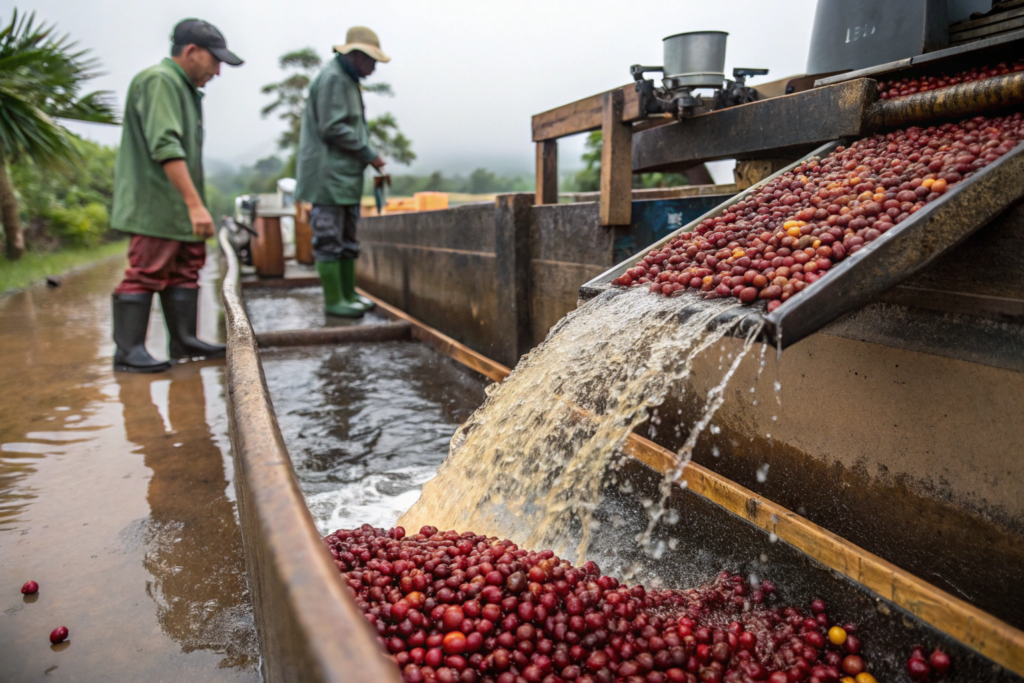
Does Catimor Work for Single-Origin Marketing?
This is a common hesitation. Roasters want to tell a story. “Yunnan Catimor” doesn’t have the same ring as “Ethiopian Heirloom.” But I think the story is actually quite good. Catimor represents innovation. It represents the modern face of Chinese coffee. We grow it on our 10,000 acres using sustainable methods. The cup profile is clean and reliable. We have a roaster in Canada who markets our Catimor as their “Daily Driver” blend. They don’t hide that it’s Catimor. They explain it. They say it’s a bean that delivers consistency every day. And their customers love it. They appreciate the honesty. So, it works. But you have to present it correctly. You can’t pretend it’s something it’s not. It is a workhorse bean. And there is a huge market for that.
How Does the Price of Catimor Compare to Arabica?
I’ll be direct with you. Catimor is usually priced lower than our premium Arabica lots. The gap varies. But generally, it is 10% to 20% less expensive. The reason is simple: yield. Catimor trees produce more cherries per acre. They are also more resistant to leaf rust. This means lower input costs for us. We pass that savings on. For a roasting business, this can be significant. If you are doing high volume, that 15% difference in green bean cost goes straight to your margin. But price is not the only factor. You also need to consider the finished product. If you are roasting for a market that demands bright, fruity single-origins, Catimor may not be the right fit. If you are roasting for a market that wants a solid, reliable espresso blend, Catimor is a very smart choice. We have clients who use it as the base. They blend 70% Catimor with 30% of a brighter Typica. This gives them the body and cost efficiency of Catimor with the complexity of the Typica. It’s a balance.
How Can Roasters Use Robusta in Blends Effectively?
Robusta. For a long time, specialty roasters ignored it. They saw it as the low-quality bean for instant coffee. But things are changing. I’ve seen a shift in the last five years. Roasters are rediscovering Robusta. Not the old, harsh stuff. But high-quality, well-processed Robusta.
Our Robusta is different. We grow it on our own land. We use the same care we use for our Arabica. We harvest at peak ripeness. We process it with precision. The result is a bean with a heavy body, a creamy crema, and a low acidity. It has a distinct, almost spicy note. When used correctly, it adds backbone to an espresso blend. It gives the shot that lingering finish. In markets like Italy and France, Robusta has always been part of the tradition. Now, we are seeing roasters in the U.S. and Australia experiment with it. They use it in small percentages—10% to 20%—to add weight and crema to their blends.
Let’s get into the practical side. Why would a roaster add Robusta? One reason is crema. If you are selling espresso to cafes, they care about how the shot looks. A thin, watery crema looks bad. Robusta produces a thick, stable crema. It looks good in the cup. It also adds caffeine. Robusta has about twice the caffeine of Arabica. For some consumers, that is a selling point. Another reason is cost. High-quality Robusta is still priced below specialty Arabica. You can use it to bring down the cost of your blend without sacrificing the cup quality—if you use it carefully. So, what does this mean? It means Robusta is a tool. It is not a replacement for Arabica. It is a complement. A well-balanced blend uses Robusta for body and crema, and Arabica for flavor and acidity.
What Is the Right Percentage of Robusta in a Blend?
There is no single answer. It depends on your goal. For a traditional Italian-style espresso, you might see blends with 20% to 30% Robusta. The shot is dark, heavy, and has a thick crema. For a modern specialty espresso, roasters often use 5% to 10%. Just enough to add a little weight without overpowering the Arabica flavors. We work with a roaster in New York. They use 8% of our Robusta in their flagship espresso blend. The rest is a mix of our Yunnan Arabica and a washed Ethiopian. They told me the Robusta gives the shot “staying power.” The flavor lingers. The crema holds for minutes. The key is to test. Buy a small batch. Roast it at different percentages. Cup it. See what works for your water, your machine, and your customers. We can help you with that process. We send samples specifically for blend development.
Is High-Quality Robusta Hard to Find?
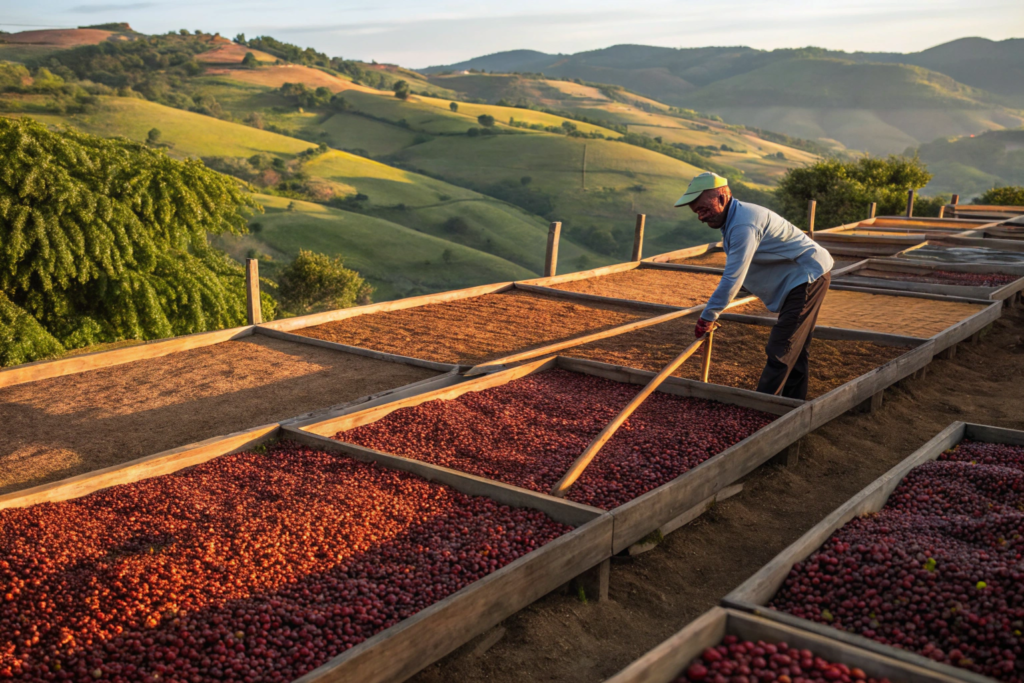
Yes. And that is exactly why it is valuable. Most Robusta on the market is low-grade. It is grown for mass production. It is harvested in bulk. The processing is sloppy. That Robusta has the harsh, rubbery taste people complain about. Our Robusta is not that. We apply the same quality control standards to our Robusta as we do to our Arabica. We use selective picking. We use clean water for washing. We dry it on patios, not on the ground. This produces a clean, consistent bean. Because we own the farms, we can guarantee this level of quality. For a roaster, this is a unique opportunity. You can offer a Robusta-inclusive blend that is different from the competition. You can tell the story of a high-quality, traceable Robusta. That is a story most roasters cannot tell. We work with logistics partners like Shanghai Fumao to ensure this special product reaches you with the same care we put into growing it.
What Logistics Support Do Roasters Need for Consistent Supply?
You can pick the perfect variety. You can build a beautiful blend. But if the supply is inconsistent, your business suffers. I’ve seen great roasters fail because their supply chain broke. They couldn’t get the same bean twice. They had to change their blend. Their customers noticed. They lost trust.
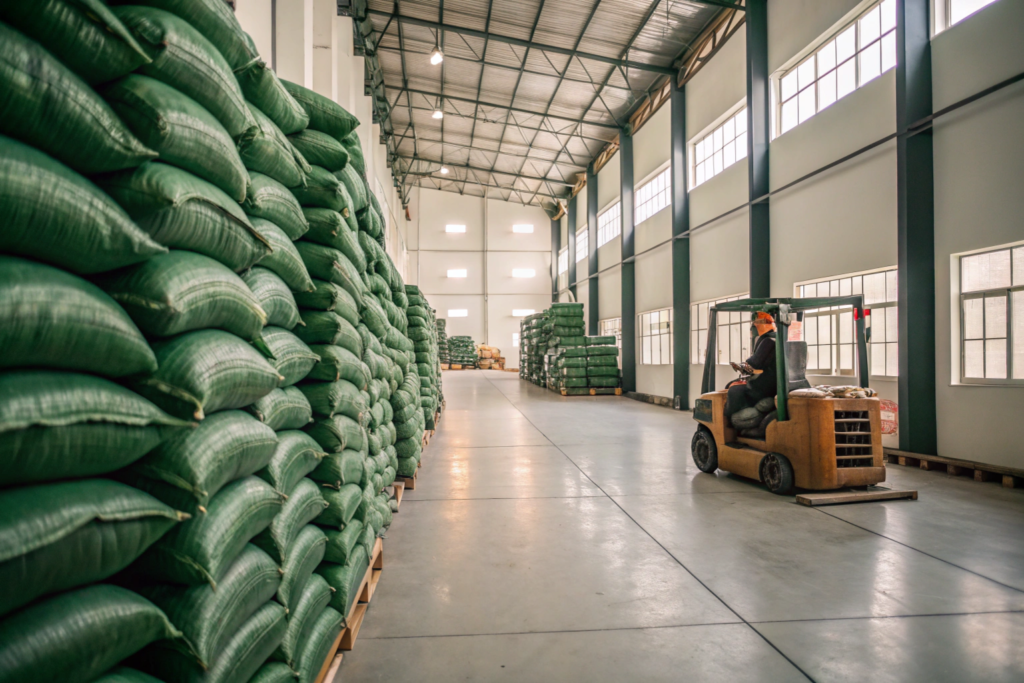
Logistics is not just about shipping. It is about consistency. At BeanofCoffee, we treat logistics as part of the product. We maintain a large, segregated inventory. We know exactly where each lot is. We use our own warehousing. This means when you reorder, we send you coffee from the same micro-region. It is not mixed with beans from another farm. This traceability is critical for roasters who want a repeatable profile. We also work with reliable forwarders. We pre-book vessel space. We manage the paperwork. We understand the pain points: tariffs, sailing schedules, security. Our goal is to remove those as variables from your business.
Let’s think about the typical cycle for a roaster. You find a bean you like. You order a sample. You approve it. You order a bag. You love it. Then you order a container. But the container that arrives is different. The supplier ran out of the original lot. They sent you something similar, but not the same. This is a nightmare. We avoid this by not selling what we don’t have. If we have 10,000 kg of a specific lot, that is what we sell. When it is gone, we tell you. We don’t substitute. This honesty builds trust. Another way to look at this is through packaging and labeling. We offer private label services. We can bag the coffee in your branded bags at our facility. This saves you time. It also saves you from having to handle raw beans in your roastery if you prefer. We work with Shanghai Fumao to streamline this entire process, from farm to your roastery door.
How Do We Ensure the Same Crop Year After Year?
This is the million-dollar question. Coffee is an agricultural product. It changes with the weather. So, how do we promise consistency? We manage it through blending. We have multiple blocks of land across our 10,000 acres. Different elevations. Different micro-climates. When a harvest comes in, we cup every lot. We analyze the profile. Then we create a “house profile” by blending lots from different blocks. This allows us to hit the same target flavor profile year after year. It is a skill. It takes experience. We have a cupping team that has been doing this for over a decade. They know the land. They know the beans. They can adjust the blend to compensate for a wetter harvest or a drier one. For a roaster, this means your flagship blend stays your flagship blend. Your customers don’t notice a seasonal shift. That stability is what builds a loyal customer base.
What Is Our Typical Lead Time for a Container?
We try to be realistic and transparent. From the moment we receive your order and finalize the payment terms, we aim to ship within 10 to 15 business days. This includes bagging, preparing the container, and moving it to the port. The ocean transit from Shanghai to the U.S. West Coast takes about 14 to 18 days. So, total lead time from order to arrival is often 4 to 5 weeks. But this is the ideal. We always add a buffer. We tell our clients to expect 6 weeks. If it comes earlier, it is a pleasant surprise. The key is that we control the variables we can control. The coffee is in our warehouse. The bags are ready. The vessel space is booked. We are not waiting for a harvest to finish. This is the advantage of being a farm owner, not just a trader.
Conclusion
So, what is the best coffee variety for your roasting business? I can’t give you a simple one-word answer. But I can give you a framework. If you want a versatile, crowd-pleasing bean with a clean profile, our Yunnan Arabica is a safe and smart choice. If you want a cost-effective workhorse for blends and commercial use, our Catimor offers great value and consistency. And if you want to experiment, to add body and crema to your espresso, our high-quality Robusta is a tool worth exploring. The real “best” variety is the one you can source consistently. It is the one that comes with traceability, certifications, and a logistics partner who understands your business.
At Shanghai Fumao, we offer all of this. We grow the beans. We process them. We manage the export. We own the supply chain from the soil in Baoshan to the container at your port. If you are ready to build a reliable coffee program, I invite you to reach out. Contact our export manager, Cathy Cai. She can help you select the right varieties for your market. She can send you samples. She can walk you through our certifications and our shipping process. Send her an email at cathy@beanofcoffee.com. Let’s build something consistent together.