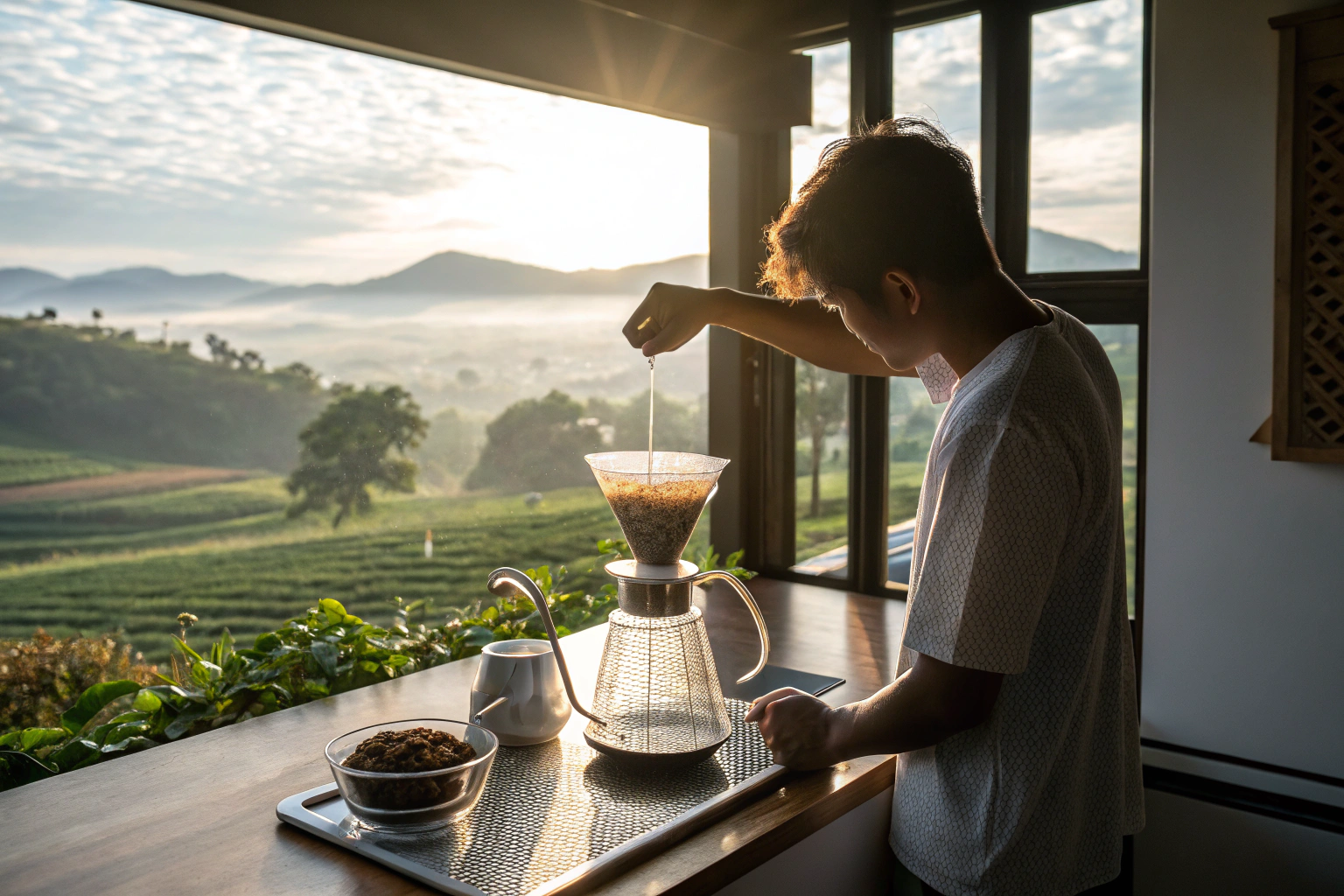
You’ve seen it on every coffee shop menu. You’ve heard friends rave about how smooth it tastes. But when you try to make cold brew at home, it comes out either too weak or so bitter you can’t drink it. What went wrong? I’ve been growing coffee for over 20 years on our farms in Yunnan, and I can tell you—making great cold brew isn’t about expensive equipment. It’s about understanding the basics: the bean, the grind, the ratio, and the time.
The best way to make cold brew is to use coarse ground coffee, a ratio of 1:8 coffee to water, and let it steep in the refrigerator for 16 to 24 hours. Then filter it twice. That’s the simple formula. But the real secret? Start with high-quality Arabica beans. We grow our own at BeanofCoffee in Baoshan City, and I can tell you from experience—the bean you choose makes all the difference. A smooth, chocolatey Arabica gives you that rich, low-acid flavor cold brew is known for. A low-quality bean gives you mud.
Now, I know what you’re thinking. “Sixteen hours? I don’t have time for that.” But here’s the thing—cold brew is mostly waiting. The actual work takes maybe ten minutes. And once you get into the habit, you’ll never go back to hot brewing in the summer. Let me walk you through the real process, step by step. I’ll also share some things I’ve learned from roasters who buy our beans. They make cold brew every single day, so they know what works.
Why Does Bean Choice Matter for Cold Brew?
Most people think cold brew is just coffee steeped in cold water. And technically, that’s true. But if you start with bad beans, you get bad cold brew. There’s no hiding it. Heat covers up flaws. Cold water doesn’t.
Bean choice is the most important decision you make for cold brew. Cold brewing extracts differently than hot brewing. It pulls out the smooth, chocolatey notes but leaves behind the bitter compounds that heat usually brings out. So you want a bean that already has a naturally sweet profile. Our Yunnan Arabica, for example, has hints of chocolate and nuts. It’s a perfect match. On the other hand, a harsh, high-acid bean will still taste harsh—just in a different way.
What Type of Coffee Bean Works Best for Cold Brew?
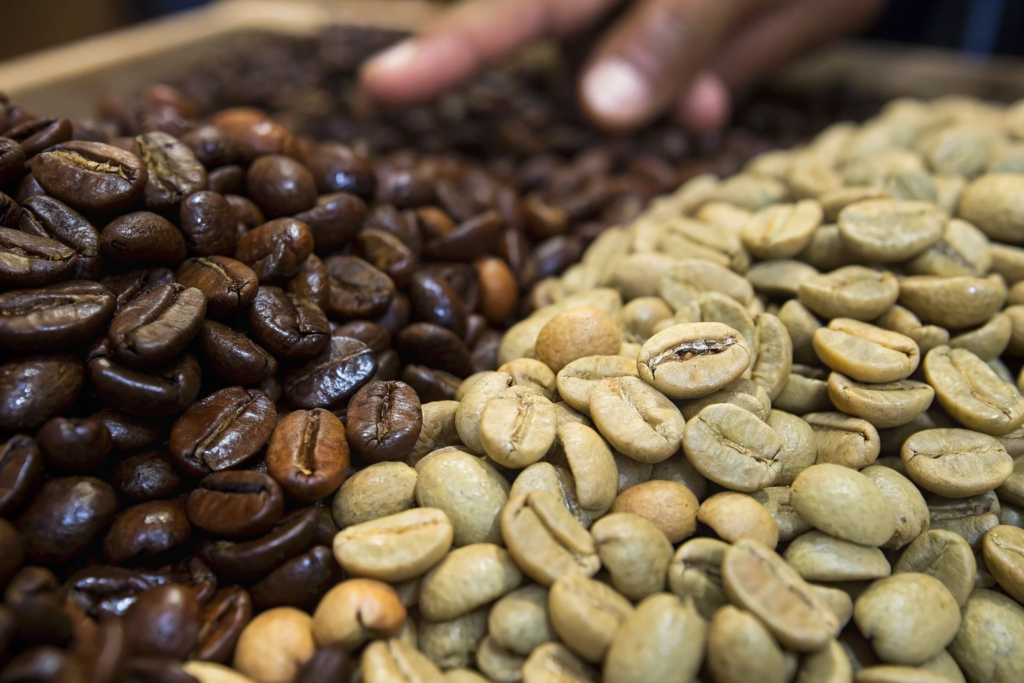
You want a single-origin Arabica with a medium to dark roast. Here’s why. Single-origin means the beans come from one place. That gives you a consistent flavor profile. Blends can be unpredictable because you don’t know what’s in them.
From our experience at BeanofCoffee, our customers in North America and Europe consistently tell us our Yunnan Arabica makes the best cold brew they’ve ever had. It has a natural sweetness. It’s low in acidity. And because we process it carefully on our farm, there are no off flavors.
If you’re using Robusta, I’d be careful. Robusta has more caffeine and a harsher taste. Some people like that kick. But for a smooth, drinkable cold brew, stick with Arabica. We grow both, so I’m not saying one is bad. I’m just telling you what works best for this method.
Does Roast Level Affect Cold Brew Flavor?
Yes, it does. This is something I learned from working with roasters who buy our green beans. They experiment all the time.
A light roast gives you more floral and fruity notes. It can work, but it’s trickier. The cold water doesn’t extract those delicate flavors as well. A dark roast gives you that classic chocolate, nutty, almost smoky taste. That’s what most people expect from cold brew.
Medium-dark is the sweet spot. It’s what we recommend to our wholesale clients who are making cold brew for their cafes. It gives you body without bitterness. It extracts cleanly. And it holds up well when you add milk or syrup.
If you’re buying beans from us, ask our export manager Cathy about our medium-dark roast options. She can point you to the lots that are specifically good for cold extraction.
What Is the Correct Coffee-to-Water Ratio?
This is where people mess up. They guess. Or they follow a random recipe they saw online. And then they wonder why their cold brew tastes like watery brown liquid or like they’re drinking straight espresso from a spoon.
The correct coffee-to-water ratio for cold brew is 1:8 if you want a concentrate, or 1:15 if you want ready-to-drink coffee. I personally use 1:8. That gives me a strong concentrate that I can dilute with water or milk. One batch lasts me a few days.
How Do I Measure Coffee and Water Correctly?
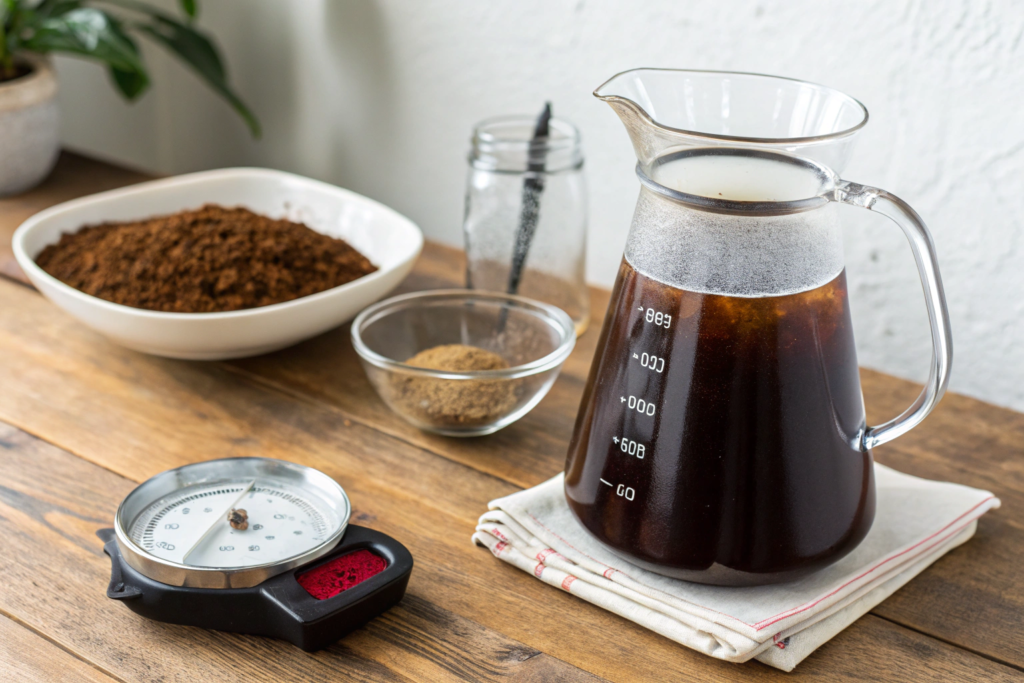
Use a scale. Do not use a scoop. I can’t say this enough. A scoop measures volume. Coffee beans have different densities. A scoop of one bean might weigh 10 grams. A scoop of another might weigh 14 grams. That’s a 40% difference. Your brew will be off.
Here’s what I do. I put my brewing container on the scale. I tare it to zero. I add 100 grams of coarse ground coffee. Then I add 800 grams of cold, filtered water. That’s my 1:8 ratio. Simple. Consistent.
If you don’t have a scale, get one. They’re cheap. And they will improve every aspect of your coffee making. I use one every morning, even for my pour-over.
Should I Make Concentrate or Ready-to-Drink?
It depends on how you drink coffee. If you like your cold brew with milk or over ice, make a concentrate. You’ll get more mileage out of it. You can store it in the fridge for up to two weeks. When you want a cup, you mix one part concentrate with one part water or milk.
If you drink it black and you don’t want to bother with diluting, make ready-to-drink. Use a 1:15 ratio. That’s about 100 grams of coffee to 1500 grams of water. It comes out of the pitcher ready to pour.
I make concentrate because I like options. Sometimes I drink it black. Sometimes I add oat milk. The concentrate gives me flexibility.
How Long Should I Steep Cold Brew?
You might think more time means stronger coffee. That’s true up to a point. But after a certain number of hours, you’re not getting more strength. You’re just pulling out bitter compounds you don’t want.
The ideal steep time for cold brew is between 16 and 24 hours in the refrigerator. I’ve tested this. I’ve let batches go for 12 hours, 18 hours, 24 hours, and 36 hours. The sweet spot is 18 hours. That gives you full extraction without the bitterness.
What Happens If I Steep Too Long?
I made this mistake when I first started. I left a batch for two days. I thought, “More time, more flavor.” I was wrong.
After 24 hours, the brew starts to taste stale. After 36 hours, it gets a weird, almost fermented taste. The coffee oils break down. The smoothness disappears.
So set a timer. Don’t just guess. I use the timer on my phone. I start it when I pour the water. I stop it the next evening. Easy.
Does Steeping at Room Temperature Work?
Yes, it works. And it’s faster. Room temperature steeping takes about 12 to 14 hours. But I don’t recommend it unless you’re in a hurry.
Here’s why. Cold brewing in the fridge slows down the extraction. That gives you a cleaner, smoother taste. Room temperature extraction is faster, but it can also pull out more of the unwanted flavors. Plus, leaving coffee out for 12 hours isn’t ideal from a food safety perspective. The fridge is safer and gives you better results.
How Do I Filter Cold Brew Properly?
This is the step that separates good cold brew from great cold brew. Most people filter once and call it done. Then they pour a cup and find sludge at the bottom. That sludge is fine coffee particles. They make the last sip taste bitter and gritty.
The proper way to filter cold brew is to do it twice. First, remove the big grounds. Then, remove the fine sediment.
What Is the Best Filtering Method?
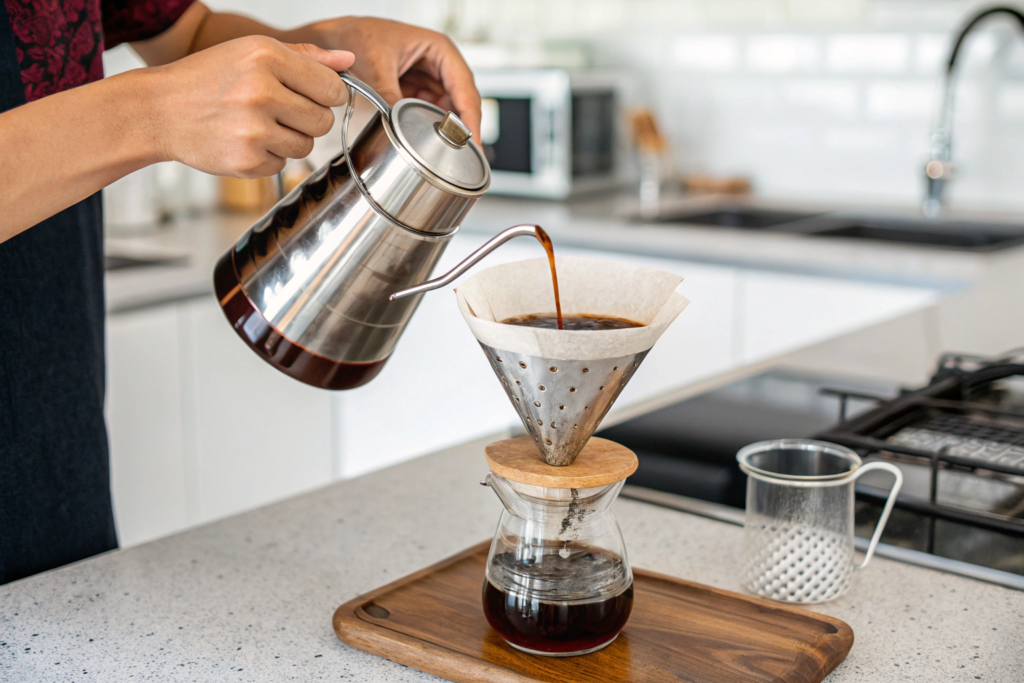
I use a two-step method. First, I pour the steeped brew through a mesh strainer. That catches the big grounds. Then I pour that liquid through a paper filter. A standard coffee filter works. A Chemex filter is even better.
If you skip the paper filter, you’ll get sediment. If you only use a paper filter without the mesh, it will clog. The big grounds will block the paper, and you’ll be standing there for twenty minutes waiting for it to drain.
The two-step method takes maybe five minutes. And your cold brew will be crystal clear. No grit. No bitterness at the bottom of the cup.
Can I Use a French Press or Cheesecloth?
You can. But let me be honest with you. A French press is okay if you don’t mind a little sediment. The mesh on a French press isn’t fine enough to catch all the tiny particles. You’ll still get some sludge.
Cheesecloth works, but it’s messy. And you have to fold it multiple times to get a good filter. I’ve done it. It’s fine in a pinch. But if you’re making cold brew regularly, just get a mesh strainer and some paper filters. It’s a small investment that makes a big difference.
How Should I Store and Serve Cold Brew?
You’ve made your cold brew. You filtered it. Now what? Storage and serving matter more than you think. I’ve seen people leave their cold brew in a warm spot and wonder why it tastes off after two days.
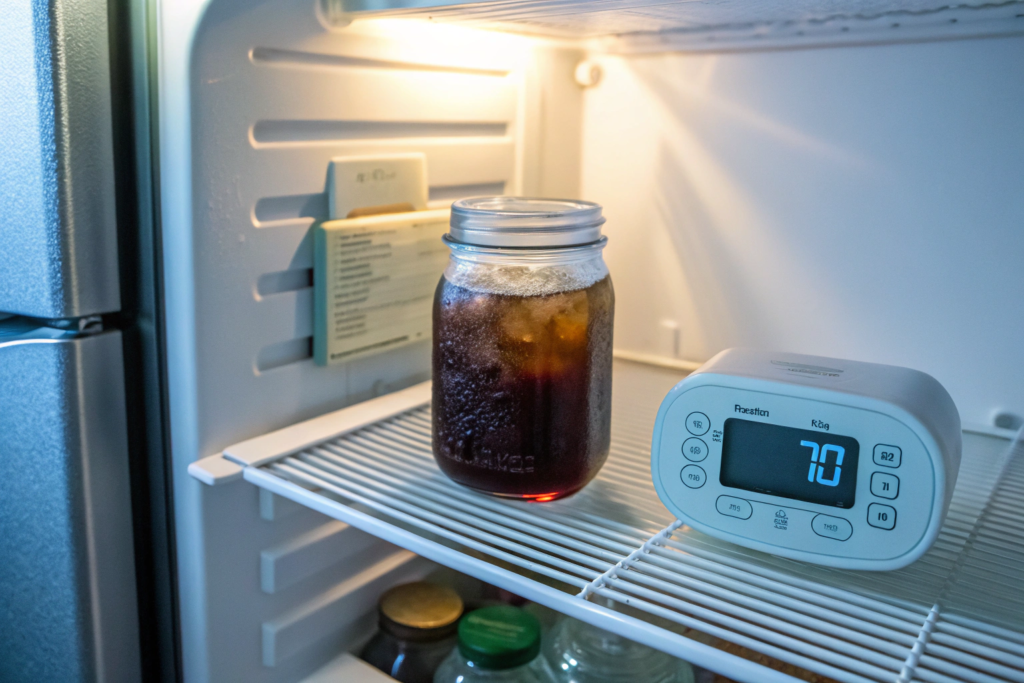
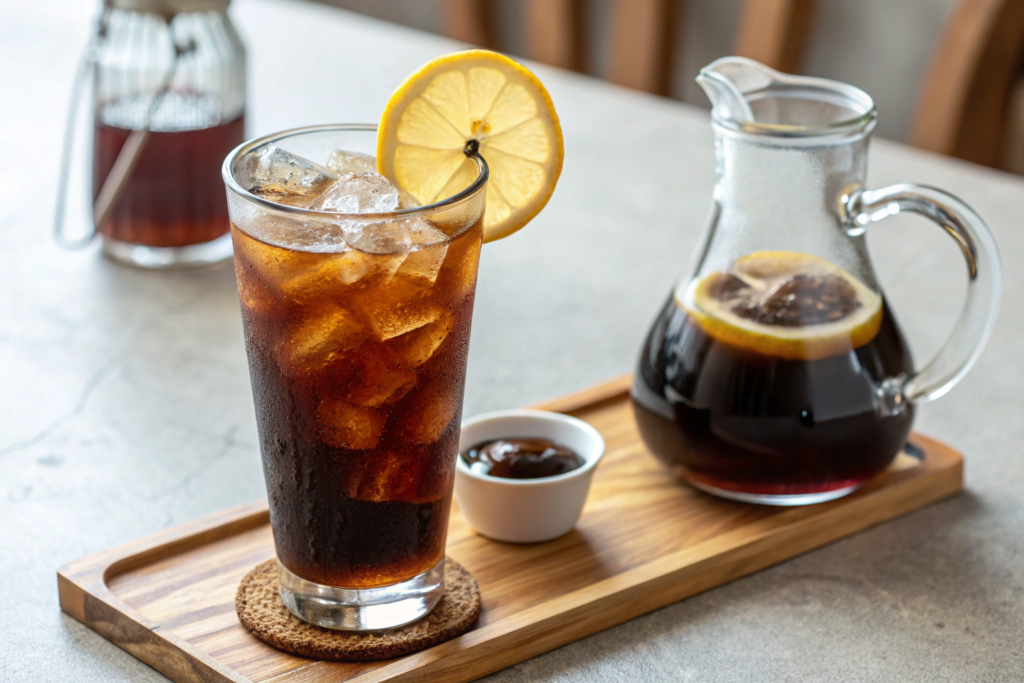
Store cold brew in an airtight container in the refrigerator. Glass is best. It doesn’t hold onto odors like plastic can. A mason jar works perfectly.
How Long Does Cold Brew Last?
Properly stored cold brew concentrate lasts 10 to 14 days. The flavor is best in the first week. After that, it starts to fade. It’s still safe to drink, but it won’t taste as fresh.
Ready-to-drink cold brew lasts about 7 days. Because it’s already diluted, it oxidizes faster.
One thing I’ve learned. Always smell it before you drink it if it’s been more than a week. Your nose will tell you if it’s still good.
What Are the Best Ways to Serve Cold Brew?
I like mine simple. Ice. A splash of oat milk. Sometimes a little simple syrup if I want it sweet.
But here’s something I picked up from a cafe owner in Australia who buys our beans. She serves her cold brew with a slice of orange. It sounds weird. But it works. The orange brings out the fruity notes in the coffee. Try it.
You can also use cold brew in cocktails. Mix it with bourbon and a little vanilla syrup. It’s a great after-dinner drink.
The point is, cold brew is versatile. Once you have a good batch, you can experiment.
Conclusion
Making great cold brew isn’t complicated. Start with good beans. Use a coarse grind. Measure by weight, not by scoop. Steep for 16 to 24 hours in the fridge. Filter twice. Store it in glass. That’s it.
The coffee you start with makes all the difference. If you want cold brew that’s smooth, chocolatey, and naturally sweet, try our Yunnan Arabica. We grow it on our own farms. We process it with care. And we ship it fresh.
If you’re a cafe owner, a roaster, or a distributor looking for wholesale coffee that works for cold brew, reach out to Cathy Cai. She handles our export accounts. She can send you samples and talk you through our different roast profiles. Email her at cathy@beanofcoffee.com. Let’s make your next batch of cold brew the best one yet.