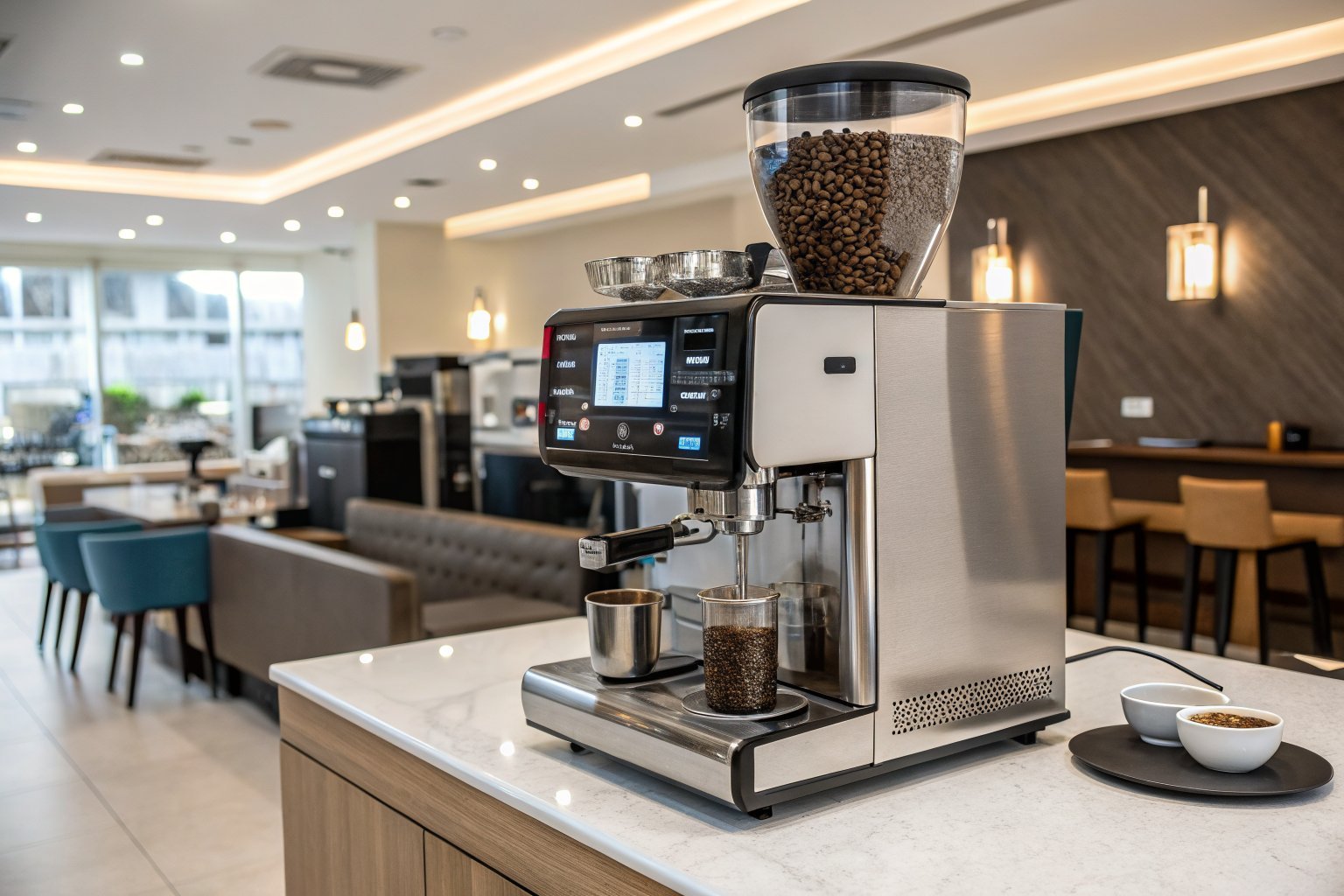
A buyer from a hotel chain in Dubai called me in a panic. He had purchased a shipment of premium Arabica for his chain's super automatic espresso machines, and the machines were jamming, grinding inconsistently, and producing shots that varied wildly from cup to cup. The coffee tasted fine on a standard espresso machine. But super automatics have different requirements. They are designed for a specific bean bulk density range, and if your coffee falls outside that range, the machine cannot dose, grind, or extract properly. Let me walk you through the ideal bulk density range for super automatic machines and how to select coffee that works with them.
Why Does Bulk Density Matter for Super Automatic Machines?
Super automatic machines handle coffee differently than traditional espresso machines. They grind on demand, dose by volume rather than weight, and rely on consistent bean flow through the hopper and grinder. Bulk density determines how beans flow through the machine, how much coffee is dosed per shot, and how the grinder performs.
How Does Bulk Density Affect Dosing Accuracy in Super Automatics?
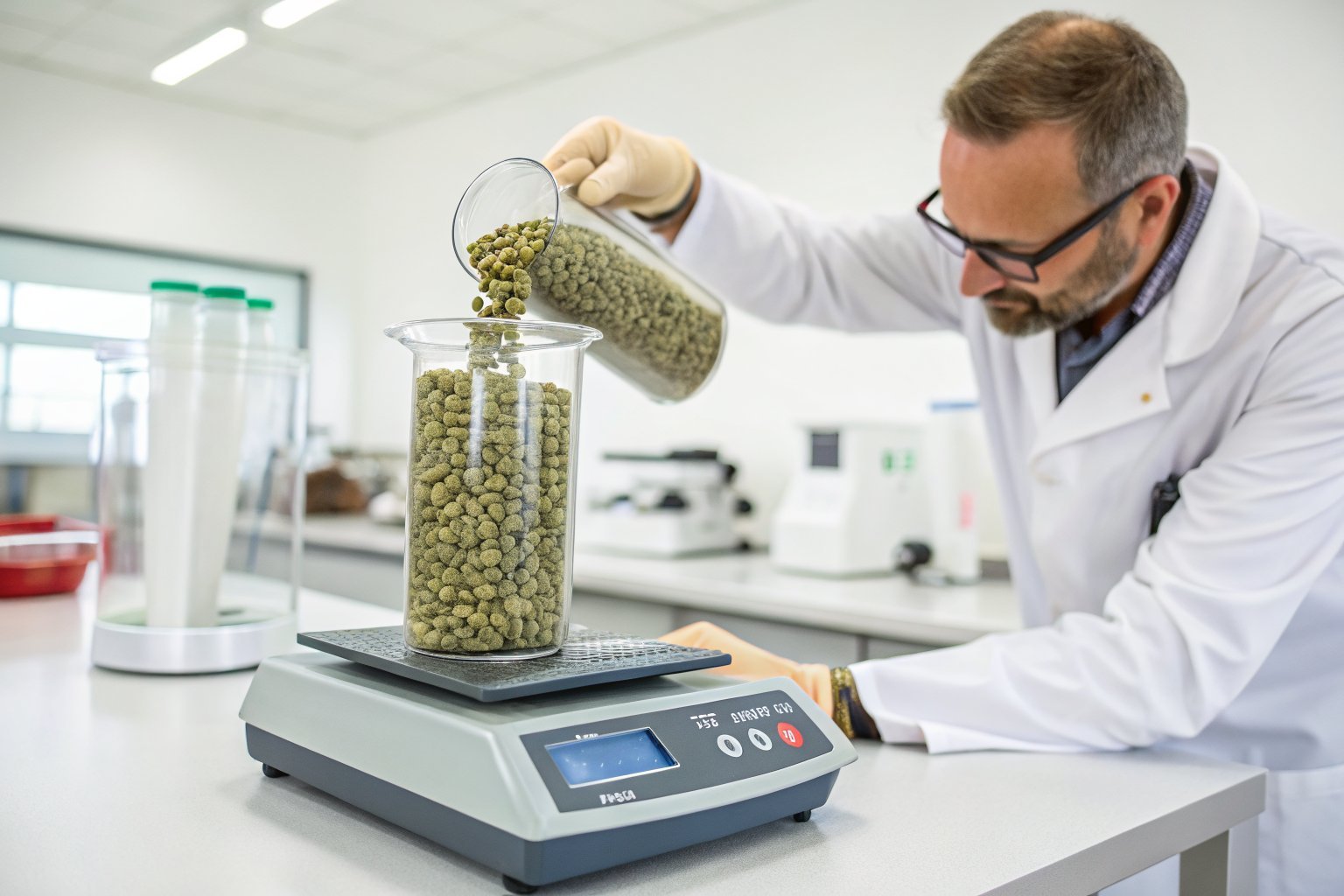
Super automatics dose coffee by volume, not by weight. The machine's grinder runs for a fixed time interval, and the amount of ground coffee delivered depends on how many beans fit into the grinding chamber during that interval. If the bulk density is low, fewer beans by weight are ground per interval, and the dose is weaker. If it is high, the dose is stronger. The difference between a coffee at 0.58 grams per cubic centimeter bulk density and one at 0.64 can be as much as 10 to 12 percent in the weight of the dose. That is enough to shift an espresso from under-extracted to over-extracted. The Specialty Coffee Association's super automatic calibration guide recommends that coffee used in super automatics should have a bulk density between 0.58 and 0.66 grams per cubic centimeter, with the ideal range at 0.60 to 0.64.
What Happens When Bulk Density Is Outside the Optimal Range?
Below 0.56 grams per cubic centimeter, the beans are too light and flow poorly through the hopper. They may bridge — form arches that prevent flow — causing the grinder to run empty while the hopper appears full. The dose becomes inconsistent, and the grinder may overheat from running without enough bean mass to dissipate heat. Above 0.68, the beans are so dense that the grinder struggles to feed them into the burrs, causing stalling or uneven grinding. The machine's dosing algorithm, calibrated for standard-density coffee, will produce an overly large dose that extracts too slowly. At Shanghai Fumao, we test our bulk density before shipping to buyers with super automatic equipment, and we adjust our screen size recommendations accordingly.
What Is the Optimal Screen Size and Shape for Super Automatic Beans?
Beyond bulk density, the physical characteristics of the bean — size, shape, and uniformity — determine how well it performs in a super automatic machine.
What Bean Size Works Best in Super Automatic Grinders?
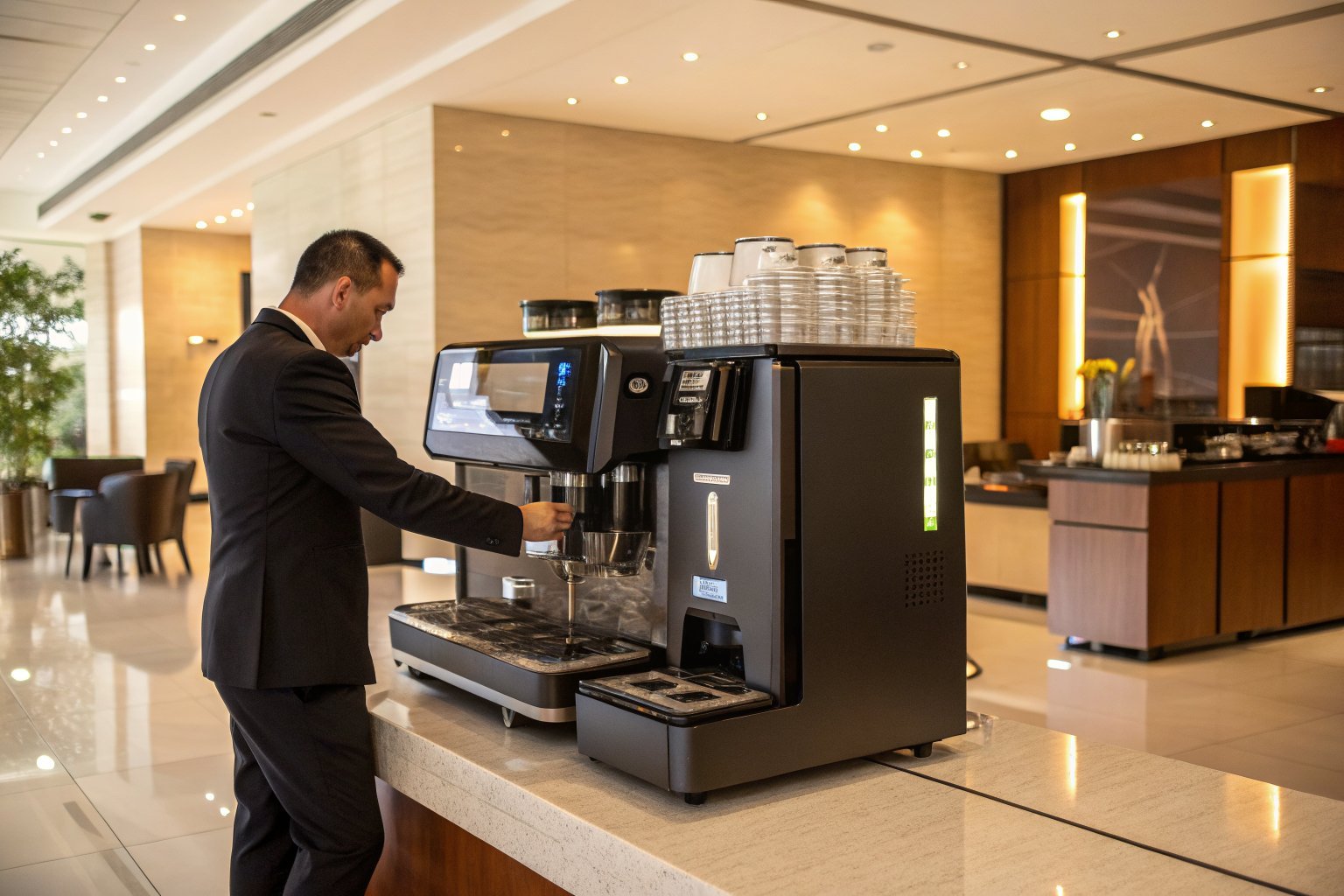
Super automatic grinders are typically designed for beans that are 5.5 to 7.0 millimeters in diameter, which corresponds to screen 14 to 18. Beans smaller than screen 14 can slip through the grinder burrs without being ground properly. Beans larger than screen 18 can jam the hopper throat or the auger that feeds the grinder. The European Coffee Brewing Center's super automatic bean specification recommends that at least 80 percent of the beans in a lot fall within a 2-screen size range, and no more than 5 percent should be below screen 14 or above screen 19. If you are buying coffee specifically for super automatic use, request a tight screen size specification of 16 to 18.
Does Bean Shape Affect Super Automatic Performance?
Yes, surprisingly. Rounder beans flow more consistently through super automatic hoppers and augers than elongated beans. Catimor and Caturra varieties, which have rounder shapes, perform better than Typica and Bourbon, which are more elongated. If your super automatic machines are struggling with flow consistency, switching to a rounder bean variety can help. The World Coffee Research bean shape flow study found that rounder beans reduced bridging incidents by 40 percent and improved dose weight consistency by 15 percent compared to elongated beans from the same origin. At Shanghai Fumao, our Catimor variety has a naturally round shape that performs exceptionally well in super automatic machines, and we highlight this advantage for buyers using this equipment.
How Do You Test Bulk Density for Super Automatic Compatibility?
Testing bulk density is simple and does not require expensive equipment. A 30-second test can tell you whether a coffee will work in your machines.
What Is the Standard Bulk Density Measurement Method?
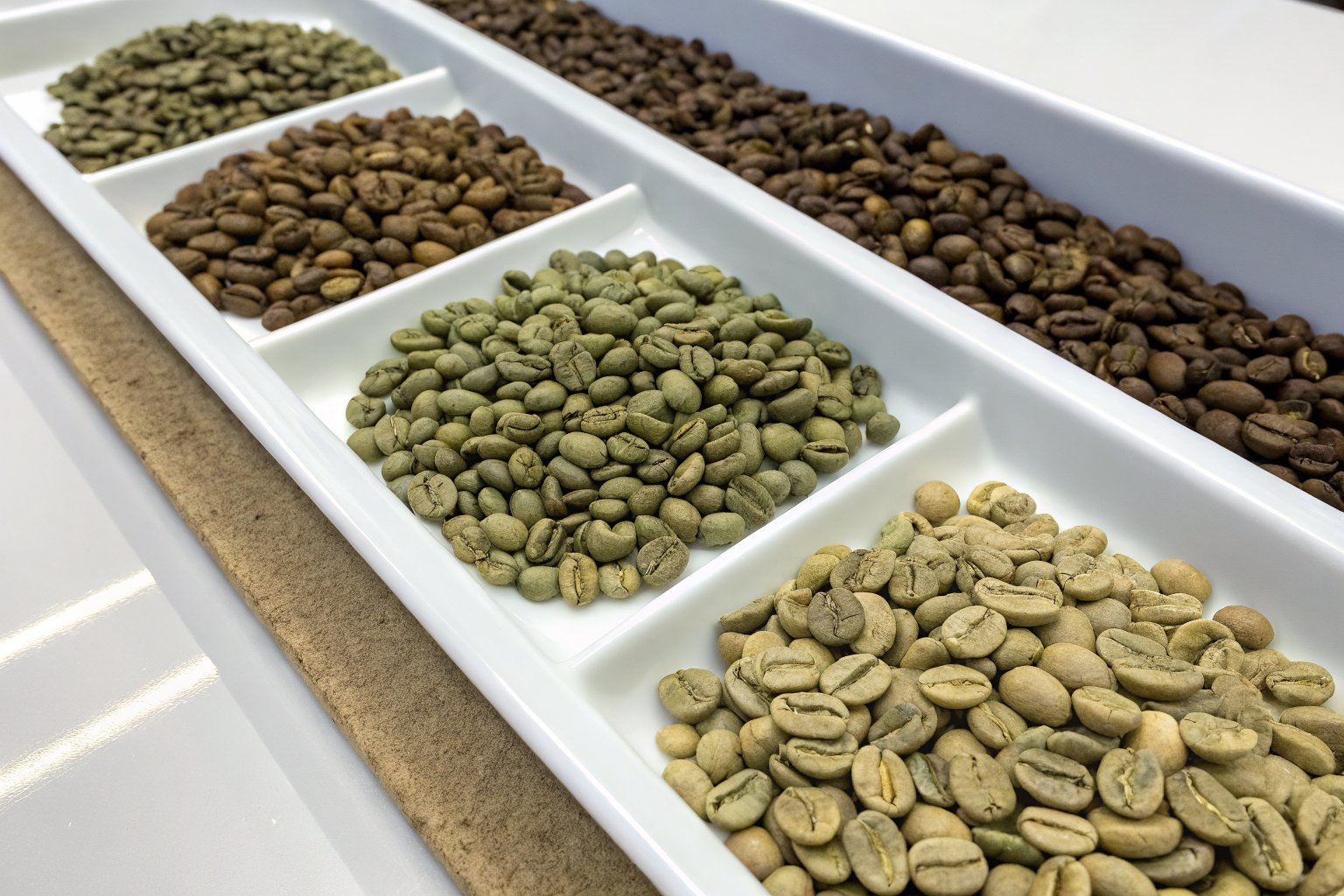
The standard method uses a 250-milliliter or 1-liter graduated cylinder. Fill the cylinder with green coffee beans without tamping or shaking. Level the top with a straight edge, then weigh the contents. Divide the weight by the volume to get the bulk density. For example, 160 grams in a 250-milliliter cylinder equals 0.64 grams per cubic centimeter. The International Organization for Standardization's bulk density protocol specifies that the cylinder should be filled by pouring from a height of 5 centimeters above the rim, which standardizes the packing density. Three measurements should be taken and averaged. If the standard deviation exceeds 0.01 grams per cubic centimeter, the bean shape or size variation is too high for super automatic use.
How Do You Use Bulk Density Data to Adjust Your Super Automatic Setup?
Once you know the bulk density of your coffee, you can adjust the machine's grind time and dose settings to compensate. A simple formula: if the bulk density is 5 percent lower than the machine's default, increase the grind time by 5 percent. If it is 5 percent higher, decrease the grind time by 5 percent. The Roast Magazine's super automatic calibration formula recommends recording the bulk density of every new coffee and storing it in the machine's recipe settings. Most modern super automatics allow you to store multiple recipes. Create a different recipe for each coffee density range you use, and you will eliminate the guesswork when switching between lots.
What Maintenance Issues Are Caused by Incorrect Bulk Density?
Beyond extraction quality, incorrect bulk density causes mechanical problems that increase maintenance costs and machine downtime.

How Does Low Bulk Density Increase Machine Wear and Tear?
Low-density beans are more brittle and produce more fines during grinding. The fines accumulate in the brew group, clogging screens and valves. They also create more static electricity, which causes ground coffee to stick to the grinder chute and the dosing chamber. Over time, this buildup requires more frequent cleaning and replacement of brew group seals. The National Coffee Association's super automatic maintenance study found that machines using coffee with bulk density below 0.56 required 30 percent more frequent cleaning and had a 40 percent higher rate of brew group seal failures compared to machines using coffee within the optimal range. The additional maintenance cost averaged 0.02 to 0.04 dollars per shot, which on a machine pulling 10,000 shots per month amounts to 200 to 400 dollars in unnecessary expense.
Can You Blend to Adjust Bulk Density for Super Automatics?
Yes, blending is an effective way to bring the bulk density into the optimal range. If your coffee is too low in density, blend it with a denser coffee from a different origin. A 70-30 blend of low-density and high-density coffee can shift the bulk density by 0.02 to 0.04 grams per cubic centimeter, which is enough to move from problematic to acceptable. The Coffee Quality Institute's blending for density guide recommends testing the bulk density of each blend component separately before blending. Calculate the target blend ratio using a weighted average formula. For example, to achieve 0.62 grams per cubic centimeter from a 0.58 component and a 0.68 component, use 60 percent of the denser coffee. Test the blend before committing to volume.
Conclusion
The ideal bulk density for coffee beans in super automatic machines is 0.60 to 0.64 grams per cubic centimeter, with an acceptable range of 0.58 to 0.66. Beans outside this range cause dosing inaccuracy, grinding inconsistency, and increased maintenance costs. Rounder bean shapes like Catimor perform better than elongated varieties. Screen size should be concentrated in the 16 to 18 range. Test bulk density for every new coffee and create machine settings that match the density. At BeanofCoffee, we test bulk density on every export lot and can advise on the best bean selection for super automatic applications. Our round-shaped, medium-density Yunnan Catimor is an excellent choice for hotel chains, office coffee programs, and any operation relying on super automatic machines. Contact Person: Cathy Cai Email: cathy@beanofcoffee.com Website: https://beanofcoffee.com/