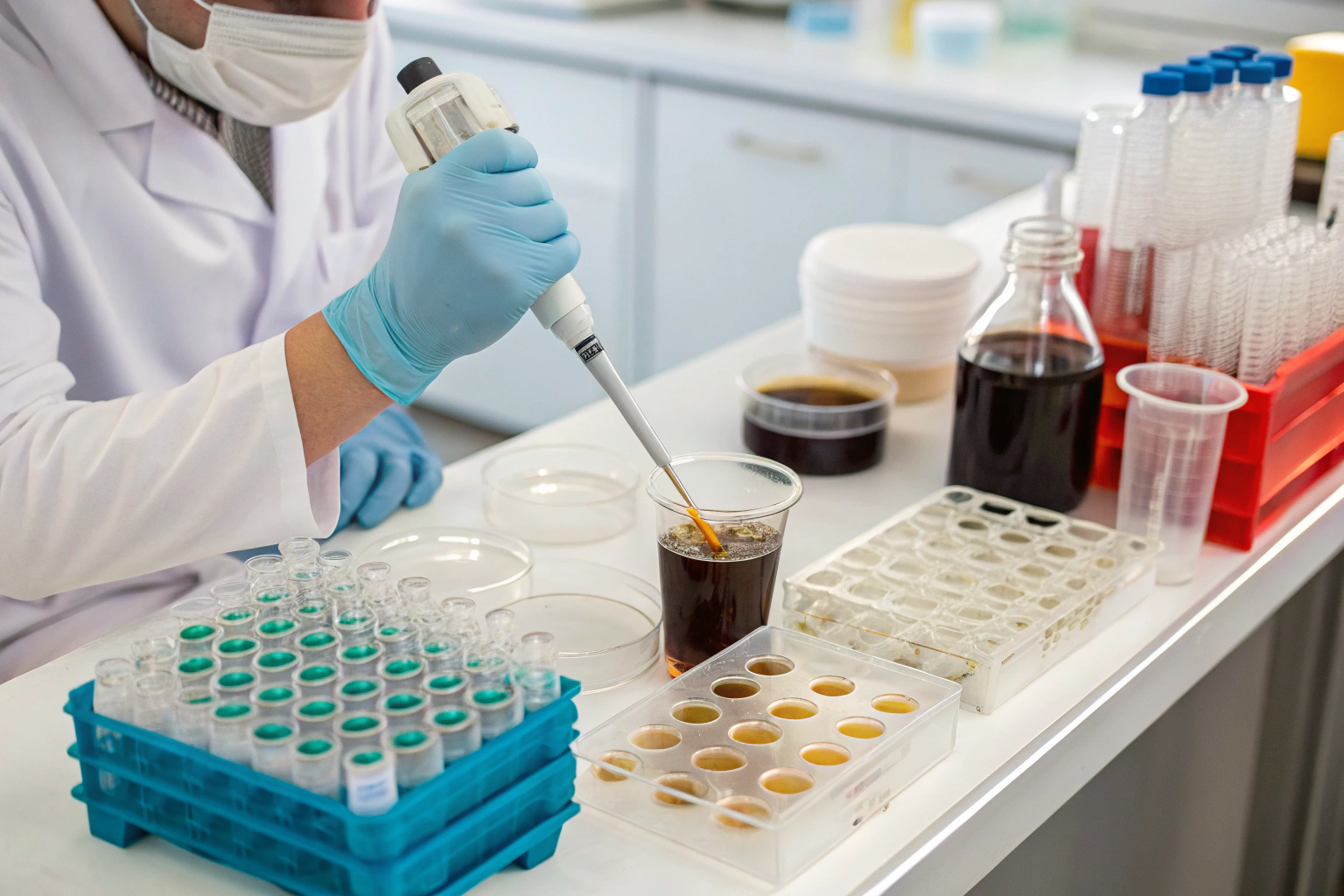
I received an urgent email from a client in Australia late last year. He had just launched a ready-to-drink cold brew product using our Yunnan Arabica, and his first production run was sitting in a warehouse while his quality manager refused to sign off on the release. The reason? The product had not been tested for Clostridium botulinum, a spore-forming bacterium that can grow in the low-acid, oxygen-depleted environment of a sealed cold brew bottle or can. His quality manager was right to hold the product. He was also right to demand a microbiological analysis that went far beyond the standard plate counts his co-packer had provided. The problem was, neither he nor his co-packer knew exactly what tests to request, from which lab, or how to interpret the results. He had built a beautiful brand around a delicious product, and it was stuck in limbo because of a gap in microbiological safety planning.
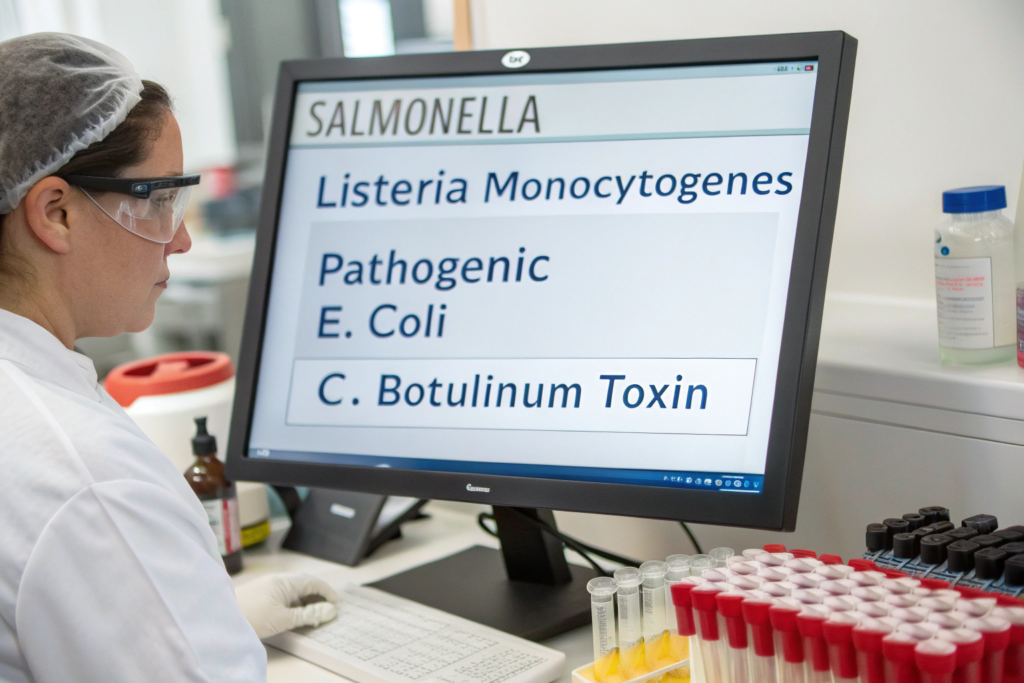
Requesting a microbiological analysis for cold brew safety means commissioning a qualified food testing laboratory to perform a specific panel of tests targeting the pathogens and spoilage organisms most relevant to cold brew coffee: Clostridium botulinum, pathogenic Escherichia coli, Salmonella species, Listeria monocytogenes, and aerobic plate count, yeast, and mold counts as indicators of overall process hygiene. The request must include a properly collected, preserved, and transported sample, a clear test specification referencing recognized methods, such as those from the FDA Bacteriological Analytical Manual or ISO standards, and a defined set of acceptance criteria against which the results will be evaluated. This is not a test of the coffee's flavor. It is a test of whether the product is safe for human consumption, and it requires the same level of rigor as any other ready-to-drink beverage in a sealed container.
What I learned from helping that client navigate the process is that cold brew safety is a topic many coffee professionals avoid because it feels like food science, not coffee craft. But ignoring it does not make the risk disappear. It just means you are unprepared when a quality manager, a retailer, or a regulator asks the question. Here is what you need to know to request the right tests, from the right place, with the right supporting documentation.
What Microorganisms Pose the Greatest Risk in Cold Brew Coffee Products?
Cold brew coffee is chemically different from hot-brewed coffee in ways that affect microbiological risk. It is typically lower in acidity, with a pH that can range from 5.0 to 6.5 depending on the coffee, the roast, and the brewing parameters. It is brewed at ambient temperature, which does not kill vegetative pathogens. And it is often packaged in sealed, oxygen-depleted containers, either bottles, cans, or kegs. This combination of low acidity, no heat pasteurization, and an anaerobic environment creates conditions where certain dangerous microorganisms can survive and, in some cases, thrive.
The pathogens of primary concern in cold brew coffee are Clostridium botulinum, which can produce a deadly neurotoxin in low-acid, anaerobic environments; pathogenic strains of Escherichia coli, particularly O157:H7, which indicates fecal contamination and can cause severe illness; Salmonella species, which can survive in dry environments and cause gastrointestinal infection; and Listeria monocytogenes, which is particularly dangerous because it can grow at refrigeration temperatures. In addition to these pathogens, indicator organisms such as aerobic plate count, yeast, and mold are tested to assess overall process hygiene and shelf-life stability. A cold brew product with a high aerobic plate count may not cause illness immediately, but it indicates a processing failure that increases the risk of pathogen contamination.
The risk is not theoretical. There have been documented recalls of cold brew products due to potential Clostridium botulinum contamination, and the FDA has issued guidance specifically addressing the safety of low-acid canned foods and beverages. A coffee brand that produces cold brew without understanding these risks is operating on borrowed time. The FDA's Bad Bug Book provides detailed profiles of each foodborne pathogen, and the FDA Bacteriological Analytical Manual specifies the approved laboratory methods for detecting them.
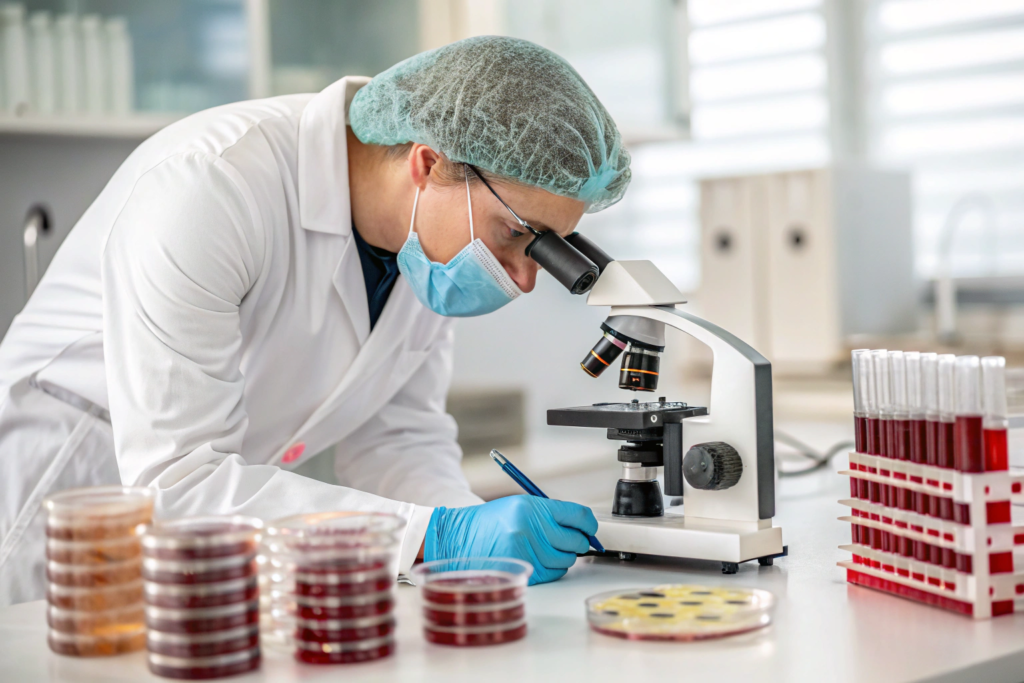
What makes Clostridium botulinum uniquely dangerous in cold brew products?
Clostridium botulinum is a spore-forming bacterium found widely in soil and agricultural products, including green coffee. The spores themselves are harmless to healthy adults. The danger arises when the spores germinate in an environment with low acidity, pH above 4.6, low oxygen, and temperatures above refrigeration. The growing bacteria produce botulinum neurotoxin, one of the most potent toxins known. A sealed bottle or can of cold brew with insufficient acidification, stored at improper temperatures, can theoretically support this process. This is why commercial cold brew manufacturers either acidify their product below pH 4.6, use a validated thermal process, often called a kill step, or both. Testing for the toxin or the organism is a verification that these controls are working.
Why are indicator organisms like yeast and mold tested alongside specific pathogens?
Indicator organisms do not necessarily cause illness themselves, but their presence signals a breakdown in good manufacturing practices. High yeast and mold counts in a cold brew product suggest that the brewing equipment was not adequately cleaned and sanitized, that the product was exposed to airborne contamination during filling, or that the packaging seal is compromised. These conditions also increase the probability of pathogen contamination. A product that passes pathogen testing but fails indicator testing should still be investigated and the process corrected. Indicator testing is a routine, relatively inexpensive way to monitor ongoing process control between less frequent pathogen tests.
What Are the Step-by-Step Protocols for Collecting and Shipping a Cold Brew Sample?
A laboratory can only report what it receives. A sample that is collected improperly, stored at the wrong temperature, or delayed in transit will produce results that are meaningless at best and dangerously misleading at worst. The sample collection and shipping protocol is not a formality. It is the foundation of the entire analysis.
The sample collection protocol for cold brew microbiological analysis requires aseptic technique, sterile sample containers, immediate temperature control, and documented chain of custody. The sample must be drawn from the finished, packaged product, not from an intermediate tank or an open vessel. The container must be sterile, provided by the testing laboratory or a qualified supplier, and must be opened only at the moment of collection. The sample must be placed immediately into refrigerated storage at 0 to 4 degrees Celsius and shipped in an insulated container with sufficient ice packs to maintain that temperature for the entire transit time. The laboratory must receive the sample within 24 to 48 hours of collection, and the time and date of collection must be recorded and submitted with the sample. A deviation at any step invalidates the result.
When my client in Australia went through this process, his first sample shipment was rejected by the lab because the ice packs had melted and the sample arrived at 15 degrees Celsius. The lab correctly refused to test it. The warm temperature could have allowed bacterial growth during transit, which would have produced either a false positive result or a count that did not reflect the actual condition of the product. We had to resample and reship with better insulation. It delayed the product launch by two weeks, but the delay was far cheaper than releasing an untested product.
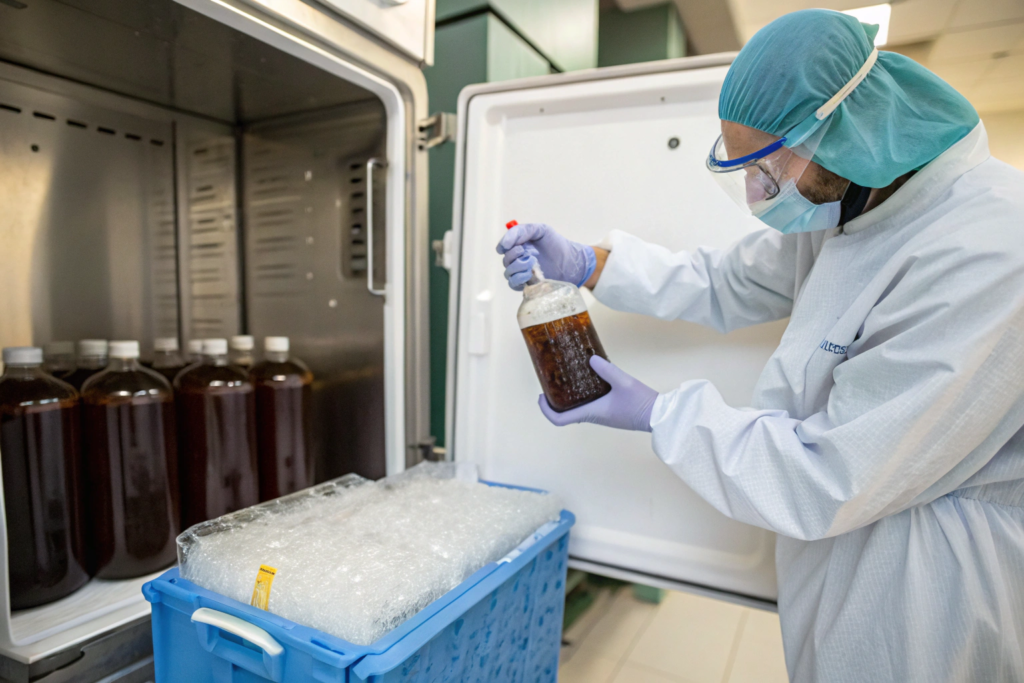
What is the correct aseptic technique for sampling a sealed cold brew bottle or can?
The outside of the container should be sanitized with an alcohol wipe. The person collecting the sample should wear clean disposable gloves. The container should be opened in a clean environment, away from drafts, open windows, or food preparation areas. The sample should be poured or pipetted directly into the sterile collection container, which should be sealed immediately and labeled with a unique sample identifier. The entire process should take seconds, not minutes, to minimize airborne contamination. If the sample is being collected from a production line, multiple samples should be taken from the beginning, middle, and end of the production run to capture any variation over time.
How should a sample be packaged and shipped to maintain the cold chain?
Use an insulated shipping container, often a styrofoam box inside a corrugated cardboard outer. Place sufficient frozen gel packs around the sample to maintain refrigeration for at least 48 hours, accounting for potential shipping delays. Include a temperature indicator strip if available. Ship by overnight or priority service to minimize transit time. Schedule the shipment so it does not sit in a warehouse over a weekend. Include the chain of custody documentation and the laboratory's sample submission form inside the shipping container in a sealed plastic bag to protect it from moisture. Email the laboratory in advance to expect the sample and confirm the delivery window.
How Do You Select an Accredited Laboratory for Cold Brew Pathogen Testing?
Not all laboratories are qualified to test for the pathogens relevant to cold brew safety. A local environmental lab that tests water samples may not have the specific accreditation or experience for Clostridium botulinum testing in a food matrix. Selecting the wrong lab wastes time, wastes money, and may produce results that a retailer or regulator will not accept.
An accredited laboratory for cold brew pathogen testing must hold ISO 17025 accreditation specifically for the food microbiology tests being requested. The lab's scope of accreditation should be publicly available and should list the specific methods, such as FDA BAM or ISO methods, and the specific food matrices, beverages or low-acid canned foods, for which they are accredited. The lab should have experience with coffee or similar beverages, as the matrix can affect test performance. The lab should also be able to provide a clear, interpretable report that includes the method used, the result, the units, the detection limit, and a comparison to any provided acceptance criteria. A lab that is accredited for environmental water testing but not for food pathogen testing in low-acid beverages is not the right lab.
I recommend that buyers ask the lab three specific questions before submitting samples. One, "Are you ISO 17025 accredited for Clostridium botulinum testing in a beverage matrix?" Two, "Can you test for C. botulinum toxin as well as the organism, if needed?" Three, "What is your typical turnaround time, and can you expedite results if a production hold is in place?" The answers will quickly separate qualified labs from unqualified ones. The American Association for Laboratory Accreditation maintains a searchable directory of accredited laboratories, and the ISO 17025 standard documentation defines the accreditation requirements.
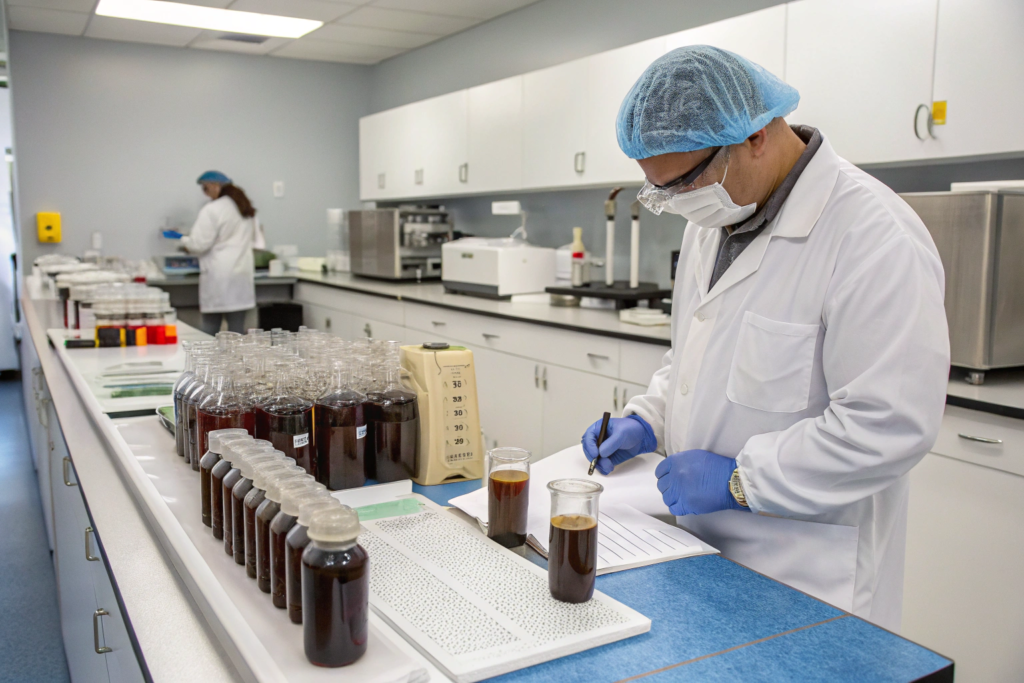
What is the difference between a lab accredited for food testing and one accredited for environmental testing?
Food microbiology testing involves complex matrices that can interfere with test methods. A lab accredited for food testing has demonstrated that their methods work in the presence of food components, such as coffee oils and polyphenols, that might inhibit bacterial growth in culture media or interfere with molecular detection methods. A lab accredited only for environmental testing, such as water or surface swabs, has not demonstrated this capability. Using an environmental lab for food pathogen testing risks false negative results caused by matrix interference.
How do you verify a laboratory's accreditation before sending samples?
Ask the lab for their certificate of accreditation and their scope of accreditation document. Check the issuing body, which should be a recognized accreditation organization such as A2LA, Perry Johnson, or an equivalent international body. Verify on the accreditation body's website that the certificate is current and that the scope includes the specific tests and matrices you need. This takes five minutes online and is the single most important due diligence step before committing to a laboratory.
What Do the Lab Results Mean, and How Should a Coffee Brand Respond to a Positive Finding?
A positive pathogen result on a finished product is a serious event. It is not a minor quality deviation. It is a potential public health threat, and it triggers a specific set of actions that are ethically and often legally required. A brand that is not prepared to receive a positive result is a brand that is not ready to produce cold brew.
A positive result for any of the key pathogens, Salmonella, Listeria monocytogenes, pathogenic E. coli, or C. botulinum toxin, means the affected lot must be immediately placed on hold, physically segregated, and not released to commerce. The brand must initiate a root cause investigation, working backward through the production records to identify the contamination source. Depending on the pathogen and the jurisdiction, the finding may be reportable to public health authorities. The brand must also make a decision on the affected lot: re-processing with a validated kill step, if the product type allows it, or destruction. A positive indicator result, high aerobic plate count, yeast, or mold, does not trigger a regulatory hold, but it should trigger an internal investigation and corrective action. The laboratory results are not the end of the process. They are the beginning of a food safety investigation.
My Australian client's test results came back clean. His product was released and has been on the market successfully since. But the experience of preparing for a possible positive result changed his company's food safety culture. He now treats microbiological testing not as a one-time hurdle for product launch, but as a routine verification embedded in his ongoing production schedule. The FDA's guidance on low-acid canned foods provides the regulatory framework, and the Codex Alimentarius food safety standards offer internationally recognized guidelines for responding to positive findings.
What is the difference between a zero-tolerance pathogen and an indicator organism threshold?
A zero-tolerance pathogen, such as Salmonella or Listeria monocytogenes in a ready-to-drink product, means that any detection in a specified sample size, typically 25 grams, is a failure. There is no acceptable level. An indicator organism, such as aerobic plate count, has a threshold. A cold brew product might have a specification of less than 10,000 CFU per gram. A result below the threshold is acceptable. A result above the threshold requires investigation but does not automatically mean the product is unsafe. The distinction is critical for interpreting results and determining the appropriate response.
How should a brand communicate a positive pathogen finding to a retail customer if product has already shipped?
The communication must be direct, immediate, and handled by a senior leader, not a junior quality technician. The retail customer should be called by phone, not emailed, with the specific information: the lot number, the pathogen found, the date the result was received, and the immediate action required. The affected product must be traced and quarantined. The conversation is uncomfortable, but delaying it increases the public health risk and the legal liability. A brand that has a pre-written recall communication template and a designated recall coordinator will handle this crisis far better than a brand that is improvising under pressure.
Conclusion
Requesting a microbiological analysis for cold brew safety is a technical process, but it is not an insurmountable one. It requires knowing which pathogens to test for, collecting and shipping the sample correctly, selecting an accredited laboratory, and being prepared to act on the results. For a coffee brand launching a cold brew product, this testing is not optional regulatory box-checking. It is an essential verification that the product is safe for the people who will drink it.
If you are developing a cold brew product and need technical support on the green coffee side, including documentation of the coffee's microbial quality before brewing, we can provide lot-specific information and support your quality program. Contact Cathy Cai at cathy@beanofcoffee.com. She can connect you with our quality team and provide the documentation you need for your own HACCP plan and supplier approval process. Cold brew safety starts with the green coffee, and we take that responsibility seriously.