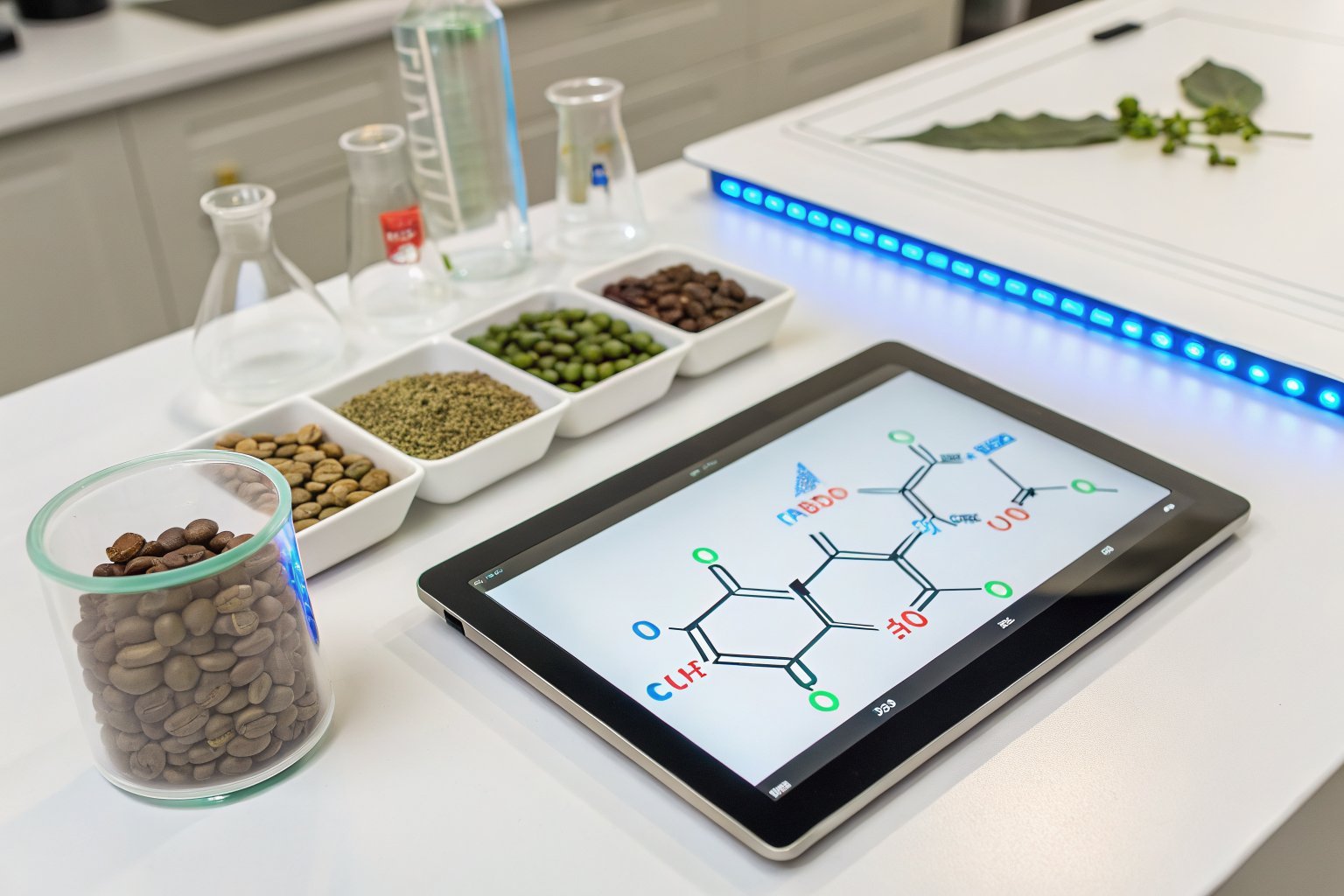
A buyer from a specialty roaster in London asked me a question that most roasters never think about. He wanted to know the trigonelline content of our Yunnan Catimor because he was designing a cold brew blend and wanted a coffee with naturally low bitterness. Trigonelline is one of the most important compounds in coffee, but most buyers barely know it exists. It breaks down during roasting into compounds that create both sweet aromatic notes and bitter elements. Understanding trigonelline — how much is in the bean, how it changes during roasting, and how it affects flavor — gives you a tool for selecting coffee that fits your specific roast profile. Let me walk you through the science and the practical implications.
What Is Trigonelline and Why Is It Important in Coffee?
Trigonelline is an alkaloid compound found naturally in coffee beans. It accounts for approximately 1 to 2 percent of the dry weight of green Arabica coffee. It serves two critical roles: it contributes to the perception of bitterness in the cup, and it breaks down during roasting into nicotinic acid and other compounds that add roasted, sweet, and complex aromatics.
How Does Trigonelline Affect Coffee Flavor?
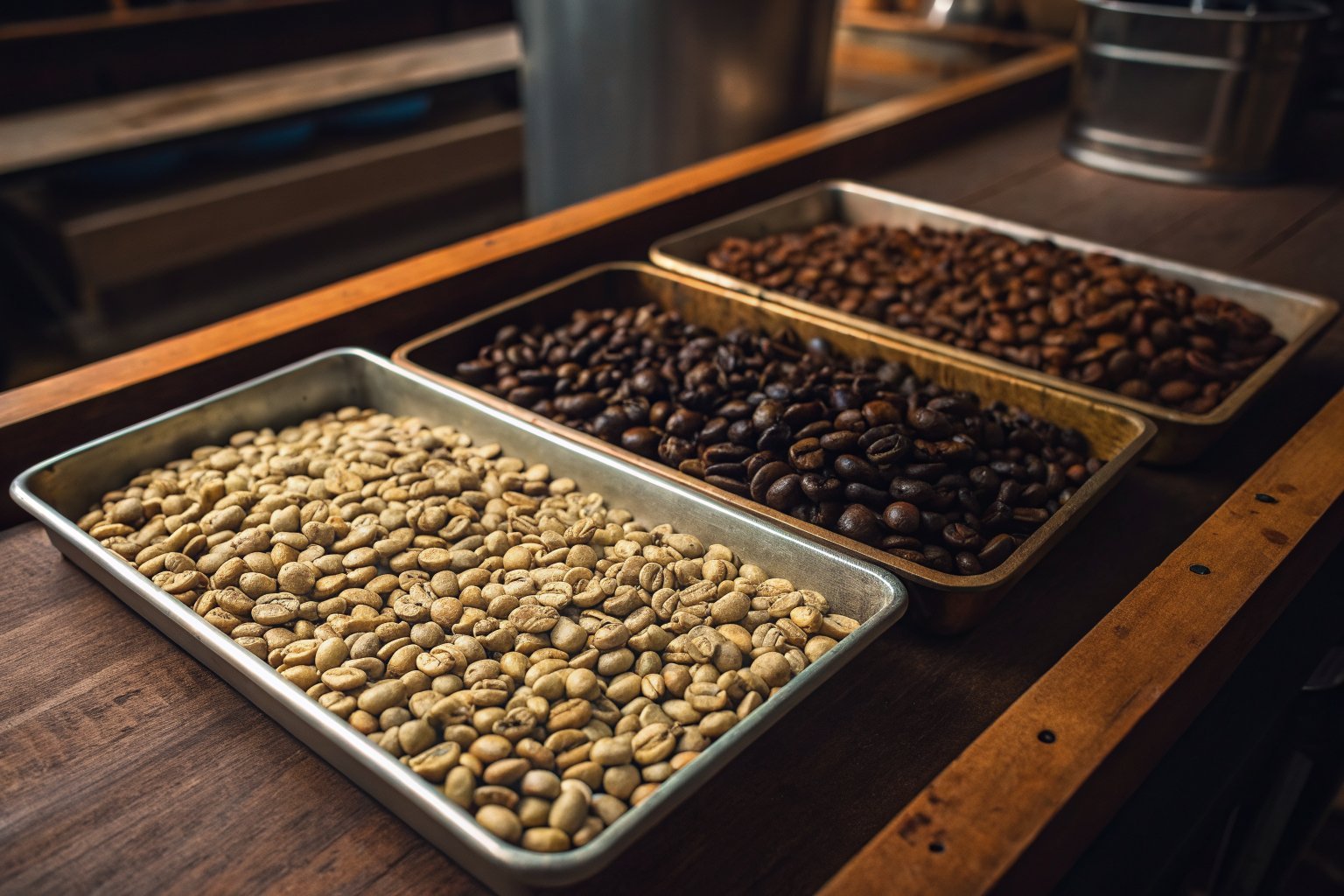
Trigonelline itself is slightly bitter, with a flavor described as mild, clean, and somewhat metallic. But its real impact comes from its breakdown products during roasting. When trigonelline degrades at temperatures above 190 degrees Celsius, it produces nicotinic acid — also known as vitamin B3 — and a range of pyridine compounds that contribute to the roasted, smoky, and sweet notes of coffee. The Journal of Agricultural and Food Chemistry's trigonelline study found that approximately 50 to 85 percent of trigonelline breaks down during roasting, depending on the roast level. Light roasts retain 40 to 50 percent of the original trigonelline. Dark roasts retain as little as 15 percent. The remaining trigonelline contributes the clean bitterness that balances acidity and sweetness in the finished cup.
Is Trigonelline the Same Thing as Caffeine?
No. They are different compounds with different effects. Caffeine contributes the stimulant effect and a harsh, lingering bitterness. Trigonelline contributes a milder, cleaner bitterness that is more pleasant. The ratio of trigonelline to caffeine in the green bean determines the bitterness character of the final coffee. A high trigonelline-to-caffeine ratio produces coffee with smooth, balanced bitterness. A low ratio produces harsh, sharp bitterness. The World Coffee Research alkaloid composition study shows that Arabica coffee typically has a trigonelline-to-caffeine ratio of 1.0 to 1.5. Robusta has a much lower ratio of 0.3 to 0.5, which is one reason Robusta tastes more bitter and harsh. Higher-altitude Arabica tends to have more trigonelline, which contributes to the cleaner, more pleasant bitterness that specialty coffee drinkers expect.
How Does Trigonelline Content Vary by Origin and Variety?
Not all coffee beans have the same trigonelline content. The concentration varies by variety, altitude, and growing conditions. Knowing which coffees are naturally high or low in trigonelline helps you select beans for your desired flavor profile.
Which Coffee Varieties Have the Highest Trigonelline Content?
In general, Arabica varieties have higher trigonelline than Robusta. Within Arabica, Typica and Bourbon tend to have the highest concentrations at 1.5 to 2.0 percent of dry weight. Catimor and its hybrids have slightly lower levels at 1.2 to 1.6 percent. Ethiopian heirloom varieties are at the higher end of the range. The Coffee Quality Institute's trigonelline database documents the trigonelline content for 40 common Arabica varieties. At Shanghai Fumao, our Yunnan Catimor averages 1.4 percent trigonelline, which is in the mid-range for Arabica. This produces a balanced bitterness profile that works well across light to medium roast levels. For buyers seeking a particularly smooth cup, we recommend our Bourbon lots, which average 1.7 percent trigonelline.
Does Altitude Affect Trigonelline Concentration?
Yes, significantly. Coffee grown at higher altitude accumulates more trigonelline as part of the plant's stress response. A farm at 1,600 meters may produce beans with 20 to 30 percent more trigonelline than the same variety at 800 meters. This is one reason why high-altitude coffee tastes cleaner and more balanced — the trigonelline-to-caffeine ratio is higher. The World Coffee Research altitude chemistry study found that trigonelline increases by approximately 3 to 5 percent for every 300 meters of elevation gain above 1,000 meters. If you value a clean, smooth bitterness in your coffee, prioritize high-altitude Arabica from farms above 1,200 meters.
How Do You Control Trigonelline-Derived Bitterness Through Roasting?
Roast level is the most powerful lever you have for controlling trigonelline's effect on bitterness. Since trigonelline breaks down during roasting, you can decide how much remains and how much converts to other flavor compounds.
What Roast Level Preserves the Most Trigonelline?
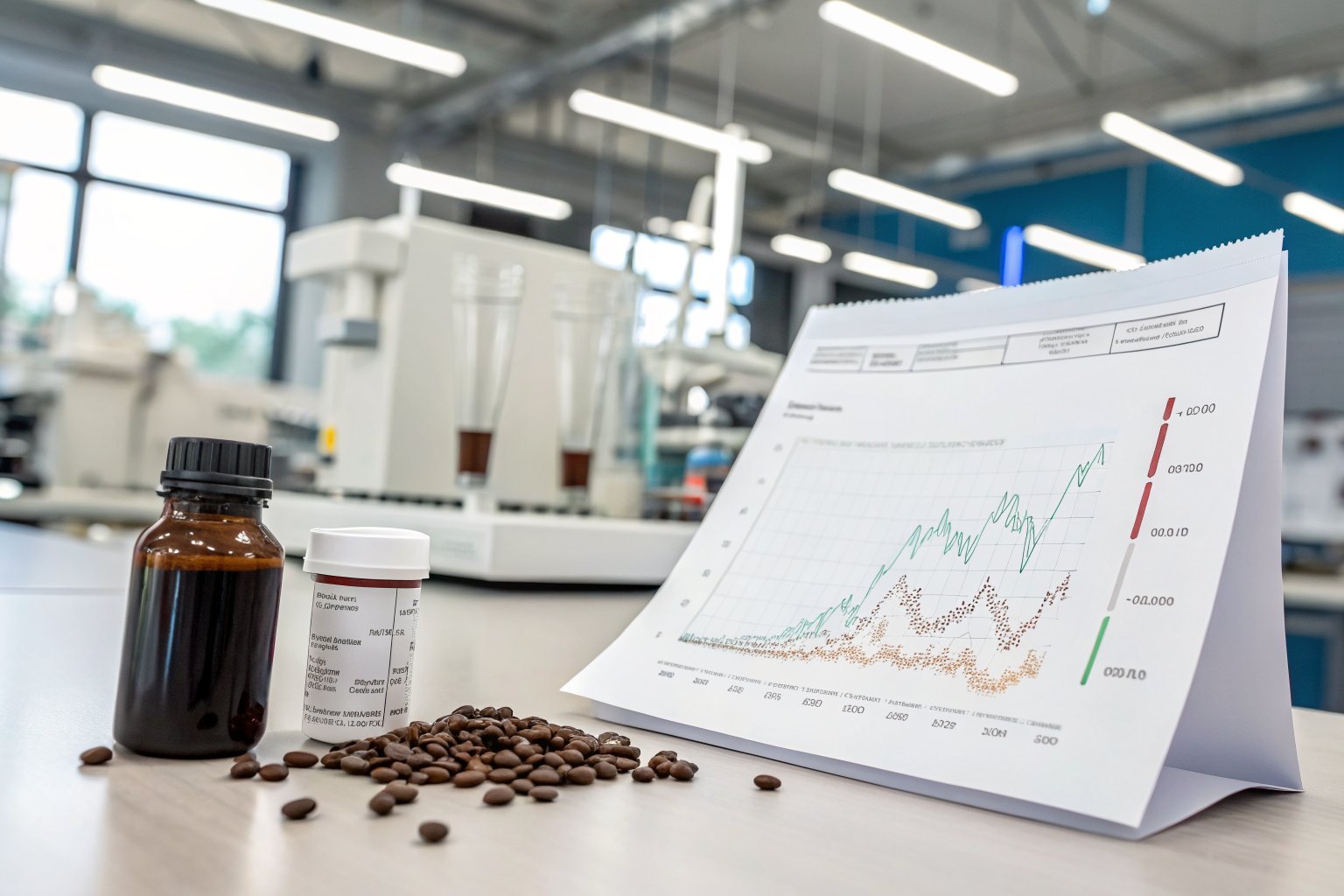
Light roasts preserve 40 to 50 percent of the original trigonelline. At this level, the trigonelline contributes a clean, mild bitterness that balances the bright acidity of the coffee. The remaining trigonelline that breaks down produces nicotinic acid and pyridines, which add the subtle roasted notes that define light roast coffee. The Specialty Coffee Association's trigonelline roast guide shows that at a City roast (Agtron 65 to 70), approximately 45 percent of trigonelline remains. At Full City (Agtron 55 to 60), approximately 30 percent remains. At Vienna and darker, less than 20 percent remains. If you want the smooth, clean bitterness of trigonelline, stop the roast at City or City plus.
How Does Trigonelline Breakdown Affect the Perception of Roast Bitterness?
The bitterness from trigonelline is different from the bitterness from other sources. Trigonelline-derived bitterness is clean and fades quickly on the palate. Bitterness from over-roasted bean solids is harsh, ashy, and lingers. This is why a well-roasted light or medium coffee tastes balanced while an over-roasted dark coffee tastes harsh — the balance between retained trigonelline and other bitter compounds shifts. The Roast Magazine's bitterness source breakdown identifies three sources of bitterness in roasted coffee: trigonelline contributes 15 to 30 percent, chlorogenic acid lactones contribute 30 to 40 percent, and high-molecular-weight brown compounds contribute 30 to 50 percent depending on roast level. In light roasts, trigonelline is the dominant bitter compound and it is the most pleasant one. In dark roasts, the brown compounds dominate and produce the harshest bitterness.
How Can You Use Trigonelline Knowledge in Your Buying and Blending?
Understanding trigonelline gives you a framework for choosing coffee and designing blends with a specific bitterness profile.
Should You Prioritize High-Trigonelline Coffee for Light Roasts?
Yes, absolutely. If you specialize in light roast coffee, high-trigonelline Arabica is your best choice. The trigonelline provides the gentle bitterness that balances the acidity without overwhelming it. Coffees with low trigonelline can taste thin and hollow at light roast levels because there is not enough bitterness to give the cup structure. The Coffee Quality Institute's light roast selection guide recommends selecting coffees with trigonelline content above 1.5 percent of dry weight for light roast applications. Ethiopian Yirgacheffe, Kenyan SL28, and high-grown Typica are all excellent choices. At Shanghai Fumao, our high-altitude Catimor and Bourbon lots both work well at light roast levels, though the Bourbon gives a smoother cup due to its higher trigonelline content.
How Do You Blend for a Specific Bitterness Profile?
Blending gives you control over the final bitterness character. Use a high-trigonelline Arabica as the base component for a clean, balanced bitterness. Add a lower-trigonelline component — either a different Arabica or a small percentage of Robusta — if you want a sharper, more pronounced bitterness. The ratio of the two determines the final profile. The Roast Magazine's bitterness blending formula recommends a simple rule: for every 10 percent of a low-trigonelline component in the blend, the trigonelline-derived bitterness decreases by approximately 8 percent and the harsh bitterness from other sources increases by approximately 5 percent. Use this formula to design blends that hit your target bitterness level consistently.
Conclusion
Trigonelline is one of the most important but least understood compounds in coffee. It contributes 15 to 30 percent of the total bitterness in a cup, and it is the cleanest, most pleasant form of coffee bitterness. High-altitude Arabica varieties have the highest trigonelline content, ranging from 1.2 to 2.0 percent of dry weight. Light roasts preserve 40 to 50 percent of trigonelline, while dark roasts break down 80 to 85 percent. Understanding trigonelline helps you select coffee for specific roast levels, design blends with a desired bitterness profile, and explain to your customers why your coffee tastes the way it does. At BeanofCoffee, we test trigonelline content on our premium lots and share the data with buyers. If you want coffee with a clean, balanced bitterness that works beautifully at light to medium roast, our high-altitude Yunnan Catimor and Bourbon are excellent choices. Contact Person: Cathy Cai Email: cathy@beanofcoffee.com Website: https://beanofcoffee.com/