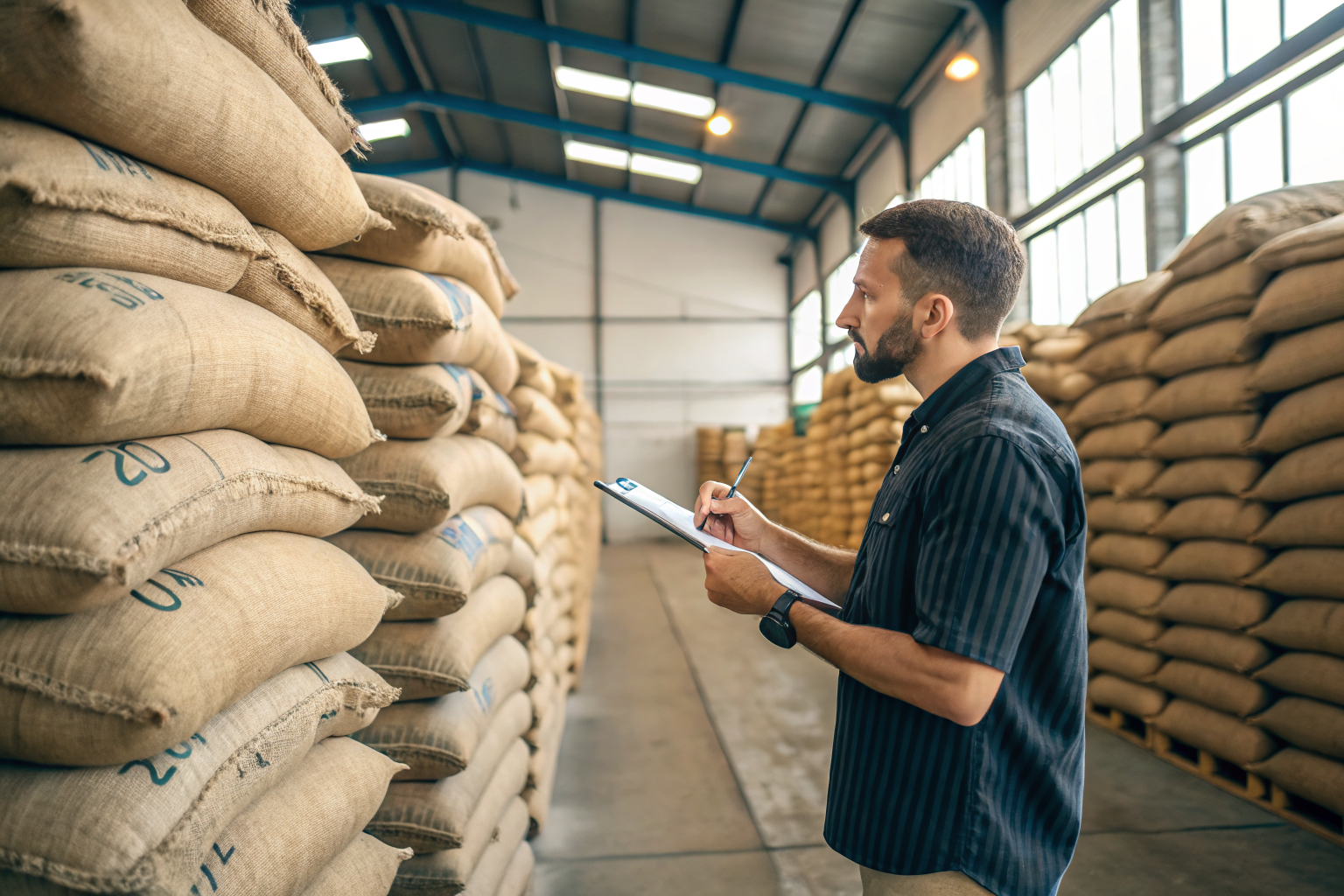
Last year, Mike Henderson from Ohio called me after his usual supplier fell through. He runs a mid-sized roasting company in Columbus and had just lost a 40,000-pound shipment because a Vietnamese broker sold his container to a higher bidder. "I saved three cents a pound with them," he told me over the phone. "Now I'm scrambling to find beans two weeks before my biggest seasonal order. I would have paid twenty cents more for reliability." That phone call stayed with me. Consistent supply means your coffee business never stops. Reliable sourcing keeps your roasters running, your customers happy, and your brand reputation intact. Let me walk you through why consistent supply is the single most important factor when choosing a coffee bean supplier — and why chasing the cheapest price often costs you more in the long run.
What Happens When Your Supply Chain Breaks?
Here's the thing. When your coffee supply stops, everything stops. No beans in your warehouse means no production on your roaster. No production means no orders shipped to your wholesale customers. And no orders shipped means you start losing accounts you spent years building. I have seen this pattern repeat with buyers across North America who switched suppliers for a few cents per pound, only to face disruption that cost them thousands in lost revenue. The math never works out in their favor.
How Much Does a Single Supply Disruption Actually Cost Your Roasting Business?
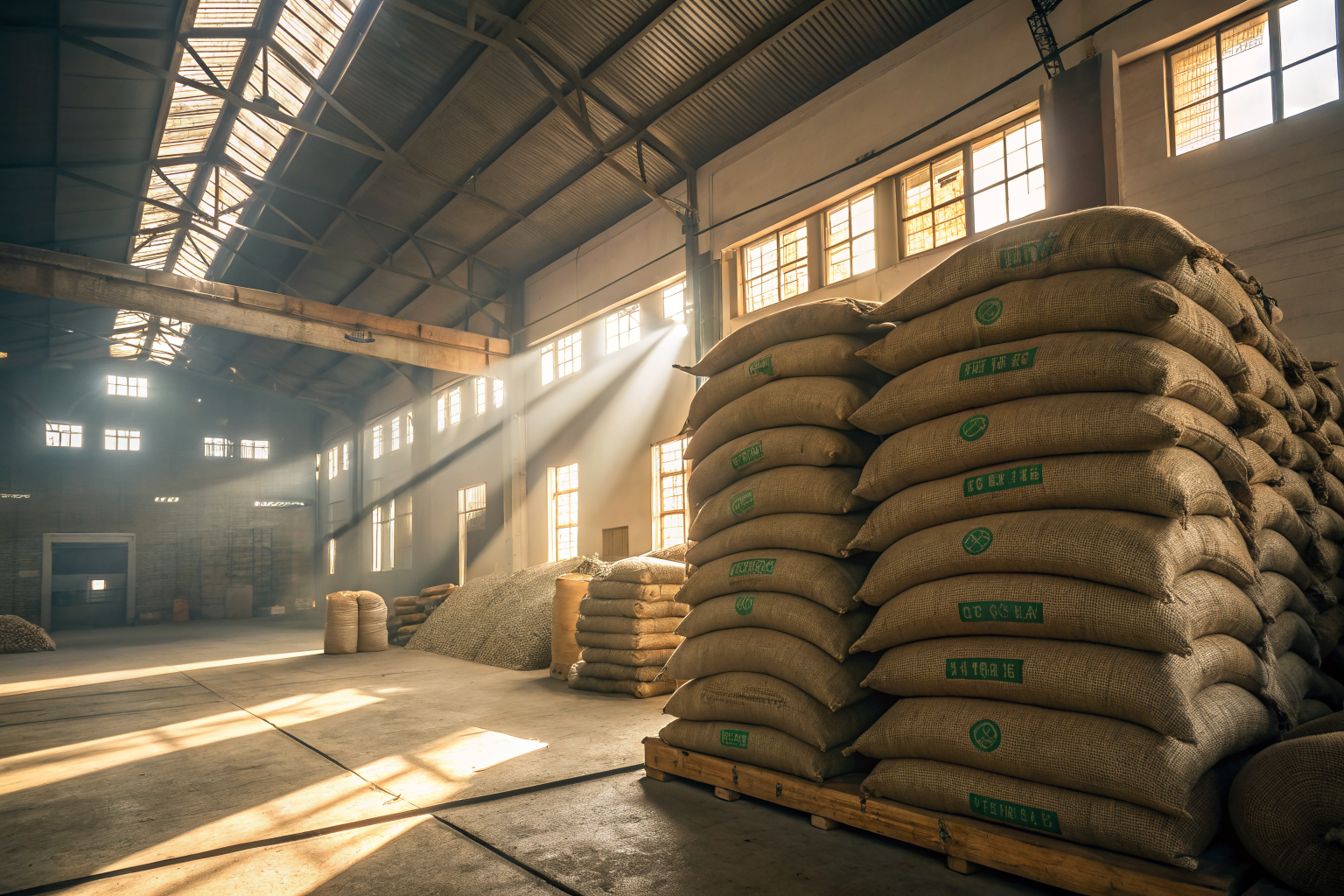
Let me give you a real example from one of our long-term partners in Seattle. They calculated that a two-week supply gap cost them roughly $18,000 in lost wholesale orders, plus they had to refund three subscription box customers who never came back. According to the Specialty Coffee Association's 2024 report on supply chain resilience, supply disruptions are the top concern for 67% of North American roasters. When you factor in the cost of customer acquisition in the coffee industry, losing a single wholesale account can set you back anywhere from $5,000 to $15,000 in marketing spend to replace it. Shanghai Fumao, which operates through BeanofCoffee, has built its entire logistics system around preventing exactly this kind of disruption for buyers like Mike. The real cost of a broken supply chain is not just the lost bean cost. It is the lost trust. Your wholesale customers do not care that your supplier let you down. They care that their roaster is empty and their own customers are upset. A single disruption can ripple through your entire business for months.
Why Do Cheaper Suppliers Often Fail to Deliver on Time?
Here is a pattern I notice again and again. Brokers and middlemen who offer the lowest prices typically do not own their own coffee farms. They buy from whoever has excess inventory at the moment. When global prices shift or harvests come up short, those same brokers sell to the highest bidder — and you become the one left waiting. A study by Allegra Strategies on global coffee supply chains found that 43% of coffee buyers who switched to lower-cost suppliers experienced at least one delivery failure within the first year. The International Coffee Organization also highlights that broker-dependent supply chains are significantly more volatile than vertically integrated ones. When you buy from a company that owns its own plantations, like the 10,000 acres we manage in Baoshan, Yunnan, your supply is not dependent on market speculation. We harvest, process, and ship from our own inventory. There is no third party deciding whether your container gets redirected. That stability is something no cents-per-pound discount can replace.
What Makes a Coffee Supplier's Supply Chain Truly Reliable?
Honestly, most buyers do not ask the right questions when vetting a supplier. They ask about price, about certifications, about shipping windows. But very few ask the most important question: what happens if something goes wrong? A reliable supplier has answers to that question before you even ask. They have backup plans, buffer inventory, and multiple logistics routes.
What Should You Look for in a Supplier's Logistics and Warehousing Capabilities?
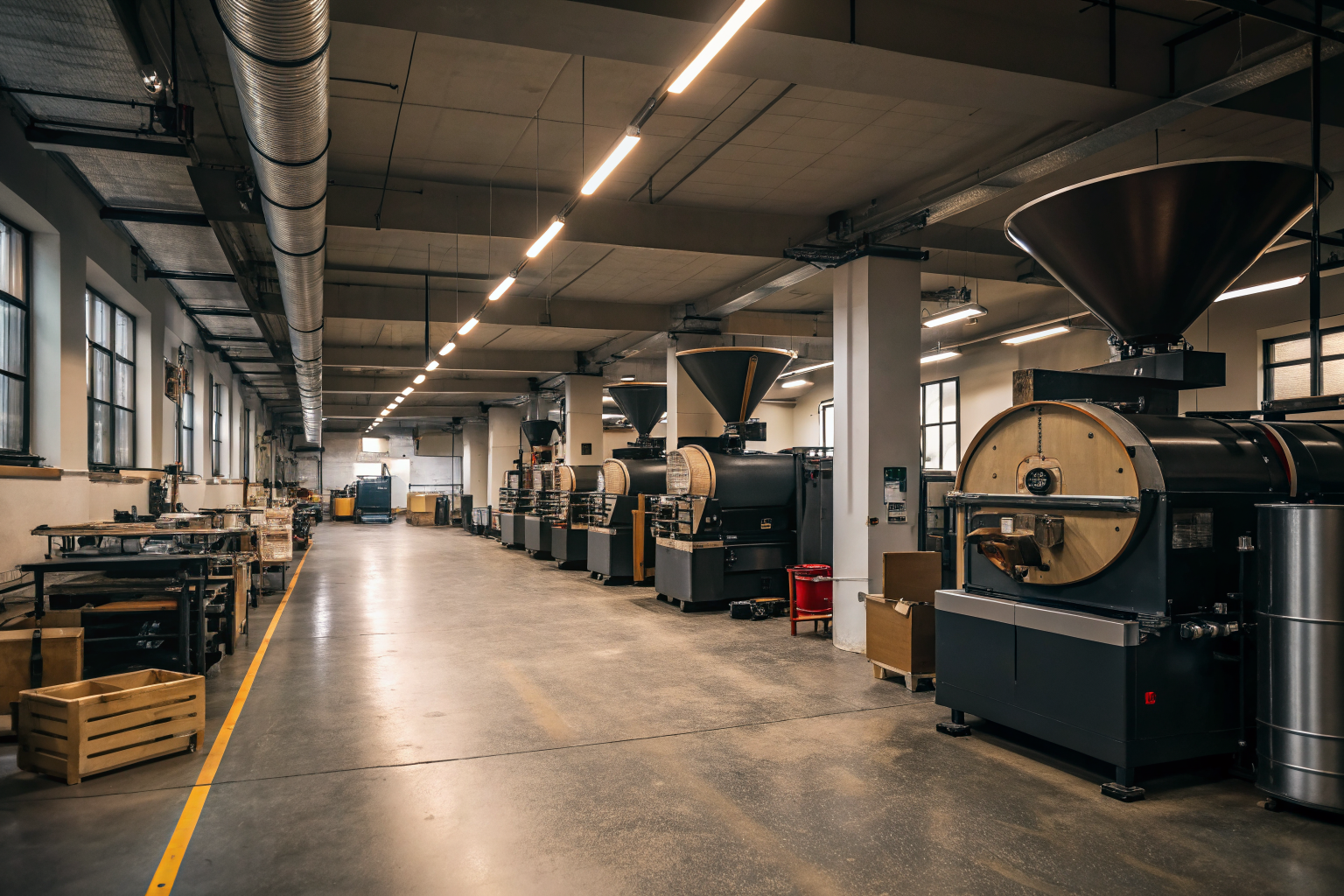
A truly reliable supplier maintains warehousing at origin and at destination. They do not just ship and hope. At BeanofCoffee, we operate bonded warehouses in both Yunnan and Shanghai, which means we can hold inventory for buyers and release it on demand. That kind of infrastructure matters when shipping schedules shift. According to Logistics Management's analysis of coffee freight trends, suppliers with dual-location warehousing reduce delivery variance by up to 34% compared to those shipping directly from farm to port. The Supply Chain Digital journal also notes that destination warehousing is becoming a key differentiator for top-tier coffee exporters. In practice, this means if a ship is delayed in Shanghai port, your beans are already sitting in a bonded facility, ready to move as soon as the logistics lane clears. You do not miss your roast schedule. Your customers never know there was a delay. That is the level of reliability that saves you money far beyond any per-pound discount.
How Do Long-Term Contracts Protect You from Price Volatility?
Long-term supply contracts with fixed pricing windows protect you from the wild swings of the C-market. Coffee prices can move 20 to 30 cents per pound in a single month. If you are buying spot, you absorb all that volatility. A long-term relationship with a supplier like Shanghai Fumao, connected to BeanofCoffee, means you can lock in pricing for six to twelve months. Your cost per pound stays predictable. Your profit margins stay protected. The World Coffee Research organization has published data showing that roasters using long-term supply agreements experience 22% less margin variance than those buying spot market. When you combine that with SCA's findings on contract stability, the evidence is clear: long-term relationships create financial stability that spot buying never can. You do not have to guess what your beans will cost next quarter. You already know.
How Does Bean Quality Consistency Affect Your Roast Profile?
Here's a truth that every experienced roaster knows: consistent sourcing is not just about delivery timing. It is about flavor. If your green coffee changes batch to batch, your roast profile changes too. And if your roast profile changes, your customers notice. They may not know the technical reason, but they will taste the difference.
Why Does Same-Farm Sourcing Give You a More Repeatable Roast?
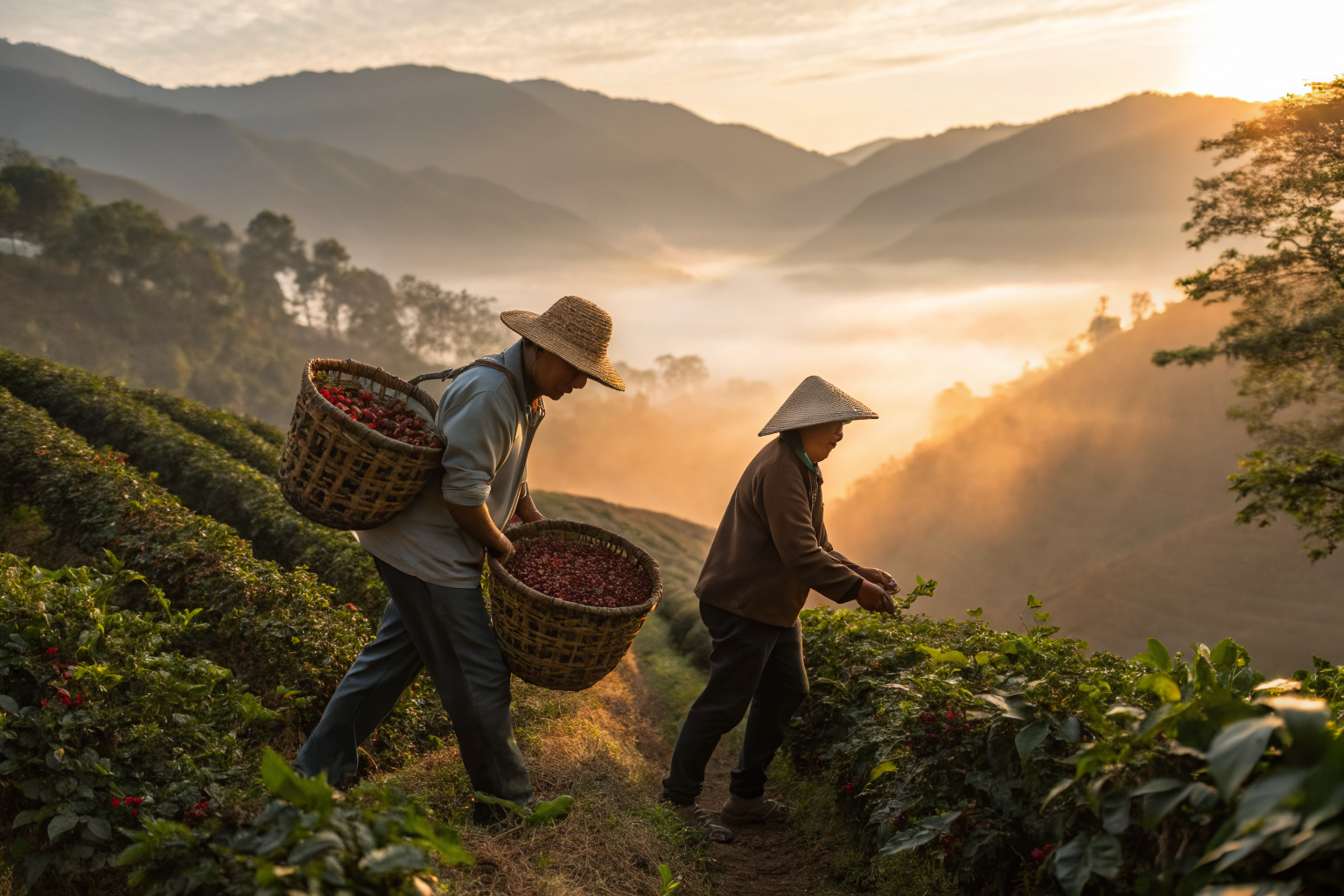
When your beans come from the same farms, the same elevations, and the same processing methods, your roast curve stays predictable. That is why we at BeanofCoffee trace every lot back to specific sections of our Baoshan plantations. We do not blend across regions or mix harvest years. According to Perfect Daily Grind's technical guide to roast repeatability, roasters who source from single-origin, single-farm suppliers reduce batch variance by over 40% compared to those who buy blended lots. The Coffee Quality Institute also emphasizes that traceability at the farm level is the single most important factor in roast consistency. When you open a bag from us, the bean density, moisture content, and screen size are virtually identical to the last shipment. Your roaster does not need adjustment. Your flavor profile stays exactly where your customers love it. That consistency builds brand loyalty that no discount can match.
How Does Seasonal Availability Affect Your Year-Round Menu Consistency?
Many buyers do not realize that coffee from different origins hits the market at different times. If you are blending or rotating origins seasonally, your year-round menu might taste different in March than it does in September. But with a large, vertically integrated producer in Yunnan, you have access to inventory that spans multiple harvests. We store coffee under controlled conditions so that a lot shipped in February tastes the same as one shipped in October. The Roast Magazine guide to year-round coffee sourcing recommends working with suppliers who can provide at least 12 months of consistent inventory from a single harvest. Daily Coffee News reports that roasters who maintain single-source consistency year-round see 18% higher customer retention rates. Your customers come back because they know exactly what to expect from your house blend. That trust is hard-earned. Do not let inconsistent sourcing break it.
What Practical Steps Can You Take to Secure Consistent Supply Today?
Stop treating coffee beans as a commodity you buy on price alone. Start treating your supply chain as a strategic partnership. The buyers who succeed long-term are the ones who invest in relationships, not transactions. Here is what that looks like in practice.
How Do You Vet a Supplier's Actual Production Capacity?
Ask for farm maps. Ask for harvest records. Ask for warehouse inventory snapshots. A supplier that owns its own production should be able to show you exactly how many hectares are under cultivation, what the expected yield is per season, and how much buffer inventory they maintain. At BeanofCoffee, we provide quarterly production reports to our wholesale partners. You can see exactly which blocks of our 10,000 acres are producing, what varieties are coming due, and when we expect the next harvest to land. The SCA's supplier vetting guide outlines the key documentation you should request before signing a contract. Meanwhile, Global Coffee Report recommends visiting origin at least once to physically verify production claims. A supplier who hesitates to share this information is a supplier who likely does not have the capacity they claim. Transparency is the first sign of reliability.
How Do You Build a Buffer Strategy Without Holding Too Much Inventory?
The ideal buffer is 30 to 60 days of your average throughput held either at origin or in a destination warehouse. You do not want to tie up all your capital in inventory, but you also do not want to run dry. The solution is a flexible release agreement where your supplier holds the buffer for you. Shanghai Fumao, operating through Shanghai Fumao, offers this exact structure. You commit to a volume, we hold it in our bonded warehouse, and you call in releases as you need them. According to Food Logistics magazine on inventory strategies for importers, the hold-and-release model reduces warehousing costs by up to 25% compared to self-storage. The Supply Chain Brain journal further notes that supplier-held buffers create more flexibility than buyer-held inventory. You get the security of consistent supply without the overhead of managing warehouse space yourself. That is the kind of practical solution that saves you far more than ten cents a pound ever could.
Conclusion
Consistent supply is not a luxury. It is the foundation of every successful coffee business. When you buy from a supplier who owns their farms, maintains warehousing at both ends, offers long-term contracts, and provides full traceability, you eliminate the risks that destroy margin and reputation. The pennies you save with a cheaper broker disappear the moment a shipment fails. But the reliability you build with a partner like BeanofCoffee pays dividends year after year. If you are a roaster, importer, or brand owner looking for a supply partner who delivers every time, reach out today. Contact Cathy Cai at cathy@beanofcoffee.com to discuss your volume needs, lock in pricing, and secure your supply chain for the long term. Visit Shanghai Fumao to learn more about our Yunnan-sourced Arabica and our global export capabilities. Let us help you build a business that never runs out of beans.