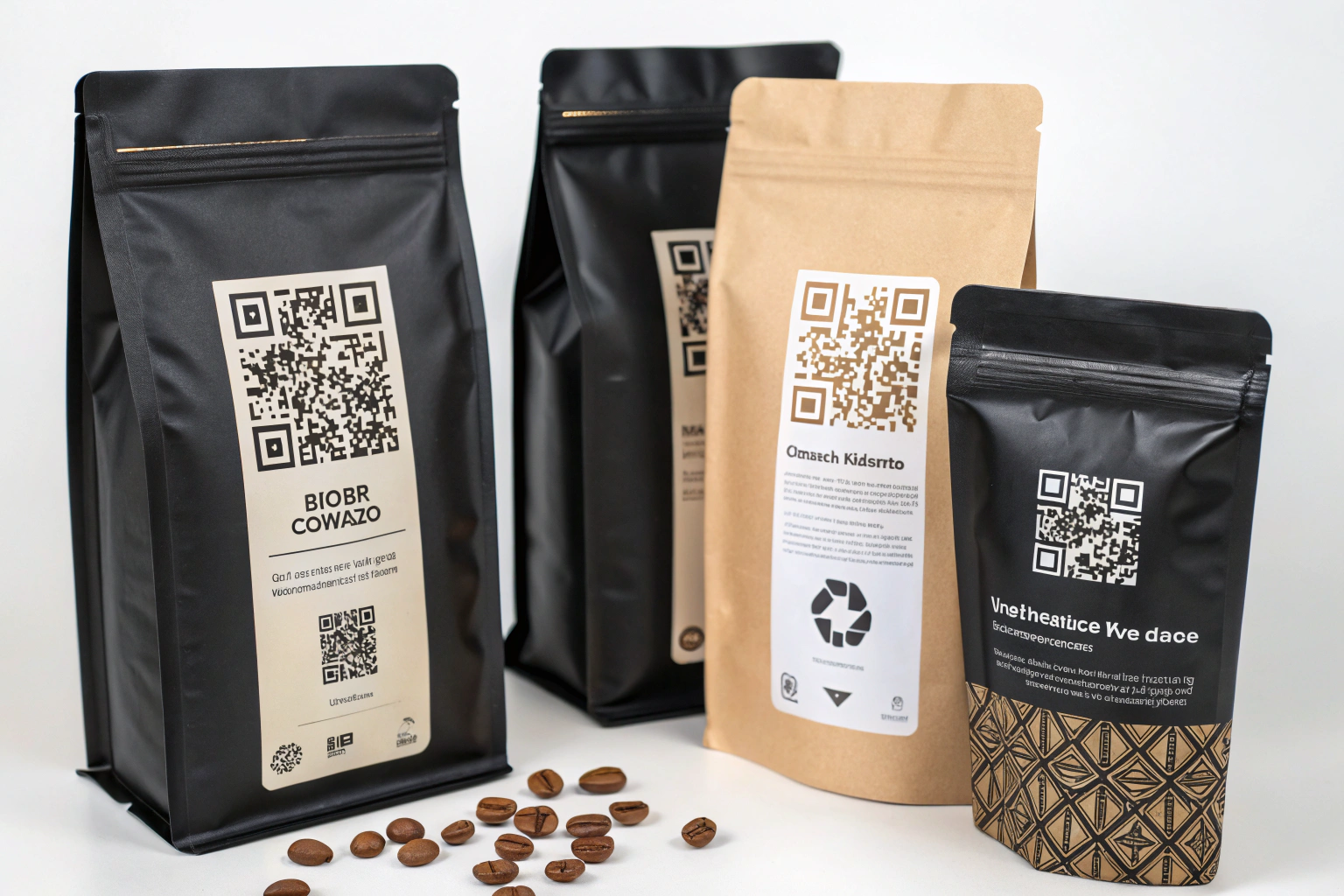
I stood in a client's roasting facility in Hamburg last November, staring at a pallet of returned coffee bags. Three hundred bags. All of them beautiful. All of them printed with his brand's signature illustration, a hand-drawn mountain landscape. All of them unusable. The problem was not the design. The problem was the material. It was a mixed-layer laminate that his local municipality had just classified as non-recyclable. The stores that carried his coffee informed him they would no longer stock products in that packaging. He had two choices: find a solution fast, or watch his wholesale accounts disappear. This is the reality of coffee packaging in 2026. It is no longer just about looking good on a shelf. It is about navigating a minefield of new regulations, shifting consumer expectations, and rising material costs—all while keeping your coffee fresh and your brand recognizable.
The best wholesale coffee packaging trends in 2026 are driven by three converging forces: the regulatory push toward fully recyclable and compostable materials, the consumer demand for transparent and verifiable sustainability claims, and the technical requirement to protect coffee freshness across longer, more complex supply chains. The winning packaging solutions combine high-barrier mono-materials that are curbside recyclable, minimalist designs that reduce ink and material waste, and smart features like QR-code traceability that turn the package into a digital storytelling platform. This is not about chasing a trendy color palette. It is about future-proofing your wholesale business.
So, what do these trends look like in practice? What materials should you be asking your packaging supplier about? What design choices will keep your bags on shelves and out of landfills? And how do you make the transition without breaking your budget or confusing your wholesale customers? These are the conversations I have been having with my own clients throughout this year.
Why Are High-Barrier Mono-Materials Replacing Traditional Multi-Layer Coffee Bags?
The traditional coffee bag is a sandwich of different materials. A layer of polyester for print quality. A layer of aluminum foil for the oxygen barrier. A layer of polyethylene for heat sealing. Together, they work beautifully to keep coffee fresh. But they are impossible to separate and recycle. The bag goes straight to landfill. For years, the industry accepted this trade-off: freshness versus sustainability. That trade-off no longer exists.
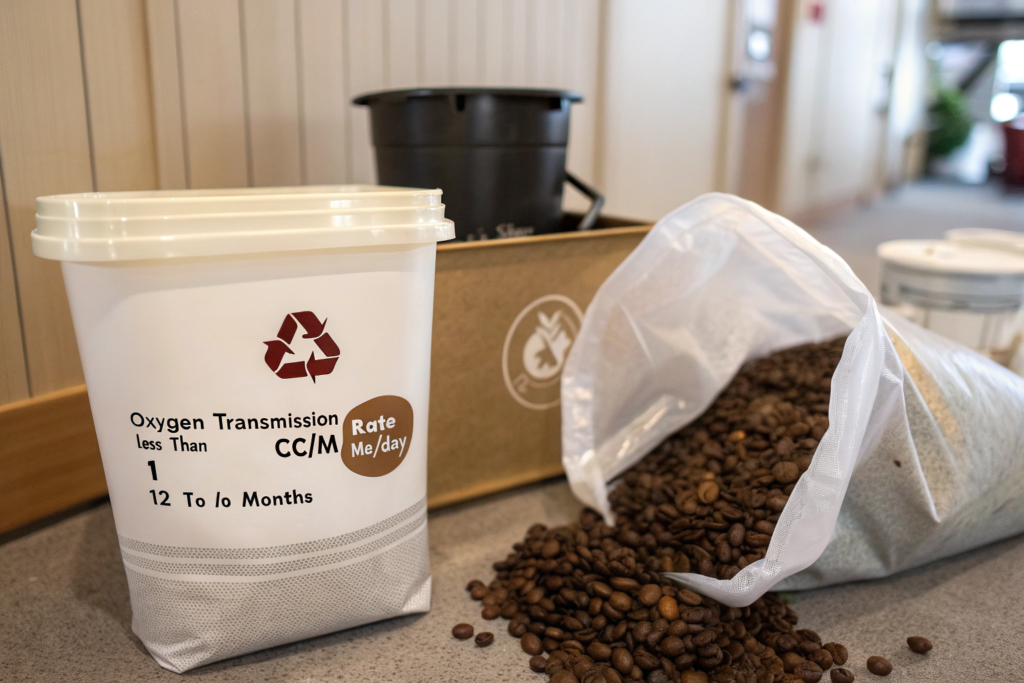
High-barrier mono-materials are single-polymer structures, typically made entirely of polypropylene or polyethylene, engineered at the molecular level to provide the same oxygen and moisture protection as a multi-layer laminate. Because the entire bag is one material, it is fully recyclable in standard curbside streams. The technology has advanced so rapidly that a modern mono-material bag can achieve an oxygen transmission rate below 1 cc/m²/day, which is comparable to aluminum-lined laminates. The coffee stays fresh for 12 to 18 months. The bag goes in the recycling bin when it is empty. This is not a compromise. It is a genuine replacement.
I switched our own branded bag production to a mono-material polyethylene structure earlier this year. The first thing our wholesale clients noticed was the slightly different feel of the material—softer, quieter, less crinkly than the old laminate. The second thing they noticed was the recycling logo on the back, clearly stating "Store Drop-Off Recyclable" or "Curbside Recyclable" depending on their local infrastructure. The third thing they noticed was that the coffee inside tasted exactly the same after six months on the shelf. The performance was identical. The sustainability story was transformed. For a deeper technical dive into mono-material structures, the Flexible Packaging Association's resource center is a valuable reference. For consumer-facing sustainability claims, the How2Recycle labeling system provides the standardized labels that customers actually recognize and trust.
What is the real recyclability difference between a laminate and a mono-material bag?
A laminated bag with aluminum foil is not recyclable in any municipal system. It will sit in a landfill for centuries. A mono-material polyethylene bag, even if it is not accepted in all curbside programs yet, can be dropped off at store recycling points that accept plastic film and will be processed into new materials. The critical difference is the end-of-life pathway. One has no pathway. It is linear: produce, use, discard. The other has a potential pathway to circularity. As extended producer responsibility laws expand in Europe and North America, the cost of selling non-recyclable packaging will increase through taxes, fees, and retailer refusals. The switch to mono-material is not just an environmental decision. It is a risk management decision.
How does the barrier performance of mono-materials compare to foil laminates?
In independent lab tests, the latest generation of metallized mono-material polyethylene achieves oxygen transmission rates of 0.5 to 1.0 cc/m²/day. A traditional aluminum foil laminate achieves around 0.1 to 0.3 cc/m²/day. The mono-material is slightly more permeable, but the difference is negligible for coffee with a typical 12-month shelf life. The real-world performance is so close that most roasters and consumers will never taste a difference. The key is working with a supplier who sources the highest-grade films and tests their barrier performance regularly. Ask for the oxygen transmission rate data sheet for the specific material they are proposing. If they cannot produce it, they are not a serious packaging partner. For more on how we approach this, Shanghai Fumao integrates packaging material selection directly into our wholesale private label consultation.
What Role Does Compostable and Biodegradable Packaging Play in a Realistic Wholesale Strategy?
I need to be honest about this because there is a lot of misinformation in the market. I have had clients come to me and say, "I want a fully compostable bag that will break down in my customer's backyard compost bin." I understand the desire. It is a beautiful vision. But the technology is not fully there yet for coffee. At least, not in a way that is affordable, scalable, and reliable for a wholesale business.
Compostable packaging for coffee currently exists in a narrow performance window. Industrially compostable bioplastics, like those made from PLA or cellulose, can work for small-format retail bags with a short shelf life. However, they generally have higher oxygen and moisture transmission rates than mono-materials or laminates, which means the coffee inside has a shorter freshness window. For large-format wholesale bags—2lb, 5lb, or bulk bags destined for cafes—the barrier requirements are stricter, and most compostable materials are not yet up to the task without adding layers that compromise the compostability. A realistic strategy is to use compostable materials for your small retail SKUs and high-barrier recyclable mono-materials for your larger wholesale formats.
The other challenge is composting infrastructure. A bag that is certified industrially compostable will only actually compost if it reaches an industrial composting facility. Most consumers do not have access to one, and most municipalities do not collect compostable packaging separately. The bag ends up in landfill anyway, where it may not break down as intended. This is why many roasters are shifting their focus from "compostable" to "recyclable." Recyclable packaging aligns better with existing waste infrastructure and is easier for the consumer to do correctly. The Biodegradable Products Institute certification page is the place to verify genuine compostability claims. The Ellen MacArthur Foundation's circular economy resources offer a broader framework for thinking about packaging sustainability beyond just material choice.
Why is a shorter shelf life a business risk for compostable wholesale bags?
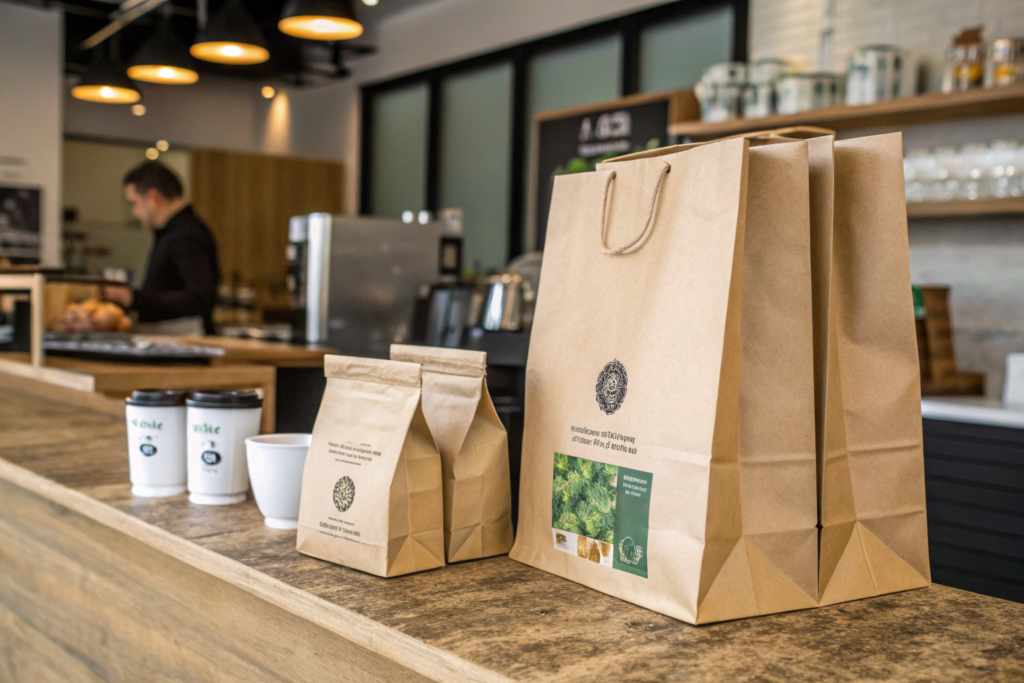
A wholesale bag that holds 5 pounds of coffee might sit in a cafe's back room for weeks or months before it is fully used. If the bag's barrier is weak, the coffee stales before the cafe can serve it. The cafe owner blames the coffee quality. They do not blame the bag. Your brand's reputation suffers for a packaging decision you made with good intentions. For small retail bags that sell through quickly, this risk is manageable. For bulk wholesale formats, it is a genuine liability. Until compostable barrier technology improves significantly, I advise caution with large-format compostable packaging.
How do you communicate honest sustainability claims without greenwashing?
Do not say "100% eco-friendly." Do not say "plastic-free" if the bag contains a bioplastic liner. Be specific and honest. "This bag is made from a single recyclable material. Please check your local recycling guidelines." Or, "This bag is certified industrially compostable. Please compost it in a commercial facility, not at home." Customers are increasingly educated about greenwashing, and they will punish brands that exaggerate. The most powerful sustainability claim is a simple, verifiable one. Link to the certification. Show the test data. Let the customer verify for themselves. This transparency is what separates a genuine commitment from a marketing gimmick.
How Are Minimalist and Carbon-Light Designs Reducing Costs and Environmental Impact?
Minimalism in packaging used to mean "a plain white bag with a small logo." That was an aesthetic choice. The minimalist trend in 2026 is different. It is an engineering and cost-reduction strategy disguised as a design trend. It means using less material, fewer inks, fewer layers, and lighter weight across the entire packaging system. And it is saving roasters significant money.
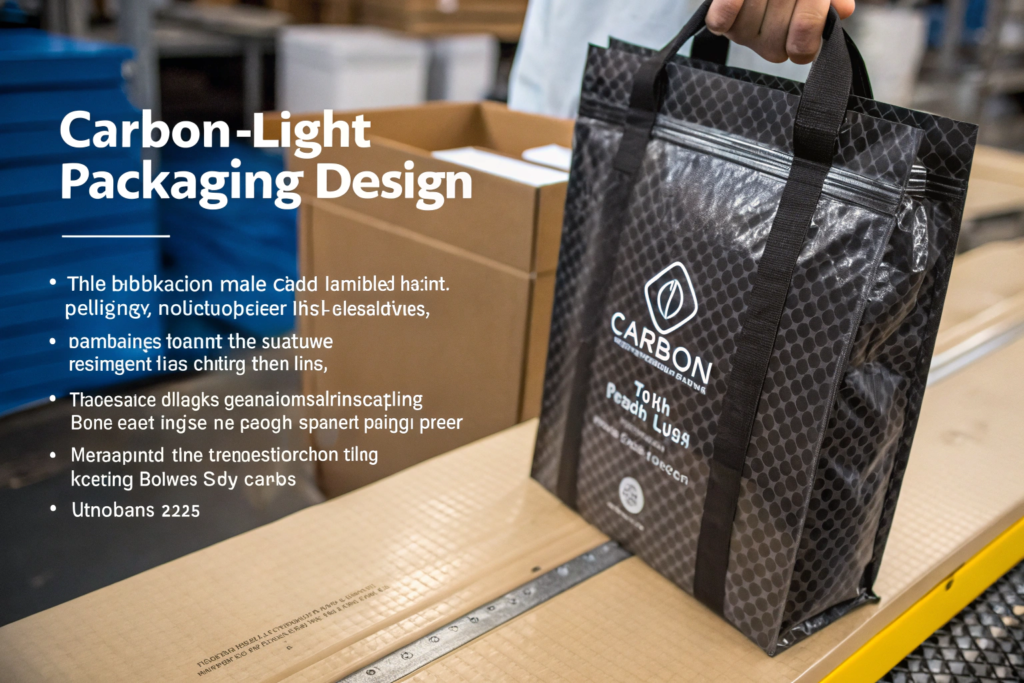
Carbon-light packaging design focuses on three measurable reductions: material weight reduction, ink coverage reduction, and transport volume optimization. A bag that uses a thinner mono-material film, a single-color print instead of full-color, and a flexible format that packs flat for shipping can reduce the carbon footprint of the packaging by 30-50% compared to a traditional glossy, multi-layer, full-color box. These reductions translate directly into lower material costs, lower shipping costs, and a smaller environmental impact. For wholesale buyers who are under pressure to report their own Scope 3 supply chain emissions, a supplier who offers carbon-light packaging is a strategic advantage.
I have a client who switched his wholesale 2lb bags from a full-color, thick laminate to a single-color, matte mono-material bag with a simple logo and tasting notes printed in one ink. The bag looked elegant, understated, and premium. His packaging cost per unit dropped by 22%. His shipping cost per bag, because the new bags were thinner and lighter, dropped by 8%. And his wholesale customers, many of whom are cafes with their own sustainability commitments, praised the change. It was a rare triple win: better for the brand, better for the budget, better for the planet.
How does reducing ink coverage actually lower a bag's environmental impact?
Ink is made from pigments, binders, and solvents. Full-color, high-coverage printing uses more of all of these. It also makes the bag harder to recycle because the inks can contaminate the recycling stream. A single-color design uses far less ink, reduces the chemical load, and simplifies the recycling process. It also costs less to print. Many roasters are discovering that a restrained, single-color or two-color design actually stands out on a crowded shelf because it looks intentional and confident, not loud and desperate for attention. The Sustainable Packaging Coalition's design resources offer excellent guidance on minimizing ink and material usage.
What is the cost difference between a "premium" heavy bag and a lightweight recyclable alternative?
A traditional heavy laminate, full-color printed, 12oz bag with a tin-tie and valve might cost $0.60 to $0.90 per unit at wholesale volumes. A lightweight mono-material, single-color printed bag with the same features might cost $0.35 to $0.50 per unit. On an order of 20,000 bags, that is a savings of $5,000 to $8,000. For a growing roastery, that is not pocket change. That is a new piece of equipment, a marketing campaign, or a higher margin on every bag sold. The lightweight option is not a downgrade. It is a smarter allocation of resources.
Why Are Smart Packaging Features Like QR Codes Becoming Standard for Wholesale Traceability?
A coffee bag is no longer just a container. It is a communication device. The physical space on the bag is limited. You cannot fit the entire farm story, the cupping scores, the sustainability certifications, and the brewing guide on a 12oz bag in a readable font size. But you can put a single QR code on the back, and that code can unlock a world of information that builds trust, educates the customer, and differentiates your brand from every other bag on the shelf.
QR-code-enabled smart packaging is becoming a wholesale standard because it solves the traceability and transparency gap at almost zero marginal cost. A single printed QR code on the bag, linked to a dynamic landing page, can display the exact GPS coordinates of the farm, the name of the farmer, the harvest date, the cupping score, the processing method, the roast date, and a video of the farm. This information can be updated with each new harvest without changing the printed bag. For wholesale buyers, especially cafes and multi-location roasters, this traceability is a powerful sales tool for their own baristas and end customers. It turns a commodity bag of coffee into a verifiable, story-rich product.
I have seen the impact of this firsthand. A cafe in London started putting our QR-coded bags on their retail shelf. Their customers would scan the code at the table while drinking their coffee. They would watch the video of our Baoshan farm. They would see the cupping scores. And then they would buy a bag to take home. The cafe owner told me their whole-bean sales increased because the QR code closed the gap between "this is a nice coffee" and "I need to own this coffee." The packaging became a silent salesperson, working 24/7, telling a story that no barista could repeat to every single customer. For more on implementing traceability systems, the World Coffee Research traceability toolkit provides standards and protocols.
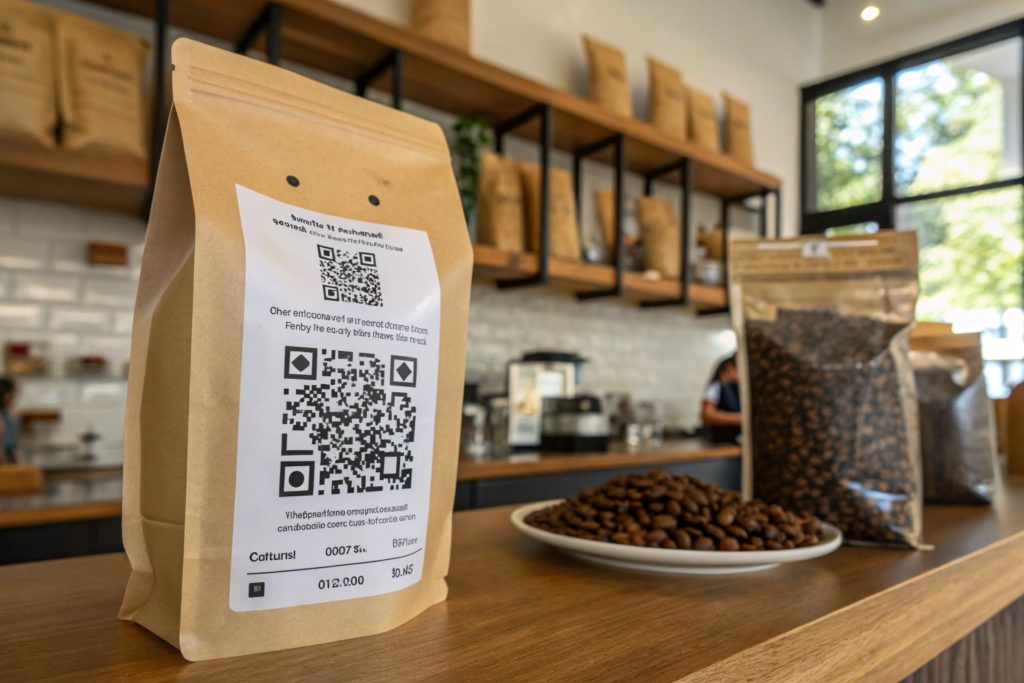
What information should a wholesale coffee bag's QR code link to?
At minimum, link to a mobile-optimized page with the farm name and location, the varietal and processing method, the harvest date, the cupping score, and a short farmer story. At best, add a short video of the farm, a downloadable brewing guide, and a link to reorder. The key is that the page must be fast, clean, and valuable. It should not be a generic "About Us" page. It should be a dedicated landing page for that specific coffee, updated each harvest. This level of transparency is what wholesale buyers, especially those serving a specialty audience, are increasingly demanding.
How does QR-code traceability strengthen a wholesale buyer's trust in your supply chain?
A QR code says: "We have nothing to hide." It invites the buyer and their customers to verify every claim you make. This is especially important for origins like Yunnan that are still building their specialty reputation. A skeptical customer can scan the code, see the GPS coordinates, see the organic certificate, and see the cupping form signed by a Q-grader. The doubts dissolve. The trust is built not on your words, but on their own verification. This is the ultimate form of marketing for a new-origin coffee. Do not just tell them it is good. Show them the proof, and let them decide. At Shanghai Fumao, we are now integrating this QR traceability into every wholesale private label program we run. It is not an upsell. It is the standard.
Conclusion
The coffee packaging trends of 2026 are not about making bags prettier. They are about making bags survive in a world where regulations are tightening, customers are demanding proof of sustainability, and every cost line in a wholesale business is under pressure. High-barrier mono-materials are ending the compromise between freshness and recyclability. Carbon-light, minimalist designs are reducing material and shipping costs while improving environmental footprints. Smart QR codes are turning silent bags into dynamic storytelling platforms that build trust and drive sales. And the conversation around compostables is maturing into a more honest, application-specific discussion.
If your wholesale packaging still looks and functions like it did five years ago, it is time to rethink it. The technology has moved forward. The regulations have moved forward. Your customers have moved forward. I have guided many of my wholesale clients through this transition, from material selection to design to full production. If you would like to explore what a modern, sustainable, cost-effective packaging solution looks like for your specific business, contact Cathy Cai at cathy@beanofcoffee.com. She can walk you through our current packaging options, share material samples, and put together a proposal that fits your brand, your budget, and the realities of 2026. Your coffee deserves a package that works as hard as you do.