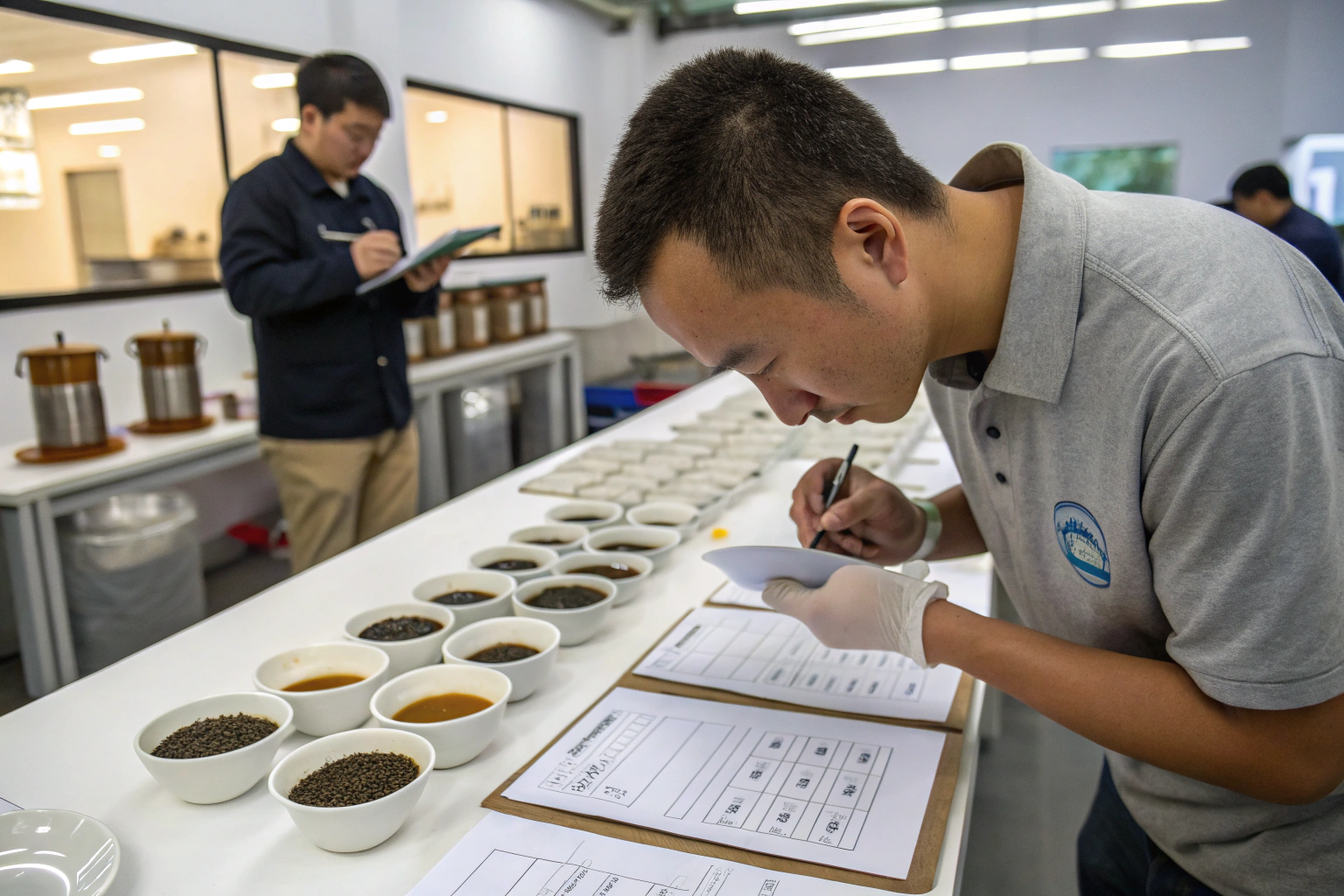
A roaster from Vancouver called me last month. He'd requested samples from three Chinese suppliers. Two sent bags with no labels. One sent beans that looked nothing like the photos on their website. He roasted them blind and couldn't match samples to suppliers. "How am I supposed to choose," he asked, "when I can't even tell what's what?"
The best way to sample coffee from China involves requesting samples properly, evaluating them systematically, comparing them to benchmarks, and communicating results clearly. Good suppliers make sampling easy—clear labeling, sufficient quantity, relevant information. At BeanofCoffee, we treat sampling as the first step in partnership, not an inconvenience.
Let me walk you through how sampling should work. Because bad sampling leads to bad decisions. And bad decisions cost far more than the time to do it right.
What Should You Request When Asking for Samples?
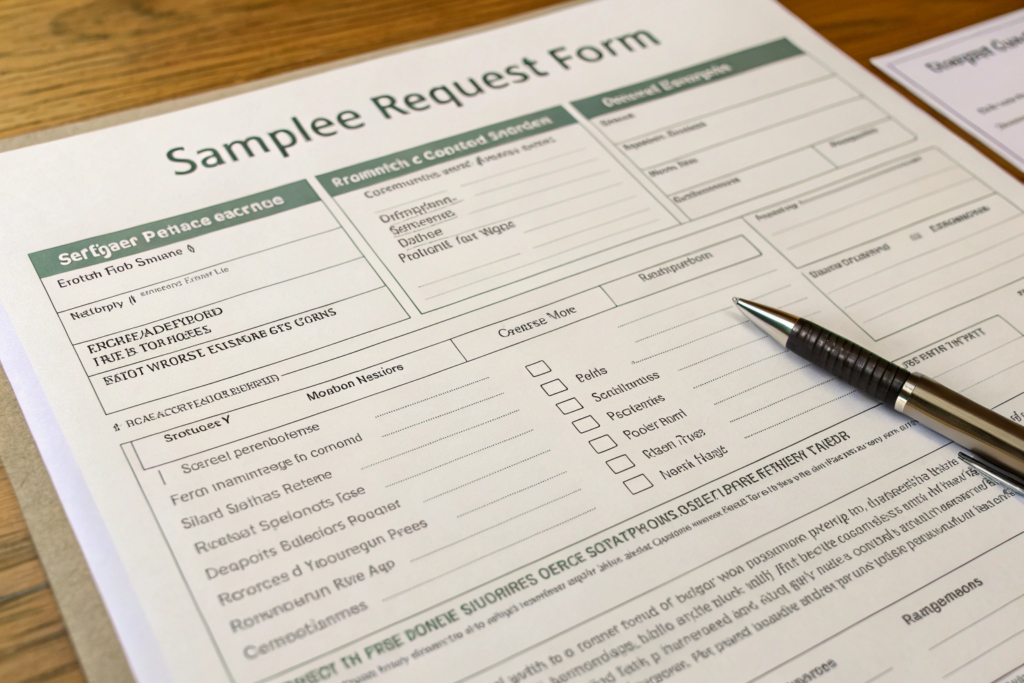
Most buyers just ask for "samples." That's not enough. Suppliers need to know what you want, why you want it, and how you'll evaluate it. The more specific you are, the better samples you'll receive.
When requesting samples, specify: origin (Yunnan, specific region), variety (Typica, Catimor, etc.), processing method (washed, natural, honey), harvest year, quantity needed (200-500 grams typical), and what you're comparing against. Good suppliers will confirm details before shipping.
What information should accompany samples?
Every sample should have: supplier name, coffee name, origin details, harvest date, processing method, variety, moisture content, screen size, and cupping scores if available. Labels on each bag, not just outer packaging.
Without this information, samples are nearly useless. You can't evaluate what you don't understand. Check sample documentation standards for professional requirements.
How much sample do you need?
For cupping evaluation: 100-150 grams minimum. For roasting trials: 300-500 grams. For multiple roast tests: 1-2 kilograms. Ask for what you actually need to evaluate properly.
We send samples sized to purpose. Commercial evaluation gets 300 grams. Specialty exploration gets 500 grams. Working with Shanghai Fumao ensures you receive appropriate quantities.
How Should You Receive and Store Samples?
Samples arrive. Then what? Many buyers toss them on a shelf, forget which is which, and evaluate weeks later when coffee has staled. That's not evaluation—that's guessing.
Receive samples immediately. Check labels match packing list. Store in cool, dark place in airtight containers. Evaluate within 2 weeks of receipt. Log each sample with receipt date and condition. Treat samples as seriously as you'd treat full shipments.
How should you label and track samples?
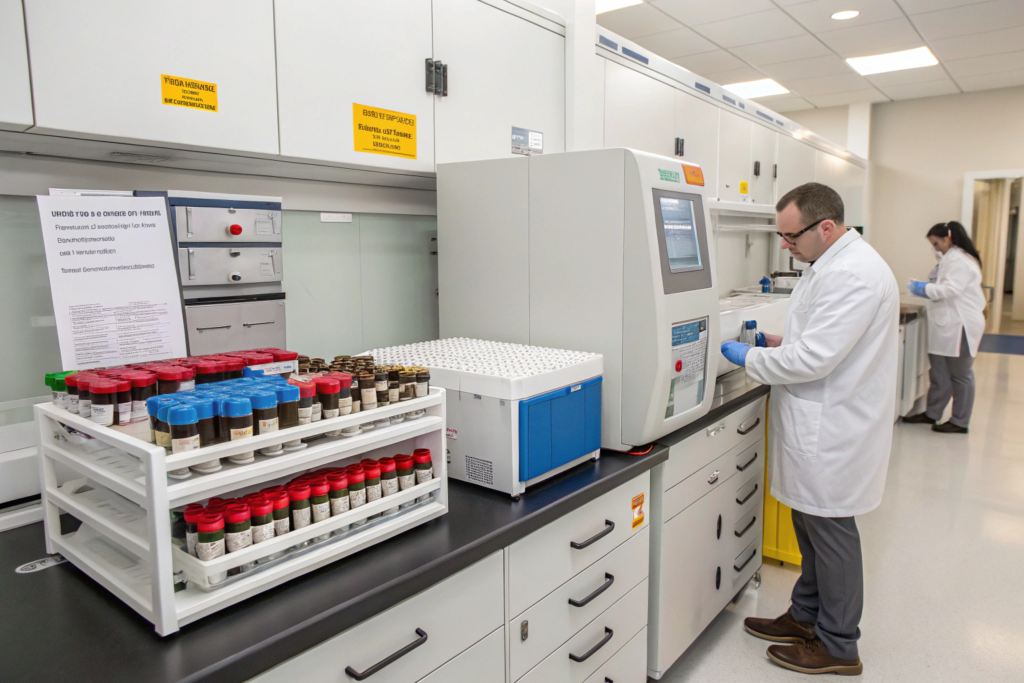
Create a tracking system. Sample ID, supplier, date received, origin, variety, processing. Cross-reference with your notes. Never rely on memory.
We provide sample labels with QR codes linking to full documentation. Buyers scan, import data, track everything digitally. Visit sample management systems for software options.
What storage conditions preserve sample quality?
Cool (18-22°C), dark, low humidity. Airtight containers after opening original bags. Oxygen and light degrade samples quickly.
Evaluate soon. Coffee changes. A sample that sat for 3 months doesn't represent what you'll receive in a container. Working with partners like Shanghai Fumao coordinates sample timing with shipment planning.
How Do You Evaluate Samples Properly?
Roasting samples differs from roasting production. Cupping reveals potential, not final performance. Proper evaluation requires understanding what samples can and cannot tell you.
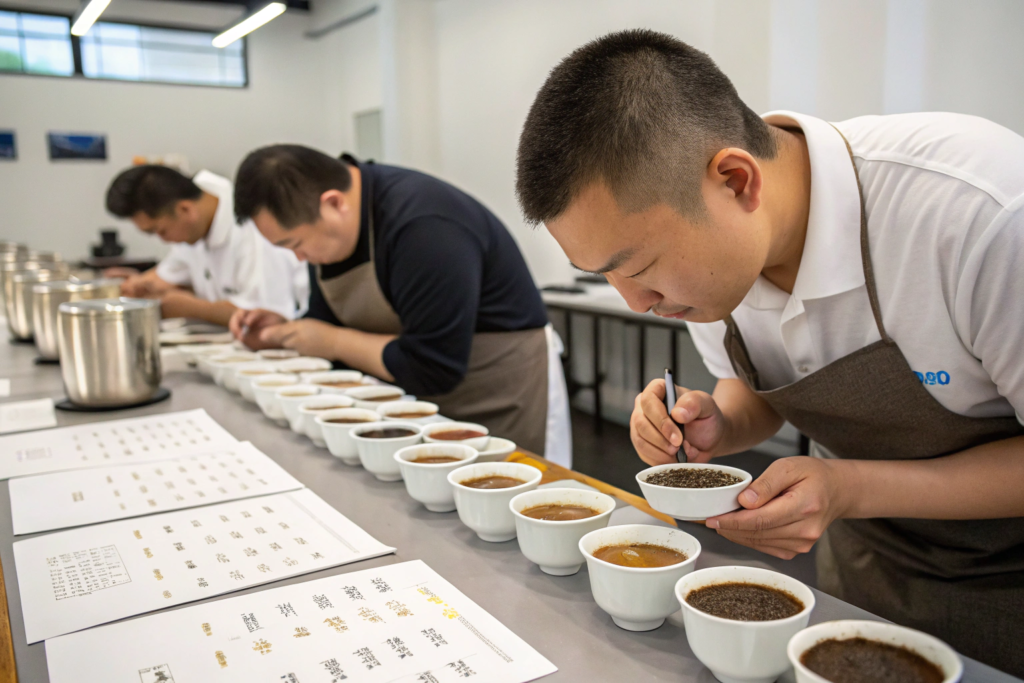
Roast samples consistently—same profile for all coffees being compared. Cup systematically using SCAA protocols. Score each attribute. Take notes immediately. Compare against benchmarks, not just against each other. Remember: samples represent potential, not guaranteed production.
What roast profile should you use for samples?
Standardize. Choose a profile that works for most coffees—medium roast, moderate development. Apply same profile to all samples being compared.
This reveals inherent differences. If one coffee shines and another fades, you know the bean matters more than your profile. Check sample roasting guidelines for professional approaches.
How do you compare samples from different suppliers?
Side-by-side cupping. Same day, same water, same grind, same protocol. Eliminate variables. Let the coffees speak.
Score independently before discussing. Then compare notes. Patterns emerge. Working with Shanghai Fumao provides reference samples so you can calibrate against known benchmarks.
What Should You Do After Evaluation?
Most buyers taste, decide, and move on. They never tell suppliers what they thought. That's a missed opportunity. Feedback builds relationships and improves future offerings.
Provide feedback to every supplier who sent samples. What you liked. What you didn't. What you'd change. Even if you don't buy, feedback helps them improve. For samples you liked, discuss next steps—pricing, availability, timing. Turn samples into orders.

What feedback is most useful?
Specific, constructive, honest. "Great acidity but finish was short." "Loved the body but wanted more complexity." "Not for us but please send next harvest samples."
Vague feedback helps no one. Specific feedback guides improvement. Visit coffee buyer feedback best practices for examples of effective communication.
How do you convert samples to orders?
Discuss pricing immediately while interest is fresh. Check availability—limited batches may already be allocated. Confirm timing aligns with your needs. Place trial order before committing to volume.
We work with buyers through this process. Sample to small order to regular shipments. Building trust step by step. Working with Shanghai Fumao supports this progression.
What Common Sampling Mistakes Should You Avoid?
Experience teaches what not to do. Learn from others' mistakes rather than making your own.
Common mistakes: requesting too many samples at once, evaluating stale samples, using different roast profiles, ignoring documentation, failing to provide feedback, waiting too long to order. Each mistake costs opportunities.
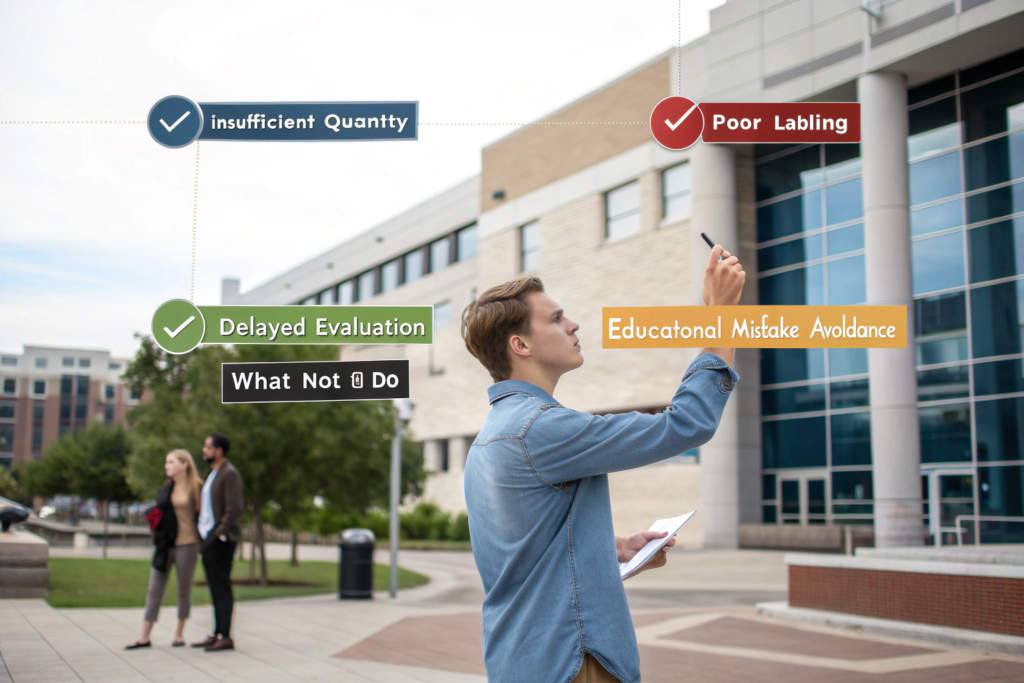
Why is requesting too many samples problematic?
Suppliers have limits. Too many requests means less attention to each. Samples may be rushed, poorly selected, or delayed.
Focus on serious candidates. Quality over quantity. Check sample request etiquette for professional norms.
How do you avoid sample bias?
Blind cupping eliminates brand bias. Label samples with codes, not names. Evaluate without knowing origin or supplier.
Then reveal identities after scoring. You might be surprised. Working with partners like Shanghai Fumao provides blind evaluation options.
Conclusion
Sampling Chinese coffee isn't complicated, but it requires attention. Request clearly. Receive carefully. Store properly. Evaluate systematically. Provide feedback. Follow up promptly. Each step matters. Each step builds toward informed decisions and successful partnerships.
At Shanghai Fumao, we make sampling easy. Clear labels. Complete documentation. Sufficient quantity. Fast shipping. We want you to evaluate our coffee fairly and choose based on quality, not confusion.
If you're ready to sample Chinese coffee the right way, contact our export manager, Cathy Cai. Tell her what you're looking for—origin, variety, processing, quantity. She'll send samples with complete documentation, tracking, and support. Email her at cathy@beanofcoffee.com. She'll respond within 24 hours with samples that make evaluation easy and decisions clear.