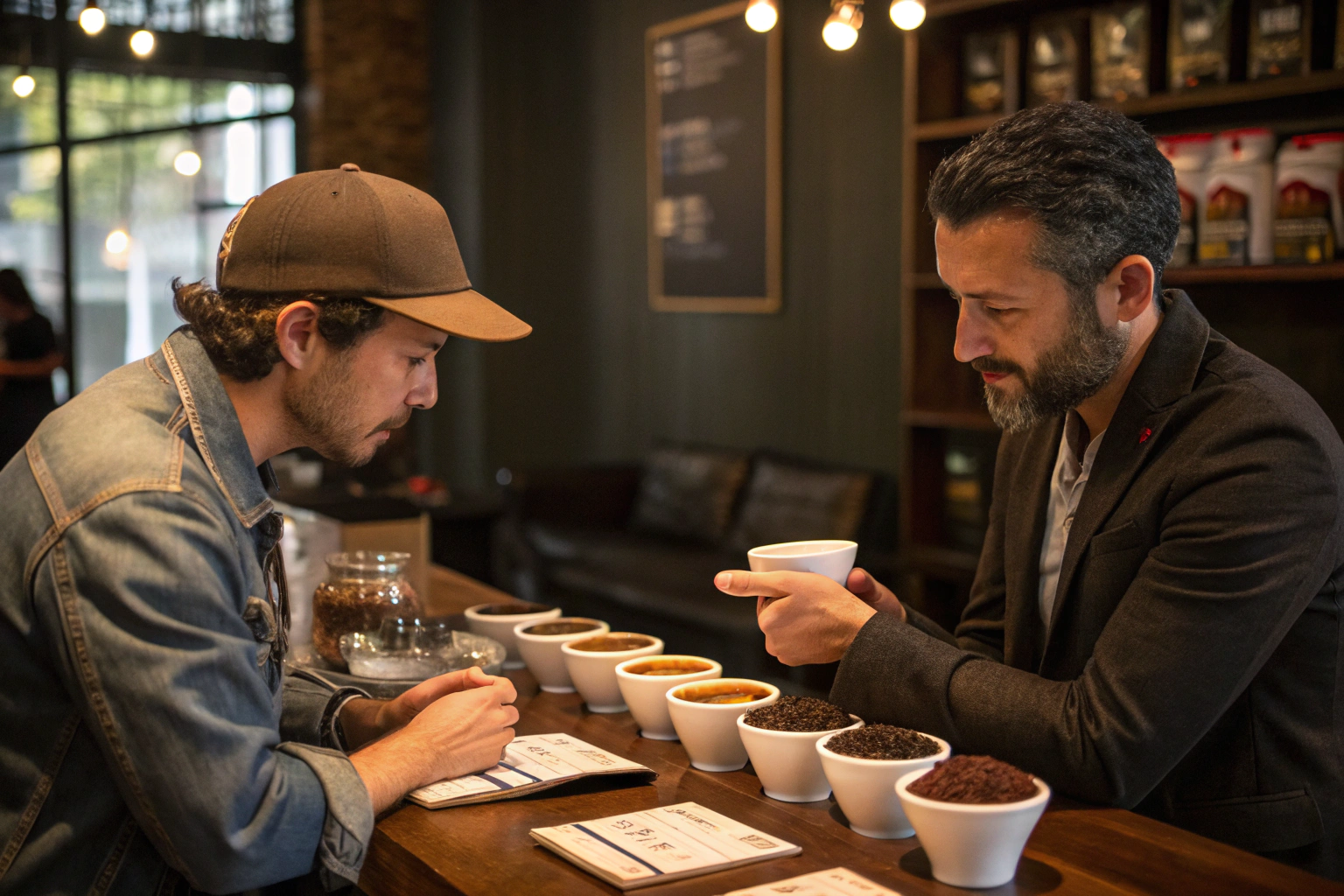
A buyer from Sydney called me last month. He'd missed out on a limited batch from Costa Rica. Another roaster bought it before he could confirm. His customers were disappointed. He'd promised them something special. Now he had nothing. "How do I make sure this doesn't happen again?" he asked.
Securing limited coffee batches requires building relationships before harvest, committing early, offering fair prices, and being flexible on terms. The best lots never reach the open market—they're allocated to trusted buyers who've proven they value quality. At BeanofCoffee, our limited batches go to buyers who understand this.
Let me walk you through what actually works when chasing rare coffees. Because limited batches aren't like regular coffee. The rules are different. The competition is fierce. And hesitation means losing out.
Why Do Limited Batches Require Different Strategies?
Regular coffee you can order anytime. Limited batches appear once, maybe twice a year. If you miss them, they're gone. This changes everything about how you buy.
Limited batches are scarce by definition. Small quantities. Unique quality. High demand. You can't treat them like commodity coffee. You need relationships, speed, flexibility, and willingness to pay premiums. The buyers who secure the best lots are the ones producers trust most, not the ones who negotiate hardest.
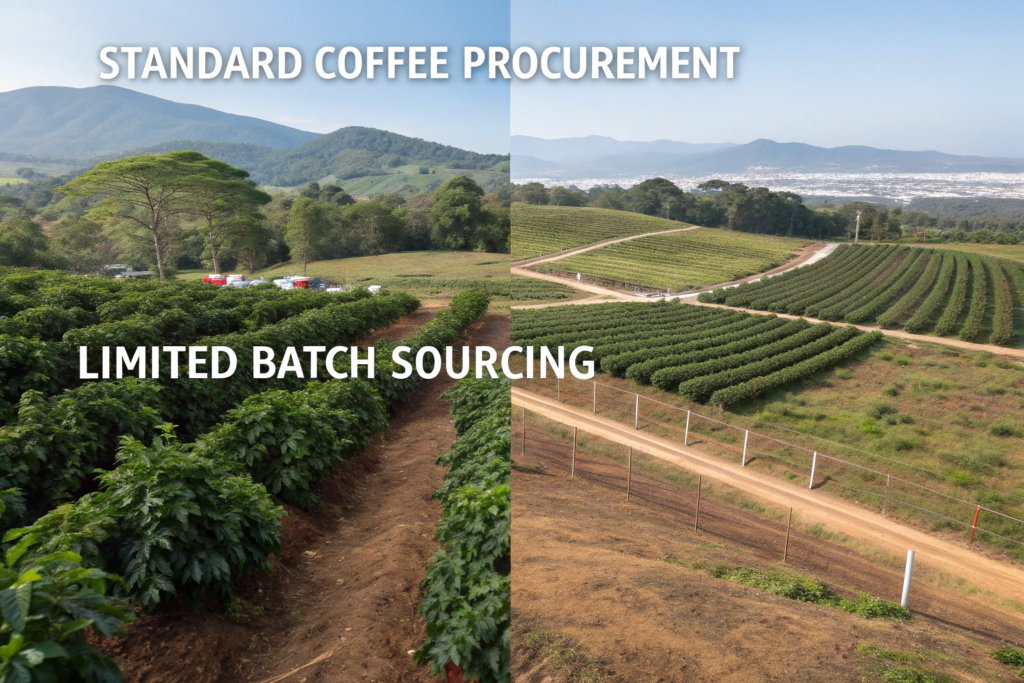
What makes a batch "limited"?
Small production volume—sometimes just a few bags. Unique processing—experimental methods that can't scale. Exceptional quality—top scores from a specific micro-lot. Or all three combined.
These coffees can't be reproduced. Next year's version will be different, if it exists at all. That scarcity creates value and competition. Check microlot coffee definitions for understanding what qualifies as limited.
Why can't you just order more?
Because there isn't more. The farmer produced what they produced. You can't ask for another container. The entire supply is fixed.
This is hard for buyers used to unlimited availability. With limited batches, you get what's available or nothing. Working with Shanghai Fumao helps you understand allocation realities before you commit.
How Do You Build Relationships Before Harvest?
Relationships built at harvest time are too late. The best buyers connect with producers months before cherries ripen. They show interest early. They commit early. They get rewarded early.
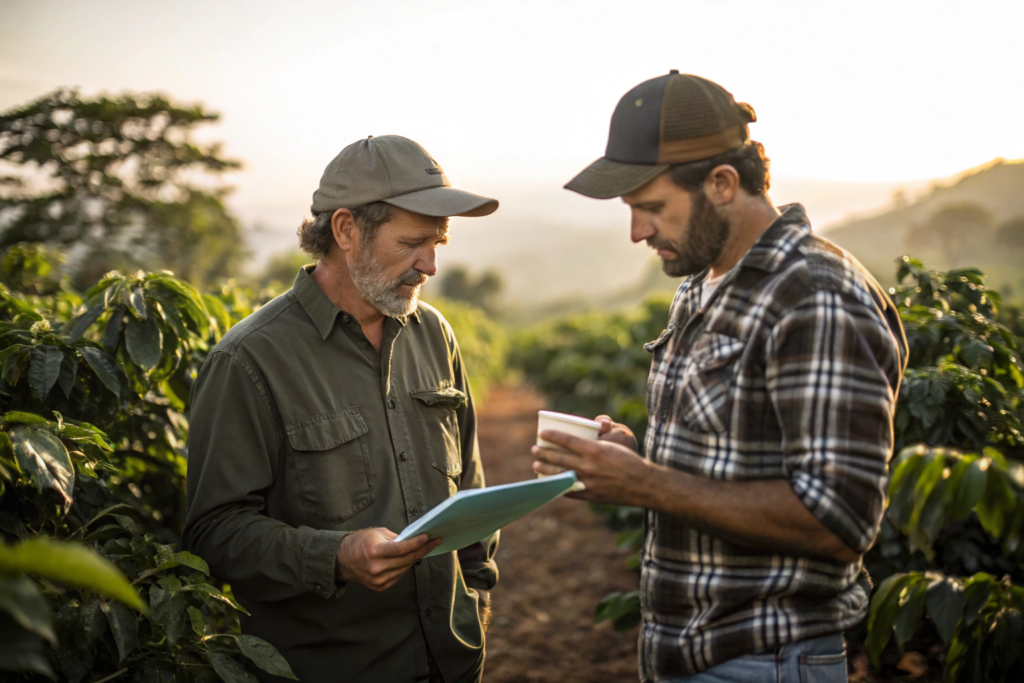
Build relationships during the growing season, not after harvest. Visit farms when coffee is flowering. Discuss potential lots months in advance. Show genuine interest in the farmer's work, not just their product. When harvest comes, you're not a stranger—you're a partner.
What should you discuss pre-harvest?
Talk about what they're planting, what experiments they're trying, what challenges they face. Show interest in their whole operation, not just the coffee you want to buy.
Ask about expected volumes, quality potential, processing plans. Express interest in specific lots. If they know you're serious, they'll remember you when allocation decisions come. Visit pre-harvest buyer engagement for professional relationship-building strategies.
How do you stay connected throughout the year?
Regular check-ins, not just when you need something. Share what's happening in your market. Send photos of their coffee being roasted. Make the relationship two-way.
We stay in touch with our buyers year-round. When limited batches become available, we know who's genuinely interested. Working with partners like Shanghai Fumao facilitates these ongoing connections.
What Commitments Demonstrate You're Serious?
Talk is cheap. Commitment proves seriousness. Buyers who offer something concrete get priority over those who just express interest.
Offer advance contracts with fair terms. Commit to buying before harvest, not after cupping. Provide deposits or prepayments if possible. Agree to prices above commodity levels. These commitments show you're not just window-shopping—you're a real buyer.

What advance commitments work?
Forward contracts for estimated volumes. Even if final quantity varies, having a contract shows intent. Price agreements based on quality outcomes. Deposit payments when harvest begins.
Producers face uncertainty too. A buyer who shares that risk becomes a partner, not just a customer. Check forward contract templates for coffee-specific agreement structures.
How much should you pay for limited batches?
Limited batches command premiums—sometimes 50 to 200 percent above commodity prices. But price alone isn't enough. Relationship plus fair price beats high price alone.
We allocate our best lots to buyers who've shown commitment over time, not just whoever offers most. Working with Shanghai Fumao helps you understand appropriate premium levels for different quality tiers.
How Do You Move Quickly When Batches Become Available?
Limited batches don't wait. While you deliberate, someone else decides. Speed matters enormously. But speed requires preparation.
Have decision criteria established in advance. Know what quality levels you'll buy at what prices. Have funds ready. Authorize your team to act without constant approval. When the opportunity appears, you respond in hours, not days.

What preparation enables quick decisions?
Know your quality targets. Know your price limits. Know your volume needs. Have these written down, shared with your team, approved in advance.
When we offer a limited batch, buyers who've done this preparation can say yes immediately. Others ask for samples, check with partners, deliberate—and miss out. Visit rapid coffee procurement strategies for systems that enable speed.
How do you evaluate without delaying?
Use pre-established relationships. If you trust the producer, you trust their quality claims. You can commit before cupping, knowing they'll deliver.
Or request samples before harvest. Taste green coffee months in advance. By harvest time, you already know what you're getting. Working with partners like Shanghai Fumao facilitates early sampling.
What Flexibility Helps Secure Limited Lots?
Rigid buyers lose limited batches. Producers have constraints too. Buyers who understand and accommodate those constraints get priority.
Be flexible on packaging, shipping dates, payment terms. If the producer needs to ship later, work with it. If they prefer certain payment methods, accommodate. Rigidity signals you're hard to work with. Flexibility signals partnership.

What terms might need flexibility?
Shipping windows may shift with weather or processing delays. Payment timing may need adjustment. Packaging preferences may vary by destination.
We work with buyers who understand that farming isn't manufacturing. Things happen. Flexibility builds trust. Check flexible coffee contracting for real-world examples.
How do you balance flexibility with your needs?
Communicate your constraints clearly too. "I need coffee by March. But if it's April, I can adjust." Find middle ground.
The goal isn't one-sided flexibility—it's mutual understanding. Both parties have needs. Respect builds relationships. Review negotiation strategies for specialty coffee for win-win approaches.
Conclusion
Securing limited coffee batches requires different thinking than regular procurement. Relationships built before harvest. Commitments that demonstrate seriousness. Speed when opportunities appear. Flexibility around producer needs. And after securing, treating the coffee as the treasure it is.
The buyers who succeed with limited batches aren't necessarily the biggest or richest. They're the ones producers trust most. They're reliable, fair, and human. They make producers want to work with them again.
At Shanghai Fumao, our limited batches go to buyers who understand this. They've built relationships with us over years. They commit early. They're flexible. They make our farmers feel valued.
If you want access to our limited batches, start building the relationship now. Contact our export manager, Cathy Cai. Tell her about your interest in special coffees. Ask about upcoming harvests, experimental lots, potential allocations. Email her at cathy@beanofcoffee.com. She'll respond within 24 hours and begin the conversation that might lead to something special.