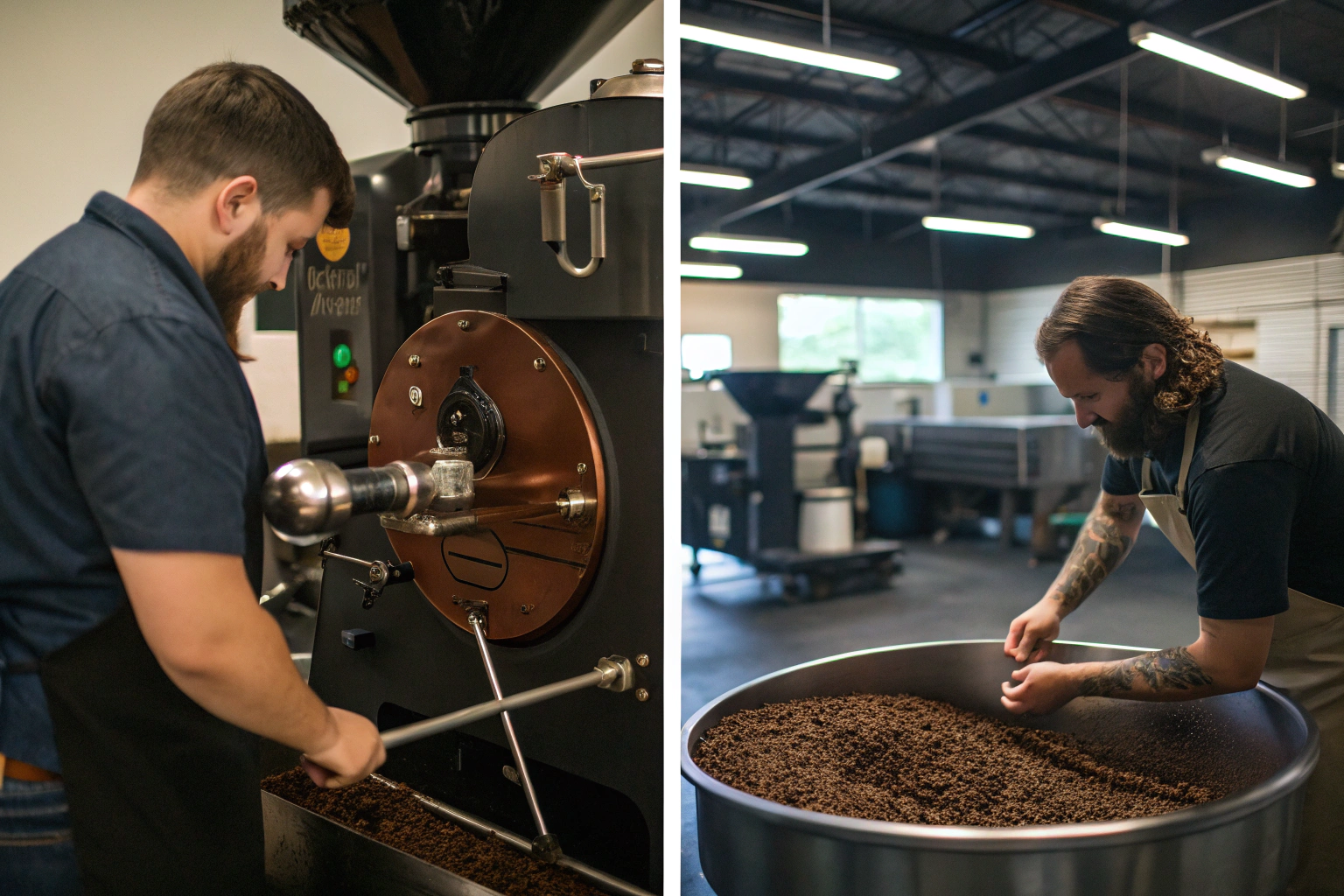
A roaster from Chicago called me last week. He'd been roasting for 15 years—always commercial. Now he wanted to move into specialty. He had the beans, the customers, the passion. But his first specialty roast failed. Burnt outside, underdeveloped inside. Same equipment. Same process. Different results. He learned the hard way that specialty and commercial roasting are different games.
Specialty roasting focuses on highlighting origin characteristics, achieving even development, and preserving delicate flavors. Commercial roasting prioritizes consistency, throughput, and broad appeal. The differences affect every decision—from equipment to profiles to quality control. At BeanofCoffee, we work with both types of roasters and understand what each needs.
Let me walk you through what actually separates these two approaches. Because the beans might be the same, but how you roast them changes everything.
What Defines Specialty Coffee Roasting?
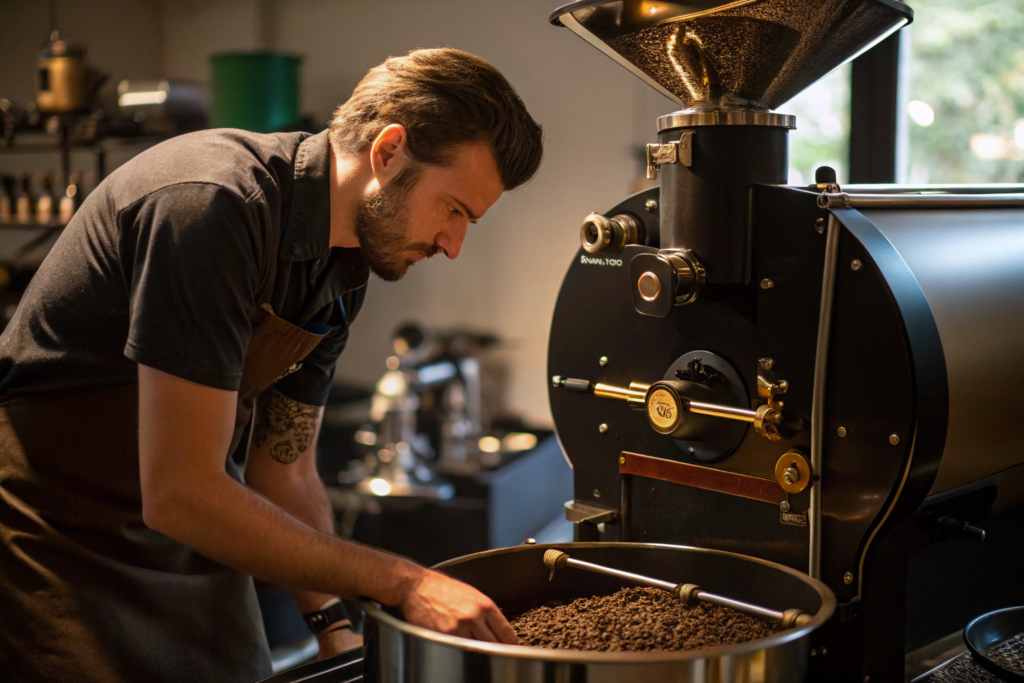
I remember my first visit to a specialty roaster in Portland. He roasted 15-pound batches. He logged every variable. He cupped every batch. He talked about the coffee like it was wine—floral notes, acidity structure, finish. It felt more like science than production.
Specialty roasting prioritizes flavor development over efficiency. Batch sizes are smaller. Roast profiles are meticulously designed for specific beans. Every variable—charge temperature, airflow, development time—is optimized for that particular coffee. The goal is to express the bean's potential, not just make it brown.
How do specialty roasters approach profile development?
They start with the bean. Density? Moisture? Origin? Processing? Each factor suggests a starting profile. Then they test, adjust, cup, repeat. A single coffee might undergo 10 test roasts before commercial release.
The profile aims to balance development with preservation. Enough heat to develop sweetness and reduce undesirable compounds, but not so much that origin character disappears. Check specialty coffee roasting guides for professional profile development methodologies.
What equipment do specialty roasters prefer?
Smaller batch sizes (1 to 60 kilograms). Direct fire or fluid bed. Extensive instrumentation (bean temperature, environmental temperature, airflow, drum speed). Manual control or programmable with flexibility.
The equipment allows precision and repeatability. But more importantly, it allows the roaster to interact with the coffee throughout the process. Working with Shanghai Fumao connects you with green coffee that rewards this attention.
What Defines Commercial Coffee Roasting?
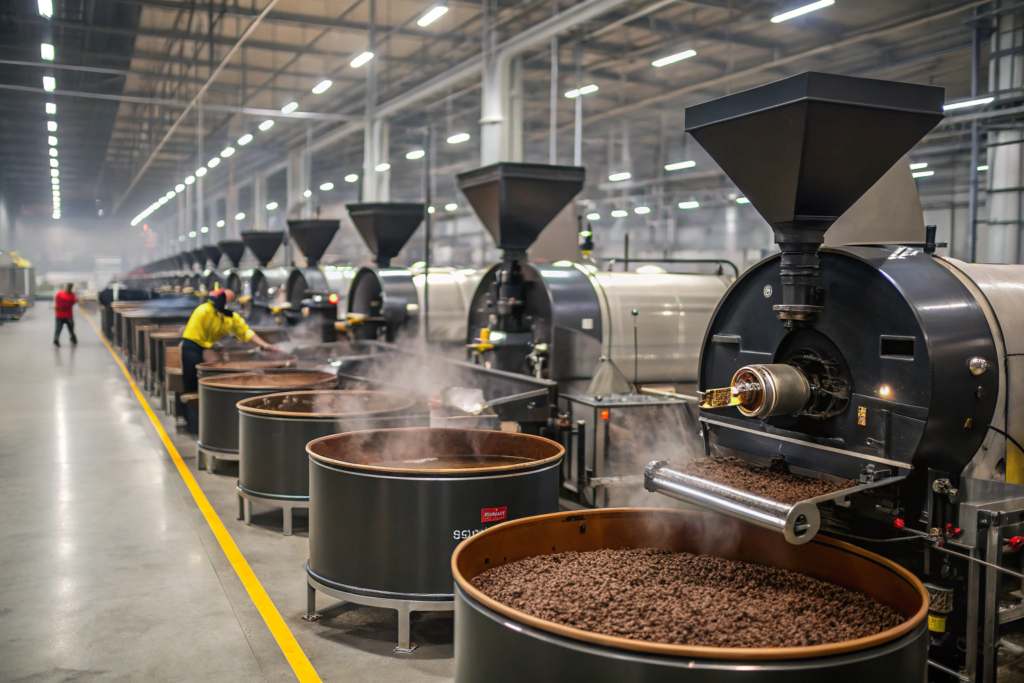
Commercial roasting looks completely different. Big machines. Continuous operation. Minimal human intervention. The goal isn't to highlight origin—it's to deliver consistent, acceptable coffee at scale.
Commercial roasting prioritizes throughput, consistency, and cost efficiency. Batch sizes range from 100 to 1,000+ kilograms. Roast profiles are standardized for broad categories (light, medium, dark) rather than specific origins. The goal is millions of pounds of uniform coffee, not individual expression.
How do commercial roasters achieve consistency?
Standardized profiles applied to many beans. Blending before or after roasting to smooth variations. Extensive quality control testing to ensure every batch meets specifications.
If a bean varies slightly, they adjust blend percentages, not roast profiles. The system absorbs variation through scale. Visit commercial coffee roasting operations for insights into large-scale production.
What equipment do commercial roasters use?
Large drum roasters (hundreds of kilograms capacity). Automated controls with minimal operator intervention. Integrated cooling, destoning, and packaging systems. Designed for continuous operation, not experimentation.
The equipment prioritizes throughput over flexibility. Changing profiles takes time, so they change them rarely. Working with partners like Shanghai Fumao helps commercial roasters source consistent beans that fit their standardized profiles.
How Do Roast Profiles Differ Between Specialty and Commercial?
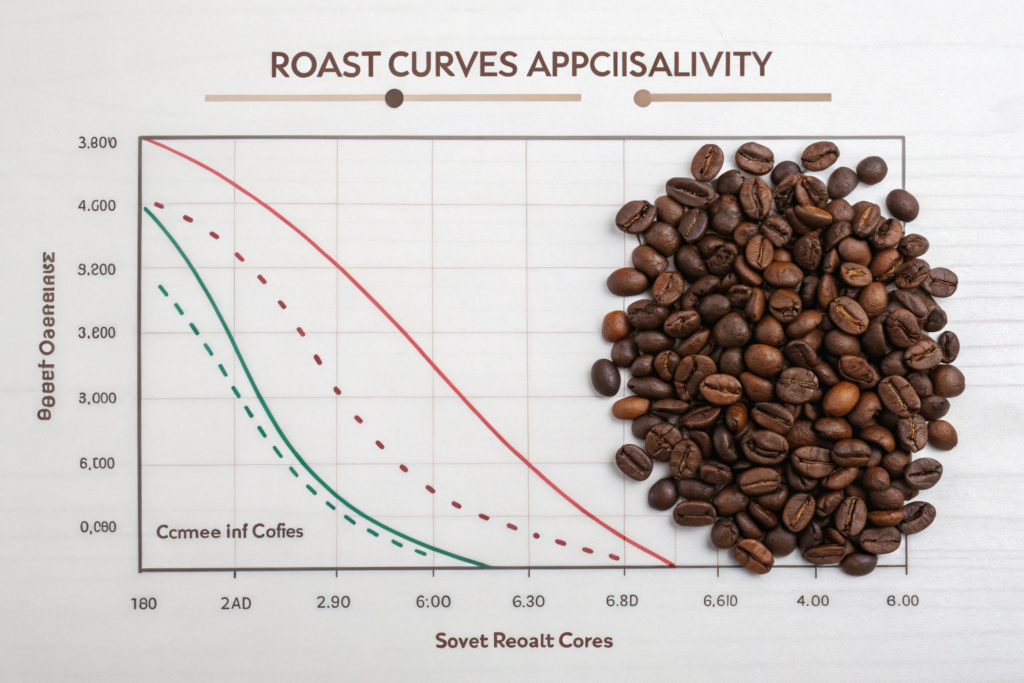
The roast curve tells the story. Specialty curves are unique to each coffee. Commercial curves are standardized across many. The difference reflects different priorities.
Specialty roast profiles are developed bean-by-bean. Charge temperature varies with density. Development time ratio (Development Time / Total Roast Time) is optimized for flavor. Commercial profiles are developed for categories—light, medium, dark—and applied to any bean fitting that category.
What is development time ratio and why does it matter?
Development Time Ratio (DTR) is the percentage of total roast time after first crack. Specialty roasters adjust DTR carefully—typically 20 to 25 percent for light roasts, 25 to 30 percent for medium. This ensures proper bean development without over-roasting.
Commercial roasters may not track DTR at all. They roast to color, not to development. The result is consistent appearance but potentially inconsistent flavor. Check development time ratio research for scientific explanations of its importance.
How do specialty roasters handle different bean densities?
Dense beans need higher charge temperature and longer development. Softer beans need lower charge temperature and shorter roasts. Specialty roasters adjust for each lot.
Commercial roasters apply the same profile regardless of density. Beans roast to same color, but dense beans may be underdeveloped inside while soft beans may scorch. Working with Shanghai Fumao provides density data that helps both types of roasters succeed.
How Does Quality Control Differ Between Approaches?
Quality control reveals philosophy. Specialty roasters cup everything. Commercial roasters test instrumentally and adjust blends. Both ensure quality—just different definitions of quality.
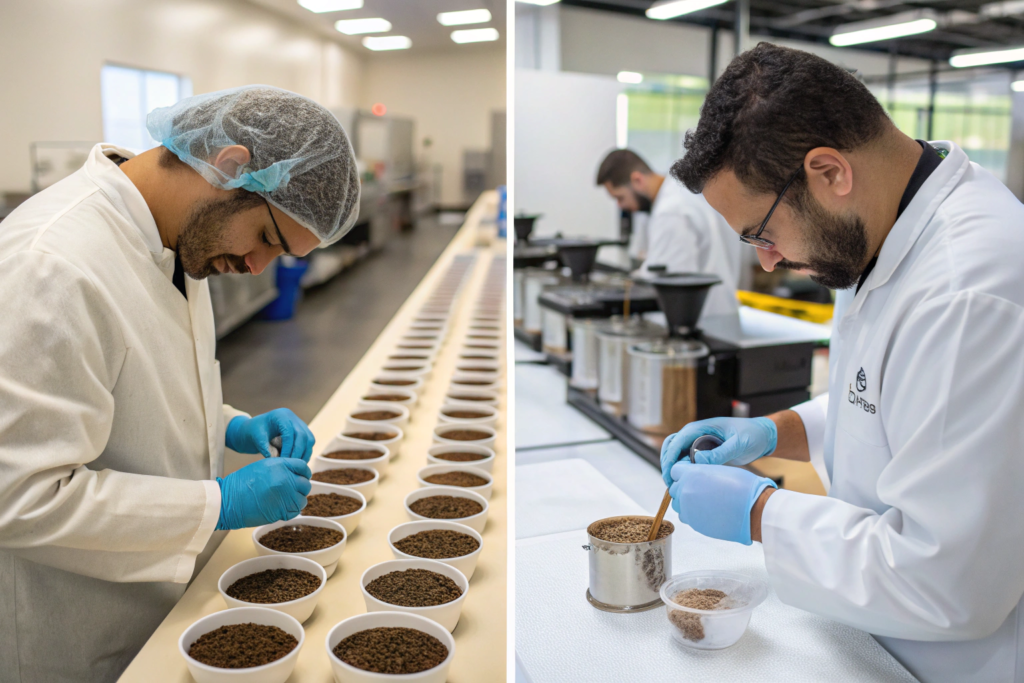
Specialty quality control involves cupping every batch, often multiple times. Flavor, aroma, acidity, body—all evaluated sensorially. Deviations trigger investigation, maybe rejection. Commercial quality control involves moisture testing, color analysis, and blend adjustment. The goal is meeting specifications, not achieving peak flavor.
What does specialty QC look like in practice?
Sample roast before production. Cup the sample. Adjust profile if needed. Roast production batch. Cup again. Compare to reference. Document everything.
If something's off, they trace cause. Bean variation? Roaster issue? Weather? They want to know why, not just fix it. Visit specialty coffee quality protocols for industry standards.
What does commercial QC look like?
Test moisture. Check roast color with agtron. Measure density. Ensure all meet specs. If yes, package. If no, adjust blend or roast slightly.
The goal is consistency across millions of pounds. Small flavor variations acceptable as long as product meets grade. Review commercial coffee quality standards for specification-based approaches.
Which Approach Is Right for Your Business?
Neither approach is universally better. They serve different markets, different customers, different business models. Choosing right depends on your goals.
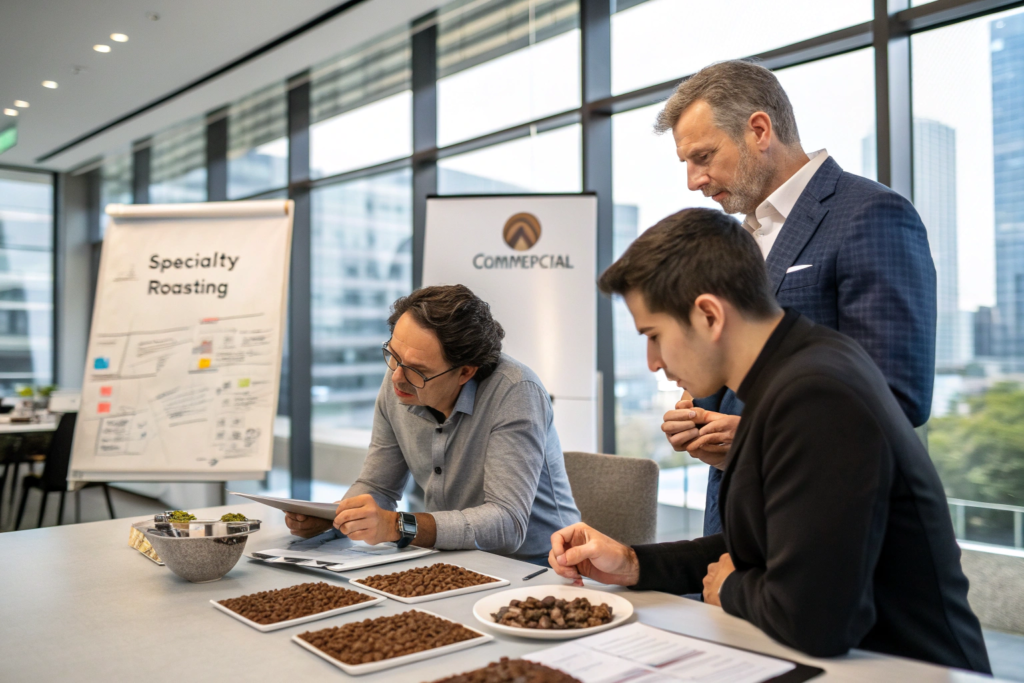
Choose specialty if you compete on flavor, have customers who appreciate nuance, and can charge premium prices. Choose commercial if you compete on volume, serve broad markets, and need maximum efficiency. Many successful companies do both—specialty for flagship, commercial for volume.
What market factors should guide your choice?
Customer sophistication matters. Educated coffee drinkers seek specialty. Mainstream consumers want consistent, familiar coffee. Distribution channel matters. Cafés and specialty retailers need specialty. Supermarkets and food service need commercial.
Your competition matters. If everyone around you roasts specialty, maybe commercial differentiation works. Or vice versa. Working with Shanghai Fumao helps you source appropriate beans for whichever path you choose.
Can you do both successfully?
Yes, many do. Roast specialty lots in small batches for flagship products. Roast commercial blends in large batches for volume. Keep operations separate—different equipment, different staff, different quality standards.
The challenge is maintaining focus. Specialty requires attention commercial doesn't. Commercial requires efficiency specialty doesn't. But with clear separation, both can thrive. Check hybrid roasting business models for real-world examples.
Conclusion
Specialty and commercial roasting aren't better or worse—they're different tools for different jobs. Specialty prioritizes flavor expression, uses detailed profiles, cups every batch, and serves discerning customers. Commercial prioritizes consistency, uses standardized profiles, tests instrumentally, and serves volume markets.
Understanding the difference helps you choose the right approach for your business and source appropriate beans. A coffee that shines in specialty roasting might disappoint in commercial applications—and vice versa.
At Shanghai Fumao, we work with both types of roasters. We provide density data for specialty roasters who need it. We provide consistent lots for commercial roasters who need predictability. We understand both worlds.
If you're unsure which approach fits your business, contact our export manager, Cathy Cai. She'll discuss your goals, your market, your equipment, and help you source accordingly. Email her at cathy@beanofcoffee.com. Tell her about your current operation and where you want to go. She'll respond within 24 hours with guidance that actually helps.