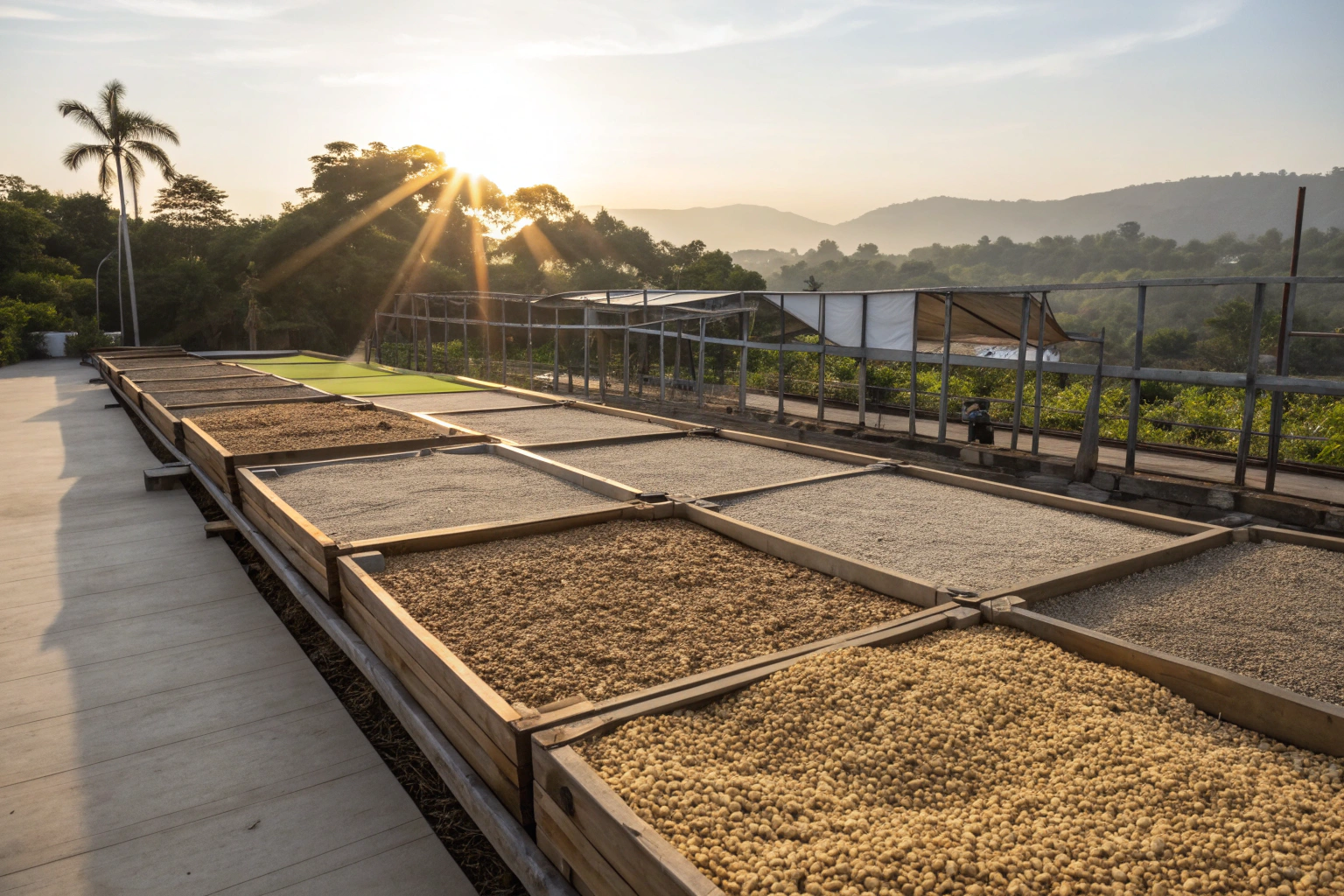
A buyer from Vancouver called me last year. He'd bought two lots from the same farm—same variety, same harvest week. One tasted clean and bright. The other tasted moldy and flat. He couldn't understand why. The answer was simple: one was dried properly. The other wasn't.
Drying methods dramatically impact coffee quality. Proper drying preserves bean integrity, prevents mold development, and locks in flavor potential. Poor drying ruins coffee irreversibly—no amount of roasting can fix it. At BeanofCoffee, we've invested heavily in drying infrastructure because it's the most critical step between harvest and export.
Let me walk you through what drying actually does to coffee. Because most buyers focus on growing and processing. But drying is where quality is either preserved or destroyed.
Why Is Drying the Most Critical Post-Harvest Step?
I learned this lesson painfully. Early in our farming, we rushed drying during a rainy spell. Thought we could finish indoors. The beans looked dry enough. But six months later, they tasted like a basement smells. We lost an entire container's worth of coffee.
Coffee cherries contain 55 to 65 percent moisture at harvest. Drying must reduce this to 10 to 12 percent. If drying happens too slowly, mold grows. If too quickly, beans crack and lose flavor. If unevenly, moisture pockets cause future spoilage. The margin between success and failure is narrow.
What happens during proper drying?
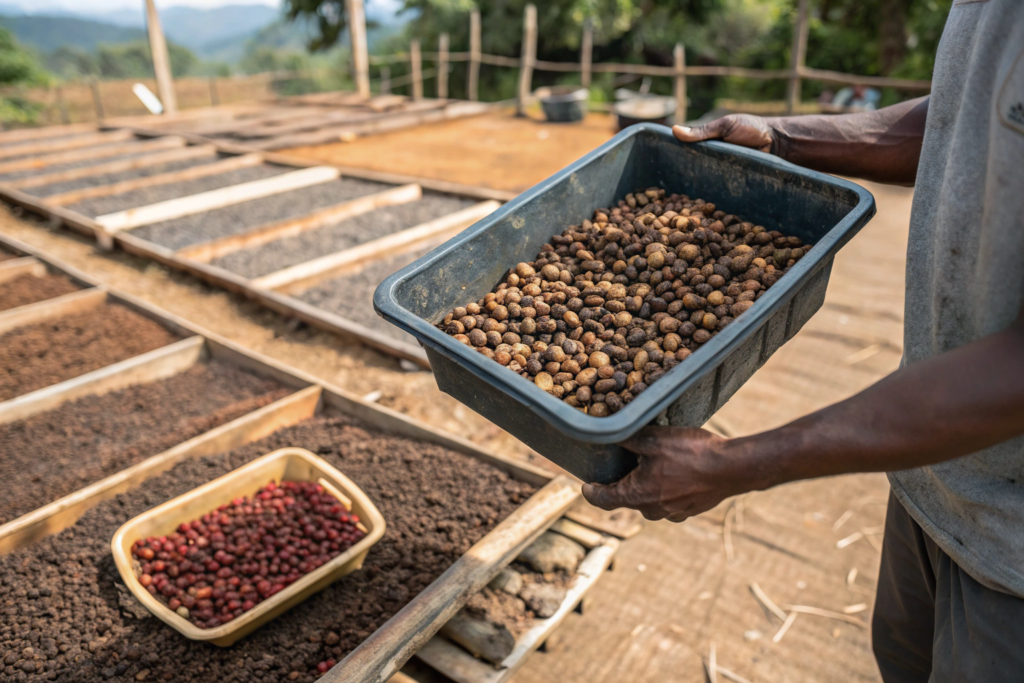
Water moves from inside the bean to the surface, then evaporates. This must happen steadily, not too fast, not too slow. The bean's cellular structure remains intact. Enzymes stabilize. Flavor precursors lock in.
Properly dried coffee can store for months or years without significant quality loss. Improperly dried coffee degrades in weeks. Check coffee drying science for detailed explanation of moisture migration during drying.
What happens when drying goes wrong?
Too slow: mold grows. Ochratoxin A develops. Beans ferment further, developing off-flavors. The coffee becomes unsalvageable.
Too fast: beans crack. Outer layers dry while inside stays wet. Uneven roasting later. Flavor compounds degrade from excessive heat.
Uneven: some beans mold, others crack, all unpredictable. Working with Shanghai Fumao ensures your coffee comes from farms that control drying meticulously.
How Do Different Drying Methods Compare?
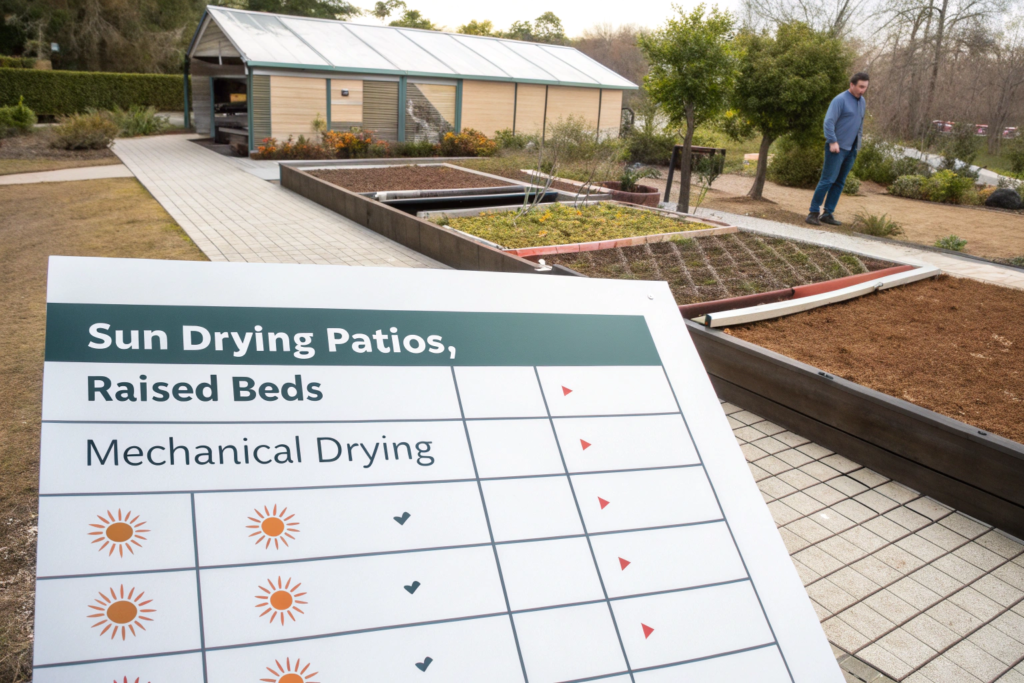
Every drying method has trade-offs. Sun drying is traditional but weather-dependent. Mechanical drying is controllable but expensive. Raised beds improve airflow but require space. Understanding the differences helps you appreciate what each method delivers.
Sun drying on patios: traditional, low-cost, but risks from rain and uneven drying. Raised beds: better airflow, more even, but slower and labor-intensive. Mechanical drying: fast, controllable, but expensive and can damage beans if not carefully managed. The best farms use combinations tailored to conditions.
How does patio drying affect quality?
Patios—concrete or brick surfaces—have been used for centuries. They work well in consistently sunny climates. Beans spread thin, turned regularly, dry in 7 to 14 days.
The risk: rain ruins drying. Night moisture rehydrates beans. Uneven drying if not turned enough. Patio-dried coffee can be excellent, but requires constant attention. Visit patio drying best practices for techniques used by top producers.
What makes raised beds better?
Raised beds allow air to flow under and around beans. Drying happens from all sides, not just top. More even, faster in humid conditions, less mold risk.
We use raised beds for all our specialty lots. The extra labor cost pays off in quality. Working with partners like Shanghai Fumao supports investment in better drying infrastructure.
How Does Drying Speed Affect Flavor Development?
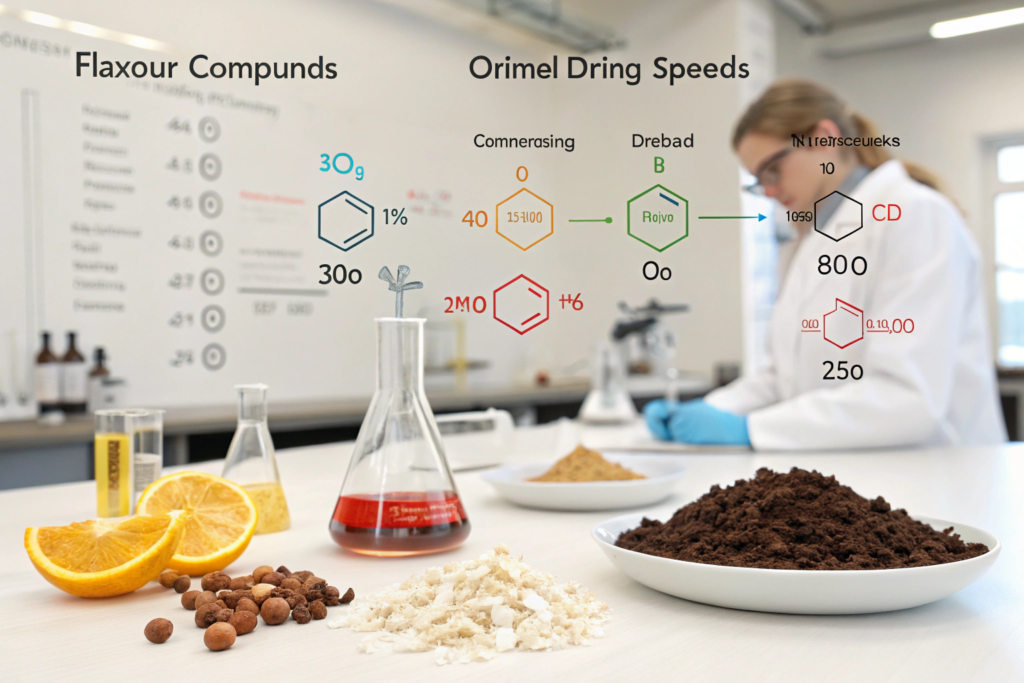
Drying isn't just water removal. Chemical reactions continue during drying. Some desirable, some not. Speed determines which reactions dominate.
Slow drying allows continued enzymatic activity, developing complex flavor precursors. But too slow invites mold and fermentation off-flavors. Fast drying locks in current flavor but may stop development prematurely. Optimal speed balances development and safety—typically 7 to 14 days for sun drying, 24 to 48 hours for mechanical with careful temperature control.
What flavors develop during slow drying?
Continued breakdown of sugars and acids creates complexity. Fruity and floral notes can intensify. Body can improve. This is why some natural-processed coffees dried slowly taste incredible.
But the line between "slow" and "too slow" is thin. Experience matters. Check drying kinetics and flavor for research on how drying speed affects specific compounds.
What flavors result from fast drying?
Fast drying preserves existing flavors but stops development. Coffee can taste clean but simple. Less complexity, less depth.
Some commercial buyers prefer this consistency. Specialty buyers usually prefer the complexity of properly slow-dried coffee. Working with Shanghai Fumao helps you choose drying methods matched to your flavor preferences.
What Moisture Content Is Ideal and How Do You Measure It?
Moisture content determines everything. Too wet, mold grows. Too dry, beans crack and lose flavor. Precise measurement is essential.
Ideal moisture content for green coffee is 10 to 12 percent. Below 10 percent, beans become brittle and lose quality faster. Above 12 percent, mold risk increases dramatically. Measure with calibrated moisture meters at multiple points in every lot.
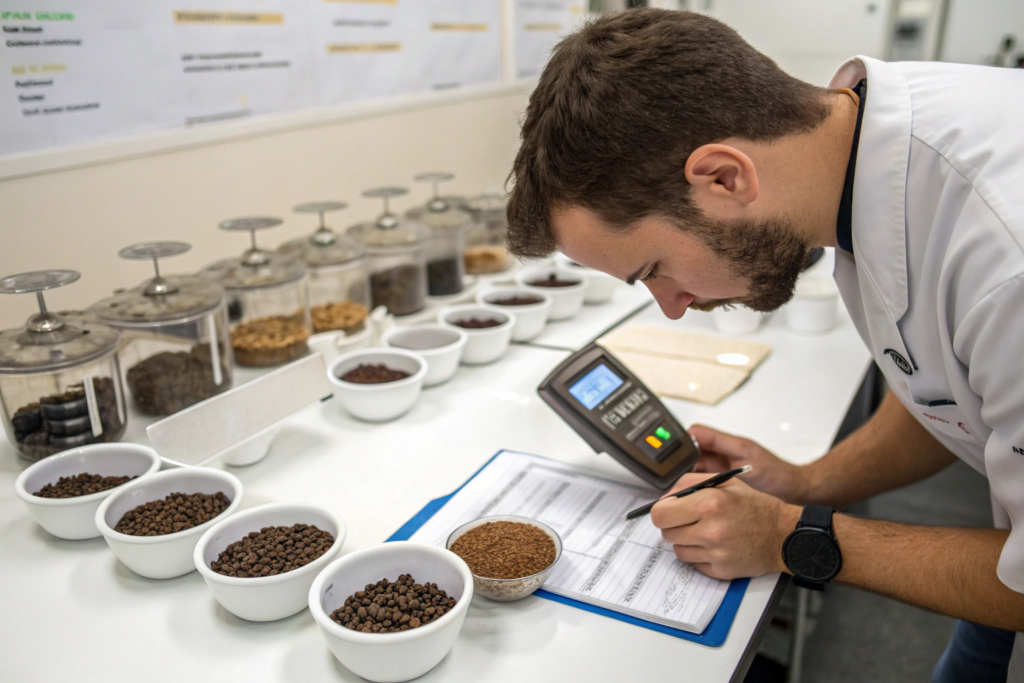
How do you measure moisture accurately?
Moisture meters use electrical resistance or capacitance. They must be calibrated for coffee—different settings for different densities. Measure multiple beans from different bags.
We test at receiving, during storage, and before shipping. Moisture can change with humidity if beans aren't protected. Working with partners like Shanghai Fumao ensures your coffee is tested at every stage.
What happens if moisture varies within a lot?
Inconsistent moisture means inconsistent roasting. Some beans will be drier, roast faster. Others wetter, roast slower. Same roast profile produces uneven results.
We reject lots with significant moisture variation. Better to lose a batch than ship problems. Visit moisture uniformity standards for acceptable variation ranges.
How Does Drying Method Affect Long-Term Storage?
Coffee that's dried properly stores well. Coffee dried poorly degrades quickly. The impact compounds over time.
Properly dried coffee (10-12 percent moisture, even throughout) can store 12 to 18 months with minimal quality loss. Improperly dried coffee may show defects within weeks. Drying method determines storage potential more than any other factor.
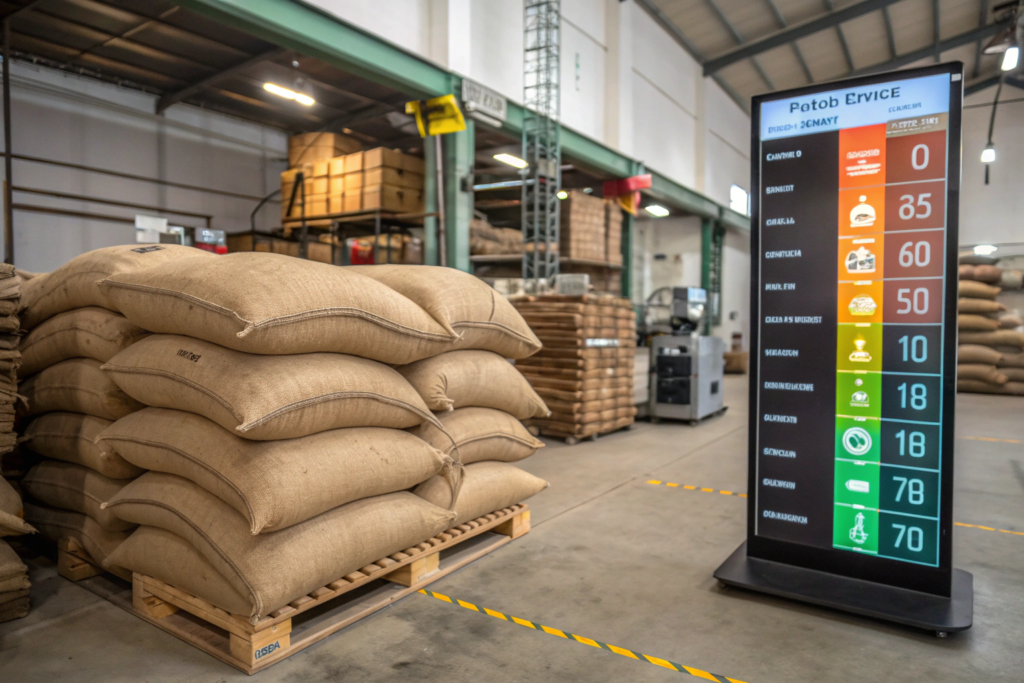
Which drying methods produce best storage stability?
Raised-bed sun drying, carefully managed, produces beans with best long-term stability. Slow, even drying creates stable cellular structure.
Mechanical drying, if done correctly, also produces stable beans. But the margin for error is smaller. One temperature spike and storage life plummets. Check coffee storage stability studies for data linking drying methods to shelf life.
Can you improve poorly dried coffee through storage?
No. Once drying goes wrong, it's permanent. Mold doesn't disappear. Cracks don't heal. Off-flavors don't fade. Storage only makes problems worse.
We've seen buyers try to "air out" moldy coffee. Doesn't work. The only solution is prevention. Working with Shanghai Fumao connects you with producers who prioritize proper drying.
Conclusion
Drying methods impact coffee quality more than almost any other post-harvest factor. Proper drying preserves flavor, prevents defects, and enables long storage. Improper drying destroys value irreversibly. The difference between good drying and bad drying is the difference between specialty coffee and compost.
At Shanghai Fumao, we treat drying as seriously as harvesting. We use raised beds for specialty lots, monitor constantly, test moisture at every stage. We reject anything that doesn't meet our standards.
If you want coffee dried with the care it deserves, contact our export manager, Cathy Cai. She'll explain our drying methods, share moisture data, and help you understand what proper drying means for your cup. Email her at cathy@beanofcoffee.com. Tell her what you're currently buying and what quality concerns you have. She'll respond within 24 hours with answers from farmers who take drying seriously.