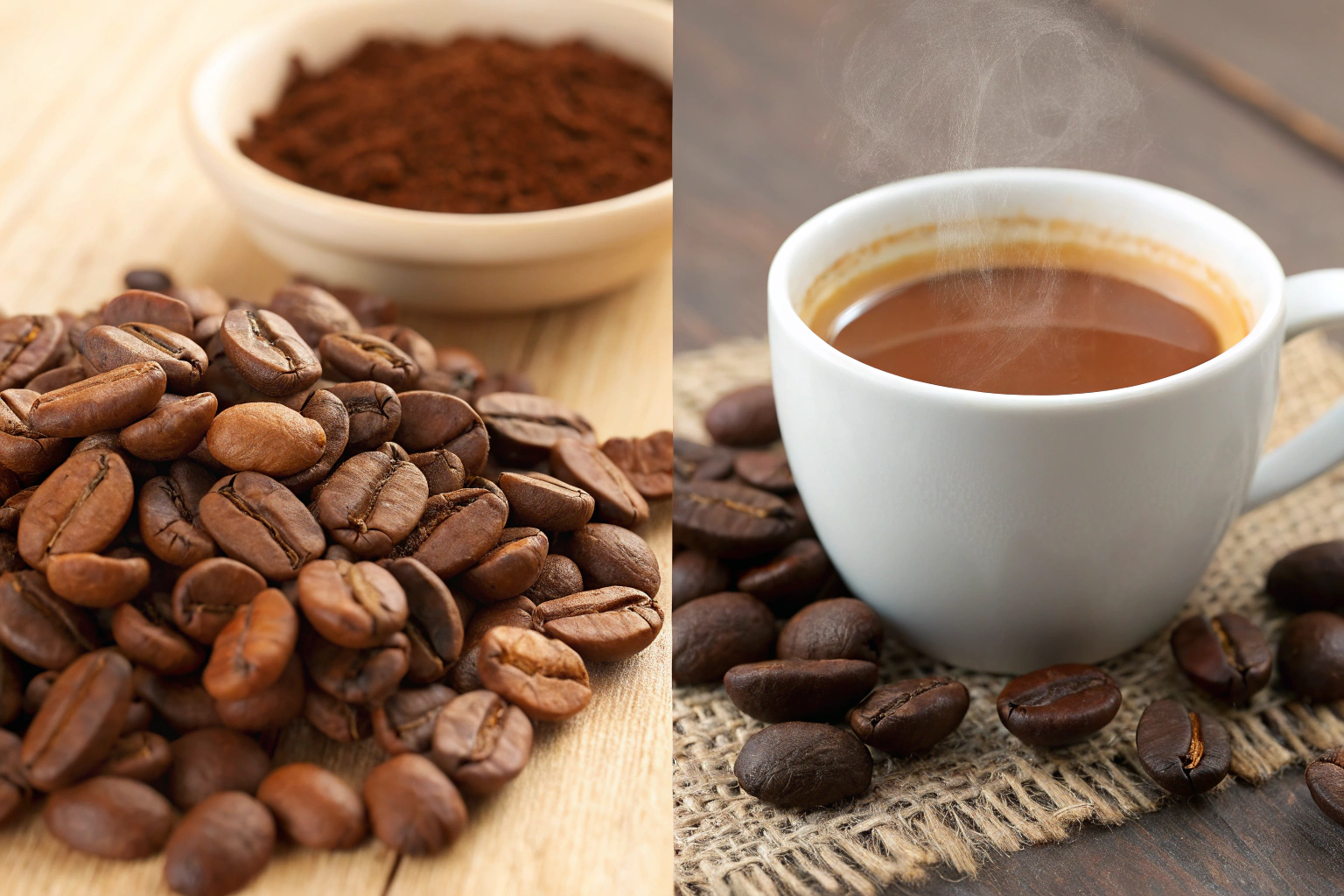
I get this question all the time from buyers. And honestly, it makes sense. You’re looking at samples, trying to figure out what your customers actually want. One roaster tells you light roast is the future. Another says medium is the safe bet. For someone like Ron, who’s sourcing beans from China for a growing brand in the US, this decision isn’t just about flavor. It’s about inventory, shelf life, and meeting customer expectations without guessing.
The simple answer is this: light roast is roasted for a shorter time at a lower temperature, so it keeps more of the bean’s original character. Medium roast spends a bit more time in the drum, so the flavor becomes more balanced and the body gets fuller. One isn’t better than the other. They’re just different tools for different goals. At BeanofCoffee, we export both raw beans and processed products, so we work with buyers on both sides of this decision every day.
Let’s break this down. I’ll walk you through what actually happens inside the roaster, how it changes the coffee, and how you can choose the right roast profile for your market.
What Happens to the Bean During Light and Medium Roast?
To truly grasp the distinction, one must first embark on the journey of the bean—a voyage from humble beginnings to a symphony of flavor. It starts green, a vibrant emerald hue that hints at life and vitality, dense in texture like a tiny, unyielding fortress, and brimming with untapped potential, as if each kernel holds a universe of possibilities waiting to be unlocked.
Then comes the moment of transformation: heat, a passionate embrace, seeps into its core. The air crackles with anticipation as the bean begins to sigh, releasing earthy whispers and subtle hints of nuttiness.
What is first crack and why does it matter?
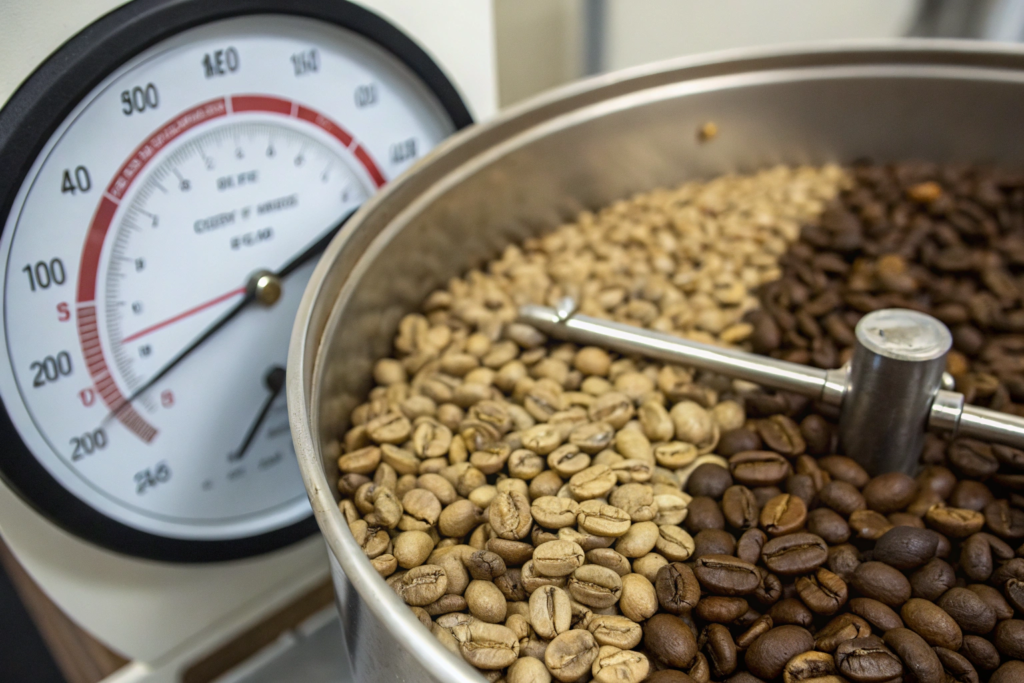
When you roast coffee, you’re applying heat until the beans literally pop. That’s first crack. It sounds like popcorn, honestly. Inside the bean, water is turning to steam, pressure builds, and the structure expands.
Light roast stops somewhere right after first crack. Sometimes it stops right at the very beginning of it. The bean has expanded but it’s still relatively dense. The sugars haven’t fully caramelized. So the flavor is brighter, more acidic, and you can taste the origin more clearly. That citrus note from our Yunnan Arabica? In a light roast, it’s front and center.
Medium roast goes a bit further. The roaster lets the bean develop past first crack, into the “development phase.” The sugars start to caramelize more. The bean surface becomes smoother. Some oils might start to show on the surface, depending on how far you push it. The acidity drops, the body gets heavier, and the origin character blends more with the roast character.
How does temperature and time change the flavor?
Here’s a simple way to think about it. Light roast is like a fresh tomato. You taste the fruit. Medium roast is like a tomato sauce that’s been cooked down. You still taste the tomato, but there’s sweetness, depth, and the texture is different.
For our Catimor beans, which naturally have a bit more body and a nutty profile, a medium roast brings out that chocolate and peanut character. For our Arabica, which is more floral and bright, a light roast keeps those delicate notes alive.
We work with buyers who want both. Some roasters in Australia use our Arabica for light roast single-origin offerings. They want the consumer to taste Yunnan. Others blend our Catimor into a medium roast espresso blend because they want balance and body.
Which Roast Gives You More Body and Acidity?
This is where the rubber meets the road for most buyers, the pivotal moment when theory transforms into tangible experience. Body and acidity are the two things your customers will notice first, the first sensory notes that dance on their palates and set the stage for their entire journey with your product. The body—rich, velvety, or crisp—wraps around their taste buds, a tactile sensation that lingers like a warm embrace or a refreshing breeze.
Acidity, bright and zesty or soft and subtle, sparkles on the tongue, awakening dormant senses and creating a lively, invigorating contrast. These initial impressions are not mere observations; they are the first whispers of quality, the silent promises of what lies ahead in the symphony of flavors yet to unfold.
Which roast has higher acidity?
Light roast, without question. Acidity in coffee isn’t a bad thing. It’s that crisp, bright, sometimes fruity sensation. Think of a lemon versus a baked apple. The lemon has higher acidity. It’s refreshing and lively.
When you roast light, you preserve more of the organic acids that naturally exist in the bean. Citric acid, malic acid—these are the ones that give you that green apple or citrus note. For a consumer who likes pour-over coffee and talks about “brightness,” light roast is usually what they’re after.
Medium roast lowers that acidity. The heat breaks down some of those acids. The flavor becomes smoother. That sharpness fades, and something rounder takes its place. For espresso drinkers, or for people who add milk, lower acidity is often preferred.
Which roast gives you more body?
Body is the weight of the coffee on your tongue. Light roast tends to have a lighter, tea-like body. Medium roast gives you more weight. It feels fuller in the mouth.
Why? Because during the longer roast, the bean’s cell structure breaks down more. More soluble compounds are available to extract. The oils come closer to the surface. When you brew a medium roast, you get more of that coating sensation on your palate.
We have a buyer in Canada who uses our Robusta for a medium-dark espresso blend. They want the body. They want the crema. Robusta naturally has more body than Arabica, and the medium roast amplifies that. For their cold brew line, they use our medium roast Arabica because they want a balance—some brightness, but enough body to stand up to milk and ice.
If you’re sourcing for a café that does mostly milk drinks, medium roast is usually the safer choice. If you’re sourcing for a specialty roaster that sells single-origin bags to home brewers, light roast might be what they’re asking for.
How Do Roast Levels Affect Shelf Life and Stability?
Here’s a practical consideration that buyers like Ron care about deeply—a consideration that can make or break the bottom line and the customer experience. Shelf life. For Ron, and for any astute coffee buyer navigating the global or local market, this is not just a number on a label; it’s a critical factor in preserving the soul of the bean.
If you’re importing roasted coffee from China to the US, where the journey spans vast distances and varying climates, or if you’re distributing it locally, ensuring freshness from warehouse to cup, you need to know with unwavering certainty how long that precious coffee stays at its best. It’s about capturing that fleeting window of peak aroma—the rich, earthy notes of dark roast, the bright citrus zing of a light brew—before they fade into dullness.
Does light roast last longer than medium roast?
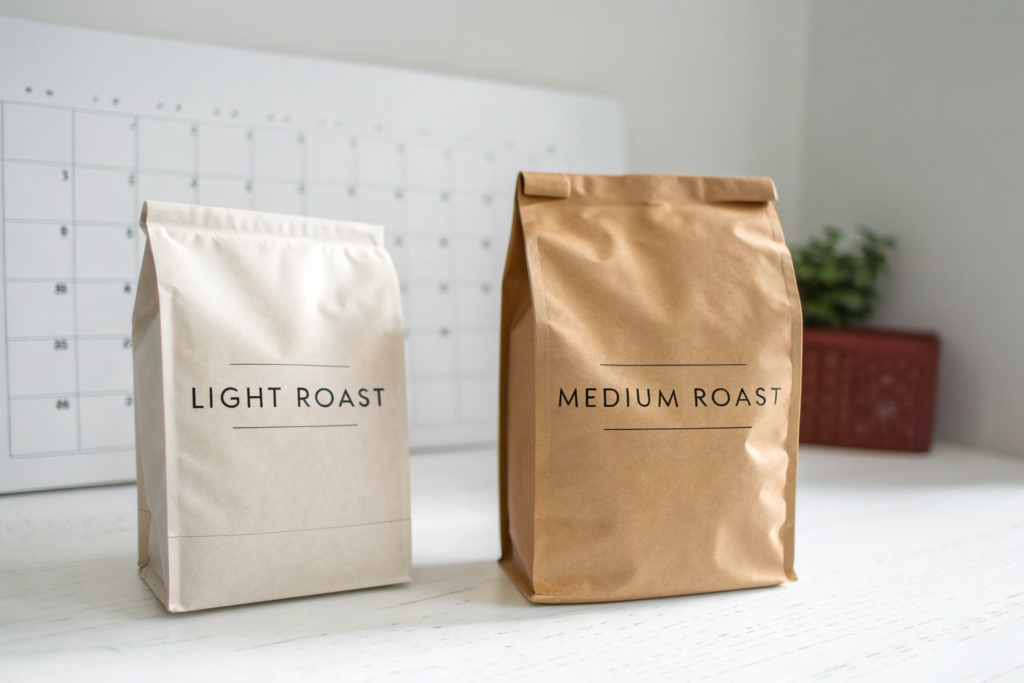
Generally, yes. Light roast coffee stays fresher longer because it’s less porous. The bean structure is still dense. The oils haven’t been forced to the surface. So oxidation happens more slowly.
Medium roast, especially if it’s pushed closer to the dark end, starts to release oils. Those oils go rancid over time. That’s the stale, cardboard smell you get from old coffee. So if you’re buying in bulk and expect the product to sit on a shelf for a few months, light roast gives you a wider margin of safety.
That said, we always recommend our buyers pay attention to packaging. For our processed, packaged products, we use nitrogen flushing and one-way degassing valves. That helps either roast stay fresh longer. But the underlying stability still favors light.
How do we handle roast stability for export?
When we work with international buyers, we talk about transit time. If your container is on a ship for 30 days, and then it sits in your warehouse for another 30 days, that’s 60 days before the coffee hits retail shelves.
For medium roast, that’s getting close to the limit of optimal freshness. For light roast, it’s still in a good window. So we often advise new buyers to start with light roast if they’re still figuring out their inventory turnover.
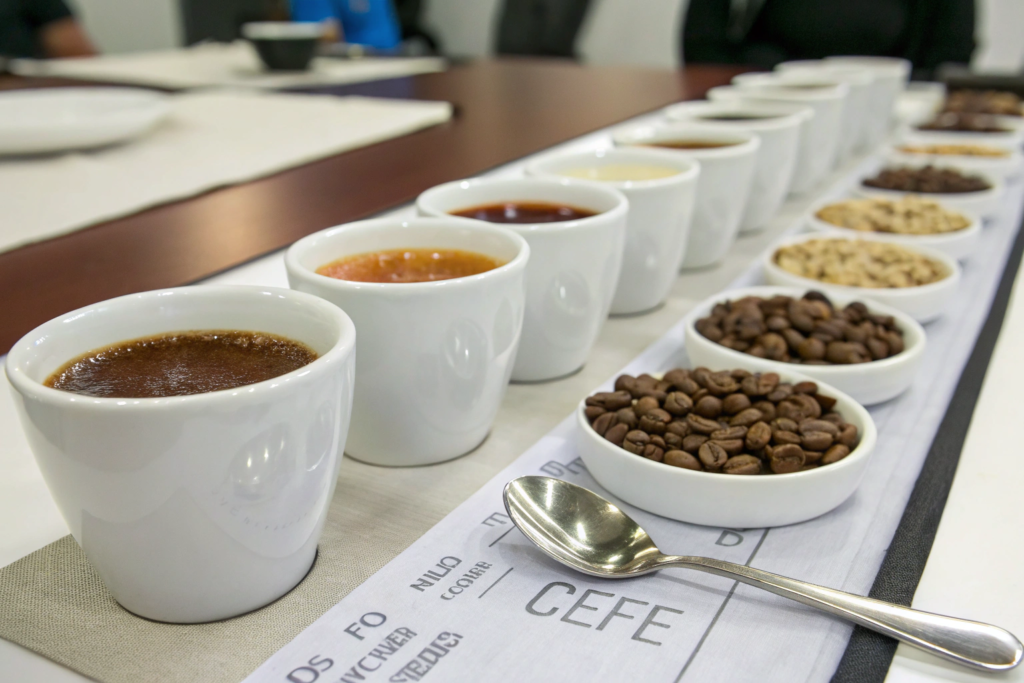
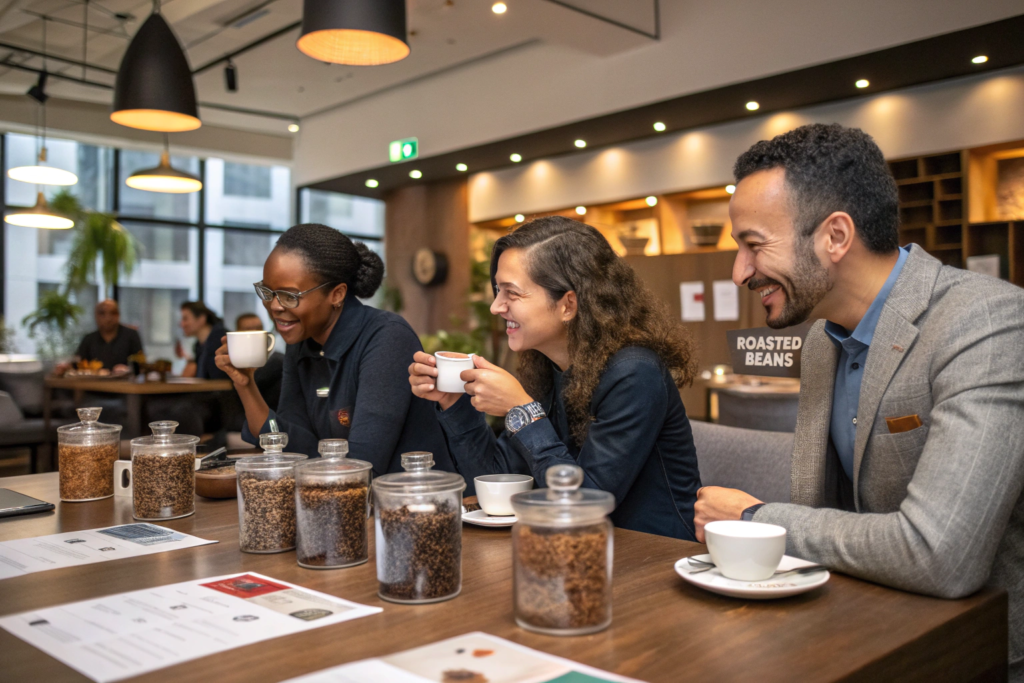
We also offer sample testing. Before we roast a full batch for export, we send samples. You cup them. You decide if the roast profile works for your timeline. And if you need adjustments—darker, lighter, longer rest time—we make them. This flexibility is part of why our partnership with Shanghai Fumao works so well. They help us coordinate the logistics so that the coffee moves quickly, but the roast decision is one we solve together before it ever leaves our facility.
How to Choose the Right Roast for Your Market?
So, after all that swirling uncertainty and the weight of countless options pressing in, how do you actually decide? I’ve sat across from buyers like Ron—men with furrowed brows and voices tight with the tension of choice—many times in dimly lit showrooms or over steaming cups of bitter coffee, and we always end up circling back to the same three questions, as if they were ancient compasses guiding through a fog of indecision.
The air would hum with unspoken doubts, the scent of new leather or fresh paint lingering like a promise, yet beneath it all, the core of the decision would unravel into those three pivotal inquiries, each one a thread pulling at the fabric of their deepest needs and desires.
Who is your end customer?
If your customers are specialty coffee drinkers who brew at home with a V60 or Chemex, they probably want light roast. They’re looking for origin character. They want to taste the difference between Yunnan and Colombia.
If your customers are café owners who sell mostly lattes and cappuccinos, medium roast is often the smarter choice. It punches through milk. It’s consistent. It’s what most café customers expect.
One of our distributors in Europe sells both. They use our light roast Arabica for their retail bags, targeting home brewers who want a premium single-origin. They use our medium roast Catimor for their wholesale accounts—cafés and offices—where consistency and balance matter more.
What’s your inventory and shipping timeline?
I mentioned this earlier, but it’s worth repeating. If your supply chain is long—if coffee sits in warehouses or on ships for weeks—light roast gives you a longer freshness window. If you turn inventory quickly, medium roast works fine.
We once had a buyer in Australia who was launching a new cold brew line. They wanted medium roast for the body, but they were nervous about shelf life. So we worked together on a custom roast that was on the lighter side of medium. It gave them the body they needed but kept the surface oils minimal. That batch lasted through their launch without quality complaints. That’s the kind of detail we help buyers figure out.
We also rely on Shanghai Fumao to handle the export documentation and logistics so that we can focus on these roast decisions together. When the logistics partner is reliable, it frees us up to solve the product questions.
Conclusion
Light roast and medium roast aren’t competitors. They’re tools. Light roast preserves origin character, keeps acidity bright, and lasts a bit longer on the shelf. Medium roast builds body, lowers acidity, and appeals to a wider range of everyday drinkers.
At Shanghai Fumao, we roast both. We export both raw beans and processed products. So whether you want to roast it yourself or have us do it for you, we can match the profile to your market.
The key is knowing your customer, your brewing method, and your supply chain. Once you have those answers, the roast choice becomes clear.If you’re still unsure, that’s fine. We do sample roasts all the time. We can send you a light and a medium from the same lot, and you can cup them side by side. That’s the only way to really know. Talk to Cathy Cai. She can set up a sample order and walk you through our current lots. Her email is: cathy@beanofcoffee.com.