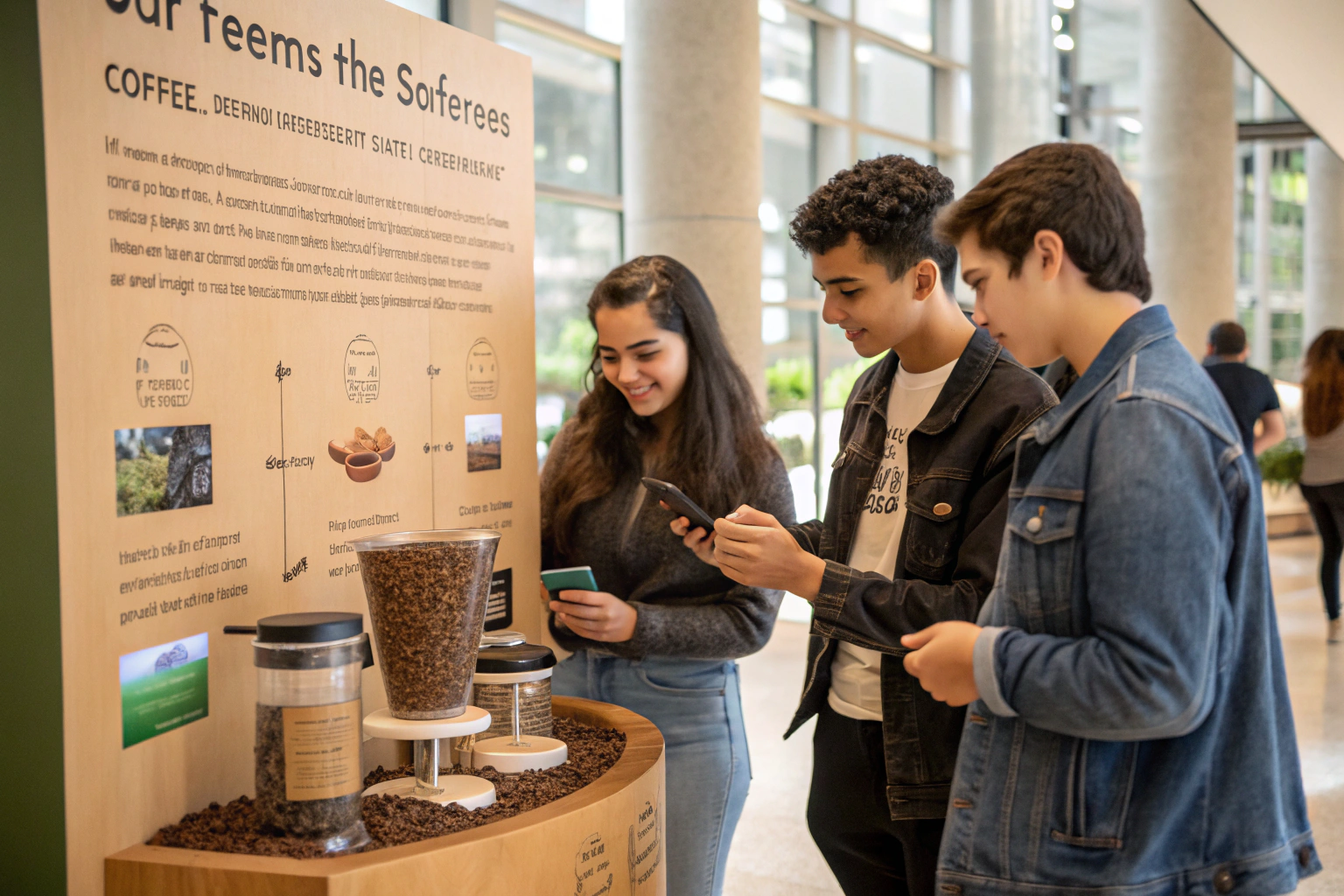
I’ll be straight with you. For years, I focused on selling green beans to large roasters and distributors. That was my comfort zone. But a few years ago, my own kids—both in their early twenties—started asking me questions I couldn’t answer. Why didn’t we have fun packaging? Why wasn’t our brand on TikTok? They told me their friends don’t buy coffee the way I thought they did. They don’t just look for “good coffee.” They look for a story, a vibe, and a brand that feels like it belongs to them.
So, how do you market coffee to Gen Z? You stop selling coffee and start selling an experience. Gen Z consumers care about authenticity, sustainability, transparency, and community. They want to know where the beans came from, who grew them, and whether the brand aligns with their values. At BeanofCoffee, we’ve shifted from being just a supplier to helping our brand buyers understand this new generation. We provide traceability, storytelling assets, and consistent quality that allows them to build real connections with younger drinkers.
Let me walk you through what we’ve learned. I’ll share the strategies that are actually working for our partners in North America, Europe, and Australia. This isn’t theory. It’s what I’ve seen work with my own eyes.
Why Do Gen Z Consumers Care About Coffee Origins and Ethics?
The first thing I noticed about my kids’ generation is that they ask “why” constantly, their voices a curious hum that fills the air like a persistent melody. They don’t just buy something because it exists; they pause, eyes narrowing with inquisitive intensity, and demand to know the story behind it—the why of its creation, the hands that shaped it, the journey it took to reach their shelves. Coffee is no different. It’s not merely a morning ritual or a warm beverage for them.
When they reach for a bag, their fingers trace the label as if decoding a secret, asking where the beans were grown—was it under a sun-dappled canopy in Colombia, or the misty highlands of Ethiopia? Who picked them, their calloused hands moving with practiced grace? What stories do those beans hold, from the soil they drank from to the roaster who breathed life into them? They want to taste not just the rich, velvety notes of chocolate or the bright zing of citrus, but the very essence of the people and places that made it possible. To them, every cup is a narrative waiting to be savored, a connection to a world beyond their own, woven into every sip.
What does “transparency” actually mean to a younger buyer?
For Gen Z, transparency isn’t a buzzword. It’s a requirement. They want to know if the coffee was grown ethically. They want to know if the farmers were paid fairly. They want to know if the packaging is recyclable.
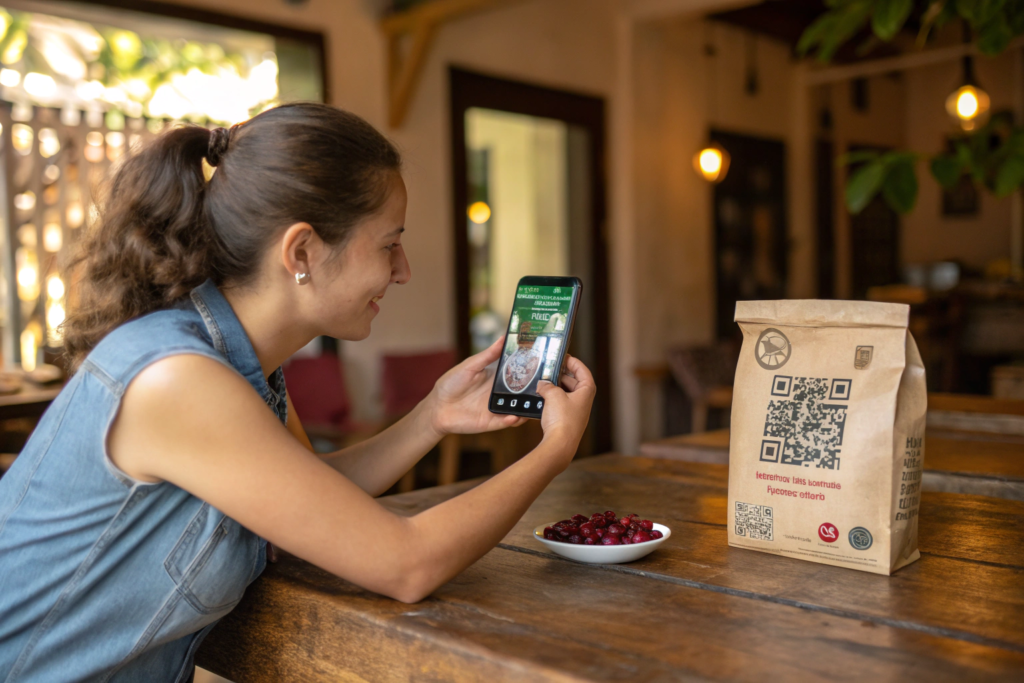
I remember talking to a young brand owner in California who buys our Arabica. She told me her customers scan the QR code on her bags. That code takes them to a landing page with photos of our farm in Baoshan, a short bio of our head grower, and information about how we process the beans. She said those customers are her most loyal. They feel connected.
So what does this mean for you? If you’re buying from us, we can help you build that story. We have farm photos, harvest videos, and traceability data. You don’t have to guess. You can show your customers exactly where their coffee came from. We also ensure our practices align with ethical sourcing standards that resonate with conscious consumers.
How does sustainability influence their purchase decisions?
Here’s something that surprised me. Gen Z consumers will pay more for sustainable coffee, but they won’t pay more for a brand that just claims to be sustainable. They want proof.
Our farms in Yunnan use water-efficient processing methods. We recycle pulp as compost. We’ve planted shade trees to protect biodiversity. These aren’t marketing gimmicks. They’re just how we’ve always farmed. But now, we document them. We share them.
One of our European distributors told me their sales jumped when they started including a small card in each bag with a photo of our wet mill and a line about our water recycling system. That one card, he said, got mentioned in over a hundred online reviews. Young buyers noticed.
If you’re sourcing from us, we can provide you with that kind of material. We have data on our carbon footprint reduction efforts that you can share with your audience. It’s not extra work for us. It’s just telling the truth about what we already do.
How Do You Use Social Media to Reach Gen Where They Already Are?
My kids don’t watch TV commercials, those jarring bursts of sound and color that interrupt their favorite cartoons or news programs. They don’t read email newsletters, those cluttered inboxes filled with promotional pitches and generic updates. Instead, their days unfold in a vibrant, scrolling world of TikTok, Instagram Reels, and YouTube Shorts—miniature universes of 15-second videos that pulse with music, quick cuts, and eye-catching visuals.
The air around them hums with the soft glow of screens, their fingers swiping and tapping in a rhythm as natural as breathing. If you want to reach them, to capture their fleeting attention and weave your message into their daily tapestry, you have to meet them there—in that dynamic, ever-shifting landscape where their interests, passions, and social connections thrive.
What type of coffee content actually works on TikTok?
I spent a whole week watching coffee content on TikTok. I wanted to understand it. What I found was this: authentic, imperfect, educational content performs best.
A perfectly polished ad? Ignored. A video of a barista messing up a pour-over and laughing about it? Thousands of likes. A quick clip showing the journey of a cherry from our farm to a cup? People eat that up.
One of our partners in Australia started doing “farm to cup” TikTok videos using footage we sent them. They showed our pickers in Yunnan, then cut to their roastery in Melbourne, then to a customer enjoying a cup. Those videos got over 200,000 views. They didn’t spend a dollar on production. They just used real footage and a simple voiceover.
If you’re working with us, we can provide you with raw footage from the farm. Harvest season footage. Processing videos. Interviews with our growers. You can edit it into content that feels real, not corporate.
How do influencers fit into a coffee marketing strategy?
Influencers work, but not the way you might think. Gen Z doesn’t trust celebrity endorsements. They trust micro-influencers—people with 10,000 to 50,000 followers who feel like a friend.
We saw this with a small roaster in Canada who sent samples to three local micro-influencers. They didn’t pay them. They just sent coffee and said “if you like it, share it.” Two of them posted. One of them made a video about how our Yunnan Arabica was the first Chinese coffee they’d tried and how surprised they were by the quality. That video led to a 15% sales bump the next month.
So when you’re planning your marketing, don’t just think about big campaigns. Think about real people who already love coffee. Send them samples. Let them tell their story. We can help you with samples and with information about our beans that makes those stories more interesting.
What Role Does Packaging Play in Attracting Younger Buyers?
Here’s a conversation I have with brand buyers all the time. They spend weeks, sometimes months, hunched over roasters, adjusting temperatures, timing each crack with the precision of a symphony conductor, perfecting their roast profile—the rich, nutty undertones, the bright citrus notes, the velvety body that makes every sip a revelation. And then, in a moment that feels almost anticlimactic, they tuck this labor of love into a generic bag: plain white, unmarked, or at best, emblazoned with a logo that feels more corporate than passionate.
What packaging design elements resonate with Gen Z?
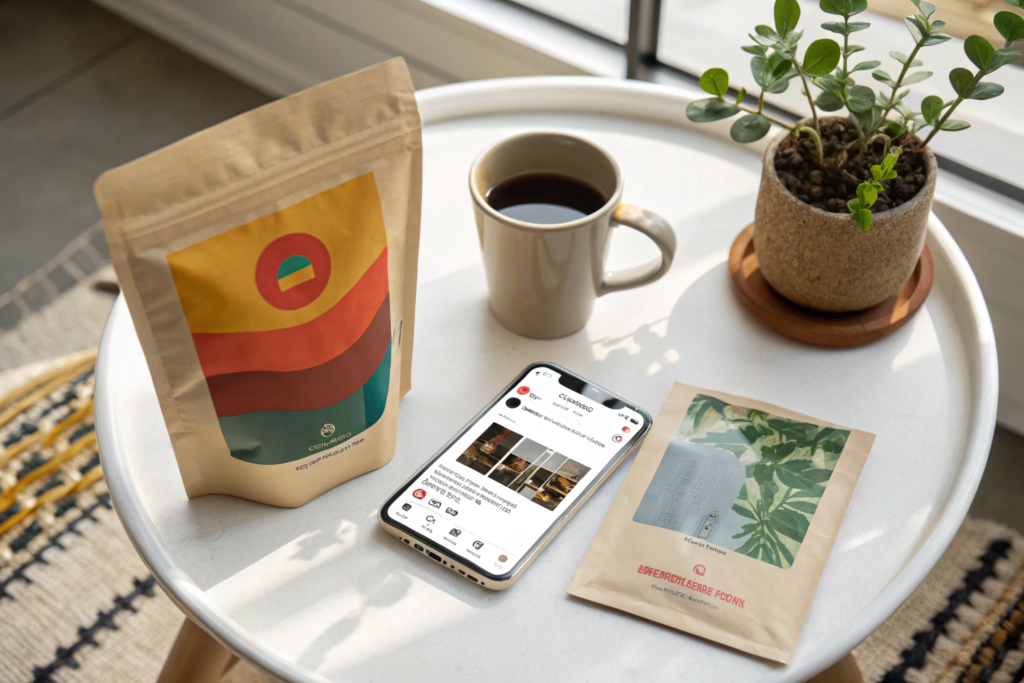
First, simplicity. Over-designed, busy packaging feels old. Clean typography, bold colors, and minimal text work better.
Second, transparency. Literally. Bags with a clear window that shows the beans inside perform well. It signals honesty. You’re not hiding anything.
Third, sustainability. Gen Z cares about packaging waste. We’ve started offering compostable packaging options for our processed products. One of our US buyers switched to compostable bags last year and made that the centerpiece of their marketing campaign. They called it “coffee that doesn’t cost the earth.” Sales went up 30% in three months.
If you’re ordering roasted or ground products from us, we can work with you on custom packaging. We can do small runs for limited editions. We can use sustainable materials. You don’t have to order a container of the same bag. We understand that young brands want flexibility.
How do limited editions and collaborations drive engagement?
Gen Z loves scarcity. They love feeling like they’re in on something exclusive. Limited edition drops, seasonal releases, and collaborations create urgency.
We saw this with a roaster in the UK who did a limited run of our Catimor with custom artwork from a local street artist. They announced it on Instagram, no paid ads, just organic posts. The run sold out in four days. People posted photos of the bag with the hashtag they created. It became a thing.
So think about your release strategy. Instead of launching one product and hoping it sells, think about creating moments. A harvest release. A collaboration with a local artist. A special roast for a holiday. Each moment gives you something to talk about on social media.
We can support that by providing smaller lot sizes, custom labeling, and timing our shipments to match your launch calendar. Our partnership with Shanghai Fumao helps us coordinate logistics so that your limited drops arrive exactly when you need them.
How Do You Build Community Around Your Coffee Brand?
The brands that win with Gen Z aren’t the ones that shout the loudest, their voices echoing through crowded marketplaces with flashy slogans and over-the-top advertising. Instead, they’re the quiet architects of connection, the ones that weave a tapestry of belonging so seamlessly that it feels less like a marketing ploy and more like finding a long-lost friend.
These brands don’t just sell products; they sell a feeling—a sense of being seen, understood, and part of something larger than oneself. They listen intently to the unspoken desires of this generation, the yearning for authenticity and community, and respond with empathy. Their campaigns breathe life into shared experiences, whether it’s the thrill of a first concert, the comfort of a late-night study session, or the pride of standing up for what matters.
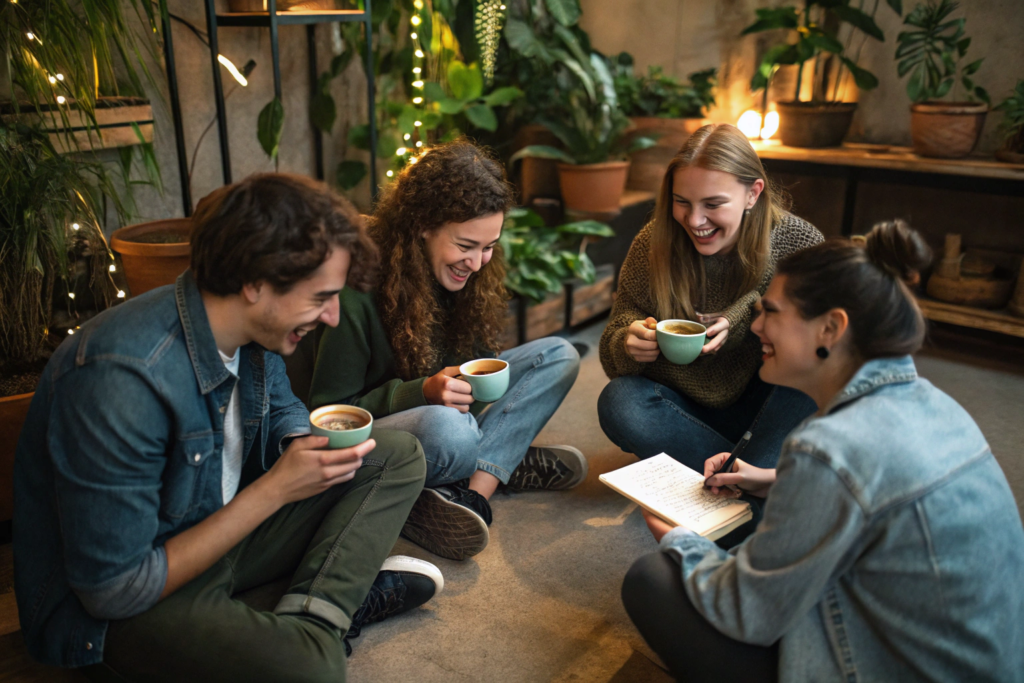
What does community look like for a coffee brand?
It’s not just followers on Instagram. It’s real connections. It’s people who feel like they’re part of something.
I saw a small roaster in Portland do something simple. They started a “coffee club” that wasn’t a subscription. It was a monthly meetup where people could come taste new roasts, learn about brewing methods, and hang out. No purchase required. They just wanted to create a space for coffee people.
That club grew into their most loyal customer base. Those people brought friends. They posted about it. They became advocates without being asked.
You don’t need a physical space to do this. You can do it online. A Discord server. A private Facebook group. Regular Instagram Lives where you answer questions about sourcing or brewing. The key is consistency. Show up. Be real. Don’t try to sell every time.
We’ve seen our partners succeed by involving their communities in sourcing decisions. One roaster let their Instagram followers vote on which of our beans to feature next. Engagement went through the roof. People felt invested before they even bought the coffee.
How do you educate without being boring?
Gen Z wants to learn, but they don’t want to be lectured. Education has to feel like discovery.
We created a simple tool for our brand partners. It’s a set of short, shareable facts about each of our beans. Not technical specs. Fun stuff. “This coffee is grown at 1,200 meters, which is why it tastes like stone fruit.” “Our farmers shade-dry this bean for 20 days—longer than most.” Partners put these on their bags, on their websites, on their social media.
One buyer in Sweden took that and turned it into a weekly “coffee fact” Instagram story. It became their most engaged content. People started sending in questions. They’d ask about altitude, processing, varieties. That’s education that feels like conversation.
If you’re sourcing from us, we can provide you with that kind of material. We have farm stories, grower interviews, and processing details. You don’t have to invent a story. You just have to share ours.
Conclusion
Marketing coffee to Gen Z isn’t about tricks or gimmicks. It’s about being honest, showing up where they are, and making them feel like they’re part of something real. They want to know where their coffee comes from. They want packaging that doesn’t hurt the planet. They want a brand that talks to them like a human, not a corporation.
At Shanghai Fumao, we’ve spent the last few years learning how to support our brand partners in reaching this generation. We provide traceability, storytelling assets, sustainable packaging options, and the kind of consistent quality that lets young drinkers trust the product from the first sip.
If you’re a brand buyer trying to figure out how to connect with younger consumers, let’s talk. We’ve been through this transition ourselves, and we’d love to share what we’ve learned.
Reach out to Cathy Cai. She can walk you through our current lots, our packaging options, and the storytelling resources we have available. Her email is: cathy@beanofcoffee.com.