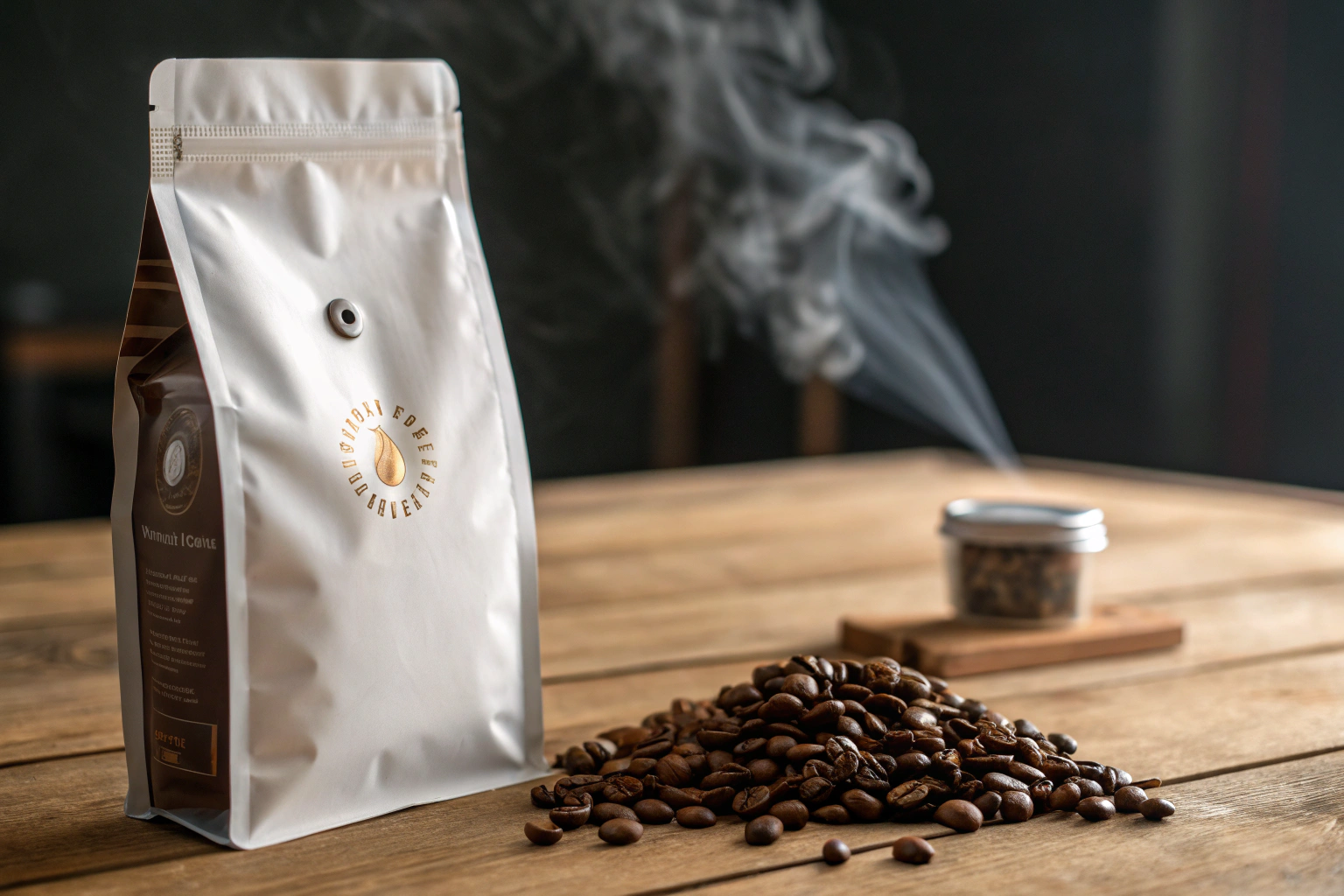
I learned this lesson the hard way. Early on, when we first started packaging roasted coffee for export, we used standard sealed bags. They looked fine. They stacked nicely. Then we shipped a container to a buyer in Australia. When they opened the bags, some were puffed up like balloons. A few had actually burst open during transit. We lost product, we lost trust, and I spent a lot of sleepless nights figuring out what went wrong.
So, what are the benefits of using valve bags? They allow freshly roasted coffee to release carbon dioxide without letting oxygen in. This prevents bags from bursting, preserves freshness for weeks longer, and maintains the flavor profile your customers expect. For any brand packaging roasted coffee—especially for export—valve bags aren’t a luxury. They’re a necessity. At Shanghai Fumao, we use them for all our processed, packaged products, and we recommend them to every buyer who wants to protect their investment.
Let me walk you through what I’ve learned. I’ll explain the science behind degassing, the practical benefits for your supply chain, and how this one packaging choice can make or break your coffee business.
Why Do Freshly Roasted Coffee Beans Need to Degas?
To truly grasp the essence of valve bags, one must first peer into the dynamic world that unfolds within a coffee bean immediately after it emerges from the roaster. It’s not merely a matter of the bean sitting there in quiet repose; no, far from it. A symphony of internal transformations begins, a silent drama set in motion by the intense heat and pressure of the roasting process.
The bean, now a vibrant, aromatic entity—whether a rich dark roast or a bright medium roast—becomes a vessel of volatile compounds, gases, and moisture, all vying for release. This is a world of subtle explosions and gentle exhalations, where the very air inside the bean pulses with the promise of flavor and aroma, waiting to be unleashed. Understanding this inner vitality is key to appreciating the humble yet crucial role of the valve bag.
What happens to coffee beans after roasting?
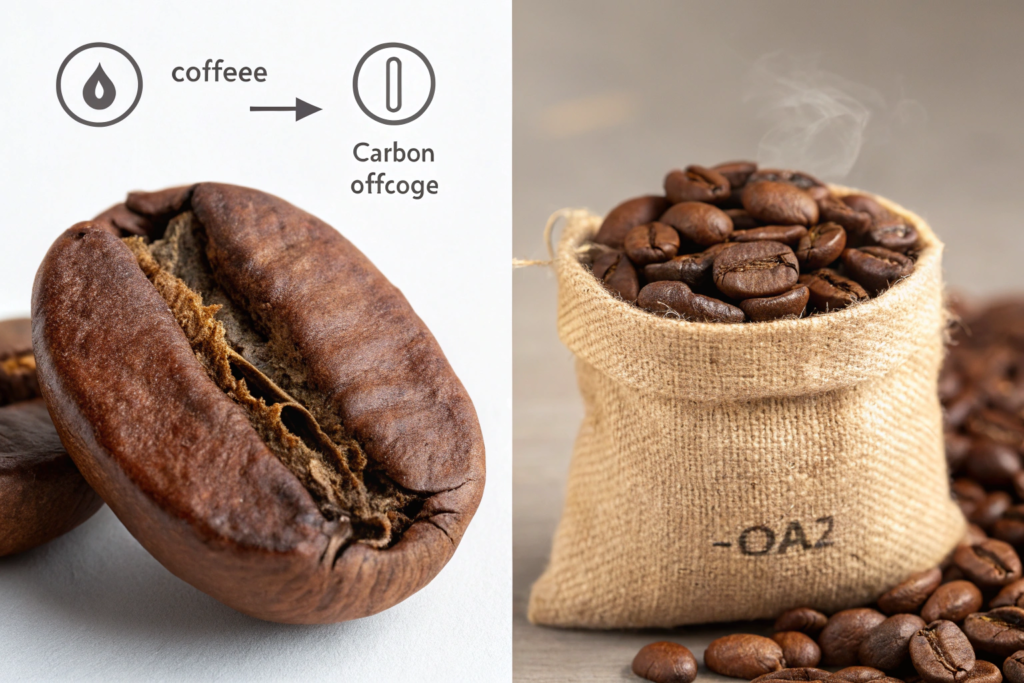
When we roast coffee, the beans go through a massive transformation. They expand. They crack. And inside, they trap carbon dioxide. A lot of it. In fact, a freshly roasted bean can contain up to one percent of its weight in CO₂.
For the first few days after roasting, that gas is trying to escape. It’s a natural process called degassing. If you’ve ever opened a bag of freshly roasted coffee and heard that satisfying “pfft” sound, that’s the gas releasing.
But here’s the problem. If you seal that coffee in an airtight bag without a way for the gas to escape, the bag will inflate. In some cases, it will burst. I’ve seen it happen. It’s not just messy. It’s expensive.
One of our clients in the UK learned this the hard way before switching to valve bags with us. They had a shipment of whole bean coffee in standard foil bags. Half the bags arrived swollen. Retailers refused to put them on shelves because they looked damaged. The client lost the entire order.
Why is oxygen the enemy of fresh coffee?
While carbon dioxide is escaping, oxygen is trying to get in. Oxygen is what makes coffee go stale. It oxidizes the oils, breaks down the volatile compounds, and turns that fresh, vibrant flavor into something flat and cardboard-like.
A valve bag solves both problems. The one-way valve lets CO₂ escape, but it doesn’t let oxygen in. It’s a simple piece of technology, but it changes everything for shelf life.
Think of it like this. Without a valve, your coffee is slowly suffocating. With a valve, it’s breathing—but only out, not in. That means the coffee stays at peak flavor for weeks or even months longer than coffee in a standard bag.
How Do Valve Bags Extend Shelf Life for Export?
For buyers like Ron, shelf life isn’t just about quality. It’s about inventory management. It’s about having enough time to sell the product before it goes stale. It’s a delicate dance with time, where every ticking second carries the weight of potential loss. Ron, with his weathered hands and a mind sharp as a well-honed blade, knows that a product left too long on the shelf transforms from a promise of profit into a silent thief of resources. The air in his warehouse hums with the quiet tension of deadlines—each crate labeled with a date, a countdown to obsolescence.
He can almost taste the faint tang of disappointment that lingers when a batch of fresh-baked pastries, once golden and fragrant, turns dry and crumbly, their appeal dimmed by the passage of hours. For him, shelf life is a tangible thing, a clockwork mechanism that dictates the rhythm of his business. It’s the difference between a bustling store filled with eager customers and empty aisles that whisper of missed opportunities. It’s the careful balancing act of ordering just enough to meet demand without drowning in waste, ensuring that every item finds its buyer before it surrenders to the inevitable decay. In Ron’s world, shelf life isn’t merely a number on a label; it’s the heartbeat of his operations, pulsing with the urgency of survival and the hope of success.
What is the real shelf life difference?
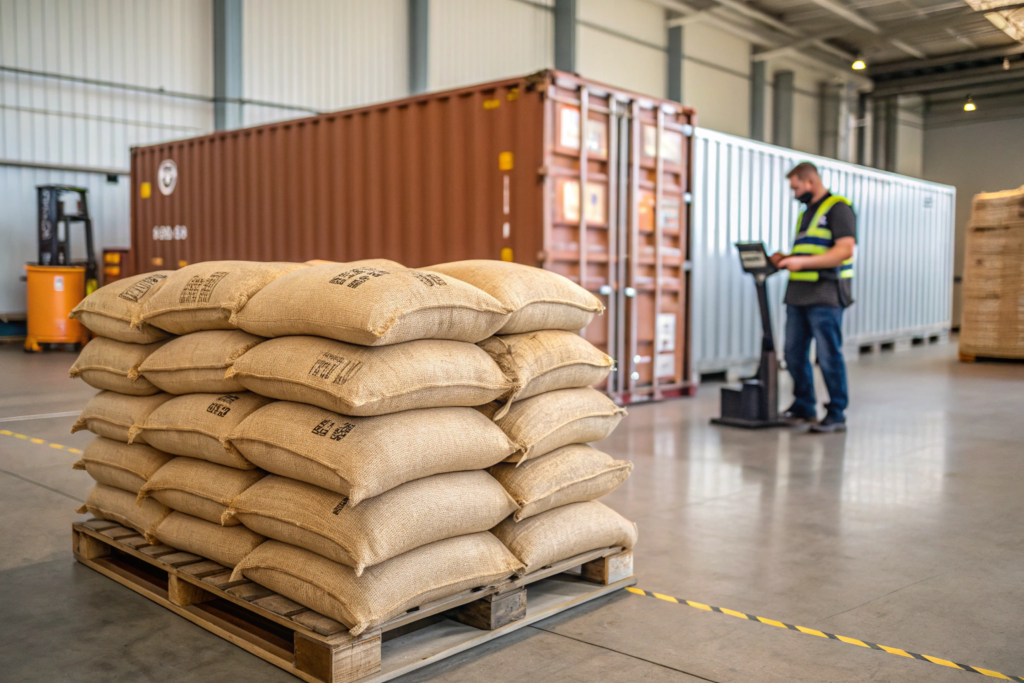
Let me give you a real example. We did a test a couple of years ago with two batches of the same roast. Same bean, same roast date. One went into standard foil bags. One went into valve bags. We stored them in the same conditions and tested them every two weeks.
At week three, the standard bag coffee was already losing aroma. By week six, it was noticeably flat. The valve bag coffee? At week six, it still had strong aroma. At week twelve, it was still acceptable for retail. At week sixteen, it started to decline.
That’s a shelf life difference of almost two months. For a brand that’s shipping from China to North America or Europe, that’s huge. Transit alone can take four to six weeks. If your coffee only has six weeks of peak freshness, you’re already at the edge when it lands. With valve bags, you have a comfortable window.
One of our partners in the US told me they extended their reorder cycle by three weeks after switching to valve bags. That meant fewer urgent shipments, lower freight costs, and less stress. They didn’t have to rush to sell every bag before it went stale.
How does degassing affect brewing and flavor?
Here’s something that many buyers don’t consider. Coffee that hasn’t degassed properly doesn’t brew well. If you brew coffee too soon after roasting, the trapped CO₂ creates turbulence during extraction. It pushes water away from the grounds. You end up with uneven extraction and a sour or weak cup.
Valve bags allow the coffee to degas naturally over time. By the time it reaches your customer, it’s in that perfect window—degassed enough to brew evenly, but fresh enough to taste vibrant.
We had a roaster in Canada who switched to valve bags and immediately got fewer customer complaints about “sour” coffee. The problem wasn’t their roast. It was that customers were brewing the coffee too soon after opening a bag that hadn’t degassed properly. The valve bags fixed that because the degassing happened before the bag was opened.
What Valve Bag Options Work Best for Different Products?
Not all valve bags are the same. Some are crafted from thick, durable polyethylene that stands firm against rough handling and harsh weather, while others are lightweight and flexible, designed for delicate powders that might spill if jostled. The right choice depends on your product—whether it’s a fine, free-flowing flour that needs a bag with a precise, easy-to-seal valve to prevent clumping, or a heavy, granular material that demands reinforced seams and a sturdy base to withstand stacking.
It hinges on your volume: small batches may call for compact, single-use valve bags with minimal packaging waste, while large-scale operations require bulk-sized options that streamline loading and unloading, reducing labor and time. And it is deeply tied to your distribution channel—those destined for long-haul truck transport need extra durability to endure bumpy roads and fluctuating temperatures, whereas those heading to local warehouses might prioritize cost-effective, eco-friendly materials that align with sustainable shipping practices. Each valve bag tells a story of purpose, tailored to the unique journey of your goods from production to delivery.
What valve bag styles are available?
We use a few different types depending on what our buyers need.
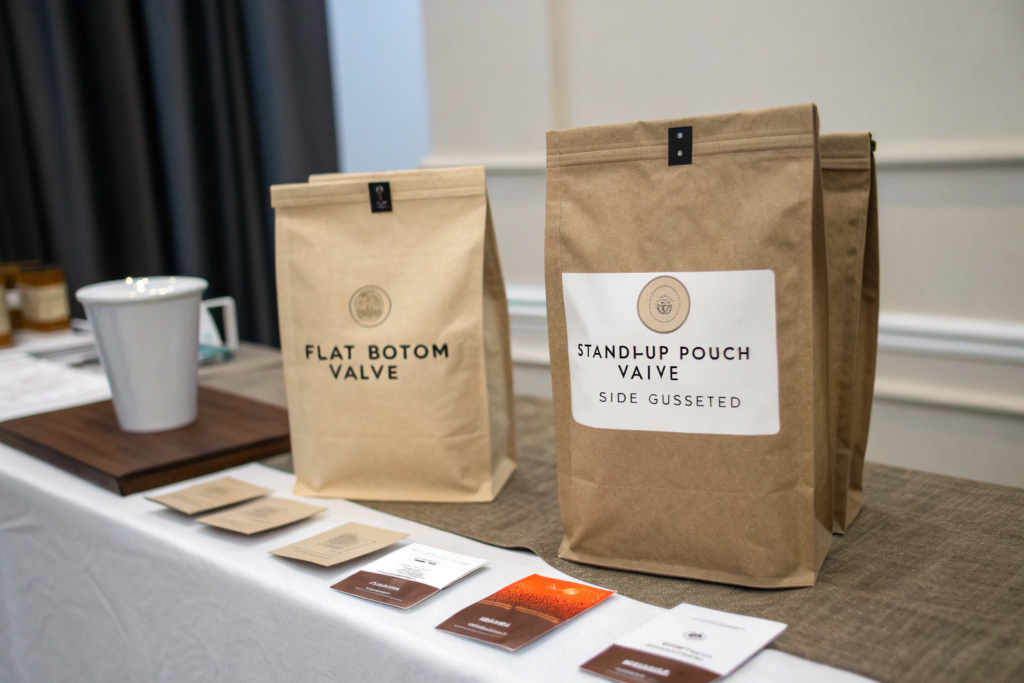
Flat bottom bags are popular for retail. They stand up on shelves. They have a wide face for branding. The valve is usually on the back or side. These look premium and they’re what most specialty coffee consumers expect.
Stand-up pouches are more flexible. They work well for larger quantities—12 ounces, one pound, or even two pounds. They’re easier to ship because they pack flat before filling. We use these for many of our export orders because they’re cost-effective and still look good.
Side-gusseted bags are a simpler, more traditional option. They work well for wholesale or bulk packaging. They’re less expensive, but they still have the valve. We offer these for buyers who prioritize function over presentation.
We also offer custom printing on all of these options. One of our buyers in Australia uses flat bottom bags with their logo and a QR code that links to our farm story. They told me customers scan it all the time. It builds trust.
How do you choose between different valve types?
The valve itself also comes in different forms. The most common is a small, round plastic valve that’s heat-sealed to the bag. It’s reliable and inexpensive.
There are also paper-based valves for brands that want a fully compostable package. They’re more expensive, but they appeal to environmentally conscious consumers. We’ve started offering these for buyers who want to market their packaging as sustainable.
I always ask buyers two questions. First, what’s your shelf time? If your coffee moves quickly, a standard valve is fine. If it sits for months, a high-quality valve with a stronger seal matters more. Second, what’s your brand story? If sustainability is central to your marketing, the compostable valve might be worth the extra cost.
Our partnership with Shanghai Fumao helps us manage the supply chain for these different packaging types. We can order smaller quantities for testing, then scale up as your brand grows. You don’t have to commit to a container of one bag type. We understand that brands need flexibility.
How Do Valve Bags Protect Your Brand Reputation?
Here’s what I’ve learned after years in this business. Your packaging isn’t just a container—it’s the silent ambassador of your brand, the first tangible whisper that greets your customer before they even open the door. It’s the first physical interaction your customer has with your brand: the weight of it in their hands, the texture of the paper or plastic beneath their fingertips, the pop of a seal breaking, the scent of fresh ingredients peeking through a transparent window.
If that interaction is bad—if the box feels flimsy, the label is smudged, the colors are dull, or it fails to spark curiosity—you might not get a second chance. That first touch, that initial impression, can be the make-or-break moment. A well-crafted package doesn’t just protect; it invites.
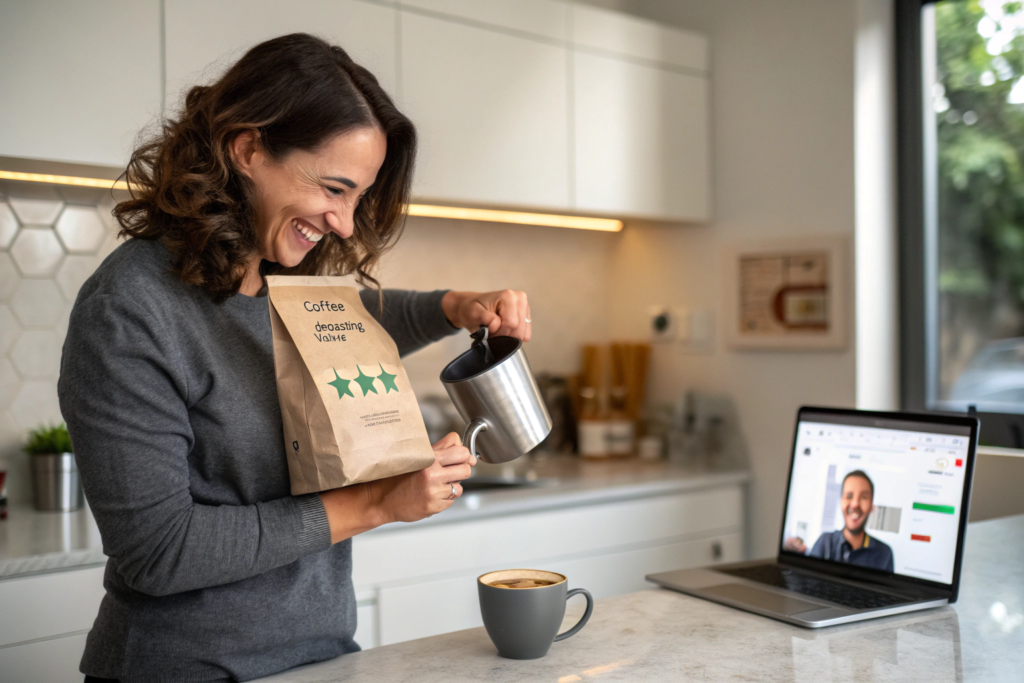
What happens when packaging fails?
I’ve seen it. A bag arrives with a burst seal. Coffee grounds are everywhere in the shipping box. The customer opens it and finds a mess. Even if the coffee inside is perfect, they’re already disappointed. They might not order again.
Worse, if the bag doesn’t have a valve, the coffee arrives stale. The customer brews it and thinks your coffee is bad. They leave a one-star review. They tell their friends. That damage is hard to undo.
We had a buyer in the US who was selling through a major online marketplace. They shipped in non-valve bags to save money. Within three months, their rating dropped from 4.8 to 4.2. Returns increased. They switched to valve bags, and within six months, their rating was back up. The coffee hadn’t changed. The packaging had.
How does packaging consistency build trust?
Consistency is what buyers like Ron care about. If every bag that arrives is the same—same appearance, same freshness, same performance—then customers learn to trust your brand.
Valve bags help with that consistency. They prevent the variability that comes from uneven degassing. They protect against moisture and oxygen during transit. They ensure that the bag your customer opens in New York or London is as fresh as the bag that left our facility in Yunnan.
I remember a conversation with a distributor in Europe. He told me he switched to us because our valve bags meant he didn’t have to inspect every shipment. He knew the packaging would hold up. He knew the coffee would be fresh. That trust saved him hours of work every week.
If you’re building a brand, that’s the kind of trust you want. You want your customers to order without hesitation. You want them to know that every bag will be as good as the last. Valve bags are a small part of that, but they’re a crucial part.
Conclusion
Valve bags aren’t complicated. They’re a simple technology that solves a real problem. Freshly roasted coffee releases gas. Without a way for that gas to escape, your packaging fails and your coffee goes stale. With a one-way valve, the gas escapes, oxygen stays out, and your coffee stays fresh for weeks longer.
At Shanghai Fumao, we use valve bags for all our processed, packaged products. We’ve seen the difference they make—not just in shelf life, but in customer satisfaction and brand loyalty. For any buyer who’s serious about selling roasted coffee, especially for export, valve bags are non-negotiable.
If you’re sourcing roasted coffee from us, or if you’re buying green beans and roasting yourself, I encourage you to think carefully about your packaging. It’s the last step in the supply chain, but it’s the first thing your customer sees. Talk to Cathy Cai. She can walk you through our packaging options, show you samples, and help you choose the right valve bag for your product. Her email is: cathy@beanofcoffee.com.