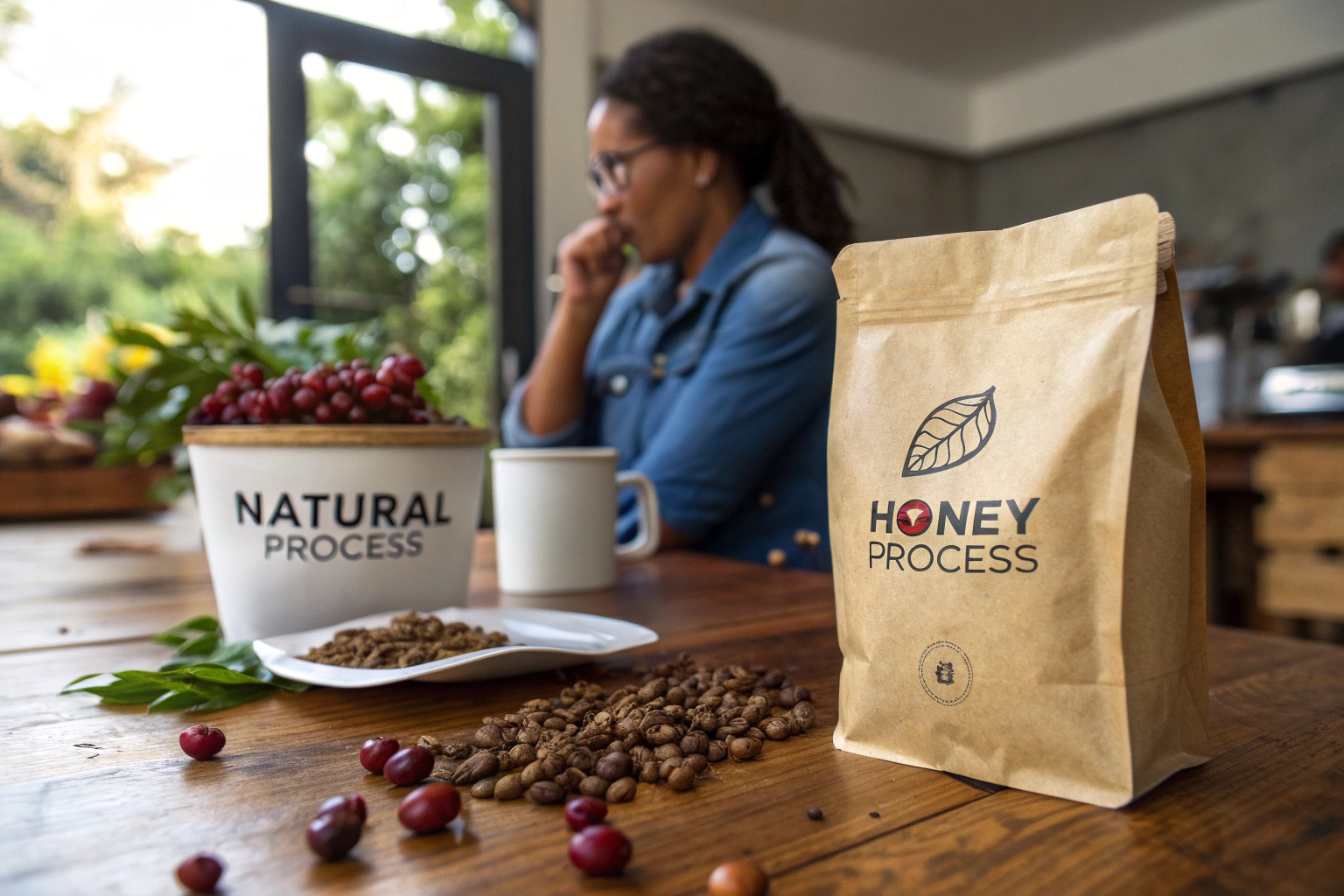
You see the words on the bag. "Natural Process." "Honey Process." You nod, as if you understand. Maybe you have a vague idea. Natural is fruity. Honey is sweet. But what do these terms actually mean? What happens to the coffee cherry? How does it change the flavor? And more importantly, which one should you buy for your roastery? These are not trivial questions. The processing method is one of the biggest factors in the final cup profile. It can transform a single variety into two completely different coffees. I process both methods at my farm in Baoshan. Let me explain the difference, clearly and practically.
The core difference between natural and honey process is the amount of fruit left on the bean during drying. In a natural process, the whole cherry is dried intact. In a honey process, the skin is removed but the sticky mucilage is left on. At BeanofCoffee, I produce both. The natural is wild and fruity. The honey is balanced and sweet. Both are exceptional, but they are not the same.
Understanding the process is the key to understanding the flavor. It is not magic. It is biology and chemistry. Let me break it down for you.
What Exactly Happens During the Natural Process?
The natural process is the oldest method in the world. It is how coffee was processed for centuries, before the invention of modern machinery. It is simple, but it is not easy. The simplicity is deceptive. The margin for error is wide.
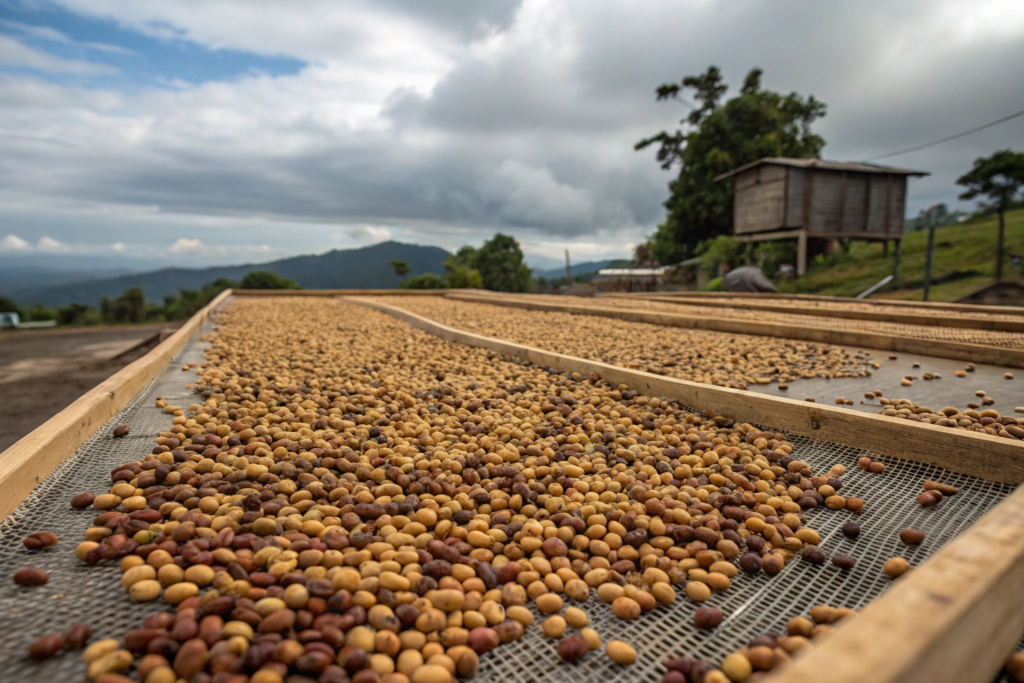
In the natural process, the freshly picked coffee cherry is dried whole, with the fruit and skin intact. The bean inside absorbs sugars and flavors from the drying fruit over several weeks. At BeanofCoffee, my natural lots are dried on raised African beds, turned frequently, and closely monitored. The result is a coffee with intense fruit, heavy body, and a wine-like complexity.
The natural process is a gamble. If the cherries dry evenly, the result is spectacular. If they ferment or mold, the result is ruined. It requires constant vigilance. The cherry is a living fruit, and it is dying slowly. The art is in controlling that death.
How Does Drying the Whole Cherry Affect the Bean's Flavor?
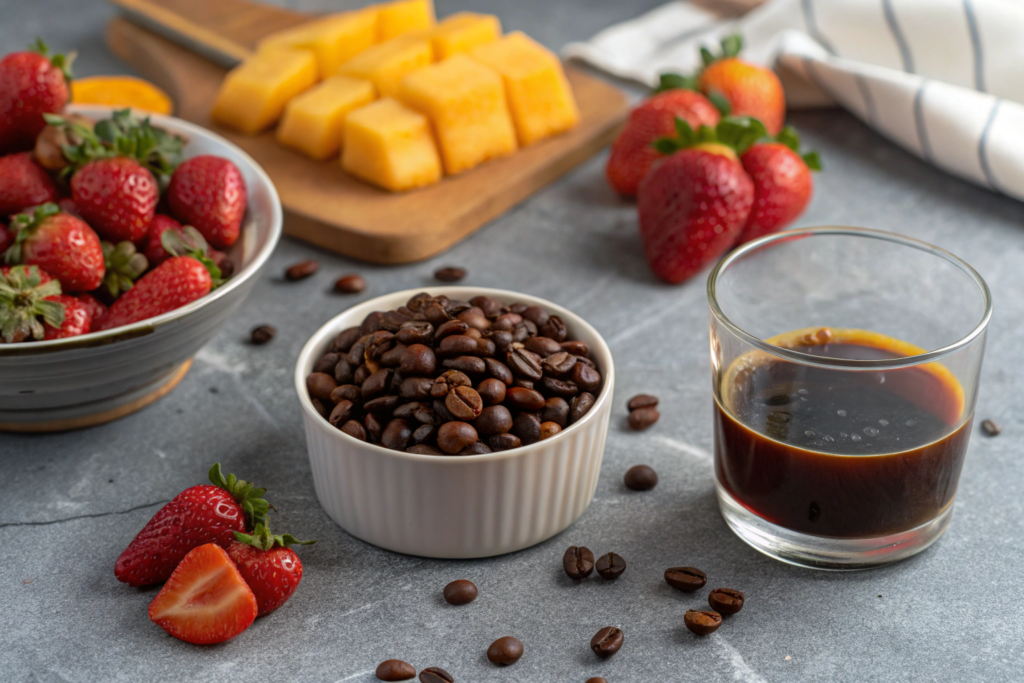
The magic of the natural process is the transfer of flavor. The bean is not passive. It is absorbing sugars, acids, and aromatic compounds from the drying fruit. The mucilage, the sweet, sticky layer around the bean, is the source of much of this flavor. As the cherry dries, the mucilage ferments slightly. This fermentation creates fruity, boozy, complex notes. Think of a dried strawberry. Think of a ripe mango. Think of a rich, sweet wine. These are the flavors of a well-processed natural. The bean is saturated with the essence of the fruit. The cup is heavy, syrupy, and intense. It is a sensory overload.
Why Are Naturals More Prone to Defects and Fermentation Risk?
The risk is in the fruit. A natural cherry is a sugar bomb. It is food for every microbe in the environment. Yeast, bacteria, mold, they all want a piece. If the drying is too slow, the cherry will ferment too much. It will develop a sour, vinegary, or even rotten taste. If the drying is uneven, some cherries will be over-dried while others are still wet. The over-dried ones will taste woody. The wet ones will taste moldy. This is why the natural process requires meticulous attention. The cherries must be sorted perfectly. They must be turned frequently. They must be dried slowly and evenly. It is a labor of patience. The reward is a flavor that no other process can match.
What Exactly Happens During the Honey Process?
The honey process is a modern invention. It is a hybrid, a bridge between the natural and the washed process. It was developed in Costa Rica, and it has spread around the world. It is an attempt to capture some of the fruitiness of a natural, while maintaining the cleanliness of a washed.
In the honey process, the skin of the cherry is removed, but the sticky mucilage is left on the bean during drying. The bean dries in this sugary layer. At BeanofCoffee, my honey process lots are carefully controlled. The result is a coffee with a rounder body, a pronounced sweetness, and a subtle fruit note, without the intense ferment of a natural.
The name "honey" comes from the texture of the mucilage. It is sticky and sweet, like honey. The flavor of the resulting coffee is often described as honey-like. It is a fitting name.
How Does Removing the Skin but Keeping the Mucilage Change Things?
Removing the skin changes the dynamic. The skin is a barrier. It protects the cherry from the environment. But it also slows the drying. By removing the skin, the drying is faster. The risk of mold and over-fermentation is lower. But the mucilage is still there. It is still a source of sugar. It still ferments, but more gently. The result is a coffee that is cleaner than a natural, but sweeter and fuller than a washed. It is a middle ground. It is a compromise that works beautifully.
What Are the Different Levels of Honey Process?
The honey process is not a single thing. It is a spectrum. The color of the honey, yellow, red, or black, refers to the amount of mucilage left on the bean and the drying method. Yellow honey has the least mucilage. It is dried quickly, often with more direct sun. The cup is closest to a washed coffee, with a slight extra sweetness. Red honey leaves more mucilage. It is dried more slowly, often under shade. The cup is sweeter, with a fuller body. Black honey leaves the most mucilage. It is dried very slowly, in deep shade. The cup is the most intense, closest to a natural. Each level is a different expression of the same process. I offer several honey levels at BeanofCoffee. It allows my clients to find the exact profile they are looking for.
How Do the Flavor Profiles of Natural and Honey Compare?
The difference in the cup is dramatic. A natural and a honey from the same farm, the same variety, the same harvest, will taste very different. They are not just variations on a theme. They are distinct coffees. This is the beauty of processing.
A natural process coffee is typically bold, fruity, and complex, with notes of berries, tropical fruit, and wine. A honey process coffee is generally sweeter, rounder, and more balanced, with notes of caramel, honey, and dried fruit. At BeanofCoffee, my natural lots are for the adventurous palate. My honey lots are for those who want sweetness without the wildness.
The choice is not about right or wrong. It is about what you want in your cup. It is about matching the coffee to the occasion, the blend, or the customer.
What Tasting Notes Should You Expect from a Yunnan Natural?
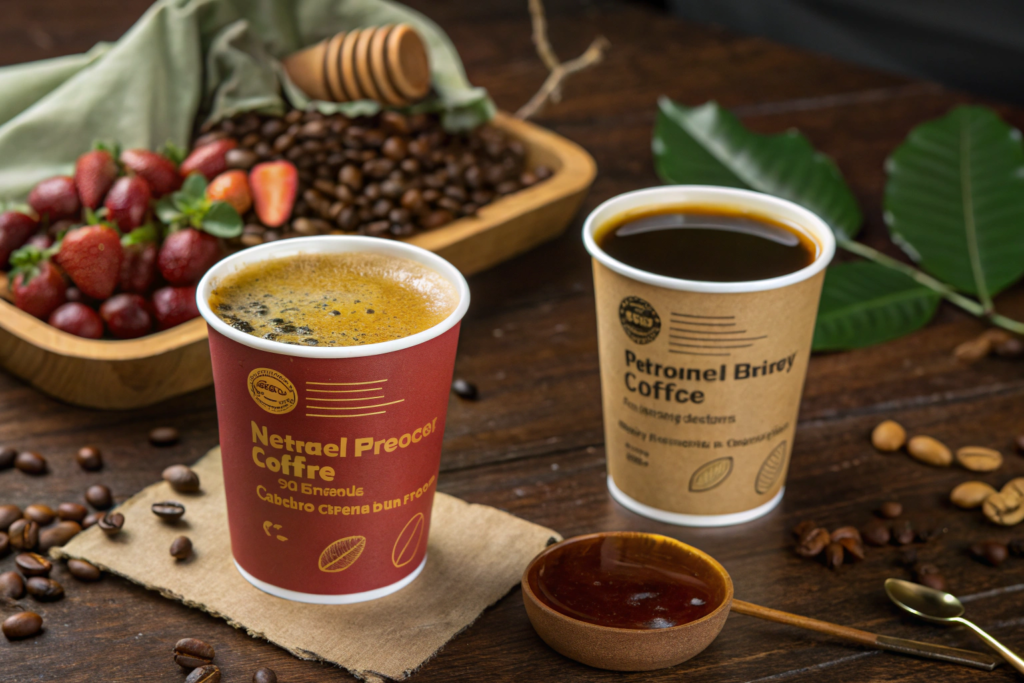
A Yunnan natural is a revelation. The high altitude and the unique terroir of Baoshan combine with the natural process to create something special. Expect intense notes of strawberry, blueberry, and dark chocolate. Expect a heavy, syrupy body. Expect a long, lingering finish that reminds you of a fine port wine. The black tea note, the signature of Yunnan, is still there, but it is in the background, adding a layer of complexity. This is a coffee for the customer who wants to be surprised. It is a coffee for the single-origin enthusiast.
What Tasting Notes Should You Expect from a Yunnan Honey?
A Yunnan honey is a different experience. It is a coffee of balance and elegance. Expect notes of caramel, toffee, and dried apricot. Expect a medium to full body, smooth and creamy. Expect a gentle acidity that is present but not sharp. The sweetness is the star. It is a coffee that is easy to drink, but still interesting. It is a crowd-pleaser. It is a coffee for the milk-based drinker. It is a coffee for the customer who wants quality without the challenge.
Which Processing Method Should You Choose for Your Roastery?
The choice is a business decision. It depends on your market, your brand, and your customers. There is no universal right answer. There is only the right answer for you.
The choice between natural and honey depends on your target market. At BeanofCoffee, I advise my clients to think about their customer base. If they serve adventurous specialty drinkers, a natural is a great addition. If they serve a more mainstream audience, a honey is a safer bet. Many roasters offer both.
The natural is the flashy one. It attracts attention. It wins awards. It is the coffee for the connoisseur. The honey is the reliable one. It is the coffee for the everyday drinker. It is the coffee for the milk-based drink. The smart roaster has both in their arsenal.

Why Would a Roaster Choose a Natural for a Limited Release?
A natural is a perfect limited release. It is a story. It is an experience. It is a coffee that people will talk about. A limited release natural creates buzz. It drives traffic to your website or your cafe. It is a marketing tool as much as it is a product. The intense, unusual flavors are a conversation starter. The customer who tries it will tell their friends. It is a way to build your brand's reputation as a curator of interesting coffees. It is a low-volume, high-impact product.
Why Is a Honey Process Often Ideal for Espresso Blends?
The honey process is an espresso blender's dream. Its natural sweetness and full body are exactly what you want in an espresso. The honey process adds depth and sweetness to the cup, without the risk of the intense, sometimes divisive, flavors of a natural. It is a team player. It elevates the other components of the blend. It is a coffee that works beautifully with milk. It is a coffee that pleases a broad audience. For a roaster who is building a signature espresso blend, a honey process Yunnan is a smart choice.
Conclusion
The difference between natural and honey process is not a technicality. It is the difference between a wild, fruity adventure and a sweet, balanced comfort. Both have their place. Both are exceptional expressions of the same bean. The natural is the risk-taker. It is the coffee that pushes the boundaries. The honey is the diplomat. It is the coffee that finds the sweet spot. Understanding the difference is the key to choosing the right coffee for your roastery. It is the key to building a product line that covers all the bases. And it is the key to offering your customers a choice that reflects their own palates.
Taste the difference for yourself. Contact me, Cathy Cai, at cathy@beanofcoffee.com. I will send you samples of our current natural and honey process Yunnan lots. Cup them side by side. Experience the difference. Then, let's decide which one, or both, belongs in your roastery. The choice is yours. The coffee is ready.