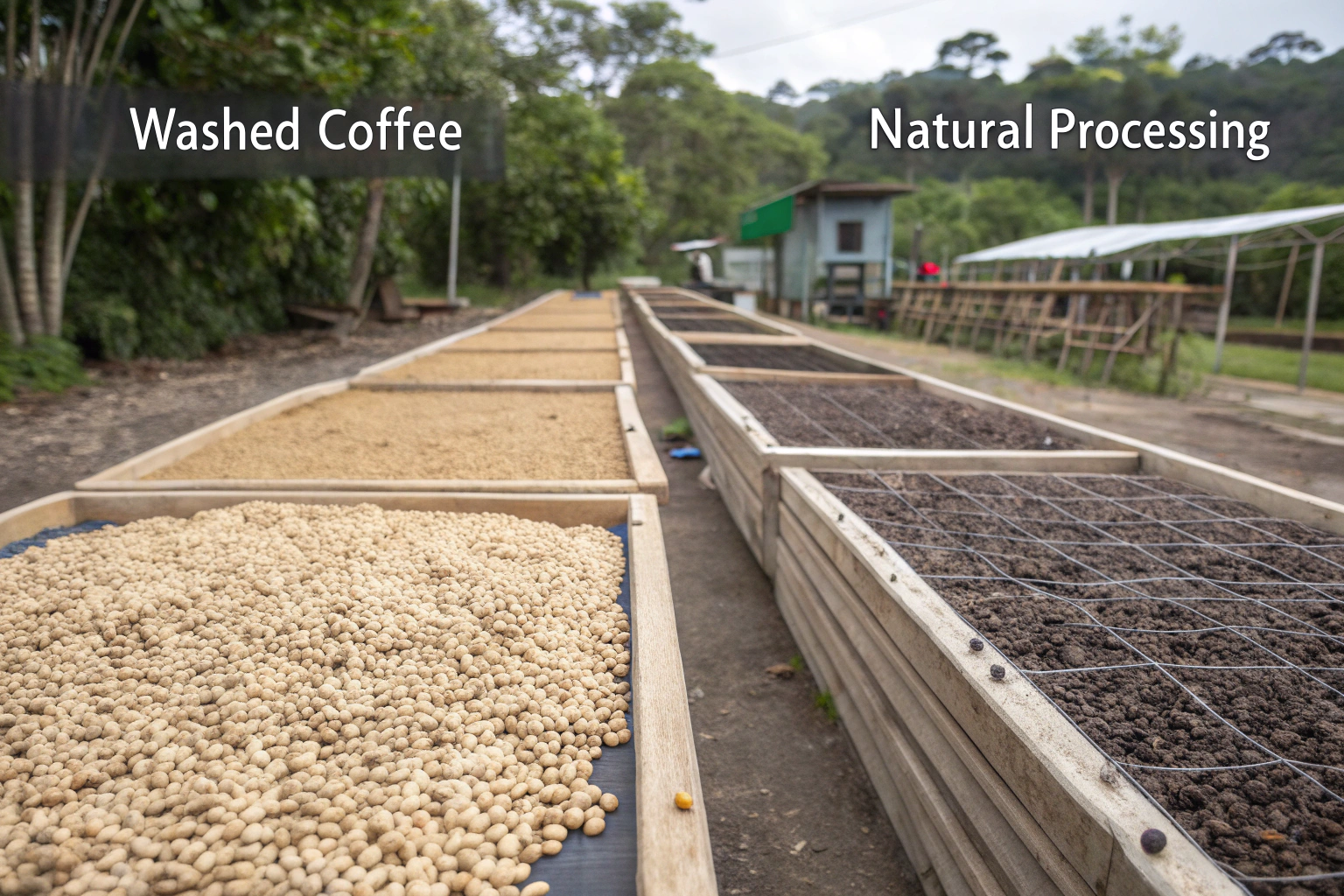
A roaster from Seattle called me last week. He'd been buying washed coffees for years. Then he tried a natural from Ethiopia and loved it. "Why does this taste so different?" he asked. "Same origin, same variety—completely different cup."
Washed and natural processing are the two primary methods for turning coffee cherries into green beans. Washed processing removes all fruit before drying, producing clean, bright, consistent flavors. Natural processing dries cherries whole, allowing fruit fermentation to infuse beans with intense, fruity complexity. Each method reveals different aspects of the same bean.
Let me walk you through how these methods work and what they mean for your cup.
How Does Washed Processing Work?
Washed processing is the specialty coffee standard. It produces the clean, bright flavors most drinkers associate with quality coffee.
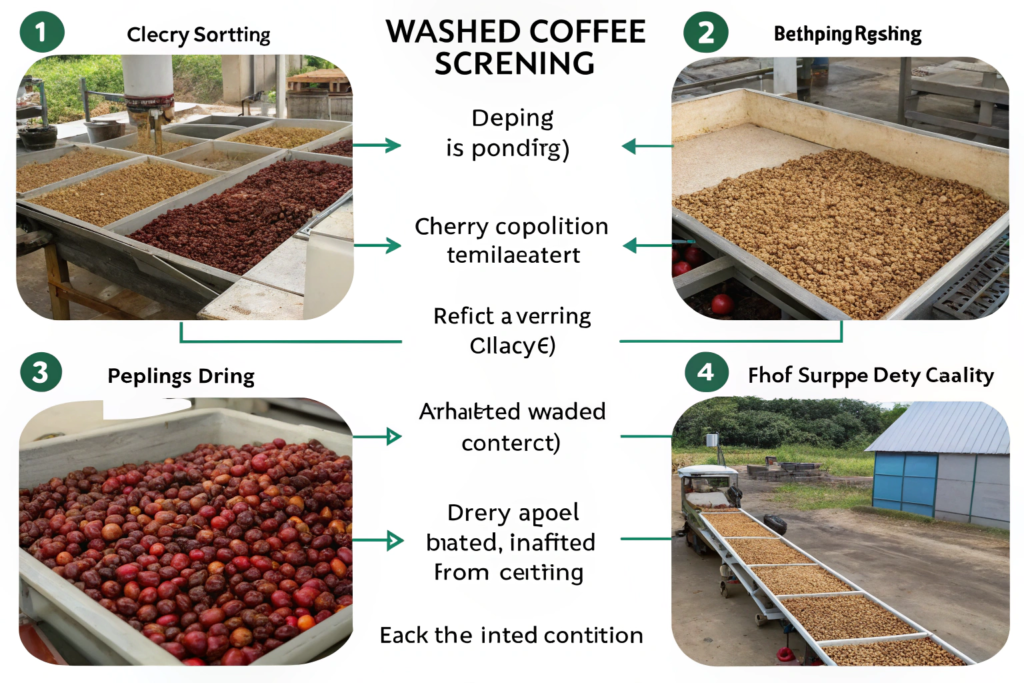
Washed processing begins within hours of harvest. Cherries are sorted, then passed through a depulper to remove skin and most fruit. Beans ferment in water tanks for 12-48 hours to break down remaining mucilage. Then they're washed clean and dried on patios or raised beds. The result: coffee that expresses origin character clearly, without fermentation flavors.
What happens during fermentation?
Natural microbes break down the sticky mucilage coating the beans. Time and temperature control are critical. Too short, and mucilage remains. Too long, and off-flavors develop.
Fermentation develops some flavor precursors but doesn't impart fruitiness. The goal is clean bean, not infused flavor. Check washed fermentation science for detailed explanations.
Why is washed processing preferred for specialty?
Clarity. Washed coffees reveal terroir—the specific characteristics of where they grew. Acidity is brighter, flavors are cleaner, defects are easier to spot.
This transparency helps buyers evaluate quality. Working with Shanghai Fumao provides washed coffees that showcase Yunnan's potential.
How Does Natural Processing Work?
Natural processing is the original method. It's simpler in concept but harder to execute well.
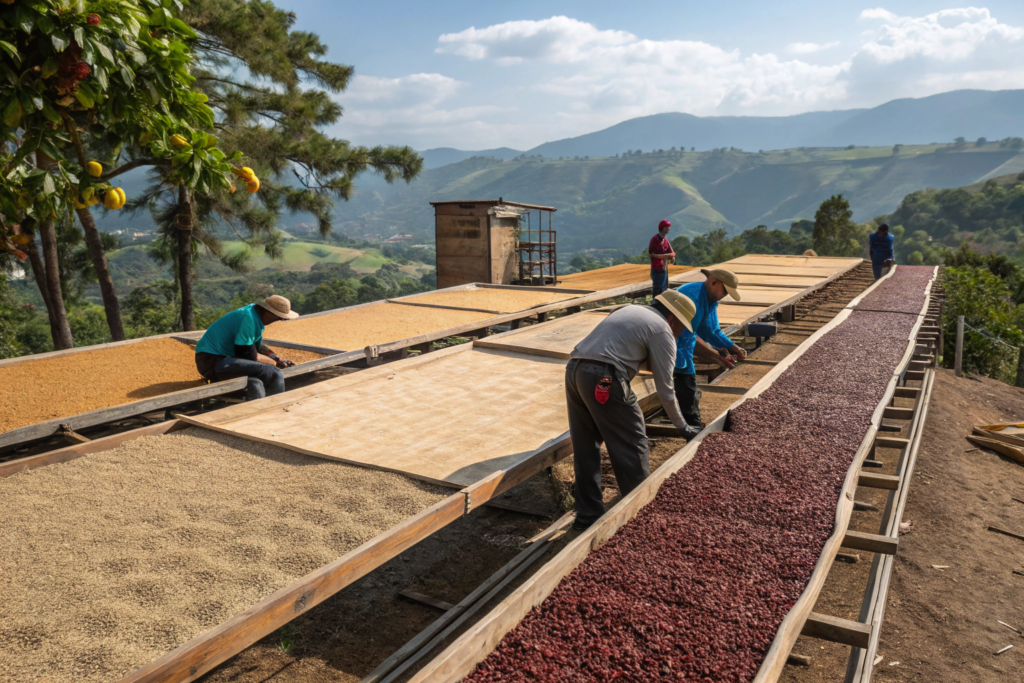
Natural processing involves drying whole cherries immediately after harvest. Cherries spread on patios or raised beds, turned regularly, and dried for 2-4 weeks until moisture reaches 11 percent. Then the dried fruit is hulled off, revealing beans that have absorbed fruit compounds during drying. The result: intense fruit, wine-like complexity, and heavy body.
What makes natural processing risky?
Mold. Over-fermentation. Inconsistent drying. The fruit stays on beans for weeks, inviting problems if weather turns or turning is neglected.
Success requires perfect conditions and constant attention. One mistake ruins the batch. Visit natural processing challenges for producer perspectives.
Why do people love natural coffees?
Intensity. Natural-processed coffees taste like fruit—blueberry, strawberry, tropical notes impossible in washed coffees. They're memorable, distinctive, and conversation-starting.
When done right, naturals are unforgettable. Working with partners like Shanghai Fumao helps you find well-executed naturals.
How Do Flavor Profiles Differ Between Methods?
Same bean, different processing—completely different cup. Understanding these differences helps you choose what you want.
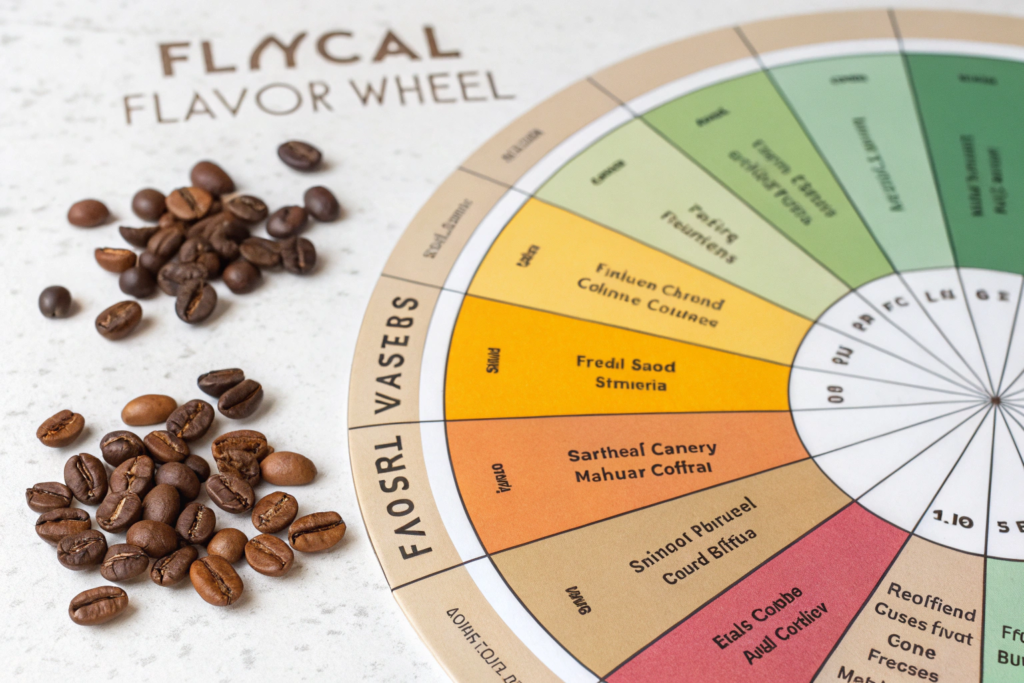
Washed coffees feature: bright acidity, clean flavors, floral and citrus notes, tea-like body. Natural coffees feature: low acidity, heavy body, intense fruit (berry, tropical), wine-like complexity, sometimes fermented notes. The same origin's character shows through both, but expression differs dramatically.
Which method preserves origin character better?
Washed processing. By removing fruit, it lets the bean's intrinsic qualities speak. Natural processing adds fruit flavors that can mask origin.
For studying terroir, washed is best. For drinking pleasure, both have place. Check processing flavor studies for scientific comparisons.
Can you taste the same origin in both?
Yes—underlying structure remains. A Yunnan washed might show citrus and chocolate; Yunnan natural might show berry and wine, but both share Yunnan's characteristic body and finish.
The origin's signature persists beneath processing differences. Working with Shanghai Fumao provides both versions for comparison.
What Quality Factors Matter for Each Method?
Quality looks different for each method. Evaluating them requires different criteria.
For washed coffees: uniformity of fermentation, cleanliness of washing, evenness of drying, absence of ferment or phenol defects. For natural coffees: cherry selection (only perfect cherries), drying curve management, mold prevention, and balance of fruit intensity without over-fermentation.

How do you evaluate washed coffee quality?
Look for clean cup, bright acidity, clear flavor notes, no off-flavors. Defects taste like sour, ferment, phenol, or musty.
Cupping reveals all. Good washed coffee tastes vibrant and clean. Visit washed coffee evaluation for professional protocols.
How do you evaluate natural coffee quality?
Look for fruit intensity balanced with coffee character, no over-fermentation (vinegar), no mold, clean finish despite fruitiness.
Great naturals taste like fruit, not rot. The line is thin. Working with partners like Shanghai Fumao ensures you get naturals on right side of that line.
Conclusion
Washed and natural processing produce fundamentally different coffees from the same beans. Washed offers clarity, brightness, and consistency. Natural offers intensity, fruit, and uniqueness. Neither is better—they're different expressions of coffee's potential.
Understanding the difference helps you source intentionally, roast appropriately, and market effectively. Choose based on your customers, your brand, and your goals.
At Shanghai Fumao, we produce both. Our washed coffees showcase Yunnan's clean potential. Our naturals (limited quantities) surprise and delight adventurous drinkers. We help buyers choose what fits their needs.
If you want to explore both processing methods, contact our export manager, Cathy Cai. She'll share samples of our washed and natural lots, explain our methods, and help you decide what's right for your business. Email her at cathy@beanofcoffee.com. Tell her about your current offerings and what you're curious about. She'll respond within 24 hours with options from both worlds.