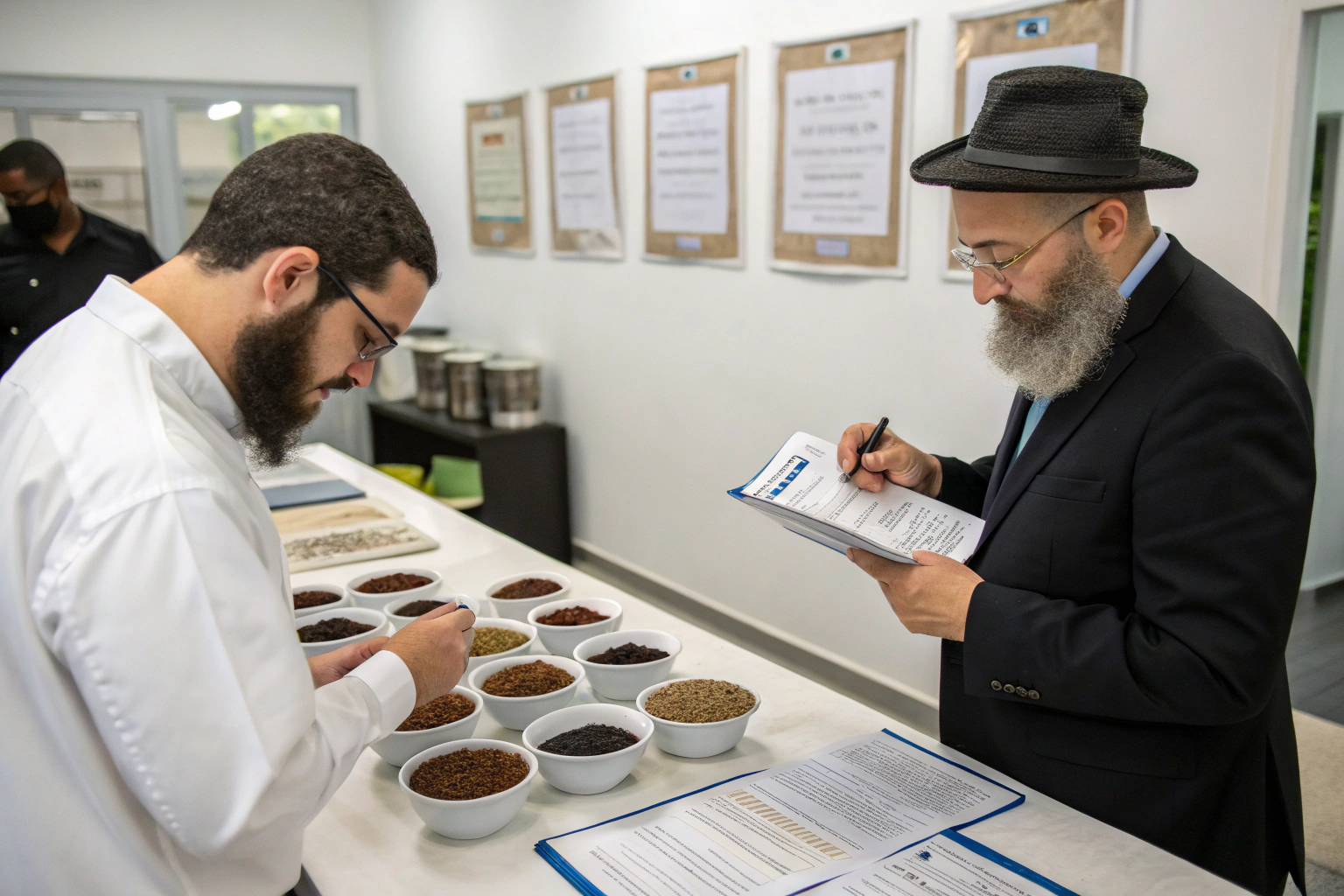
A distributor from New York called me last month. He'd lost a major account because his coffee wasn't kosher certified. The buyer assumed all coffee was kosher. It's not. The deal fell through over a detail neither had considered.
Ensuring your coffee is kosher certified requires working with certified suppliers, understanding what makes coffee kosher, selecting appropriate certification agencies, and maintaining proper documentation throughout the supply chain. At BeanofCoffee, we work with recognized kosher certification bodies to provide certified options for buyers serving Jewish markets.
Let me walk you through what kosher certification actually means for coffee. Because it's not as simple as many assume.
What Makes Coffee Kosher or Not Kosher?
Many assume coffee is naturally kosher. It's not that simple. Several factors determine kosher status.
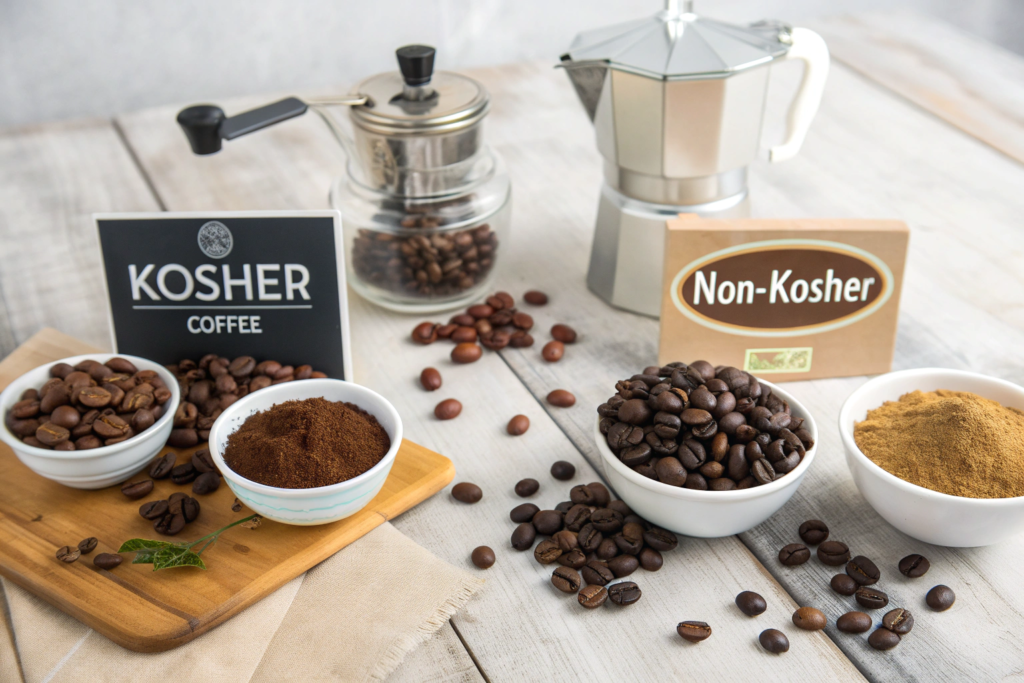
Plain, unflavored coffee beans are inherently kosher. The concerns arise from: processing equipment shared with non-kosher products, flavorings containing non-kosher ingredients, additives like anti-caking agents, and certification of the roasting facility. Even "plain" coffee can become non-kosher if processed on equipment used for non-kosher items without proper cleaning.
What about equipment sharing?
If a facility processes both kosher and non-kosher products on same equipment, coffee may absorb non-kosher status. Proper cleaning between runs can address this, but requires supervision.
This is why certification matters. You need assurance that equipment protocols meet kosher standards. Check kosher coffee guidelines for detailed explanations.
Are flavorings a concern?
Yes—major concern. Many coffee flavorings contain non-kosher ingredients: dairy derivatives, wine-based compounds, glycerin from animal sources, natural flavors of uncertain origin.
Flavored coffee absolutely requires certification. Even "natural flavors" can be problematic. Working with Shanghai Fumao ensures you source from certified facilities.
What Kosher Certification Agencies Are Recognized?
Not all kosher certifications carry equal weight. Different communities recognize different agencies.
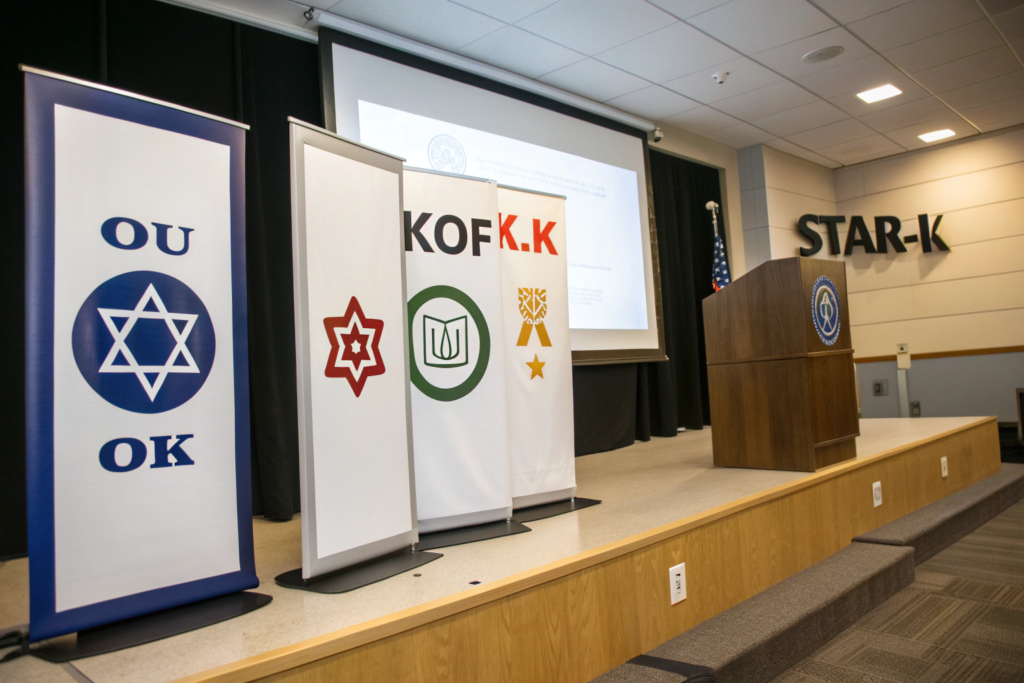
Major kosher certification agencies include: Orthodox Union (OU)—most widely recognized worldwide; OK Kosher (OK); Kof-K; Star-K. Each has its own standards and recognition. For international trade, OU certification is generally the most universally accepted.
Which certification matters for your market?
Depends on your customers. Orthodox communities often require specific certifications. Conservative and Reform communities may be less strict. Export to Israel has its own requirements.
Ask your buyers what they accept. Don't assume. Visit kosher certification guide for agency recognition information.
Can you trust any kosher symbol?
Most established symbols are reliable. But counterfeit symbols exist. Verify with the certifying agency if uncertain.
We provide verification contacts for all our certifications. Buyers can confirm directly. Working with partners like Shanghai Fumao ensures authentic certification.
How Do You Verify Supplier Kosher Status?
Certificates expire. Conditions change. Trust but verify applies fully to kosher certification.
Verify: current certificate (not expired), correct facility address, products covered (green coffee, roasted, flavored), and certifying agency recognition. Contact the agency if any doubt. Maintain copies for your records and customer requests.

What should a valid certificate include?
Certifying agency name and contact. Facility name and address. Products covered. Certification period (dates). Signature of certifying rabbi. Symbol authorized for use.
All this should be clearly stated. Vague certificates are suspect. Check certificate verification guides for examples of valid documentation.
How often must certification be renewed?
Typically annually. Sometimes more frequent. Always check dates. An expired certificate means current production may not be certified.
We renew certifications promptly and provide updated documents to buyers. Working with Shanghai Fumao ensures continuous certification coverage.
What Does Kosher Certification Cost?
Certification costs money. Someone pays. Understanding costs helps you evaluate supplier pricing.
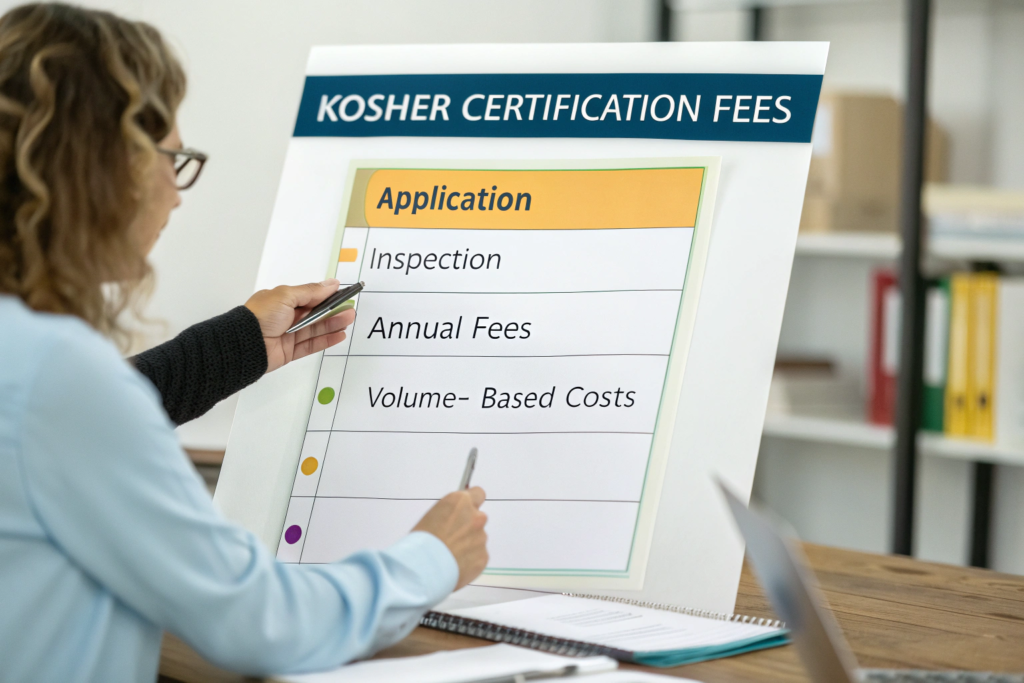
Kosher certification costs vary by agency, facility size, and complexity. Typical costs include: application fee ($500-2,000), annual fee ($1,000-5,000), inspection visits, and sometimes per-unit fees. These costs are built into certified coffee prices—typically $0.10-0.30 per pound premium.
Who pays for certification?
Ultimately, the buyer pays. Certification costs are passed through supply chain. But volume spreads cost.
For large buyers, per-pound premium minimal. For small buyers, percentage higher. Visit kosher certification cost studies for typical fee structures.
Is certification worth the cost?
For markets requiring kosher, it's essential. No certification, no sale. For other markets, it's a differentiator that some customers value.
We offer both certified and non-certified options. Buyers choose based on their markets. Working with partners like Shanghai Fumao provides flexibility.
What About Passover Certification?
Regular kosher certification doesn't automatically cover Passover. Passover has additional restrictions.
Passover certification requires coffee to be free from chametz (leavened products) and kitniyot restrictions depending on community. Many coffees are inherently acceptable, but certification provides assurance. Passover-certified coffee may require separate certification and often commands premium pricing.
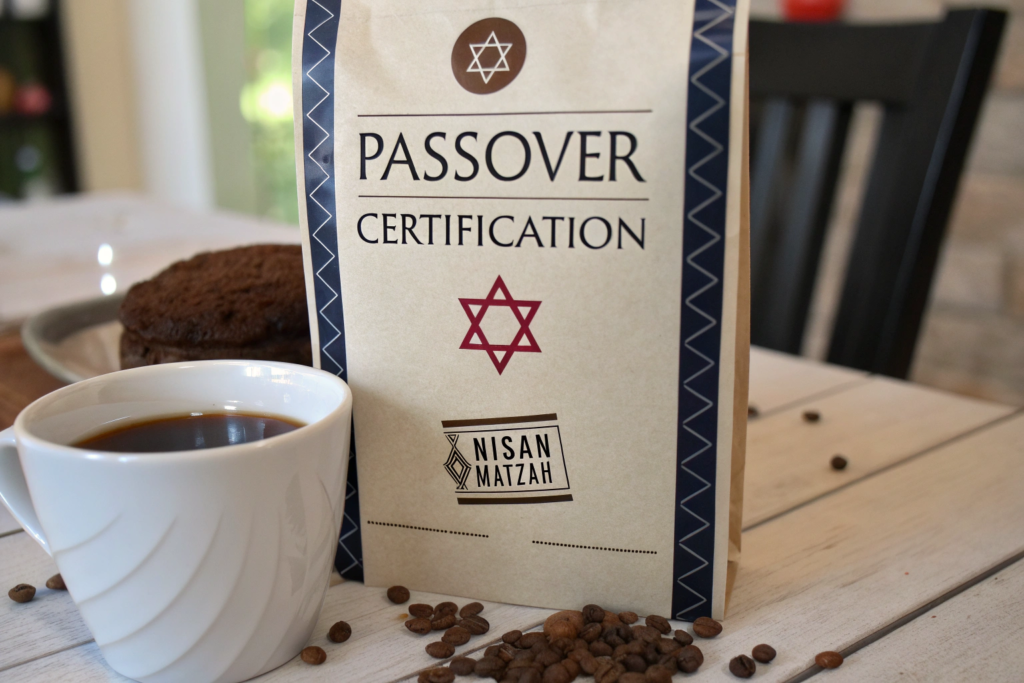
What makes coffee Passover-certified?
No contact with chametz during processing. No additives that might be chametz-derived. Separate equipment or thorough cleaning. Certification specifically for Passover.
Regular kosher certification doesn't guarantee Passover acceptability. Check Passover coffee guidelines for detailed requirements.
Do you need separate Passover coffee?
If your customers observe Passover and want coffee during holiday, yes. Many buy Passover-certified coffee specifically.
We offer Passover-certified options for buyers serving this market. Working with Shanghai Fumao provides access to appropriate certification.
Conclusion
Kosher certification for coffee involves more than many realize. Equipment, processing, additives, and facility all matter. Working with certified suppliers, maintaining documentation, and understanding your market's requirements ensures you can serve kosher-observant customers confidently.
At Shanghai Fumao, we offer kosher-certified options through recognized agencies. We maintain current certification, provide documentation, and help buyers navigate requirements. Your ability to serve kosher markets matters to us.
If you need kosher-certified coffee or have questions about requirements, contact our export manager, Cathy Cai. She'll explain our certifications, provide documentation, and help you source appropriately. Email her at cathy@beanofcoffee.com. Tell her about your market and certification needs. She'll respond within 24 hours with certified options that meet your requirements.