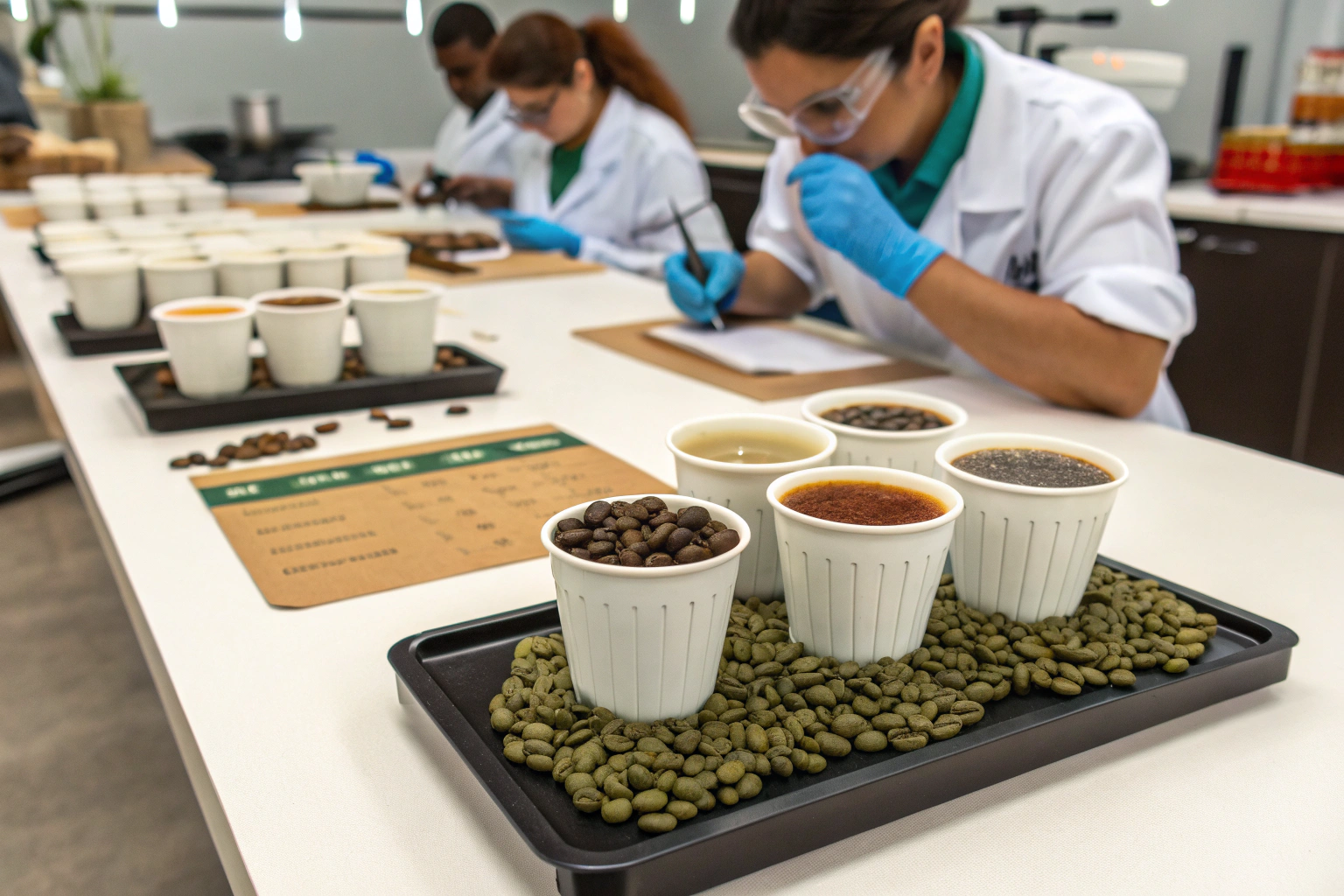
You have six sample bags on your desk. They all claim to be “premium,” “specialty,” or “direct trade.” Your next coffee menu or wholesale contract depends on choosing the right one. But how do you move beyond guesswork and personal bias to make a defensible, professional decision? Tasting them one after another is confusing—your palate gets tired, and the last sample always tastes different. The risk is real: picking a bean that’s inconsistent, doesn’t roast well, or simply doesn’t meet your customers’ expectations.
The best way to compare coffee bean quality across multiple samples is to conduct a controlled, side-by-side cupping session using the standardized Specialty Coffee Association (SCA) protocol, combined with a pre-cupping evaluation of the green beans and post-roast analysis. This systematic approach removes variables, isolates key attributes, and generates comparable numerical scores and notes.
You can’t compare what you can’t measure consistently. Think of it like a science experiment. You need a control—which is the standard protocol itself. A few years back, before we formalized our own sample evaluation, we made a costly mistake by choosing a bean based on a single, poorly prepared espresso. The entire shipment lacked the balance we thought we’d bought. That lesson cost us a client. Now, we treat every sample evaluation with the same rigor we apply to our own export quality control. Let’s build your evaluation framework.
How do you set up a professional comparative cupping?
The environment and preparation are 80% of a successful comparison. Even the best beans can taste bad if brewed incorrectly or in a distracting room. The goal is to make the coffee the only variable.
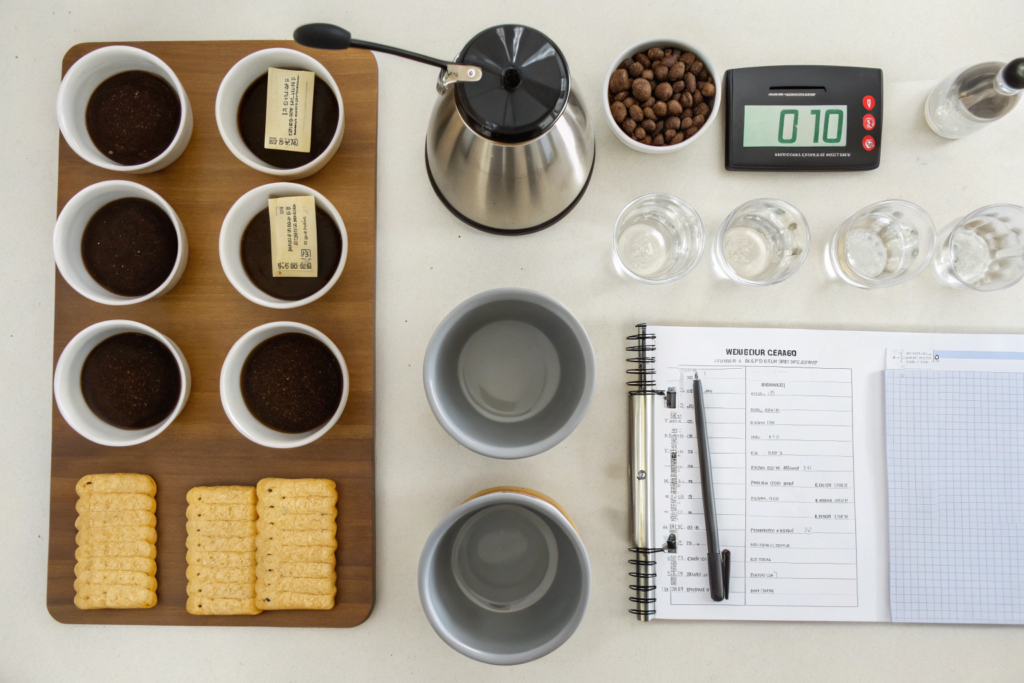
Set up a dedicated, quiet, odor-free space. Use identical equipment for all samples: same water (filtered, with consistent mineral content), same water temperature (93°C +/- 2°C), same grinders and grind setting, same cupping bowls, and the same roast profile (a standard light-medium “cupping roast”) for all samples.
This sounds basic, but it’s where most informal comparisons fail. Different grinders, different waters, or different roast levels will skew your results completely.
What is the exact SCA cupping protocol workflow?
Follow these steps precisely for each sample:
- Roast: Roast each 150g green sample to a standard light-medium profile (approximately to an Agtron 58-62 or just past first crack). Cool rapidly and rest for 8-24 hours.
- Grind: Weigh 8.25g of coffee per cupping bowl. Grind all samples back-to-back on the same cleaned grinder at a medium-fine setting (similar to table salt).
- Smell Dry Fragrance: Smell the grounds in each bowl before adding water. Note the aroma.
- Brew: Pour 150ml of hot water (93°C) onto each bowl, ensuring all grounds are saturated. Start a 4-minute timer.
- Smell Wet Aroma: At 3:30 minutes, break the crust of grounds at the top by pushing it back three times with a spoon, and immediately smell the released aroma.
- Skim: At 4:00 minutes, remove the floating grounds with two spoons.
- Taste: Once the coffee cools to about 70°C (160°F), begin tasting with a clean spoon. Slurp aggressively to aerate the coffee across your entire palate. Evaluate as it cools further, noting changes. Spit out the coffee.
Do this for all samples at the same session. Use a randomized bowl layout so you don’t know which sample is which—this is a “blind” cupping, which removes brand bias.
How do you manage your palate during a multi-sample session?
Palate fatigue is your enemy. Have plain water and unsalted crackers or plain bread to cleanse your palate between samples. Don’t use flavored seltzer or fruit. Taste in rounds. Take a first pass to get initial impressions, then a second, deeper pass to score. Keep the session to a maximum of 8-10 samples. Any more, and your sensory acuity will drop. If you’re evaluating many samples, split them over multiple days, but include one or two “control” samples from day to day to calibrate. The key is consistency in your process, not heroic endurance.
What specific attributes should you score and compare?
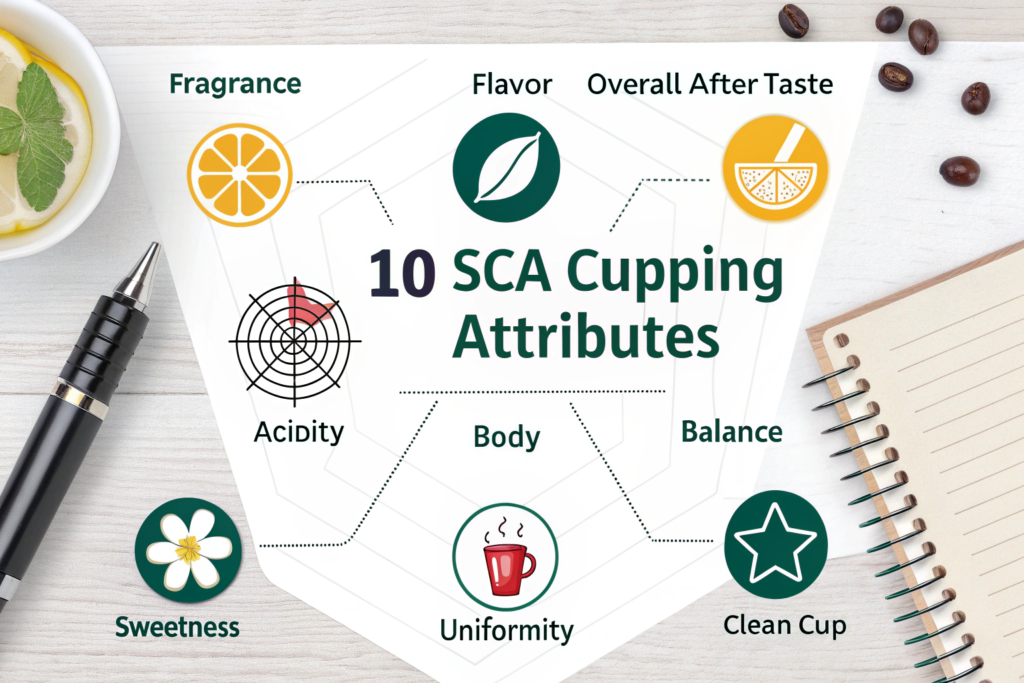
You need a common language to describe differences. The SCA scoresheet provides this. It breaks the coffee experience into 10 attributes, each scored from 0-10, with specific descriptors. This turns subjective taste into objective, comparable data.
Score and compare the 10 SCA attributes: Fragrance/Aroma, Flavor, Aftertaste, Acidity, Body, Balance, Sweetness, Uniformity, Clean Cup, and Overall. Pay particular attention to Flavor (the most weighted), Acidity quality, and the presence of any defects which will lower the Clean Cup score. A great score on one attribute can’t compensate for a terrible score on another. You’re looking for harmonious high scores.
How do you differentiate between “bright” acidity and “sour” defect?
This is a crucial skill. Acidity in the SCA system is a positive attribute. It refers to a pleasant, bright, wine-like quality that gives the coffee liveliness and structure. It’s described as “citric,” “malic,” or “phosphoric.” A sour defect is a sharp, vinegar-like, or unpleasant tartness that dominates and unbalances the cup. It often indicates under-ripeness or processing errors. During cupping, ask: “Does this acidity make the coffee taste more complex and delicious, or does it make me wince?” A high-quality Yunnan Arabica, for example, will often show a gentle, winey acidity that supports its chocolate notes, never a harsh sourness. Score acidity high if it’s pleasant and integral; note a sour defect under “Clean Cup” if it’s a fault.
What do “Body” and “Balance” really tell you about a coffee’s usability?
Body is the perceived weight, thickness, and mouthfeel of the coffee. Is it thin and tea-like, or syrupy and coating? This is critical for espresso and milk drinks, where a fuller body stands up better. Balance is how well all the flavor attributes work together. Does the acidity clash with the bitterness? Is the sweetness sufficient to support the other flavors? A coffee can have intense flavor but poor balance (e.g., a sharp acidity with no sweetness to round it out). A high balance score indicates a versatile, crowd-pleasing coffee that won’t produce extreme or challenging cups. For a cafe, a balanced, full-bodied coffee is often a safer, more commercial choice than a wildly acidic but thin one, even if the latter has a higher “Overall” score from a purist.
How do you evaluate the green beans before roasting?
The green bean is the raw material. Its physical condition predicts roast behavior, yield, and potential hidden defects that might not be obvious in a small cupping sample but will plague a full batch.
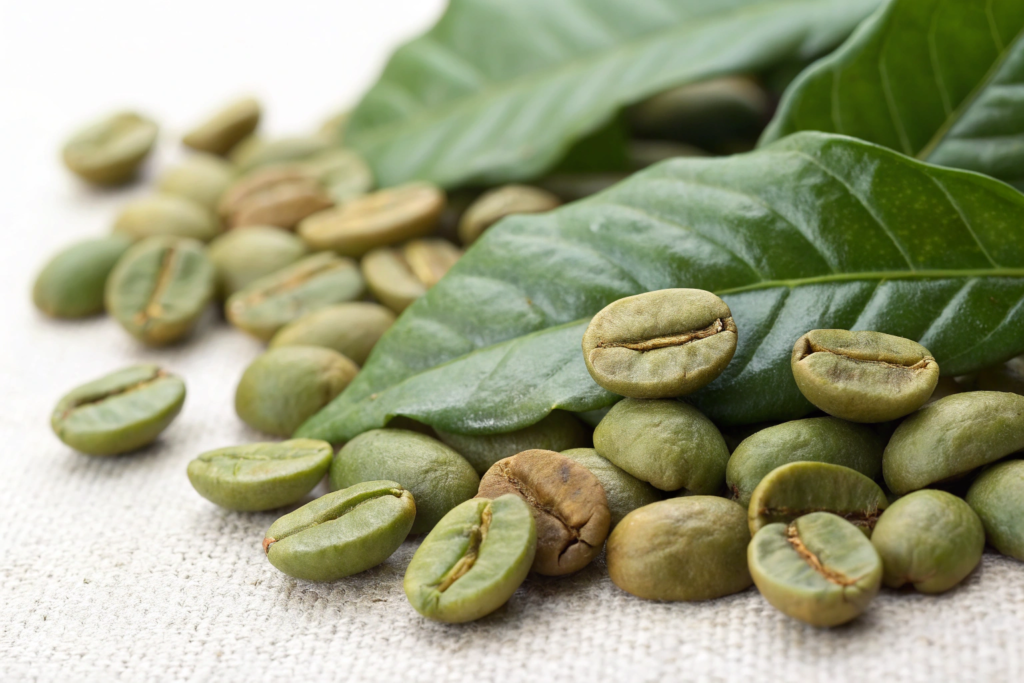
Before roasting, evaluate the green beans for: uniformity of size and color, moisture content (aim for 10-12%), density (via a simple water displacement test), and the presence of physical defects (broken beans, insect damage, quakers). This tells you about the supplier’s processing quality and the bean’s inherent stability.
A beautiful cupping score is meaningless if the green coffee is full of broken beans that will create fines and choke your espresso grinder.
Why is bean density and moisture content critical?
Density is a proxy for hardness, which is linked to growing altitude and bean development. Denser beans (typically from higher altitudes) can withstand more heat during roasting, allowing for greater development of complex sugars without burning. They often yield more nuanced cups. You can compare density by feeling the weight of a handful or by doing a sink/float test in water (denser beans sink faster). Moisture Content is a stability indicator. Beans that are too dry can roast too quickly and taste baked; beans too wet can steam during roasting, causing grassy flavors and uneven development. They are also prone to mold in transit. A professional supplier like Shanghai Fumao will provide this data. If they don’t, ask. Consistent moisture across samples suggests professional drying and storage.
What physical defects should flag a sample for rejection?
Spread 100g of green beans on a light-colored tray. Look for:
- Quakers: Pale, yellowish, or white beans. They are underdeveloped and will taste bitter, peanutty, or grassy after roast.
- Black or Sour Beans: Dark, often shriveled beans indicating over-fermentation or disease. They cause harsh, medicinal taints.
- Insect Damage (PCB - Coffee Berry Borer): Small, round holes. These beans are dead tissue and ruin flavor.
- Broken/Chipped Beans: They create excess fines, leading to over-extraction and bitterness.
- Foreign Material: Stones, sticks, husks.
A high number of any of these indicates poor sorting at origin. Even if the cupped sample tastes clean (because you removed defects before roasting), a bag full of defects means lower yield, more labor for you, and potential inconsistency in a production roast.
How do you translate cupping results into a buying decision?
The scores are in. Now you must align the data with your business reality. The highest-scoring coffee might not be the best for you if it’s too expensive, unavailable in volume, or doesn’t suit your equipment or customer base.
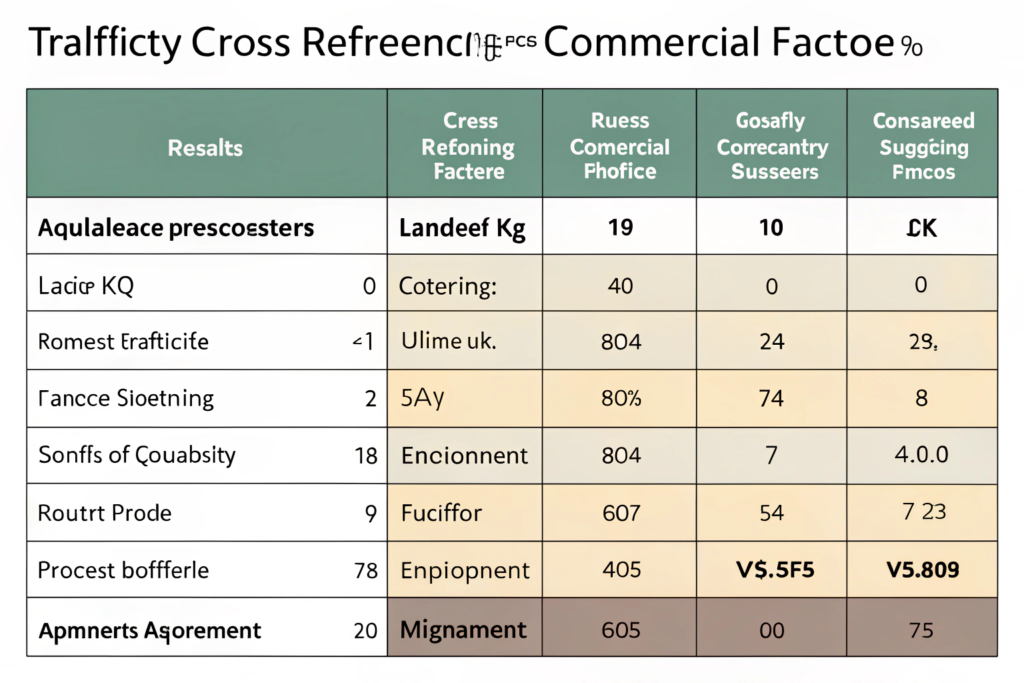
Translate results by cross-referencing the quality scores with commercial factors: price per kg landed (including shipping and duties), available volume and consistency of supply, roast profile compatibility with your equipment, and flavor profile alignment with your target menu or product line.
How to create a simple comparison matrix?
Make a table. List your samples down the side. Across the top, list both quality and commercial criteria:
| Sample # | SCA Score | Price (FOB/kg) | Est. Landed Cost | Available Volume | Key Flavor Notes | Body (for espresso?) | Concerns (defects, etc.) |
|---|---|---|---|---|---|---|---|
| A | 84.5 | $6.50 | $8.20 | 20 bags/month | Chocolate, Almond, Medium Acidity | High | Excellent density |
| B | 86.0 | $9.00 | $10.80 | 5 bags/month | Jasmine, Peach, High Acidity | Light | Low volume, pricey |
| C | 83.0 | $5.80 | $7.50 | 50 bags/month | Nutty, Caramel, Low Acidity | Medium-High | Some quakers in green |
This visual tool makes trade-offs clear. Sample B might win on quality, but Sample A offers the best balance of score, price, and volume for a core espresso blend.
When should you request a second sample or trial roast?
Always. If a sample scores well, your next step is a trial production roast. Roast a full batch (e.g., 5-10kg) on your actual roaster. Does it behave predictably? Then brew it on your actual cafe equipment—run it as espresso, as filter. Does it still perform? Flavors can change at scale. Also, request that the supplier sends a second sample of the same lot. This tests consistency. If the second sample is noticeably different, it’s a major red flag about their quality control. A reliable partner will be able to provide consistent samples from the same available lot.
Conclusion
Comparing coffee bean quality professionally is a disciplined synthesis of sensory science and commercial pragmatism. It begins with the rigorous, unbiased framework of SCA cupping to generate objective quality data. This must be layered with a technical assessment of the green beans and finally filtered through the lens of your specific business needs—cost, volume, and market fit.
The goal is not to find the “best” coffee in a vacuum, but to identify the “best fit” coffee that delivers reliable quality, operational stability, and customer satisfaction for your unique operation.
As a vertically-integrated exporter, we at BeanofCoffee are prepared for this level of scrutiny. We provide pre-shipment samples with accompanying SCA-style score sheets, green bean analysis data, and are ready to support trial roasts. If you are a serious buyer looking to compare and select with confidence, contact our Export Manager, Cathy Cai to request a comparative sample kit: cathy@beanofcoffee.com. Let’s put your next coffee to the test.