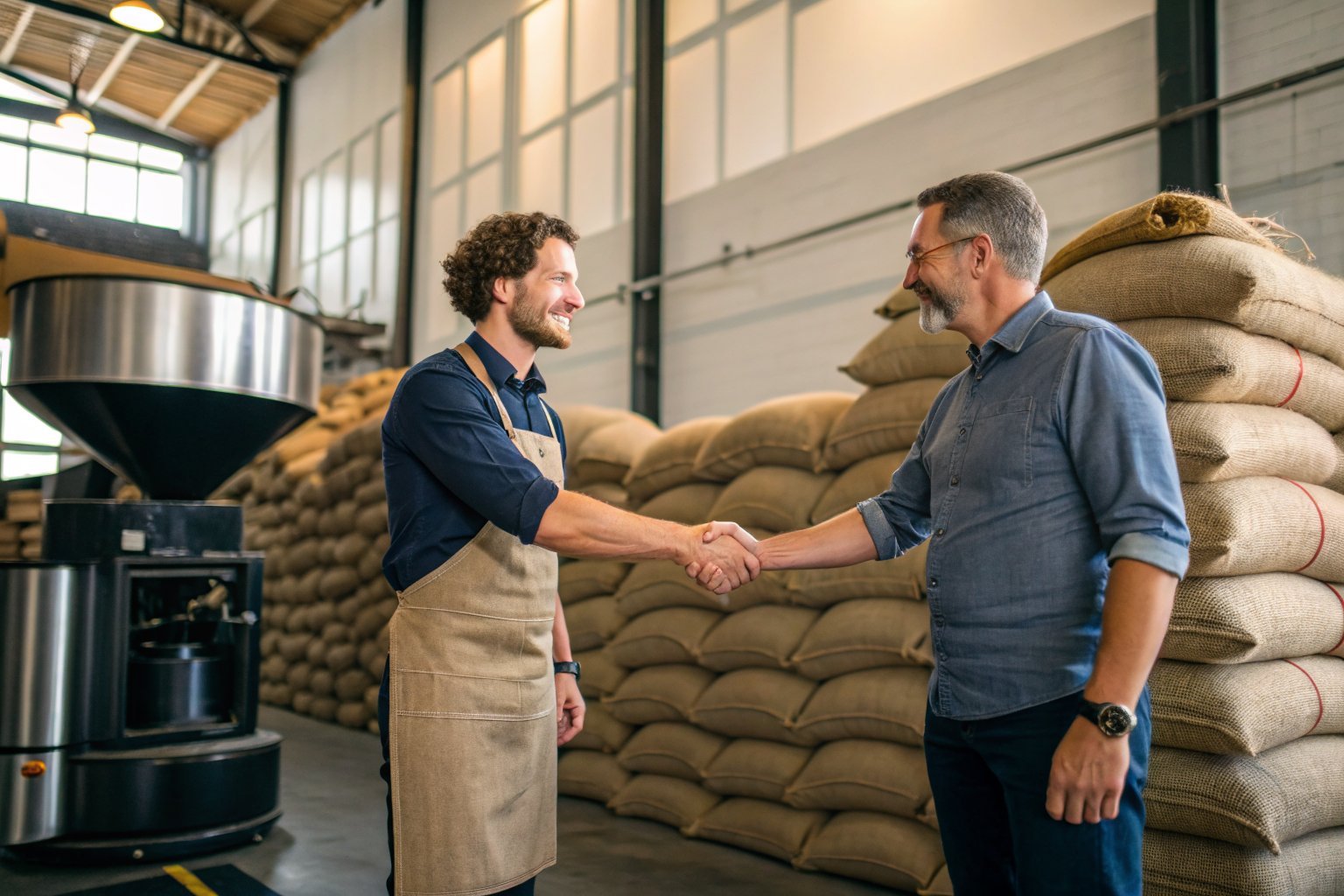
Last month, I sat down with Ron, a coffee roaster from Seattle who runs a mid-size wholesale operation serving 60 local cafes. He told me flat out: "I was losing my shirt marketing single origin after single origin. My customers didn't care about the farm story. They just wanted a consistent cup they could sell every day." That conversation changed how I think about the coffee business. Customized coffee blends are not just a mixing technique — they are a margin strategy that lets roasters control cost, flavor, and customer loyalty at the same time. Let me walk you through why blends consistently outperform single origins on the bottom line.
Why Do Customized Blends Give Roasters More Pricing Power?
Here's a truth that most single origin evangelists don't want to admit: when you sell a single origin, your price is dictated by whatever that specific harvest costs you. If the Ethiopian Yirgacheffe crop fails and prices jump 30%, your margins evaporate. But a customized blend gives you levers to pull. You can swap out expensive components, adjust ratios, and maintain a consistent flavor profile even when individual markets fluctuate. That flexibility is pure profit.
How Can Blends Protect Margins Against Volatile Commodity Prices?
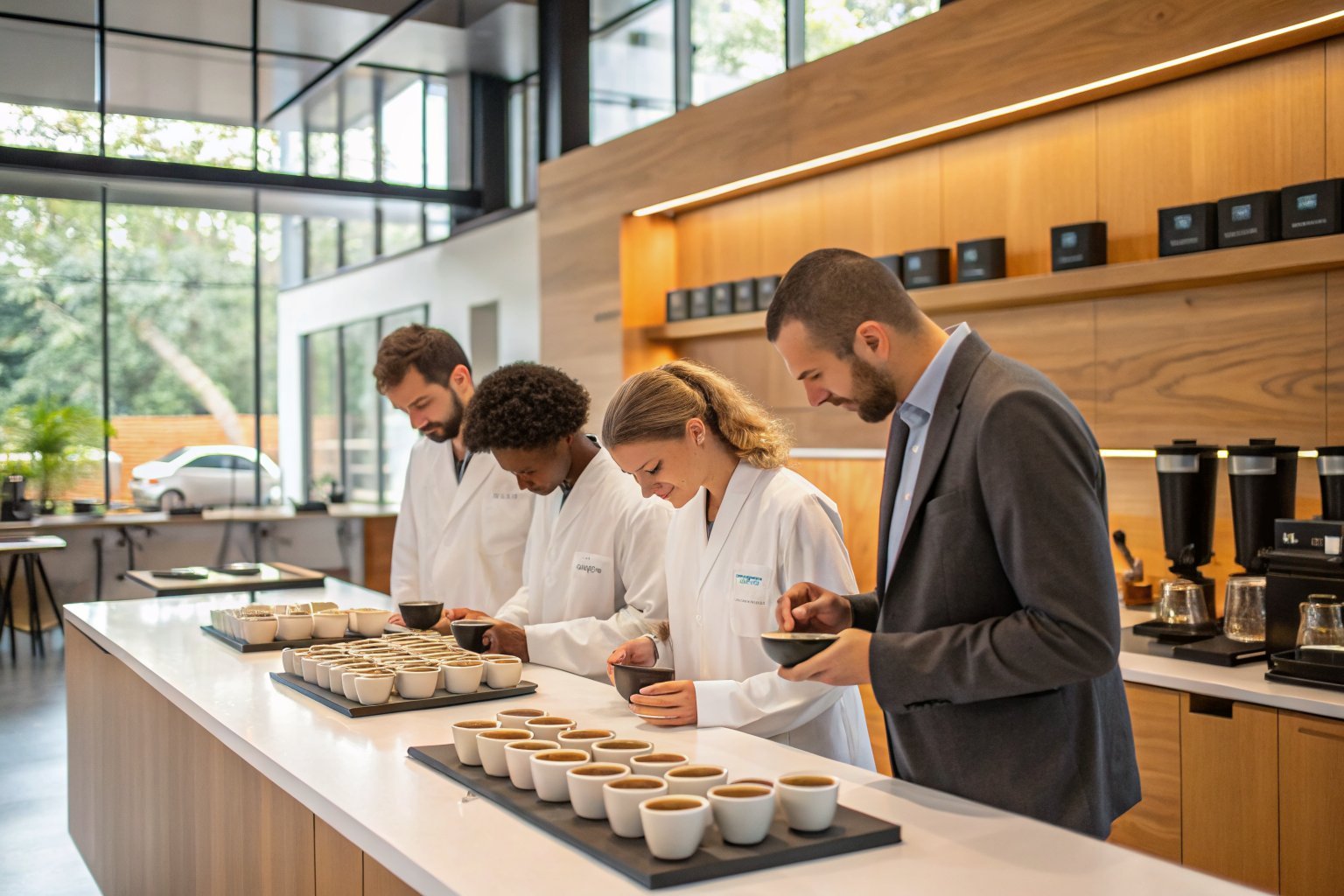
Green coffee prices on the ICE exchange swing wildly. In 2024, Arabica futures moved between 180 and 260 cents per pound — a 44 percent range that would destroy a roaster selling a single origin at a fixed price. Customized blends solve this because you control the recipe. When Brazil's prices spike, you increase the proportion of your Yunnan Catimor component, which we at Shanghai Fumao can supply at stable, contract-locked pricing. A well-built blend uses cost averaging across origins to keep your landed price predictable month after month. Industry data backs this up. According to the Specialty Coffee Association's 2024 Coffee Market Report, roasters who switched from single-origin-only offerings to blend-forward menus reported an average gross margin improvement of 12 to 18 percent within two quarters. The reason is simple: blends allow you to capture the value of consistency without absorbing the full risk of any one origin's price volatility.
What Makes a Blend Recipe the Roaster's Secret Weapon?
A customized blend recipe is intellectual property. Once you dial in a signature house blend that a cafe owner loves, they cannot easily replace you. The switching cost is real. If you sell a single origin Guatemala, the buyer can price-shop it against ten other suppliers instantly. But your proprietary blend — made of 40 percent washed Yunnan, 30 percent natural Brazil, and 30 percent washed Colombia — that is yours. No one else can replicate it exactly without months of trial and error. I have seen roasters in North America go from a 15 percent net margin on single origins to a 28 percent margin on their house blend within six months. The blend becomes a moat around your business. At Shanghai Fumao, we work with roasters to develop custom blend components that are stable year after year. That reliability is what lets you charge a premium. For more on how recipe design impacts coffee margins, read this detailed analysis from Perfect Daily Grind on blend economics.
How Do Customized Blends Reduce Waste and Improve Yield?
The waste factor in single origin coffee is higher than most buyers realize. When you buy a single origin lot, you take what the farm produced — a range of bean sizes, densities, and moisture levels. You might get 70 percent of the batch roasting evenly and 30 percent giving you headaches. With a customized blend, you can design the recipe around the strengths of each component.
Can Blends Turn Lower Grade Beans into Valuable Inventory?
This is where the numbers get really interesting. A single origin that scores 82 points on the SCA cupping scale might sell green at 4.50 dollars per pound. But if you blend that same origin at 30 percent proportion with a higher-scoring lot, the cup score of the blend can hit 85 or 86 — specialty grade — at a blended green cost of 3.80 dollars per pound. You just upgraded your margin while delivering a better product. The Coffee Quality Institute's grading standards confirm that cupping scores above 80 are not a linear function of cost. A blend can achieve a cupping score 3 to 5 points higher than the weighted average of its parts through flavor synergy. That is free margin. And those 78 to 80-point beans that are hard to sell as single origins? They become the backbone of a profitable blend recipe.
Why Does Roast Consistency Improve with Blends?
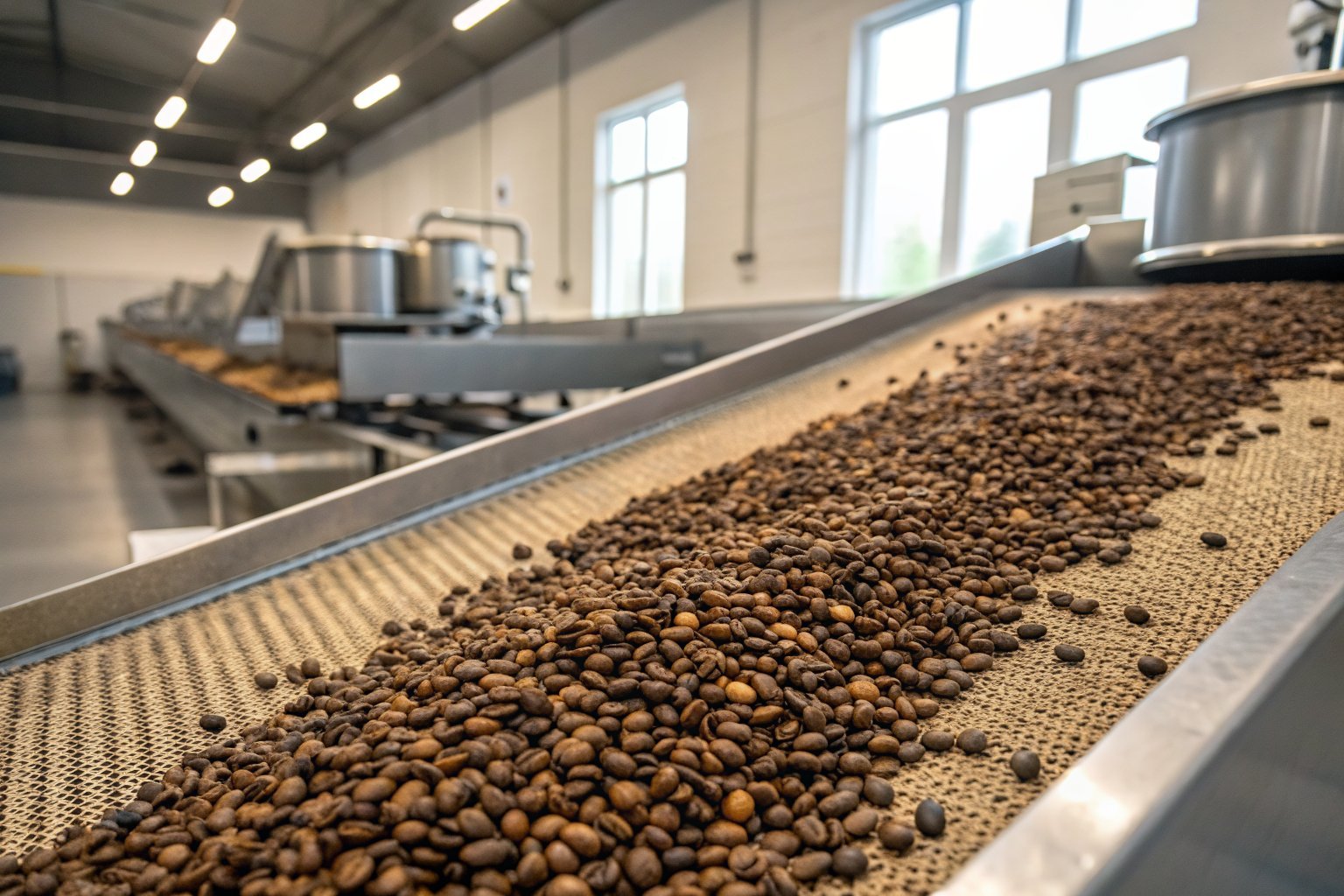
Single origin beans from the same farm can vary from one container to the next. Different drying batches, different micro-lots, different harvest times — they all roast differently. A roaster who dials a profile for one container has to re-dial for the next. That lost production time eats into margin. Blends, especially those designed with a base component from a stable origin like Yunnan, offer more uniform density and moisture content. According to Roast Magazine's technical guide on batch uniformity, roasters using a base blend component report 20 to 30 percent fewer roast defects per batch compared to single origins from variable micro-lots. Fewer defects means less waste, less re-roasting, and higher usable yield per pound of green coffee. At Shanghai Fumao, our Yunnan Catimor beans are grown on over 10,000 acres of plantation land with consistent altitude, soil, and processing. That stability makes them an ideal base component for any custom blend.
How Do Custom Blends Build Stronger Wholesale Customer Relationships?
The relationship between a coffee roaster and a wholesale customer — the cafe, the office coffee service, the hotel — is built on trust. And trust in coffee means consistency. When a cafe owner buys from you, they need that cup to taste the same every time, every week. Single origins cannot always deliver that. Customized blends can.
What Makes a Signature Blend a Retention Tool?
Think about a cafe that buys your "Downtown Espresso Blend" and builds their entire menu around it. That cafe cannot switch suppliers without retraining their baristas and telling their customers the taste has changed. Your blend becomes sticky. The National Coffee Association's wholesale retention study found that roasters offering a proprietary signature blend retained wholesale accounts at a rate of 82 percent over three years, compared to 54 percent for roasters selling only single origins. The economics are clear. Acquiring a new wholesale account costs five to seven times more than retaining an existing one. If your blend keeps customers longer, each percentage point of retention improvement flows directly to your bottom line. A customized blend is not just a product — it is a customer retention mechanism that pays for itself many times over.
How Can Blends Help You Sell More Coffee Per Account?
When you sell a single origin, the customer buys one SKU. When you sell a blend, you control the recipe and you can tier your offerings. A base house blend for everyday use. A premium blend for pour-over or drip. A signature espresso blend. Each tier has a different margin profile, and each one locks the customer further into your product line. The SCA's wholesale pricing benchmark shows that roasters with three or more blend SKUs sell an average of 2.4 times more volume per account than roasters with only single origin offerings. More SKUs per account means higher order value, lower shipping cost per pound, and better warehouse utilization. Every operational metric improves when customers buy more from you.
Why Are Roasters Switching from Single Origins to Custom Blends in 2026?
The market is shifting. In 2024 and 2025, rising freight costs, unpredictable weather in major growing regions, and tighter margins forced roasters to rethink their sourcing strategy. Customized blends are the natural answer.
What Market Data Supports the Blend Advantage?
A 2025 survey by the Coffee Market Intelligence Unit found that 67 percent of North American roasters had increased their blend offerings in the previous 12 months. The primary reason cited: margin protection. When asked about profit per pound roasted, roasters selling predominantly blends reported a median of 8.20 dollars per pound, versus 5.40 dollars for single-origin-focused roasters. That 2.80 dollar gap per pound adds up fast. A roaster producing 50,000 pounds annually would see an additional 140,000 dollars in profit simply by shifting their product mix toward blends. Add in lower inventory risk, fewer roast defects, and higher customer retention, and the case for blends becomes overwhelming.
How Does the EUDR Regulation Favor Blends Over Single Origins?
The EU Deforestation Regulation (EUDR), effective for all coffee imports starting in 2025, requires traceability back to the plot of land where the coffee was grown. For single origins, this means every lot must be fully documented. That adds cost. For blends, a roaster can build a compliance portfolio from stable, traceable sources and maintain it across batches. The International Coffee Organization's EUDR compliance guidance notes that blended products from a single vertically integrated supplier — like the relationship we offer at BeanofCoffee — face lower compliance costs because the supply chain is already documented end-to-end. This regulatory advantage will only grow as enforcement tightens. Roasters who build blend programs now will have a head start on compliance that their single-origin-focused competitors will struggle to match.
Conclusion
Let me bring it all together. Customized coffee blends are more profitable than single origins for four concrete reasons: they protect your margins against volatile commodity prices, they turn lower-grade inventory into premium products, they make your wholesale customers stickier, and they position your business for 2026's regulatory environment. The math is not complicated — blends give you more control over cost, quality, and customer relationships all at once. If you are sourcing coffee for a roastery, a wholesale distribution business, or a private label program, the smartest move you can make is to start building a custom blend recipe today. At BeanofCoffee, we help buyers design custom blend components using our stable, high-quality Yunnan Arabica and Catimor beans. We have the volume, the certifications, and the logistics to be your reliable long-term partner. If you want to explore how a customized blend program could improve your margins, reach out to our export team. Contact Person: Cathy Cai Email: cathy@beanofcoffee.com Visit our website: https://beanofcoffee.com/