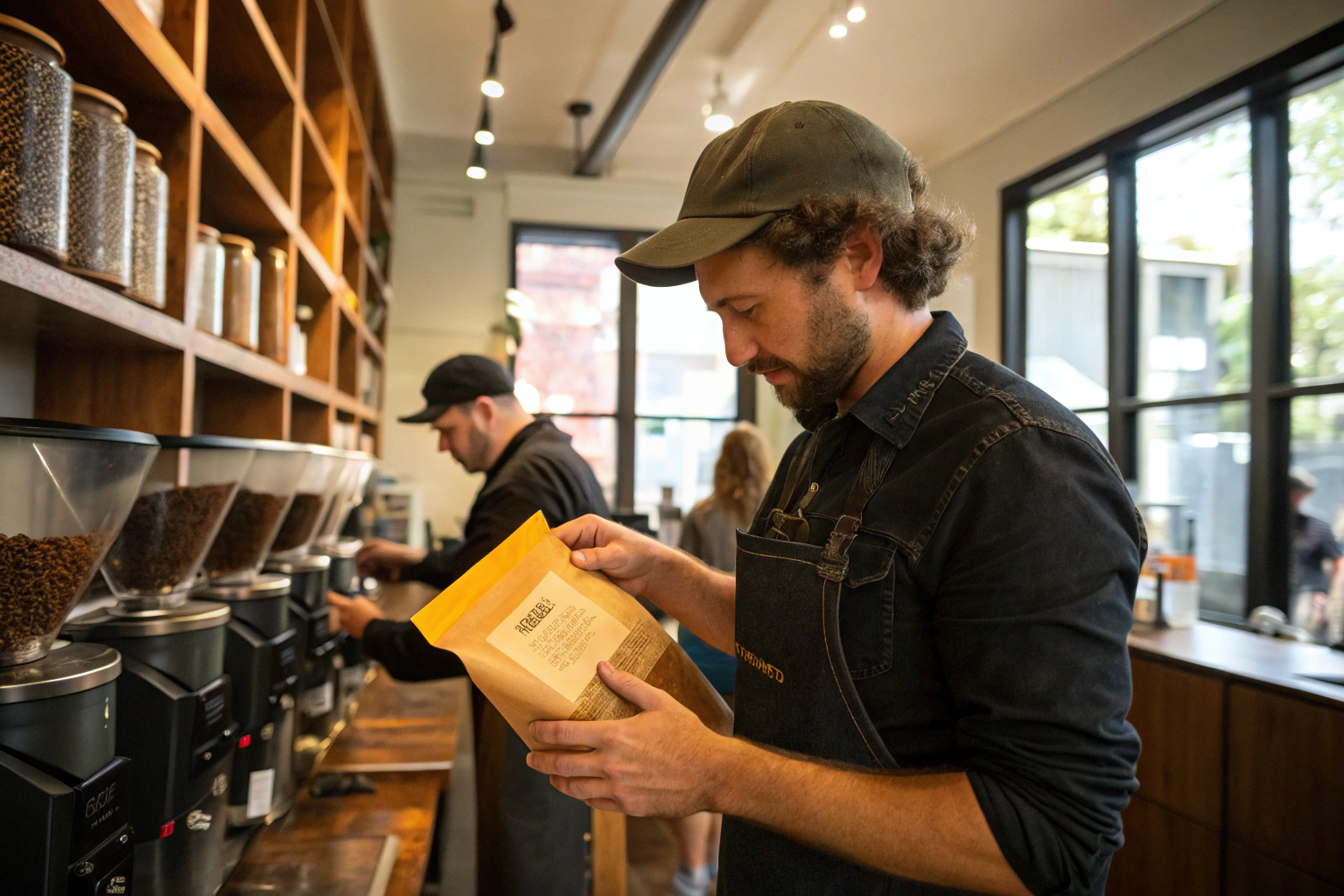
Five years ago, if I told an Australian roaster that I grow specialty Arabica in China, they would have politely smiled and changed the subject. China was "the land of tea." Coffee from there was assumed to be dusty, harsh, cheap filler for instant powder. I knew the stigma. I lived with it. But something started shifting about three years ago. A small roaster in Adelaide took a chance on a pallet of our honey-processed Typica. He put it on his shelf as a limited release. It sold out in four days. He ordered another pallet. Then another. Then his friend in Brisbane called. Then a chain in Sydney. Now, I can barely keep up with the demand from Australia. The old stigma is dying, and a new reality is setting in.
Australian cafes are importing more Chinese coffee because Yunnan's specialty Arabica now delivers a unique flavor profile—clean, tea-like, and naturally sweet—at a landed cost that significantly undercuts traditional origins like Colombia and Ethiopia. The proximity to Asia reduces freight time and carbon footprint. The quality has jumped dramatically due to investment in processing infrastructure. And Australian roasters, always eager to differentiate themselves in a hyper-competitive market, are finding that "Single Origin China" is a compelling story their customers are ready to hear.
The Australian coffee scene is one of the most sophisticated and cutthroat in the world. These aren't buyers who are easily impressed. They cup blind. They score strictly. They demand traceability. So when they start choosing a Chinese coffee over a washed Ethiopian, something real has changed. Let me explain what's driving this shift.
What Flavor Profile Do Australian Roasters Want?
Australian coffee culture is unique. It's not Italian. It's not American. It evolved from the espresso traditions of post-war Italian immigrants, but it blended with a health-conscious, brunch-oriented, specialty-obsessed modern palate. The average Australian flat white drinker wants balance. They want sweetness. They don't want bitter, smoky, dark roasts. They want something they can drink without sugar.
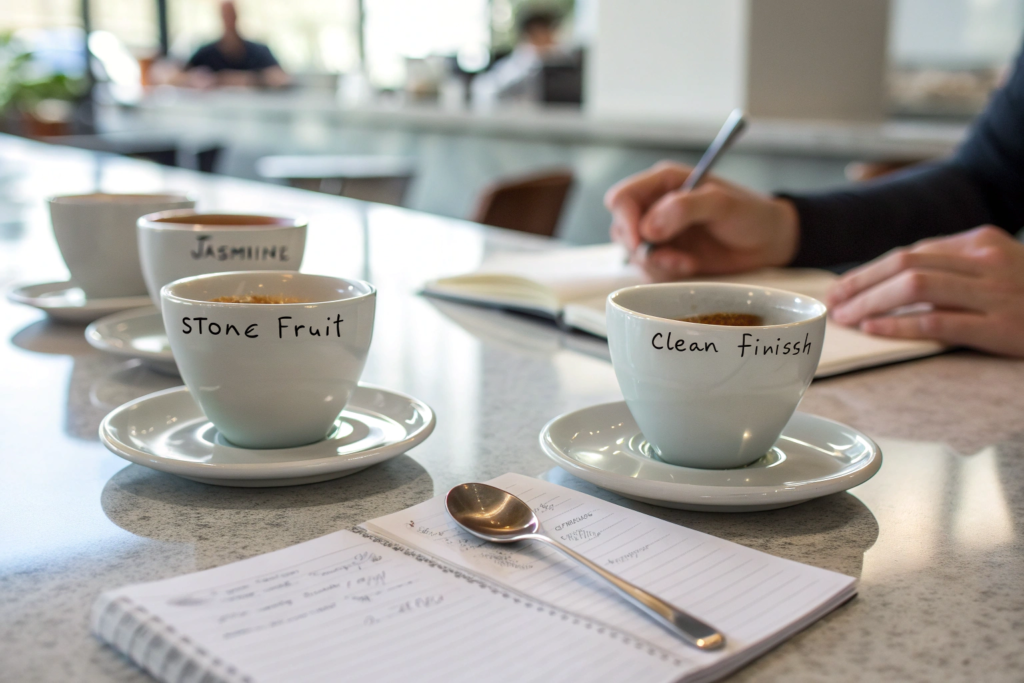
Australian roasters are seeking a specific sensory profile: medium body, low to medium acidity, pronounced sweetness, and clean finish. They want coffees that excel in milk-based beverages—flat whites and lattes—which account for the vast majority of cafe sales. Yunnan Arabica, particularly Typica and carefully processed Catimor, fits this brief perfectly. It is not aggressively acidic like a Kenyan. It is not funky and earthy like a Sumatran. It is smooth, chocolatey, and when processed with honey or natural methods, develops subtle stone fruit and black tea notes that complement milk beautifully.
Why Don't Australian Cafes Want High Acidity?
This is a conversation I have with new roaster clients all the time. They come to me wanting "bright, citrusy, complex." I ask them one question: "What do you sell most of?" The answer is always the same. Flat whites. Lattes. Capps.
Milk changes coffee. It mutes acidity. It coats the tongue. A coffee that tastes beautifully bright and lemony as a black filter brew can taste thin, sour, and weirdly metallic when you pour steamed milk over it. The acidity curdles in the mouth, not literally, but it feels that way.
Australian cafes have learned this lesson. They want an espresso base that is sweet, balanced, and "chocolatey." Caramel notes. Nutty notes. A heavy, syrupy mouthfeel that stands up to 200 milliliters of creamy milk. Our Baoshan Arabica delivers exactly that. The high-altitude Catimor lots, especially, are absolute workhorses in a milk espresso. They provide a backbone of dark chocolate and roasted hazelnut. When you cup them black, they are pleasant, clean, and sweet. When you add milk, they transform into something rich and comforting.
How Does the "Tea-Like" Body Fit the Australian Palate?
This is the most distinctive feature of Yunnan coffee, and it surprises people. The body is not heavy like a Brazilian. It's not thick like a Sumatran. It's silky. It's light on the tongue but not thin. It coats the mouth gently, like a high-quality black tea.
Australian consumers love tea. They understand tea. The concept of a "tea-like" coffee resonates with them. It doesn't feel heavy or oily. It feels refined. It's a coffee you can drink three cups of without palate fatigue.
The Typica we grow at 1,600 meters in Baoshan produces this body naturally. It's a genetic trait, but the slow maturation at altitude enhances it. When a roaster in Melbourne puts "Notes of Earl Grey and Honey" on a bag of our single-origin, their customers get it. It makes sense to them. It bridges the gap between their tea-drinking habits and their coffee-drinking identity.
How Does Proximity to China Reduce Costs for Australian Importers?
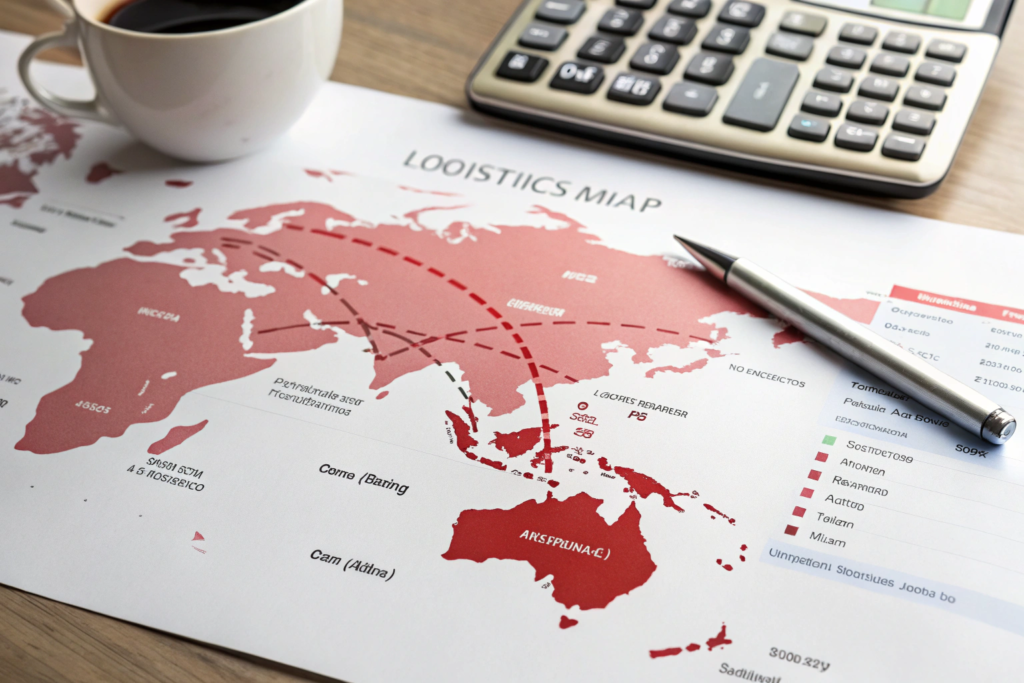
Australia is geographically isolated. That's a challenge, but also an opportunity. Traditional coffee origins are far away. Brazil is a 35-day voyage. Colombia is even longer. Ethiopia requires transshipment through the Middle East or Europe. China? China is practically next door. The port of Shanghai to Sydney is about 12 to 14 days. That's it.
Proximity to China slashes two critical costs for Australian importers: the ocean freight charge and the cost of capital tied up in transit. A container from Yunnan to Melbourne arrives in less than half the time of a container from Santos, Brazil. This means the importer's cash flow cycle is shorter. They pay the deposit, receive the coffee, roast it, and sell it before the 30-day invoice on a South American shipment would even come due. The freight cost itself is often $1,000 to $1,500 less per container.
What About Carbon Footprint and Sustainability?
Australian consumers care about sustainability. It's not a niche concern. It's mainstream. Cafes market their "ethical sourcing" and "low carbon footprint" credentials aggressively.
Shipping coffee from China to Australia generates significantly fewer carbon emissions than shipping it from South America or Africa. The distance is simply shorter. Fewer tonnes of bunker fuel are burned. For a cafe chain trying to hit ESG targets or market a "carbon neutral" coffee, this is a genuine competitive advantage.
I've had several Australian buyers tell me that the "low food miles" story was a key factor in their decision to trial our coffee. They can tell their customers: "This coffee traveled 8,000 kilometers, not 25,000." It fits the narrative of a conscious, modern business. The International Maritime Organization pushes for carbon reduction in shipping, and shorter routes are the simplest way to achieve it.
How Does Faster Shipping Improve Freshness?
As I've said before, coffee is a living product. It fades. Every day in transit, especially in a hot container, is a day of flavor loss.
A 14-day voyage preserves the volatile aromatics better than a 40-day voyage. The coffee arrives at the roastery in a fresher state. The roaster has a longer window to use it before it goes flat.
This is especially important for Australian cafes that market "fresh crop" or "seasonal" offerings. If they order our beans in January, freshly harvested, the coffee arrives in their warehouse in February. It's on their menu by March. That's a tight, clean timeline. For a Brazilian coffee harvested in July, it might not reach Australia until September or October. The Yunnan supply chain simply gets the coffee into the cup faster.
Why Are Australian Buyers More Willing to Try New Origins?
There's a cultural difference. I've noticed it in my years of exporting. Some markets are conservative. They want the classic origins. They want a Colombian Supremo because that's what their grandfather roasted. Australia is not that market.
Australian coffee buyers are culturally more adventurous and less bound by European coffee traditions. The Australian market is fiercely competitive. A roaster cannot differentiate themselves by offering the same Guatemalan Huehuetenango that every other roaster in town sells. They need an edge. They need a story. Yunnan coffee provides both a novel sensory experience and a compelling marketing narrative about the "new frontier" of specialty coffee.
Is It About the Story or the Cup?
It's both. The cup has to be great. No story sells bad coffee twice. But when the cup is genuinely good, the story amplifies it.
The story of Chinese specialty coffee is a story of transformation. Of ancient tea mountains now producing world-class Arabica. Of generational change, with young Chinese agronomists returning to family farms with degrees in fermentation science. Of a country better known for manufacturing now producing a handmade, artisanal product.
This narrative is catnip for Australian coffee media and social media. A roaster can write a newsletter about their trip to Yunnan. They can post photos of the Gaoligong Mountain. It's fresh content. It's different. In a market drowning in sameness, "different" is valuable.
How Do Competitions and Awards Drive Interest?
The specialty coffee world runs on competitions. Barista championships. Brewers cups. When a Yunnan coffee does well on a global stage, the phones start ringing.
Several high-profile Australian roasters have won or placed in national competitions using Yunnan coffees in the last few years. This signals to the rest of the market that "this origin is legit." Competition-grade coffee has to be exceptional. If it's good enough for a winning barista routine, it's good enough for a cafe's house blend.
The World Barista Championship and national qualifiers are closely watched by the Australian specialty community. A single competition placement can open an entire origin for years. We've seen Yunnan coffee move from "experimental" to "mainstream" on the back of this kind of exposure.
How Has Yunnan's Quality Transformed in Recent Years?
The question I get most from skeptical Australian buyers is: "What changed?" They remember trying Yunnan coffee a decade ago. They remember the earthy, harsh, papery taste. They want to know why they should trust it now.
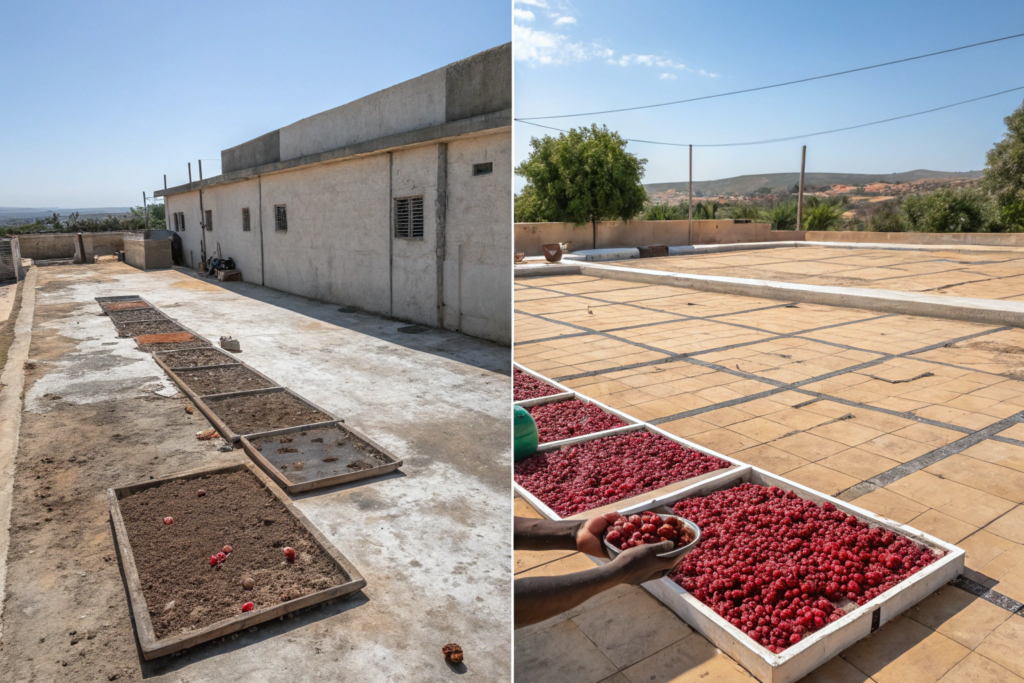
Yunnan's quality transformation is real and measurable. It is driven by three factors: genetic replanting of old Catimor with premium Typica and Bourbon varieties, massive investment in processing infrastructure like raised beds and controlled fermentation tanks, and the arrival of a new generation of Chinese coffee professionals trained in agronomy and Q-grading. The average cup score of export-grade Yunnan Arabica has risen from the low 70s to the low-to-mid 80s in just ten years.
What Role Did Replanting Play?
The old Yunnan coffee industry was built on Catimor planted at low altitudes with full sun exposure. It was a volume play. Yield per hectare was the only metric that mattered.
About eight years ago, the provincial government and private investors started subsidizing replanting. They ripped out low-altitude Catimor and replaced it with Typica, Bourbon, and Geisha at higher elevations. They planted shade trees. They diversified the genetics.
This is a slow process. Coffee trees take three to four years to produce a commercial crop. We are only now tasting the full results of that first wave of replanting. The next wave is already in the ground. The genetic potential of the trees is completely different from the old stock.
How Did Processing Education Change the Game?
You can have perfect cherries, but if you dry them on a tarp in the mud, you ruin them. The processing step was the historic weakness of Chinese coffee.
In the last five years, there has been a focused effort to educate farmers and mill operators. Organizations like the Coffee Quality Institute, local government programs, and visiting consultants from Costa Rica and Ethiopia have run training workshops. Farmers learned about brix measurements, fermentation protocols, and raised bed management.
We built our own model mill at BeanofCoffee to demonstrate these techniques. We invested in a Penagos pulper, stainless steel fermentation tanks with temperature control, and covered raised beds. The result is a clean, consistent, world-class green bean. Our cupping scores at origin now regularly hit 85 and 86 points. That's competitive with any origin on the planet.
Conclusion
The influx of Chinese coffee into Australian cafes is not a passing trend. It is a structural shift driven by economics, quality, and market culture. The flavor profile matches what Australian consumers want. The supply chain is shorter and cheaper. The Australian coffee buyer is culturally primed to take a risk on something new. And the quality of Yunnan coffee has finally caught up to the ambition.
A cafe in Brisbane serving a Yunnan single origin flat white is not making a compromise. They are making a smart business decision. They are offering their customers a unique experience at a better margin. And they are telling a story that no one else on the block can tell.
We ship containers to Australia regularly now. We know the quarantine requirements. We know the AQIS fumigation standards. We know what the market demands. We have a growing network of loyal roaster clients across the country, from Perth to Sydney.
If you're an Australian roaster looking to differentiate your menu with a clean, sweet, story-rich single origin, let's talk. We can send you samples of our current Typica and Catimor lots, along with full cupping notes and FOB pricing.
Email Cathy Cai. She manages all our Australian accounts and can have a sample on your cupping table within the week.
Email: cathy@beanofcoffee.com. Let's put Yunnan on your menu.