A few years ago, an Australian roaster told me he would never buy coffee from China. He said it was too risky. Then he tried one of our washed Arabica lots. Now he buys two containers a year. That change did not happen because I gave him a better sales pitch. It happened because I showed him something he could verify. Trust is built that way, piece by piece.
Yes, BeanofCoffee is a trusted Chinese coffee partner because we own over 10,000 acres of coffee farms in Baoshan, Yunnan, and we control the whole chain from picking to export. That control lets us offer stable quality, honest pricing, and direct communication. We are not a middleman. We are the source.
This matters now more than ever. Freight costs swing, canals get clogged, and tariffs change. In that chaos, buyers want a partner who answers the phone, sends real documents, and does not disappear after the invoice. I will show you why we fit that role. I will also tell you what we are not good at. I believe honesty is the first step to trust.
Does BeanofCoffee Own Its Coffee Farms in Yunnan?
Many exporters claim they have farms. Few actually do. I understand the doubt. You have been burned before by a broker who said "my farm" but meant "some farm I visited once." That is why I always offer to send GPS coordinates for any lot. I do not hide behind a website photo. I show you the actual block where your coffee grows.
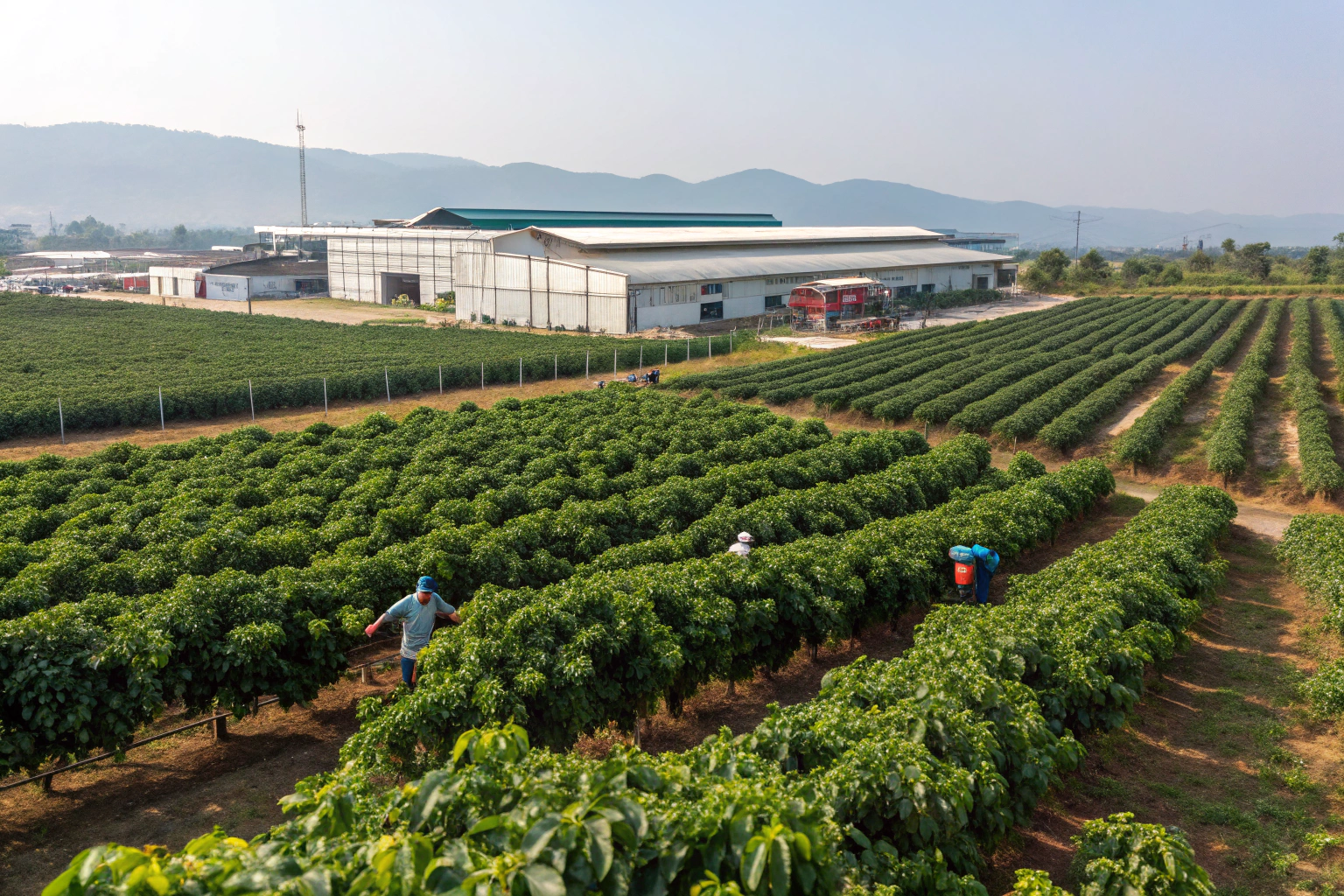
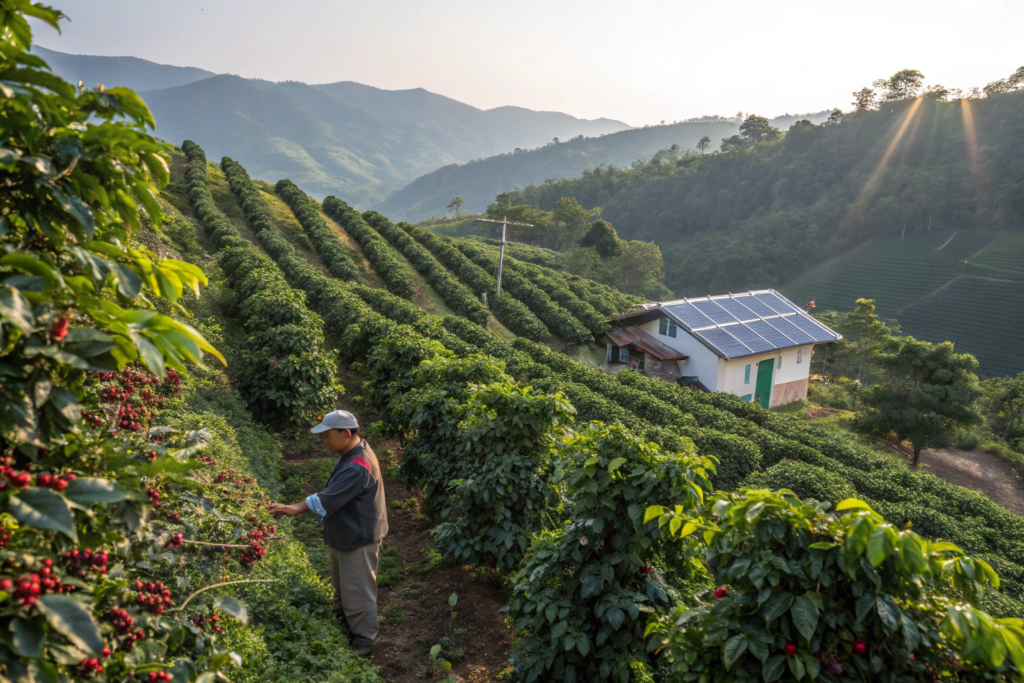
BeanofCoffee owns and operates over 10,000 acres of coffee plantations in Baoshan City, Yunnan Province. That is the size of a small town. We do not lease a corner of someone else's land. We own the land, the trees, the wet mill, and the drying beds. This allows us to control picking schedules, processing methods, and storage conditions. It also means we can answer a quality question without making three phone calls.
But ownership alone does not make coffee good. You need altitude, climate, and discipline. Our farms sit between 1,200 and 1,600 meters. That is high enough to slow down the cherries and build sweetness. The dry season in Yunnan is long, which helps with even drying. And because we own the land, we can afford to invest in better seedlings, shade trees, and water systems. That is the quiet work behind every good cup.
What Size Are BeanofCoffee Plantations Compared to Other Origins?
The number 10,000 acres sounds big, but context matters. Brazil has single farms larger than that. Colombia has thousands of small farms. We are somewhere in between. Our scale gives us volume stability without the industrial feel of a mega-estate. We can fill a container every week if needed, but we can also separate a micro-lot of 50 bags for a specialty roaster. That flexibility is rare. According to the Food and Agriculture Organization, China's coffee area is small compared to Brazil or Vietnam, but it is growing. The International Coffee Organization reports that China's production has increased steadily over the last decade. Our 10,000 acres are a significant part of that. What does that mean for you? It means we are not a hobby farm. We have real harvest calendars, real labor crews, and real export volume. But we are still small enough to care about one buyer's complaints.
How Does Farm Ownership Improve Coffee Traceability?
When you buy from a broker, traceability often stops at a warehouse in a port city. Not with us. I can walk you through the entire chain: block number, picking date, processing lot, drying batch, storage bag, container number. That is not a marketing trick. It is just record keeping. The Specialty Coffee Association encourages traceability as a core part of specialty coffee. The World Coffee Research also emphasizes that variety and farm location affect cup quality. We follow that logic. Every bag has a lot code. Scan it and you see where the coffee came from. That kind of transparency is easy to promise and hard to fake. If a supplier cannot tell you the farm name, walk away. If they can, ask for a photo of the farm block. We will send you one within a day.
How Does BeanofCoffee Control Quality and Consistency?
Consistency is harder than quality. Anyone can produce one great lot. The challenge is producing the same cup every month for a year. I learned that the hard way. In 2022, one of our natural lots varied too much between batches. A buyer in Germany noticed. He did not cancel, but he asked what happened. We fixed it by tightening our fermentation logs. Now every batch has a time and temperature record.
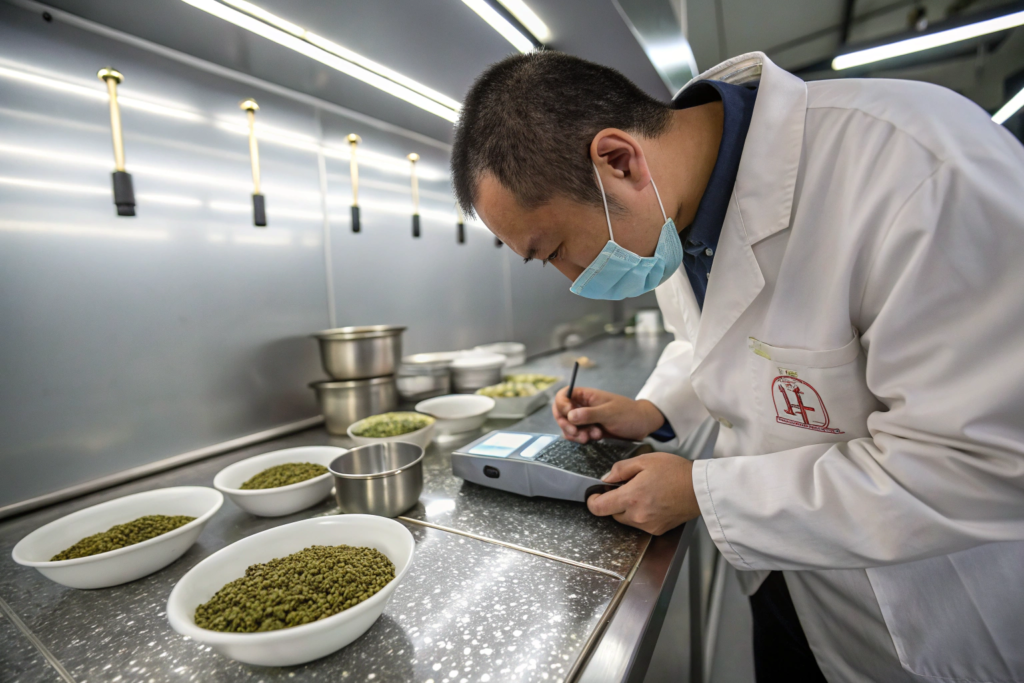
BeanofCoffee controls quality through strict moisture management, daily cupping during harvest, and pre-shipment samples approved by the buyer. We test moisture and water activity on every lot before bagging. Our target for washed Arabica is 10.5% to 11.5%. For natural processed lots, we aim slightly lower to prevent mold. We also cup every batch with a Q grader or a trained member of our team. If a lot does not score above 80, we do not sell it as specialty. That is a hard rule.
A second layer is equipment. We use a moisture meter calibrated weekly, a sample roaster for daily checks, and a color sorter to remove defects. You would be surprised how many exporters skip the color sorter because it costs money. We bought one anyway. It catches black beans and sour beans that human hands miss. That machine has saved more relationships than any sales pitch I ever made.
What Quality Checks Does BeanofCoffee Perform Before Export?
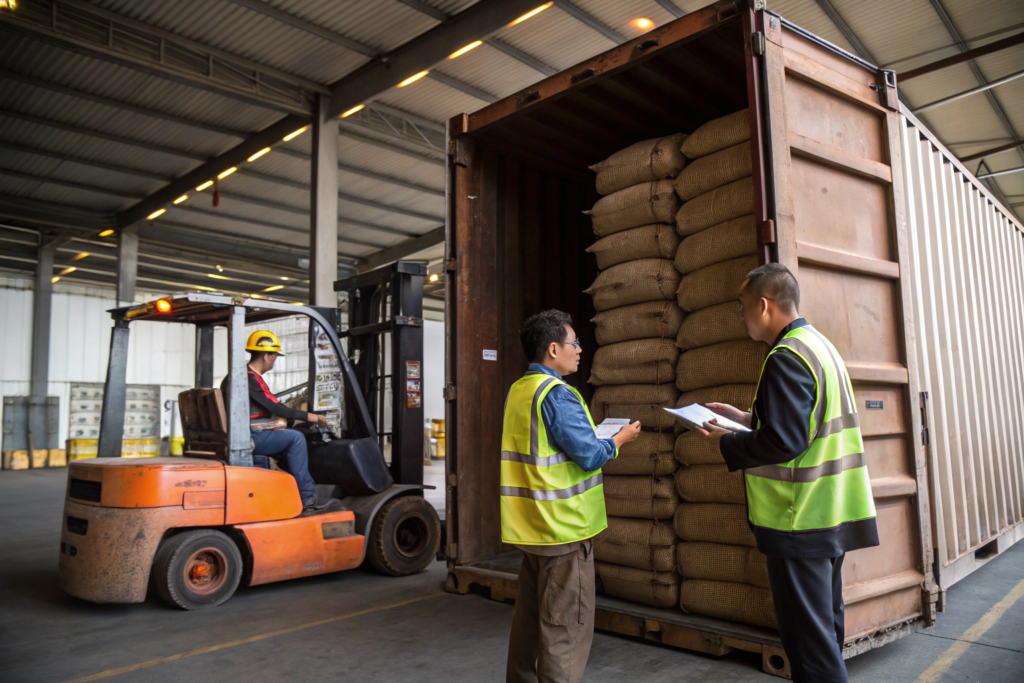
Before any container leaves our warehouse, we run a checklist. First, moisture and water activity. Second, defect count per 300 grams. Third, a cupping score on the actual lot, not a similar one. Fourth, a pesticide residue test for the destination market. Fifth, a visual inspection of the bags and stitching. We share these results with you before shipping. The CBI coffee market information says that buyers increasingly ask for pre-shipment samples and lab reports. The National Coffee Association also highlights the importance of moisture control during storage. We follow those standards because a delayed container can ruin coffee if the moisture is too high. One hidden detail: we pre-cool the container before stuffing. That reduces condensation on long voyages. It costs a little extra, but it prevents musty bags. Your customers will never taste a container that sweated.
How Does BeanofCoffee Prevent Quality Drift Between Harvests?
Quality drift happens when a farm gets lazy after a good season. We fight it with harvest logs and blind cupping. Every block is harvested separately. We do not mix high and low altitude cherries. That alone keeps the cup stable. We also cup every day during the harvest. If a batch tastes flat, we stop processing that block and investigate. Sometimes it is over-fermentation. Sometimes it is a delay between picking and pulping. The Perfect Daily Grind often writes about fermentation control and its impact on flavor. The Tridge platform also shows that consistent quality earns higher prices over time. For you, this means the lot you approve today will taste like the lot you receive in six months. I cannot promise perfection, but I can promise we will catch problems before they leave China. That is the whole point of owning the mill.
Why Buy Direct from a Yunnan Coffee Farm Like BeanofCoffee?
Middlemen add cost and noise. When you buy from a broker, you pay for their office, their travel, and their uncertainty. You also lose direct contact with the farm. If something goes wrong, you send an email to a person who sends it to another person. Then you wait. That is not a partnership. That is a game of telephone.
Buying direct from a Yunnan coffee farm like BeanofCoffee reduces cost, improves communication, and speeds up problem solving. You talk to the owner. You see the exact lot. You get the invoice from the same company that packed the bags. There is no gap between what you ordered and what I loaded. That direct line saves at least three to five days on every quality question and every document request.
But direct buying also has risks. A small farm may not have export licenses or quality systems. A large farm may not care about small orders. We try to sit in the middle: big enough to handle your volume, small enough to answer your WhatsApp. I have given my personal number to every buyer. It is on my email signature. That is not normal in this industry. But it is how I work. If a container is delayed at a port, I want to be the first one to tell you, not the last.
What Are the Cost Benefits of Buying Direct from the Farm?
The math is simple. Every middleman takes a cut. If you buy through a trading company, you might pay 5 to 15 percent more than the farm-gate price. That is not always wasted money. A good trading company can consolidate orders or handle customs. But if you buy a full container, direct is usually cheaper. At BeanofCoffee, we quote FOB or CIF prices that include our margin and the logistics cost. There is no second margin for a broker. The World Bank commodity markets shows that origin differentials matter. Chinese coffee often prices slightly below similar Central American lots. When you add direct pricing, the savings can be meaningful. One buyer in Texas told me he saved $0.35 per pound by switching from a Hong Kong trader to us. That is real money on a 40,000-pound container.
How Does Direct Communication with the Farm Prevent Freight Problems?
When you buy direct, you can call the person who loaded the container. If the Panama Canal delays your vessel, I can reroute or adjust before it becomes a disaster. With a broker, that information takes days. I once had a buyer in Florida whose container was sitting at the port because of a customs hold. He called me at 9 p.m. his time. I called my forwarder in Shanghai at 9 a.m. my time. By noon, we had the missing document. That speed is only possible because the buyer and the loader are one phone call apart. The Panama Canal Authority posts daily waiting times, and the Freightos Baltic Index tracks rate swings. We monitor those and send you short updates. No fluff. Just the vessel name and the new ETA. That is what a partner does.
What Payment Terms Does BeanofCoffee Accept?
Payment terms can make or break a deal. You do not want to send 100% of the money before the coffee ships. I do not want to ship a container without any deposit. The middle ground exists, and it works. I have used it with buyers in America, Europe, and Australia. It protects both sides.
BeanofCoffee accepts flexible payment terms including 30% deposit and 70% against a copy of the bill of lading, or a confirmed letter of credit for larger orders. For repeat buyers with a good history, we can offer 30-day open account terms. The key is that we are willing to talk. We do not have a rigid policy that treats every buyer the same. A first-time buyer from Canada gets different terms than a buyer who has ordered five containers from me.
The reason we can offer flexible terms is that we own the coffee. We are not borrowing money to buy from a farmer and then reselling. Our cash flow is more stable. That lets us take a little more risk with a trustworthy buyer. But we still need proof that you are real. We will ask for your business license or import record. That is normal. A good supplier does due diligence on the buyer too.
What Are Common Payment Risks for Coffee Importers from China?
The biggest risk is sending money to a fake supplier. It happens more than people admit. A buyer finds a cheap Chinese coffee offer on Alibaba, sends a deposit, and then the supplier disappears. That is why we always recommend using a verified platform or a letter of credit for the first order. The International Chamber of Commerce has clear rules for documentary credits that protect both parties. The Export-Import Bank of the United States also offers guidance for US importers on trade finance. Another risk is currency fluctuation. The yuan can move against the dollar. We usually quote in USD to avoid that problem. You can also check the Trade.gov China country commercial guide for more on payment practices. If a supplier refuses to show you a bank reference or a business license, that is a red flag. Walk away.
How Can a Letter of Credit Protect a Coffee Buyer?
A letter of credit, or LC, is a promise from your bank to pay my bank once I present the right documents. That includes the bill of lading, the commercial invoice, the packing list, and sometimes the quality certificate. It protects you because I only get paid if I ship the coffee you ordered. It protects me because I know the money is there. The process adds some bank fees, but for a first order, it is often worth it. I have accepted LCs for as low as $50,000. Some exporters do not like them because they require careful paperwork. I do not mind. I would rather do the paperwork than lose a good buyer. The International Trade Centre explains how to structure an LC for agricultural products. The USDA Foreign Agricultural Service also has country-specific payment notes for China. If you have never used an LC, talk to your bank first. Then ask us to send a draft. We will check every clause before you open it.
Conclusion
BeanofCoffee is not a perfect company. We have made mistakes, and we have fixed them. What makes us a trusted Chinese coffee partner is simple: we own the farms, we control the quality, we communicate directly, and we offer fair payment terms. You do not have to take my word for it. Ask for samples. Ask for GPS coordinates. Ask for a cupping report. Then compare us to any supplier in the world.
If you are ready to test Yunnan coffee for yourself, or if you are tired of chasing brokers for answers, let us talk. At BeanofCoffee, we export Catimor, Arabica, and Robusta from our own 10,000 acres in Baoshan. We serve buyers in North America, Europe, and Australia. Contact Cathy Cai at cathy@beanofcoffee.com. Tell her your port, your volume, and your target cup profile. She will reply within one business day with a real quote and a next step. No pressure. Just proof.