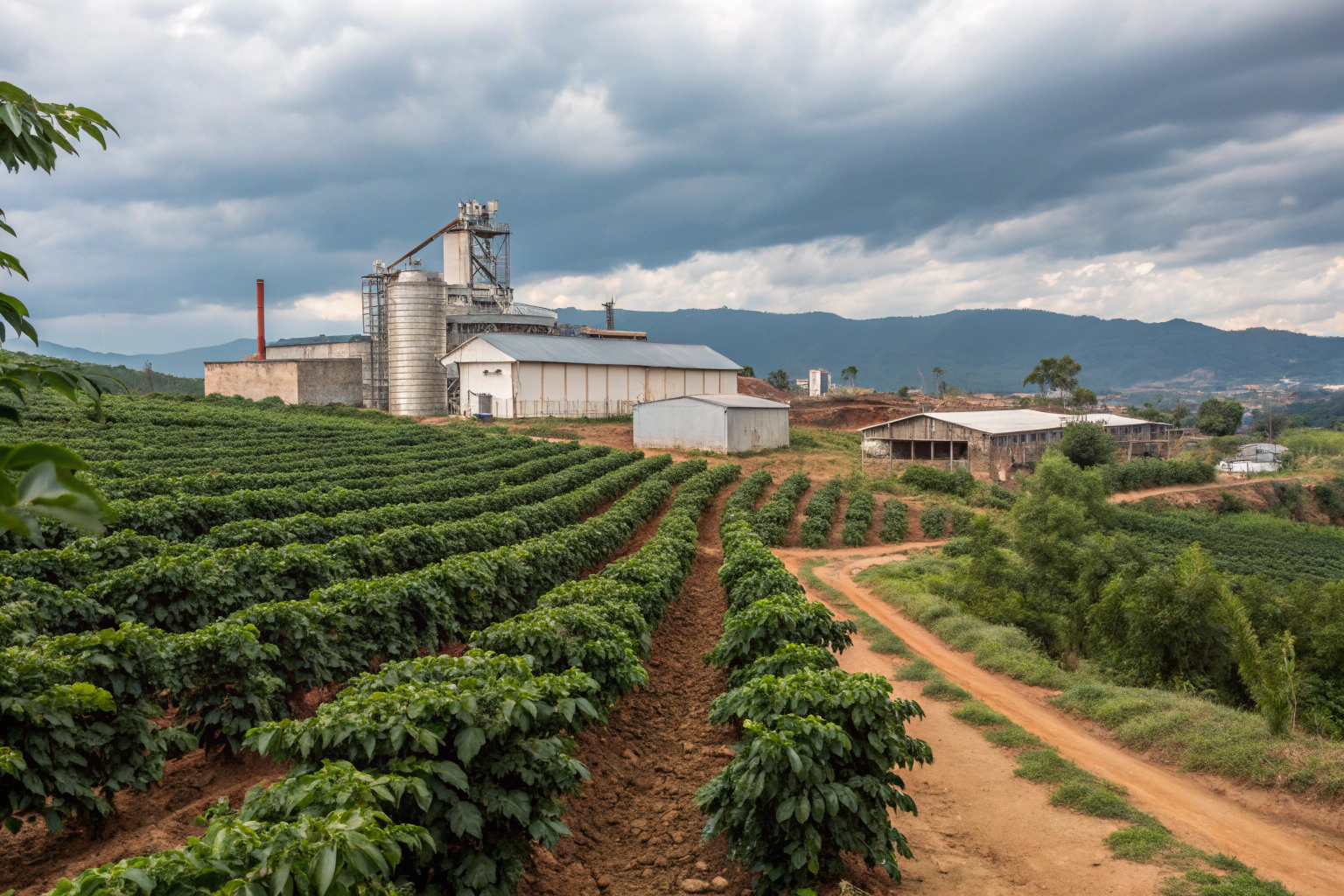
I run BeanofCoffee, a coffee exporter in Yunnan, China. We own more than 10,000 acres in Baoshan City. We sell Catimor, Arabica, and Robusta. I talk to buyers like Ron every week. Ron is 44. He owns a company in America. He cares about price, quality, and timeliness. He sources on Google, Alibaba, and at trade shows. Lately, he asks me a new question. He asks about water. He wants to know how we use it. He wants to know if we waste it. He wants to know if our mills can keep running when the dry season hits. That question is not going away. It is getting louder.
Water efficiency is becoming critical in coffee processing because water scarcity, tighter rules, rising costs, and buyer pressure are all hitting at once. Coffee wet processing can use thousands of liters of water per ton of cherries. A traditional wash is thirsty. New methods can cut that use by half or more. Brands now ask for water data. Farmers need it to keep permits. Mills need it to control costs. So water efficiency is no longer a side issue. It is a supply chain risk.
So, what does this mean for you? It means you should understand how water moves through a mill. You should ask your supplier for real numbers. You should plan for dry years. You should treat water like a cost and a permit. At BeanofCoffee, we track water use at our partner mills. We share the data with buyers. We are not perfect. But we are honest. Honesty is the first step. Let me show you why water is now a critical topic in coffee.
How Much Water Does Coffee Processing Really Use?
Most people do not think about water when they drink coffee. They think about the cup. They think about the roast. They think about the farm. But between the farm and the cup, there is a mill. And that mill uses water. A lot of it. I have walked through mills where water runs all day. I have seen pipes leak. I have seen tanks overflow. I have seen waste water flow into rivers. That is the old way. The new way is different. The new way measures every liter.
Coffee processing water use varies by method. A full wet wash can use 10,000 to 20,000 liters per ton of cherries. A semi-wash can use 5,000 to 10,000 liters. A honey process can use 1,000 to 3,000 liters. A natural process can use almost none. So the method matters more than the farm size. A small mill with a wet wash can use more water than a large mill with a natural process. The key is to measure your own method and compare it with better options.
Another way to look at this is to compare it to laundry. Washing one shirt by hand uses less water than running a full machine. But if you wash ten shirts by hand with the tap running, you waste more than the machine. Coffee works the same way. The method and the discipline decide the water use. So do not guess. Measure. Then improve.
What Is the Difference Between Wet and Dry Processing?
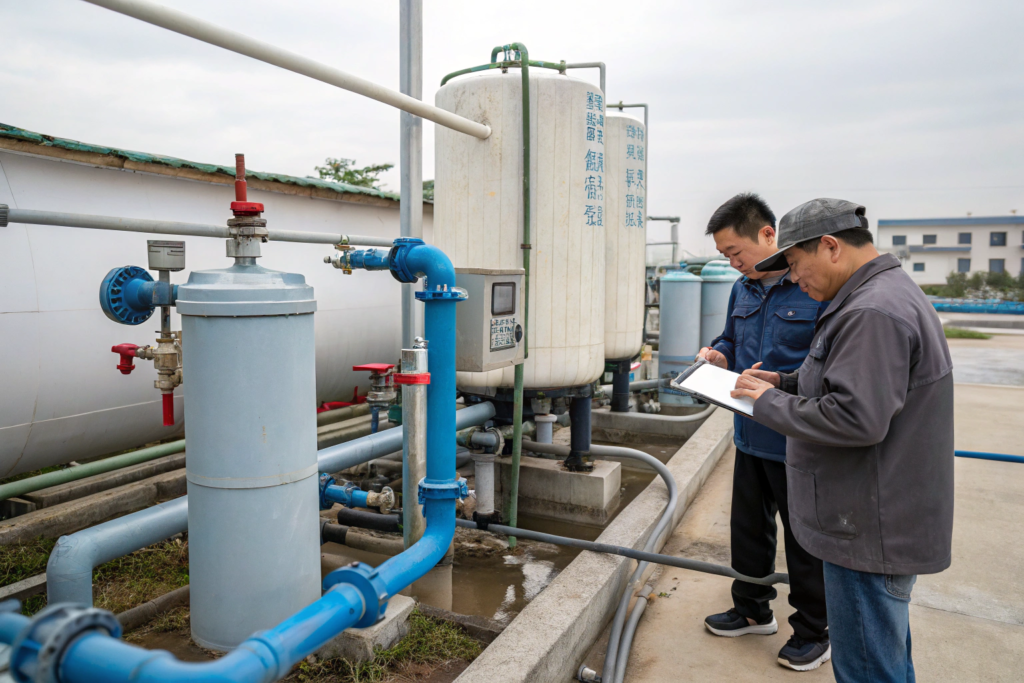
Wet processing uses water to remove the fruit from the bean. Dry processing lets the fruit dry on the bean. Wet processing can produce a clean, bright cup. Dry processing can produce a heavier, fruitier cup. But wet processing uses much more water. The International Coffee Organization tracks global processing methods and trade. The Specialty Coffee Association explains how processing affects flavor. I use these sources when I train our team. A buyer should know the method before comparing prices. A wet-washed coffee and a natural coffee are not the same product. They also have different water costs.
A common mistake is to compare a washed coffee with a natural coffee on price alone. The washed coffee may cost more because it used more water. The natural coffee may cost less because it used less water. But the cup is different. So compare like with like. Ask the method. Ask the water use. Then compare the price. That is fair. Ron likes fair comparisons. He wants to know what he is paying for.
How Do You Measure Water Use at a Coffee Mill?
You measure water use with a flow meter. You also measure the weight of cherries processed. Then you divide the liters by the tons. That gives you liters per ton. A simple meter costs little. A notebook costs less. The Water Footprint Network explains how to measure water in food production. The UN-Water shares global water data. I use these methods at our partner mills. We record the number every day. After one season, we know our baseline. Then we can set a target. A target without a baseline is just a wish. So measure first. Then improve.
I tell buyers to ask for this number. If a supplier cannot provide it, that is a warning. It does not mean the supplier is bad. It means the supplier is not measuring. A supplier who does not measure cannot improve. A supplier who cannot improve may face water risk later. So ask the question. The answer tells you a lot.
What Happens When Coffee Mills Run Out of Water?
I have seen a mill run out of water. It was a dry year. The river was low. The tanks were empty. The cherries were waiting. The mill could not process. The coffee sat. The buyer waited. The price went up. That was a hard season. It taught me a lesson. Water is not guaranteed. It can disappear. And when it disappears, the whole supply chain stops. So water risk is not a future problem. It is a present problem. It is also a business problem.
When coffee mills run out of water, processing stops, cherries spoil, quality drops, and shipments delay. A mill without water cannot wash, ferment, or clean equipment. The cherries may rot. The cup may develop defects. The buyer may cancel. The mill may lose its permit. The community may protest. These are real outcomes. They happen more often as droughts get worse. So water security is supply chain security. A buyer who ignores it may face a gap.
So, what should you do? Ask about the water source. Ask about the dry season plan. Ask about storage. Ask about permits. A mill with a backup plan is safer than a mill without one. At BeanofCoffee, we ask these questions at every mill we work with. We do not have all the answers. But we ask. That is how we reduce risk.
Where Does Water Scarcity Hit Coffee Hardest?
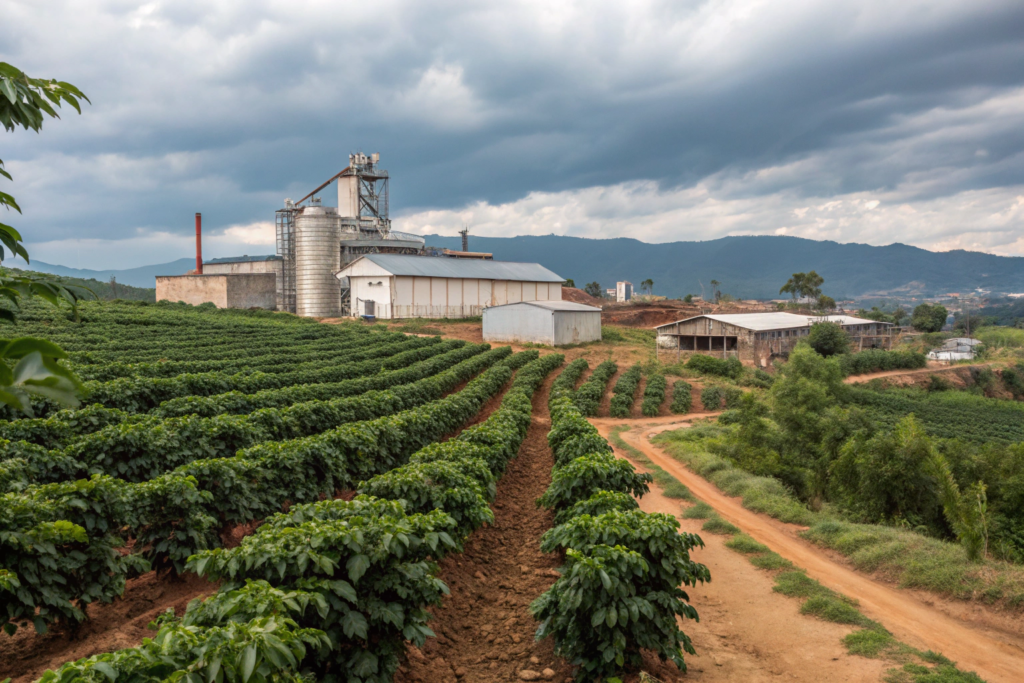
Water scarcity hits coffee hardest in regions with a long dry season, weak infrastructure, and many mills in one area. Yunnan can face dry winters. Some parts of Africa and Latin America face worse. The FAO Land & Water shares global water and agriculture data. The World Wildlife Fund coffee page explains coffee and environmental risks. I use these to plan our own water strategy. A mill in a dry area needs storage. It needs recycling. It needs a backup source. Without those, it is one dry year away from trouble.
A buyer can reduce risk by spreading sourcing across regions. If one region has a dry year, another may have a normal year. That does not fix the problem for the farmers. But it protects the buyer's supply. It also gives the buyer time to help the affected mill. A long-term relationship can support a water project. A one-time purchase cannot. So think long term. Water risk is a long-term issue.
How Does Water Shortage Affect Coffee Quality?
Water shortage affects quality in several ways. It can delay processing. Delayed cherries ferment too much. That creates off-flavors. It can force the mill to use dirty water. Dirty water adds bacteria. It can stop the wash early. That leaves mucilage on the bean. It can skip the soak. That changes the cup. The Perfect Daily Grind and Daily Coffee News cover processing and quality. These show the link. I have seen it myself. A late lot in a dry year tastes muddy. The score drops. The price drops. Everyone loses.
So a buyer should ask about the dry season plan. A mill with a plan can protect quality. A mill without a plan cannot. The plan does not need to be fancy. It can be a storage tank. It can be a recycling system. It can be a simple schedule that processes the best lots first. The key is to have a plan. So ask for it. Then decide.
How Can Water Recycling Change Coffee Processing?
Recycling is a game changer. I did not believe it at first. I thought recycling water would hurt the cup. I was wrong. A well-designed system can reuse water without changing the flavor. It can cut fresh water use by half. It can cut waste water by more. It can save money. It can save the mill in a dry year. It is not free. But it pays back. And it makes the mill more stable. That stability helps buyers. It helps farmers. It helps everyone.
Water recycling changes coffee processing by reducing fresh water demand, lowering waste water volume, cutting treatment costs, and protecting the mill in dry seasons. Simple systems use settling ponds, screens, and filters. Advanced systems use aeration and recirculation. The key is to separate clean water from dirty water and reuse the cleanest streams. Recycling does not replace good hygiene. It supports it. When done right, it can protect quality and cut costs at the same time.
So, what should you look for? Look for a mill that separates water streams. Look for settling ponds. Look for a reuse plan. Look for records. A mill that recycles is a mill that plans ahead. That is a safer supplier. That is a better partner.
What Are the Simplest Water Recycling Methods?
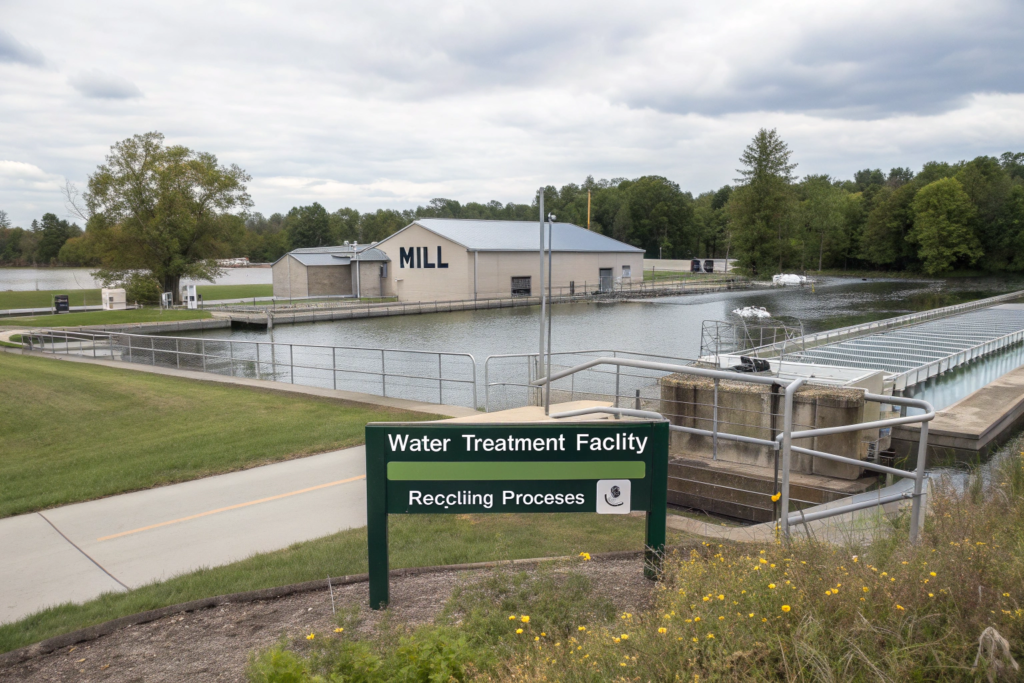
The simplest methods are settling ponds, screens, and storage tanks. Settling ponds let solids sink. Screens catch pulp. Storage tanks hold water for reuse. These methods are cheap. They are also effective. The Global Coffee Platform shares sustainable coffee practices. The Rainforest Alliance explains sustainability standards. I use these when we review mill upgrades. A simple system can cut water use by 30% or more. That is a big win for a small cost.
You do not need a high-tech system to start. You need a plan. Separate the dirty water from the clean water. Reuse the clean water for washing equipment. Use the dirty water for irrigation after treatment. That is a simple loop. It saves fresh water. It reduces waste. It also shows buyers that you care. A buyer who sees a simple system will trust you more. Trust leads to contracts. Contracts lead to stability.
Are Eco-Friendly Pulpers Worth the Investment?
They can be. An eco-friendly pulper uses less water and produces less waste. It can cut water use by half. It can also improve the cup by reducing fermentation time. The Tea & Coffee Trade Journal and Roast Magazine cover processing technology. I have seen a mill install one and save money in the first season. But it depends on the scale. A small farm may not afford it. A large mill can. So the answer is: it depends. Run the numbers. Test the cup. Then decide.
Training matters more than the machine. A good machine with a bad team wastes water. A simple machine with a good team saves water. So plan for training. Plan for maintenance. Plan for spare parts. Then the investment can pay off. If you skip those steps, it may not. So do not buy a machine and forget it. Buy it, train on it, and measure it. That is how you get the return.
What Water Rules Are Shaping Coffee Exports?
Rules are changing. I see it every year. More permits. More limits. More reporting. Some places fine polluters. Some places close mills. Some places charge for water. The trend is clear. Water is becoming a regulated resource. That means a mill without a permit is a mill with a problem. A buyer without a plan is a buyer with a risk. So you should understand the rules. You should ask your supplier about permits. You should check the local rules. Then plan for them.
Water rules are shaping coffee exports by requiring permits, limiting water use, controlling waste water, and adding reporting duties. In China, environmental rules have tightened. In the U.S., the Clean Water Act and EPA rules matter. In the EU, the Water Framework Directive matters. These rules can stop a mill. They can also stop a shipment. A buyer should ask for proof of compliance. A supplier should keep it ready. Compliance is now part of export readiness.
So, what does this mean for you? It means you should add water compliance to your supplier checklist. Ask for the permit. Ask for the treatment plan. Ask for the reporting record. A supplier who has these is a supplier who can survive a rule change. A supplier who does not is a supplier who may disappear. That is a supply risk. So check it early.
How Do Environmental Rules Affect Coffee Mills?
Environmental rules affect mills by setting limits on water use and waste water. Some rules require a permit. Some require treatment. Some require reporting. Some require fees. The EPA WaterSense explains water efficiency in the U.S. The eCFR shows U.S. federal rules. These are useful for buyers who import. I also talk to local officials in Yunnan. I want to know the rules before they change. That helps me plan. A mill that plans ahead can avoid a fine. A mill that waits may face a closure.
The rules are not the same everywhere. A mill in one province may face strict limits. A mill in another may face none. But the trend is global. More places are adding rules. More buyers are asking for proof. So a mill that complies today is a mill that can sell tomorrow. A mill that ignores the rules is a mill that may lose its market. So treat compliance like a passport. You need it to travel.
What Should Buyers Ask About Water Compliance?
Buyers should ask clear questions. Do you have a water permit? How much water do you use? How do you treat waste water? Do you have records? Can I see the permit? The SGS coffee inspection and Intertek coffee pages show third-party verification options. These can check the claims. I also recommend a mill visit if the volume is large. A visit shows the truth. A video can help. But a visit is better.
Do not accept vague answers. If a supplier says, "We follow the rules," ask which rules. If a supplier says, "We treat water," ask how. If a supplier says, "We have a permit," ask to see it. A real supplier will answer. A weak supplier will avoid. You are not being difficult. You are protecting your business. Ron likes this because he is direct. He wants facts. Water compliance is a fact. It belongs in the contract. It belongs in the review. It belongs in the relationship.
Conclusion
Water efficiency is becoming critical in coffee processing because water is scarce, rules are tighter, costs are higher, and buyers want proof. Water affects quality, cost, and supply. A mill without water cannot process. A mill with dirty water cannot protect the cup. A mill without a permit cannot export. So water is not a side issue. It is a core issue. Farmers can save water with recycling, eco-pulpers, and training. Buyers can reduce risk by asking clear questions and checking data. The suppliers who plan now will be the suppliers who last. The buyers who plan now will have a safer supply.
At BeanofCoffee, we take water seriously. We own more than 10,000 acres in Baoshan City, Yunnan. We export Catimor, Arabica, and Robusta. We work with large buyers, brand owners, distributors, and trading companies. We can share water data, test reports, and samples. We can help you plan a supply chain that is safe and stable. If you want to talk about water efficiency, please contact Cathy Cai at cathy@beanofcoffee.com. She will help you with samples, pricing, specifications, and shipping plans. You can also visit BeanofCoffee to learn more. Let us build a better coffee supply together.