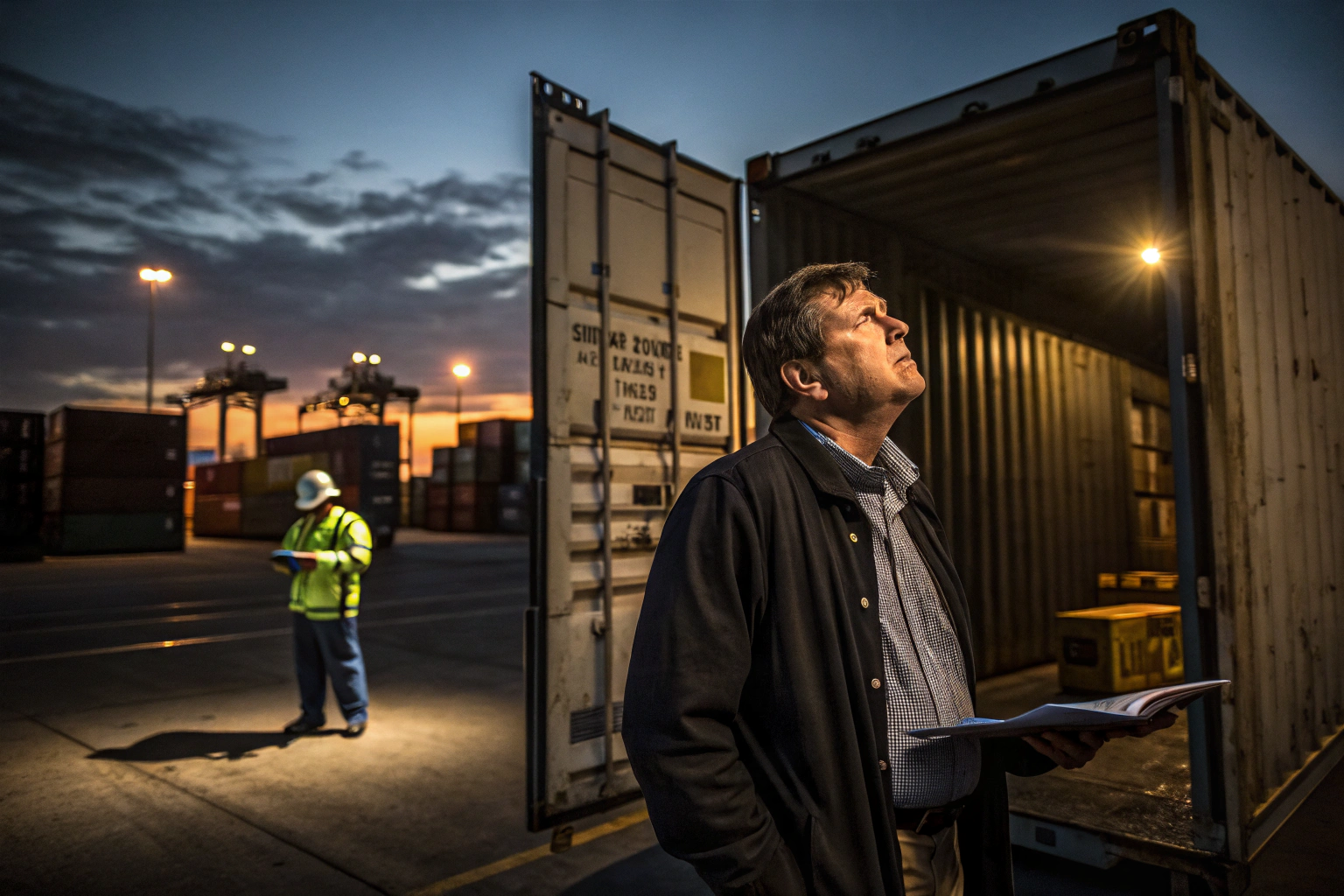
I almost lost a buyer last year because I saved him fifty cents a pound. Let that sink in. I found a slightly cheaper freight route for his container of Yunnan Catimor, a “new partner” offering a bargain, and we both felt smart about it. The ship got rerouted. Then it sat outside a congested terminal. The coffee showed up three weeks late. His roasting schedule was in ruins. He had to buy emergency coffee on the spot market locally at triple the price to fill his orders. That fifty-cent saving on the front end cost him thousands of dollars and nearly cost me a long-term partnership. That’s when the real formula hit me: the invoice price of coffee is just a date-stamped number; the true cost is defined entirely by the day it actually arrives at your warehouse door.
Reliable logistics matters more than the lowest price because the cost of a supply chain failure—spoilage, demurrage, and lost sales from empty retail shelves—is almost always exponentially higher than the premium paid for a stable and predictable shipping schedule. A cheap price on a delayed container is not a discount. It’s a high-interest loan on your reputation. You lock in a low dollar amount per pound, but you unlock a massive liability. You run out of product. You fail to deliver on your wholesale contracts. In the specialty coffee world, your customers won't remember that you got a good deal on freight; they will remember that their morning roast was out of stock for two weeks. For a confident buyer like Ron, who needs timeliness as much as he needs a sharp price, the single most valuable line on a contract isn’t the unit cost—it’s the guaranteed shipping window.
What I want to do here is flip the conversation. Instead of treating shipping as the last headache after a deal is signed, I want to show you why it’s the very first thing you should negotiate. Because the true center of profit in coffee importing isn’t the cents per pound you negotiate with a farmer like me in Yunnan; it’s the stability of the pipeline that connects my drying patio to your roastery. Let’s look at what happens when that pipeline breaks, and how a supplier like BeanofCoffee can actually guarantee a rhythm you can build a business around.
Why Do Cheap Freight Rates Often Hide Huge Demurrage Risks?
I see a low freight quote and my first instinct is not to celebrate. My first instinct is suspicion. A price that’s too good is usually a schedule that’s too loose. I’ve seen the math play out too many times. A freight forwarder offers a rock-bottom rate, but that rate comes with a hidden cost: a lower priority on the vessel. Your container is the first to get "rolled" if the ship is overbooked. It gets kicked to the next vessel, a week later. Then it arrives at a peak congestion window, and the terminal storage fees start piling up. You think you saved $400 on freight, but you’re paying a $2,000 demurrage bill and buying emergency stock. It’s a financial trap wrapped in a cheap shipping quote.
Cheap freight rates frequently mask a lack of priority booking and a higher susceptibility to port rollovers, which directly trigger demurrage and detention charges that far outweigh the initial shipping discount. The base rate might look attractive, but it doesn't include the guaranteed equipment or the specific sailing date you need. A reliable logistics setup does the opposite. It builds the cost of priority loading and a healthy buffer for terminal congestion right into the price. When I quote a logistics cost to a buyer like Ron, I'm not just quoting a ship; I'm quoting a window that we have secured with a booking guarantee, even if it costs slightly more per container. That guarantee is essentially an insurance policy against the financial hemorrhage of having your coffee sit idle.
The real danger isn't just the cost of the extra days. It’s what those extra days do to the quality of the product and the trust your own customers have in you. Let's look at the physical risk that comes with a delayed box.
How Does a Rolled Container Damage Green Coffee Quality?
This is a physical reality that’s easy to ignore when you’re just looking at a spreadsheet. A shipping container is a steel box. It’s not a climate-controlled warehouse. When a container gets rolled and sits on a dock for two extra weeks during a hot summer month in a transshipment port, you’re cooking your coffee. The internal temperature inside that steel box can spike drastically above the ambient temperature. This accelerates aging, fades the volatile aromatic compounds, and can even force the moisture content inside the hermetic bags to migrate and condense on the coolest side of the container.
The coffee that arrives is a ghost of the sample you approved. It tastes flat, papery, or worse, baggy. It’s no longer specialty grade, even though it was when it left my farm. You can’t fix this with a better roast profile. The damage is done. This is the physical cost of a logistics failure. I always use GrainPro bags for our shipments, which help, but even those have limits against extreme heat over many days. A reliable logistics partner understands the need to choose transshipment ports with short dwell times to preserve the coffee freshness and quality we’ve worked a year to build on the farm.
What Are the Real Financial Impacts of Peak Season Port Congestion?
Let’s talk about the holiday crunch. Every year, it’s the same cycle. U.S. importers scramble to get inventory before the Chinese Spring Festival or the winter holiday retail rush. This is when the lowest-tier freight rates become completely useless. I’ve seen a $3,500 rate vanish and get replaced by a $7,500 "priority" surcharge at the last minute because the cheap carrier simply had no space. If your supplier only offered the cheap option, you’re now stuck. You either pay the surcharge, or you miss the season. You lose either way.
The real financial impact is the opportunity cost of empty shelves. If you’re a brand buyer selling to a major retail chain, a late delivery can trigger a costly non-compliance fine from the retailer. You’re not just paying demurrage; you’re paying a penalty for breaching a vendor agreement. You can check the current global congestion levels on a platform like MarineTraffic to understand the real-time risk. A stable supplier plans the shipping schedule backward from your "must-arrive-by" date, not forward from a "hopefully-it-sails" date. This planning, this refusal to gamble, is the difference between a cheap transaction and a protected supply chain.
But protecting the coffee itself is only one half of the equation. The other half is protecting your business from a far more existential threat: the moment a U.S. border agent decides your coffee is not safe enough to enter the country, or the moment a sudden change in policy makes it financially unviable.
How Can Unreliable Shipping Trigger a Costly FDA Hold or Tariff Shock?
A late container isn't just a problem of time. It’s a problem of policy. You see, international trade rules don't stand still just because your coffee is stuck on a boat. Tariff rates can change. New import regulations can take effect. I remember a shipment we sent out just days before a new round of trade negotiations concluded. We had a clean, zero-tariff expectation. But the ship hit a weather delay. It docked three days after the new fiscal quarter started. The importer got hit with a fresh 7.5% retaliatory tariff that didn't exist when the coffee left China. The cheap, slow shipping plan cost him an extra $3,000 purely because the vessel arrival date fell on the wrong side of a political deadline.
Unreliable shipping exposes your coffee to a higher risk of FDA examination holds and sudden tariff shocks simply because a delayed arrival date can subject your shipment to a new set of rules and a more aggressive inspection environment. When a shipment is flagged for an FDA hold, the clock starts ticking, and the storage meter is running. The U.S. Food and Drug Administration has the authority to detain any shipment of food if the paperwork is slightly inconsistent or if a random physical exam is ordered. A rushed, last-minute shipment is more prone to paperwork errors. A reliable logistics chain starts the filing process early, with a strong focus on the prior notice requirements so that the paperwork is solid well before the ship docks. This proactive compliance is what stops a simple delay from turning into a legal seizure.
But what about the money itself? The physical movement of coffee is slow enough. If the payment method is just as slow and unpredictable, you’re adding a cash-flow crisis on top of a delivery crisis.
Why Do Slow Payment Gateways Paralyze a Green Coffee Supply Chain?
In the commodity world, the flow of money is just as important as the flow of beans. If you pay late, the next container doesn't move. It’s that simple. I’ve had to stop production on a buyer’s order, not because we didn't want to prepare the coffee, but because a wire transfer got stuck in the intermediary banking system for nine days. Nine days! The coffee was ready, the truck was booked, but I couldn't release the shipment. A delay in payment creates a domino effect: you miss your loading slot, miss your vessel cutoff, and the whole schedule collapses.
This is why a dependable logistics partnership includes a streamlined payment method. We don't use obscure, slow banking corridors. We recommend direct telegraphic transfers with established banking partners or a confirmed, straightforward Letter of Credit. We want you to understand the transaction chain thoroughly, similar to the clarity found in a standard SWIFT payment guide, so there are no hidden intermediary bank fees delaying the release of funds. A reliable supply chain means a payment process that takes hours, not weeks, so the logistics team can confidently load your coffee on the truck and get it to the port cut-off time.
Can a Delayed Shipment Void Your Coffee Contract and Insurance Coverage?
Here’s a terrifying thought that rarely crosses a buyer's mind: a severely delayed arrival can technically be considered a fundamental breach of a sales contract. If you promise your client a "fresh crop" delivery and the delay makes it an "old crop," they can reject the container entirely. And your cargo insurance? It doesn't cover inherent vice. If the beans mold due to a delay, the insurance company will likely argue it was a natural deterioration caused by an unreasonable transit time, not a sudden accident. They might not pay your claim.
You are left holding a rejected container of coffee and a declined insurance claim. This is a catastrophic risk that a low price can never compensate for. A stable logistics partner mitigates this by ensuring the transit time is well within the acceptable window for the contract's terms. We always specify the latest allowable ship date in the contract and include the Incoterms 2020 rules clearly to define when the risk passes to you, the buyer. We don't just ship and hope; we build the delivery schedule into the legal agreement to protect both parties from a worst-case scenario.
That legal protection is a safety net. But what you really want isn't a safety net. You want an unfair advantage. You want a logistics rhythm that lets you carry less inventory, react faster to your customers, and use your supply chain as a weapon against competitors who are stuck gambling on the cheapest, slowest boat.
What Is the Inventory Advantage of a Consistent Shipping Rhythm?
Most people think a big pile of inventory in a warehouse is a sign of a well-prepared business. I think it’s a sign of fear. A fear that the next shipment will be late. When you don't trust your logistics, you have to over-order. You fill your warehouse with four months of coffee just in case the next one takes six weeks longer than it should. That’s not inventory; that’s a massive frozen pile of cash sitting on a pallet, slowly losing its vibrancy. An alternative view is to see a consistent shipping rhythm as a "virtual pipeline." You don't need the physical stock because the flow is so steady.
A consistent shipping rhythm allows a coffee business to operate on a lean, Just-In-Time inventory model, dramatically reducing warehousing costs, preventing capital stagnation, and ensuring every roasted batch is from a freshly landed green coffee crop. When the shipping timeline from our farm in Yunnan is predictable to the week, you can hold just 15 days of inventory instead of 60. The money you free up—that capital—can then be invested in marketing, better equipment, or simply holding a higher cash reserve for opportunities. For a business owner like Ron, this is the real bottom line. A low price becomes irrelevant if the money you "saved" is just sitting in a warehouse, costing you rent and insurance while the coffee beans slowly age past their prime.
This isn't just a theory. The math of holding inventory makes the logistics cost look small. A predictable shipping rhythm doesn't just bring coffee; it reduces the hidden financial leak of keeping that coffee alive while it waits to be roasted.
How Does a Reliable Schedule Reduce Your Dead Stock and Storage Fees?
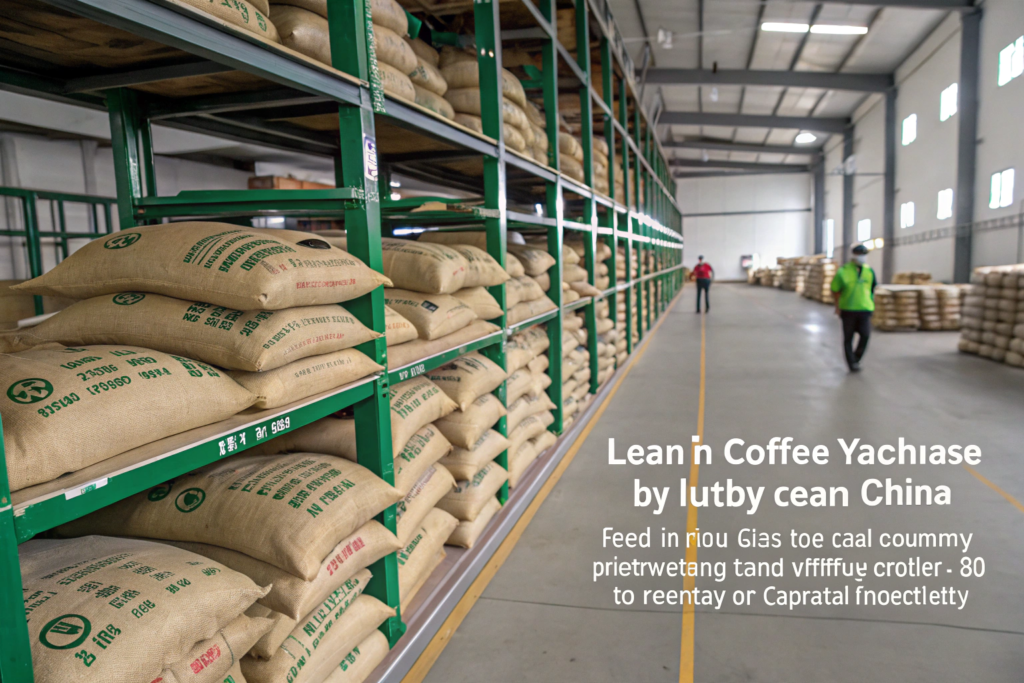
Dead stock. That’s the industry term for inventory you can’t sell. And in coffee, inventory can die two ways: physically, by getting old and baggy, or commercially, by being the wrong coffee. If a container is three weeks late, you might miss a seasonal promotion. By the time it arrives, the demand spike is over. You’re stuck holding 20 tons of a seasonal blend you can’t use until next year. That is dead stock. You paid for it, you’re paying to store it, and it’s not generating a single dollar.
A predictable delivery allows you to order exactly what you need for a specific production window. You don't have to build in a "safety buffer" that inevitably becomes a long-term storage expense. You can calculate your real storage cost per pallet per month and see this as a direct reduction in your margin. Using third-party logistics (3PL) warehouses makes this cost very transparent, as seen in standard warehousing fee structures. When you can rely on a container arriving on a specific Friday, you schedule the truck, you schedule the roast, and you move the coffee into production immediately, bypassing weeks of expensive, quality-degrading storage. The logistics rhythm eats away at the need for a storage facility.
Can Predictable Logistics Help You Win Bigger Retail Contracts?
This is where you stop being just a coffee buyer and start being a strategic supplier to your own customers. If you’re trying to get your coffee brand onto the shelves of a major supermarket chain, they don't just taste your coffee. They audit your supply chain. They ask for a Vendor Compliance Manual. They want to see your on-time delivery score. If your score is low because you keep missing delivery windows, you’re not getting the contract. No matter how good your coffee tastes.
A predictable, time-defined logistics chain from a supplier like BeanofCoffee gives you a 98%+ on-time delivery rate. You can take that data to a major retail buyer and prove you’re a reliable partner. It’s a selling point that directly translates to larger purchase orders. The big players don't have time for messy, late deliveries. They want to know you can handle the supply side. This reliability lets you confidently bid for contracts that were previously out of reach, all because your supplier in China treats a ship date like a firm promise.
That promise is the foundation. But a promise, even a well-kept one, needs a framework around it to be a true competitive advantage. The ultimate guarantee isn't just a handshake; it’s a partnership with transparent communication and a backup plan for the days when even the best systems meet a global crisis.
How to Secure a True Logistics Guarantee From a Chinese Export Partner?
Asking for a logistics guarantee from a supplier in a different country can feel like a gamble. You might worry that a "guarantee" is just a polite word that disappears when a real problem arises. I understand that feeling. That's why a real guarantee can't be spoken; it has to be written, specifically, in a contract with real financial consequences for both sides. A true logistics partnership with a farm like ours isn’t just me saying, "I'll try my best." It's me saying, "If I fail to meet this specific window for a reason I control, I will pay for your emergency cover supply." That's the level of skin-in-the-game you need.
You secure a true logistics guarantee by negotiating a written service-level agreement (SLA) that defines specific shipping windows, transparently shares vessel tracking data, and outlines clear financial remedies if the exporter fails to meet the non-force majeure deadlines. A cheap supplier will avoid putting specific dates in writing. A reliable one will insist on it because they know their system can deliver. A reliable partner wants to be measured. For a buyer focused on security and timeliness, this SLA isn't just a paper; it's the single most valuable asset in your sourcing operation. It's the tool that replaces anxiety with a predictable schedule.
This process requires moving away from vague promises and into a world of shared data and a pre-agreed crisis plan. You don't need a supplier who is perfect; you need one who has a clear, honest plan for when things get messy.

What Questions Should You Ask About Real-Time Shipment Tracking?
Don't accept "we'll email you when it ships." That’s an information blackout. You need to know the difference between a supplier who actually manages logistics and one who just hands your coffee to a freight forwarder and forgets about it. The key is asking for the specific tracking method before you pay the deposit. I always provide the vessel name, the voyage number, and the container number within 24 hours of the coffee leaving our warehouse gate. You can then track it yourself.
Ask these blunt questions: "Who is your actual freight forwarder?" and "Can I have the login details for the container tracking portal?" A transparent supplier won't hide this. We use professional shipment tracking platforms, similar to the precision of Maersk’s tracking system, where you can see every single port call. You also need to understand the physical route. Is it a direct vessel, or is it being transshipped through a busy port like Busan? The sea route map matters. A direct route from Yunnan via a major Chinese gateway to the U.S. West Coast is significantly faster and less likely to encounter delays than a route with multiple stops. Demand the route map.
How Does a Pre-Negotiated Backup Plan Save a Crisis?
Even the best ship can break down. Even the best port can close for a storm. A guarantee isn't a shield against acts of God; it’s a pre-agreed manual for what happens next. The moment a crisis hits is the worst possible time to start negotiating a solution. I learned this the hard way during a sudden typhoon season. After that, I created a formal "Disruption Protocol" for every buyer. It’s a one-page document that outlines exactly what happens if a delay exceeds 5 days.
Does the backup plan include reserving a small emergency stock in a U.S. public warehouse? Who pays the air freight if you need a single pallet of replacement coffee immediately to stay operational? How do we split the extra costs? If your supplier can calmly show you this backup plan before you sign, you’re talking to a partner. At BeanofCoffee, our backup plan is built around our ability to release a small emergency stock we hold in partnership with a West Coast storage facility, just for this scenario. This is the ultimate difference between a cheap transaction and a reliable logistics pipeline. It’s the difference between a single cheap deal and a long-term partnership that protects your reputation.
Conclusion
A low price on a container of green coffee feels good for about ten minutes after you sign the contract. The sting of a late shipment, the panic of an FDA hold, and the hollow silence of an empty retail shelf because your freight schedule collapsed—that feeling lasts for months and it damages your brand’s reputation with your own customers. We’ve walked through the hidden mechanics of this trade, from the demurrage fees that hide inside cheap freight rates to the crushing weight of dead stock that gathers dust in a warehouse when a vessel gets rolled.
A reliable logistics chain isn’t a cost center; it’s the core engine of your coffee company’s profitability. It’s what allows you to buy less inventory, release cash faster, and confidently say “yes” to the big retail contracts that demand a strict on-time delivery score. This is the security I’ve tried to build at BeanofCoffee, where we ship our Yunnan Arabica with the same precision and transparency I’d demand if our roles were reversed. If you’re ready to stop betting your business on the hope of a cheap ship and start building a supply chain with a fixed rhythm, let's get specific about your delivery windows. Reach out directly to our export director, Cathy Cai, and ask to see a sample of our Logistics Service Agreement and real-time tracking data for our current U.S. routes. You can write to her at cathy@beanofcoffee.com. Let’s build a pipeline you can set your watch to.