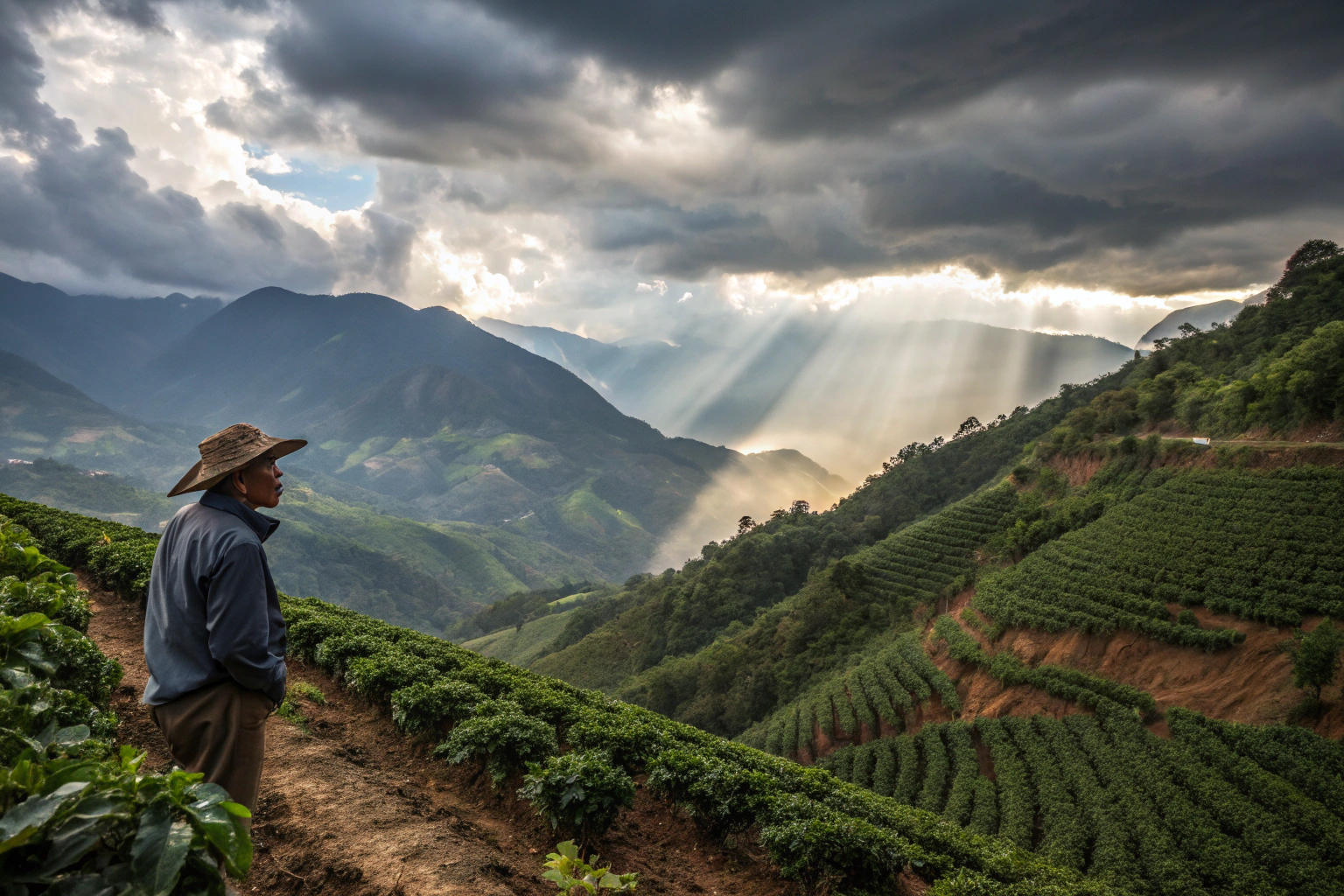
I stood in our fields last April watching rain fall that shouldn't have fallen. April is dry season in Yunnan. Always has been. But that day, rain poured during flowering. Our crop dropped 20 percent that year. My father said he'd never seen anything like it in 40 years. Now I've seen it three times in the last decade.
Weather affects Yunnan coffee production dramatically. Frost damages plants. Drought reduces cherry development. Rain during flowering prevents pollination. Hail destroys crops in minutes. Temperature swings alter bean density. At BeanofCoffee, we've learned to adapt, but weather remains the biggest variable we cannot control.
Let me walk you through how weather actually impacts our coffee. Because buyers often assume Yunnan coffee is consistent year after year. It's not. Weather creates vintage variation just like wine.
How Does Frost Threaten Yunnan Coffee?
January 2016. I'll never forget that morning. Temperature dropped to minus 2 degrees Celsius. In Yunnan. Coffee plants aren't made for freezing. Leaves turned black overnight. Cherries froze on branches. We lost 30 percent of that year's crop in one night.
Frost occurs in Yunnan's higher elevations when cold air settles during winter nights. Temperatures below 2 degrees Celsius damage leaves. Below zero kills branches. Severe frost can destroy entire plantations. We've lost millions of dollars to frost over the years.
Which areas are most vulnerable?
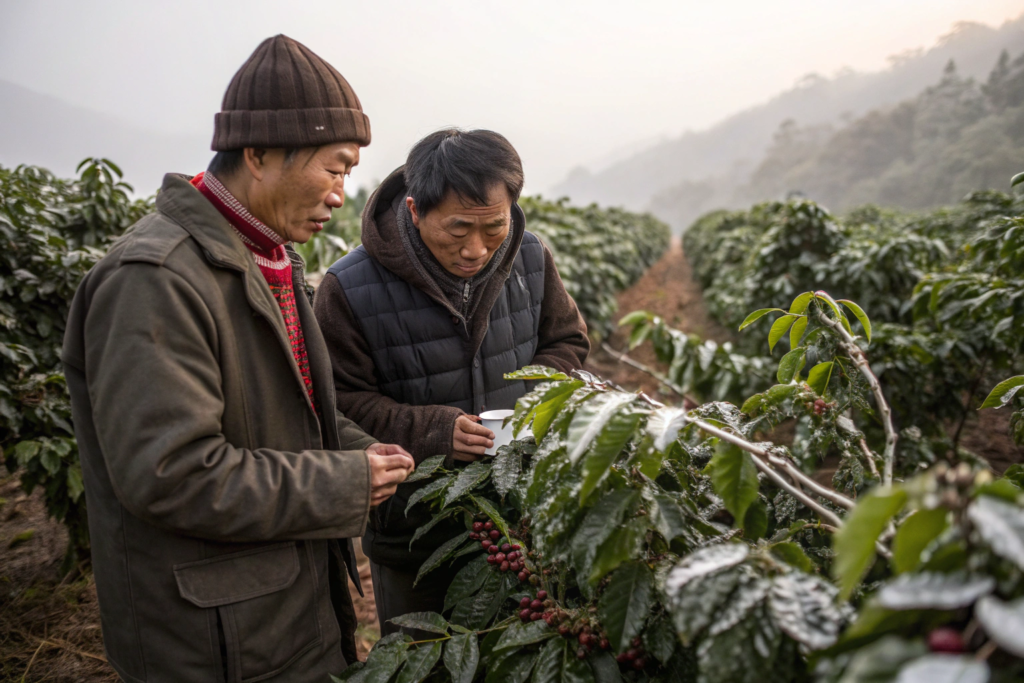
Higher altitude plantations face greatest risk. Above 1,400 meters, temperatures drop further at night. Valleys trap cold air. Hilltops stay warmer.
We've learned to map cold spots. Weather stations everywhere now. When forecast predicts freezing, we light fires, run wind machines, even spray water that forms protective ice. But sometimes nature wins. Check Yunnan coffee frost history for research on frost patterns and prevention.
Can frost-damaged coffee recover?
Plants can recover if damage isn't severe. Prune dead branches. Fertilize heavily. Wait for new growth. But that season's crop is gone. No recovery there.
Trees damaged badly may take two to three years to produce normally again. Some never fully recover. We've replaced entire blocks after bad frosts. Working with Shanghai Fumao helps us manage supply during recovery years.
What Happens When Drought Hits Yunnan?
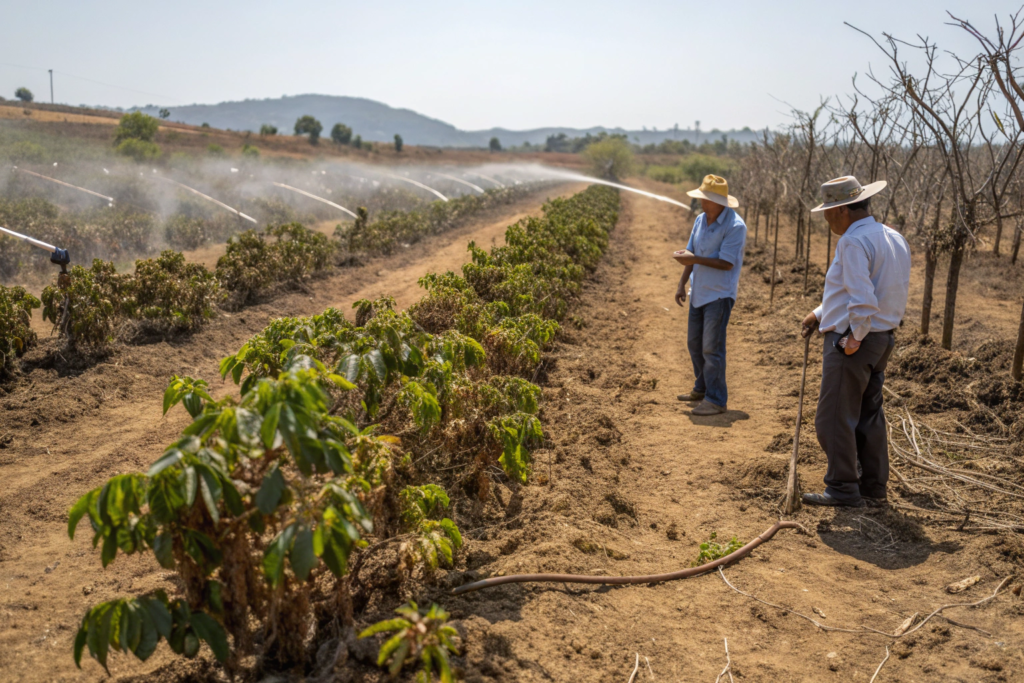
2019 was brutal. Rain stopped in February. Didn't return until June. Four months with almost nothing. Young trees died. Older trees dropped cherries early. Irrigation ponds ran dry. We watched our crop shrink day by day.
Drought during cherry development reduces bean size and increases defects. Severe drought stops cherry development entirely. Plants prioritize survival over reproduction. We've seen crop losses of 40 percent in extreme drought years.
How does drought affect cup quality?
Beans from drought years often taste different. Smaller beans roast faster. Flavors can be more concentrated—or harsh and unbalanced. It depends on timing.
Early drought reduces yield. Late drought during cherry filling reduces quality. The worst is drought during both. We cup every drought-year lot carefully and separate anything off-profile. Visit drought effects on coffee quality for scientific analysis of water stress impacts.
What irrigation options exist?
River water. Well water. Reservoir water. Each has limits. Rivers run low during drought. Wells go dry. Reservoirs empty.
We've built storage ponds across our farms. Catch rain during wet season, use during dry. But even ponds have capacity. When drought extends beyond design, we choose which blocks to save. Working with partners like Shanghai Fumao helps us prioritize quality over quantity.
How Does Rain During Flowering Reduce Crops?
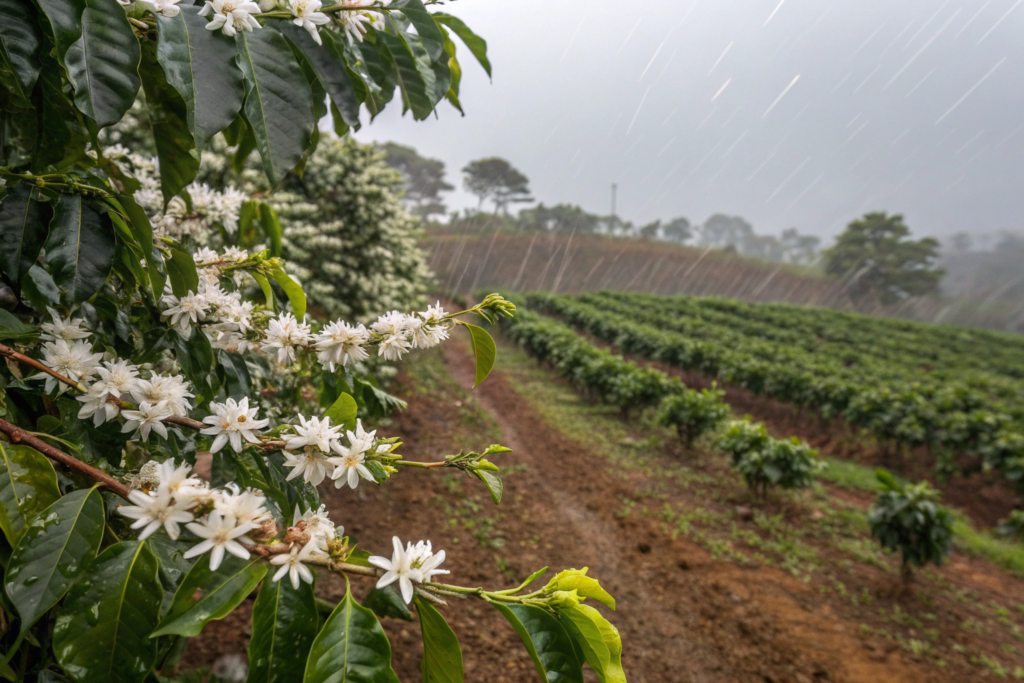
Flowering is the most vulnerable moment. Coffee flowers open for just two or three days. Pollination happens in that window. Rain during those days washes pollen away. No pollination means no cherries.
Rain during flowering can reduce potential yield by 50 to 80 percent in affected blocks. The damage is invisible until months later when cherries fail to develop. You don't know until it's too late to fix.
Can you predict flowering timing?
We try. Flowering follows rain after dry period. When first rain comes, we watch. Within 7 to 10 days, flowers appear. If more rain comes during that window, disaster.
We monitor forecasts constantly during flowering. If rain threatens, we do nothing—there's no solution. Just hope. Some years we get lucky. Some years we don't. Check coffee flowering phenology for research on predicting and managing flowering risks.
What about supplemental pollination?
Hand pollination exists but isn't practical at scale. Too many flowers, too little time. Some farms use bees in greenhouses. Open fields? Impossible.
We focus on planting diverse varieties that flower at slightly different times. Spreads the risk. If rain hits one variety's flowering, others might escape. Working with Shanghai Fumao helps us maintain variety diversity across our farms.
How Does Temperature Affect Bean Development?
Temperature drives everything. Too hot, beans develop too fast. Too cool, they never fully mature. Optimal range is narrow—18 to 24 degrees Celsius average. Yunnan sits at the edge of that range.
Higher temperatures speed cherry ripening but reduce bean density. Lower temperatures slow development but increase complexity. Climate change pushes temperatures up, forcing us to plant at higher elevations to maintain quality.

What happens when temperatures rise?
Faster maturation means less time for flavor development. Sugars concentrate less. Acids balance differently. Beans become softer, less dense.
We've measured density declines in lower plantations over 20 years. Same varieties, same locations, lower density now. We respond by moving Arabica higher, planting heat-tolerant Catimor lower. Visit temperature effects on coffee quality for long-term studies of warming impacts.
Can shade mitigate high temperatures?
Yes. Shade reduces temperatures by several degrees under canopy. That's why we've expanded shade cover dramatically. Coffee under shade maintains density better than coffee in full sun.
But shade isn't magic. It helps, but doesn't eliminate warming effects. And too much shade creates humidity problems. Balance is everything. Review shade management for climate adaptation for practical strategies.
What About Extreme Weather Events?
Typhoons don't hit Yunnan often. But when they do, damage is severe. 2015 typhoon brought winds that flattened trees, rain that eroded hillsides, flooding that washed away roads. We couldn't reach some blocks for weeks.
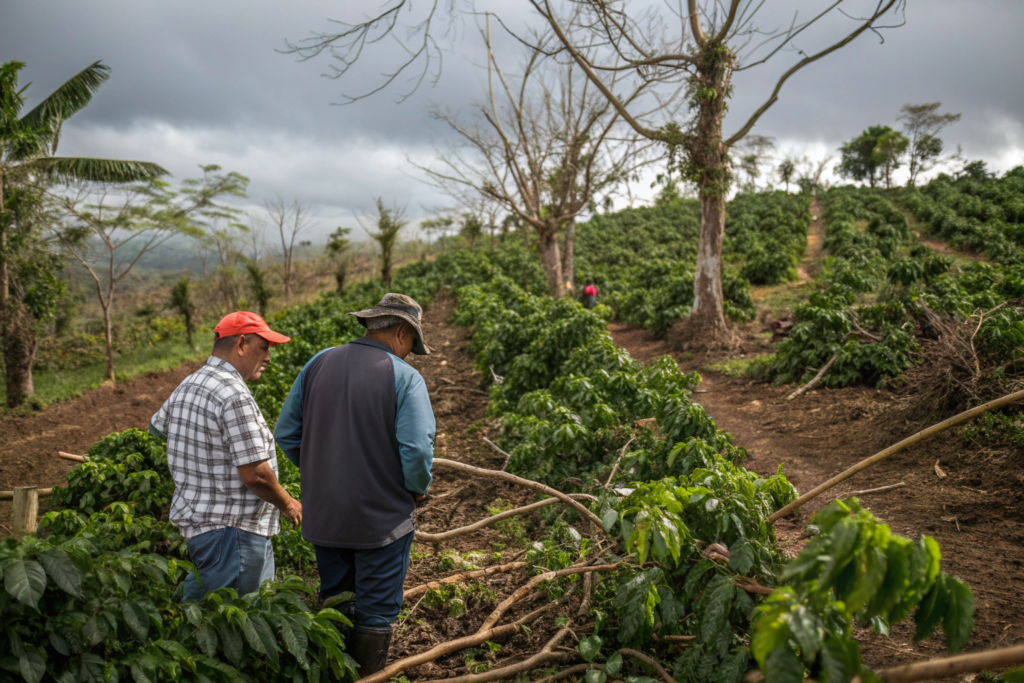
Extreme weather events are increasing. Hailstorms destroy crops in minutes. Wind storms break branches. Landslides bury plantations. These events are rare but catastrophic when they occur.
How do you prepare for extreme events?
You can't prepare fully. But you can reduce vulnerability. Wind breaks of taller trees protect coffee. Drainage systems prevent flooding. Road maintenance allows access after storms.
Insurance helps financially but doesn't replace lost trees. We insure our crop, but recovery takes years. Working with Shanghai Fumao provides financial stability during recovery periods.
What's the long-term outlook?
Climate models predict warmer, more variable weather for Yunnan. More extremes. Less predictability. We're adapting by diversifying varieties, expanding irrigation, increasing shade, and moving production to optimal zones.
But adaptation costs money. It requires investment in infrastructure, research, and training. Buyers who understand this support farmers who invest. Check climate change projections for Yunnan coffee for scientific forecasts.
Conclusion
Weather affects Yunnan coffee production profoundly. Frost kills. Drought shrinks. Rain ruins flowering. Heat softens beans. Storms destroy. Every year brings different challenges. Some years we celebrate record crops. Others we explain shortfalls.
At Shanghai Fumao, we've learned to adapt. We monitor constantly. We invest in protection. We diversify across elevations and varieties. But we cannot control weather. No farmer can.
When you buy from us, you get honest communication about weather impacts. We don't hide behind excuses. We explain what happened and what we're doing about it. That transparency builds trust that lasts beyond any single season.
If you want to understand current weather conditions in Yunnan and how they affect this year's crop, contact our export manager, Cathy Cai. She'll share our latest harvest reports, weather data, and quality forecasts. Email her at cathy@beanofcoffee.com. Tell her what origins you currently buy and how weather variability affects your planning. She'll respond within 24 hours with honest assessments from real farmers.