A buyer from Amsterdam called me last month. He'd bought a microlot advertised as "experimental anaerobic natural." Cost him triple his usual price. When he roasted it, the coffee tasted like fermented fruit—interesting, but nothing like what his customers expected. He wasn't sure if he'd been cheated or just didn't understand what he bought.
Traditional coffee processing includes washed, natural, and honey methods that have been used for generations. Experimental processing includes anaerobic fermentation, carbonic maceration, thermal shock, and other techniques borrowed from wine and beer production. The difference affects flavor dramatically—experimental can create unique profiles but also introduces more variability and risk.
Let me walk you through what these terms actually mean. Because processing terminology has exploded in recent years. Buyers hear "experimental" and think "premium." Sometimes true. Sometimes it's just a fancy name for inconsistent coffee.
What Defines Traditional Coffee Processing Methods?
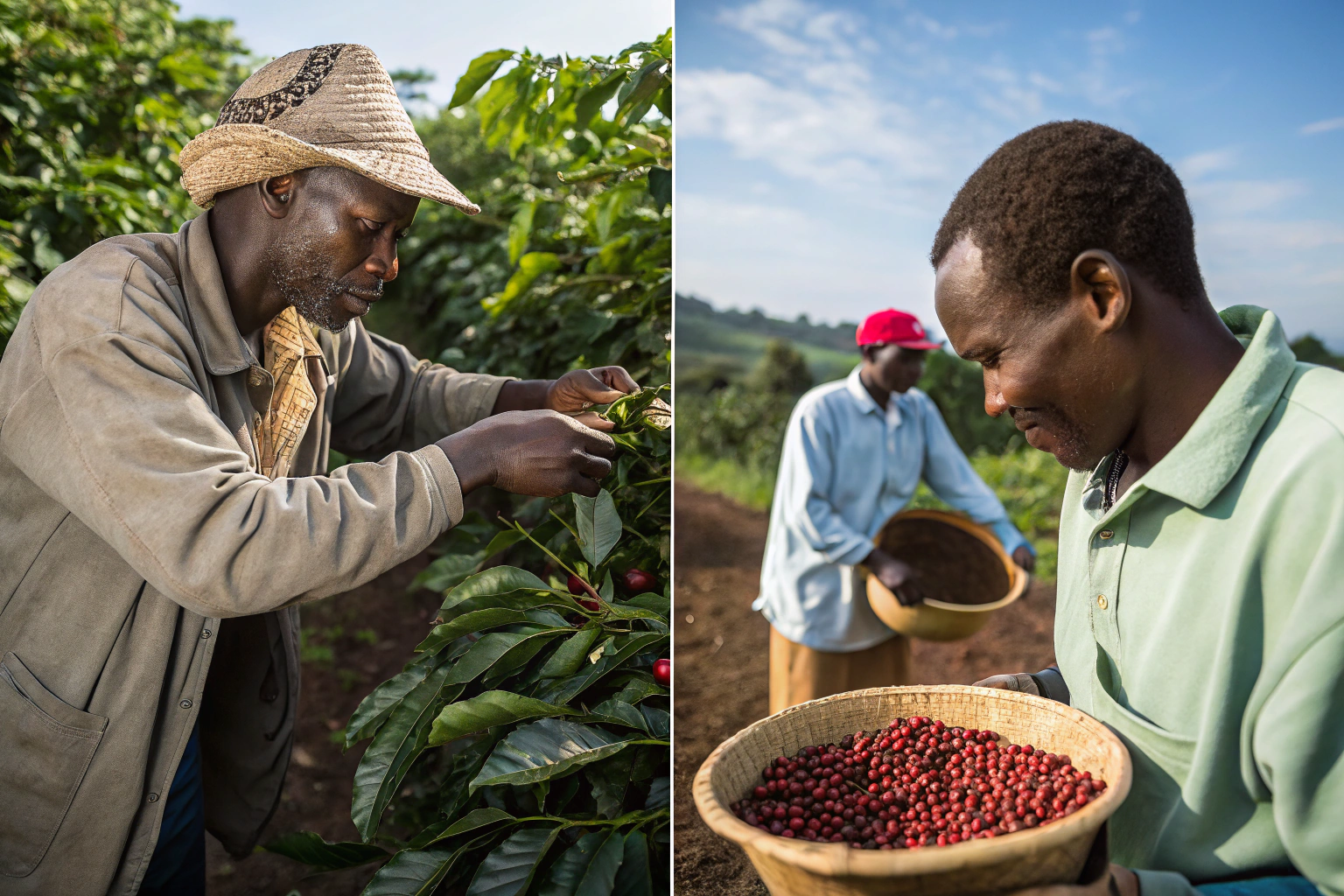
My grandfather processed coffee one way: wash, ferment, wash again, dry. That was it. If someone suggested putting cherries in sealed tanks with controlled oxygen levels, he'd have laughed. Traditional methods exist for a reason—they work reliably.
Traditional processing includes three main methods. Washed: remove fruit, ferment, wash, dry. Natural: dry whole cherry, then remove fruit. Honey: remove skin but leave some mucilage, then dry. These methods have been refined over centuries to produce predictable, repeatable results.

How does washed processing work?
Washed processing is the standard for specialty coffee. Cherries go through a depulper to remove skin and most fruit. Then beans ferment in water tanks for 12 to 48 hours to break down remaining mucilage. Finally, they wash clean and dry.
This method produces clean, bright, consistent coffee. Flavors reflect origin and variety clearly. Defects are easier to spot. But it uses lots of water and requires careful fermentation management. Check washed coffee processing guide for detailed step-by-step explanations.
What makes natural processing different?
Natural processing is simpler but riskier. Cherries spread on patios or raised beds to dry whole. Takes weeks, requires constant turning, and depends on weather. When done well, results are fruity, complex, full-bodied. When done poorly, they're fermented, moldy disasters.
Natural processing originated in regions with limited water. Ethiopia and Yemen perfected it over centuries. Now it's fashionable everywhere—but doing it well requires skill. Working with Shanghai Fumao connects you with producers who've practiced natural processing for generations.
What Qualifies as Experimental Coffee Processing?
Ten years ago, "experimental" meant trying different fermentation times. Today, it means controlling every variable—oxygen, temperature, pressure, microbes. Coffee processing now looks more like winemaking than traditional agriculture.
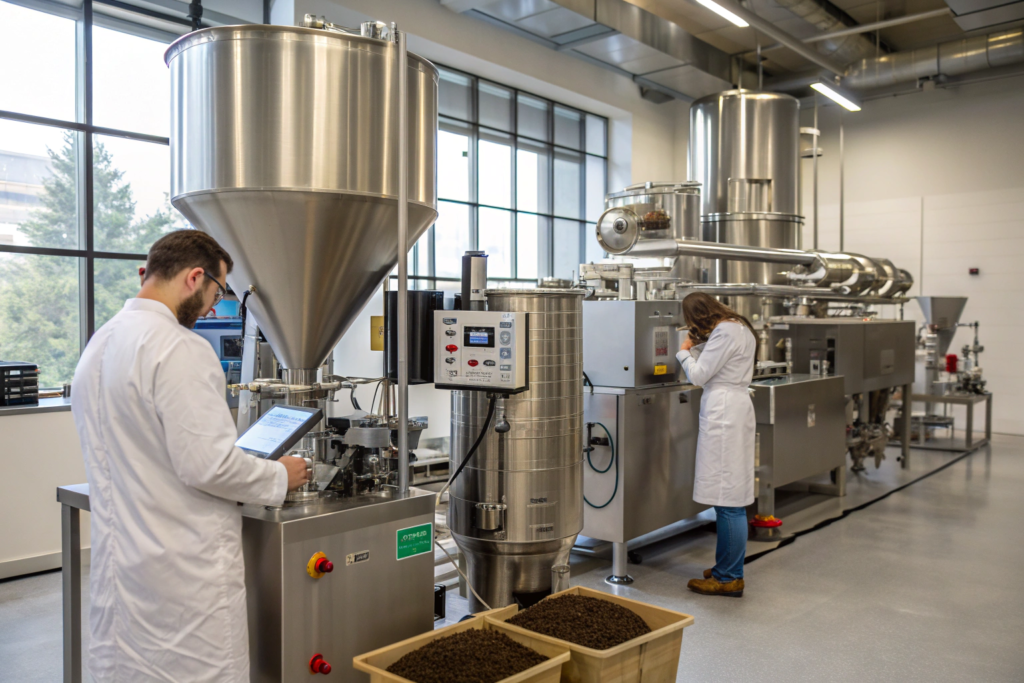
Experimental processing borrows techniques from wine, beer, and food science. Anaerobic fermentation seals cherries in oxygen-free tanks. Carbonic maceration uses CO2 to influence fermentation. Thermal shock rapidly changes temperature to affect enzymes. These methods create flavors impossible with traditional processing—but also introduce new risks.
What is anaerobic fermentation?
Anaerobic means "without oxygen." Cherries or depulped beans go into sealed tanks. Oxygen is removed or displaced with CO2. Fermentation happens in controlled conditions without exposure to air.
Results can be stunning—intense fruit, wine-like complexity, unusual aromatics. But results can also be terrible—overly fermented, vinegary, unbalanced. It's high-risk, high-reward processing. Visit anaerobic coffee processing research for scientific understanding of how oxygen absence changes fermentation chemistry.
How does carbonic maceration work?
Carbonic maceration comes from wine. Whole coffee cherries go into tanks filled with CO2. The CO2 pushes out oxygen. Inside cherries, enzymes break down cells without traditional fermentation. Flavors become intensely fruity, almost candy-like.
This method is expensive and requires precise control. Temperature matters. Pressure matters. Duration matters. Get it right, and coffee tastes like nothing else. Get it wrong, and you've wasted expensive cherries. Working with partners like Shanghai Fumao helps you find producers who've mastered these techniques.
How Do Processing Methods Affect Flavor?
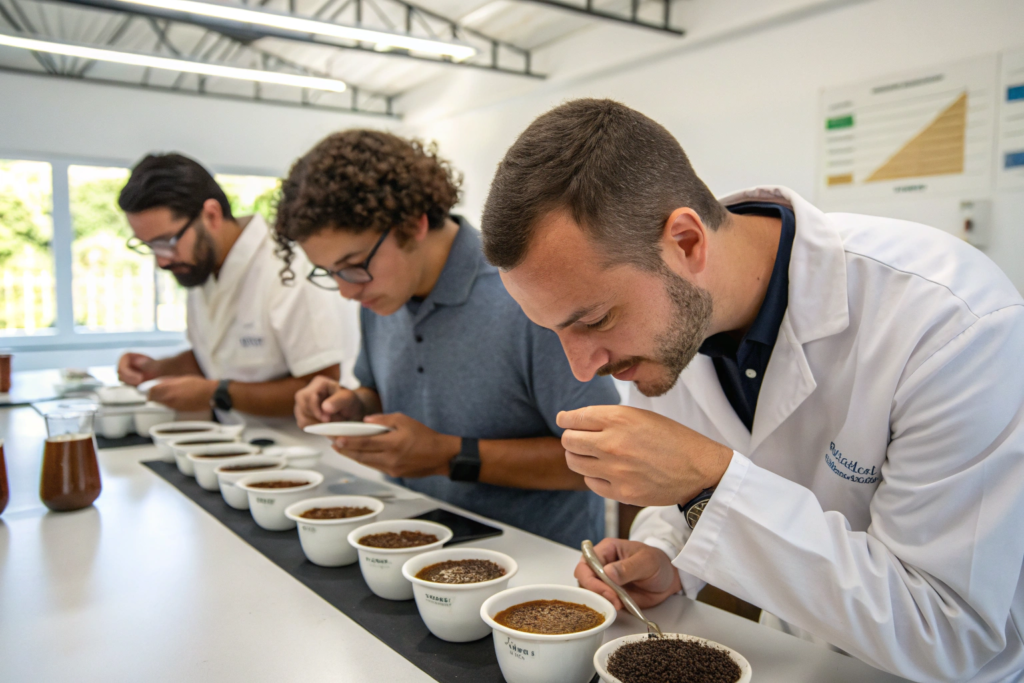
Flavor is why processing matters. Same bean, different processing, completely different cup. Understanding these differences helps you buy intentionally, not accidentally.
Washed processing highlights origin character—bright, clean, terroir-driven. Natural processing adds fruit, body, and complexity from extended contact with fruit. Honey methods fall between, adding sweetness without overwhelming fruit. Experimental methods can create flavors unrelated to origin—wine, tropical fruit, even whiskey notes.
What flavors come from traditional methods?
Washed: think clean, bright, tea-like. Acidity清晰, flavors defined. This is what most specialty buyers expect.
Natural: think berries, wine, jam. Body heavier, acidity softer. Some naturals taste like fermented fruit punch.
Honey: think brown sugar, caramel, medium body. Yellow honey lighter, red honey deeper, black honey almost natural-like. Check coffee processing flavor guides for detailed sensory profiles of each method.
What flavors can experimental methods create?
Anaerobic: think tropical fruit, yogurt, fermented complexity. Sometimes smells like passion fruit or even bubblegum.
Carbonic maceration: think red fruit, candy, intense sweetness. Like someone added fruit syrup to coffee.
Thermal shock: think floral, tea-like, delicate. Heating then cooling rapidly changes enzymes.
The challenge: these flavors are powerful. They can overwhelm coffee character. Some buyers love that. Others find it weird. Review experimental coffee sensory studies for professional tasting notes.
What Risks Come with Experimental Processing?
Experimental processing sells at premium prices. But premiums come with risks. Lots fail. Flavors vary. Consistency suffers. Buyers who don't understand these risks get burned.
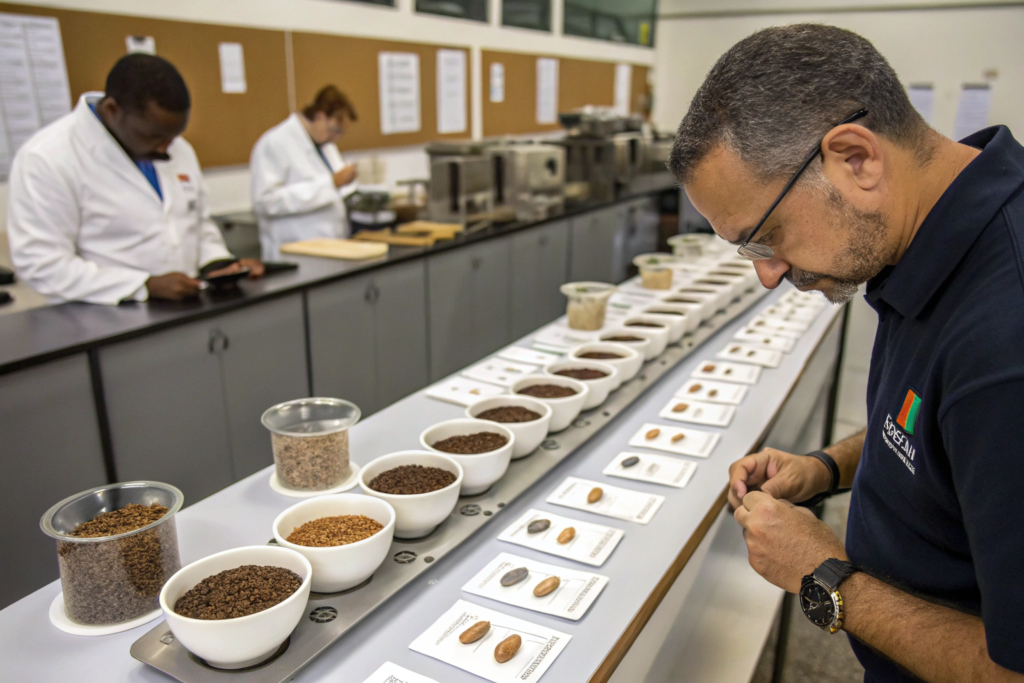
Experimental processing increases variability dramatically. Same farm, same variety, same week—different batches can taste completely different. Consistency requires meticulous control and extensive testing. Many experimental lots are one-offs that can't be reproduced.
Why do experimental lots fail?
Oxygen control fails. Temperatures spike. Fermentation goes too long. Microbes introduce wrong flavors. The margin between amazing and awful is tiny.
We've lost experimental lots ourselves. Invested time, money, hope. Then cupped them and dumped everything. It happens. The producers who succeed are those who accept failure as part of the process. Visit coffee processing failure analysis for common mistakes and how to avoid them.
Can you get consistent supply of experimental coffee?
Rarely. Experimental processing isn't scalable like traditional methods. Each batch is small, unique, and potentially unrepeatable. Next year's version might taste completely different.
If you need consistency for your core products, stick with traditional. Use experimental for limited releases, special offerings, or blend components where you can adjust each batch. Working with Shanghai Fumao helps you source experimental lots without disrupting your core supply.
How Do You Choose Between Traditional and Experimental?
No right answer exists. Both approaches have value. Both serve different purposes. Smart buyers use both strategically.
Use traditional processing for your core products where consistency matters. Use experimental for differentiation, marketing, and exploring new flavor possibilities. Allocate 80 to 90 percent of volume to reliable traditional methods, 10 to 20 percent to experimental exploration.
What questions should you ask about experimental lots?
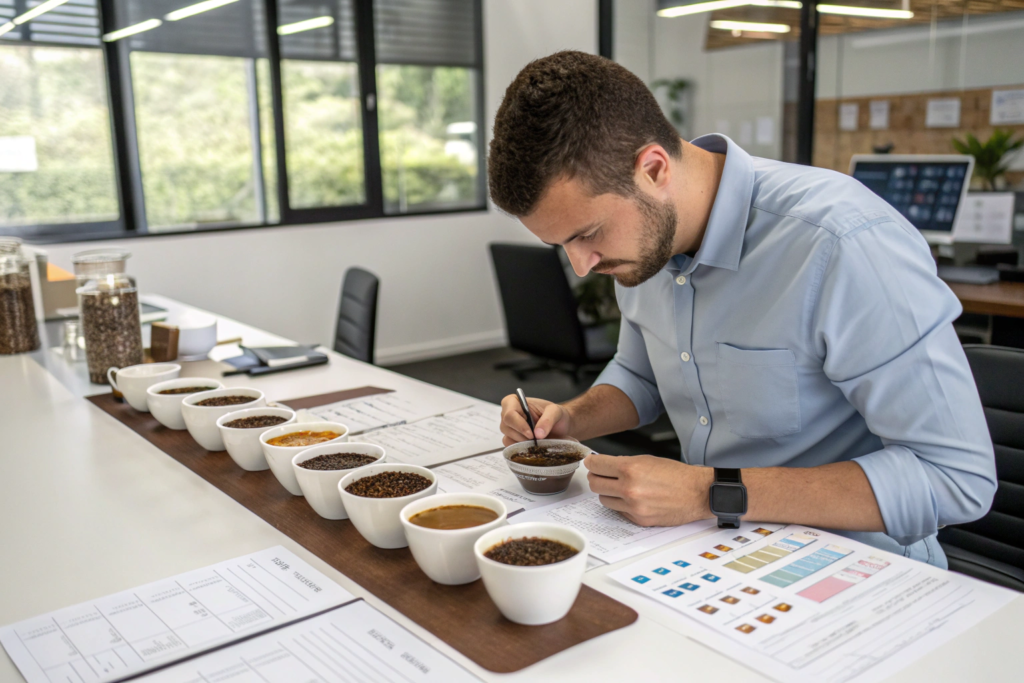
Ask for detailed processing protocols. Not just "anaerobic"—what temperature? How many hours? What yeast if any? What monitoring?
Ask for multiple samples from the same lot. Variability means one sample might not represent the whole.
Ask about repeatability. Can they produce similar next year? Or is this a one-time experiment?
Ask for cupping scores and tasting notes from multiple tasters. One person's "complex" might be another's "fermented." Review experimental coffee sourcing guidelines for professional due diligence checklists.
When does experimental make business sense?
When you need differentiation. When your customers seek novelty. When you're willing to accept variability for excitement.
When you're building brand stories. "Our exclusive anaerobic microlot" sells coffee. It creates buzz. It attracts adventurous drinkers.
When you're exploring future products. Maybe this experiment becomes next year's core offering. Maybe it teaches you something useful even if it doesn't sell. Visit coffee product development strategies for real-world examples of experimental commercial success.
Conclusion
Traditional processing provides reliability, consistency, and predictable flavors. Experimental processing offers excitement, uniqueness, and new possibilities. Neither is better—they're different tools for different jobs. Understanding the difference helps you buy intentionally, price appropriately, and market honestly.
At Shanghai Fumao, we offer both. Our traditional washed and natural lots deliver consistent quality year after year. Our experimental program explores new possibilities in small batches. We're transparent about which is which, how they're made, and what to expect.
If you want to explore our processing options, contact our export manager, Cathy Cai. She'll share samples of both traditional and experimental lots, explain our methods, and help you choose what fits your brand. Email her at cathy@beanofcoffee.com. Tell her what you're currently using and what you're curious about. She'll respond within 24 hours with honest answers and real samples.