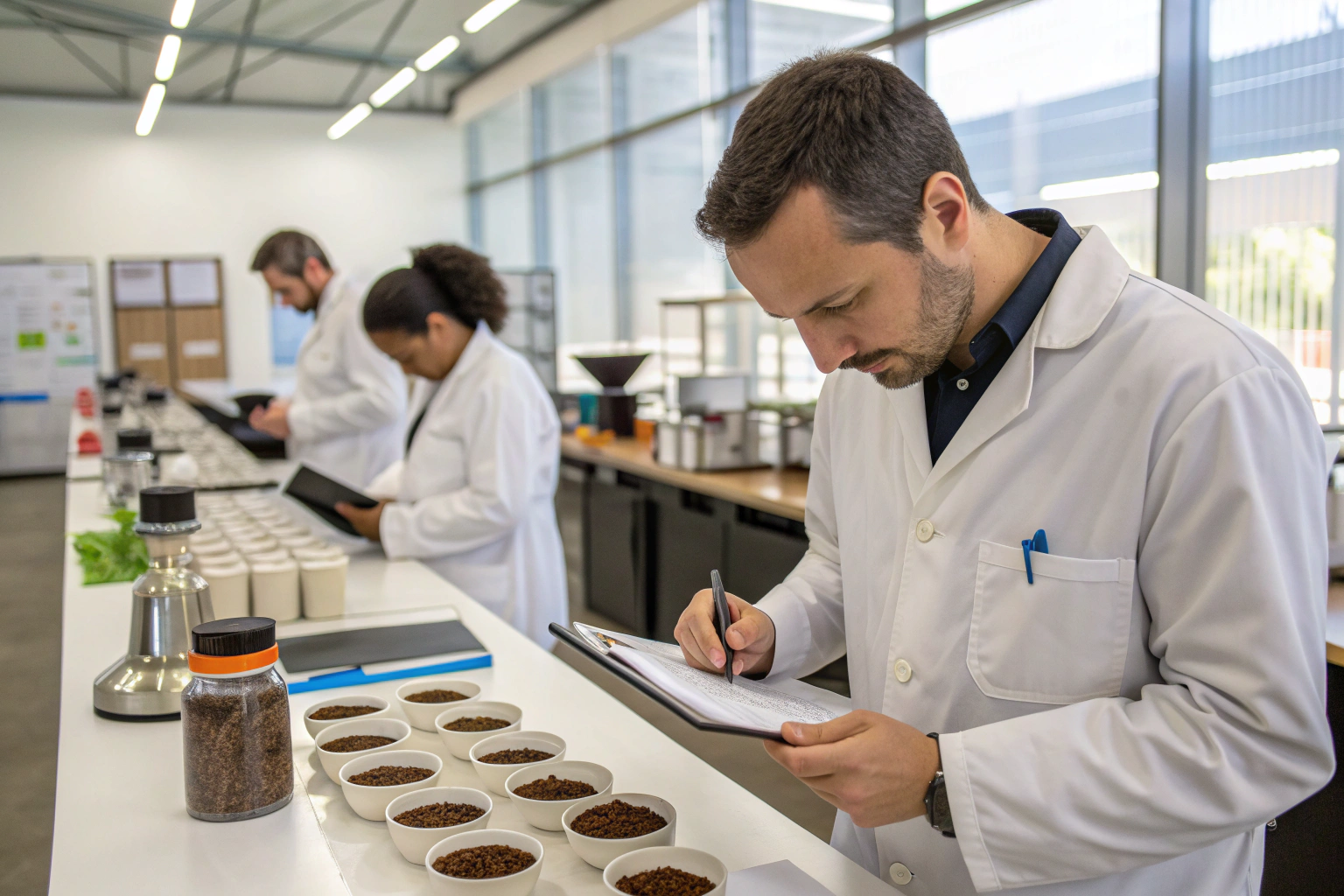
Last year, a roaster from Sydney sent me his lab results. His supplier claimed 85-point coffee. The lab confirmed it. But when he roasted it, the coffee tasted flat. Boring. Ordinary. He paid specialty prices for commercial beans. The lab report was wrong—or fake. He learned the hard way that not all labs are equal.
Reliable coffee testing laboratories hold ISO 17025 accreditation, employ Q-graders and certified technicians, use calibrated equipment, and provide detailed traceable reports. They don't just test—they document methods, share raw data, and explain results. At BeanofCoffee, we work exclusively with accredited labs and share all results transparently with buyers.
Let me walk you through what actually matters when choosing a coffee lab. Because test results only matter if you trust the tester. And trust requires proof, not promises.
What Certifications Prove a Coffee Lab Is Reliable?
I once visited a lab in Asia that claimed "international standards." Their equipment looked old. Their technicians couldn't explain their methods. Their certificates were photocopies. I walked out. Real labs prove themselves before you ask.
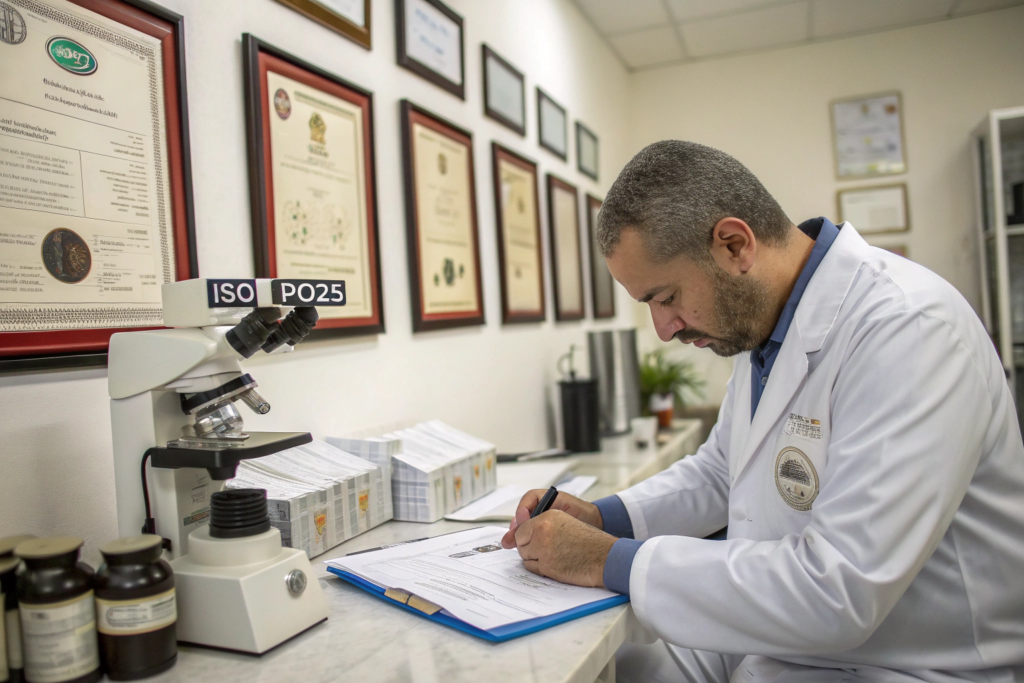
ISO 17025 accreditation is the gold standard for testing laboratories. It proves the lab meets international competence requirements. Look for current accreditation from recognized bodies like A2LA, UKAS, or CNAS. Without this, results mean nothing.
What specific coffee credentials matter?
Beyond general accreditation, coffee-specific credentials matter. Q-graders on staff. SCAA-certified cupping facilities. Experience with green coffee analysis specifically.
A lab that tests chemicals all day might not understand coffee defects. They'll give you numbers. But can they tell you what those numbers mean for your roast? For your blend? For your customers? Coffee knowledge matters as much as equipment. Check Coffee Quality Institute certified labs for directories of verified coffee testing facilities.
How do you verify a lab's claims?
Don't trust certificates on walls. Anyone can print those. Verify directly with accrediting bodies. Most publish directories of accredited labs online.
Call the accreditation organization. Ask if this lab is current. Ask when their last audit occurred. Ask if any complaints were filed. Public information exists—use it. Working with Shanghai Fumao gives you access to our pre-vetted lab partners, saving you verification time.
What Tests Should a Coffee Laboratory Perform?
Some labs test only moisture. That's not enough. Coffee quality involves dozens of factors. A reliable lab tests comprehensively—or tells you honestly what they can't test.
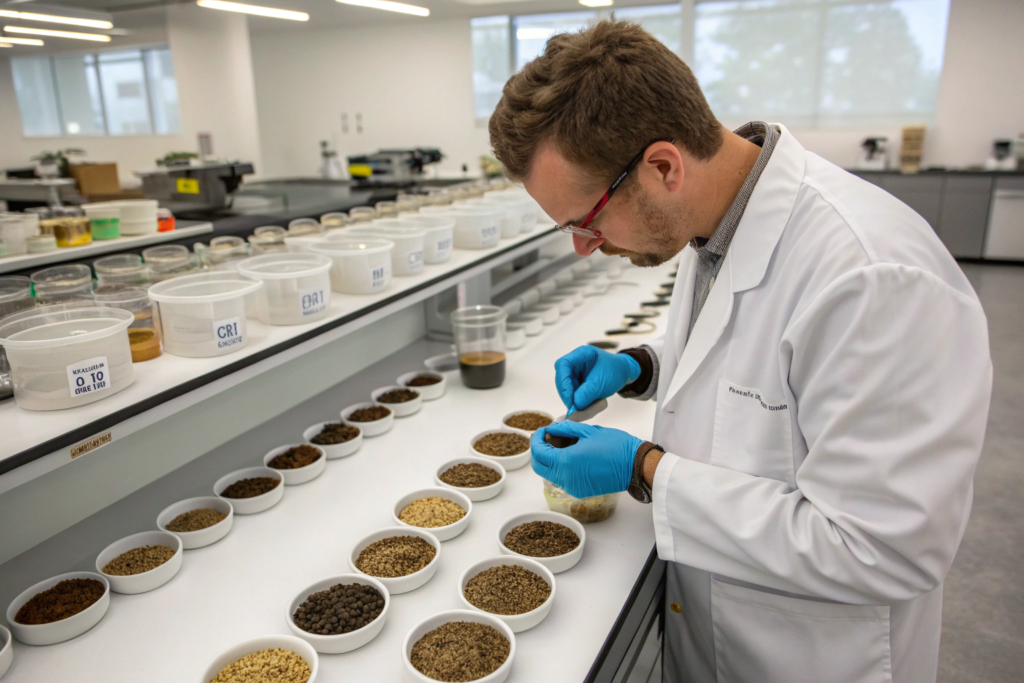
Comprehensive coffee testing includes moisture content, water activity, density, screen size distribution, defect count, color analysis, and sensory evaluation. For specific concerns, labs should offer pesticide residue testing, mycotoxin screening, and genetic origin verification.
What physical tests matter most?
Moisture content is table stakes. Every lab should provide this accurately. But density testing reveals more—dense beans roast differently, store longer, taste better.
Screen size distribution affects roast consistency. Defect counts determine grade. Color analysis indicates age and processing quality. A good lab provides all this data in one report, not piecemeal. Visit green coffee analysis standards for complete lists of recommended physical tests.
When should you request chemical testing?
Chemical testing costs more. Use it strategically. Pesticide residue testing matters for organic certification. Mycotoxin screening matters if you've seen mold risks. Heavy metal testing matters for certain origins.
We test chemically for every new supplier, then periodically for ongoing sources. Random spot checks catch problems before they become disasters. Review coffee chemical analysis guidelines for regulatory requirements in your destination country.
How Do You Verify Laboratory Results Independently?
One lab's results mean something. Two labs' matching results mean everything. Smart buyers don't trust single sources. They verify through redundancy.
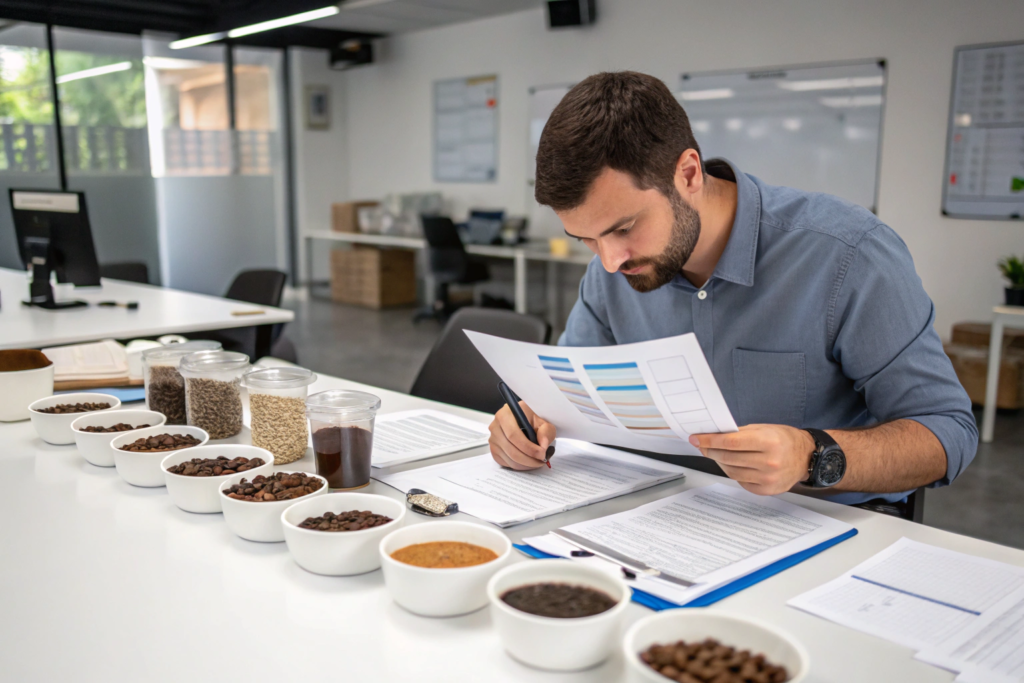
Split samples between two accredited labs periodically. Compare results. If they match closely, both are reliable. If they diverge significantly, investigate why. This simple practice catches errors before they cost you money.
How often should you cross-verify?
For core suppliers, verify annually. For new suppliers, verify every shipment for the first year. After trust builds, reduce frequency but never stop completely.
We encourage all our buyers to send samples to their own labs. We provide the coffee. They pay for testing. If their results match ours, confidence grows. If they differ, we discuss why. Transparency beats hiding every time. Working with partners like Shanghai Fumao means we welcome independent verification—we have nothing to hide.
What do you do when results conflict?
First, check sampling methods. Different samples from different parts of the same lot can vary naturally. Maybe both labs are right about their specific samples.
If sampling matches but results conflict, send to a third lab as tiebreaker. Use this result to discuss with your supplier. Maybe their lab is wrong. Maybe yours is. The truth emerges through comparison. Visit coffee laboratory intercomparison programs for professional round-robin testing options.
What Questions Should You Ask Potential Coffee Labs?
Choosing a lab is like choosing a supplier. You interview them. You check references. You test their work. Don't assume all labs are competent—prove it.
Ask about sample preparation methods, equipment calibration schedules, technician qualifications, turnaround times, and reporting formats. Request references from other coffee companies. Send blind samples for testing before committing. A good lab welcomes scrutiny.

What should sample preparation include?
Ask exactly how they prepare samples. Do they use riffle splitters for representative sampling? Do they grind for moisture testing immediately? Do they rest samples before cupping?
Poor preparation ruins accurate testing. Beans left open too long gain moisture. Ground samples left sitting oxidize. A lab that rushes preparation produces unreliable results. Check sample preparation standards for coffee for official methods.
How do they handle equipment calibration?
Calibration matters enormously. Moisture meters drift. Scales lose accuracy. Spectrometers need reference standards. Ask for calibration logs.
A good lab calibrates daily against known standards. They document every calibration. They can show you records. If they can't, their results might be guesses dressed as data. Review laboratory equipment calibration requirements for industry best practices.
How Do You Interpret Coffee Laboratory Reports?
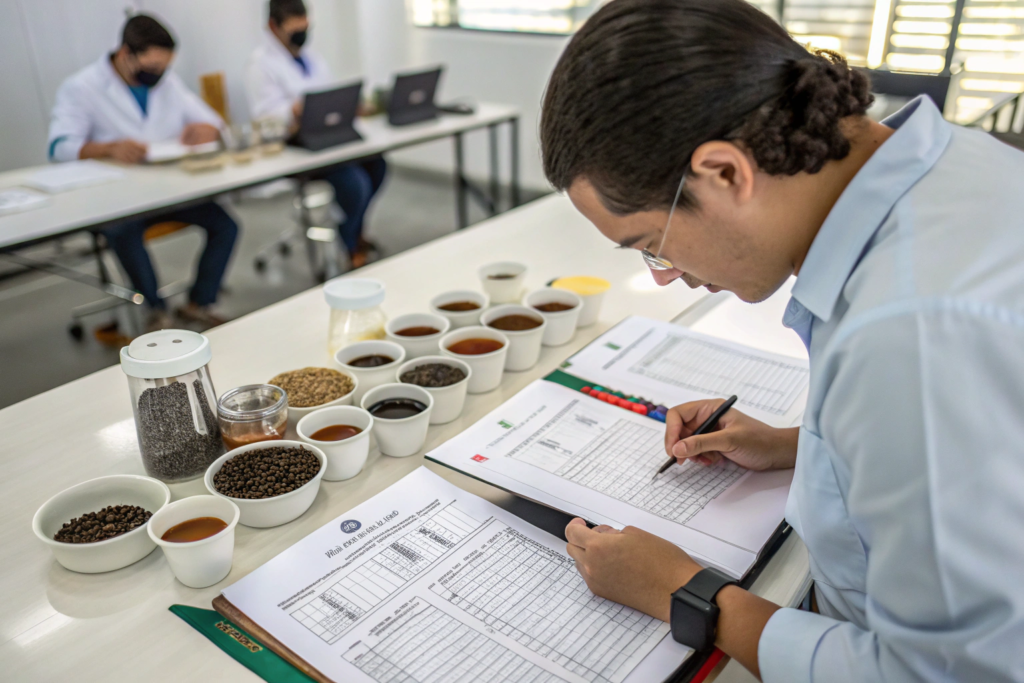
Data without interpretation is useless. A reliable lab doesn't just give numbers—they explain what numbers mean for your specific use. They answer questions. They provide context.
Look for reports that include reference ranges, not just raw numbers. "Moisture: 11.2 percent" means little without "Optimal range: 10-12 percent." Good reports help you understand results, not just read them.
What do acceptable ranges look like?
Moisture: 10 to 12 percent for green coffee. Below 10 means old or overdried. Above 12 means mold risk.
Water activity: below 0.70 for safe storage. Above 0.70, microbial growth accelerates.
Density: 0.65 to 0.85 g/mL depending on variety. Hard beans denser, soft beans less dense.
Screen size: depends on your roast profile. Larger beans roast slower, smaller beans faster. Visit green coffee specification guides for complete reference ranges.
How do you connect lab results to cup quality?
Lab results predict cup quality but don't guarantee it. High density often means better flavor potential. Low defects mean cleaner cup. But roasting matters. Brewing matters. Water matters.
Use lab results as screening tools. Reject lots outside specs. Then taste the ones that pass. Let your palate make final decisions. Working with Shanghai Fumao means you get both laboratory data and samples—test with instruments, confirm with taste.
Conclusion
Reliable coffee testing laboratories protect your business. They catch problems before you ship. They verify supplier claims. They document quality for your customers. But only if they're truly reliable. Accreditation proves competence. Comprehensive testing provides complete picture. Independent verification builds confidence. Interpretation turns data into decisions.
At Shanghai Fumao, we partner with multiple accredited labs. We test every lot thoroughly. We share all results openly. We welcome your verification. Because our goal isn't to convince you—it's to prove to you that our coffee meets your standards.
If you want to discuss how we test our coffee or need recommendations for labs in your region, contact our export manager, Cathy Cai. She'll share our testing protocols and lab partners. Email her at cathy@beanofcoffee.com. Tell her what testing questions you have or what verification challenges you've faced. She'll respond within 24 hours with honest answers from real experience.