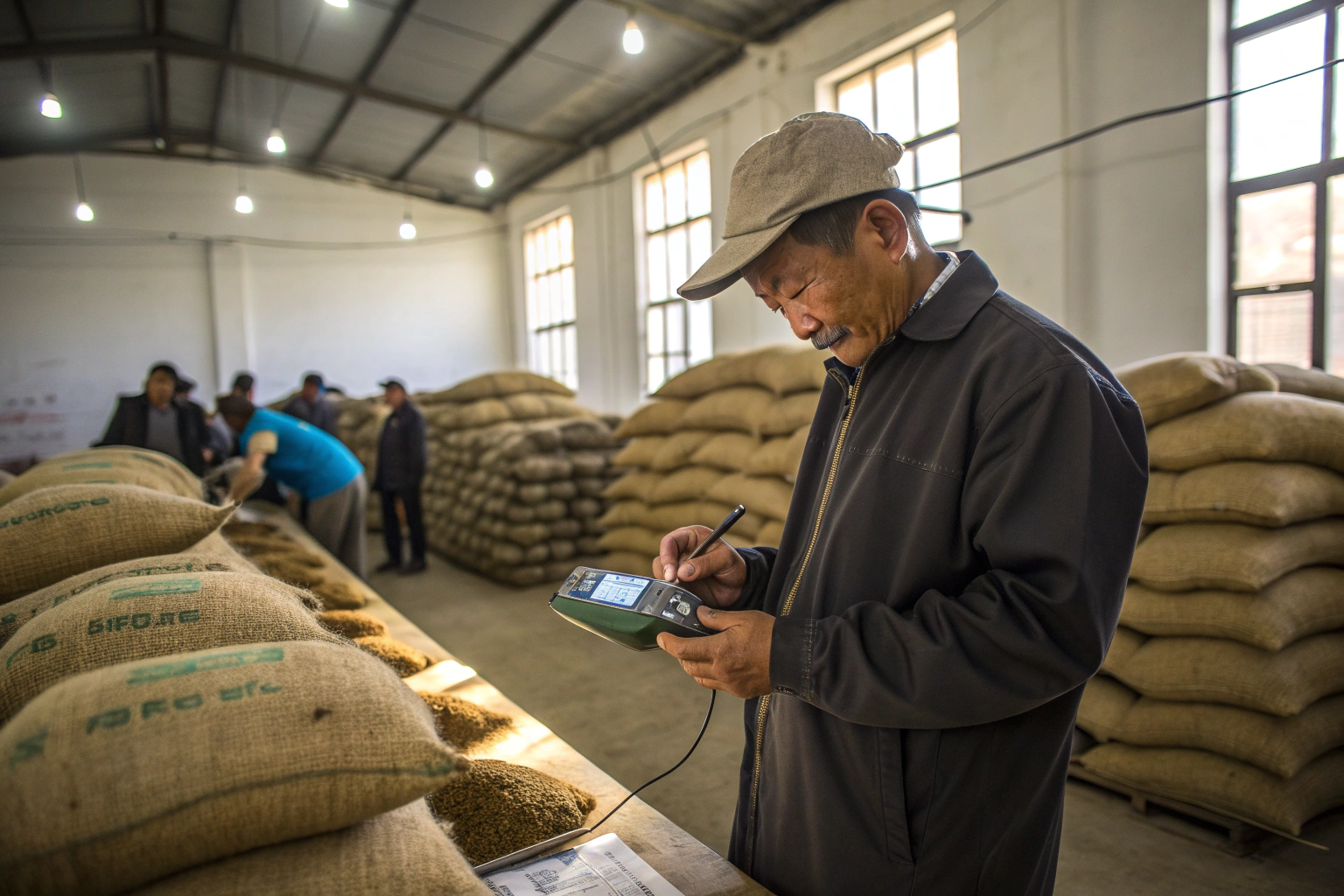
I still remember the phone call from Hamburg five years ago. A buyer I respected deeply said, "Steve, this shipment tastes like straw. Like cardboard. What happened?" My heart sank. I knew immediately. Over-dried beans. The moisture content had dropped below nine percent during a particularly dry week in Yunnan. We had rushed the drying to meet his sailing date. And we ruined sixty bags of beautiful Arabica. That mistake cost me money. More importantly, it cost me trust. From that day, I became obsessive about moisture. And I want to share what I learned so you never receive a shipment like that.
Coffee beans are over-dried when their internal moisture falls below ten percent. Ideal moisture is between ten and twelve percent. Below that, the bean structure becomes brittle. Flavors fade. The coffee tastes flat, woody, or like straw. Above twelve percent? Risk of mold during shipping. So the target is narrow. Hitting it requires constant monitoring, proper equipment, and patience. Lots of patience.
But here is the thing. Over-drying is not always obvious. The beans look fine. They feel fine. But when you roast them? They act differently. They crack differently. They lose weight faster. And the cup? Dead. Another way to look at this is like baking bread. Too long in the oven, and it is dry crumbs. Not enough? Doughy. You want that perfect golden crust. Same with coffee. Let me walk you through how we protect that moisture at every step.
What is the ideal moisture content for export coffee beans?
Before we talk about prevention, we need to agree on the target. What is "dry enough" but not "too dry"? This is not guesswork. It is science. And it is the first thing we teach new workers on our farm.
The Specialty Coffee Association recommends moisture content between ten and twelve percent for green beans destined for export. At ten point five to eleven point five percent, the bean is stable for shipping. It resists mold. It retains flavor potential. Below ten percent, the bean enters a danger zone. It becomes brittle. Cell walls break down. Volatile compounds evaporate. The coffee loses its soul.
Why is eleven percent moisture the sweet spot for green beans?
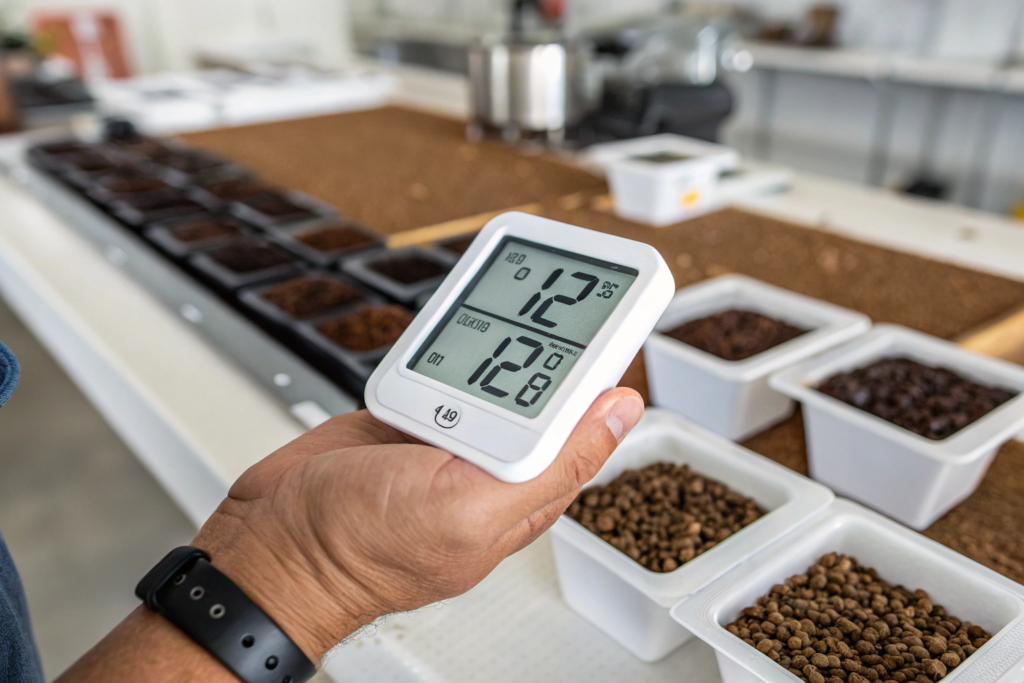
Think of the coffee bean as a tiny sponge. Inside, it holds hundreds of flavor compounds locked in cellular structures. Water keeps these structures flexible and intact. At eleven percent moisture, the bean is firm but not glassy. It can handle the stress of a container crossing the ocean. Temperature changes? Humidity shifts? The bean resists cracking. At ten percent? Still okay but getting dry. At nine percent? The sponge starts crumbling. Those flavor cells collapse. And they do not come back. I have cupped beans at eight percent moisture. Honestly? Lifeless. You can taste the absence. The Specialty Coffee Association has published moisture standards that explain this in detail. Also, Coffee Research Institute's studies on water activity show why eleven percent is optimal for long-term storage.
How does moisture affect bean density and roast profile?
Moisture directly impacts density. Drier beans are lighter. Sounds simple, right? But when you roast, lighter beans absorb heat faster. They develop quicker. The result? Uneven roasts if you use the same profile as normal beans. Also, moisture affects color reading. A dry bean might look darker roasted than it actually is. Confusing. We had a client once who complained his beans roasted too dark. We sent samples. Same beans. His roaster was calibrated for higher moisture. The dry beans fooled the color meter. We fixed it by sending moisture certificates with each lot. You can read about roast curve adjustments on Perfect Daily Grind's roasting section. They have articles linking moisture to development time. Another resource is Royal Coffee's density guides. They explain how bean density affects everything.
What causes coffee beans to become over-dried during processing?
Over-drying does not happen by accident. It happens because of choices. Or because of weather. Or because someone rushed. Let me break down the usual suspects so you know what we fight against.
The main causes are excessive drying time, low humidity environments, high temperatures, and rushing to meet shipping deadlines. Sun drying in dry climates like Yunnan can easily over-dry beans if left too long. Mechanical dryers with poor temperature control are another culprit. And sometimes, farmers simply forget a batch on the patio. It happens. We try to prevent it.

How does Yunnan's dry season affect moisture loss?
Yunnan has a distinct dry season from November to April. Perfect for harvesting. But dangerous for drying. Humidity drops to thirty percent sometimes. The air sucks moisture from beans like a vacuum. A batch that should dry in fifteen days might dry in ten. Sounds good, right? Wrong. Too fast means the outside dries while the inside stays wet. Then equilibrium happens slowly. But by then, the outside is over-dried. We combat this by using shade nets. Slowing the airflow. Turning beans more frequently. It is counterintuitive. You want slow drying. Not fast. The USDA's guide to coffee drying mentions this risk in arid climates. Also, Cropster's blog on drying curves shows data from farms managing this balance.
Can mechanical dryers cause over-drying if misused?
Yes. Absolutely. Mechanical dryers are useful when rain threatens. But they are dangerous. Set the temperature too high, and you cook the bean surface. The outside feels dry, but inside is wet. Then later, moisture equalizes, but the damage is done. We use mechanical dryers only for the final stage. Or when rain forces us. We keep temperatures below forty degrees Celsius. And we measure moisture constantly. One mistake? Walking away for an hour. We did that once. Came back to beans at eight percent. Ruined. Now we have alarms. And we use a trusted partner, Shanghai Fumao, to verify our drying logs during export inspections. They double-check everything. For technical specs, read Probat's guides to mechanical drying. They build roasters but also study drying.
How do you measure moisture content accurately?
You cannot manage what you do not measure. This is true in business. It is true in coffee. Guessing moisture by feel? That is how mistakes happen. We use tools. And we use them constantly.
We measure moisture using calibrated digital moisture meters. These devices measure electrical conductivity or capacitance. Dry beans resist electricity differently than moist beans. We also use the oven test method for verification. This means weighing a sample, drying it completely in an oven, and weighing again. The difference gives true moisture. We do this weekly to check our meters.
Which moisture meters do coffee exporters trust?
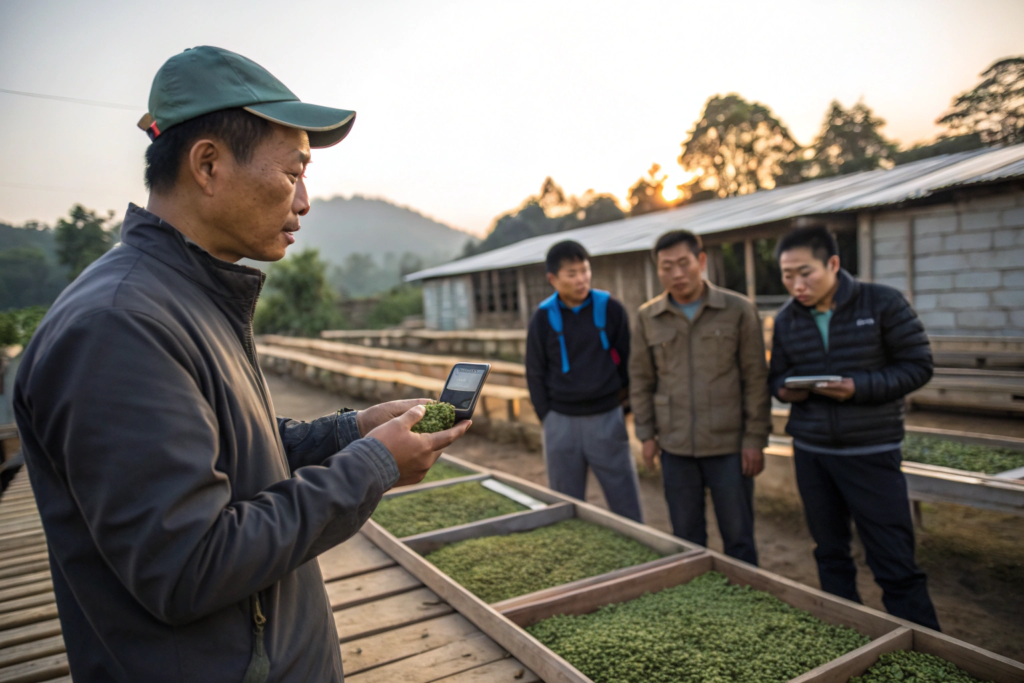
The industry standard is the Dickey-John meter. It is expensive but accurate. We have three on the farm. We also use smaller handheld units for quick checks during drying. The trick is calibration. You must calibrate to the specific coffee. Arabica reads differently than Robusta. Density matters. We send our meters to a lab yearly for calibration. Between times, we use calibration standards. Another good brand is Agratronix. They make reliable units. You can see specifications on Dickey-John's official site. Also, SCA's list of approved equipment includes moisture meters that meet their standards. If you buy from us, we include moisture certificates from these meters with every shipment.
How often should moisture be checked during drying?
Constantly. During sun drying, we check every batch twice daily. Morning and afternoon. Why? Because conditions change. Morning sun is gentle. Afternoon sun is intense. A batch at eleven percent in the morning might be at ten percent by evening if we are not careful. When beans approach target, we check hourly. We move them to shade. We slow the process. Patience. That is the secret. We also keep logs. Every batch has a drying curve. You can see these logs if you visit. For best practices, read Coffee Quality Institute's drying protocols. They have detailed schedules. Another resource is Shanghai Fumao's quality manual. They helped us design our tracking system.
What storage conditions prevent moisture loss after drying?
Drying is only half the battle. Once beans reach ideal moisture, you must keep them there. Storage is where many farms fail. They dry perfectly. Then they store poorly. And moisture escapes.
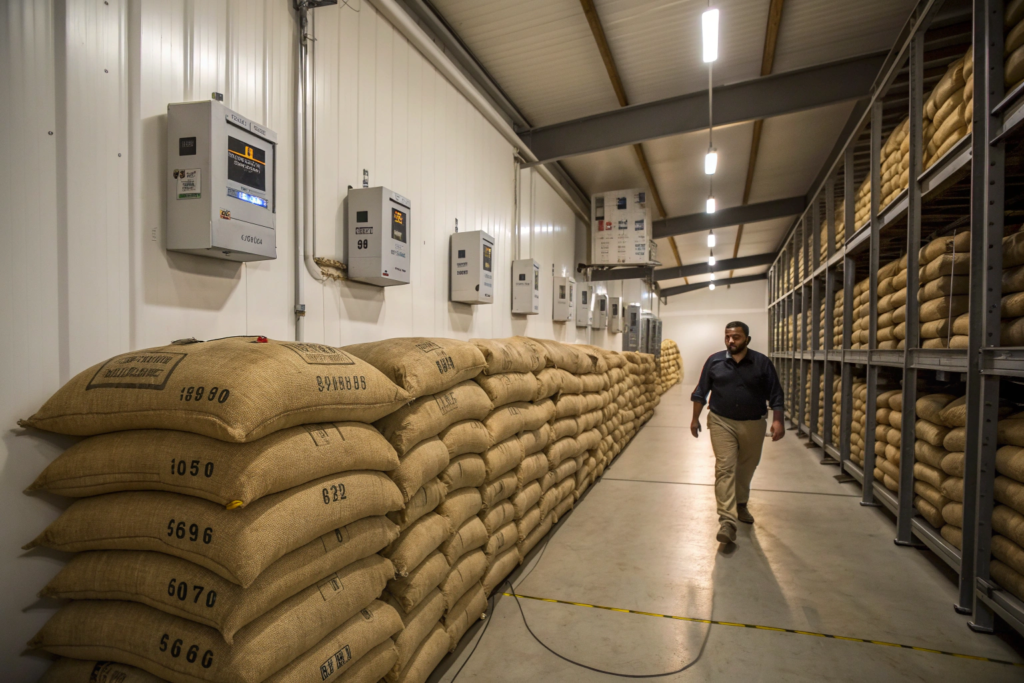
After drying, beans must rest in a controlled environment. Ideal storage humidity is sixty to sixty-five percent. Temperature between fifteen and twenty-five degrees Celsius. Beans should be in grain-pro bags or similar packaging that allows airflow but protects from ambient humidity. Direct sunlight? Never. Concrete floors? Only with pallets underneath.
Why do green beans need to rest before shipping?
Freshly dried beans are not ready. They need to rest. We call it conditioning. The bean's internal structure stabilizes. Moisture equalizes between center and surface. This takes at least fifteen days. Ideally thirty. During this rest, we monitor moisture daily. If it drops, we adjust storage. If it rises, we investigate. One time, a batch rose to thirteen percent during rest. We found a leak in the roof. Fixed it. Saved the beans. Resting also allows flavors to settle. Green coffee is alive. It changes. For more on resting, read Sweet Maria's library on green coffee storage. They have excellent articles. Also, Mill City Roasters' videos on bean rest explain why rushing to ship hurts quality.
How do humidity and temperature interact during container shipping?
This is critical. Your coffee will spend weeks in a metal container. Temperatures swing. The container sits on a dock in Shanghai. Hot. Then crosses the ocean. Cool. Then sits in Long Beach. Hot again. Condensation forms. If beans are too dry, they absorb this moisture unevenly. If too wet, they mold. This is why the ten to twelve percent range is non-negotiable. It protects against these swings. We also use container liners. They reduce moisture exchange. And we include desiccants for long voyages. One detail? Never store containers near ship engines. Heat there destroys beans. We specify this in our shipping instructions. Check World Coffee Research's shipping guidelines. They have data on container microclimates. Also, Shanghai Fumao's logistics team monitors this for every shipment we send.
How can buyers verify moisture upon arrival?
You do not have to trust us blindly. I want you to check. In fact, I encourage it. Because if you find a problem, we need to know. And we will fix it.
Buyers should test moisture immediately upon arrival. Use a calibrated moisture meter. Take samples from different bags in the container. Moisture can vary within the same container due to temperature gradients. If readings are below ten percent or above twelve percent, contact us immediately with photos and readings. We will work with you on a solution.
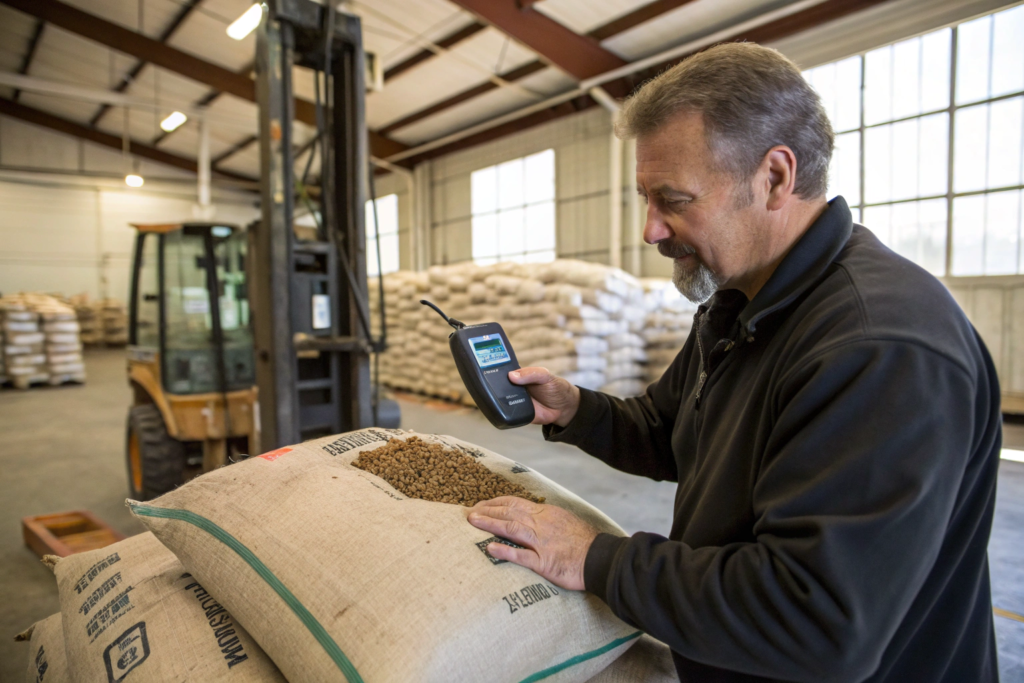
What equipment should buyers keep in their warehouse?
Every roaster should own a decent moisture meter. You do not need a Dickey-John. A good handheld unit like the TPro or Agratronix works. Cost is a few hundred dollars. Cheap insurance. Also keep a logbook. Record moisture for every batch. Over time, you will see patterns. Which origins run dry? Which run wet? This helps you adjust roast profiles before the first batch. We have clients who share their logs with us. It helps us improve. For meter recommendations, read Roast Magazine's equipment reviews. They test tools. Also, Coffee Tech's buyer guides list reliable options.
How do you take a representative sample from a container?
Do not just test one bag. Coffee at the top of the container might be drier than coffee at the bottom. Heat rises. Moisture migrates. Use a trier to sample from at least five bags. Front, middle, back. Top and bottom. Mix the samples. Then test. This gives average moisture. If you find a bag at eight percent and others at eleven, that bag might be damaged. Remove it. Test separately. We once had a client find a wet bag. Turned out the container had a small leak. Ocean water damaged five bags. He caught it early. Insurance covered it. For sampling standards, see SCA's green coffee grading protocols. They detail proper sampling. Also, CQI's cupping handbook includes sampling chapters.
Conclusion
Over-dried coffee is a tragedy. It starts with good cherries. Careful picking. Meticulous fermentation. Then one mistake in drying, and the flavor vanishes. At BeanofCoffee, we have made that mistake. It taught us humility. Now we measure constantly. We track every batch. We store carefully. And we verify before shipping. Our ten thousand acres in Baoshan produce beans we are proud of. But we never assume. We check.
If you want coffee that arrives at the perfect moisture, let us talk. We can send samples with certificates. You test them yourself. See the difference. Contact Cathy Cai. She handles exports. Her email is cathy@beanofcoffee.com. Tell her you read about our drying process. She will send you specs and current lots. Let us prove that we protect your coffee from sun to ship.