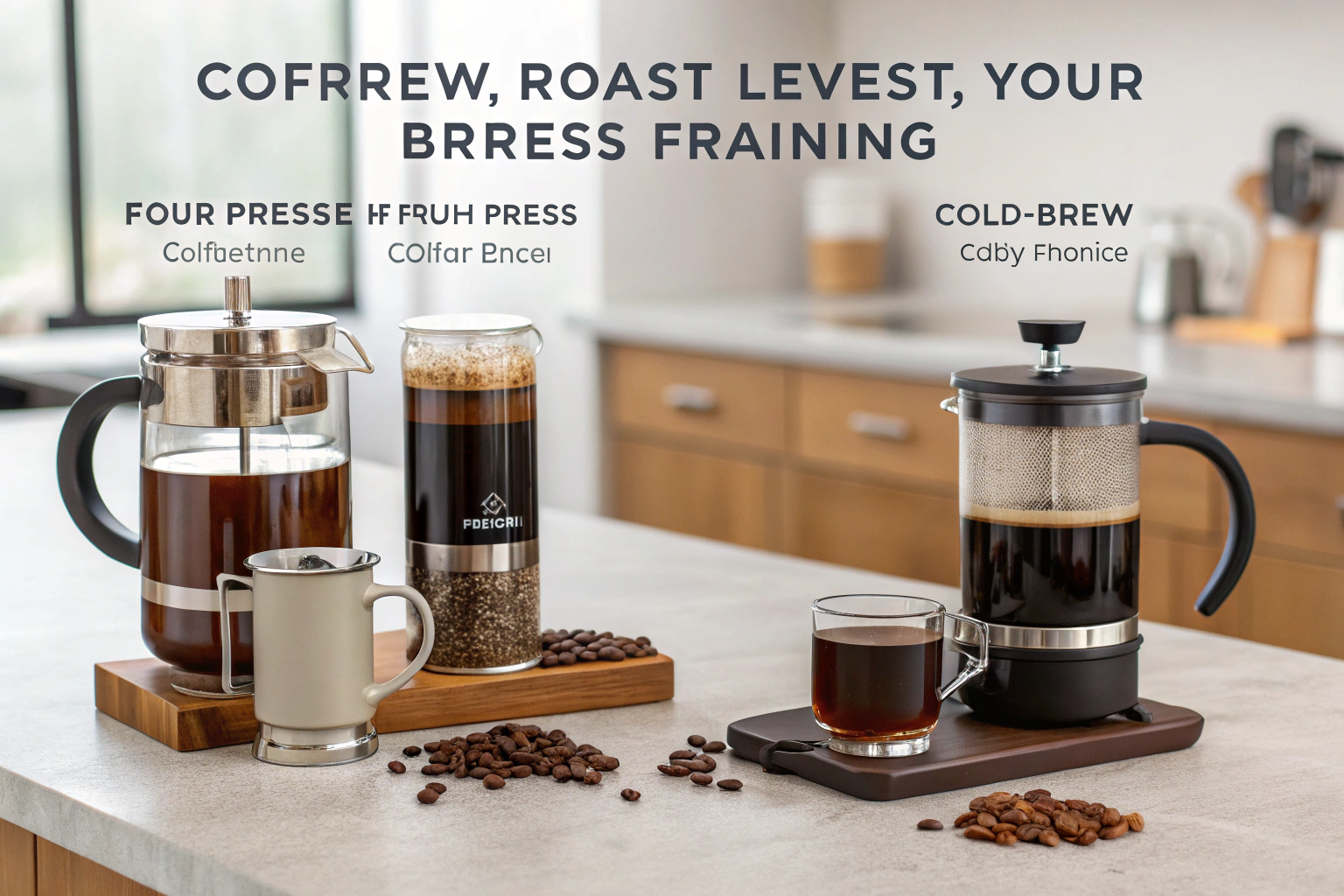
A café owner from Vancouver called me last month. He was frustrated. His espresso was amazing. Same beans, same roast, same grinder. But when customers bought bags to brew at home, they complained. "Tastes nothing like what we serve," they said. He didn't realize that beans perfect for espresso might fail in a drip machine.
Choosing the right roast for different brewing methods requires understanding how each method extracts flavor and how roast level affects solubility. Espresso needs well-developed roasts that extract quickly. Pour-over benefits from lighter roasts that reveal complexity. French press works with medium roasts that balance body and clarity. Cold brew demands dark roasts that extract fully without bitterness.
Let me walk you through matching roasts to methods. Because the same beans roasted differently can succeed or fail depending on how you brew them.
How Does Roast Level Affect Coffee Extraction?
Extraction is the key. Different roasts extract differently. Understanding this helps you choose—or adjust—for your brewing method.
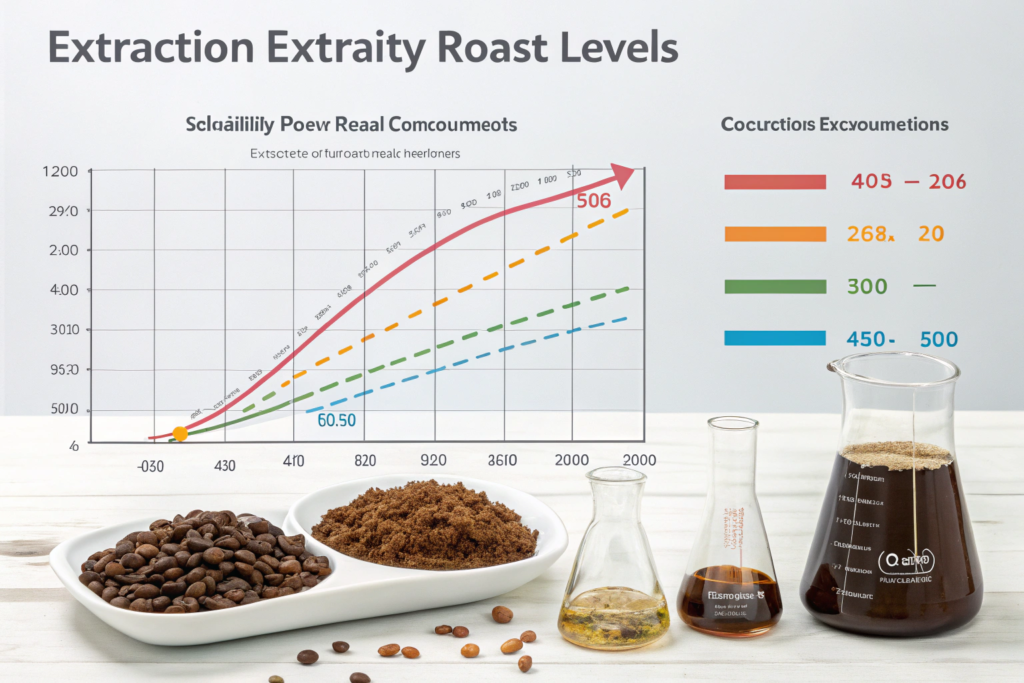
Lighter roasts are denser, less soluble. They require more heat, longer contact time, or finer grind to extract fully. Darker roasts are more porous, more soluble. They extract quickly, easily over-extract. Medium roasts balance both. Each brewing method has different extraction parameters—match roast to method for optimal results.
What happens chemically during roasting?
Roasting breaks down cellular structure, creates pores, makes beans more soluble. Darker roasts have more degradation, more solubility. Lighter roasts retain more structure, less solubility.
This explains why espresso (short contact time, high pressure) needs darker roasts—they extract fast enough. Pour-over (longer contact, gravity) can use lighter roasts—they have time to extract. Check coffee extraction science for detailed explanations.
How does grind size interact with roast level?
Darker roasts grind more easily, produce more fines. Lighter roasts grind more uniformly but require more energy. Grind settings that work for one roast may fail for another.
Always adjust grind when changing roast level. Don't assume same setting works. Working with Shanghai Fumao provides roast recommendations that consider your brewing method.
What Roast Works Best for Espresso?
Espresso is unforgiving. Short contact time, high pressure, concentrated result. Roast choice makes or breaks the shot.
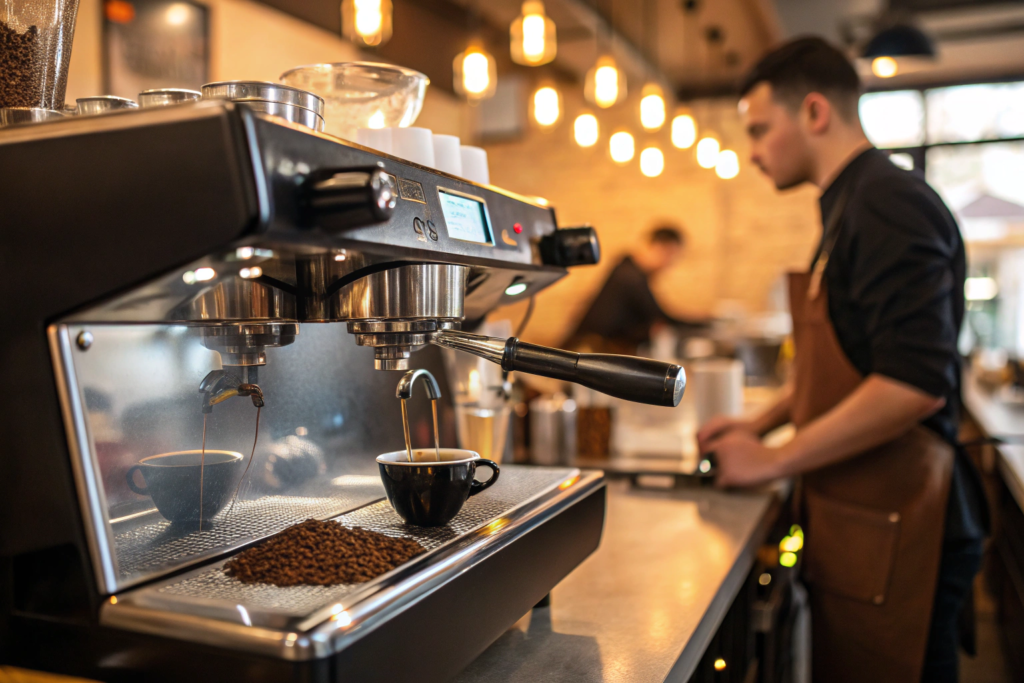
Espresso demands medium-dark to dark roasts. These roasts are soluble enough to extract fully in 25-30 seconds. They produce the body, crema, and sweetness espresso needs. Lighter roasts often taste sour, under-extracted, or harsh in espresso machines.
Why do light roasts fail in espresso?
Light roasts need more time to extract. Espresso doesn't give time. Result: sour, under-developed flavors. Also, light roasts produce less crema, thinner body.
Some specialty cafes pull light-roast espresso successfully—but they use advanced equipment, precise technique, and accept lower yields. Not for most. Visit espresso roast guide for professional recommendations.
What about blends versus single origin?
Espresso blends often combine roasts—some beans for body, some for crema, some for flavor. Single-origin espresso works too but requires careful matching.
We work with roasters to develop espresso-specific profiles. Our beans can be roasted to your specifications. Working with Shanghai Fumao provides green coffee suited to your espresso goals.
What Roast Works Best for Pour-Over and Drip?
Pour-over and drip methods give you time. Longer contact, gentler extraction. This allows lighter roasts to shine.
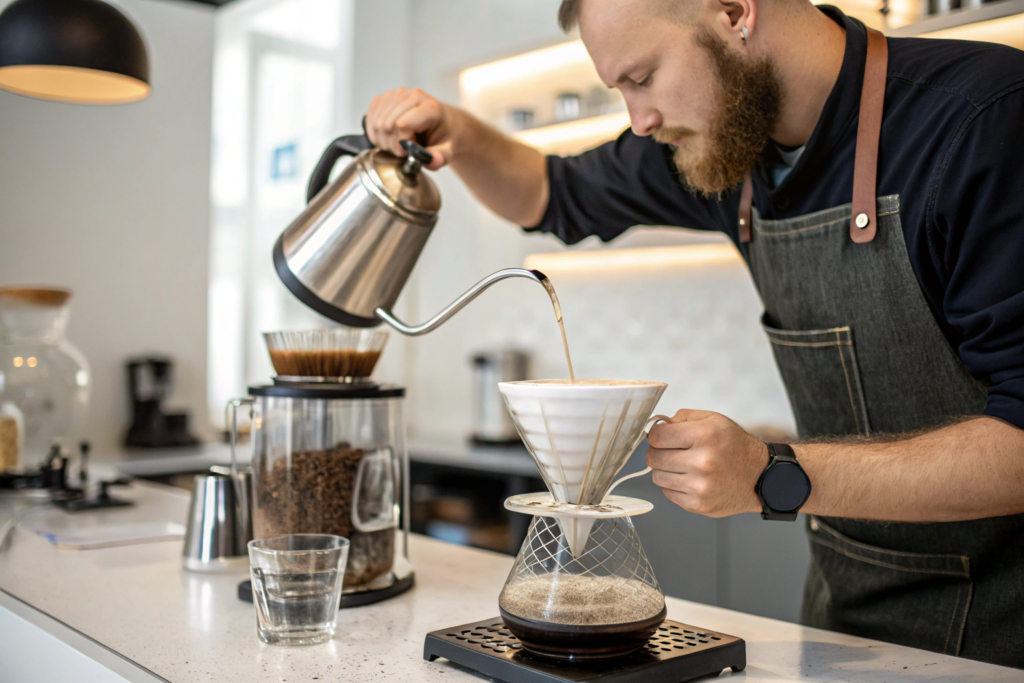
Pour-over and drip methods work beautifully with light to medium roasts. These roasts reveal origin character, bright acidity, complex floral and fruit notes. The longer extraction time (3-4 minutes) allows full development without over-extraction.
Why do light roasts work here?
Longer contact time gives soluble compounds time to extract. You don't need the instant solubility of dark roasts. Light roasts' complexity has chance to emerge.
Water temperature matters too. Light roasts often need hotter water (96°C+) to extract fully. Check pour-over brewing guides for temperature recommendations by roast level.
Can you use dark roasts for drip?
You can, but expect different results. Dark roasts in drip often taste flat, bitter, one-dimensional. The extended extraction pulls out harsh compounds.
If you must use dark roasts, adjust grind coarser, water cooler, contact shorter. But better to match roast to method. Working with partners like Shanghai Fumao helps you source appropriate beans for your primary brewing methods.
What Roast Works Best for French Press?
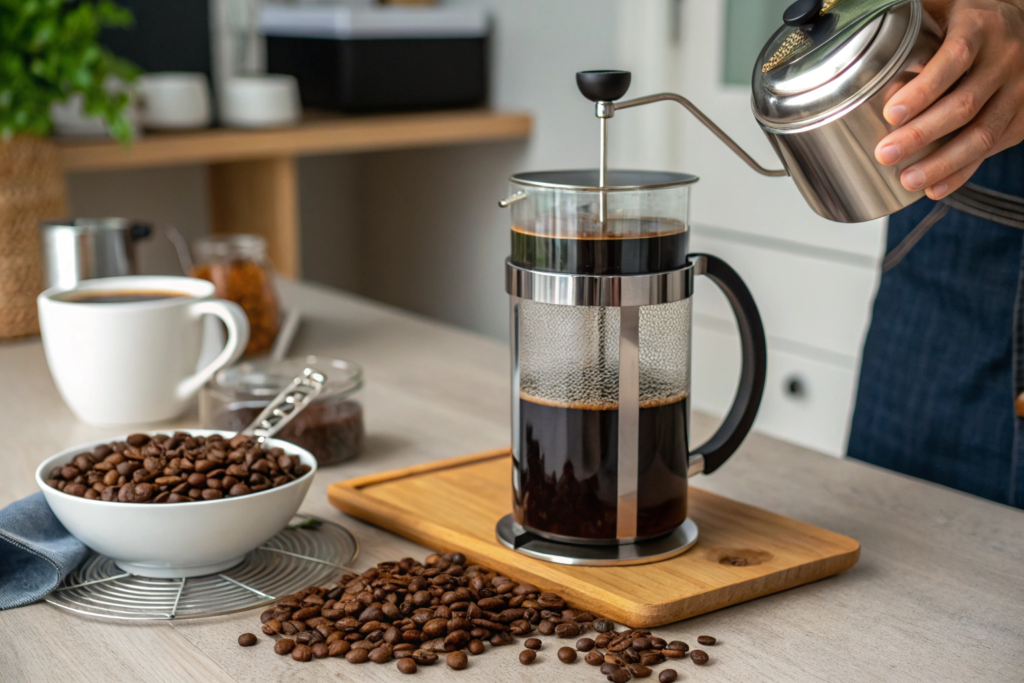
French press is full immersion. Coffee sits in water for minutes. No paper filter to trap oils. This method has unique requirements.
French press works best with medium to medium-dark roasts. These roasts provide body and sweetness that complement the method's heavy mouthfeel. Light roasts can taste too thin, overly acidic. Dark roasts may become bitter from extended contact.
Why not light roasts in French press?
Light roasts' brightness can become overwhelming when amplified by long immersion. The method highlights acidity—sometimes too much.
Also, light roasts' delicate flavors may get lost in French press's heavy body. Medium roasts balance better. Visit French press roast guide for pairing recommendations.
What about dark roasts?
Dark roasts in French press risk over-extraction. Four minutes of immersion pulls out bitter compounds. If you use dark roasts, shorten brew time, use cooler water.
Better to choose medium roasts designed for this method. Working with Shanghai Fumao provides roast recommendations for your preferred brewing style.
What Roast Works Best for Cold Brew?
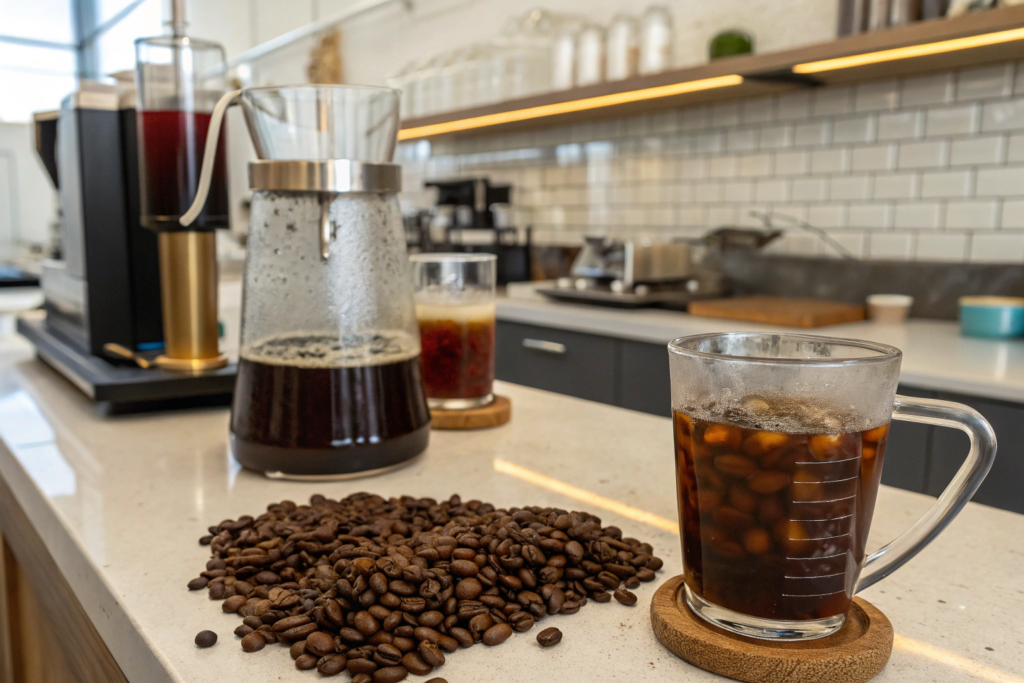
Cold brew is different. No heat. Long extraction—12-24 hours. This changes everything about roast selection.
Cold brew demands dark roasts. The long, cold extraction pulls out smooth chocolate and nut notes while minimizing acidity and bitterness. Light roasts in cold brew taste thin, sour, under-developed. Dark roasts produce the rich, smooth concentrate cold brew lovers expect.
Why don't light roasts work for cold brew?
Cold water doesn't extract light roasts efficiently. You get under-developed, sour flavors. The delicate notes light roasts offer require heat to emerge.
Dark roasts' solubility works with cold water. They extract fully over long steeps. Check cold brew science for extraction comparisons.
Can you use any dark roast?
Quality still matters. Cheap dark roasts taste burnt, ashy. Good dark roasts taste smooth, chocolatey, sweet.
Choose quality beans roasted dark with care. Working with partners like Shanghai Fumao provides beans that roast beautifully for cold brew.
Conclusion
Choosing the right roast for different brewing methods isn't complicated once you understand extraction. Darker for espresso and cold brew. Lighter for pour-over and drip. Medium for French press and versatility. Match roast to method, and your coffee will taste as intended.
At Shanghai Fumao, we help roasters understand our beans' behavior across methods. We provide roast recommendations, density data, and brewing guidance. Your success with our coffee matters to us.
If you want to explore how our beans perform in your brewing methods, contact our export manager, Cathy Cai. She'll share roast recommendations, sample roasting profiles, and connect you with roasters using our beans successfully. Email her at cathy@beanofcoffee.com. Tell her about your primary brewing methods and what you're looking for. She'll respond within 24 hours with beans roasted to your specifications.