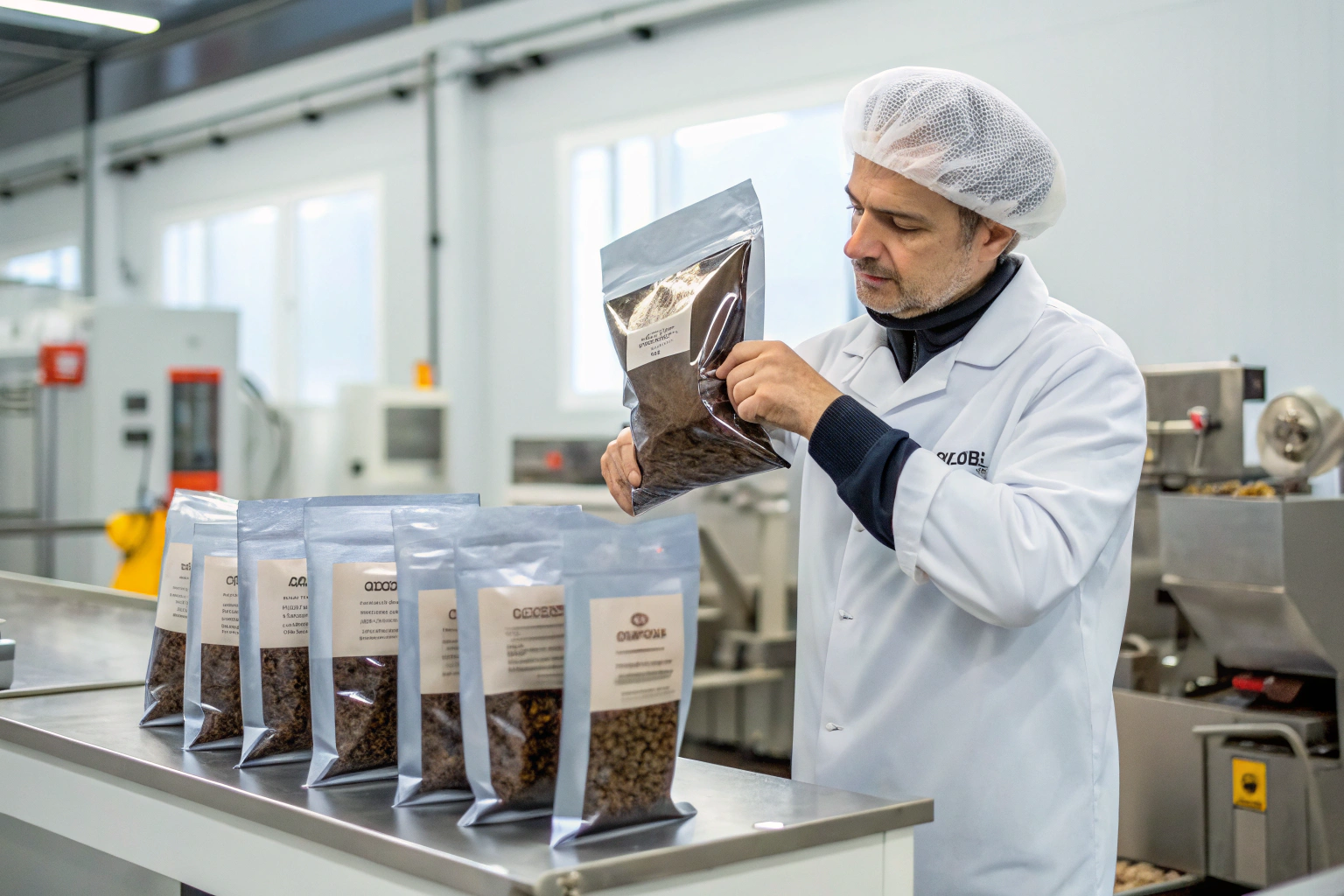
A roaster from Toronto called me last month. He'd been packaging his coffee in standard bags with one-way valves. Standard industry practice. But customers in humid climates complained about stale coffee after a few weeks. He tried everything—different roasts, different beans, different storage advice. Nothing worked until he switched to vacuum packaging.
Vacuum packaging removes oxygen, the primary enemy of coffee freshness. It extends shelf life dramatically, protects against moisture and odors, and preserves volatile aromatic compounds that create coffee's flavor. For green coffee storage, export shipments, and retail packaging, vacuum sealing offers advantages that standard bags cannot match.
Let me walk you through why vacuum packaging matters and when it makes sense for your operation.
How Does Vacuum Packaging Preserve Coffee Freshness?
Coffee's enemies are oxygen, moisture, light, and odors. Vacuum packaging addresses the most destructive of these directly and completely.
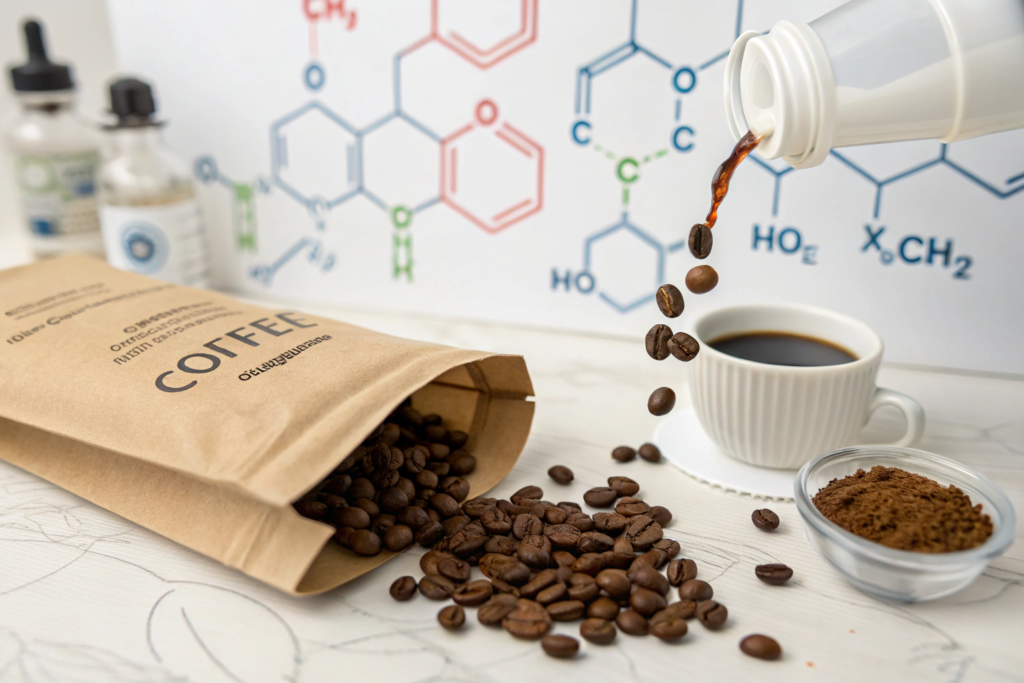
Oxygen causes oxidation—the same process that turns apple slices brown and metal rusty. In coffee, oxidation degrades oils, flattens flavors, and creates staleness. Vacuum packaging removes 99+ percent of oxygen, slowing these reactions dramatically. Coffee sealed without oxygen stays fresh months longer than coffee in oxygen-containing packages.
What happens to coffee without oxygen?
Flavor compounds stabilize. Oils don't oxidize. Aromatic molecules don't escape. The coffee essentially goes into suspended animation.
When you open a vacuum bag, it's as fresh as the day it was sealed—sometimes months later. Check coffee oxidation studies for scientific data on how oxygen affects specific flavor compounds.
How long does vacuum packaging extend freshness?
For green coffee: 12-24 months instead of 6-12 months in traditional bags. For roasted whole bean: 6-9 months instead of 2-4 months. For ground coffee: 3-6 months instead of weeks.
The extension depends on storage conditions, but vacuum packaging buys significant time. Working with Shanghai Fumao provides vacuum-sealed options for maximum freshness.
What Are the Benefits for Green Coffee Storage and Transport?
Green coffee travels long distances and often sits in warehouses. Traditional packaging leaves it vulnerable. Vacuum packaging changes this.
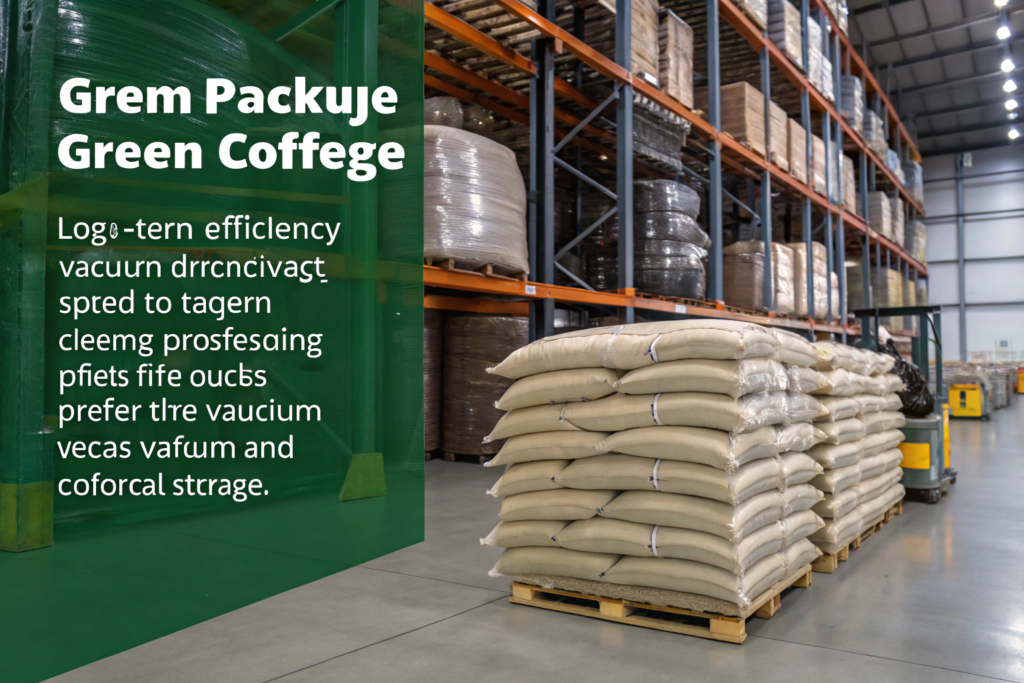
Vacuum packaging for green coffee offers multiple benefits: protection from humidity during ocean transit, prevention of mold growth, resistance to pest infestation, and dramatic reduction of storage space. Coffee in vacuum-sealed GrainPro bags can cross oceans and sit in warehouses for months without quality loss.
How does vacuum packaging protect during shipping?
Containers experience temperature swings. Condensation forms. Traditional bags absorb moisture. Vacuum-sealed bags are impermeable—moisture stays out.
Ships carry odors. Coffee absorbs them. Vacuum packaging blocks odor transmission completely. Visit coffee shipping protection studies for comparisons of packaging performance during transit.
What about space efficiency?
Vacuum packaging removes air, compressing coffee slightly. Same weight, smaller volume. You can fit more coffee in same container—reducing shipping cost per pound.
Stacking is safer too. Compressed bags are more stable, less likely to shift during transport. Working with partners like Shanghai Fumao optimizes packaging for both protection and efficiency.
How Does Vacuum Packaging Benefit Roasters?
Roasters face inventory challenges. Coffee arrives, gets stored, gets used over months. Maintaining freshness through this cycle is difficult. Vacuum packaging simplifies it.
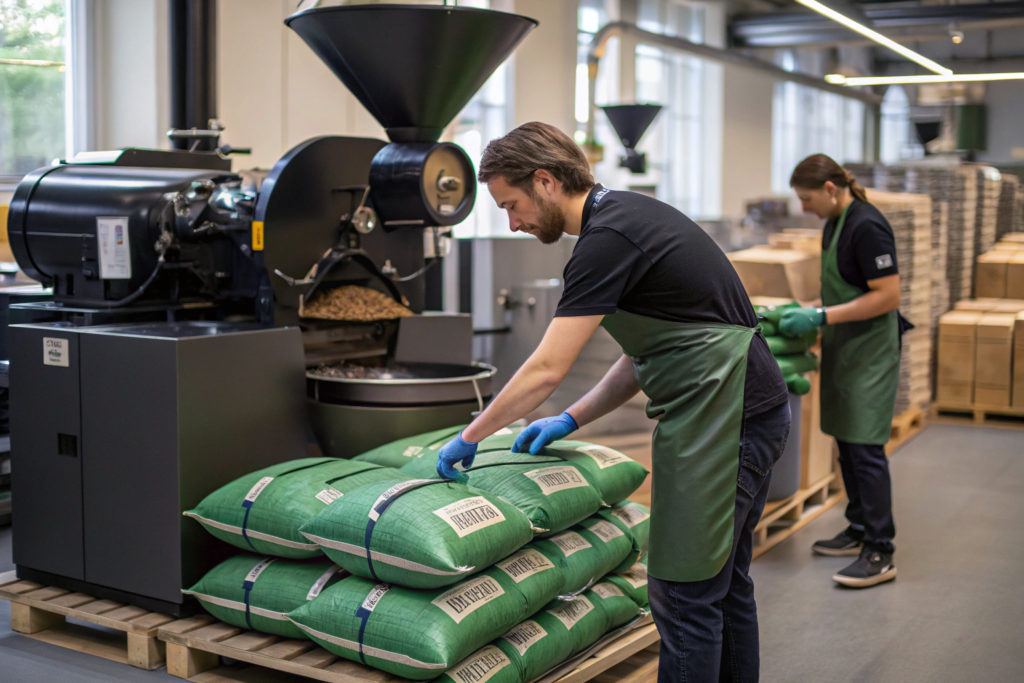
For roasters, vacuum-sealed green coffee means: consistent quality across multiple roast dates, reduced inventory losses from staling, ability to buy larger quantities without quality decline, and simplified quality control. Open a bag, roast what you need, reseal? Actually, you can't reseal vacuum bags—but you can portion appropriately.
How do you manage partial bags?
Vacuum packaging works best for whole-bag usage. For partial usage, transfer remaining coffee to airtight containers or resealable valve bags.
We offer multiple bag sizes to match usage patterns. 30kg, 60kg, custom sizes. Buy what you'll use in reasonable time. Check roastery inventory management for strategies matching package size to consumption rate.
What about sampling before committing?
Sample quantities aren't vacuum-sealed—they're too small. But full production lots can be vacuum-packed after sampling confirms quality.
We sample before sealing major lots. Once approved, we vacuum seal for shipment. Working with Shanghai Fumao coordinates this sampling-to-sealing workflow.
What Are the Retail Advantages of Vacuum Packaging?
Retail customers care about freshness. Vacuum packaging signals quality before they even taste. It's both functional and marketing.
Vacuum-packaged roasted coffee offers retail benefits: extended shelf life allowing wider distribution, visible freshness signal to consumers, protection from damage in shipping and handling, and often better flavor when customers finally brew. The rigid, sealed package also stacks better and looks more premium.
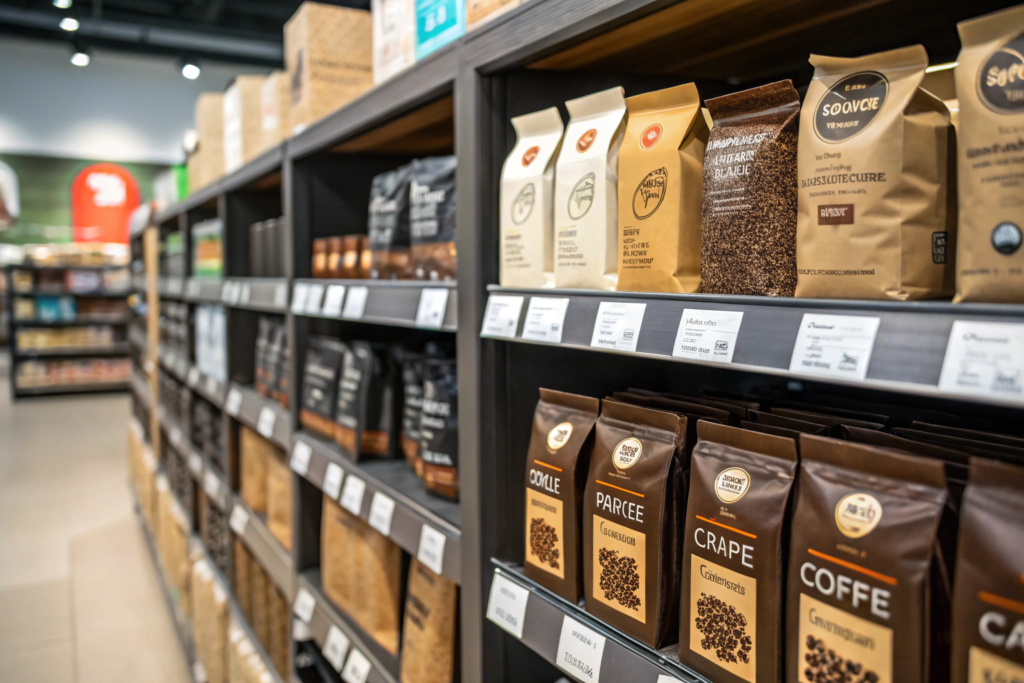
How do consumers perceive vacuum packaging?
Studies show consumers associate vacuum packaging with freshness, quality, and premium value. The tight seal suggests protection. The "puff" when opening confirms it.
First-time buyers may choose vacuum-sealed over traditional bags because it looks more professional. Visit coffee packaging consumer research for studies on packaging perception.
What about one-way valve bags versus vacuum?
Valve bags allow degassing while protecting from oxygen entry. They're standard for fresh-roasted coffee that continues releasing CO2. Vacuum packaging works for coffee that has finished degassing—typically 12-24 hours post-roast.
Choose based on your timeline. Fresh-roasted for immediate sale: valve bags. Longer-term retail: vacuum after degassing. Working with partners like Shanghai Fumao provides both options.
What Are the Limitations of Vacuum Packaging?
Vacuum packaging isn't perfect for every situation. Understanding limitations helps you use it appropriately.
Vacuum packaging limitations include: inability to use with freshly roasted coffee (needs degassing first), equipment costs for in-house sealing, difficulty resealing after opening, and potential for crushing delicate beans if vacuum too strong. For green coffee, these limitations don't apply—it's purely beneficial.
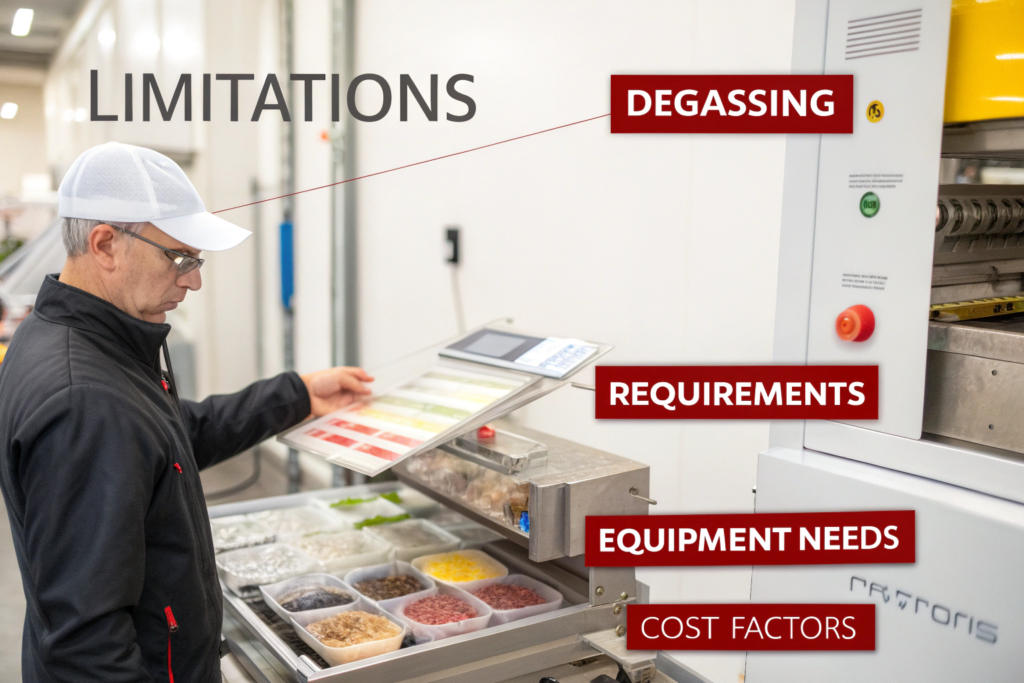
Can you vacuum seal fresh-roasted coffee?
No—fresh-roasted coffee releases CO2 for days. Vacuum sealing would trap gas, bags would burst. Coffee must degas completely first, typically 12-24 hours.
For retail, this means roasting then holding before sealing. For green coffee, no issue—green beans don't degas. Check roasted coffee degassing timelines for optimal sealing windows.
What equipment is needed?
For green coffee: industrial vacuum sealers capable of handling large bags. For retail: chamber vacuum sealers designed for coffee bags. Both require investment.
We handle vacuum sealing at origin. Buyers receive ready-to-store packages. No equipment needed on your end. Visit coffee packaging equipment for options if you want in-house capability.
Conclusion
Vacuum packaging offers powerful advantages: oxygen removal that preserves freshness, protection during transport, extended shelf life, space efficiency, and premium perception. For green coffee, it's nearly always beneficial. For roasted, it depends on your timeline and distribution. Understanding when and how to use vacuum packaging helps you deliver better coffee to your customers, reduce waste, and build quality reputation.
At Shanghai Fumao, we offer vacuum packaging for all our exports. Your coffee arrives as fresh as the day it was processed, ready for storage or immediate use.
If you're considering vacuum packaging for your coffee, contact our export manager, Cathy Cai. She'll explain our options, share cost comparisons, and help you choose what fits your operation. Email her at cathy@beanofcoffee.com. Tell her about your current packaging and what you hope to improve. She'll respond within 24 hours with practical advice.