
A distributor from London called me last month. He'd built his business on Arabica. But rising prices and shrinking margins made him consider Robusta. "My customers think Robusta is cheap, bitter, low-quality," he said. "How do I change that perception and actually sell the stuff?"
Marketing Robusta requires repositioning it as a different product, not a lesser one. Focus on its strengths: body, crema, caffeine, sustainability, and role in espresso blends. Educate customers about quality Robusta's unique value. Target markets that appreciate these attributes. At BeanofCoffee, we've helped buyers successfully introduce premium washed Robusta to skeptical customers.
Let me walk you through strategies that work. Because Robusta isn't Arabica's poor cousin—it's a different beast with different strengths.
Why Does Robusta Have a Bad Reputation?
You can't fix perception without understanding its origins. Robusta's reputation comes from real problems—but those problems don't apply to all Robusta.
Robusta's bad reputation comes from decades of commodity production: grown at low altitudes, harvested carelessly, processed poorly, blended into cheap coffee. Traditional Robusta tastes earthy, rubbery, harsh. But premium washed Robusta—grown well, processed carefully—tastes completely different: chocolate, nut, clean, with excellent body.
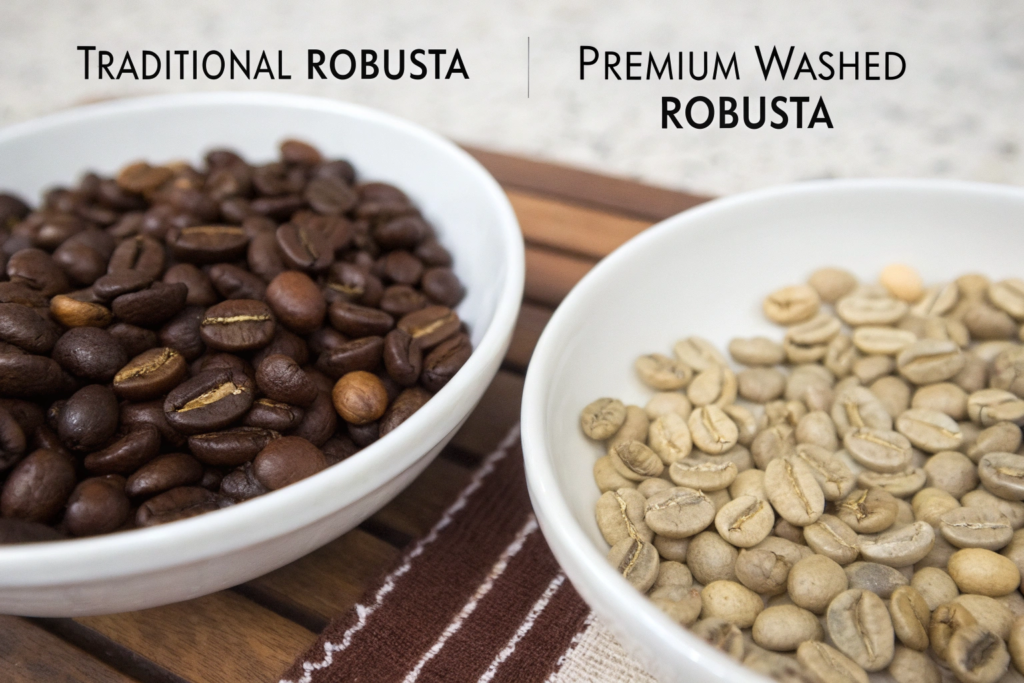
What changed with modern Robusta?
Washed processing removes the fermented fruit flavors that create harshness. Careful harvesting selects only ripe cherries. Proper drying prevents defects. The result is clean, chocolatey coffee that shares little with old-school Robusta.
Quality Robusta exists. Most coffee people have never tried it. Check washed Robusta research for sensory comparisons.
How big is the quality gap?
Commodity Robusta scores 75-78 points. Premium washed Robusta scores 80-83 points—solid specialty grade. Same species, completely different cup.
The gap is enormous. Tasting them side by side is revelatory. Working with Shanghai Fumao provides samples that demonstrate the difference.
What Are Robusta's Unique Selling Points?
Arabica dominates conversation. But Robusta has genuine advantages. Lead with these.
Robusta's unique selling points include: superior crema production for espresso, fuller body than Arabica, approximately double the caffeine, higher disease resistance requiring fewer inputs, and ability to grow in challenging climates. These aren't weaknesses—they're features that serve specific needs.
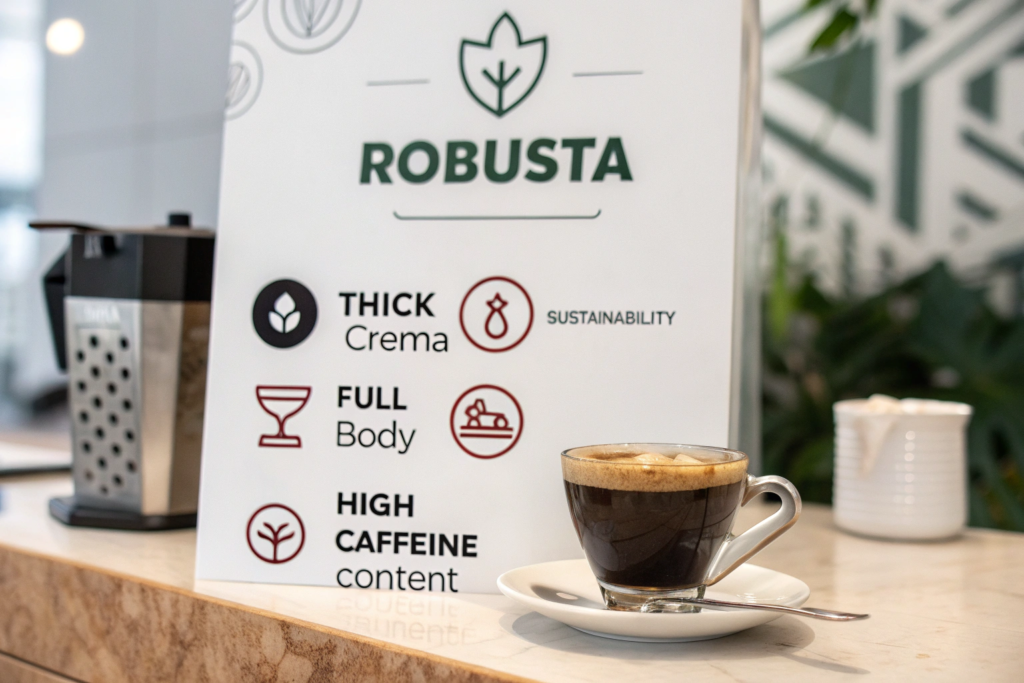
Why does crema matter?
Espresso drinkers judge by crema—that golden-brown foam on top. Robusta produces thicker, more stable crema than Arabica. For espresso blends, Robusta is essential.
Traditional Italian espresso blends always included Robusta. For good reason. Visit espresso blend science for technical explanations.
What about caffeine content?
Robusta has 1.7-2.5 percent caffeine versus Arabica's 1.2-1.5 percent. For customers seeking energy, this matters. For blends, it adds perceived strength.
Market Robusta to customers who want that extra kick. Working with partners like Shanghai Fumao helps you target appropriate segments.
What Educational Content Changes Perceptions?
Education is essential. Customers don't know what they don't know. Teach them.
Create educational content explaining: what Robusta is, how quality Robusta differs from commodity, its role in espresso tradition, its sensory characteristics, how to appreciate it. Blind tastings convert skeptics faster than any marketing.
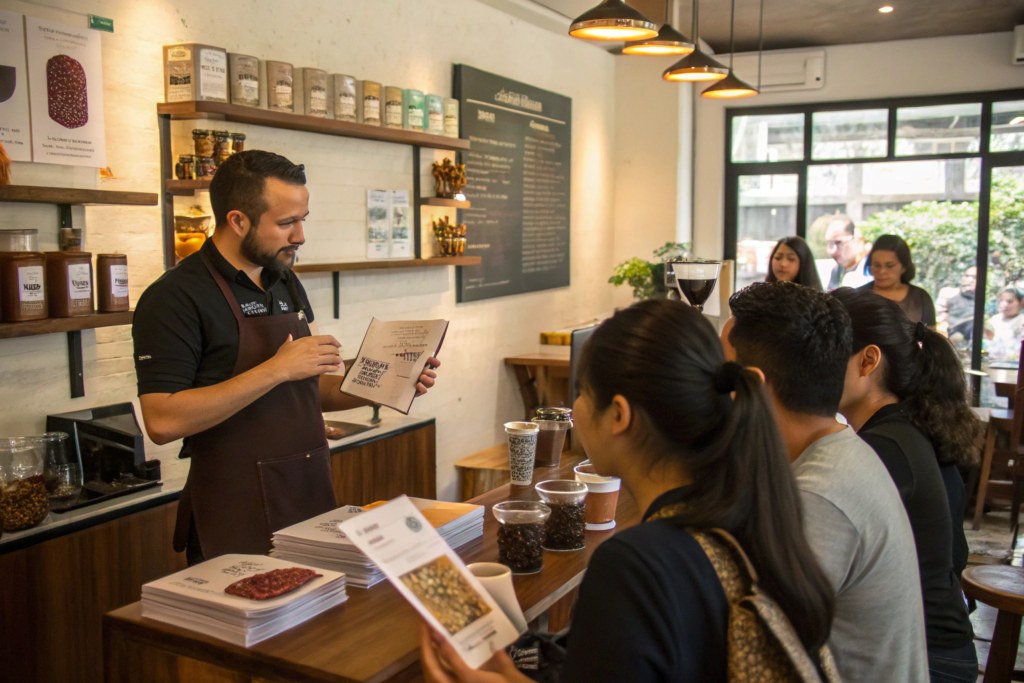
What tasting experiences work?
Side-by-side tastings: commodity Robusta vs. premium washed Robusta. Let people taste the difference themselves.
Blind triangle tests: two Arabica, one premium Robusta. Can they identify which is which? Often not. Visit coffee education resources for curriculum ideas.
What written content helps?
Blog posts explaining Robusta's history and renaissance. Social media highlighting its strengths. Packaging copy that frames it positively.
Use language that positions Robusta as choice, not compromise. Working with partners like Shanghai Fumao provides accurate information for your content.
What Markets Are Most Receptive to Robusta?
Some markets already appreciate Robusta. Others are ready to learn. Target accordingly.
Traditional espresso markets (Italy, France, Spain) have always used Robusta. They understand its value. Asian markets (Vietnam, parts of China) drink Robusta traditionally. Specialty coffee scenes everywhere are increasingly curious about quality Robusta. Start with receptive audiences, then expand.
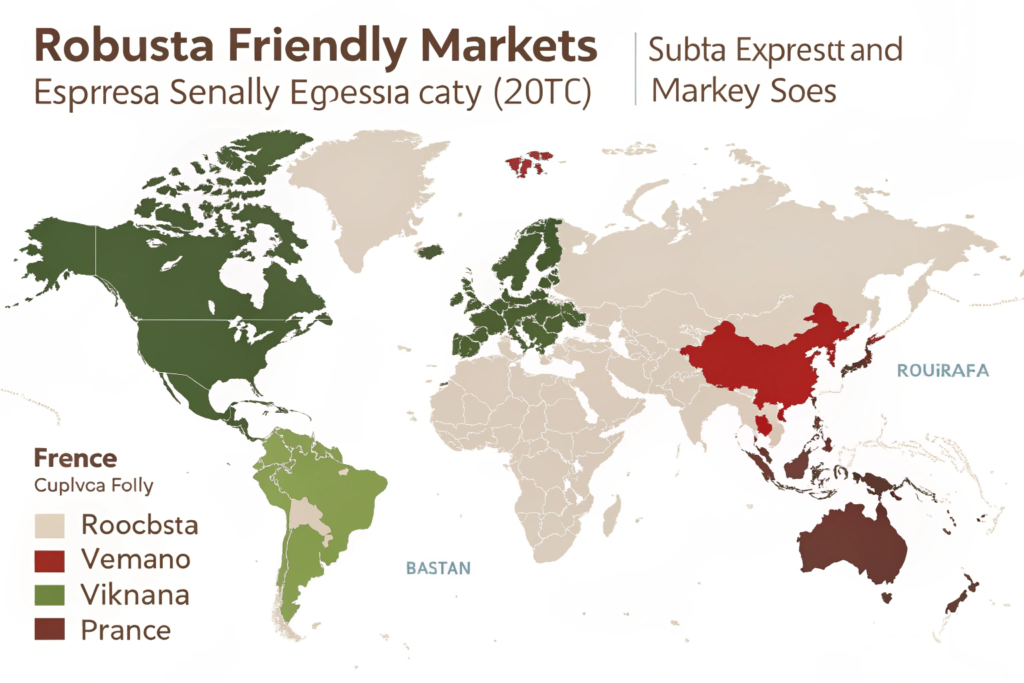
What about the US market?
US specialty coffee has long ignored Robusta. That's changing. Roasters seeking differentiation, body, and sustainability are exploring premium Robusta.
Education needed here. But early adopters exist. Check US Robusta market trends for emerging opportunities.
How do you reach these markets?
Targeted marketing. Espresso-focused roasters. Cold brew producers. Sustainable coffee advocates. Each segment has reason to care.
We help buyers identify appropriate segments for our Robusta. Working with Shanghai Fumao provides market insights from successful Robusta programs.
How Do You Price Robusta Strategically?
Price signals value. Price Robusta too low, and customers assume it's inferior. Price it too high, and they won't try it. Find the sweet spot.
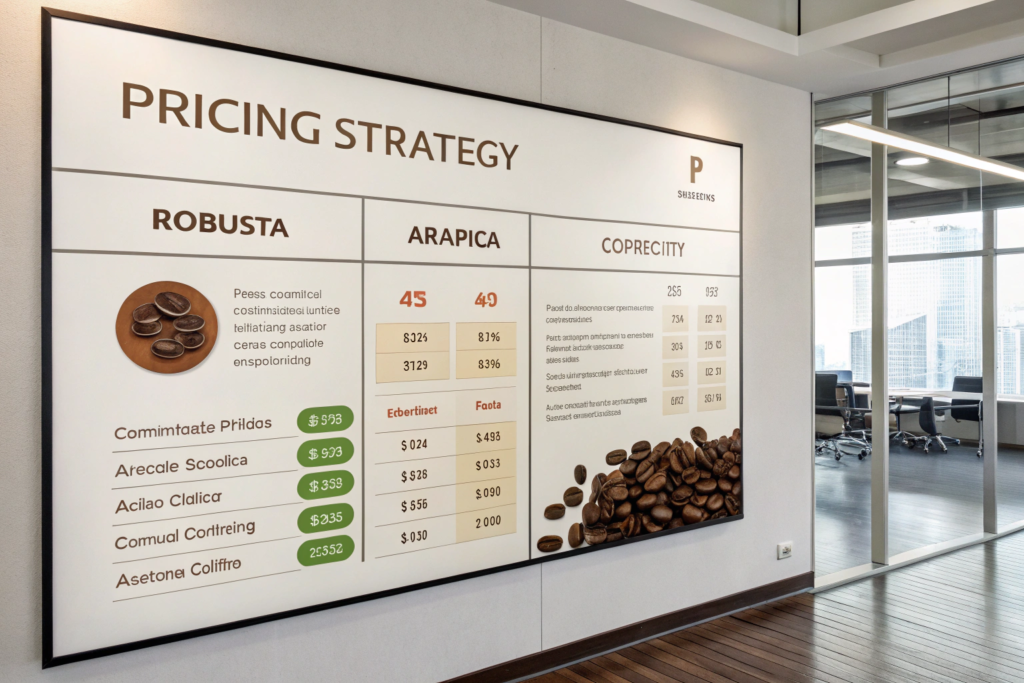
Price premium Robusta below specialty Arabica but significantly above commodity coffee. This signals "quality but accessible." For espresso blends, price based on blend value, not component cost. For single-origin, price comparable to entry-level specialty Arabica.
What price points work?
For washed Robusta: $4-6 per pound wholesale depending on quality. For blends: price to overall blend value, not Robusta component cost.
Test different price points. See what your market accepts. Visit coffee pricing strategies for guidance.
Should you discount Robusta?
No. Discounting reinforces "lesser than" perception. Price it confidently, explain its value, let quality speak.
If customers resist, offer samples. Let tasting do the selling. Working with partners like Shanghai Fumao provides sample programs that support your pricing.
Conclusion
Marketing Robusta successfully requires repositioning it as a different product with unique strengths. Focus on body, crema, caffeine, sustainability. Educate customers through tastings and content. Target receptive markets first. Price strategically to signal value.
Robusta isn't for everyone. But for the right customers and applications, it's irreplaceable. The key is finding those customers and showing them what quality Robusta can do.
At Shanghai Fumao, we produce premium washed Robusta that changes minds. We've seen skeptics become believers after one taste. We can help you tell that story.
If you're ready to explore Robusta for your portfolio, contact our export manager, Cathy Cai. She'll share samples, market insights, and success stories from other buyers. Email her at cathy@beanofcoffee.com. Tell her about your current offerings and what you're looking for. She'll respond within 24 hours with Robusta that might surprise you.