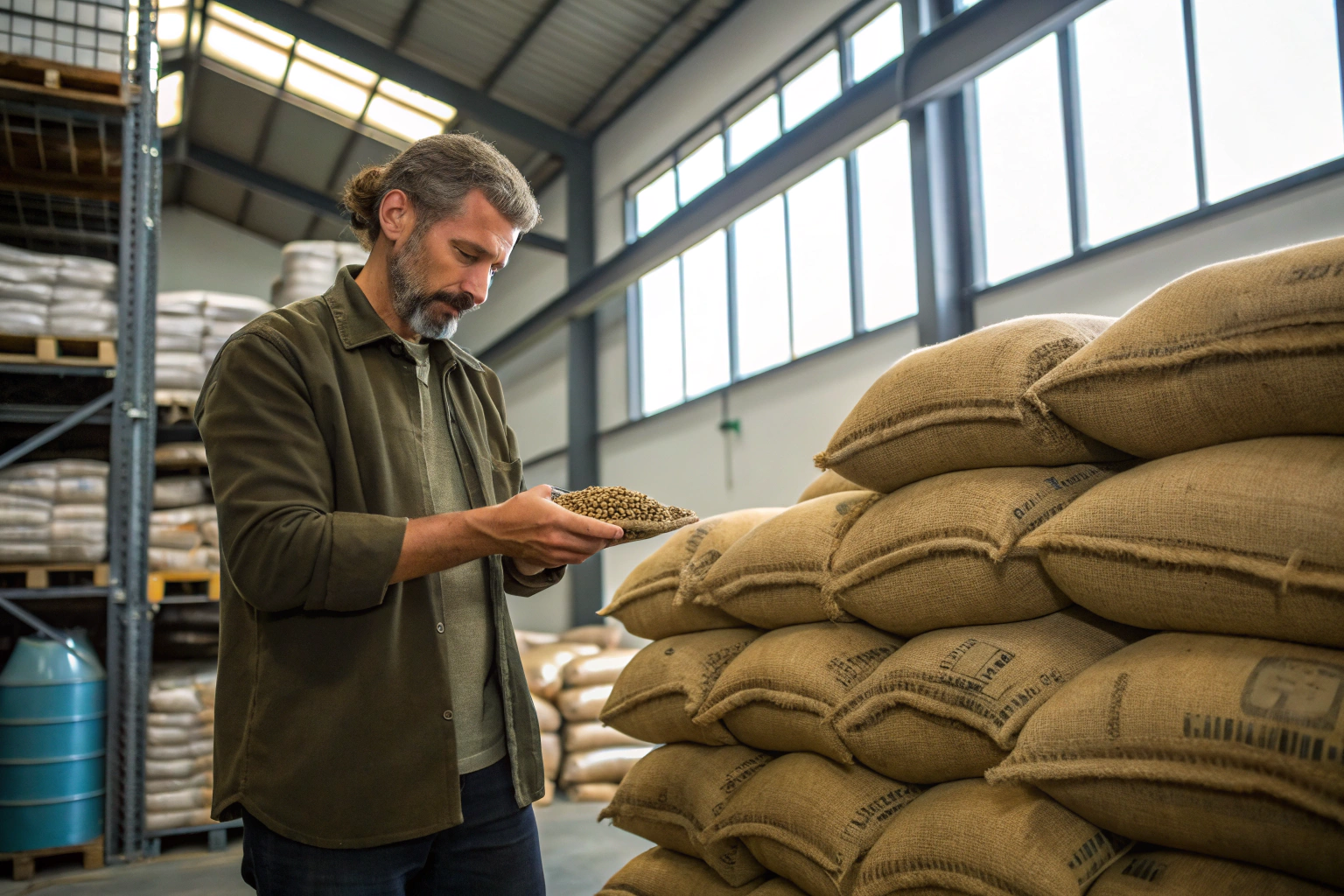
I have been in this business long enough to remember when buying unroasted coffee was just what everyone did. There was no choice. But now? Roasters are everywhere. Supermarkets sell fresh roast. Online shops ship roasted beans overnight. So why would anyone still buy green? Honestly? The advantages might surprise you.
When I first started BeanofCoffee, I thought most of our buyers would want roasted beans. Pre-packaged. Ready to sell. But over the years, I have seen a shift. More and more buyers, even small ones, are asking for unroasted. They want control. They want freshness. They want margins. And honestly? They are right. You can learn more about green coffee storage on Royal Coffee or check buying guides on Coffee Research Institute.
Let me walk you through the real advantages. Not the marketing talk. The things I have seen work for our customers in North America, Europe, and Australia. Because if you are considering switching to green, or expanding your green buying, this matters.
How Much Money Can You Save Buying Unroasted Coffee?
Let us start with the obvious one. Price. Everyone wants to know about price. And honestly? The savings are real.
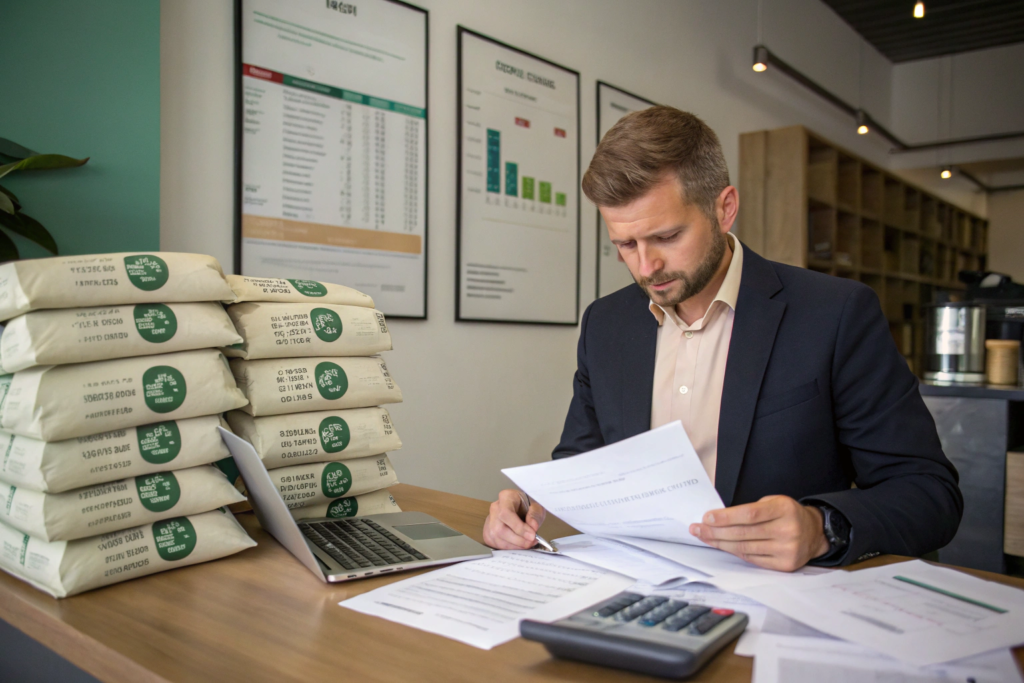
When you buy unroasted coffee, you are not paying for the roasting. You are not paying for the packaging. You are not paying for the marketing. You are paying for the bean. That is it. Typically, green coffee costs 30 to 50 percent less than roasted coffee by weight. But here is the thing. Roasting removes water. So 100 kilos of green becomes about 80 to 85 kilos of roasted. You have to account for that. Still, the savings are significant. You can check current green coffee prices on International Coffee Organization or compare with roasted prices on Coffee Review.
What is the actual cost difference per pound?
Let me give you a real example. Our Yunnan Arabica green coffee sells for around $4.50 per pound FOB, depending on the grade. The same coffee, roasted and packaged? That would be $8 to $10 per pound, maybe more. So you are looking at roughly half the cost.
But wait. You have to add your roasting cost. Your labor. Your packaging. Your marketing. Even after all that, most roasters tell me their gross margin is better when they buy green and roast themselves. You are cutting out the middleman. You are keeping that value in your business.
How do shipping costs compare for green vs roasted coffee?
This is something people forget. Green coffee is dense. It ships efficiently. Roasted coffee is bulky. It has more air. It takes up more space. So for the same weight, roasted coffee costs more to ship.
Also, green coffee is stable. It does not need special handling. Roasted coffee needs protection. It needs one-way valves in the bags. It needs careful stacking. All of that adds cost. When you buy green, you avoid those extra expenses. Our partners at Shanghai Fumao handle the logistics for both green and roasted exports, and the difference in shipping efficiency is dramatic.
How Does Freshness Compare Between Green and Roasted Coffee?
Here is the truth. Roasted coffee starts losing flavor the moment it cools. Within two weeks, it is noticeably different. Within a month, it is past its prime. Green coffee? It stays fresh for months. Even years if stored properly.
That changes everything. When you buy green, you are not racing against the clock. You can buy larger quantities. You can wait for the right market conditions. You can roast to order. Your customers get coffee that was roasted days ago, not weeks or months ago. That is a competitive advantage you cannot buy.
How long does green coffee really last?
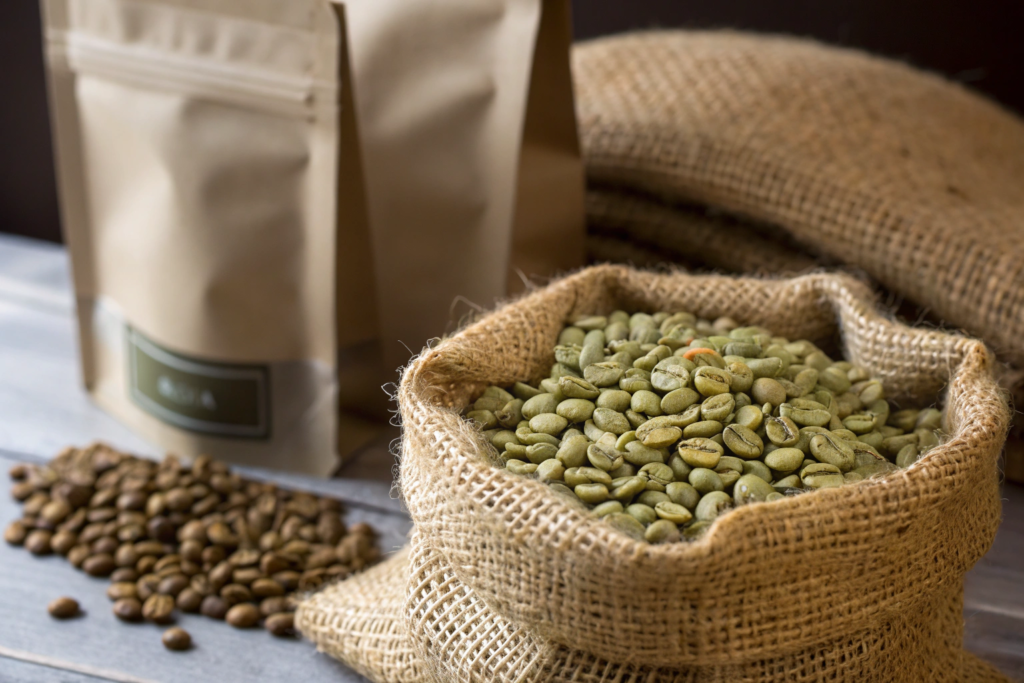
Stored correctly, green coffee can last 6 to 12 months without significant quality loss. In ideal conditions? Cool, dry, stable environment? Some coffees actually improve for the first few months. The flavors settle. The beans become more consistent.
We have cupped Yunnan Arabica that was stored for 18 months. Was it exactly the same as fresh crop? No. But was it still good? Yes. Many of our buyers cannot tell the difference between 6-month-old green and fresh crop. That is not true for roasted. Roasted coffee at 6 months is usually garbage.
What storage conditions do green beans need?
Not complicated. Keep them cool. Below 70°F if possible. Keep them dry. Below 70 percent humidity. Keep them away from light. Keep them off the floor. That is it. You do not need fancy equipment. A clean, dry warehouse works.
We store thousands of bags this way at our facility. And we work with buyers to help them set up proper storage. If you have a spare room that stays cool and dry, you can store green coffee. You can find storage guidelines on Specialty Coffee Association or ask our team for advice.
What Control Do You Get When Roasting Your Own Coffee?
This is the big one. Control. When you buy roasted coffee from someone else, you are stuck with their roast profile. Their decisions. Their mistakes.
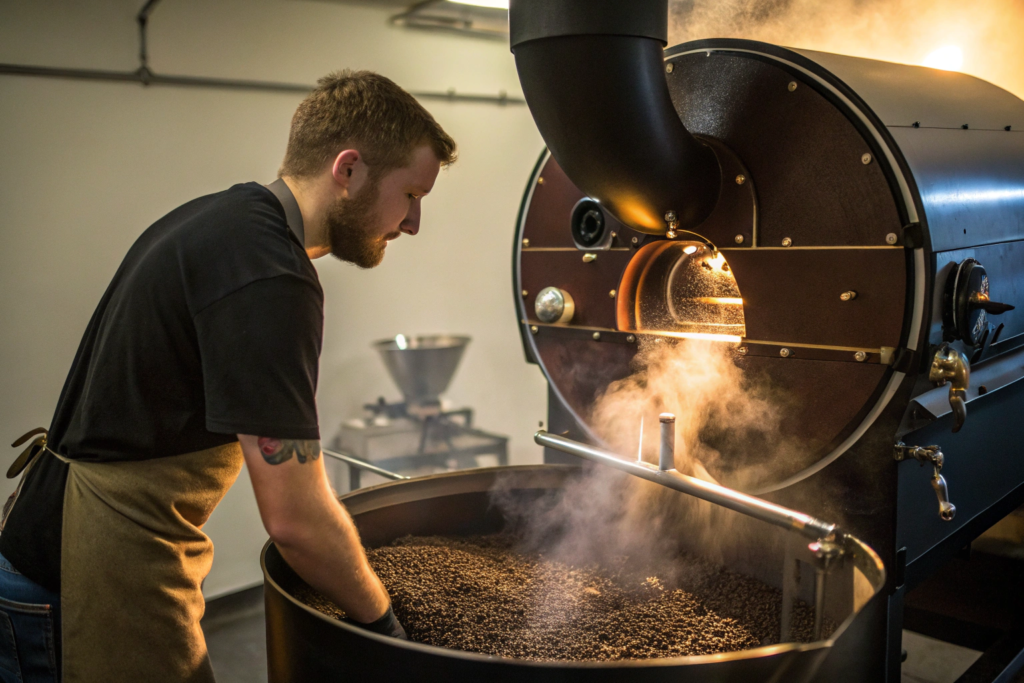
When you buy green, you decide. Light, medium, dark. Fast roast, slow roast. Development time. Charge temperature. All of it is yours to control. You can dial in the perfect roast for your water, your equipment, your customers. That is powerful.
Can you create signature roasts with green coffee?
Absolutely. This is how roasters build their brand. They take the same green beans everyone else has access to, and they roast them differently. They create something unique. Something customers cannot get anywhere else.
Our Yunnan beans are a great example. Some buyers roast them light to highlight the floral notes. Some go medium for balance. Some take them dark for chocolate and body. Same bean. Three completely different cups. That is the magic of roasting your own. You can read about roast profiling on Roast Magazine or experiment with our samples.
How do you match roast profiles to different brew methods?
This is where experience comes in. Espresso needs a different roast than filter. French press needs something different than pour-over. When you buy green, you can create blends and roast profiles for each.
We have one buyer in Australia who buys our Yunnan Arabica and roasts it three ways. One for espresso. One for milk drinks. One for filter. He sells them all under different names. His customers think they are different origins. They are not. It is just different roasts of the same bean. That is control.
How Does Buying Green Support Supply Chain Transparency?
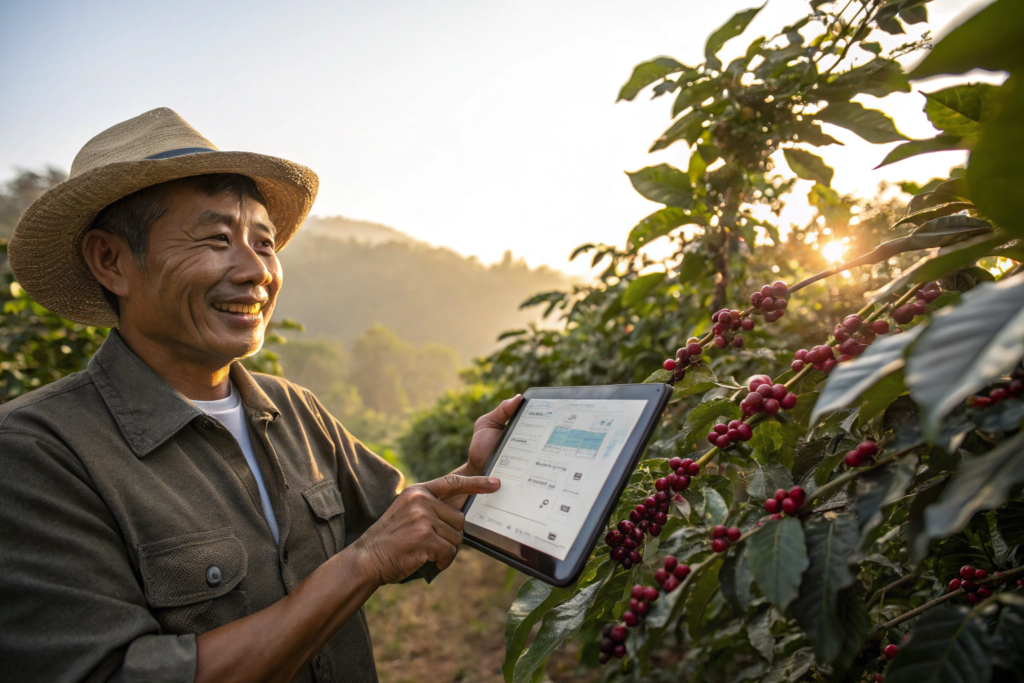
Honestly? This matters more every year. Customers want to know where their coffee comes from. They want stories. They want ethics. When you buy green, you can trace your beans all the way back to the farm.
When you buy roasted from a distributor, you lose that connection. You might get a region. Maybe a country. But the farm? The farmer? The story? Gone. That matters to today's coffee drinkers.
What traceability information can you get with green coffee?
A good supplier gives you everything. Farm name. GPS coordinates. Altitude. Variety. Processing method. Harvest date. Drying method. Farmer name. Photos. Videos. All of it.
At BeanofCoffee, we provide full traceability for every lot. You know exactly which part of our 10,000 acres your beans came from. You can tell your customers. You can put it on your packaging. That builds trust. That builds loyalty. Our partners at Shanghai Fumao help us maintain these traceability records for every export.
How does transparency help you market your coffee?
It gives you a story. A real story. Not "this coffee is from somewhere." But "this coffee is from Mr. Wang's farm in Baoshan, at 1,400 meters, picked in December, washed and dried on raised beds." That is a story customers remember.
We have seen it work. Buyers who share our farm stories sell more coffee. They charge more. Their customers come back. Because people connect with people, not with commodities.
What Are the Equipment and Skill Requirements for Roasting?
Now, I have to be honest. Roasting is not free. You need equipment. You need skill. You need space. But you do not need a million-dollar facility.
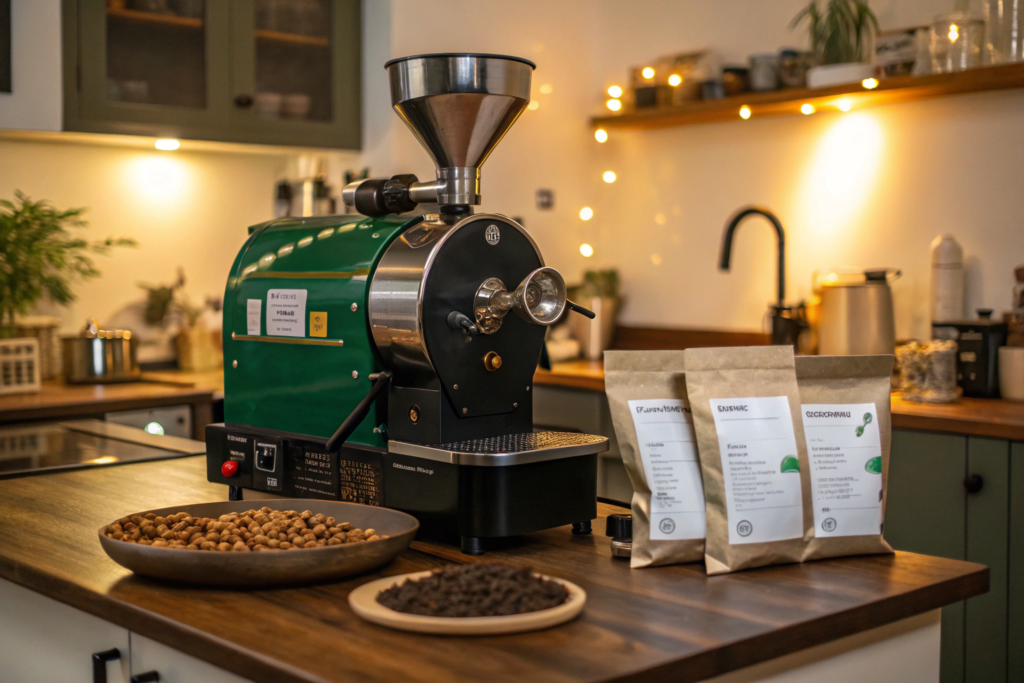
Start small. A sample roaster. A small drum roaster. Even a hot air popcorn popper works for tiny batches. Learn the basics. Then grow. Many of our buyers started with a 1-kilo roaster in their garage. Now they have 15-kilo machines and a real business.
What is the minimum investment to start roasting?
You can start for under $1,000 if you go really small. A FreshRoast or a Gene Cafe. That is enough to learn. To experiment. To roast for friends and family.
For a serious business, you need more. A 5-kilo roaster might cost $10,000 to $20,000 used. Plus ventilation. Plus packaging. Plus training. But you do not need all that on day one. Start small. Grow smart. You can find equipment reviews on Coffee Tech or check classifieds on Roast Magazine.
How long does it take to learn to roast well?
Months. Not days. Roasting looks simple, but it is not. You have to understand heat transfer. Bean development. First crack, second crack. Cooling. Resting. It takes practice.
But here is the good news. You can learn. We all did. I burned thousands of pounds of coffee learning. So did every roaster you admire. The key is to start. To experiment. To take notes. And to keep going. If you want to learn, reach out. We can connect you with training resources.
Conclusion
Buying unroasted coffee gives you advantages you cannot get any other way. Lower cost. Better freshness. Complete control. Full transparency. Yes, it takes work. Yes, you need equipment and skill. But the payoff? That is yours to keep.
At BeanofCoffee, we have been supplying green coffee to buyers around the world for years. We know what works. We know what matters. And we are here to help you succeed, whether you are just starting or scaling up.
If you are ready to explore the advantages of buying unroasted, reach out to us. Let us talk about your goals. Your volume. Your budget. We can send samples. Share data. Help you get started. Contact our export manager, Cathy Cai, at cathy@beanofcoffee.com.